Grasslands and prairies: space without walls
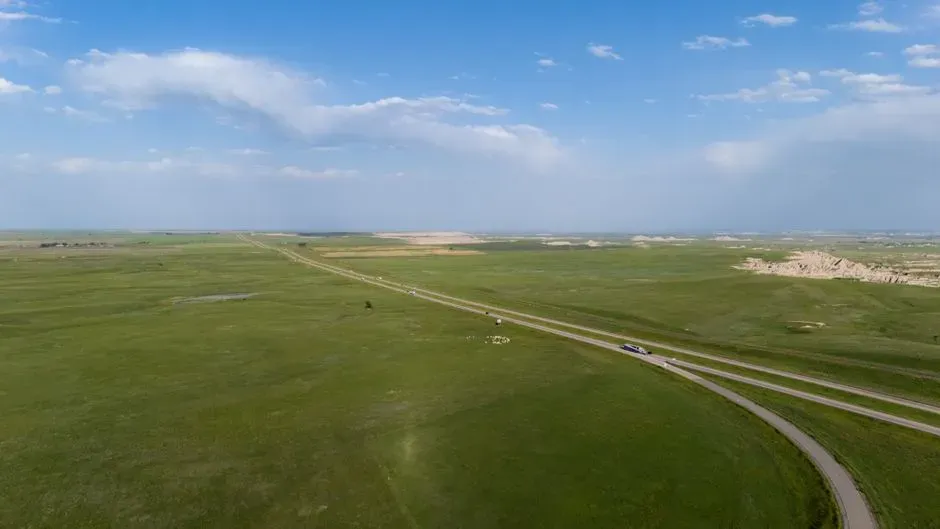
Prairies and grasslands cover roughly a quarter of the earth’s land surface, though many have been converted to farmland or grazing over the past two centuries. What remains offers a particular kind of visual calm, since the land rolls out in gentle waves with almost nothing to interrupt the sightline for miles. Grasslands National Park in Canada, for instance, was specifically set aside to preserve one of the last stretches of native prairie in North America.
The beauty of these places is subtle rather than dramatic. There are no towering peaks or crashing waves, just grass, sky, and wind moving through both. That simplicity is exactly why prairies have become popular with stargazers and photographers who want a foreground that does not compete with the sky above it.
Deserts: the beauty of emptiness
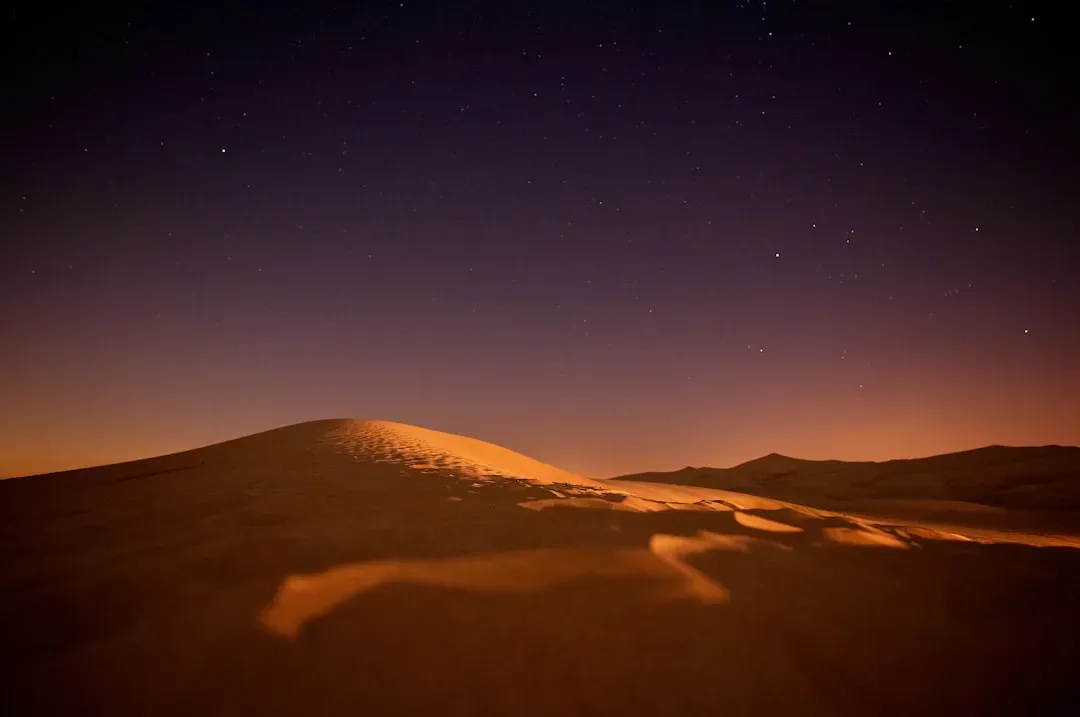
Deserts get a reputation for being barren, but that framing misses what makes them compelling. The openness of a desert landscape strips away visual noise entirely, leaving color, light, and texture to do all the work. Utah’s canyon country and Saudi Arabia’s Nufud desert are both examples where the emptiness itself has become a draw for travelers seeking something closer to silence than scenery.
Deserts also tend to have some of the clearest air on the planet, which is part of why so many dark sky parks are located in arid regions. AlNufud Dark Sky Park sits within the AlNufud AlKabir Desert, one of the largest and most ecologically distinct deserts in the region. The lack of moisture and vegetation that makes a desert feel empty during the day is the same quality that makes it extraordinary after dark.
Coastlines and the long horizon
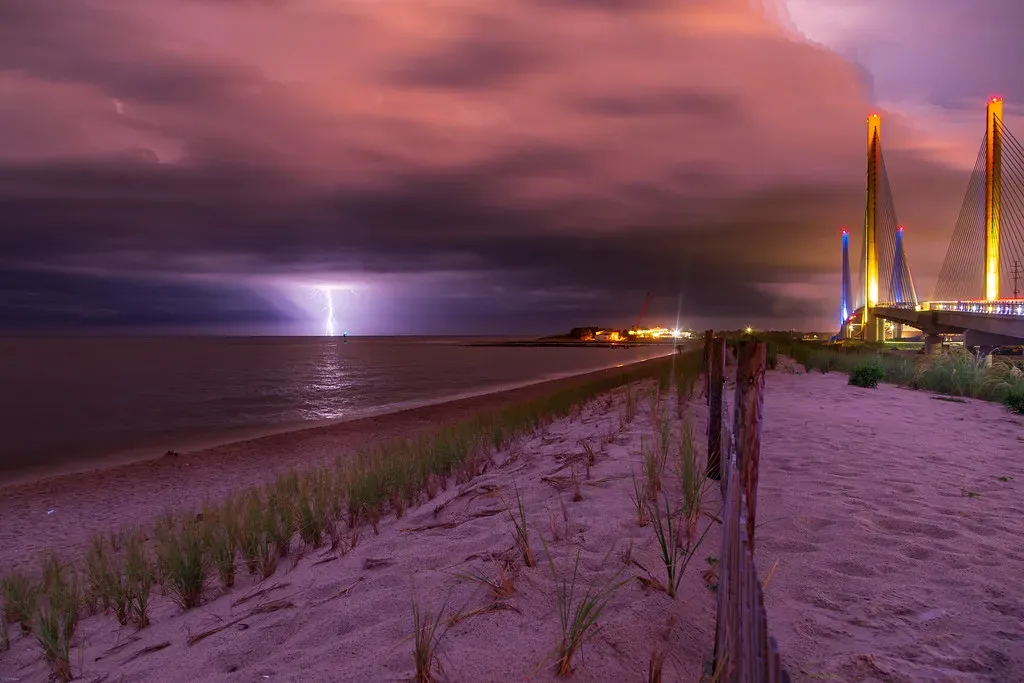
A coastline offers a different kind of open space, one bounded on one side by land and open indefinitely on the other. The horizon line at sea is famously the flattest, most uninterrupted edge a person can look at, and that visual simplicity seems to have a calming effect that researchers have studied for decades. Coastal parks and seashores remain some of the most visited outdoor spaces in the country for exactly this reason.
Maine’s Acadia National Park experienced a visitation surge, fueled by tourists hunting for fall colors and its gorgeous coastline. The appeal is not just scenery. Something about standing where land runs out and water takes over seems to reset a person’s sense of scale.
High country: mountain plateaus and alpine meadows
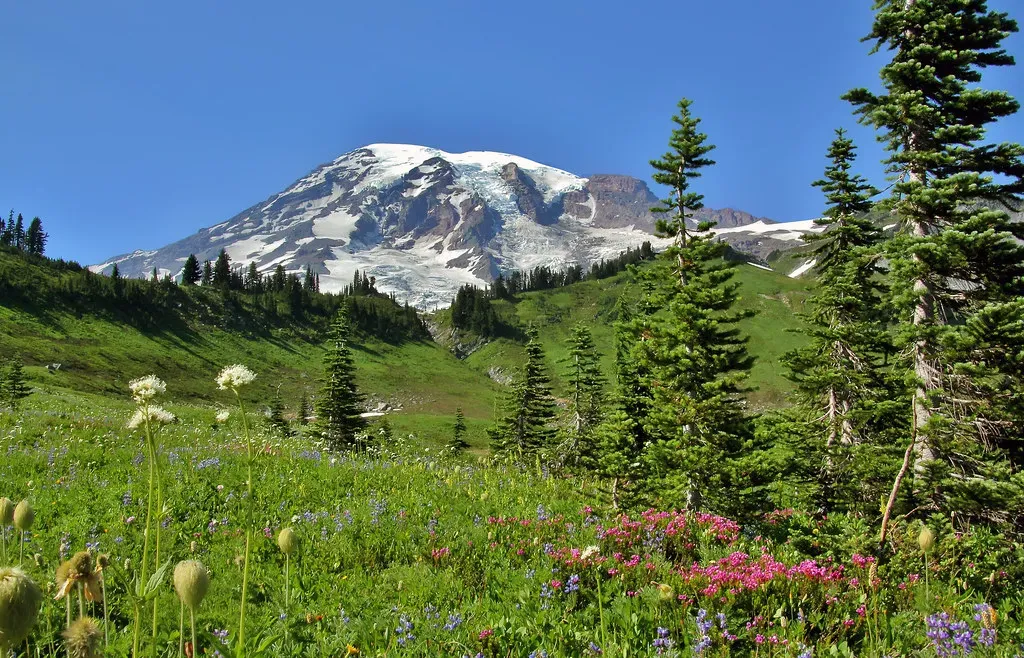
Above the treeline, mountains open up in a way that lower elevations rarely do. Alpine meadows and high plateaus strip away forest cover and replace it with sweeping views that can stretch across several mountain ranges at once. This kind of terrain has long attracted both hikers and astronomers, since thin, dry mountain air tends to produce exceptionally clear skies.
The Central Idaho Dark Sky Reserve, designated in 2017, sits in exactly this kind of high country. Rocky Mountain National Park, one of the more visited alpine destinations in the United States, drew over four million visitors in 2024 alone, a sign that high open terrain has lost none of its pull on the public imagination.
National parks: America’s open space boom
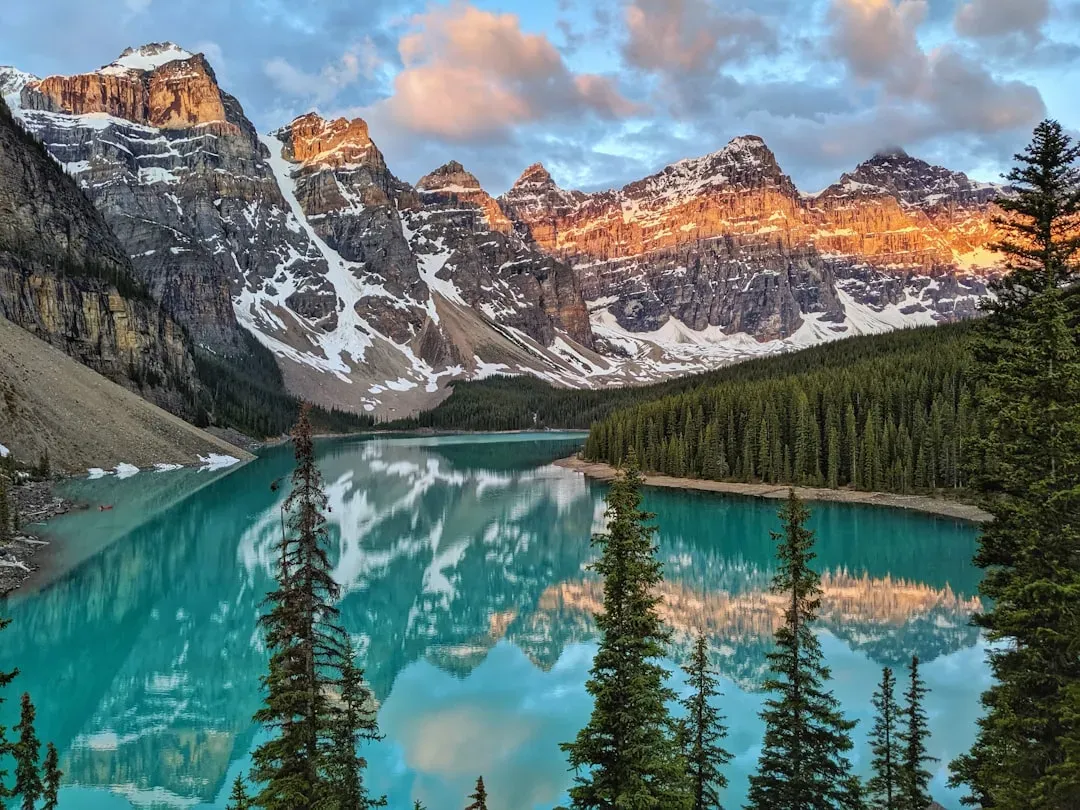
The past two years have made clear just how much demand exists for protected open land. The National Park Service reported 331.9 million recreation visits in 2024, a 2% increase from 2023 and almost one million more visits than the previous 2016 record. That number reflects a system of 433 units spanning battlefields, seashores, monuments, and wilderness areas.
Interestingly, the numbers slipped slightly after that record. Visitation in the following year showed a decrease of 8.85 million recreation visits, or 2.7%, from the record year in 2024. Even with that dip, the scale of public interest in these open landscapes remains enormous, and it points to something durable in the appeal of protected wild space.
Urban parks and public squares
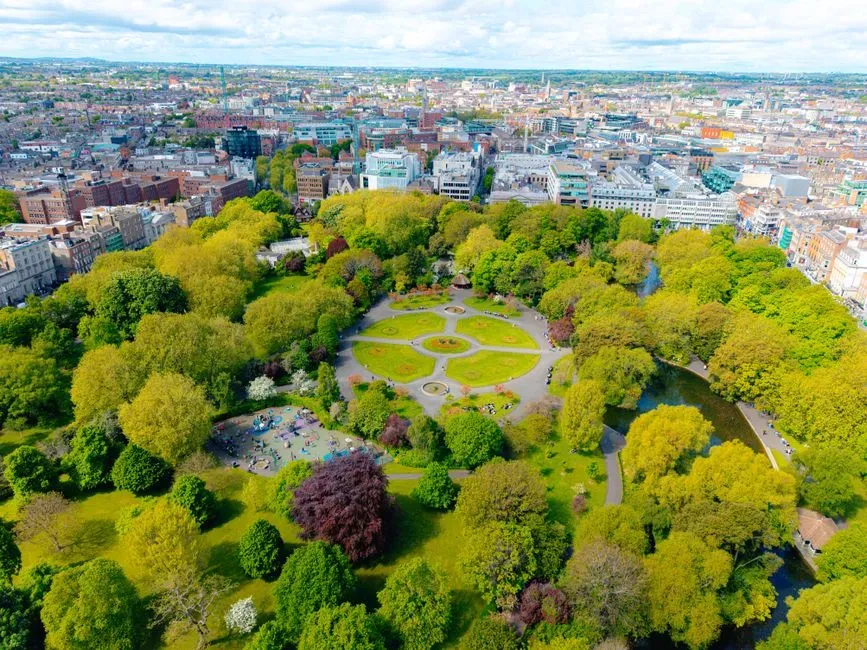
Cities are not usually thought of as places for open space, yet their parks and plazas do a specific kind of work that rural landscapes cannot. A public square breaks up density and gives people somewhere to pause without leaving the urban fabric altogether. Central Park in New York, the Tuileries in Paris, and countless smaller neighborhood parks all serve this same basic function of relief from enclosure.
Urban planners have increasingly treated these spaces as essential infrastructure rather than decoration. Green space within cities has been linked in multiple studies to lower stress and better mental health outcomes among residents living nearby. That research helps explain why so many cities have expanded park acreage even as land prices climb.
Farmland: the geometry of cultivated space
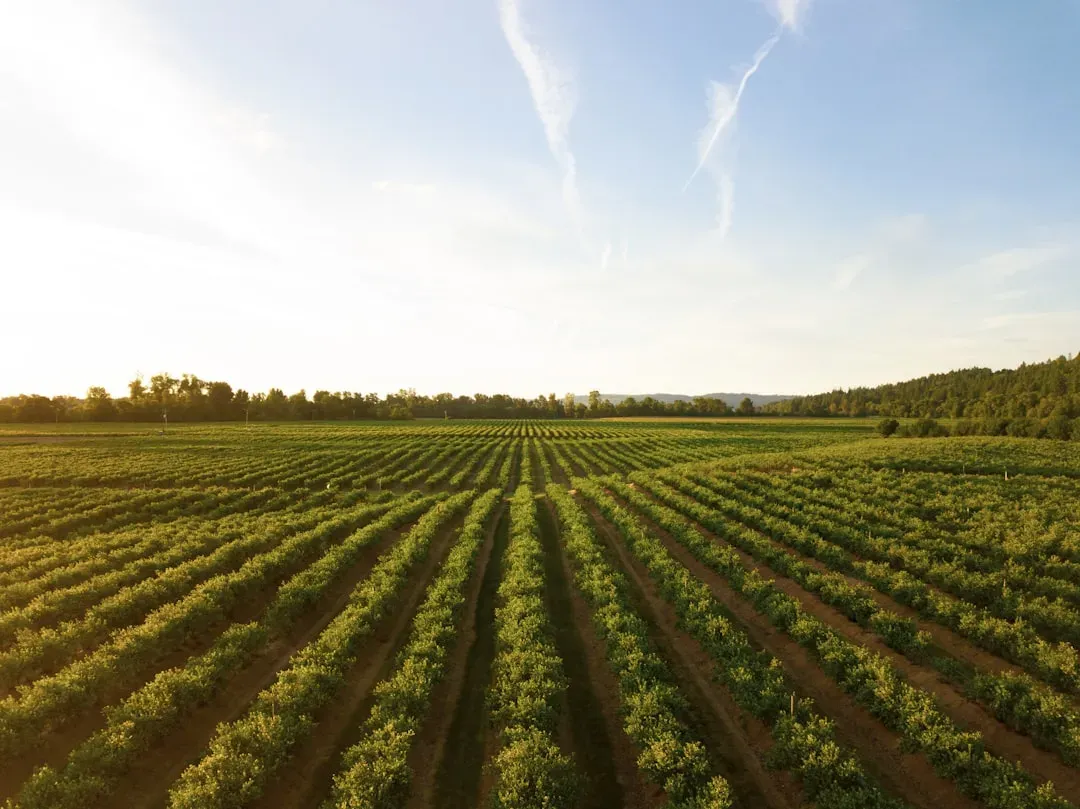
Not all open space is wild. Farmland offers its own version of openness, one shaped by human hands rather than left untouched. The long straight rows of wheat or corn, the circular patterns from pivot irrigation, and the patchwork of fields seen from an airplane window all have an aesthetic quality that comes from repetition across a large, flat area.
Some of these agricultural landscapes have even become valued for reasons beyond farming. Black Canyon of the Gunnison, a prehistoric marvel, has much of its 30,000-acre park used for agricultural production, which cuts down on development that can contribute to light pollution. The openness of working land, it turns out, can protect the openness of the sky above it too.
Night skies: the space above us
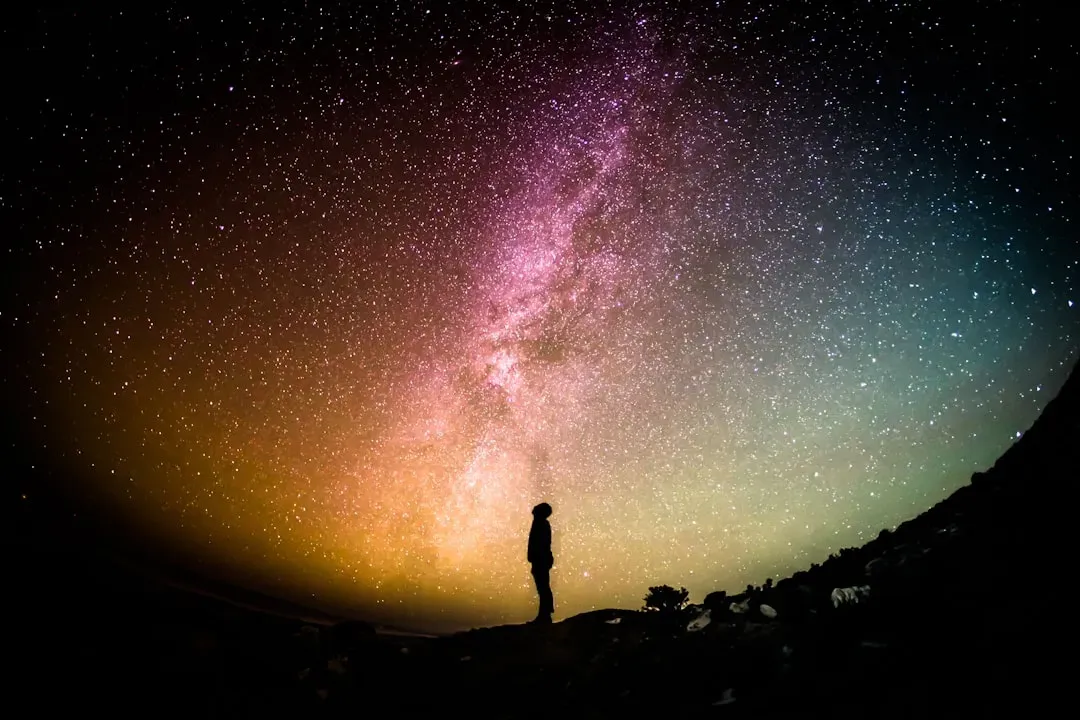
Open space is not only horizontal. The night sky is its own kind of vast, empty landscape, and it has become an increasingly rare one as artificial light spreads across the globe. Light pollution is increasing globally by nearly ten percent each year, making protected dark areas vital sanctuaries for both wildlife and people seeking connection with the cosmos.
The response to this has grown into an international movement. DarkSky International recently certified its 250th International Dark Sky Place, with the designation going to Lapalala Wilderness Nature Reserve in South Africa. There are now over 160,000 square kilometers of protected land and night skies spread across 22 countries on six continents. Standing under one of these skies, with no glow from streetlights or buildings, gives a sense of scale that daytime landscapes rarely match.
Open floor plans: bringing openness indoors
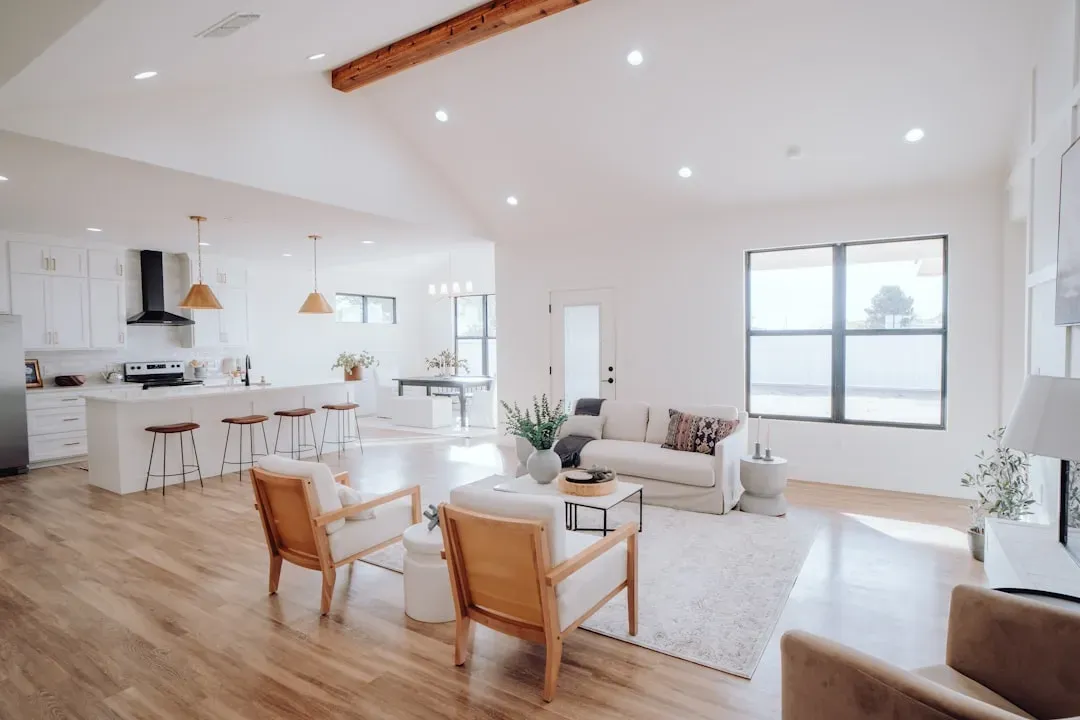
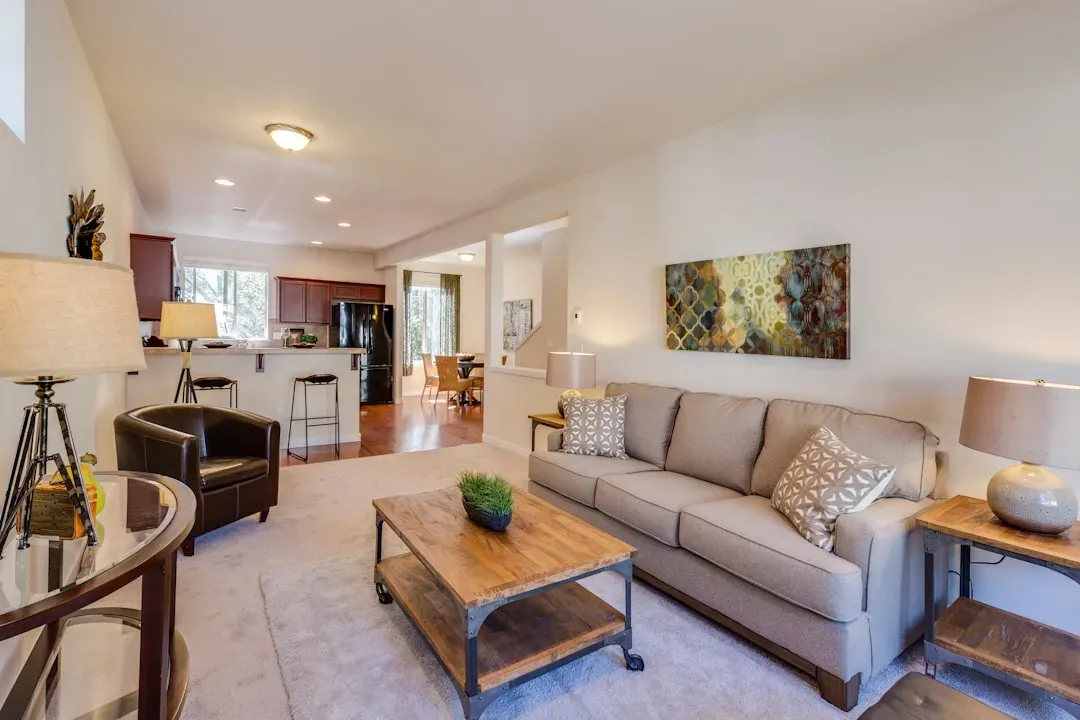
The appeal of open space has shaped residential architecture as much as it has shaped travel habits. Open floor plans, which merge kitchens, dining rooms, and living areas into a single continuous space, became dominant in home design over the past few decades partly because they mimic that same sense of unbroken sightline found in natural landscapes. Removing interior walls lets light travel farther and lets people feel connected to activity happening in another part of the house.
There has been some pushback recently, with a portion of homebuyers requesting more defined rooms for privacy and noise control. Even so, the underlying instinct behind the open floor plan trend was never really about efficiency. It was about recreating, on a small scale, the same comfort that a wide view or an unobstructed horizon seems to provide.
Why matter for well being
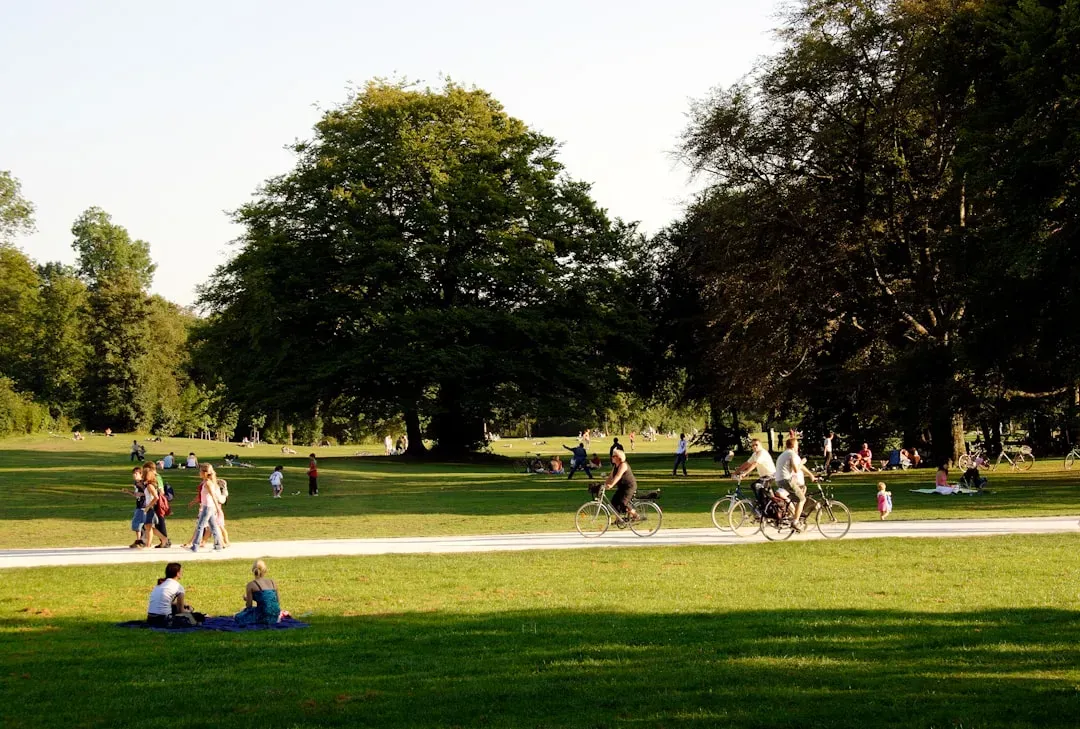
Beyond aesthetics, there is a practical case for why deserve protection and investment. Access to green and open areas has been associated in public health research with reduced anxiety, improved mood, and even measurable drops in stress hormone levels. The economic case is just as strong. In 2023, visitors to NPS sites spent roughly 26.4 billion dollars in the gateway communities around the national parks, supporting 415,000 jobs and generating 19.4 billion dollars in labor income nationwide.
That combination of personal benefit and economic value is rare. do not just look nice in photographs. They function as places where people recover a sense of proportion, something that seems to matter more, not less, as the built environment keeps closing in around daily life.
A closing thought