
Why daylight has become a design priority again
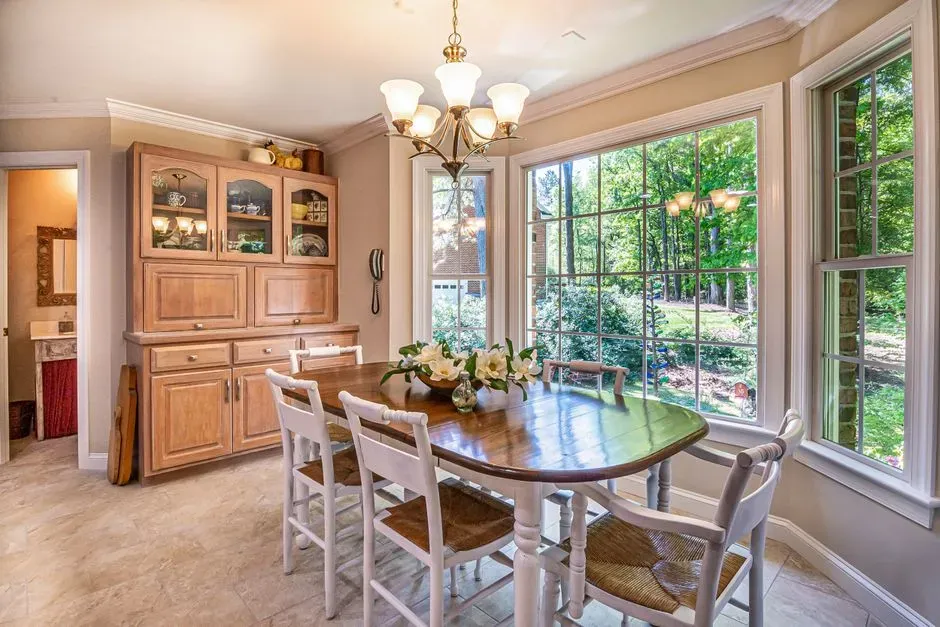
For most of human history, homes were built around the sun out of necessity rather than style. Electric lighting changed that, and for a while, windows became almost an afterthought in floor plans. The idea of discussing the benefits of natural light wouldn’t even have occurred to anyone before the end of the 19th century, but modern living patterns have made people hugely dependent on artificial light, often to the detriment of physical and psychological health.
That dependence is now being reconsidered. New research shows that when renovating, roughly a quarter of homeowners are looking to create a more contemporary space with an abundance of natural light. Architects and builders describe 2026 as a year where daylight sits at the center of planning rather than the edges of it.
The mood and mental health connection
Light and mood are linked in ways that go beyond a vague sense of feeling brighter on a sunny day. Natural light has a profoundly positive impact on mental health, and sunlight exposure boosts the production of serotonin, a hormone that stabilizes mood and promotes happiness. Researchers studying the brain have found something similar happening at a neurological level.
Danish researcher Brenda McMahon, a PhD fellow at the Neurobiology Research Unit at Copenhagen University Hospital, has noted that morning light exposure appears to improve how different brain regions communicate around stress and anxiety. Natural light reduces anxiety, boosts the immune system, and produces serotonin, a chemical in the brain that makes people happier, more rested, and more alert. That’s a fairly wide net of benefits for something as simple as opening a curtain.
Better sleep through circadian alignment

Sleep quality depends heavily on light cues, more than most people realize. The circadian rhythm, the internal clock that governs the sleep-wake cycle, depends largely on light exposure, and natural light helps signal to the body when it’s time to wake up and when it’s time to wind down. A bedroom that gets genuine morning sun tends to help people wake up more naturally than one that stays dim until the lights flip on.
This is part of why lighting designers now build daylight timing into their plans rather than treating it as background scenery. Studies show daylight exposure improves mood, supports vitamin D production, boosts serotonin, and regulates circadian rhythms, all of which are critical factors in sleep, immunity, and cognitive function. Even a modest increase in morning light exposure in a bedroom can shift how alert someone feels an hour later.
Vitamin D, immunity, and physical health

Beyond mood, there’s a straightforward biological argument for more daylight at home. Vitamin D is often called the sunshine vitamin, and it’s crucial for maintaining strong bones and a healthy immune system, since the body produces it naturally when skin is exposed to sunlight. People who spend most of their day indoors with heavy curtains or small windows can end up missing out on this almost entirely.
There’s also a less obvious hygiene angle worth mentioning. It may sound like an old wives’ tale, but natural light can help keep a home cleaner and more mildew-free, since mold thrives in the dark and exposure to plenty of sunlight can help prevent spores from taking hold. It’s a small detail, but it adds up in homes with damp bathrooms or basements.
Making small rooms feel larger
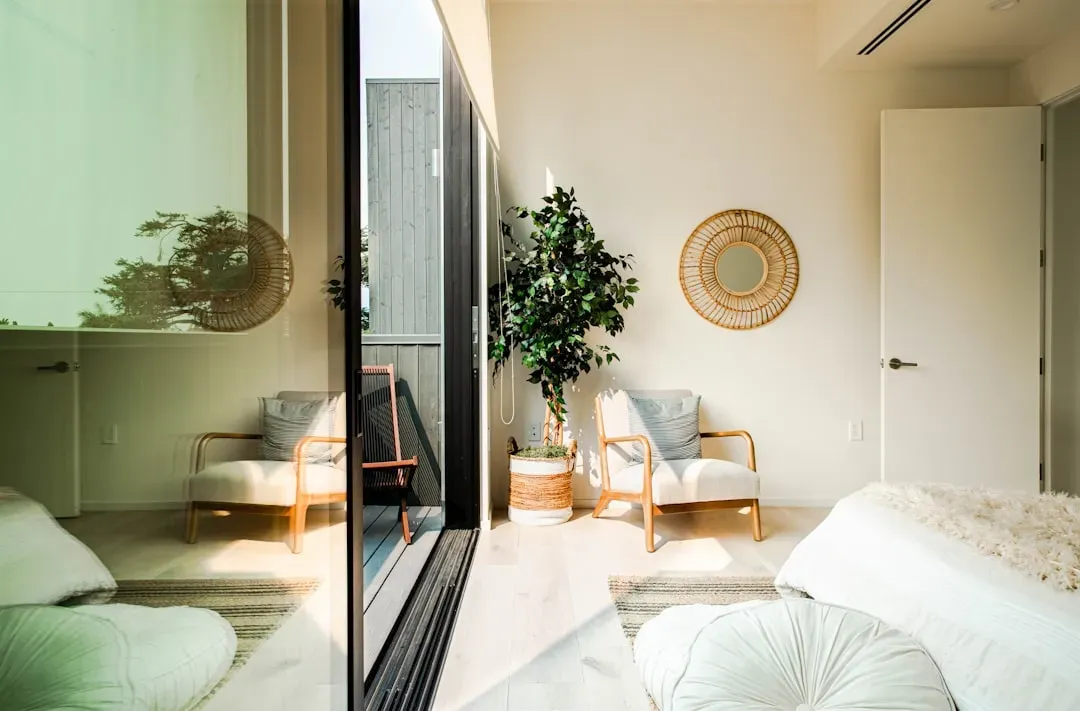
Anyone who has toured a poorly lit apartment versus a sun-filled one knows that light changes perceived size, not just mood. A light-filled home feels more spacious and luxurious, even when the actual square footage hasn’t changed at all. Real estate agents have known this for years, which is why staging photos almost always avoid drawn blinds.
The effect goes beyond illusion. Natural light provides a warmth, brightness, and luster that enhances interior design, giving vibrancy to colors, textures, materials, furniture, and artwork. Paint colors that look flat under a bulb often come alive under daylight, which is one reason designers recommend viewing swatches at different times of day before committing.
Window styles and placement that maximize light
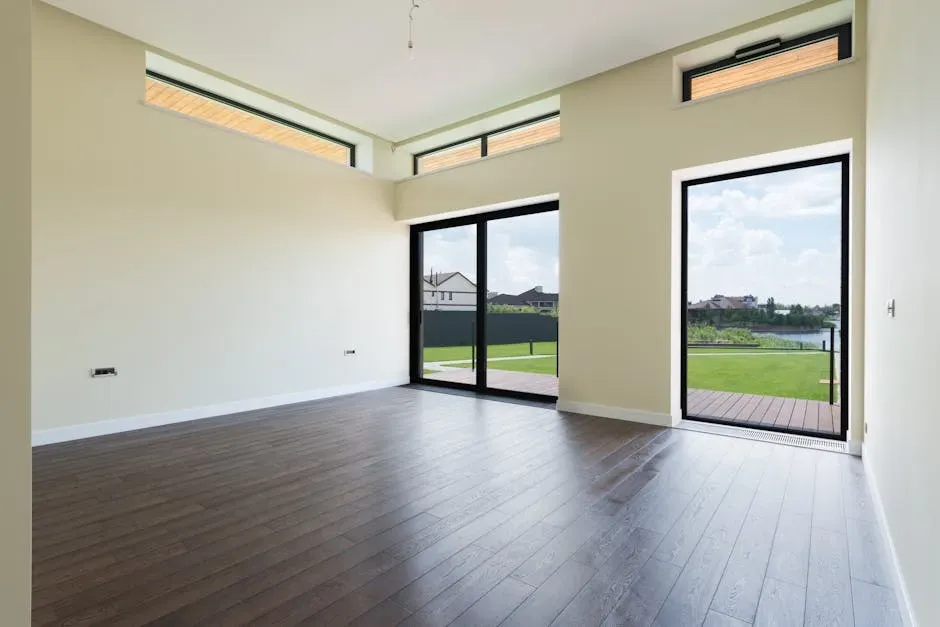
Not all windows deliver the same amount of daylight, and frame design plays a bigger role than most homeowners expect. The frame material affects how much light actually enters a home, since traditional wood frames are often thick and bulky, while modern materials like aluminum or high-quality fiberglass allow for much thinner profiles and a better glass-to-frame ratio. A slimmer frame on the same wall opening can noticeably brighten a room without any structural changes.
Shape and placement matter just as much as material. Picture windows can be made into very large single panes for unobstructed light entry, floor-to-ceiling windows dramatically increase how much light a room receives, and bay or bow windows protrude outward to catch light from multiple angles throughout the day. For rooms with privacy concerns, clerestory windows placed high on a wall offer another option entirely.
Skylights and roof windows: light from above
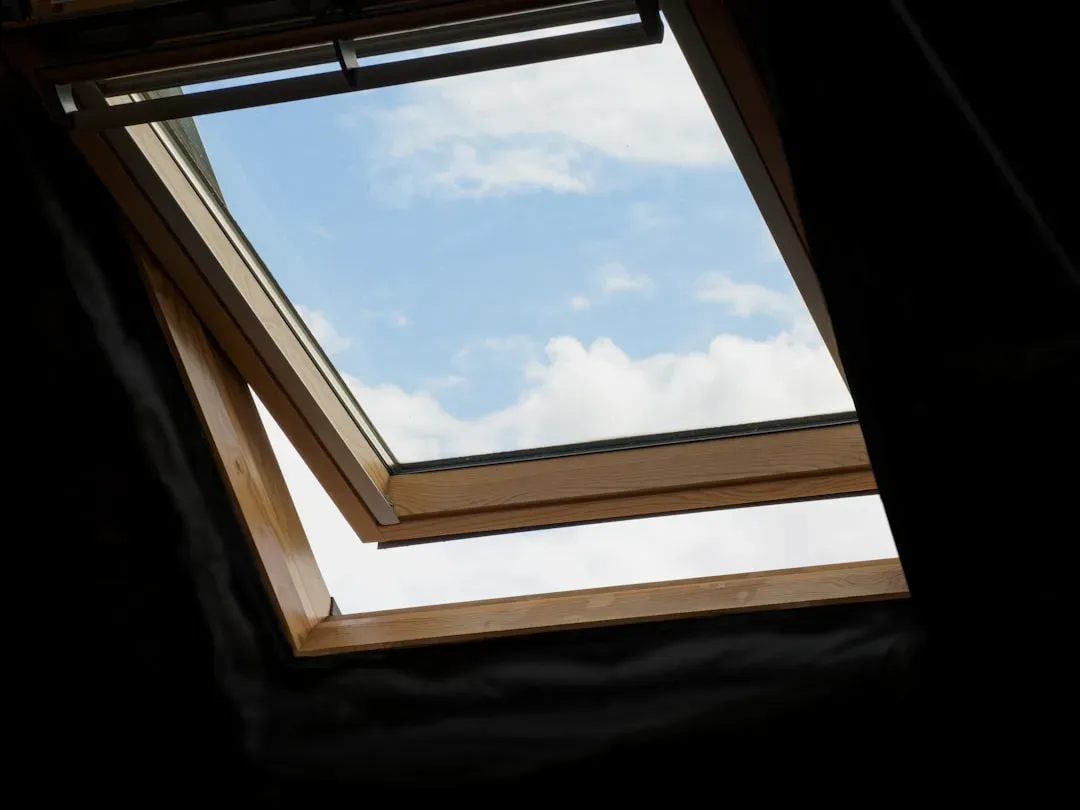
Vertical windows aren’t the only route to a brighter interior, and roof-mounted options have improved considerably in recent years. A skylight is a roof-mounted window system designed to bring natural daylight into indoor spaces, and unlike standard vertical windows, it captures sunlight from above, providing stronger and more consistent lighting throughout the day. That overhead angle changes how light spreads across a room.
The numbers on this are fairly striking. Because of their overhead positioning, skylights deliver light deeper into a space with better quality, balance, and less glare than a vertical window, providing twice the daylight of a same-sized vertical window. Other estimates put the gain even higher, with skylights delivering up to 30 to 50 percent more sunlight compared to traditional windows because of their roof positioning.
Energy savings and lower utility bills
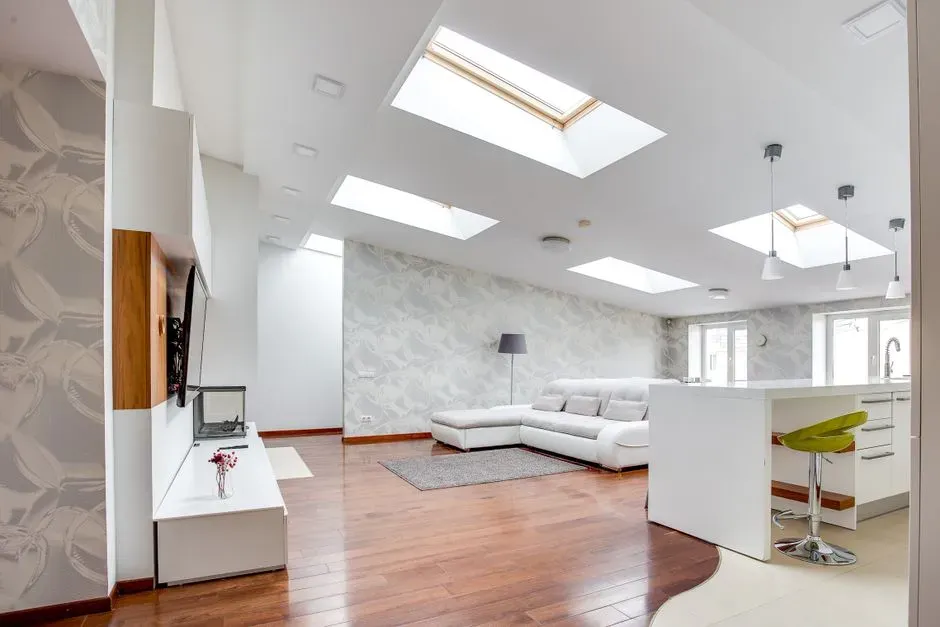
Bringing in more daylight isn’t just about aesthetics or wellbeing, it also has a direct effect on energy consumption. Using daylight reduces energy costs and environmental impact, since a room that’s naturally lit needs less help from electric fixtures during the day. Over months and years, that adds up on a utility bill in a way that’s easy to overlook until it’s actually measured.
Modern skylight systems have taken this further by combining daylighting with ventilation. A pre-installed, remote-controlled, room-darkening shade can provide up to a 46 percent improvement in thermal values and up to a 43 percent improvement in solar heat gain when closed. The added benefit is indoor air quality, since the EPA reports indoor air can be two to five times more polluted than outdoor air, and passive ventilation from vented skylights helps address that.
Biophilic design and the indoor-outdoor connection

One of the clearest patterns in current home design is the push toward biophilic living, which treats natural light as a core material rather than a bonus feature. Homeowners are continuing to prioritize biophilic design, a style centered around bringing nature indoors that now goes far beyond adding a few houseplants, incorporating natural light, organic textures, stone surfaces, reclaimed wood, and earthy materials throughout entire homes. Designers describe this as less of a passing trend and more of a lasting shift in how people want to live.
This connection to the outdoors is showing up in how builders approach glass and openings specifically. Expansive glass, thoughtfully placed openings, and strong visual connections to the outdoors help redirect attention away from screens and toward natural light and landscape, with sun-filled nooks and floor-to-ceiling windows creating spaces that feel restorative, so light itself becomes something closer to a luxury. It’s a fairly quiet trend, but one that keeps showing up across very different price points and architectural styles.