
The United States finds itself at the center of a brewing economic storm as sweeping tariff policies collide with legal challenges and mounting concerns from economists and businesses alike. The complex web of trade duties, court battles, and economic consequences is reshaping how America conducts international commerce while creating ripple effects throughout the domestic economy.
Analysts project that from January to April 2025, the average applied US tariff rate is rising from 2.5% to an estimated 27% – the highest level in over a century, marking a dramatic shift in U.S. trade policy that has caught global markets off guard. What began as targeted measures has now evolved into one of the most comprehensive tariff programs since the Great Depression era.
Legal Challenges Test Presidential Authority
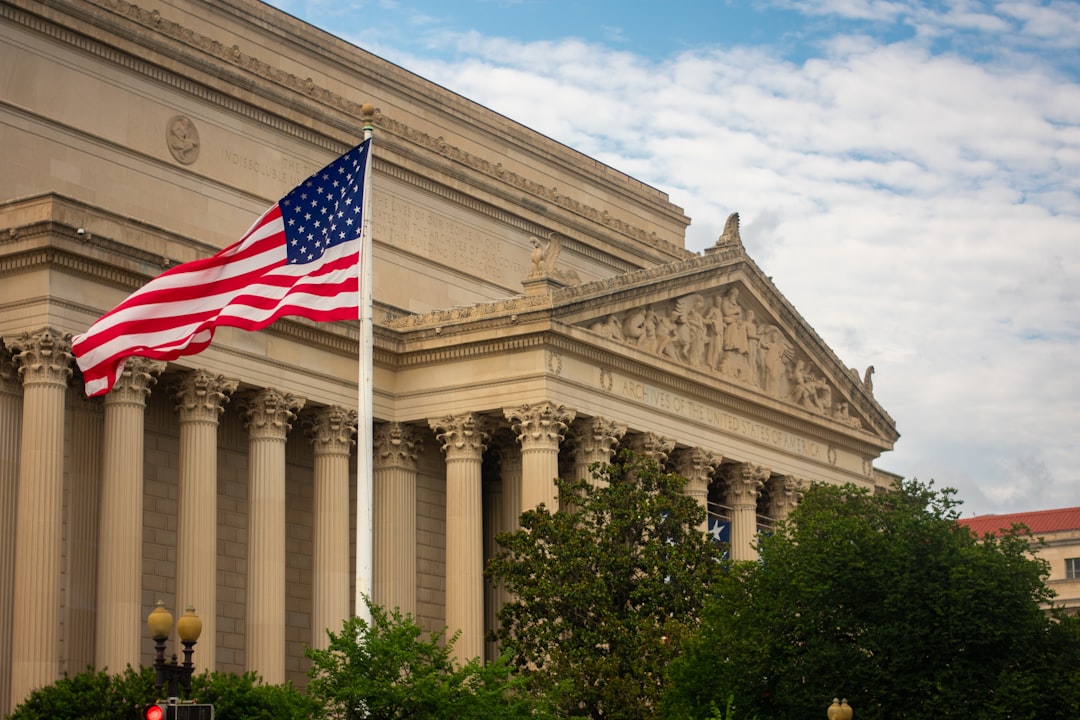
171 House Democrats and 36 Senators took their fight against President Donald Trump’s sweeping and chaotic on-again-off-again tariffs to the highest court in the land, filing an amicus brief before the United States Supreme Court. Both courts struck down the President’s illegal tariffs under IEEPA, leading the administration to appeal the lower court’s ruling.
Analysts expect the U.S. Supreme Court may be skeptical of the Trump Administration’s claim to broad tariff authority under the International Emergency Economic Powers Act (IEEPA) during anticipated oral arguments. The legal challenges center on whether IEEPA grants the president authority to impose sanctions, block foreign assets, and regulate economic transactions in response to “unusual and extraordinary threats” originating abroad, it is not a tariff statute and has never been used that way. Notwithstanding law and precedent, on April 2, 2025, now dubbed by the Trump administration as “Liberation Day,” President Trump invoked the IEEPA to authorize a sweeping set of tariffs on foreign imports.
The Supreme Court’s ultimate decision could fundamentally reshape executive power over trade policy. Justices across the ideological spectrum questioned whether IEEPA, long regarded as the cornerstone of U.S. sanctions policy, also authorizes the imposition of sweeping tariffs, a power that traditionally falls to the U.S. Congress under Article I of the U.S. Constitution. The “major questions” and “non-delegation” doctrines, both aimed at preserving the constitutional separation of powers, featured prominently in the Court’s questioning.
Massive Revenue Generation at Economic Cost
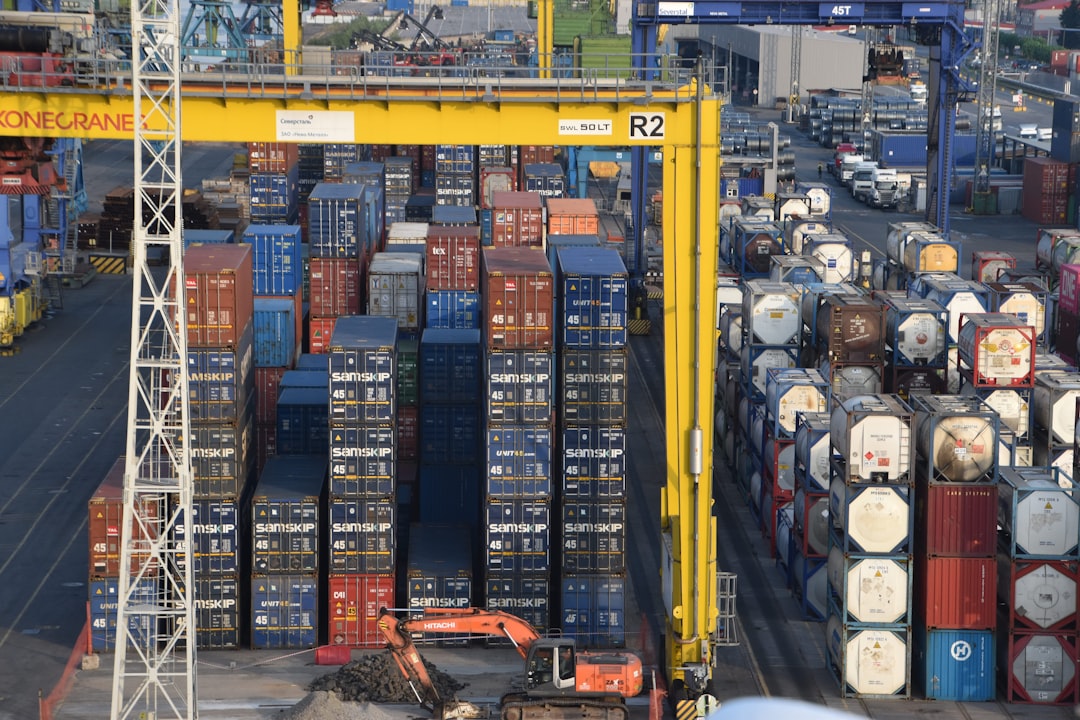
The federal government could potentially raise $195 billion in customs duties in Fiscal Year (FY) 2025 under proposed tariff scenarios, more than 250% of what it collected in FY 2024, demonstrating the sheer scale of the current tariff regime. In June, U.S. customs collected over $27 billion in tariffs, three times the previous year’s $7.9 billion.
Despite this revenue windfall, economists warn of substantial economic consequences. All 2025 US tariffs plus foreign retaliation lower real GDP growth by -0.5 pp over calendar years 2025 and 2026. The unemployment rate ends 2025 0.3 percentage point higher and 2026 0.7 percentage point higher, and payroll employment is 490,000 lower by the end of 2025.
The tariffs are reshaping American industry in unexpected ways. Long-run output in the manufacturing sector expands by 2.5% under the tariffs, with nonadvanced durable manufacturing output 4.5% larger and nondurable manufacturing 1.6% larger. Moreover, the expansion of the overall manufacturing sector more than crowds out the rest of the economy: construction contracts by 3.8%, agriculture by 0.3%, and mining & extraction by 1.6%.
Consumer Price Impact Becomes Visible

The inflationary effects of tariffs are now showing up clearly in consumer prices across multiple categories. Over the June-August 2025 period, tariffs explain roughly 0.5 percentage points of headline PCE annualized inflation and around 0.4 percentage points of core PCE annualized inflation. Measured for the 12-month period ending August 2025, tariffs explain 10.9% of headline PCE annual inflation.
Both the April 2nd tariffs themselves and all 2025 actions to date have disproportionately affected clothing and textiles. Apparel prices rise 8% from the April 2nd action alone and 17% from all US tariffs. These price increases are hitting American households directly in their daily purchases.
The price level from all 2025 tariffs rises by 2.3% in the short-run, the equivalent of an average per household consumer loss of $3,800 in 2024$. Annual losses for households at the bottom of the income distribution are $1,700. The regressive nature of these costs means lower-income families bear a disproportionate burden.
Business Uncertainty Creates Investment Challenges

Wild swings in tariff rates – from 30% to over 100% – have also created challenges for importers who typically order products months ahead of time. “The unpredictability of the tariff situation continues to cause havoc and uncertainty,” said an anonymous computer manufacturer, quoted in a report this week from the Institute for Supply Management.
The volatility in tariff policy is forcing businesses to make difficult decisions about supply chains and investments. “businesses have been forced to raise prices, freeze hiring, and postpone investments”; moreover, they add, “for all businesses and investors, the President’s claimed authority to impose, modify, pause, and remove tariffs under IEEPA at the drop of a hat is resulting in chaos and uncertainty.”
Investment goods face particularly steep price increases. For example, if an across-the-board 25% tariff is fully passed through to finished goods, near-term price increases are estimated to be about 9.5% for investment goods and 2.2% for consumption goods. These price increases for investment goods can have important implications for businesses’ investment decisions.
Automotive Sector Faces Major Disruption

The automotive industry serves as a prime example of how tariffs are reshaping entire sectors. The USMCA exemption closed on April 3, when Trump imposed a new 25% tariff on all imported cars, including those from Mexico and Canada. Economist Arthur Laffer estimated car prices would increase by $4,711, compared to $2,765 if the USMCA exemption remained available.
Ford CEO Jim Farley warned investors, “Long term, a 25% tariff across the Mexico and Canadian border will blow a hole in the US industry that we have never seen.” These warnings from industry leaders underscore the potential for long-term structural damage to integrated North American supply chains.
Motor vehicle prices rise 10% in the short run and 5% in the long run, the equivalent of an additional roughly $5,000 and $2,500 respectively to the price of an average 2024 new car. Such price increases could significantly impact vehicle affordability for American consumers.
International Trade Relationships Under Stress

The tariff disputes are straining America’s relationships with key trading partners. Canada retaliated with 25% tariffs on $20 billion (CA$30 billion) worth of US goods, to expand to $85 billion (CA$125 billion). The trade war triggered stock market declines and economic concerns, particularly for retailers and car manufacturers.
The US could potentially suspend contributions to the WTO budget under proposed trade policies. The US was set to provide about 11% of the WTO’s $232 million 2024 budget, a fee based on the country’s share of global trade. This move signals a broader retreat from multilateral trade institutions.
The administration’s approach has created diplomatic tensions extending beyond traditional trade disputes. President Trump has reportedly considered 50% tariffs on Brazilian exports – significantly exceeding the 10% rate set on Liberation Day. Currently, Brazil’s exports to the U.S. account for slightly less than 2% of its GDP, and the countries have roughly balanced trade.
Federal Reserve Grapples with Inflation Implications
The Federal Reserve finds itself in a challenging position as it tries to balance monetary policy against tariff-induced inflation. Chair Powell said at a panel at the ECB’s Sintra monetary policy conference that “[i]n effect, we went on hold when we saw the size of the tariffs and essentially all inflation forecasts for the United States went up materially as a consequence of the tariffs.” This signals that spot policy rates would be lower but for tariffs.
Bank of America, though, expects that tariffs will be adding about half a percentage point to the core PCE measure the Federal Reserve uses when assessing inflation. Bank of America, though, expects that tariffs will be adding about half a percentage point to the core PCE measure the Federal Reserve uses when assessing inflation. This persistent inflationary pressure complicates the Fed’s ability to support economic growth through lower interest rates.
Inflation watchdogs at the Federal Reserve are betting that Trump’s tariffs will raise prices once, as they work their way through the supply chain, but will not continue to cause upward price pressure month after month. Inflation watchdogs at the Federal Reserve are betting that Trump’s tariffs will raise prices once, as they work their way through the supply chain, but will not continue to cause upward price pressure month after month. However, the ongoing nature of tariff increases challenges this assumption.
Manufacturing Gains vs. Broader Economic Losses
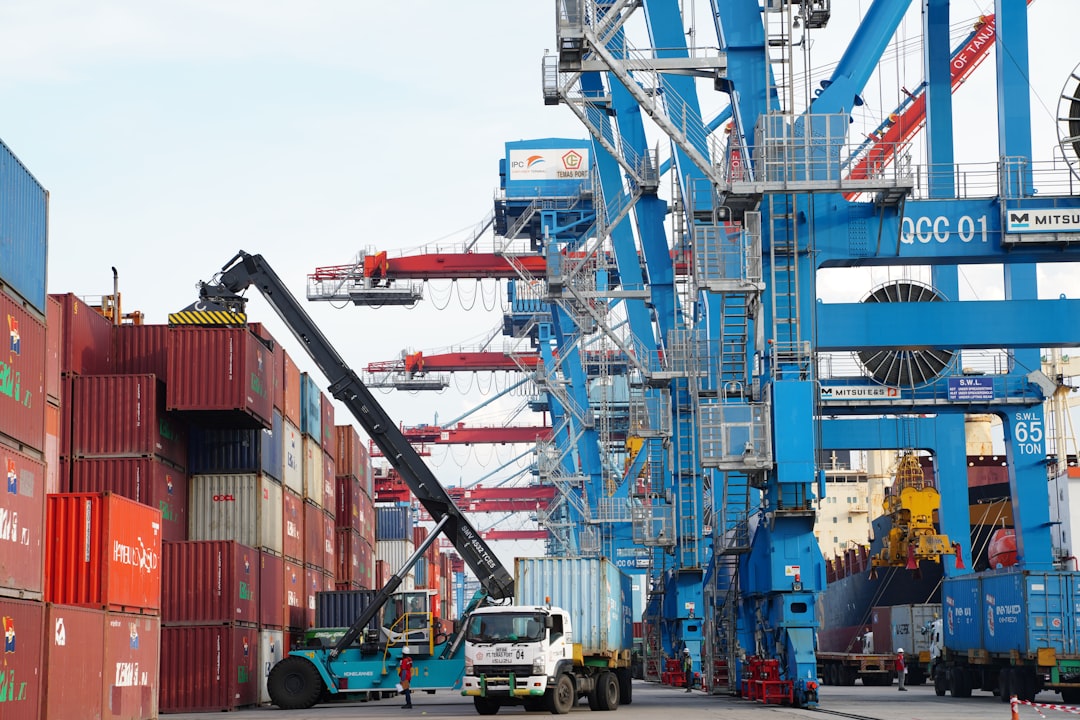
While tariffs have boosted some manufacturing sectors, the overall economic picture is more complex. US manufacturing output expands by 3.2%, but these gains are more than crowded out by other sectors: construction output contracts by 4.0% and agriculture declines by 0.7%. This sectoral reallocation suggests that protecting certain industries comes at the expense of others.
“Even with the tariffs, the cost to import in many cases is still more attractive than sourcing within the U.S,” said the manufacturer. “Even with the tariffs, the cost to import in many cases is still more attractive than sourcing within the U.S,” said the manufacturer. This reality challenges the fundamental premise that tariffs will drive significant reshoring of production.
The long-term economic impact remains concerning to analysts. In the long run, the US economy is persistently 0.35% smaller, the equivalent of $105 billion annually in 2024$. Such permanent economic losses suggest that the costs of the tariff strategy may outweigh any benefits to protected industries.
Legal Uncertainty Creates Future Risk

Although tariffs are currently raising substantial revenue, the U.S. Trade Court has ruled the majority of these new tariffs – those enacted under the International Emergency Economic Powers Act (IEEPA) – illegal. This legal vulnerability creates significant uncertainty for both the government’s budget plans and business planning.
If IEEPA tariffs were to cease, the effective tariff rate would fall from 13-14% to roughly 5%, double the level in 2024. “A tariff rate permanently at 5% would imply a material upgrade to our growth forecast for the second half of 2025, and would likely reduce our 2025 core CPI forecast by close to a percentage point,” said Abiel Reinhart, U.S. economist at J.P. Morgan.
Lawmakers will therefore need to identify substantially more deficit reduction to put debt on a sustainable path, as well as protect or replace any lost tariff revenue should the Supreme Court affirm rulings that many of these tariffs are illegal. Policymakers should therefore be prepared to offset IEEPA tariffs if they are struck down by the Supreme Court. The potential loss of tariff revenue could force difficult fiscal choices.
The tariff disputes have created a perfect storm of legal uncertainty, economic disruption, and international tension that is testing America’s economic resilience. While generating substantial government revenue, the policies are simultaneously imposing significant costs on consumers, businesses, and the broader economy. The Supreme Court’s upcoming decision will determine not just the fate of current tariffs, but the scope of presidential power over trade policy for years to come. What started as an economic policy tool has evolved into a constitutional crisis with far-reaching implications for American governance and prosperity.