
Ever walked through a house and thought everything looked perfect? Home inspectors see differently. They’ve trained their eyes to spot what most of us miss.
These professionals find something that needs fixing in approximately 86 percent of home inspections. That doesn’t mean the house is falling apart. It just means no home is perfect, and certain problems show up repeatedly, regardless of price point or location. These recurring issues range from minor fixes to bigger concerns that could impact your wallet and safety down the line. Let’s dive into what these trained eyes catch most often when they walk through a property.
Poor Grading and Drainage Around the Foundation
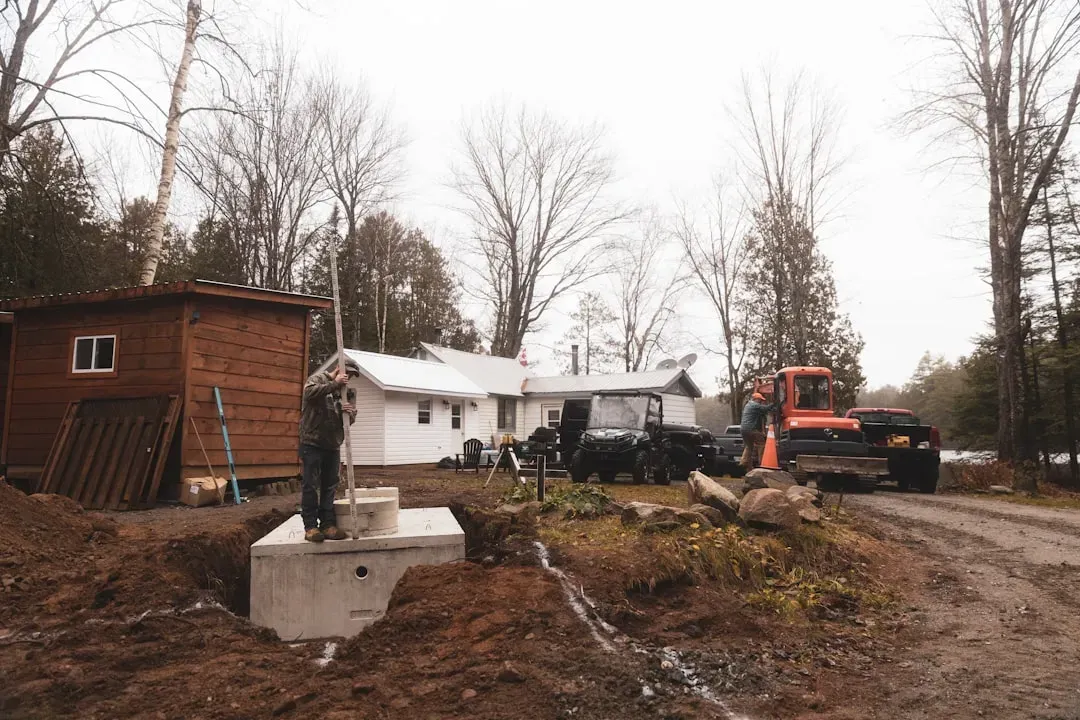
Drainage issues usually go unnoticed until a home inspector presents a report, and poor drainage usually happens because of poor grading. Here’s the thing: water always finds a way. When the ground around your home slopes toward the foundation instead of away from it, rainwater pools right where you don’t want it.
When a yard’s landscape slopes downward away from the house on all sides, the dangers of water intrusion into the household should be resolved, and proper grading should reduce instances where the landscape approaches the home at a negative grade whenever possible. According to FEMA, 85% of all home damage claims involve water intrusion, and poor grading is a frequent contributor. The soil can expand and contract with moisture changes, putting pressure on foundation walls and potentially causing cracks over time. Inspectors look for standing water near the foundation, erosion patterns, and whether downspouts are directing water far enough away from the house. It’s one of those silent problems that builds slowly but costs a fortune if left unchecked.
Electrical System Problems and Outdated Wiring
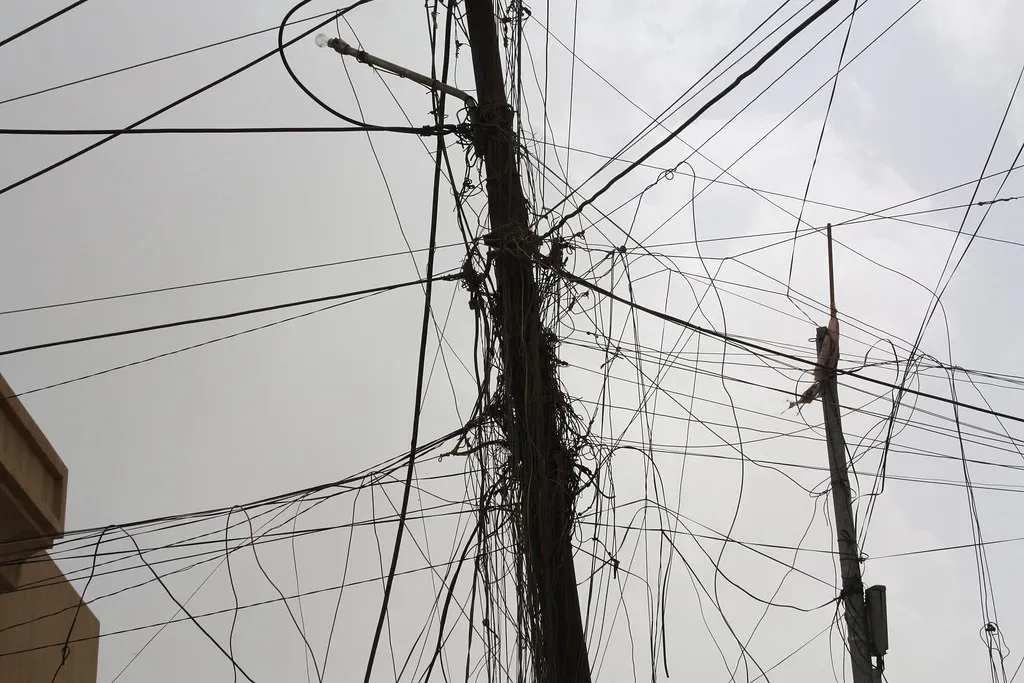
The most common problems associated with inspections are related to the roof at nearly twenty percent, electrical at roughly nineteen percent, and windows at about eighteen percent. Electrical issues aren’t just inconvenient. They’re genuinely dangerous.
Approximately 51,000 fires start each year in the home due to improper wiring. Inspectors frequently encounter ungrounded outlets, especially in older properties where two-prong outlets are still hanging on. Home inspectors often find outdated electrical panels, overloaded circuits, or exposed wiring, which are not only dangerous but can also be costly to bring up to code. A home inspector likely will identify whether aluminum wiring, mostly found in homes built between 1965 and 1973, is present, and aluminum wiring has been found to deteriorate faster than copper and is prone to overheating, which could create a fire hazard. Reversed polarity, double-tapped breakers, and missing GFCI outlets in wet areas like bathrooms and kitchens also make the list. Many homeowners don’t realize their electrical systems are outdated until an inspector flags them.
Roofing Issues and Water Damage Signs
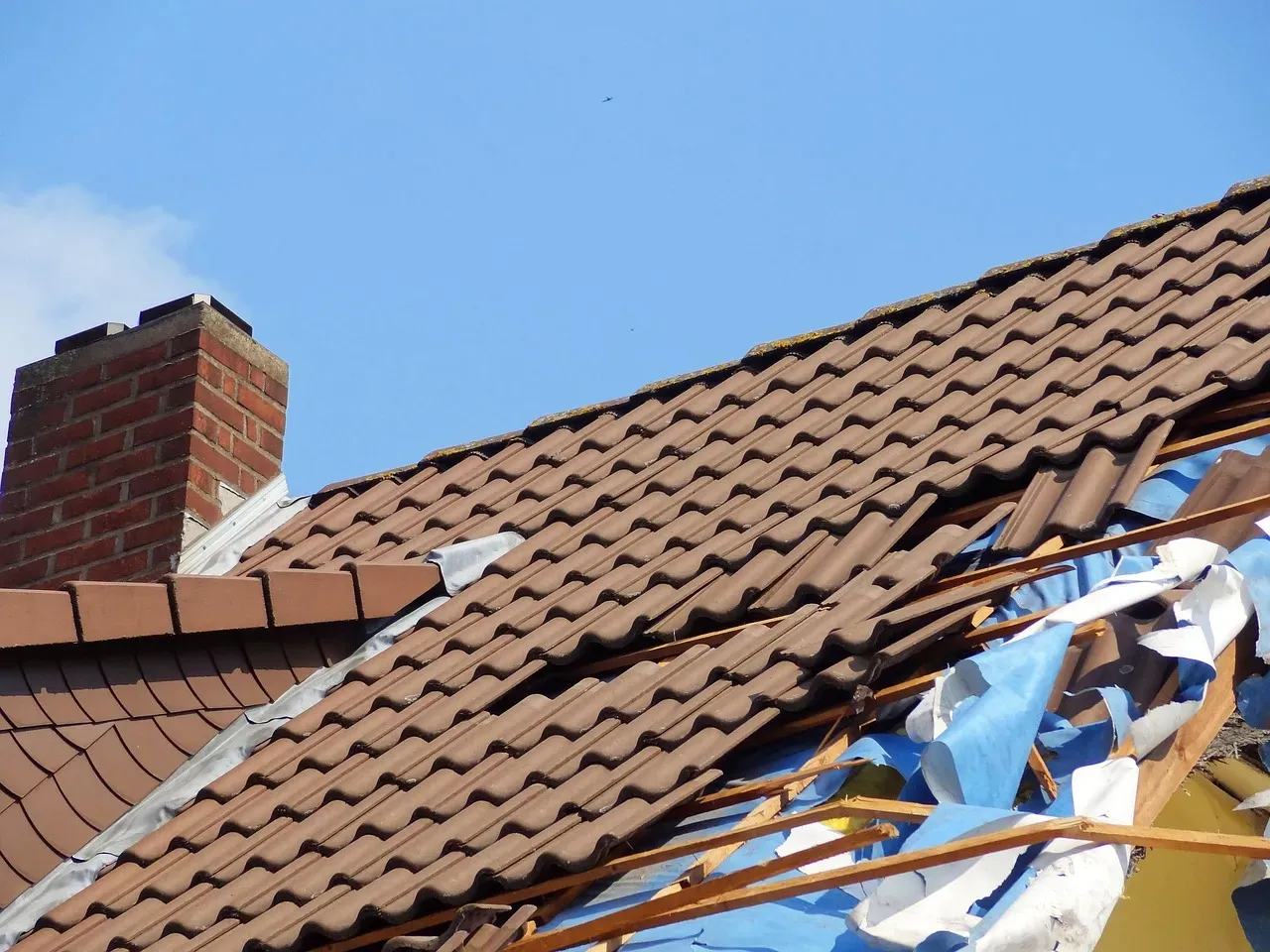
Over 19 percent of home inspections uncover roofing issues, and home inspectors check for leaks, venting, material condition, and other problems. Your roof takes a beating from the elements year after year. Missing shingles, worn flashing, and damaged seals around vents are incredibly common.
The frequency of roof problems found during inspections is approximately 35%. Roof issues can include a roof at the end of its life, shingles that have loosened or are broken, exposed nail heads, incorrect flashing, and dry-rotted rubber boots around the chimney and vent pipes. Water stains on ceilings or in attics tell a story of leaks that may have been going on for months or even years. Some homeowners patch the inside damage without addressing the actual leak, which only creates a ticking time bomb for the next owner. Roofing repairs can be the most costly of all the repairs, so inspectors pay extra attention to this critical barrier between you and the weather.
Plumbing Leaks and Aging Pipe Systems
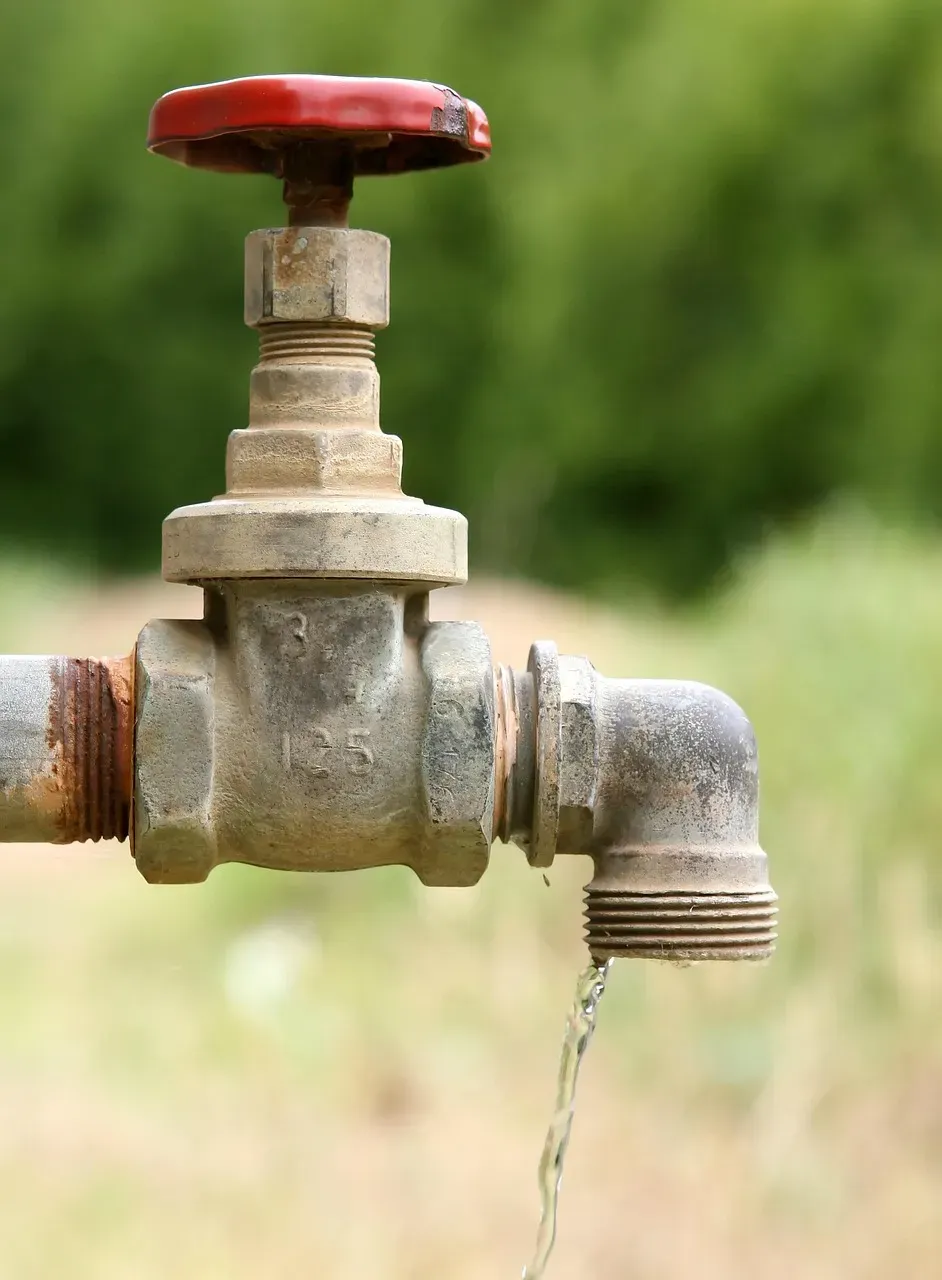
Plumbing problems are another regular finding that inspectors stumble upon in nearly every inspection tour. Leaks under sinks, corroded pipes, and water heater problems are common, and in homes built decades ago, galvanized pipes may need replacement.
Approximately 30% of homes in the US have some form of plumbing leak. Small drips may seem harmless, yet they waste water and can cause hidden damage behind walls or under floors. Polybutylene Plastic supply pipes were commonly used between 1978 and 1994 and are prone to higher rates of leaks or plumbing line failures compared to more modern piping materials. Inspectors also check for water pressure issues, slow drains, and signs of past water damage like stains or warping. Even a tiny leak can lead to mold growth, wood rot, and structural damage if it goes unnoticed long enough. Honestly, it’s one of those things that seems minor until it becomes a major headache.
HVAC System Maintenance and Efficiency Concerns
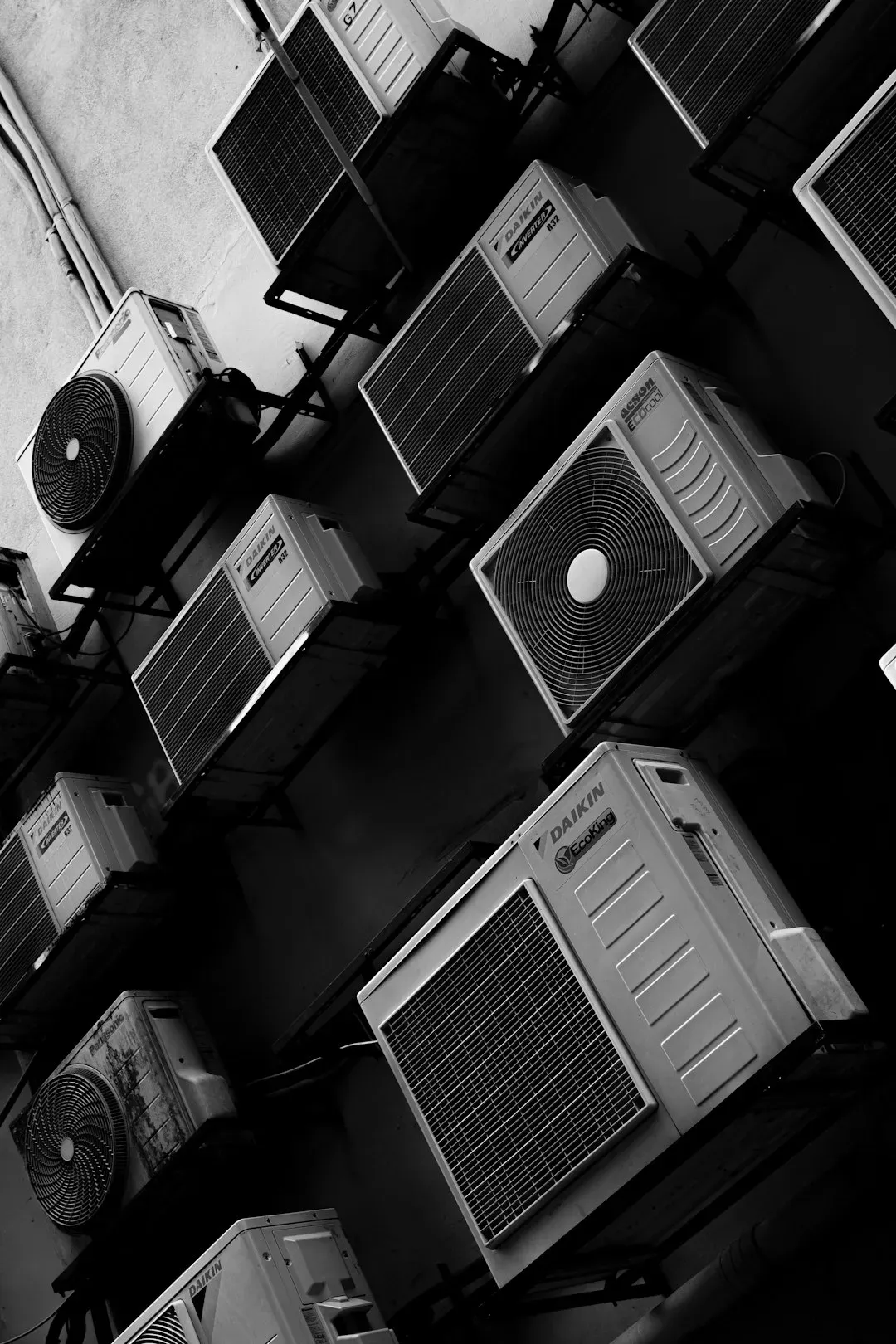
Inspectors frequently report aging furnaces, dirty filters, and outdated HVAC units. Your heating and cooling system works hard year-round, and lack of regular maintenance shows up fast during an inspection.
Dirty air filters lead to clogged condensation lines, overflow pans filled with water, and an HVAC system that is not working as efficiently as it should. Since heating and air conditioning systems account for nearly 50% of household energy use, having a separate HVAC inspection is a worthwhile investment. Inspectors look at the age of the system, check airflow, test the thermostat, and examine ductwork for leaks or damage. Twenty percent of inspections reveal issues with heating, ventilation, and air conditioning. Systems older than fifteen years are often flagged as nearing the end of their useful life. Poor maintenance not only reduces efficiency and drives up energy bills but can also create safety hazards like carbon monoxide leaks from gas furnaces.
Wrapping It All Up
Here’s what you should take away from all this: home inspections almost always turn up something. That’s not a reason to panic or walk away from a property you love. It’s just reality. Roofs age, electrical systems become outdated, water finds weaknesses, and HVAC systems need attention.
The good news is that catching these issues early gives you options. You can negotiate repairs, plan for future maintenance, or budget for upgrades before they become emergencies. Knowledge is power when it comes to homeownership. So whether you’re buying, selling, or just curious about your current home, understanding what inspectors look for can save you stress and money in the long run. What surprised you most about these common findings?