
There’s a particular kind of tiredness that settles into a home over time, not from dirt or disorder, but from sameness. Nothing is broken, exactly. The rooms still work. Yet something feels flat, like a song you’ve heard too many times to actually hear anymore.
The good news is that shaking off that flatness rarely requires a renovation or a big budget. A handful of small, deliberate changes can shift how a space feels almost immediately, and the following ideas are the kind that tend to make people notice a room again, sometimes without knowing exactly why.
Swap out lampshades and light bulbs
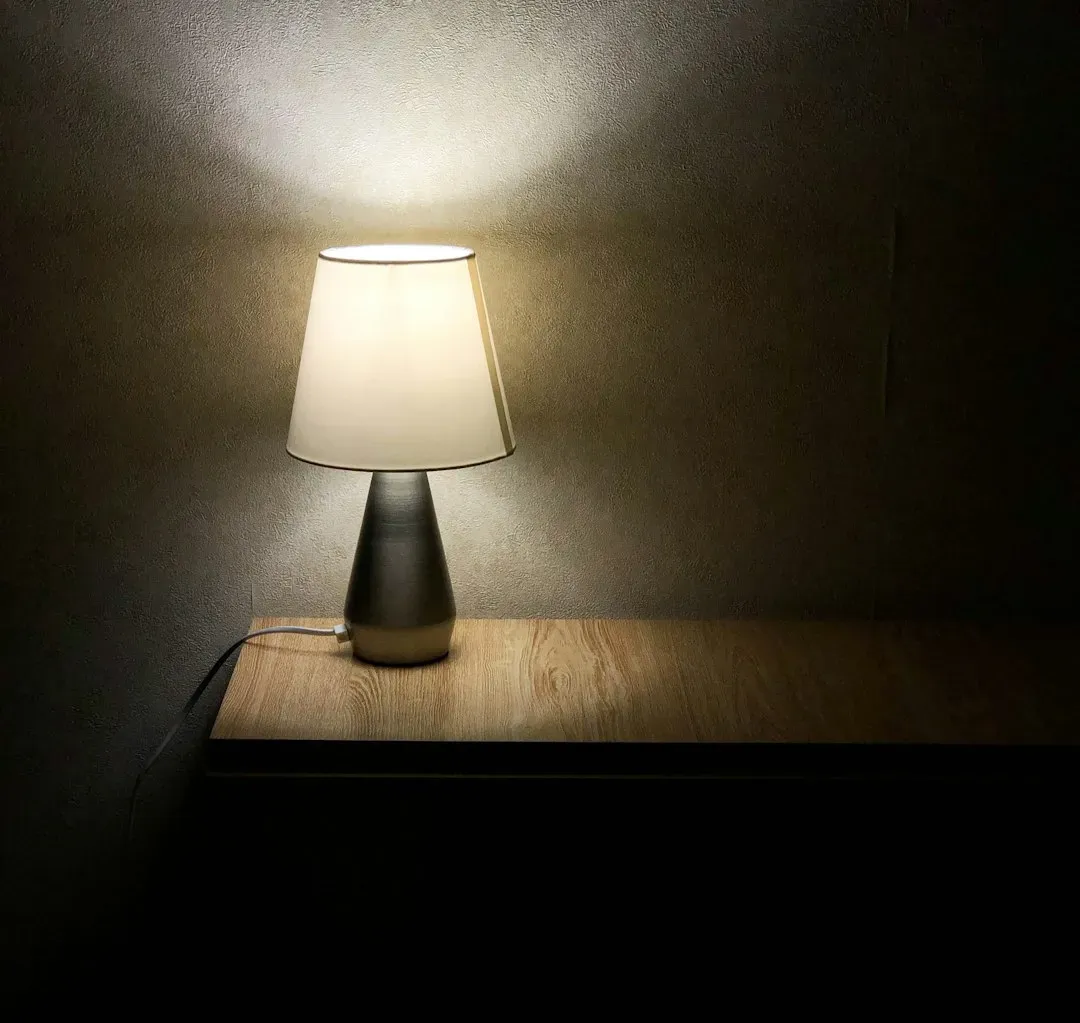
Lighting shapes mood more than most people give it credit for. A dated or yellowed lampshade can make a whole corner feel tired, while a crisp new shade in a lighter fabric or a slightly different shape can change the tone of a room without touching the furniture at all. Color temperature matters too, since warm white bulbs around 2700K tend to feel cozy and inviting, while anything closer to daylight can make a space feel more alert and modern.
Layering light sources also helps, rather than relying on one overhead fixture to do all the work. A floor lamp in a reading nook or a small accent light on a shelf adds depth and shadow, which is often what makes a room feel curated instead of just furnished. This is one of the lowest cost changes on this list, and often one of the most noticeable.
Rearrange furniture without buying anything new
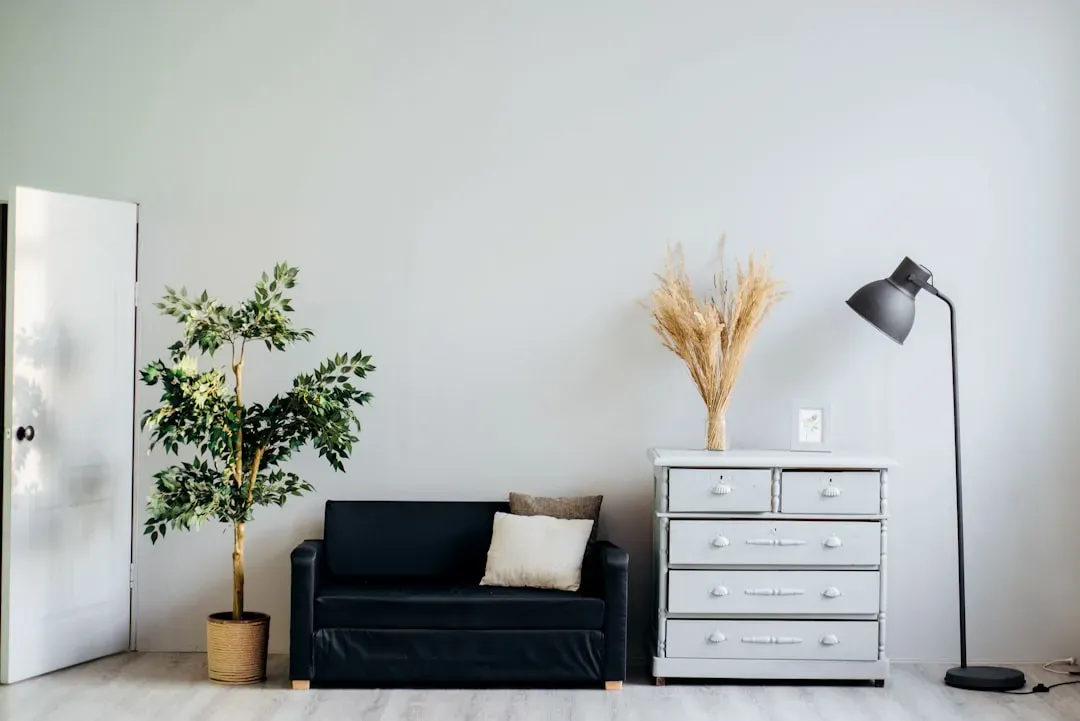
Most rooms settle into one layout early on and stay that way for years, simply because moving furniture feels like a hassle. But shifting a sofa a few feet, angling a chair toward a window, or pulling a table away from a wall can open up sightlines and make a familiar room feel unexpectedly different. Interior designers often talk about creating conversation areas rather than lining furniture against walls, and that single adjustment can transform how a living room functions.
This kind of change costs nothing but time and a bit of effort, which makes it worth experimenting with before spending money elsewhere. Sometimes the improvement is subtle, and sometimes it’s dramatic enough that people ask if something new was bought. Either way, it’s a useful first step before committing to bigger updates.
Introduce a bold or unexpected color accent
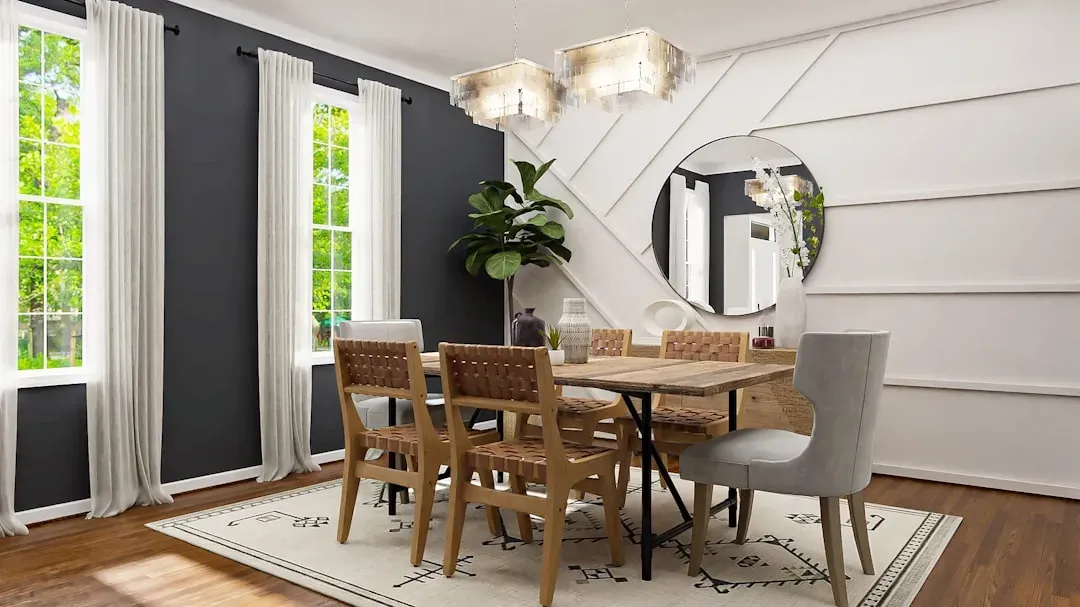
Neutral palettes have dominated home design for years, and while they’re calming, they can also blur rooms together until nothing stands out. Adding a single bold color, whether through a painted door, an accent wall, or a set of cushions, gives the eye something to land on. Even a small dose of color, like a mustard throw or a deep green vase, can break up visual monotony without overwhelming a space.
Color trends for 2025 and 2026 have leaned toward warmer, richer tones such as terracotta, olive, and deep berry shades, replacing the cooler grays that were popular in the previous decade. Choosing just one or two spots for this kind of accent keeps the change intentional rather than chaotic, and it’s easy to undo if the look doesn’t stick.
Update hardware on cabinets and doors
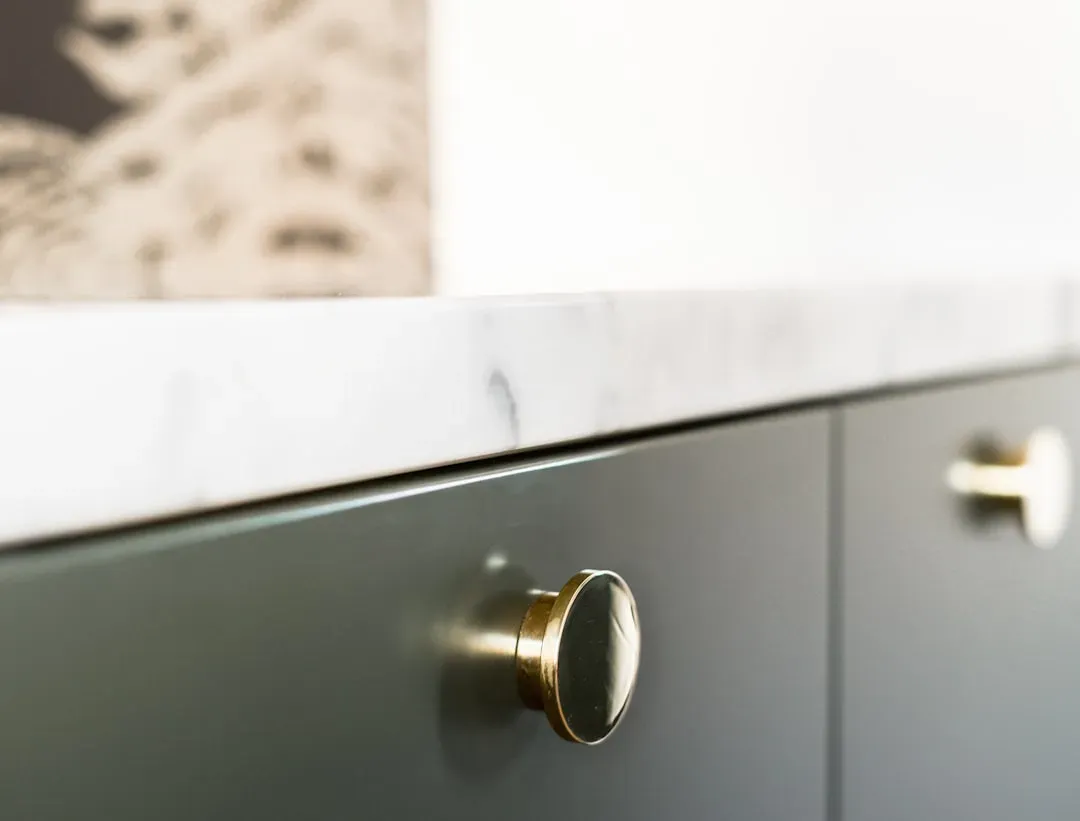
Kitchen and bathroom cabinets often carry the same knobs and pulls for a decade or more, and swapping them out is one of the most cost-effective refreshes available. New hardware in a warmer finish, like brushed brass or matte black, can make cabinetry look intentional rather than dated, even if the cabinets themselves haven’t changed. The same logic applies to door handles and drawer pulls throughout the house.
This project usually takes an afternoon and a screwdriver, with no specialized skills required. Because hardware is a small detail, it’s easy to overlook how much it affects the overall impression of a kitchen or bathroom, but the difference tends to be immediately visible once it’s done.
Bring in more plants or refresh the ones you have
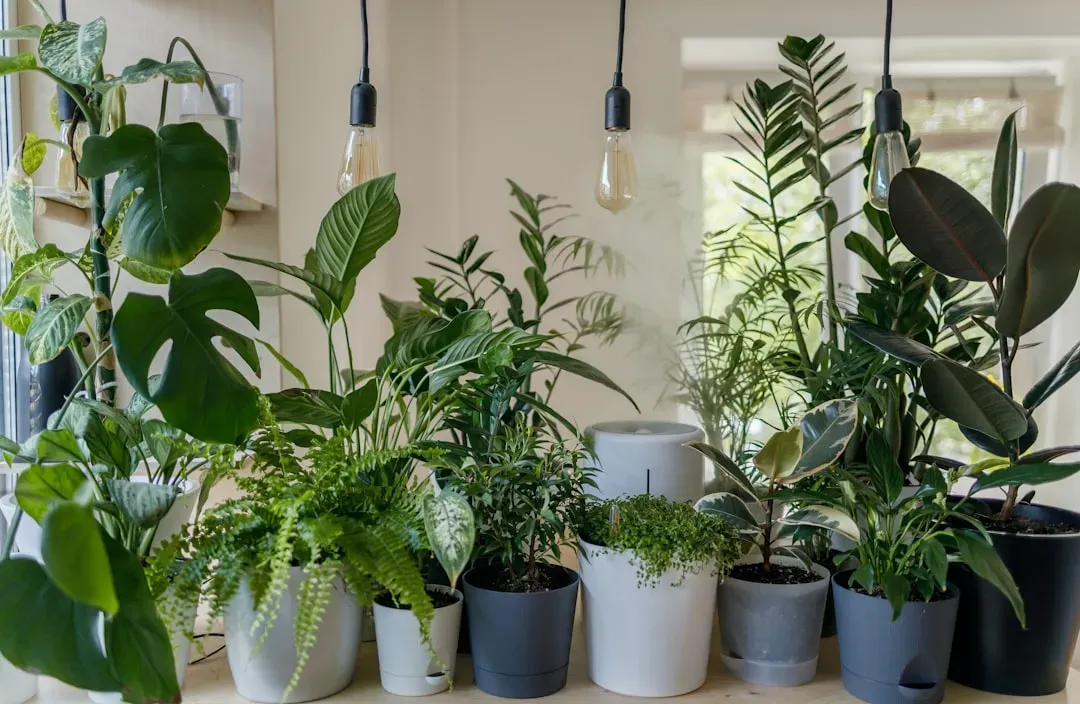
Greenery has a way of making static rooms feel alive, and it doesn’t require a green thumb to pull off. A single well-placed plant, like a fiddle leaf fig or a trailing pothos, can soften hard architectural lines and add texture that furniture alone can’t provide. For those with plants already in the house, simply repotting them into a new container or trimming back leggy growth can make a noticeable difference.
Beyond aesthetics, houseplants have been studied for their potential to improve indoor air quality and general wellbeing, though the effect on air purification specifically is often smaller than popular belief suggests. Still, the psychological benefit of greenery, sometimes called biophilic design, is well documented and doesn’t require scientific validation to feel true in daily life.
Change out textiles like rugs, curtains, and throws

Fabric elements carry a surprising amount of visual weight in a room, which is why swapping a worn rug or dated curtains can feel like a mini transformation. Textures matter as much as color here, since a chunky knit throw or a linen curtain panel introduces tactile variety that a room might be missing. Rugs in particular anchor a space, and choosing one in a different shape or pattern can redefine how a room reads.
These items also tend to show wear faster than furniture, so refreshing them serves a practical purpose alongside the aesthetic one. Many home stores now offer machine washable rugs and slipcovers, making it easier to keep textiles looking fresh without a full replacement every few years.
Declutter surfaces and reset shelves
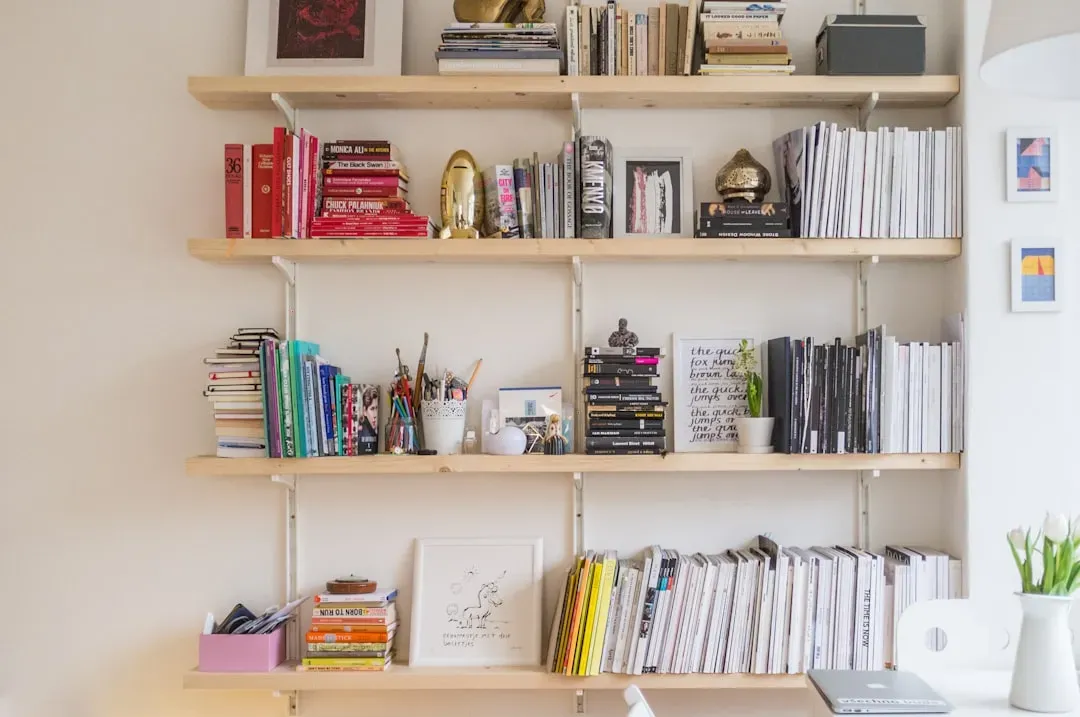
Visual clutter accumulates slowly, and most people stop noticing it until a surface is completely cleared and the difference becomes obvious. Removing everything from a shelf or countertop and only putting back a curated selection can make a room feel calmer and more spacious immediately. This isn’t about minimalism as an aesthetic, but about giving the eye fewer things to process at once.
Restyling a bookshelf by grouping items by color, height, or category, rather than function alone, also helps a familiar space feel new. This kind of reset costs nothing and often takes less than an hour, yet the psychological effect of a decluttered space has been linked to lower stress levels in various studies on home environments.
Add mirrors to change how light and space behave
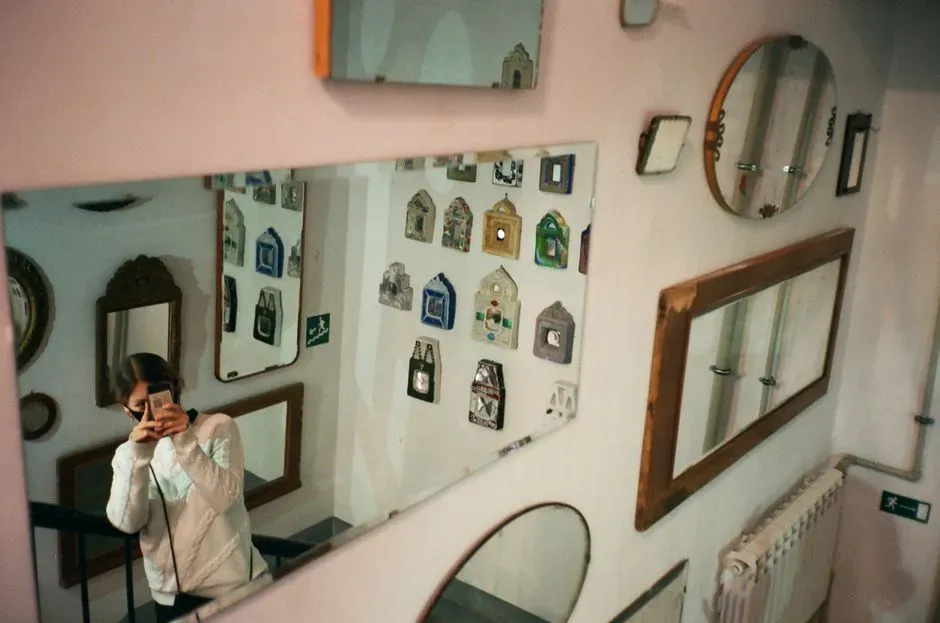
Mirrors do more than let people check their appearance before leaving the house. Placed opposite a window, a mirror can bounce natural light deeper into a room, making even a small or dim space feel brighter and larger than it actually is. Beyond function, a mirror with an interesting frame also acts as a piece of art, filling wall space without the cost of a large painting.
Hallways and entryways benefit especially from this trick, since they’re often narrow and light-starved. A well-placed mirror in these transitional spaces can make the whole house feel more open, setting a different tone the moment someone walks in.
Refresh wall art and personal displays
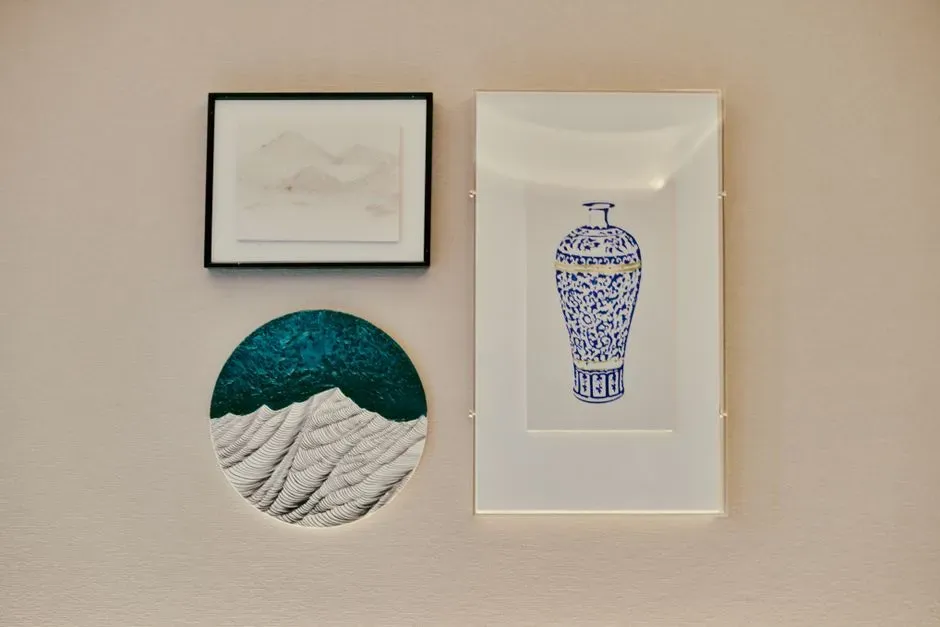
Artwork and photos that have hung in the same spot for years eventually become part of the background, unnoticed rather than appreciated. Rotating pieces between rooms, reframing an old photo, or simply rehanging art at a slightly different height can restore some of its original impact. This doesn’t require buying new pieces, though thrift stores and local art markets remain affordable sources for something different.
Gallery walls have also evolved in style, with a move toward asymmetrical, mixed-media arrangements rather than strict grids. Mixing textures, like combining a framed print with a woven wall hanging, adds visual interest that a single style of art can’t achieve on its own.
Bring in scent and sound as part of the atmosphere
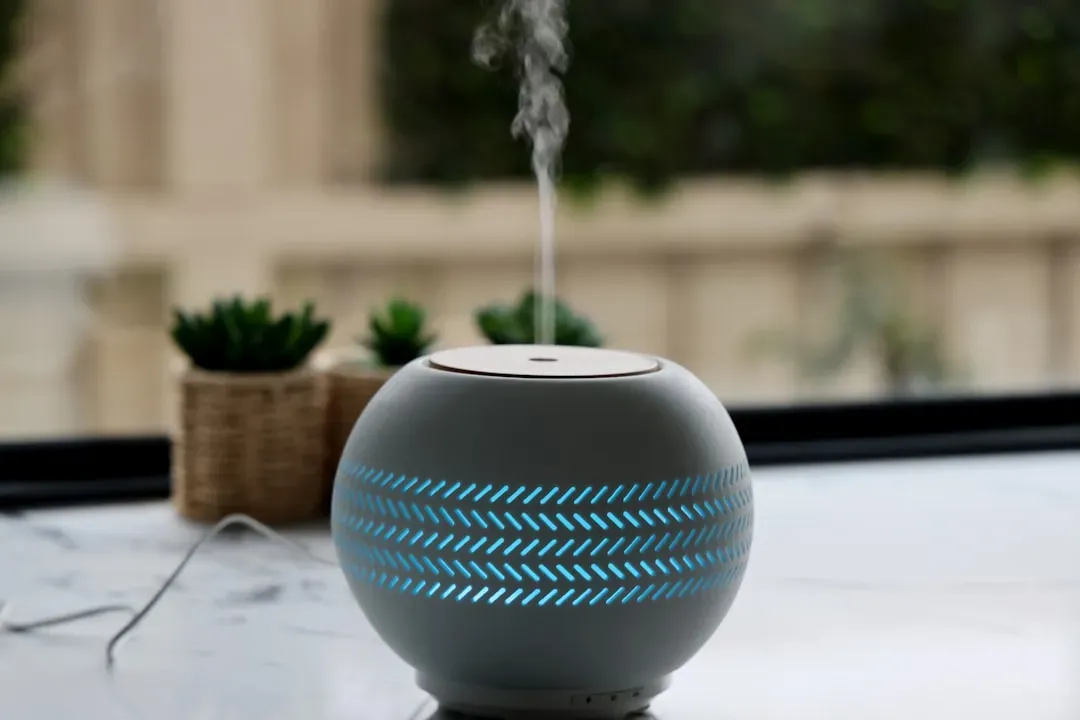
Home freshness isn’t only visual, and scent plays a larger role in how a space feels than most people consciously register. Swapping out a candle scent seasonally, or introducing a diffuser with something like citrus or cedar, can shift the emotional tone of a room in seconds. Scent memory is powerful, and a new fragrance can make a familiar space feel distinctly different without anything visually changing at all.
Sound matters too, though it’s often overlooked in home design conversations. Something as simple as a playlist tied to a specific room, or a small speaker that plays ambient background sound during the day, adds a layer of experience that static decor alone can’t provide.