
Storage has a bit of a reputation problem. For decades, the word conjured up images of plastic bins shoved under beds or metal shelving units hidden away in garages, functional but far from attractive. That’s changed quite a bit in recent years, as designers and homeowners alike have realized that keeping things organized doesn’t mean sacrificing style.
Today’s best storage solutions blur the line between furniture and function, often becoming focal points rather than afterthoughts. Whether it’s a woven basket that doubles as a side table or a shelving system that turns books into a design statement, the options for , simple storage have never been more varied or accessible.
Open shelving with intention
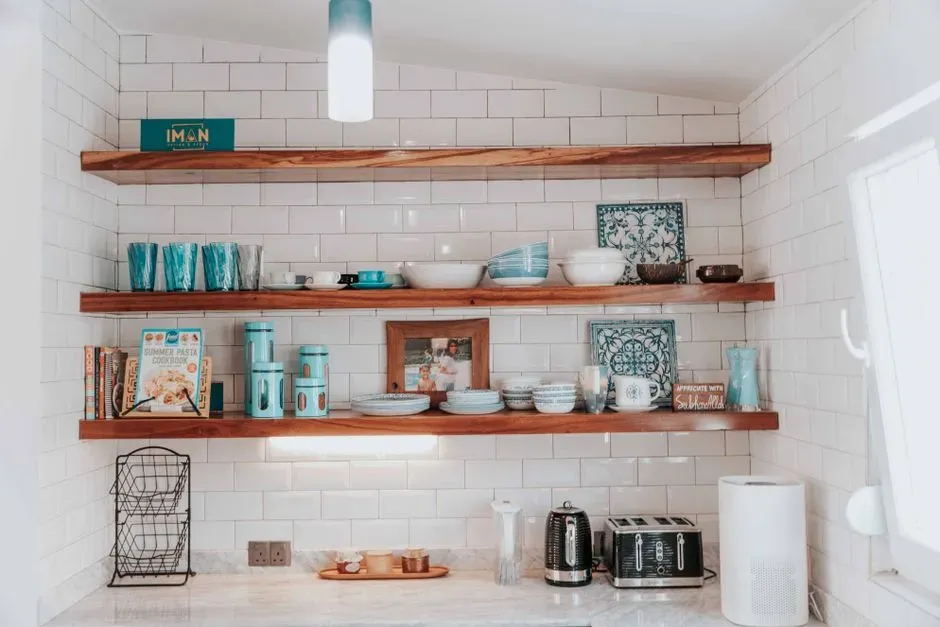
Open shelving has become a defining feature of modern interiors, largely because it forces a bit of curation. When everything is visible, clutter becomes obvious fast, which naturally encourages people to be more selective about what they display. This visibility factor is exactly why interior designers often recommend open shelves for kitchens and living rooms alike, since they reward thoughtful arrangement over haphazard stacking.
The key to making open shelving work is grouping items by color, texture, or height rather than function alone. A shelf mixing ceramics, a few books, and a small plant tends to look more intentional than one crammed with mismatched kitchen gadgets. Wood and metal combinations remain popular for 2026, offering warmth alongside a slightly industrial edge that fits many home styles.
Woven baskets as everyday sculpture
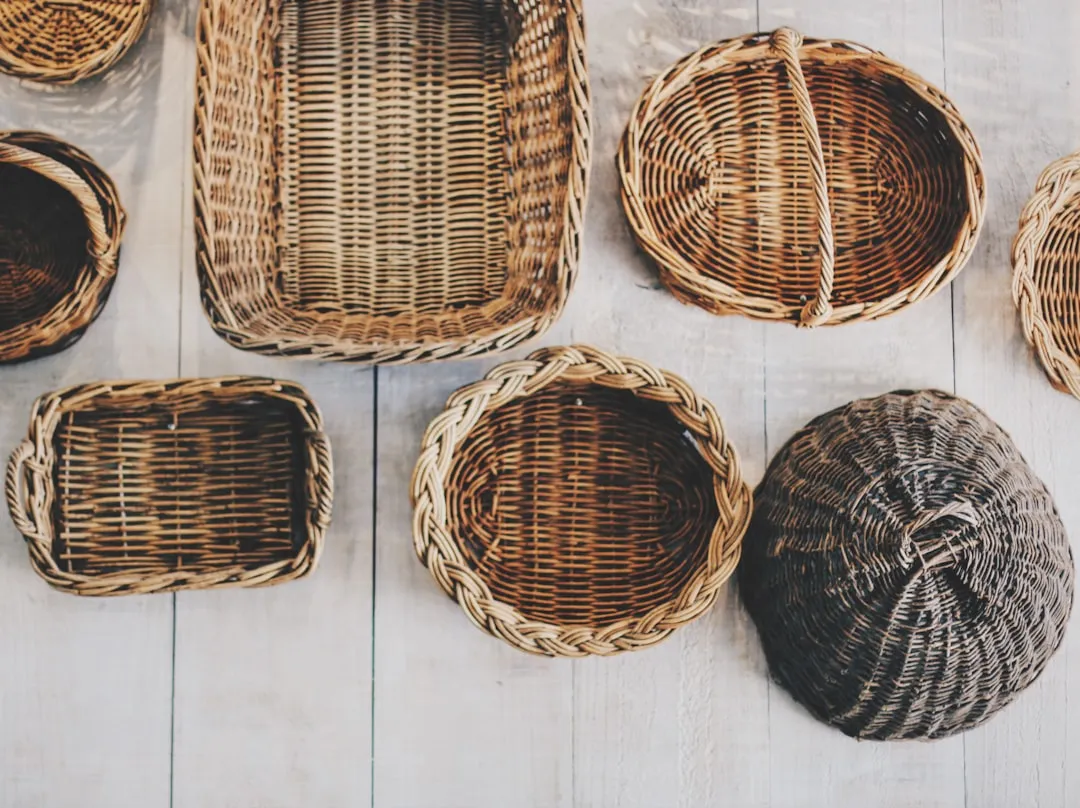
Baskets have quietly become one of the most versatile storage tools available, and their appeal goes well beyond practicality. Handwoven seagrass, rattan, and jute baskets bring texture into a room in a way that hard plastic bins simply cannot replicate. They’re lightweight, stackable, and often inexpensive compared to built-in cabinetry.
What makes baskets especially useful is their adaptability. The same basket that holds throw blankets in a living room can just as easily organize pantry goods or bathroom towels. Many home goods retailers have expanded their basket collections significantly in the past two years, responding to steady demand for natural materials that soften a space rather than sterilize it.
Multipurpose furniture that hides clutter
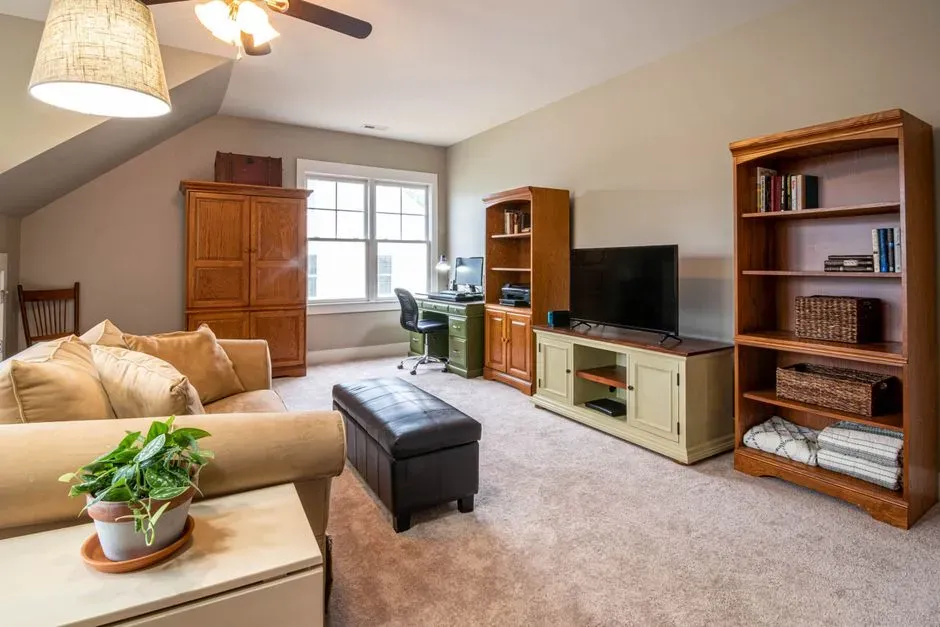
Furniture that pulls double duty has become a practical answer for smaller homes, particularly in cities where square footage comes at a premium. Ottomans with lift-off tops, coffee tables with hidden compartments, and beds with built-in drawers all serve the same purpose: they store things without looking like storage at all. This approach lets a room stay visually calm while still holding onto everyday essentials.
The rise of compact urban living has pushed furniture makers to get more creative with these hidden solutions. A storage bench by the entryway, for instance, can hold shoes and bags while doubling as a place to sit and put them on. It’s a small design choice, but one that quietly solves a problem most homes deal with daily.
Glass-front cabinets for visible order
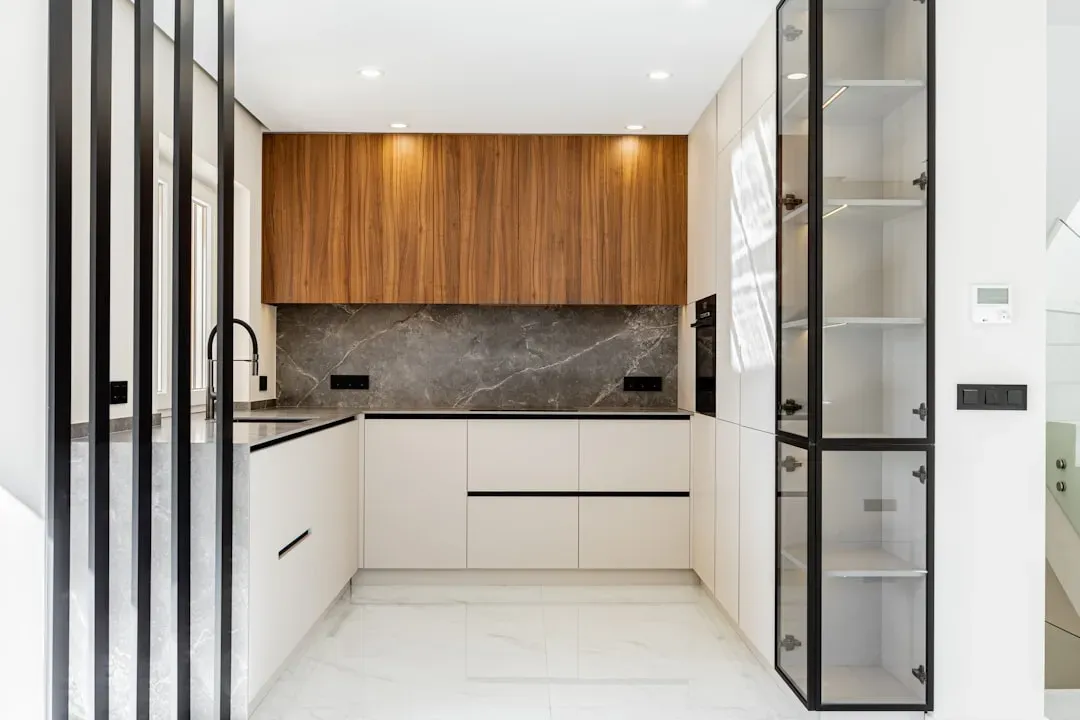
Glass-front cabinets offer a middle ground between fully open shelving and closed storage, letting people display items while still keeping dust and mess somewhat contained. They work particularly well in kitchens and dining rooms, where dishware and glassware often look better shown off than hidden. The slight barrier of glass also makes arrangements feel a touch more polished, since it adds a layer of separation between the viewer and the object.
This style has seen a resurgence as more homeowners renovate older kitchens with a nod to traditional cabinetry, mixing it with updated hardware and paint colors. A soft sage or warm white cabinet with glass panels can feel both classic and current at the same time. It’s proof that a decades-old design idea can still feel fresh with the right styling.
Modular systems that grow with you
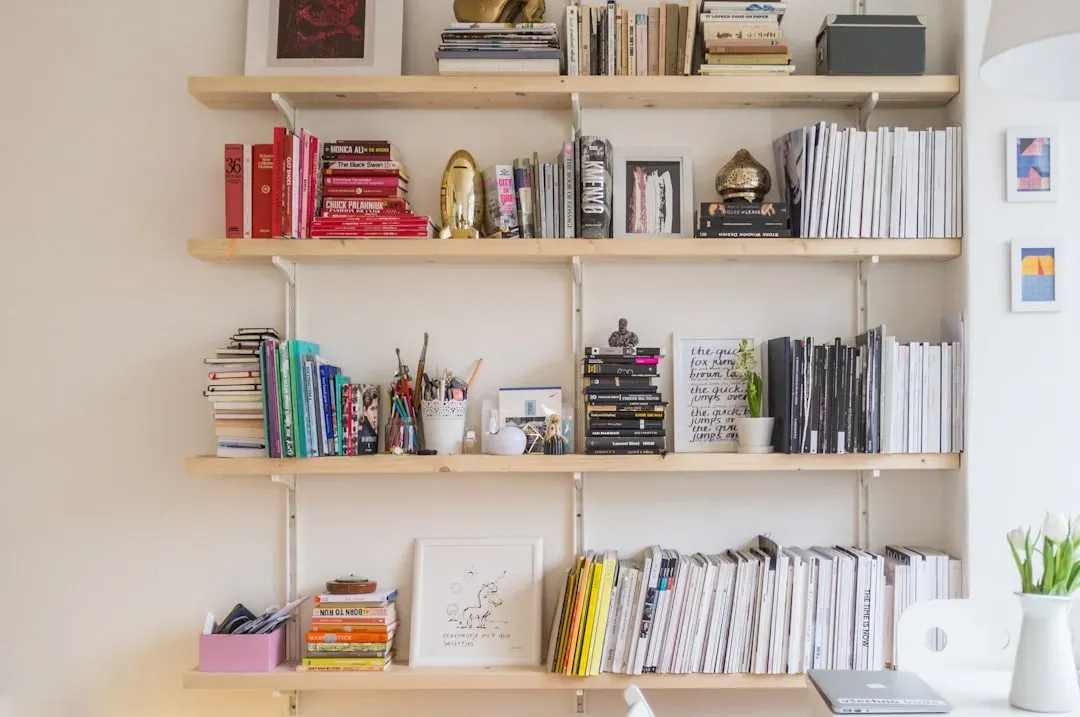
Modular shelving and storage units have gained traction because they solve a very real problem: most people’s storage needs change over time. A single module might work for a studio apartment, but as belongings accumulate, or as someone moves to a bigger space, additional pieces can simply be added without replacing the whole system. This flexibility appeals to renters and homeowners alike, since it avoids the commitment of built-in furniture.
Scandinavian design brands have been especially influential in popularizing modular storage, often favoring clean lines and neutral tones that fit a wide range of interiors. These systems tend to hold their resale value better than fast furniture too, since the pieces are designed to be reconfigured rather than discarded. It’s a practical argument for spending a bit more upfront on something built to last.
Baskets and bins that match the room’s palette
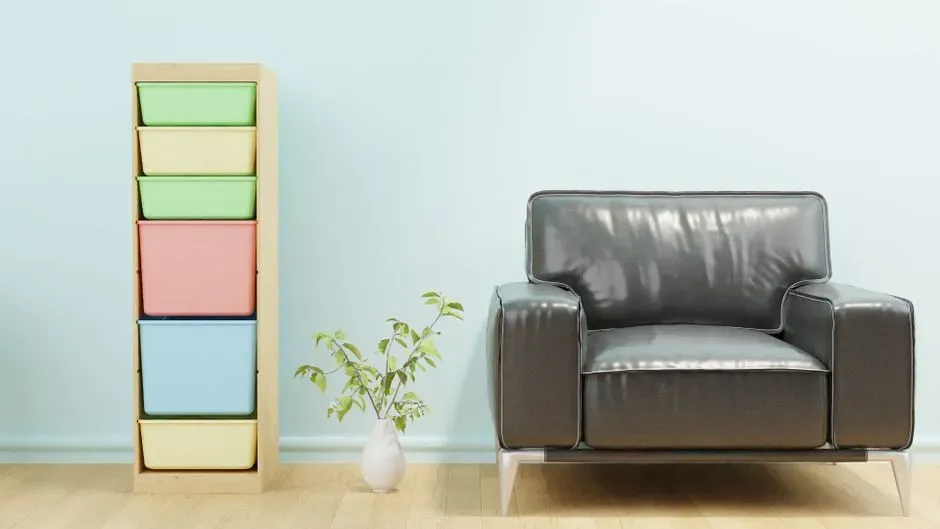
One of the simplest ways to make storage feel intentional is to match bins and baskets to the existing color scheme of a room, rather than treating them as purely utilitarian objects. A muted gray bin in a neutral living room disappears into the background in a good way, while a mismatched bright plastic tote tends to stick out. This small styling choice can make a huge difference in how organized a space feels overall.
Fabric bins have also grown in popularity for closets and playrooms, largely because they’re soft, quiet, and easy to label. Many are made from canvas or linen blends that hold their shape without looking rigid or industrial. The result is a storage solution that feels more like part of the room’s design than an add-on.
Floating shelves for a lighter look
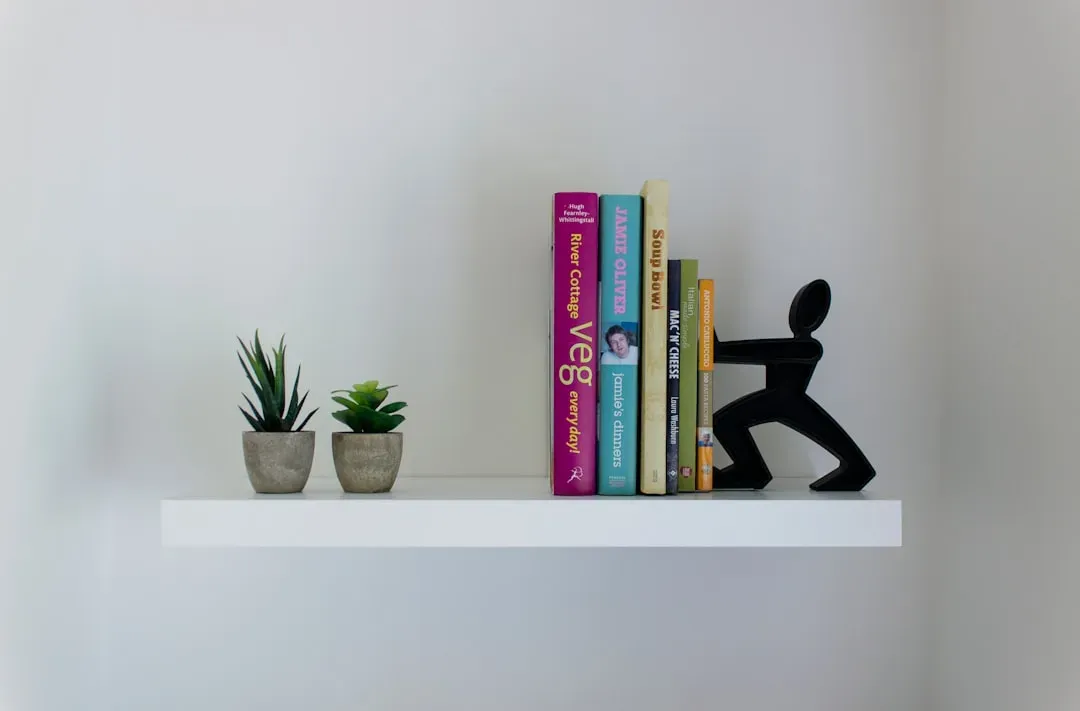
Floating shelves have remained a steady favorite for a reason: they create storage without visually weighing down a wall. Because there are no visible brackets or legs, the shelves appear to hover, which works particularly well in smaller rooms where every bit of visual space matters. They’re also relatively simple to install, making them a popular DIY project for homeowners looking to add storage without a major renovation.
Pairing floating shelves with a few carefully chosen objects, rather than filling every inch, tends to produce the best results. A single shelf with three or four items, spaced with some breathing room, usually looks more considered than one crammed full. This restraint is often what separates a shelf that looks styled from one that simply looks stocked.
Vintage and secondhand storage pieces
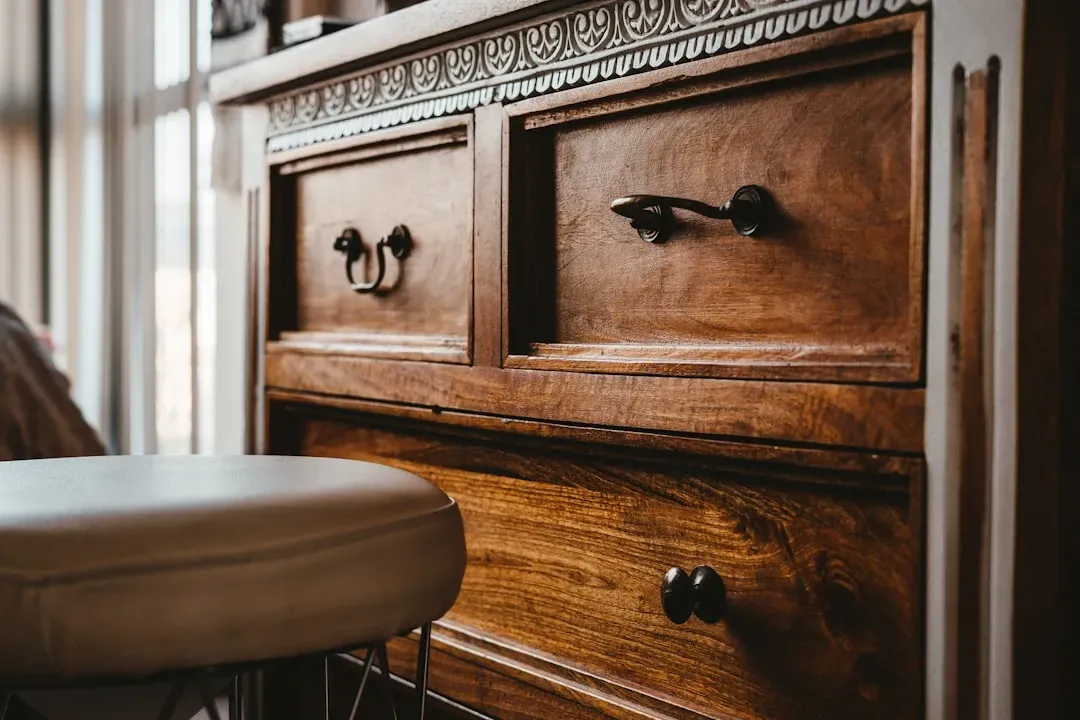
There’s been a noticeable shift toward secondhand and vintage storage furniture, driven partly by sustainability concerns and partly by a desire for pieces with more character. Old dressers, trunks, and cabinets often have a build quality that’s hard to find in mass-produced furniture today. A well-worn wooden trunk repurposed as a coffee table with hidden storage inside brings a sense of history that new furniture simply can’t replicate.
Thrift stores, estate sales, and online marketplaces have made finding these pieces easier than ever, and refinishing or repainting them has become a popular weekend project. This approach also tends to be more budget-friendly than buying new, especially for larger pieces like armoires or sideboards. It’s a practical way to get both storage and personality in a single piece of furniture.
Under-stair and awkward-space solutions
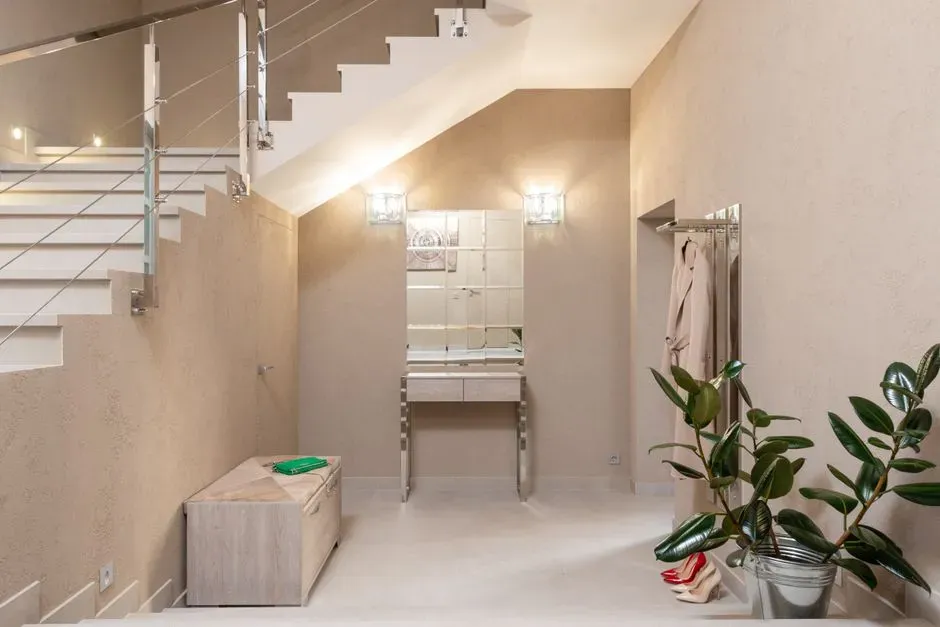
Awkward corners and underused spaces, like the area beneath a staircase, have become a favorite target for custom storage solutions in recent years. Built-in drawers or shelving tucked into these spots can add a surprising amount of storage without taking up any additional floor space. This kind of design work has become especially popular in smaller homes and apartments, where every square foot needs to earn its place.
Custom carpentry for these spaces can be pricier than off-the-shelf furniture, but the payoff is storage that fits perfectly and looks like it was always meant to be there. Even simpler versions, like sliding baskets or pull-out bins fitted into odd nooks, can achieve a similar effect on a smaller budget. The goal is always the same: making unused space work harder without disrupting the flow of the room.
Labeling and organization as part of the design
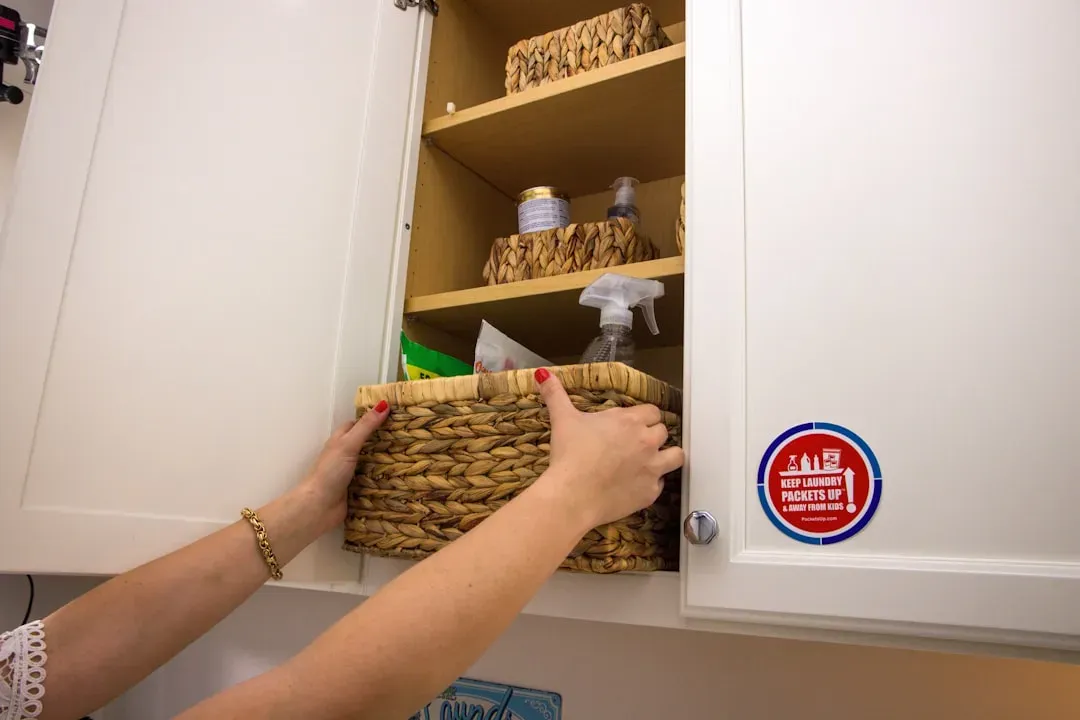
Labels might seem like a small detail, but they’ve become an intentional part of storage design rather than an afterthought. Simple wooden tags, engraved metal labels, or even minimalist stickers can turn a row of identical bins into something that looks curated rather than chaotic. This trend has grown alongside a broader interest in home organization, with many people treating labeling as both a practical tool and a decorative touch.
Consistency matters here more than complexity. A matching label style across every bin or basket in a space creates a sense of cohesion, even if the contents inside vary widely. It’s a low-cost way to make storage feel finished, turning something purely functional into a small design detail that ties a room together.