
Conversation pits with sunken or clustered seating
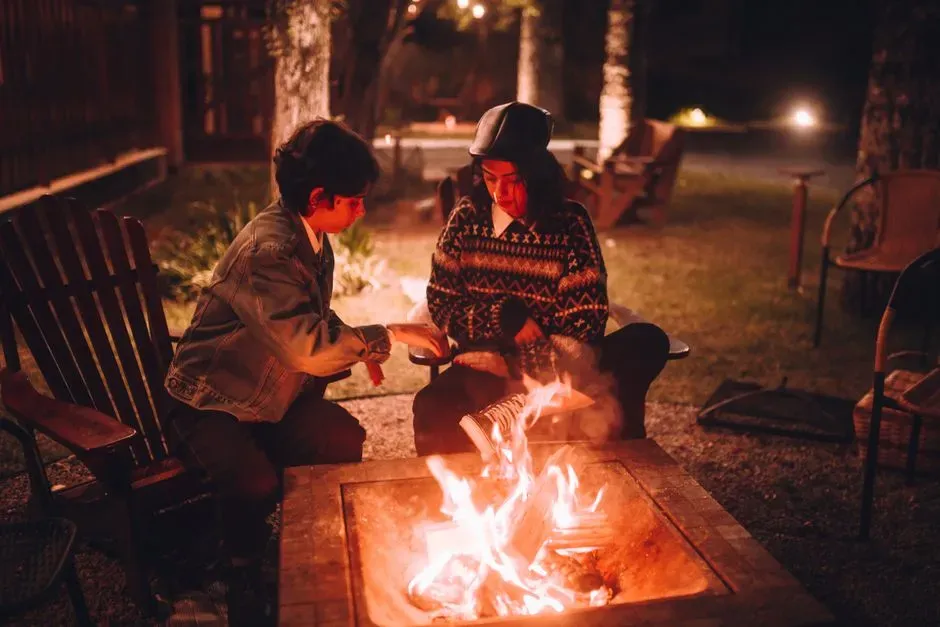
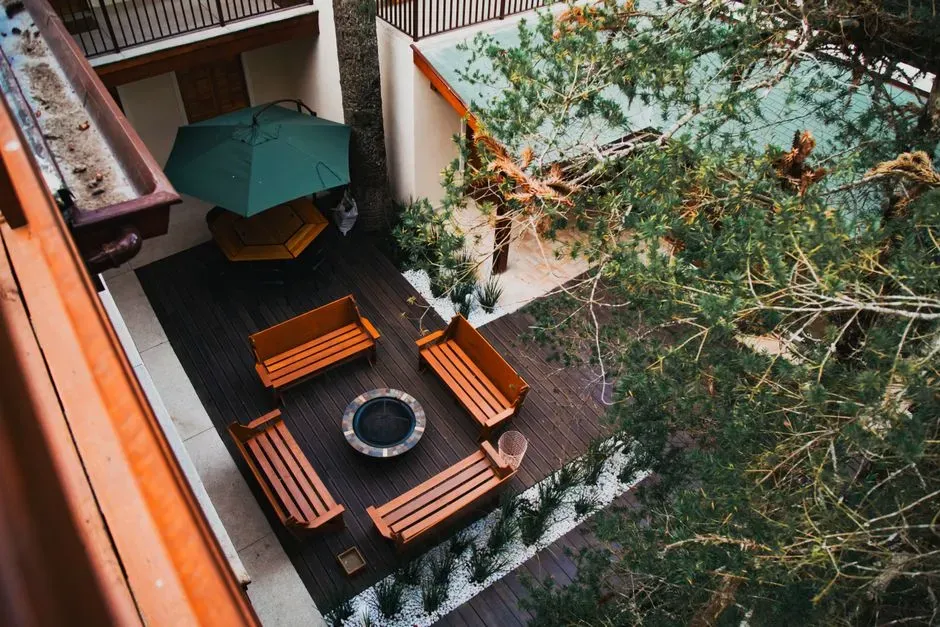
Conversation pits, a design borrowed from mid-century interiors, have found a second life outdoors. The idea is simple: arrange seating in a tight circle or square, often around a fire feature, so people naturally face each other instead of sitting in a row. Some versions are literally sunken a step or two below grade, while others just use low walls or built-in benches to define the boundary.
This layout suits medium to large yards where there’s enough room to carve out a distinct zone. It also tends to feel more intimate than scattered patio furniture, which can help smaller gatherings feel less spread out. A fire pit or low table in the center gives the space a clear focal point and a practical reason to linger.
Fire pit seating arrangements
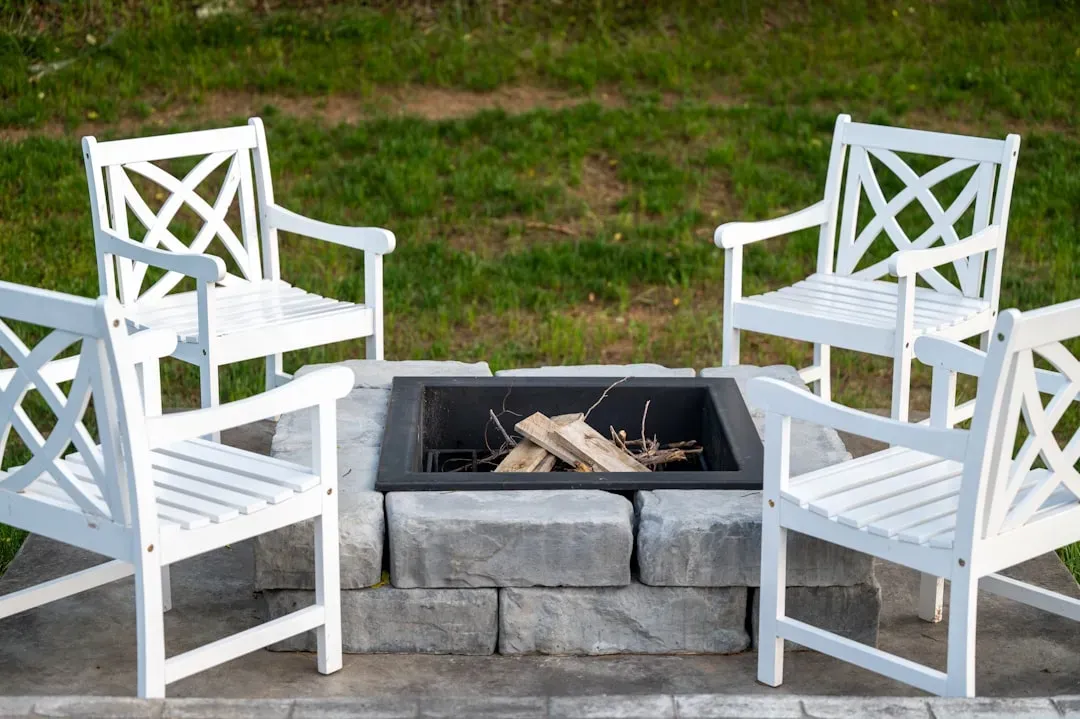
Fire pits remain one of the most requested backyard features, and the seating around them matters as much as the pit itself. A ring of Adirondack chairs, a curved built-in bench, or a mix of stools and lounge chairs all work, provided there’s enough clearance for safety and easy movement. Local fire codes and homeowner association rules often dictate minimum distances from structures, so it’s worth checking before installing anything permanent.
Materials matter here too. Metal and stone furniture tolerate heat and stray sparks better than untreated wood or synthetic wicker, which can degrade faster when placed close to a flame. Many manufacturers now sell fire pit tables with matching chairs designed specifically for this kind of setup, which simplifies the planning considerably.
Pergolas and shaded lounge areas
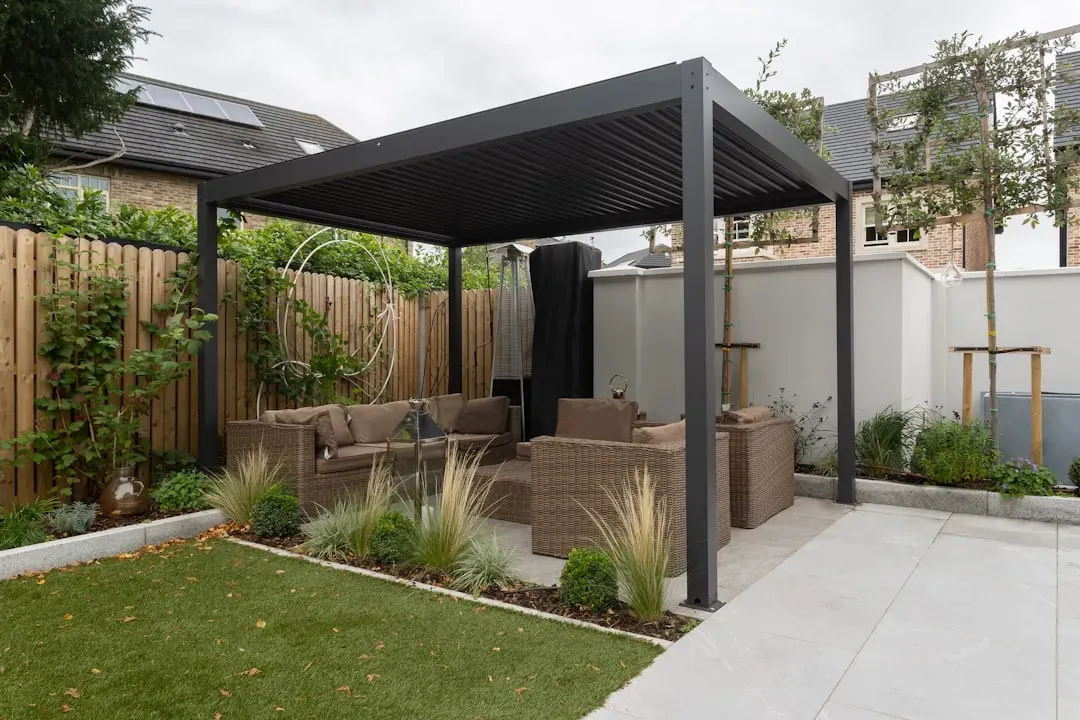
A pergola turns a patch of yard into a room without walls, and the seating underneath usually becomes the most-used spot on the property. Deep seating sofas, sectional pieces, or a simple pair of lounge chairs with a side table all work well under this kind of structure. Adding retractable shade cloth or climbing vines increases the coverage without blocking airflow entirely.
Pergolas also give homeowners a chance to add string lights, ceiling fans, or hanging planters, which extends the space’s usefulness into the evening. Because the structure itself provides some rain protection, the furniture underneath can often skip the heaviest weatherproofing, though a storage option nearby for cushions is still a smart move.
Hammocks and swing seats for a slower pace
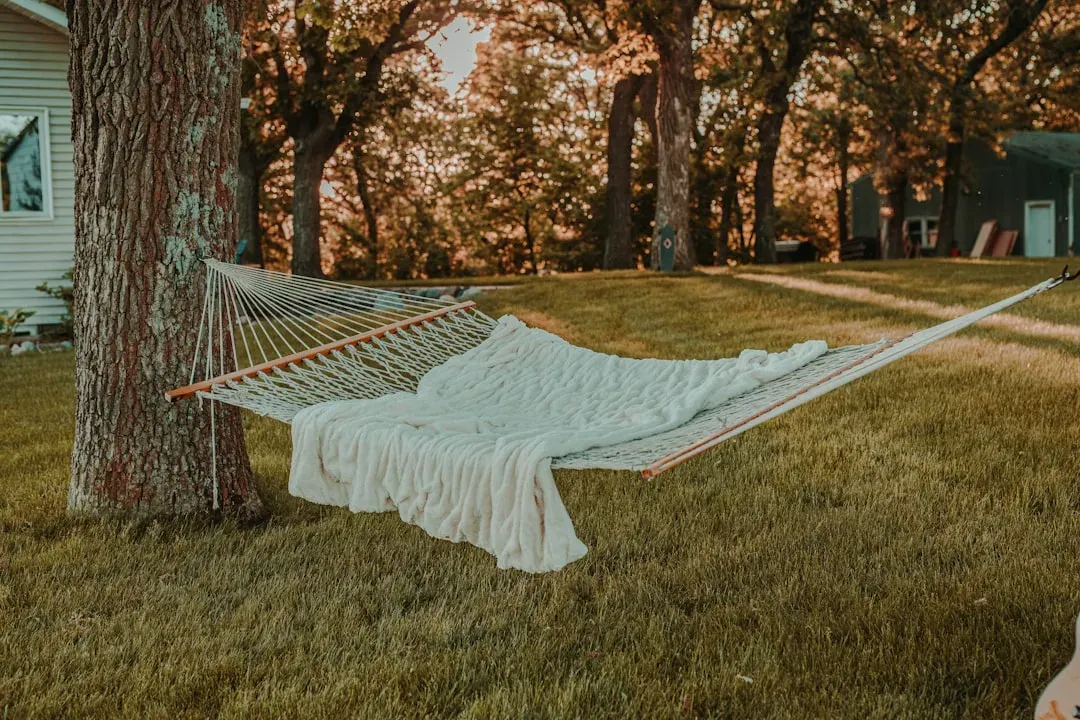
Not every yard needs a full seating set. A single hammock strung between two trees, or a freestanding hammock stand, offers a low-cost way to add a place to relax without committing much space or money. Porch swings and hanging egg chairs serve a similar purpose for yards without mature trees to anchor a traditional hammock.
These pieces tend to work best as a secondary seating option rather than the main gathering spot, since they generally accommodate only one or two people comfortably. Even so, they add a distinct visual element and a different way to sit that a standard chair or bench can’t replicate. Placement near shade, whether from a tree canopy or a pergola, makes them usable through more of the day.
Modular sectionals for flexible layouts
Modular outdoor sectionals have become a popular choice for yards that host anything from quiet weeknights to larger weekend gatherings. Because the pieces can be rearranged, a homeowner can configure an L-shape for everyday lounging and then open it into a wider U-shape when more guests show up. Most modern versions use powder-coated aluminum frames or resin wicker, both of which resist rust and fading better than older outdoor furniture materials did.
Cushion fabric has also improved significantly in recent years, with many brands now using solution-dyed acrylic that resists mold and holds color better under sun exposure than older polyester blends. This matters for yards with intense summer sun, where fading and mildew used to shorten furniture lifespan considerably. A modular set with weather-resistant cushions can often be left outside for an entire season with minimal upkeep.
Poolside lounge seating
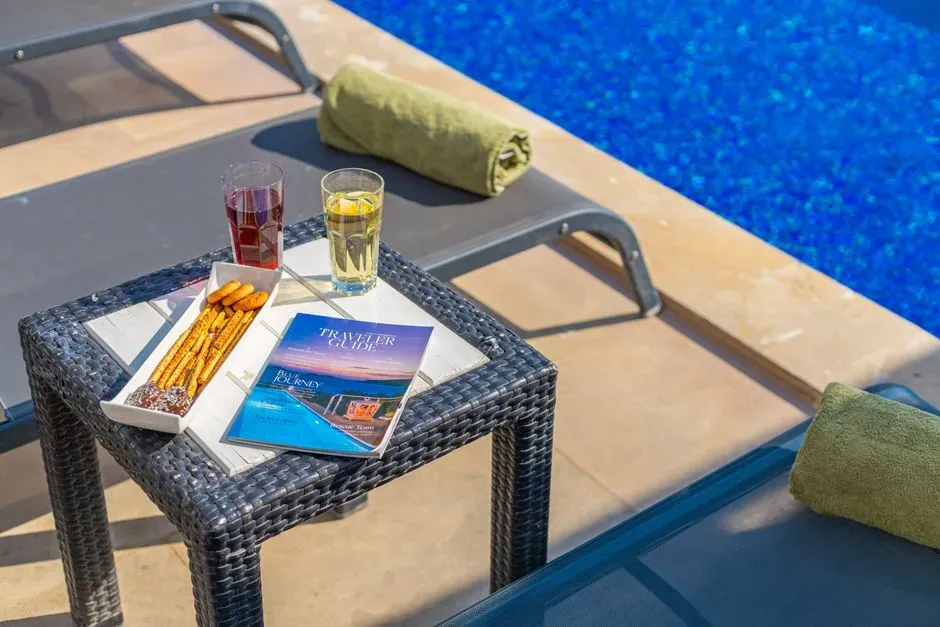
Yards with a pool call for seating that can handle splashes, sunscreen, and constant sun exposure without breaking down quickly. Chaise lounges remain the standard choice, and the better ones now come with quick-drying mesh or perforated fabric that doesn’t hold water the way older sling designs did. Placement matters too, since lounges positioned too close to the pool edge can become a tripping hazard during pool parties.
A few well-placed side tables or a small bar cart near the lounge chairs keeps drinks and towels within reach without cluttering the pool deck. Umbrellas or a shade sail overhead extend the amount of time lounge chairs stay comfortable during peak afternoon heat. For yards without a dedicated pool house, a nearby storage bench for pool toys and towels keeps the seating area looking tidy.
Multi-level decks for terraced seating
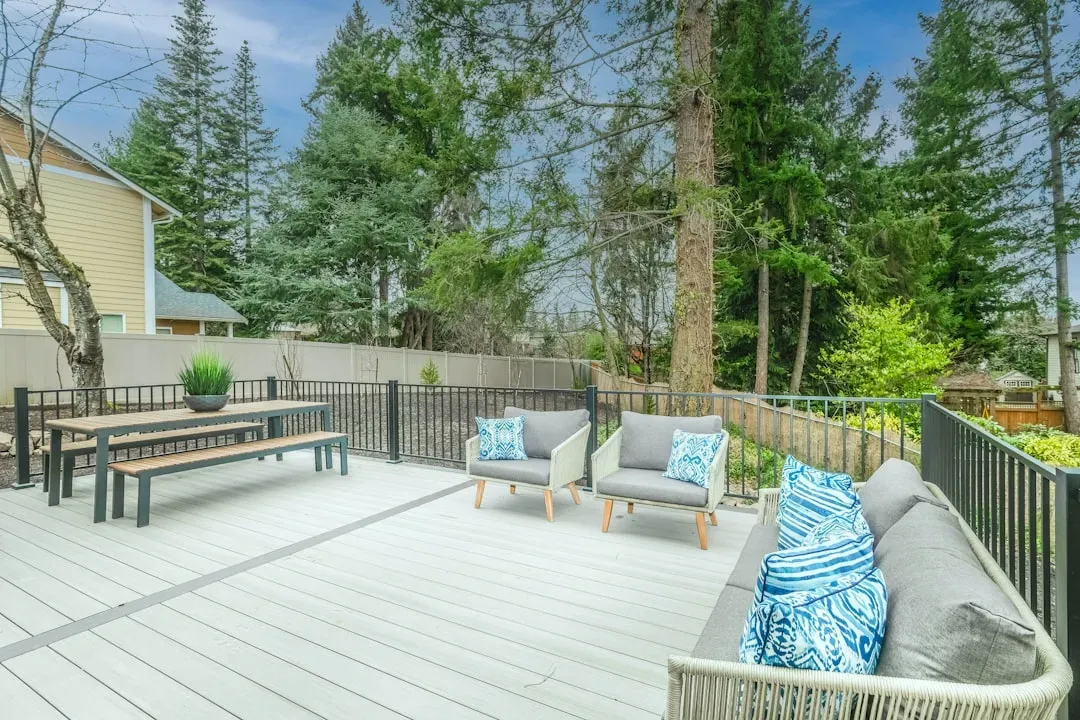
Yards with a slope or an otherwise awkward grade often benefit from a multi-level deck, where each tier hosts a different type of seating. A lower level might hold a dining set, while an upper tier offers a quieter lounge area away from the main traffic flow. This approach also helps break up sightlines in a way that flat, single-level patios can’t manage.
Railings on elevated decks double as a natural boundary for the seating area, and built-in bench seating along the rail line is a common way to add capacity without extra furniture. Multi-level layouts do require more planning and usually more construction budget, but they make good use of yards that would otherwise be difficult to landscape. Stairs connecting the tiers can also double as informal extra seating during larger gatherings.
Compact solutions for balconies and small patios
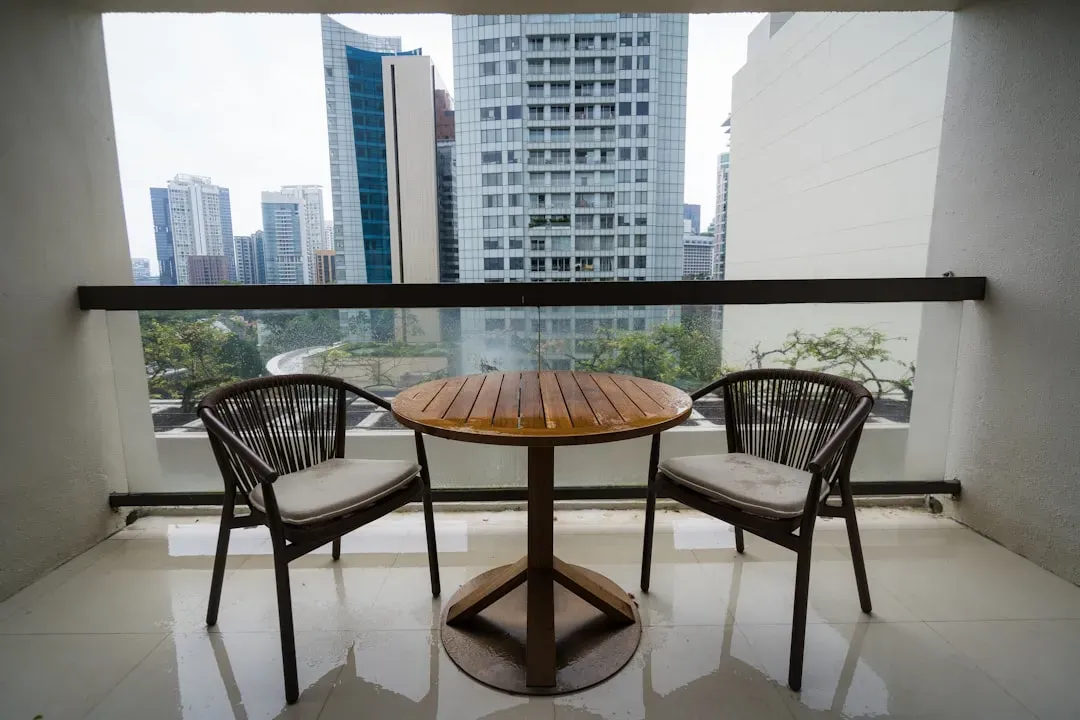
Not every outdoor space has room for a full furniture set, and small balconies or patios need a different approach entirely. Bistro sets with two chairs and a small round table remain a dependable choice, since they take up minimal footprint while still offering a place to sit with a coffee or a drink. Folding or stacking chairs are another practical option, letting the space double as storage-free when seating isn’t needed.
Vertical space also matters more in small footprints, so railing planters or wall-mounted shelves can free up floor space for the seating itself. A single well-chosen chair with a small side table often works better in a tight spot than trying to force a full set into a space that can’t comfortably hold it. Lightweight materials like aluminum or resin make it easier to move furniture around for cleaning or storage during colder months.