
Most of us don’t wake up thinking about how a room makes us feel, yet the we move through all day quietly shape our mood, focus, and even our sense of calm. A cluttered hallway or a dim kitchen corner can wear on you in ways that are easy to overlook until something shifts and the space suddenly feels lighter.
The good news is that beauty in everyday environments rarely requires a full renovation or a designer’s budget. It often comes down to small, deliberate choices about light, color, texture, and what you choose to keep in view.
The Power of Natural Light
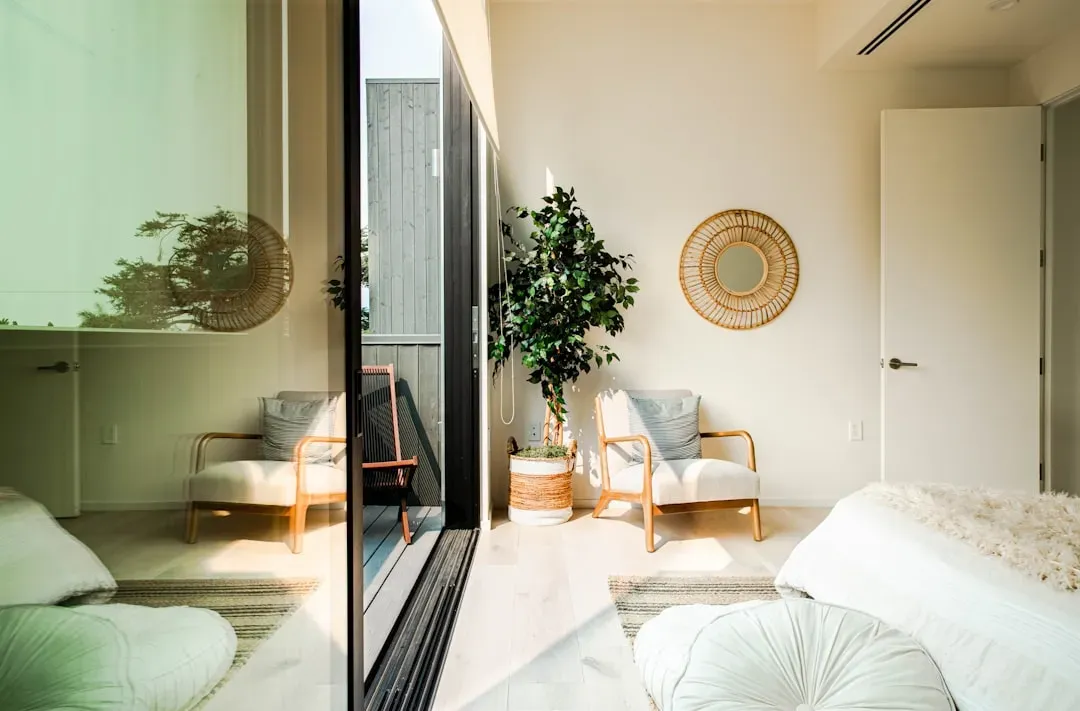
Natural light remains one of the simplest ways to transform how a room feels. Rooms with generous daylight tend to read as larger, cleaner, and more inviting, even when the square footage hasn’t changed at all. Sheer curtains, well-placed mirrors, and lighter window treatments can bounce daylight deeper into a space without any structural work.
Research on indoor environments has consistently linked daylight exposure to better mood and alertness, which is part of why architects increasingly prioritize window placement in both homes and offices. Even in spaces with limited windows, angling furniture away from light sources or trimming outdoor foliage that blocks a view can make a noticeable difference. It’s a low-cost adjustment with outsized visual payoff.
Choosing a Cohesive Color Palette
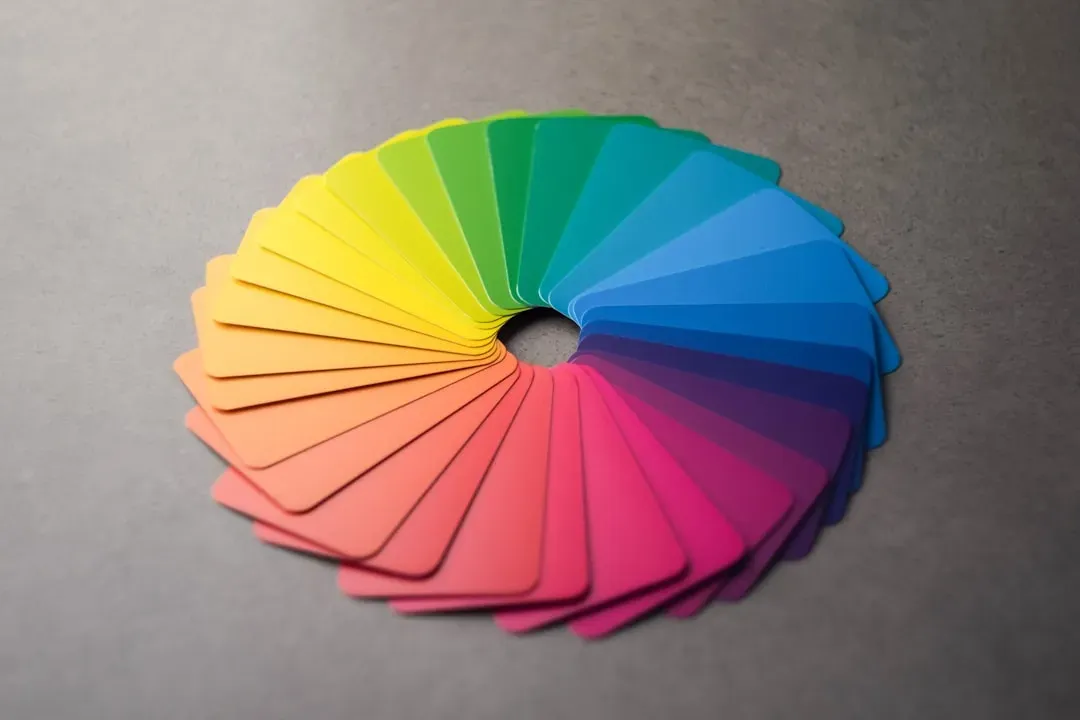
Color is often the fastest way to make a space feel intentional rather than accidental. A room built around two or three complementary tones tends to look more polished than one filled with mismatched colors picked without a plan. Designers frequently recommend starting with a neutral base and layering in one or two accent shades through textiles, art, or accessories.
Warmer tones like terracotta, ochre, and soft browns have remained popular in interiors through 2025 and into 2026, often paired with muted greens for a grounded, natural feel. These palettes tend to age well because they avoid the trend-driven extremes that can feel dated within a few years. Sticking to a consistent color logic across a home also creates a sense of flow from one room to the next.
Bringing Nature Indoors With Plants
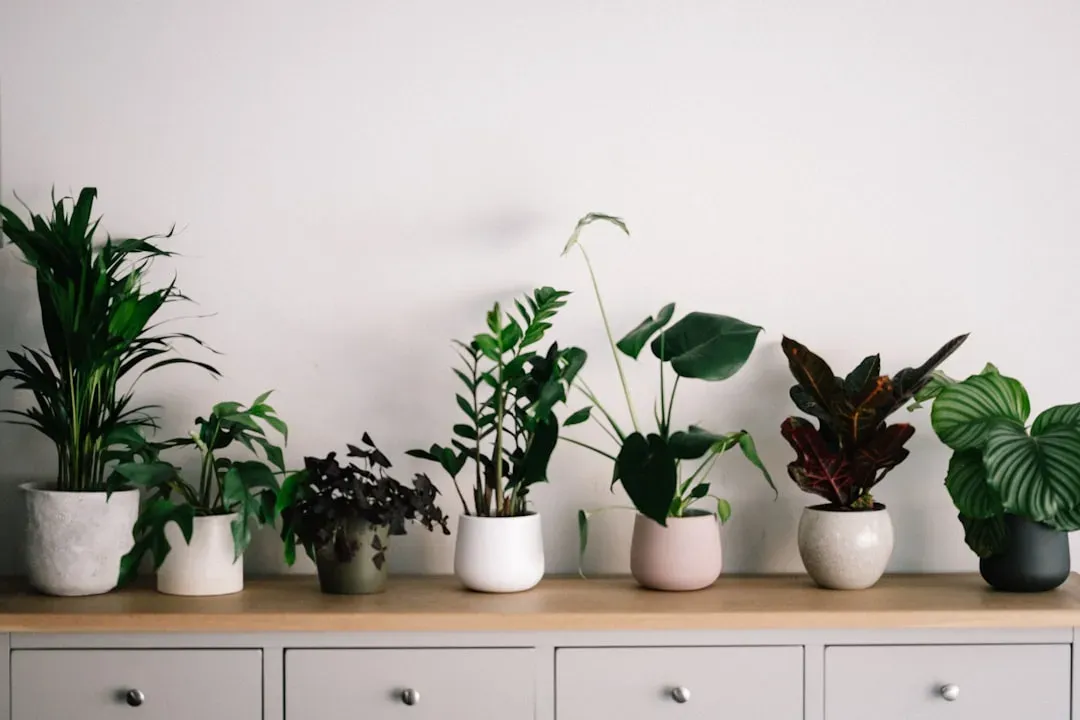
Houseplants do more than fill empty corners. Their presence has been associated with improved indoor air quality and a general sense of well-being, which is part of why biophilic design, the practice of weaving natural elements into built spaces, has become a mainstream approach rather than a niche trend. Even a single well-placed plant can soften hard lines in a room dominated by furniture and screens.
Low-maintenance varieties like pothos, snake plants, and ZZ plants have become popular precisely because they forgive neglect while still delivering visual texture. Grouping plants of varying heights on a shelf or windowsill creates a layered look that feels more curated than scattering single pots around a room. For renters or those short on time, this remains one of the easiest ways to add life to a space without commitment.
Decluttering as a Design Principle

Beauty and clutter rarely coexist comfortably. A space filled with unnecessary objects tends to feel chaotic no matter how nice the individual items are, which is why decluttering is often the first step designers suggest before any decorating begins. The visual noise of too many objects competing for attention can undercut even a well-chosen color scheme.
This doesn’t mean stripping a home down to bare minimalism. Rather, it means being selective about what stays visible and what gets stored away. Surfaces like countertops, coffee tables, and entryways tend to benefit most from this kind of editing, since they’re the areas the eye naturally lands on first.
Texture and Layering for Depth
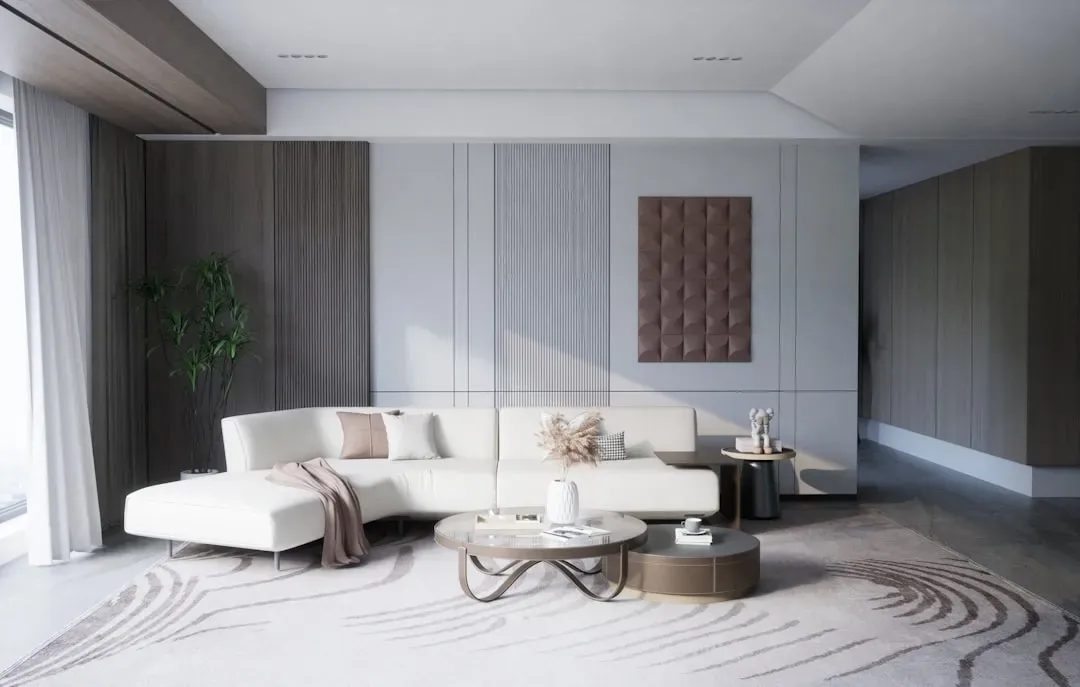
A room built entirely from smooth, flat surfaces can feel sterile even if the colors are right. Texture, whether through a woven throw, a nubby rug, or a rough ceramic vase, adds visual and tactile interest that photographs and paint alone can’t provide. Designers often describe this as giving a room “depth,” meaning it rewards a second and third look rather than being fully absorbed at a glance.
Mixing materials like wood, metal, linen, and stone tends to create a more grounded, lived-in feel than sticking to a single finish throughout. This layering approach also makes a space feel more intentional, since texture variation signals thought and care rather than a quick, uniform purchase. Even inexpensive textiles can carry a surprising amount of visual weight when used well.
The Role of Personal Objects and Curation
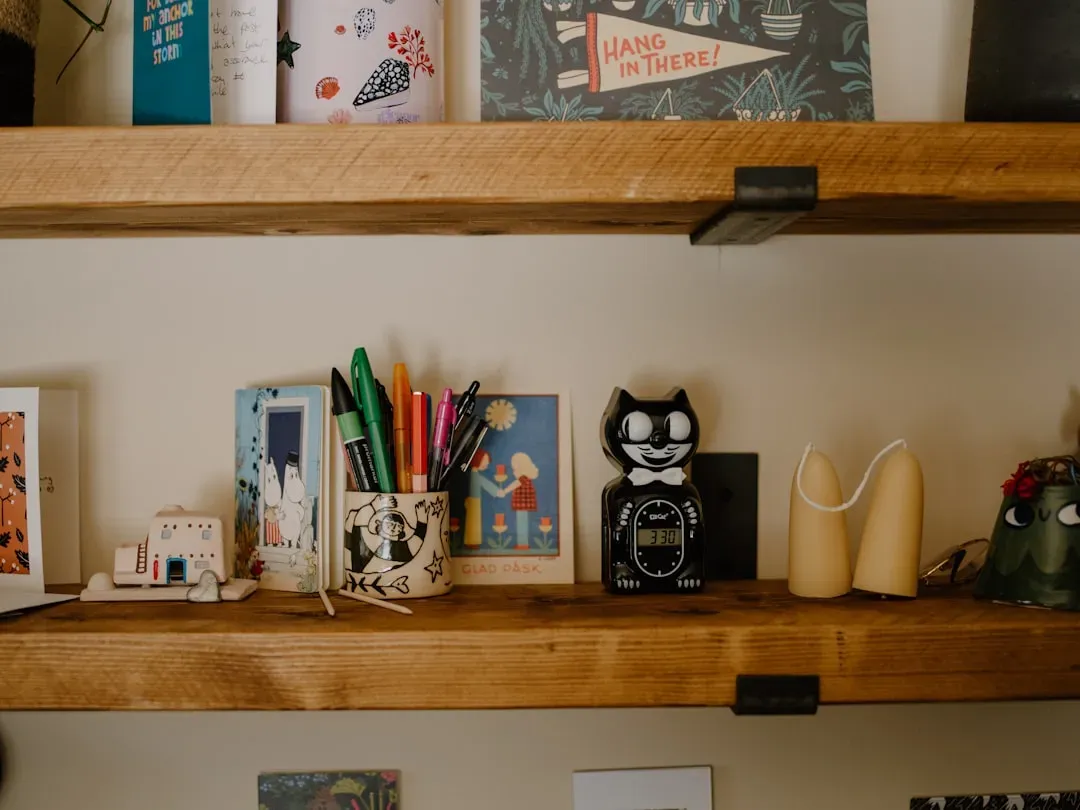
Generic decor can make a space look nice, but it rarely makes it feel personal. Objects with real history, a travel souvenir, a handmade ceramic piece, a framed photo, tend to give a room character that mass-produced items can’t replicate. The key is curation rather than accumulation, since too many personal items can slide back into clutter.
Displaying a smaller number of meaningful pieces, given room to breathe on a shelf or wall, tends to read as more sophisticated than covering every surface. This approach also makes a space feel distinctly like the person living in it, rather than a showroom assembled from a catalog. Even a single striking object can anchor an otherwise plain room.
Functional Beauty in Furniture Choices
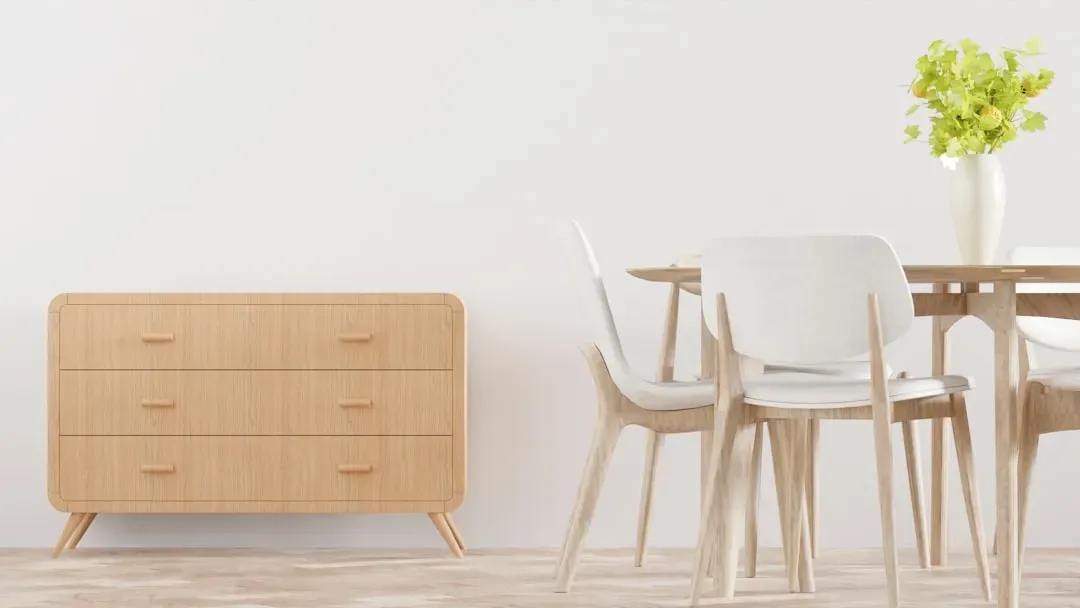
Furniture that looks good but doesn’t work well tends to become a source of quiet frustration rather than joy. The most successful pieces tend to balance visual appeal with actual usability, whether that’s a sofa deep enough to nap on or a table sturdy enough for daily meals. This overlap between form and function has become a defining feature of contemporary design thinking.
Multi-purpose furniture has also grown in popularity as living spaces, particularly in cities, continue to shrink. A storage ottoman or a extendable dining table allows a room to serve more than one purpose without looking cluttered or improvised. Choosing pieces built to last, rather than disposable trend items, also tends to pay off both financially and aesthetically over time.
Lighting Design Beyond Windows
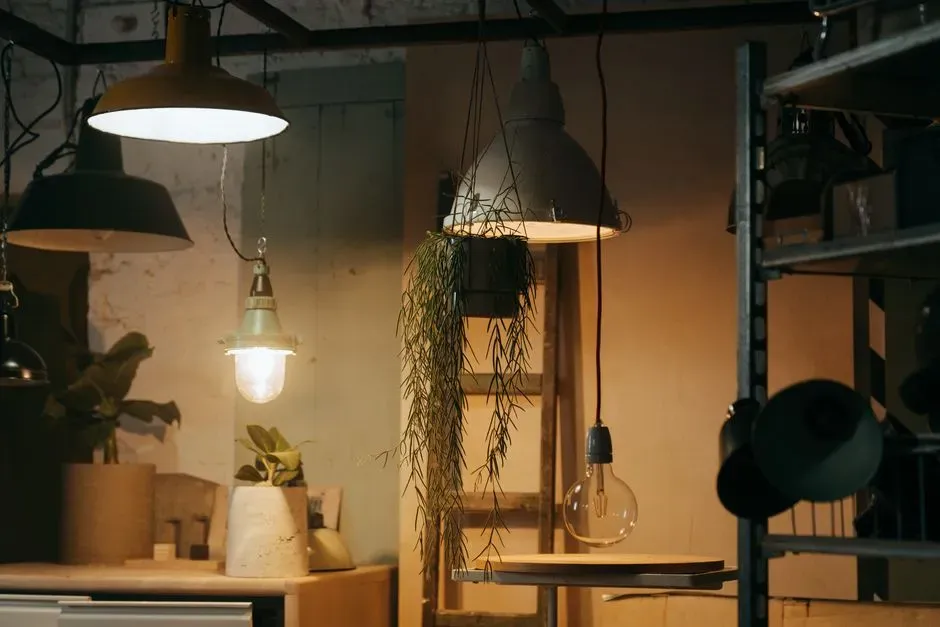
Once natural light has been maximized, artificial lighting becomes the next major lever for shaping how a space feels after dark. Relying on a single overhead fixture tends to flatten a room, while layering table lamps, floor lamps, and accent lighting creates dimension and warmth. This layered approach mirrors how professional interior lighting design has worked for decades, just scaled down for home use.
Warmer bulb temperatures, generally in the range associated with soft white light, tend to feel more inviting than the cooler, bluish tones common in office settings. Dimmable fixtures have also become more affordable and accessible, allowing a single room to shift from bright and functional during the day to soft and relaxed in the evening. This flexibility matters more than most people realize when it comes to how a space feels over the course of a full day.
Small Changes With Big Visual Impact
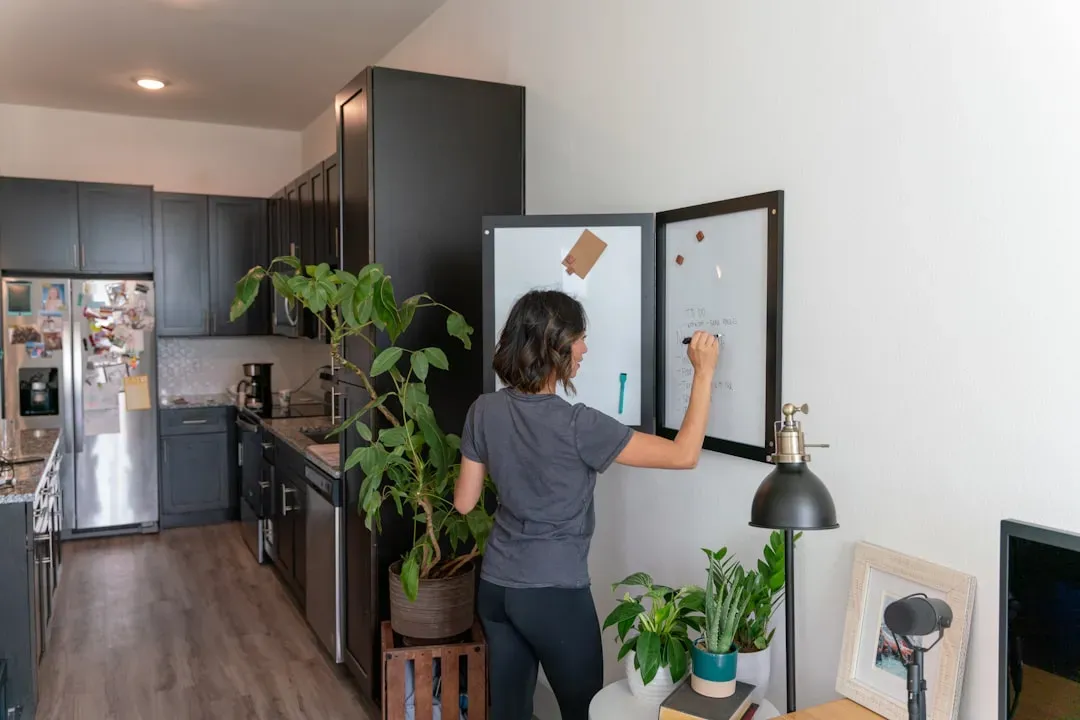
Not every improvement requires a major purchase. Something as simple as swapping outdated hardware on cabinets, repainting a single accent wall, or replacing a worn rug can shift the entire feel of a room. These smaller updates tend to offer a strong return on effort, since they require less time and money than larger renovations while still producing a visible change.
Fresh flowers or a rotating seasonal display can also keep a space feeling alive rather than static. Even rearranging existing furniture, without buying anything new, can reveal better traffic flow or sightlines that weren’t obvious before. These low-cost adjustments are often the ones that make the biggest difference in daily life, precisely because they’re easy to repeat and refine.
Sustainable and Timeless Materials
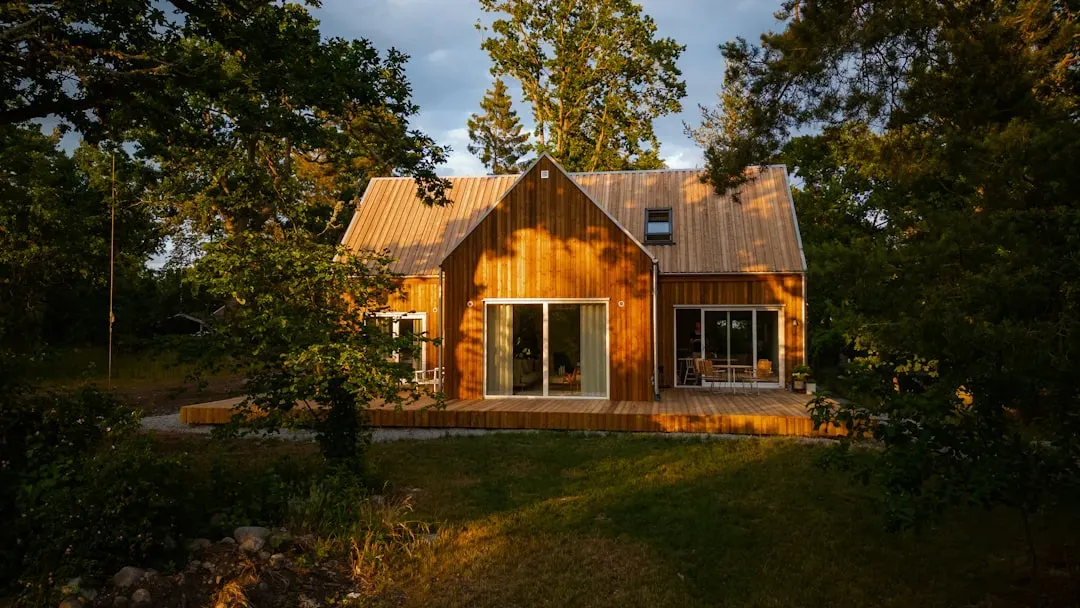
Interest in sustainable materials has continued to grow through 2025 and 2026, with more homeowners and designers favoring natural fibers, reclaimed wood, and durable finishes over cheaper, short-lived alternatives. This shift reflects both environmental awareness and a practical desire for furnishings that hold up over years rather than seasons. Materials like solid wood, wool, and natural stone tend to age gracefully, developing character rather than simply wearing out.
Choosing timeless materials also tends to reduce the pressure to constantly redecorate in step with fleeting trends. A well-made wooden table or a linen sofa can move through multiple design phases without ever looking out of place. This approach ultimately supports both a space and a more sustainable one, since fewer replacements mean less waste over time.