
Walk into a room that feels finished and calm, and it rarely comes down to an expensive renovation or a designer’s touch. More often, it’s a handful of small, deliberate choices working quietly in the background. Lighting, color, texture, and scale all play a part, and when they’re aligned, a space just clicks in a way that’s hard to fake.
The good news is that most of these ideas don’t require a big budget or a total overhaul. They’re about paying attention to details that get overlooked, then adjusting them with intention. Here’s a closer look at the elements that consistently pull a .
Anchor the space with a focal point
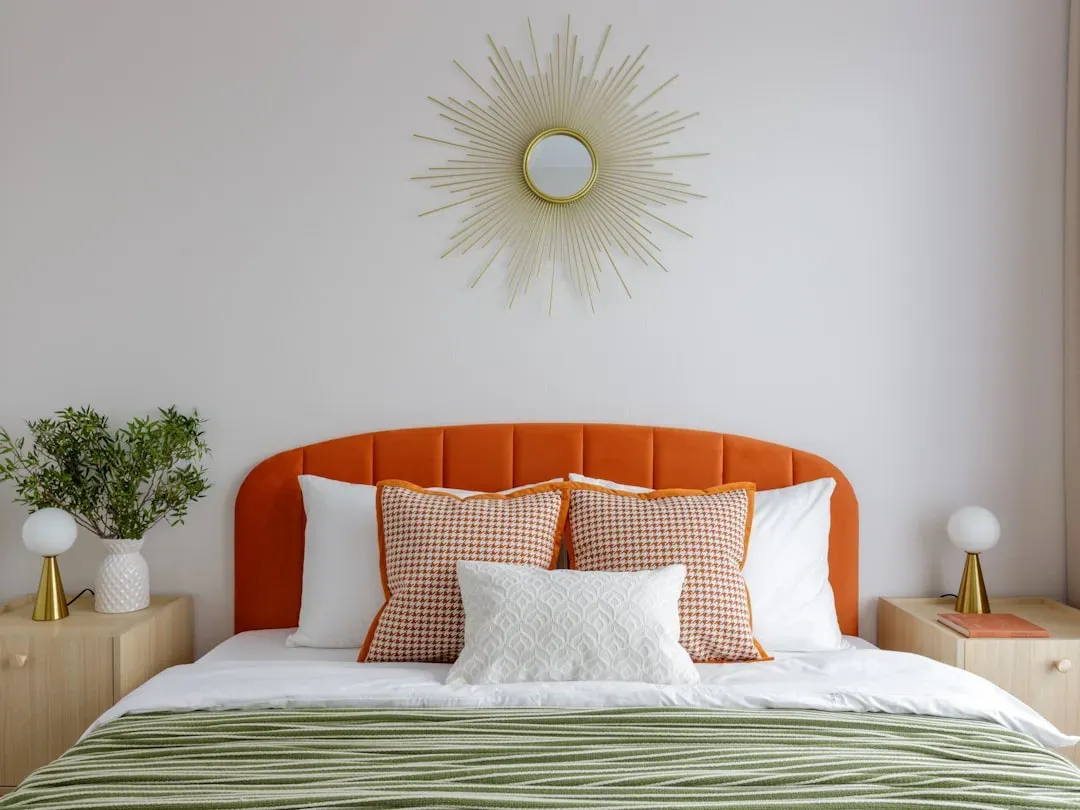
Every well-composed room has something the eye lands on first, whether it’s a fireplace, a piece of art, or a striking piece of furniture. Without that anchor, the eye wanders and the room can feel scattered, even if the individual pieces are nice on their own. Designers often arrange seating and lighting around this one feature so the rest of the layout has a clear logic.
If a room lacks an obvious architectural focal point, it’s easy to create one. A bold headboard, a statement light fixture, or a gallery wall can do the job just as well as a built-in feature. The key is committing to just one strong focal point per room instead of competing for attention.
Layer lighting instead of relying on one source
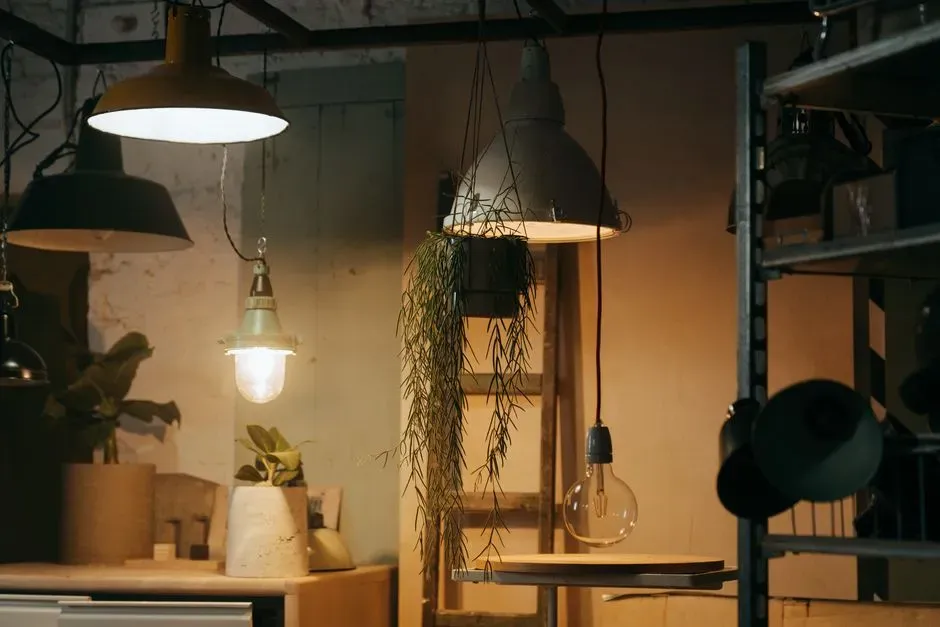
A single overhead light rarely does a room justice, since it flattens shadows and can make even a nicely furnished space feel sterile. Lighting designers typically recommend combining ambient, task, and accent lighting so different activities and moods are supported throughout the day. This layering approach is one of the most repeated principles in interior design because it genuinely changes how a room feels, not just how it looks.
Table lamps, floor lamps, and dimmable fixtures give a room flexibility that a single ceiling light never can. Warmer bulbs, generally in the 2700 to 3000 Kelvin range, tend to make living spaces feel more inviting than cooler, bluish tones. Even swapping bulbs alone can shift a room from feeling clinical to feeling lived-in.
Use a consistent color thread throughout
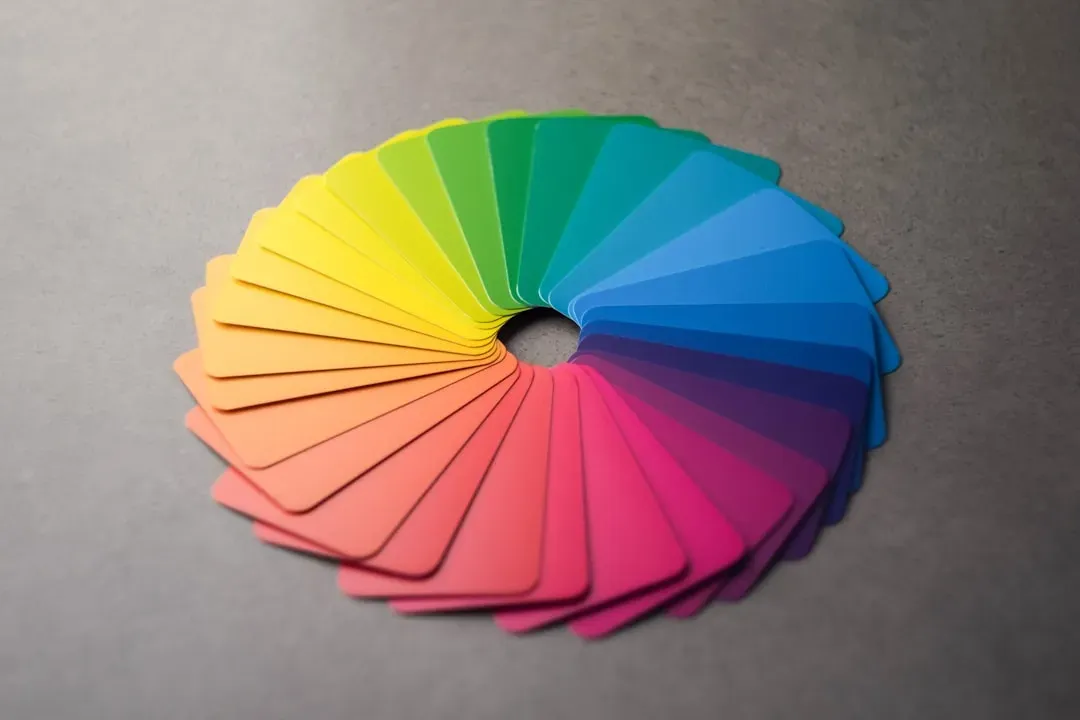
Rooms feel cohesive when there’s a repeated color or tone that shows up in at least two or three places, like a rug, a throw pillow, and a piece of art. This doesn’t mean everything has to match, but an underlying thread keeps the eye from feeling like it’s jumping between unrelated palettes. Many designers suggest picking a dominant neutral, a secondary color, and one accent, then repeating that combination in varying proportions.
Paint remains one of the most cost-effective ways to establish this kind of consistency. Even without touching walls, a coordinated color story across textiles and accessories can visually tie a in an afternoon. The goal isn’t uniformity so much as a sense that every element belongs to the same conversation.
Pay attention to scale and proportion
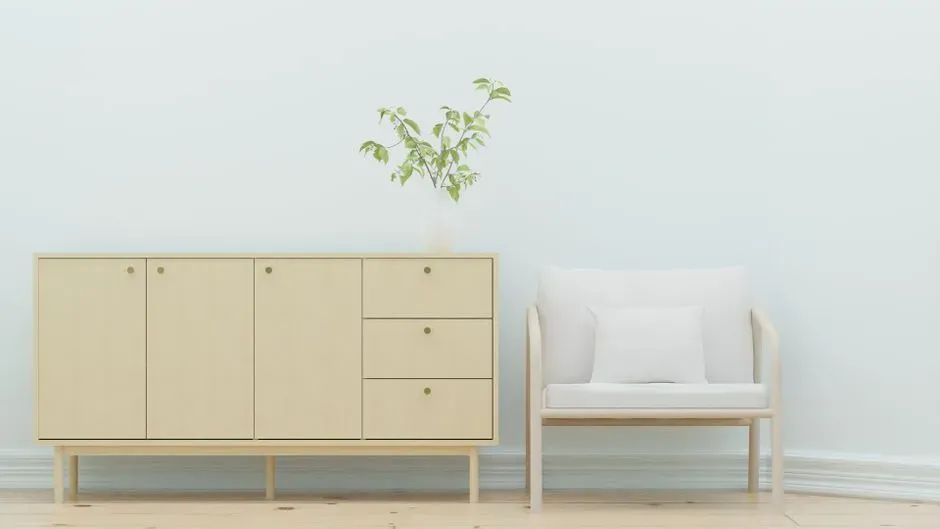
Furniture that’s too small for a room can make the space look empty and disjointed, while oversized pieces can make it feel cramped no matter how large the room actually is. Getting proportions right is less about strict rules and more about how pieces relate to each other and to the room’s overall dimensions. A coffee table, for instance, generally works best when it sits lower than the surrounding seating and takes up a moderate share of the visible floor space between pieces.
Mixing scales intentionally, like a large sofa paired with smaller side tables, tends to feel more natural than everything being uniformly sized. Rugs also play a major role here since undersized rugs are one of the most common scale mistakes in home design. A rug that’s large enough for at least the front legs of major furniture pieces to rest on it usually reads as more grounded and complete.
Bring in texture for depth
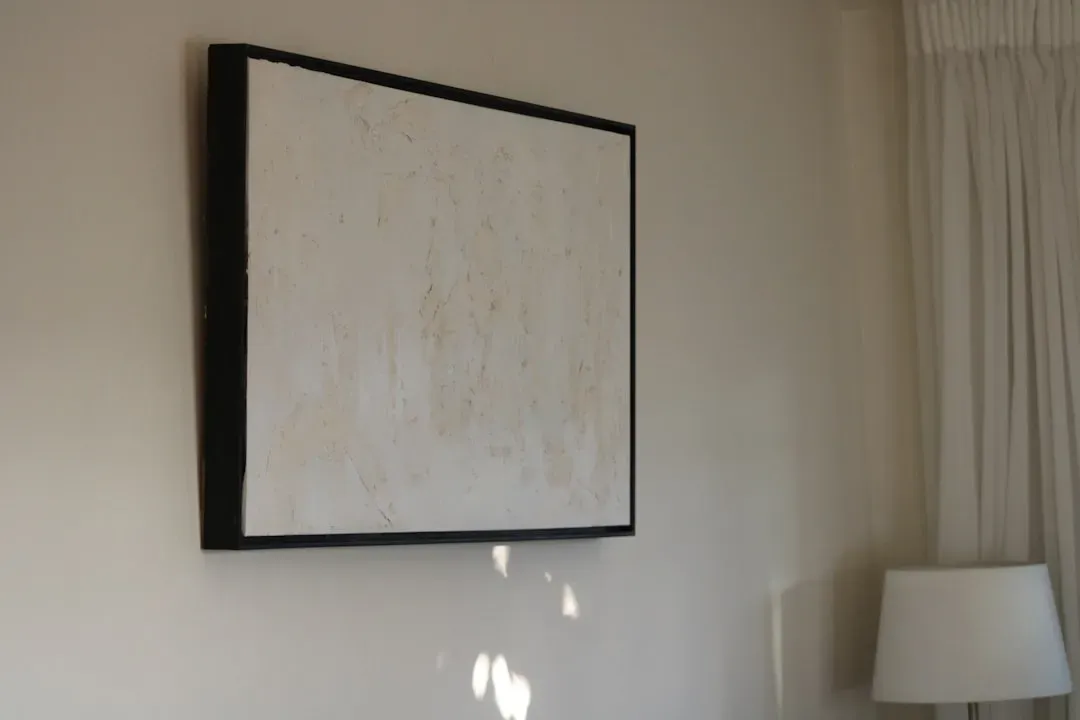
A room built entirely from smooth, similar surfaces can feel flat, even if the colors are perfect. Mixing textures, like a woven basket next to a glossy ceramic vase, or a chunky knit throw against a leather sofa, adds visual interest without requiring any additional color. This kind of contrast is part of why some rooms feel rich and layered while others feel oddly sparse despite having similar furniture counts.
Natural materials such as wood, linen, and wool are particularly effective because they carry subtle variation within themselves. A single textured element, like a nubby area rug or a rattan chair, can shift an entire room’s feel without changing anything else. It’s a low-cost way to add complexity that doesn’t rely on pattern or color.
Let negative space do some of the work
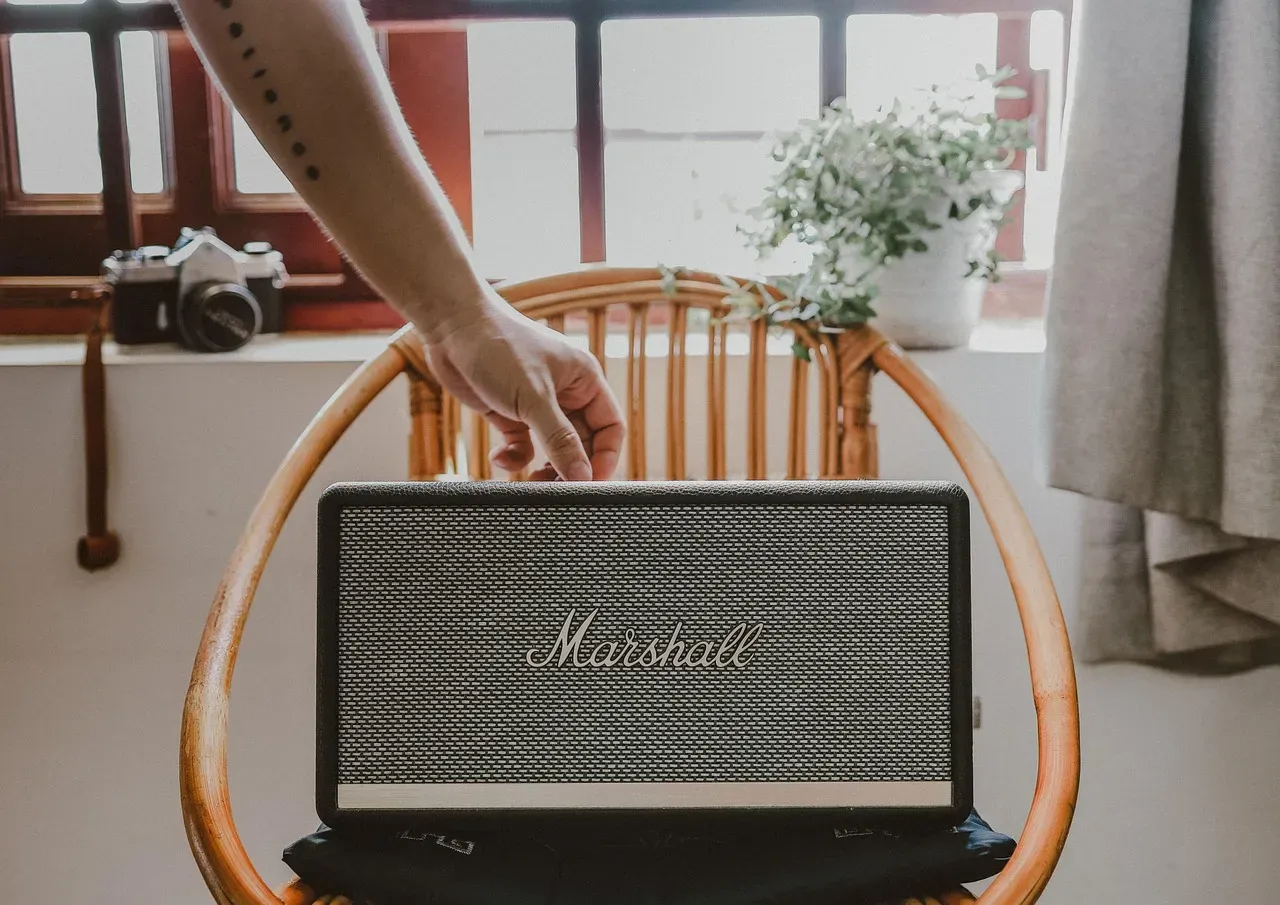
It’s tempting to fill every corner, but rooms that feel most put together usually include some breathing room. Empty space around a piece of furniture or art actually helps highlight it, in the same way a frame draws attention to a painting. Overcrowded rooms tend to feel chaotic even when every individual item is attractive.
This is especially relevant now, as many people are rethinking how much furniture and decor a room genuinely needs. Editing down to fewer, more intentional pieces often reads as more sophisticated than filling every available surface. Negative space isn’t about minimalism as an aesthetic choice so much as giving the eye somewhere to rest.
Repeat shapes and lines for visual harmony
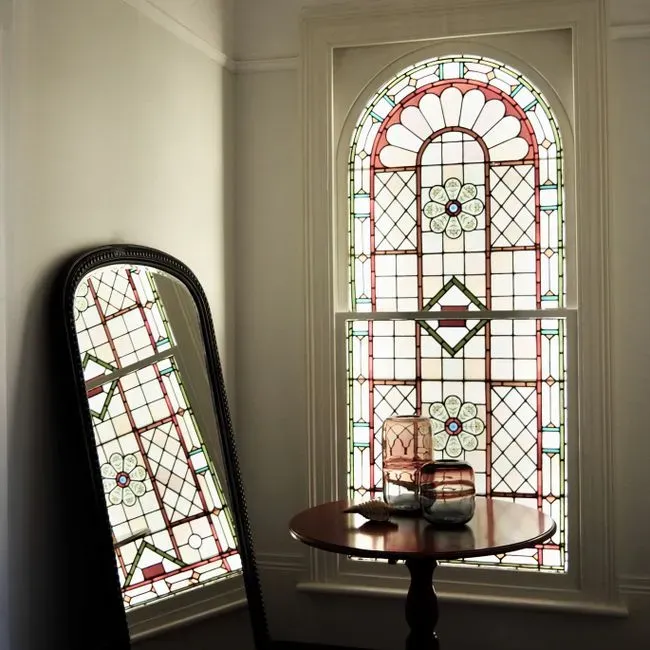
Rooms feel more unified when certain shapes repeat, whether that’s the curve of an arched doorway echoed in a round mirror, or the clean lines of a rectangular sofa matched by a similarly shaped rug. This repetition creates a subtle rhythm that ties disparate pieces together, even if they were bought separately over time. It’s a technique borrowed directly from formal design training, where shape language is treated as seriously as color palette.
This doesn’t require matching furniture sets, which can actually feel less interesting than a room built piece by piece. Instead, it’s about noticing dominant shapes already present in a space, like an arched window, and echoing them elsewhere through smaller objects. Even one or two intentional repetitions can make a room feel more considered.
Ground the room with the right rug
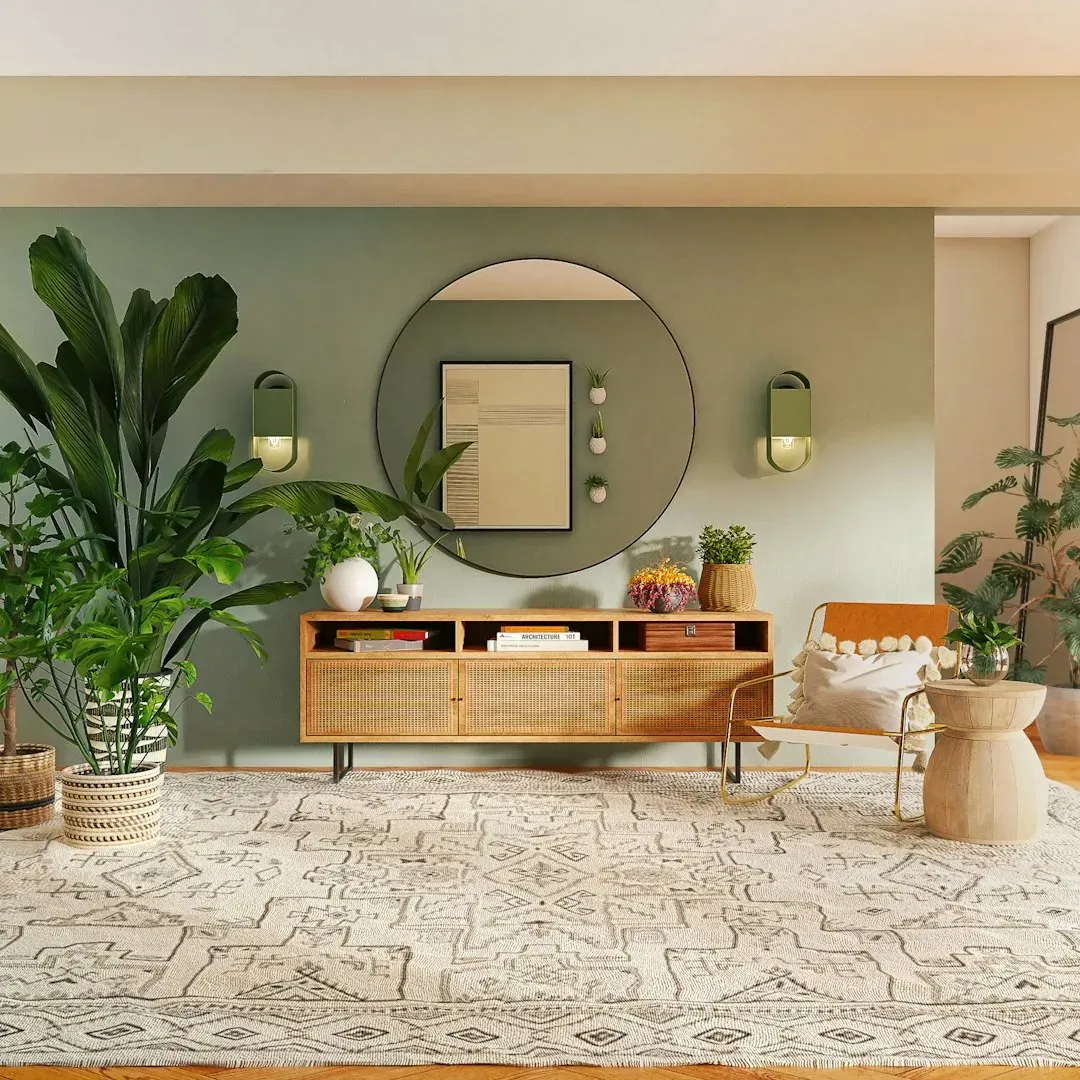
Rugs do more than add softness underfoot. They define zones within a room, especially in open-concept layouts where a living area might otherwise blend awkwardly into a dining space. A well-placed rug signals where one function ends and another begins, which is part of why open-plan homes rely on them so heavily.
Choosing the right size matters more than the pattern or material in most cases. A rug that’s too small tends to make furniture look like it’s floating disconnected from everything around it. Sizing up, even by a size that feels slightly large at first, usually produces a more grounded and finished result.
Personalize with a few meaningful objects

Rooms that feel generic often lack anything that signals a real person lives there. A handful of personal items, like travel souvenirs, family photos, or handmade pieces, can do more to make a room feel complete than another round of store-bought decor. These objects also tend to age better stylistically since they’re not tied to passing trends.
The trick is restraint rather than volume. A curated shelf with three or four meaningful pieces usually reads as more intentional than a room cluttered with mementos competing for attention. This is one of the simplest ways to make a space feel personal without any design training at all.
Keep sightlines and flow in mind
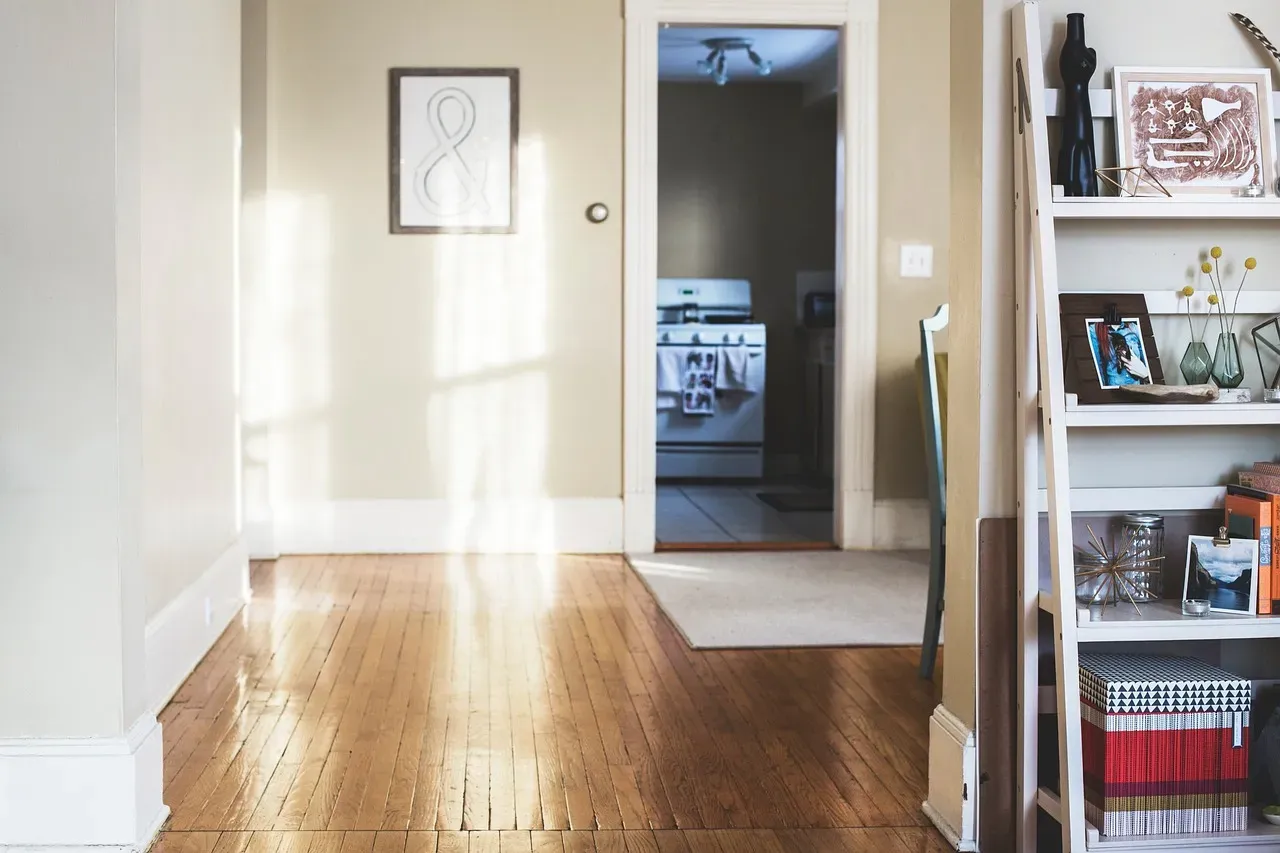
How a room connects to the ones around it matters just as much as what’s inside it. Furniture arranged so that walking paths are clear and sightlines from doorways feel open tends to make a home feel more cohesive from room to room. This is particularly relevant in smaller homes, where poor flow can make even well-decorated rooms feel disconnected from the rest of the house.
Simple adjustments, like angling a sofa away from a doorway or leaving a clear path to a window, can noticeably improve how a room functions day to day. Flow isn’t something most people notice consciously, but they usually feel it when it’s missing. Rooms that are easy to move through tend to feel more finished, even without any additional decorating.