
Warm neutrals instead of flat gray
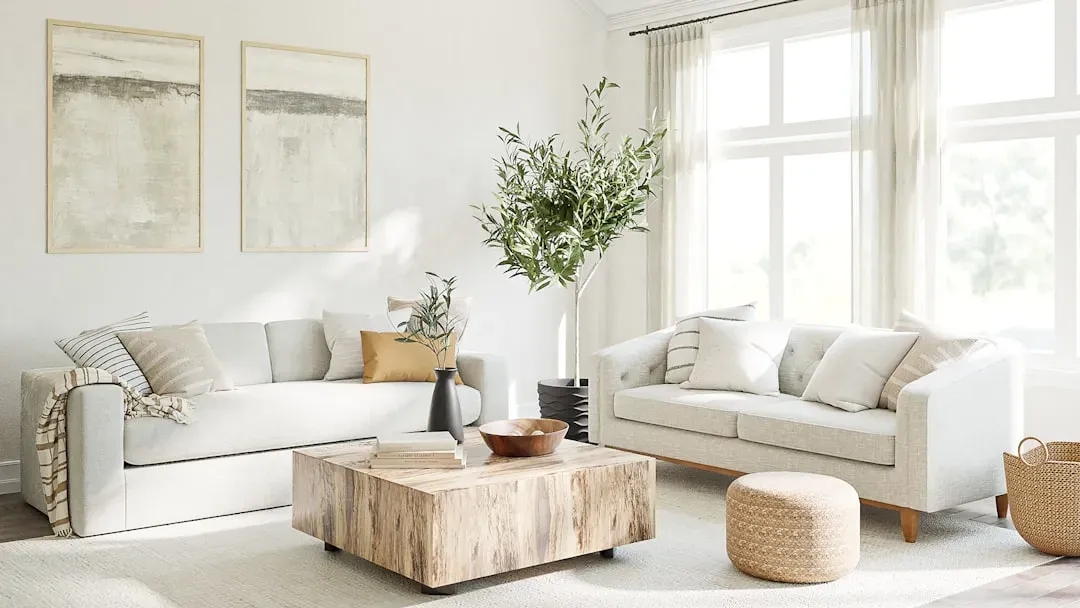
For the better part of a decade, gray and crisp white dominated living rooms and kitchens across the country. That’s changing fast. Designers now report that clients are gravitating toward nature-inspired warm neutrals like wheat, caramel, terracotta, and warm grays with taupe and greige undertones, colors that feel cocooning and grounded rather than the cool grays of the past decade.
The easiest way to try this at home is paint. Instead of picking one flat shade, try layering a few warm tones together. As one design blog put it, instead of one flat neutral, 2026 homes are embracing layers, mixing at least three warm neutrals in one room using textiles, finishes, and furniture.
Curved furniture over sharp lines
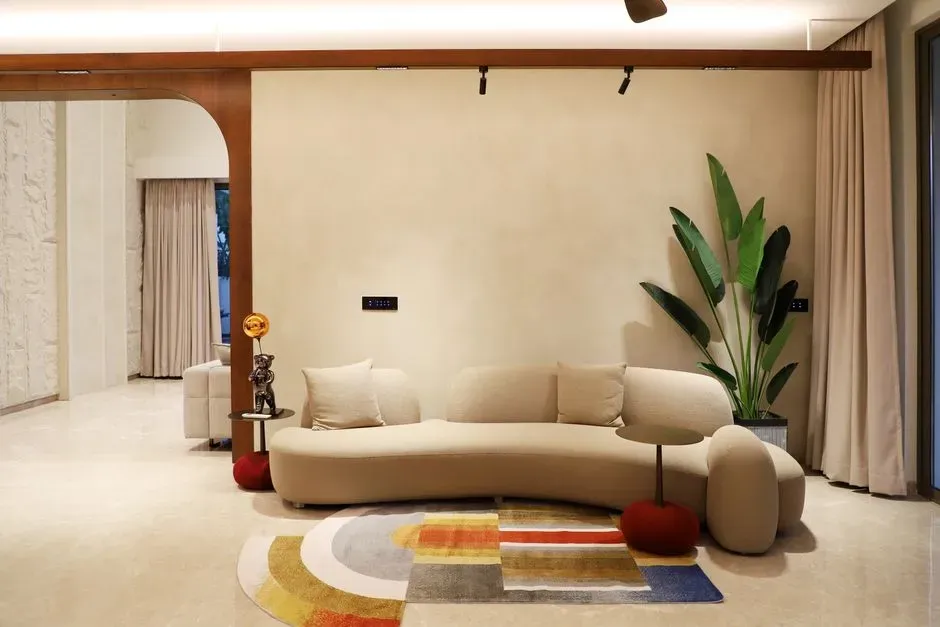
Boxy sofas and hard angular tables are giving way to something softer. Rounded edges are showing up everywhere, from coffee tables to kitchen islands, and it’s not just an aesthetic quirk. As homeowners favor flowing lines over sharp, boxy furniture, curved sofas, rounded kitchen islands, arched doorways, circular tables, and sculptural lighting are now common features in modern decor.
You don’t need to replace your whole living room to get this look. A single curved mirror, an arched shelf, or a rounded side table can do a lot of the work. Adding curved furniture, arched mirrors, rounded coffee tables, or even a soft scalloped edge somewhere in the room instantly leans into this softer look.
Bring wallpaper back into the mix
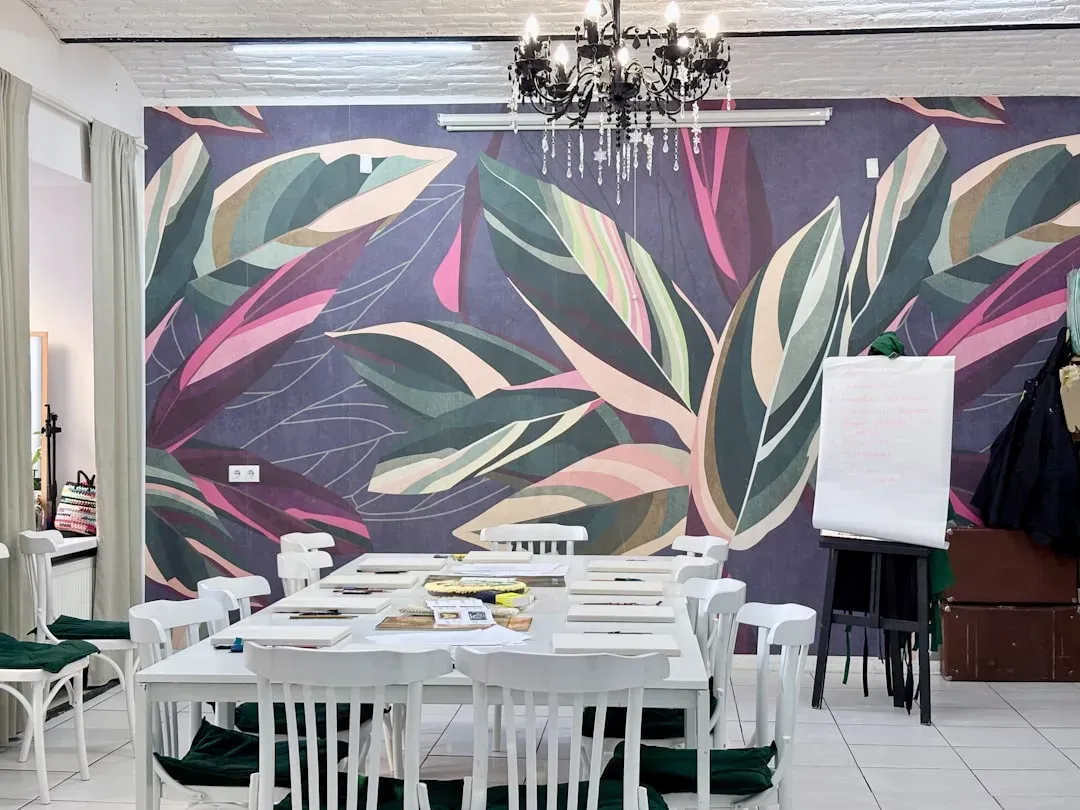
Wallpaper spent years on the sidelines, but it’s having a real comeback. This isn’t the busy, overwhelming wallpaper of decades past either. Wallpaper is being used as a core design feature that establishes mood and personality within a room, with designers incorporating botanical prints, textured grasscloth, soft murals, micro-patterns, and wallcoverings that mimic natural materials such as plaster, linen, or stone.
A small kitchen or powder room is often the easiest place to experiment. One interior designer noted that wallpaper works especially well because it can transform spaces like kitchens into rooms as decorative as living rooms, and a scenic wallpaper, a landscape, or an old-school toile in a kitchen can be really beautiful. If you’re nervous about commitment, start with one accent wall rather than the whole room.
Mix your wood tones on purpose
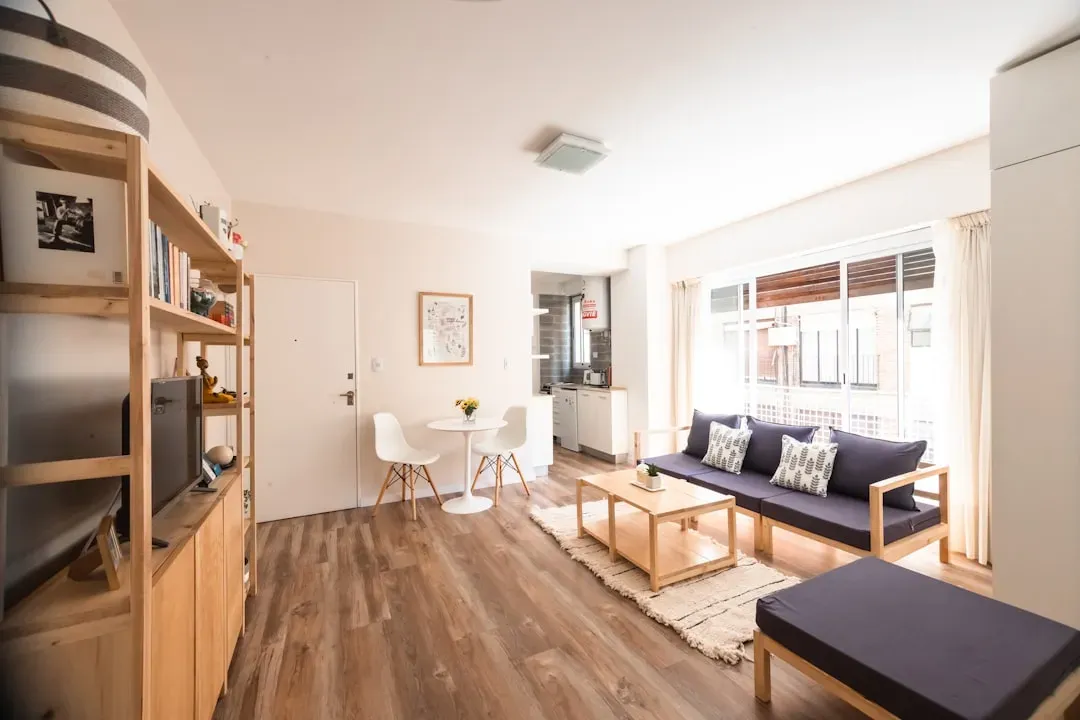
For years, the rule was to match every wood finish in a room. That rule has quietly disappeared. Mixing wood tones is becoming a defining look as homeowners move away from the idea that all wood finishes must match perfectly, with designers blending multiple tones that create depth and harmony throughout the home.
The trick is balance rather than randomness. Light woods are being paired with medium or dark tones, warm undertones are being balanced with cooler ones, and refined grains are complementing rustic or heavily textured finishes, which when combined thoughtfully adds a sense of warmth and authenticity. A wooden coffee table in one tone next to open shelving in another is a low-risk way to test this out.
Display the things you already own
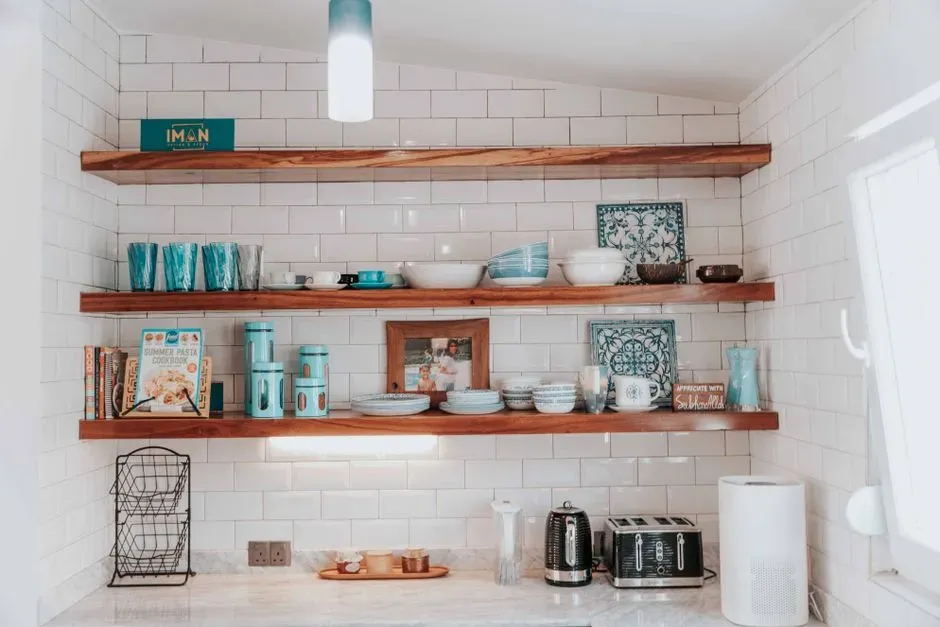
One of the simplest and most affordable trends right now is also the most personal: showing off objects you already have instead of hiding them in a closet. Designers have noticed that people are done with the idea of a perfectly styled, catalog-like home. People are more willing to invest in pieces that have a story behind them, leaning into the fact that their home has a story, as opposed to looking perfectly styled.
This can be as simple as arranging inherited china on open shelves or hanging a collection of vintage frames on a stairwell wall. It’s a low-cost way to make a room feel collected rather than assembled in one shopping trip. Even wall-hung plates, once considered old-fashioned, have found new life this way, since it’s a fairly easy way to make a room feel uniquely decorated because no two plated walls are the same.
Bring nature indoors, literally
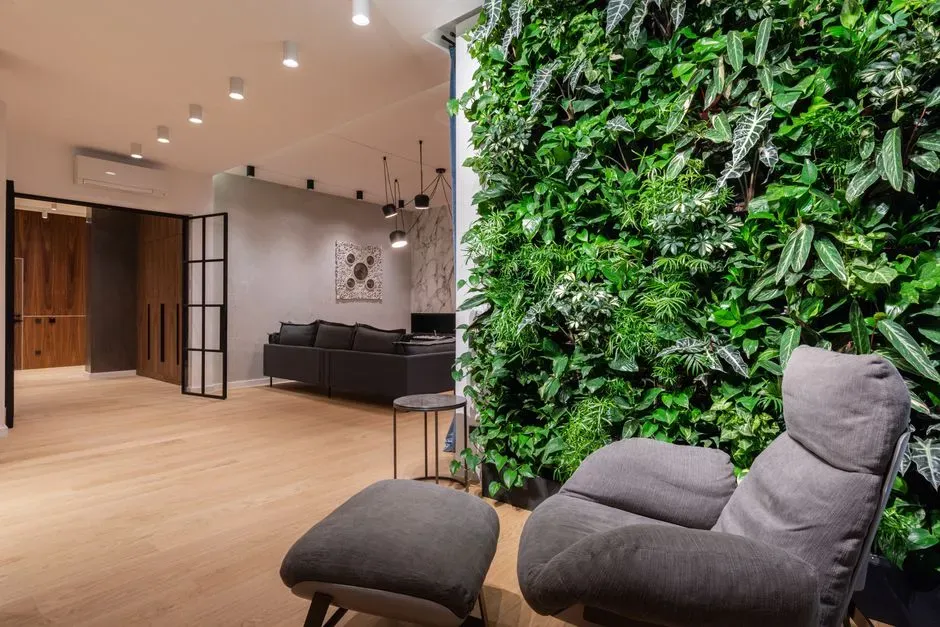
Biophilic design, the practice of connecting interiors to the natural world, has moved from a niche wellness concept to a mainstream approach. It’s not just about houseplants, though those help too. The look involves stone with dramatic veining, richly grained wood, natural fibers, living walls, and large windows that bring natural light into the home, along with curved forms and botanical motifs.
There’s a practical reason people are drawn to this approach beyond looks. People are drawn to biophilic design because it improves mood, reduces stress, and fosters connection. Something as small as swapping a synthetic rug for a jute one, or adding a wide windowsill planter, moves a room in this direction without a major overhaul.
Layer textiles instead of matching them
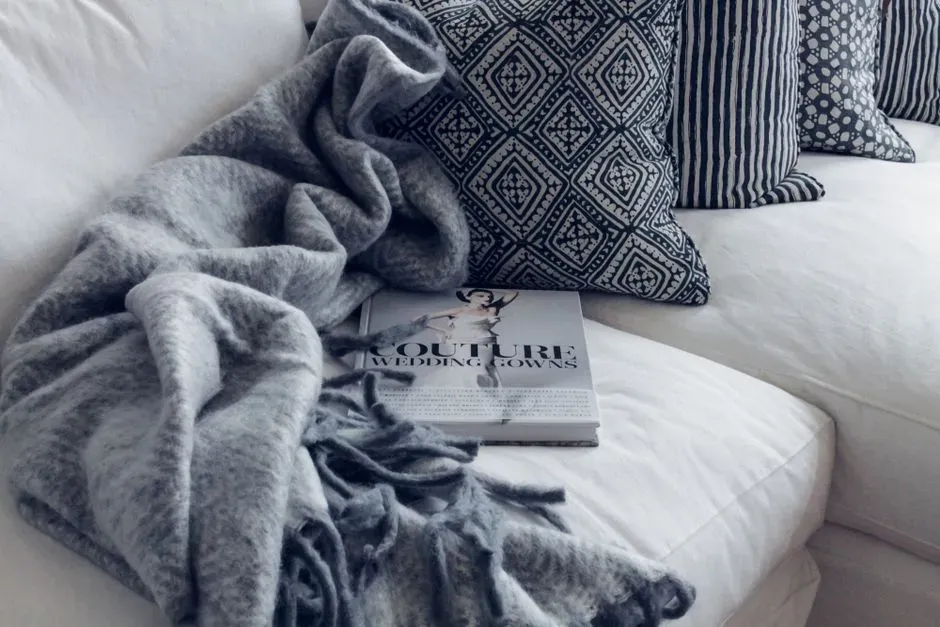
The instinct to buy a matching bedding set or a coordinated throw pillow trio is fading. What’s replacing it is a more relaxed, collected approach to fabric. Instead of solid, uniform textiles, rooms now favor a mix of patterns and textures that feel gathered over time rather than purchased in a single set.
One designer explained the shift toward pattern this way: instead of solid-colored fabrics, people are seeing florals, stripes, or some sort of pattern, noting that patterned sofas are really practical because messes of life or a spill of red wine can be hidden very well by patterns and color. Vintage-inspired throws and heirloom-style quilts are an easy entry point if you this without redoing an entire room.
Design for how you actually live, not just how it looks
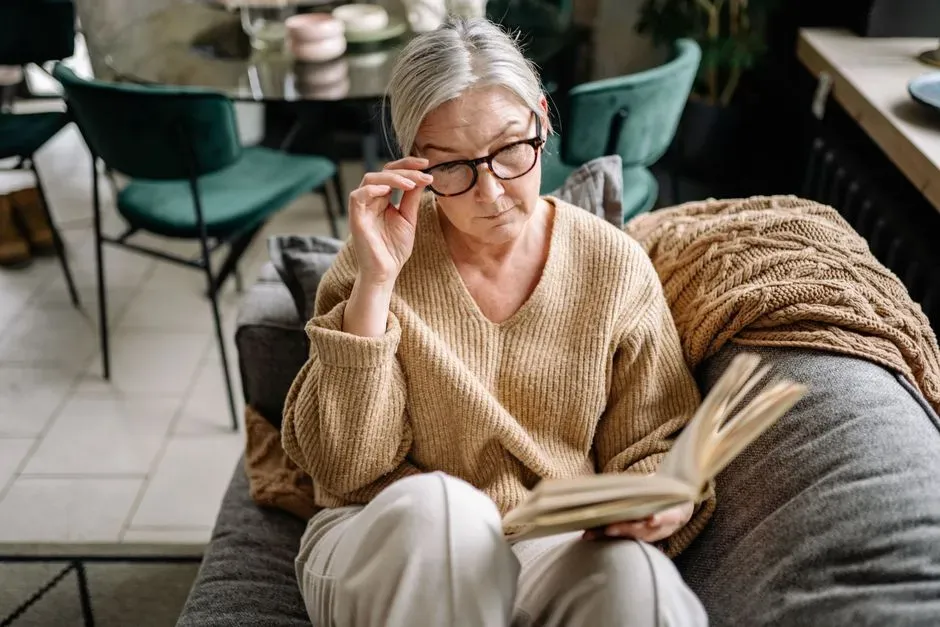
There’s a growing recognition that homes need to work for the people living in them long term, not just look good for a photo. This includes thinking ahead about accessibility and comfort as families age or as needs change. Many homeowners are planning for aging in place by proactively addressing the needs of older household members, and Houzz research shows that 66% address special needs during bathroom remodels, often incorporating curbless showers and grab bars.
Even outside of major remodels, this mindset applies to smaller choices, like picking furniture with rounded edges, improving lighting in hallways, or making sure a home office has both shared and private space. As one designer noted about the balance families are looking for, people spend a lot of time in their homes, and it’s nice to be able to hang out as a family but then also have private time and space.
Let color do more of the work
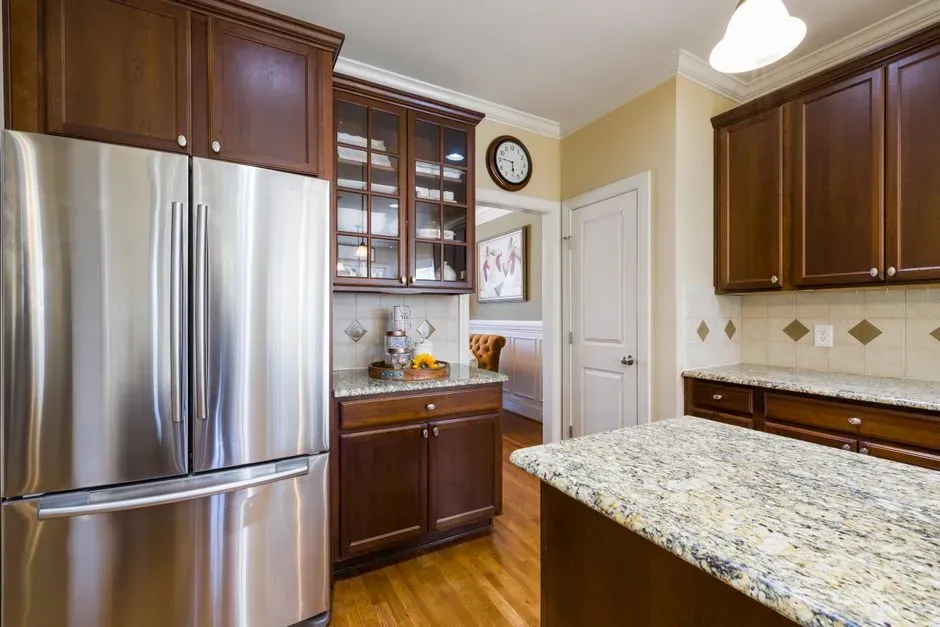
After years of playing it safe with neutrals, homeowners are slowly getting more comfortable with bolder color choices, especially in smaller doses. Deep, moody colors like terracotta, chocolate brown, and dark green are showing up on cabinets, accent walls, and lighting fixtures alike. Terracotta, dark green, chocolate brown, and ruddy reds are all popular colors these days, along with darker woods.
You don’t have to paint an entire room to try this. A single dark lower cabinet, a bold front door, or one accent wall can introduce depth without overwhelming a space. As one design tip suggests, using darker colors on lower cabinets, furniture, or accent walls and balancing them with lighter textiles and warm woods is a manageable way to start.
Make it personal before making it trendy
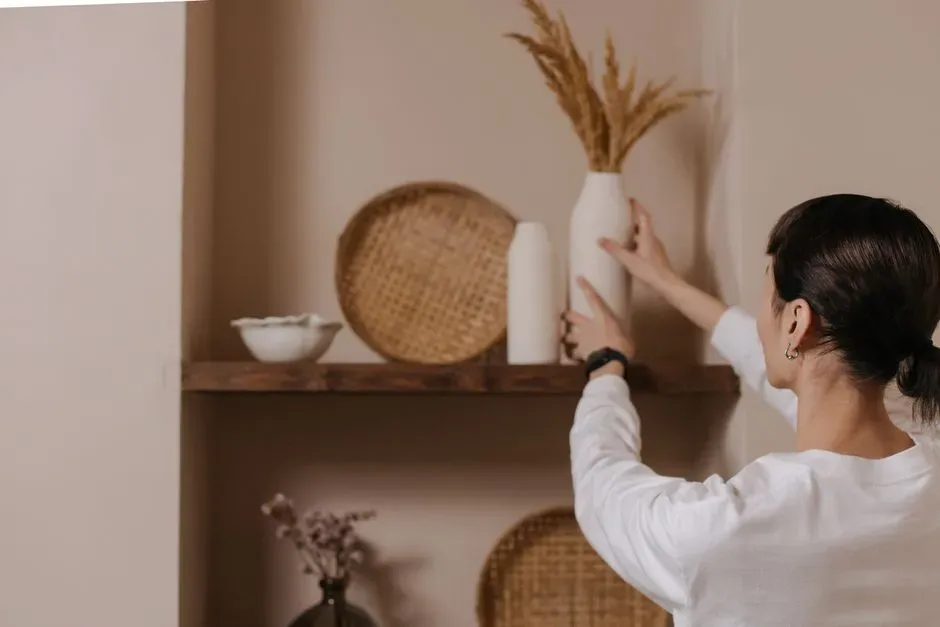
Perhaps the most important shift happening in homes right now isn’t a specific color or shape at all. It’s a change in mindset. Homeowners are increasingly choosing rooms that reflect who they are rather than chasing whatever is popular that season.
As one design outlet summarized the mood of the year, homes are becoming more personal than ever, with cookie-cutter interiors and trend-driven spaces giving way to rooms that reflect the people who live in them. That’s a helpful reminder before buying anything new: the goal isn’t to copy a magazine spread, it’s to build a space that actually feels like yours.
Final thoughts
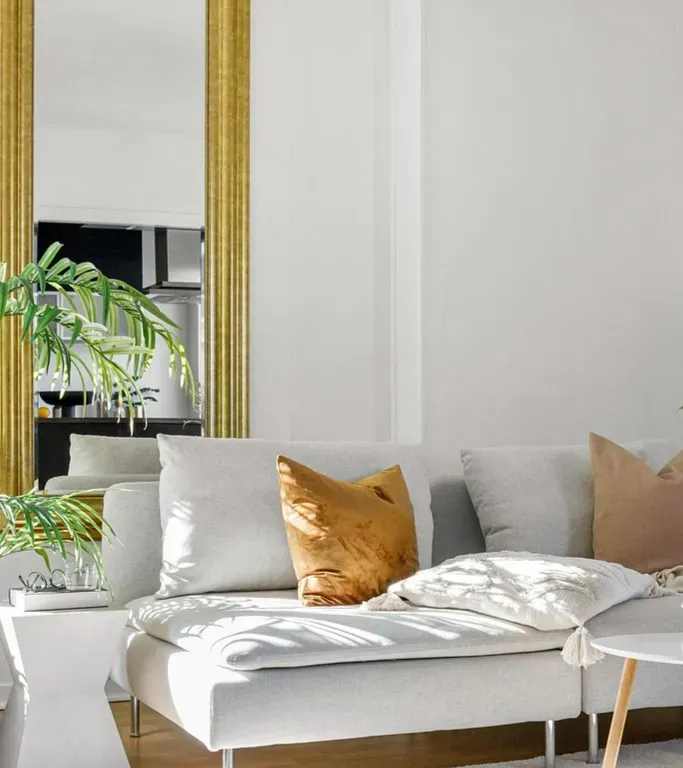
None of these ideas require tearing out walls or spending a fortune. A layered paint choice, a curved mirror, a shelf of things you already own, these are small moves that add up. The homes people are drawn to right now aren’t the most polished ones, they’re the ones that feel lived in and cared for.
Start with whichever idea feels most natural for your space, and let the rest come gradually. A home doesn’t need to be finished all at once to feel right.