
Shelving has quietly become one of the most talked-about elements in home design conversations lately, and it’s easy to see why. A well-placed shelf does more than hold books or trinkets; it shapes how a room feels, guides the eye, and often becomes the first thing visitors notice when they walk in. From floating ledges to sculptural wall units, the options available today blend function with genuine artistry in ways that weren’t as common even a few years ago.
What makes shelving so interesting right now is the sheer range of styles on offer, spanning minimalist Scandinavian lines to warm, textured organic forms. Homeowners are no longer settling for flat, purely utilitarian boards. Instead, they’re choosing pieces that double as statement furniture while still solving everyday storage headaches.
Floating Shelves for a Clean, Modern Look
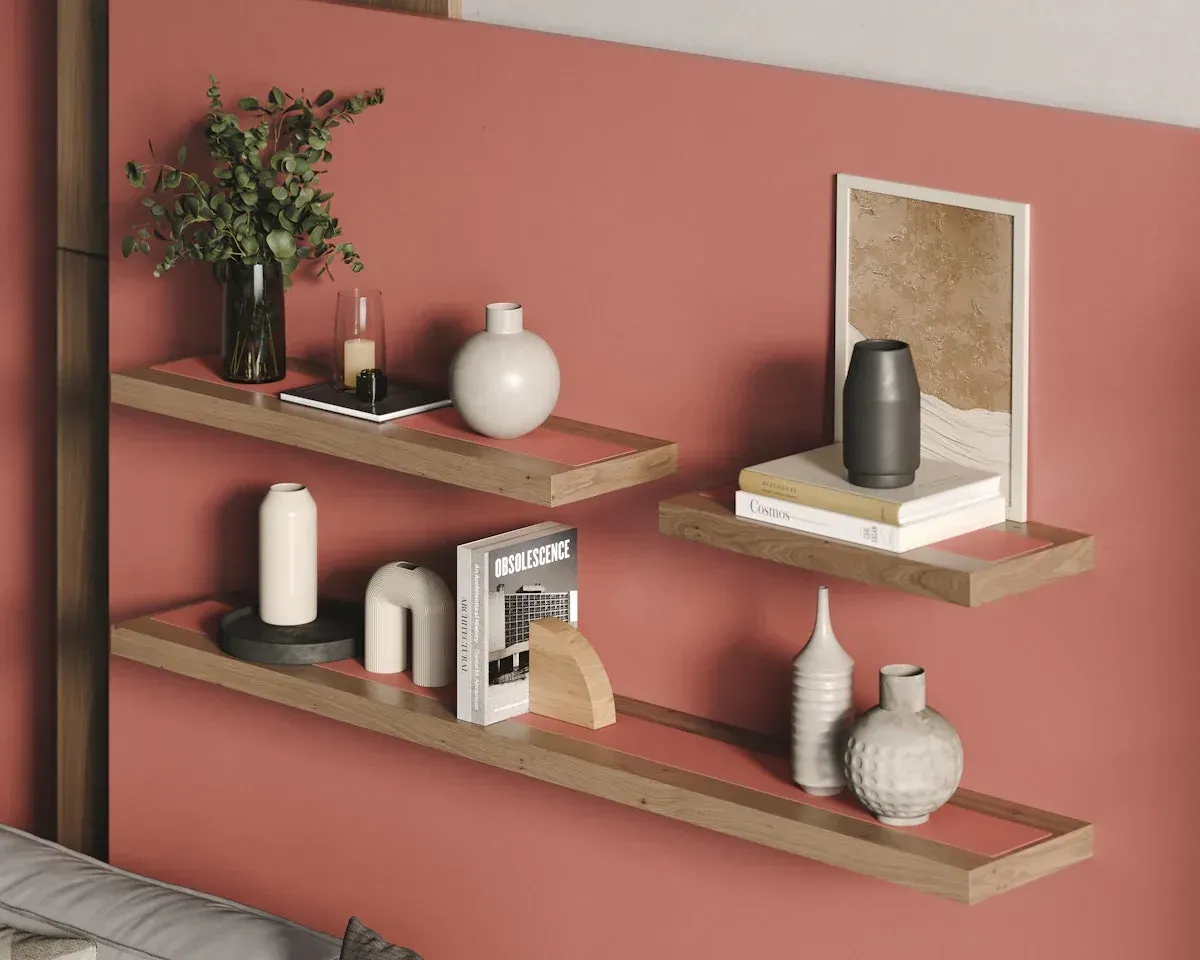
Floating shelves remain one of the most popular choices for a reason. Their hidden brackets create the illusion that the shelf is simply attached to the wall with nothing holding it up, which gives any room an instantly sleeker, more contemporary feel. They work particularly well in smaller spaces since they don’t add visual bulk the way a traditional bookcase might.
Designers often recommend grouping two or three floating shelves at staggered heights rather than lining them up in a single row. This creates movement and draws the eye upward, making ceilings feel taller than they are. Because the mounting hardware is concealed, floating shelves also tend to photograph beautifully, which explains their constant presence in home design feeds and renovation showcases.
Ladder Shelves That Lean Into Casual Elegance
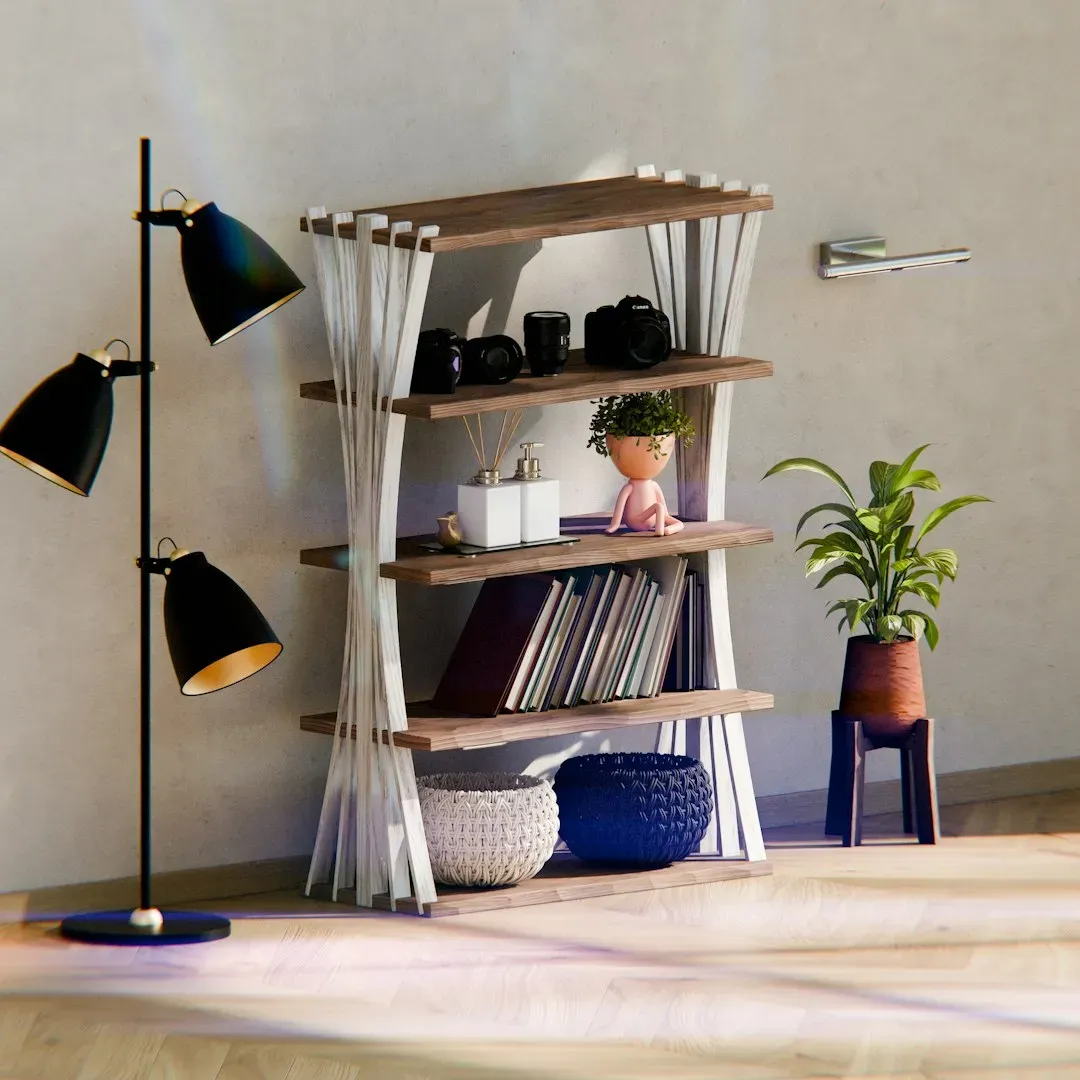
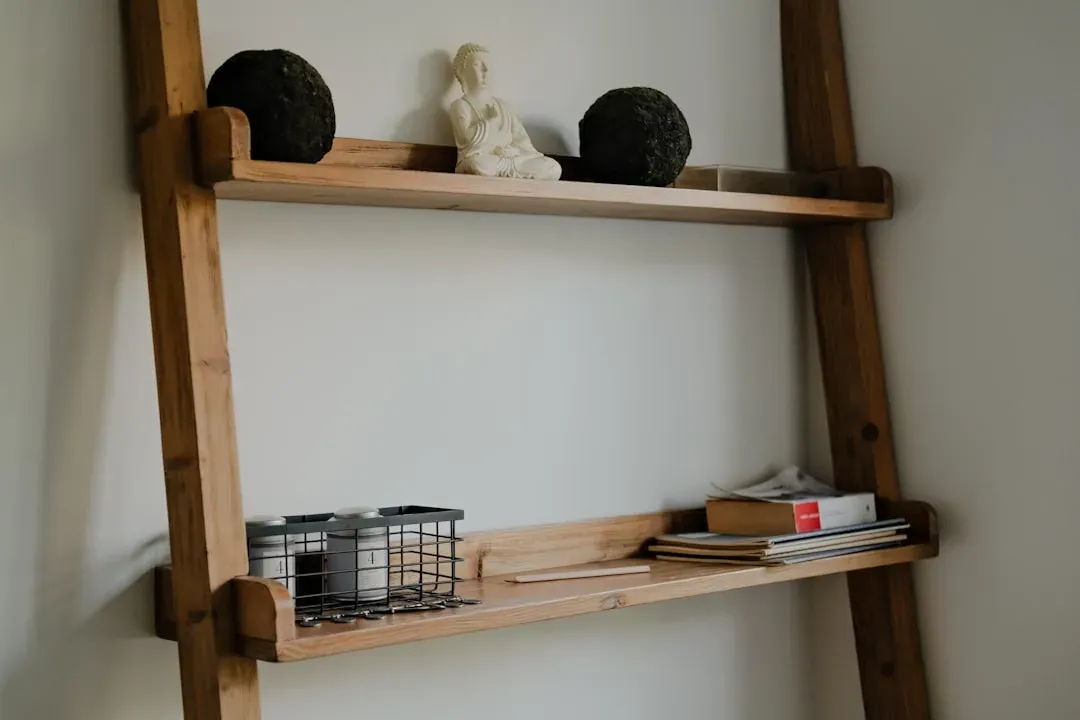
Ladder shelves have carved out a strong niche for people who want storage without committing to a permanent wall installation. Leaning gently against a wall, these units offer a relaxed, almost effortless look that fits well in bedrooms, home offices, and living rooms alike. Their angled frame naturally narrows toward the top, which gives them a lighter visual footprint than boxy furniture.
Because they don’t require drilling, ladder shelves are especially popular among renters who still want a stylish way to display books or plants. Many versions now come in mixed materials, pairing wood frames with metal shelf supports for a bit of industrial contrast. It’s a simple piece of furniture, but the diagonal lines it introduces can genuinely change how a room feels.
Built-In Shelving for Seamless Integration
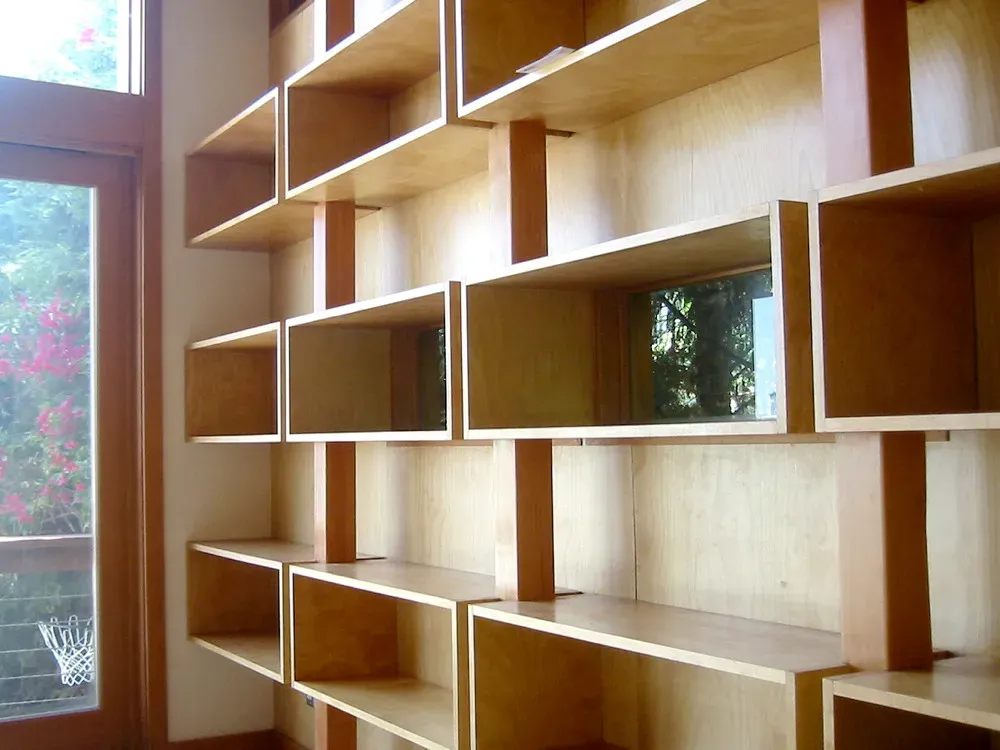
Built-in shelving continues to be a favorite among homeowners doing more permanent renovations, particularly around fireplaces, alcoves, or awkward nooks that off-the-shelf furniture can’t quite fill. Because these units are custom-fitted, they make full use of otherwise wasted space and tend to look like they were part of the original architecture. This kind of integration is one reason built-ins are frequently cited in renovation guides as a smart long-term investment.
The appeal isn’t purely aesthetic either. Built-in shelving can significantly increase a home’s functional storage without eating into floor space, which matters a lot in older houses with smaller rooms. Many people choose to add glass doors, interior lighting, or painted backs to give the built-ins a more finished, boutique feel rather than a plain storage solution.
Open Wall Units for Displaying Collections
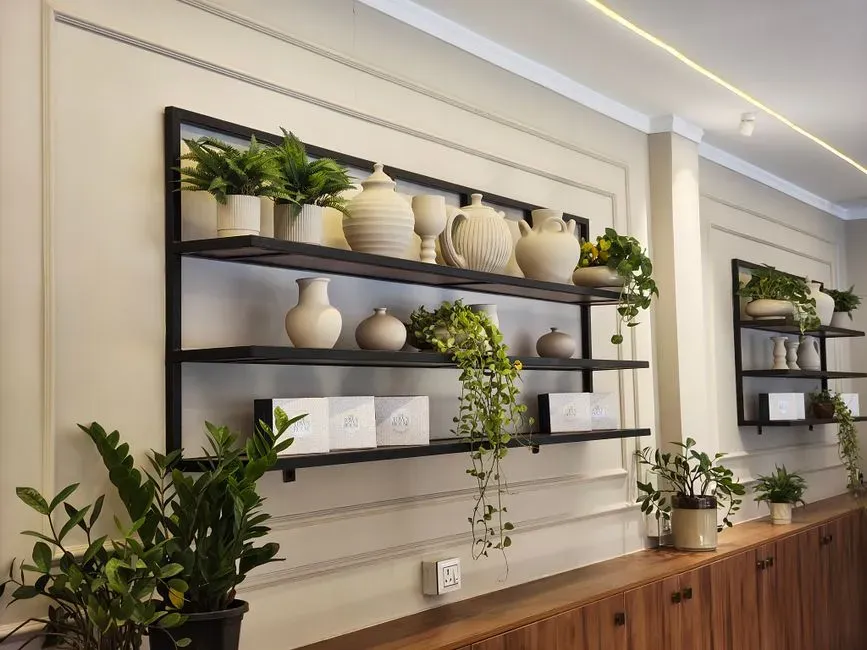
Open wall units, sometimes called wall-mounted display shelves, have become a go-to for people who want to show off books, art, or personal collections rather than hide them behind cabinet doors. The open design invites curation, encouraging owners to think carefully about spacing, color, and object height rather than just stacking things randomly. This kind of arrangement often becomes a personal signature of the room.
These units also tend to work well with modular systems, letting owners add or remove shelf sections as their storage needs shift over time. Because everything on an open shelf is visible, there’s a bit of pressure to keep things tidy, but many find that this actually encourages better organization habits. It’s less about hiding clutter and more about intentionally choosing what deserves a spot on display.
Corner Shelves That Make Use of Overlooked Space
Corners are notoriously tricky in interior design, often left empty simply because standard furniture doesn’t fit the angle well. Corner shelves solve this by fitting snugly into that awkward triangular gap, turning dead space into something genuinely useful. They’re especially popular in small apartments where every square foot needs to earn its place.
Floating corner shelves, in particular, have gained popularity for bathrooms and kitchens where extra storage is welcome but floor space is limited. A few staggered corner shelves can hold everything from spare towels to small plants without crowding the room. It’s a subtle addition, but one that makes a noticeable difference in how a space is actually used day to day.
Cube Shelving for Flexible Organization
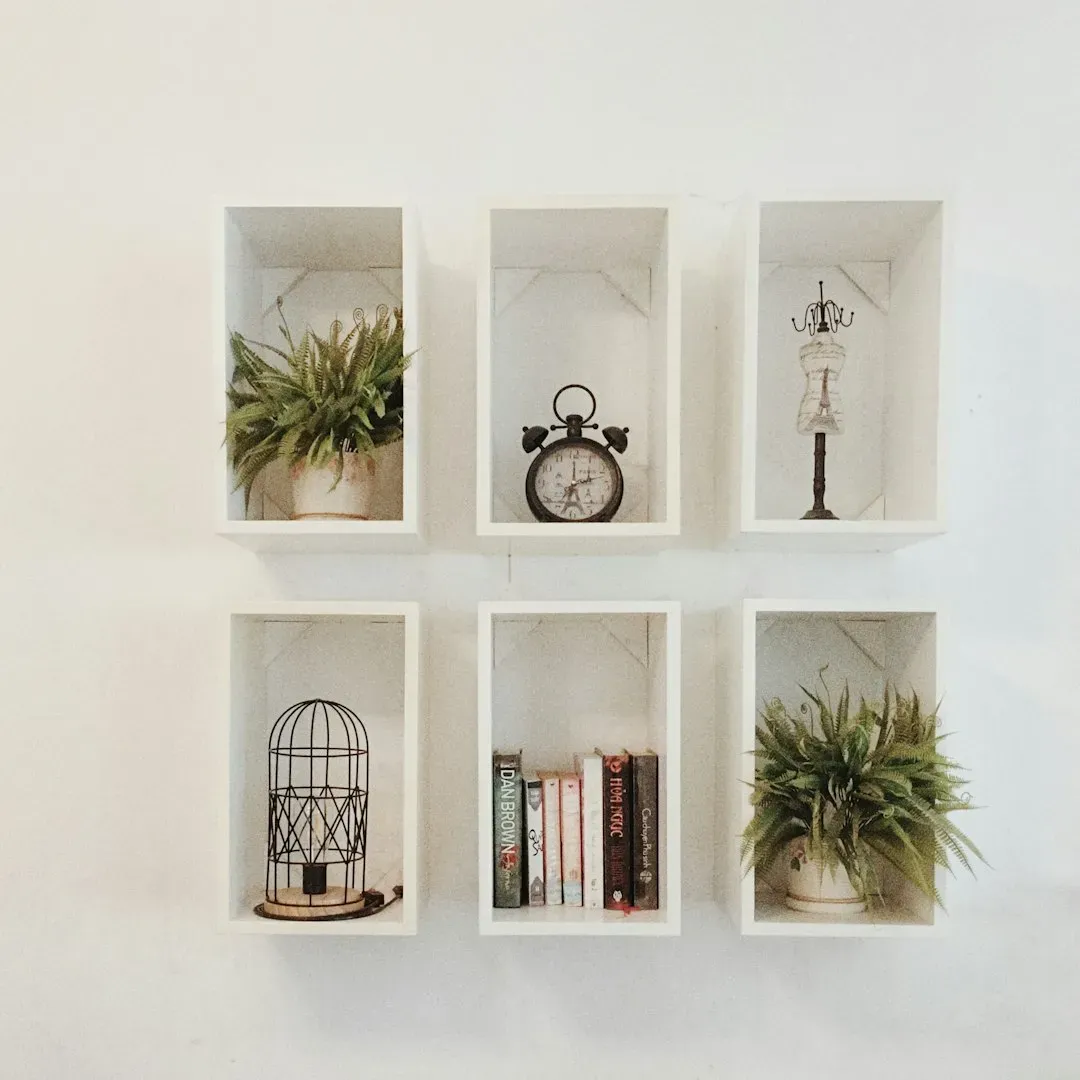
Cube shelving units have stayed consistently popular because of how adaptable they are. Whether stacked vertically, arranged horizontally, or mixed into an asymmetrical grid, the individual cube format allows for a level of customization that traditional bookcases simply can’t match. Each cube can serve a different purpose, from holding folded clothes to displaying framed photos.
Many cube systems also come with optional fabric bins that slide neatly into the openings, which is particularly useful for hiding smaller items like cables, toys, or office supplies. This half-open, half-concealed storage approach gives people the flexibility to decide, section by section, what stays visible and what doesn’t. It’s a practical solution for shared spaces where different family members might have different organizational habits.
Wood Shelves That Bring Warmth Into a Room
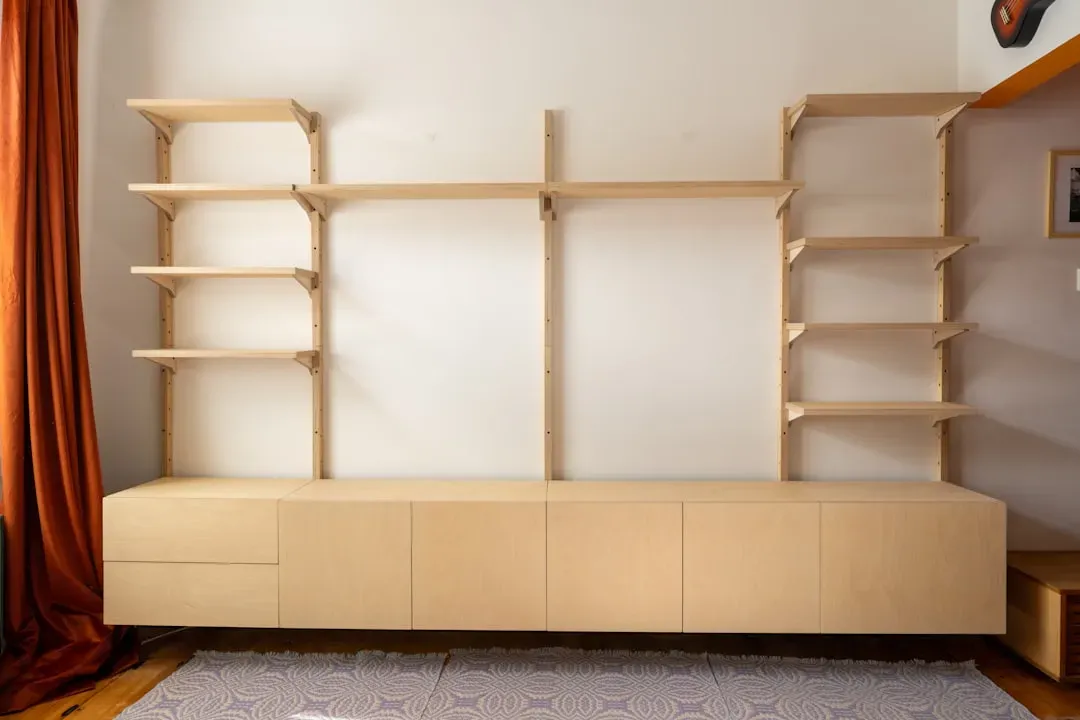
Solid wood shelving has had a noticeable resurgence, partly as a response to the sleek, cold minimalism that dominated interiors for a while. Natural wood grain adds texture and warmth that painted or metal shelves simply can’t replicate, and it tends to age well rather than looking dated after a few years. Walnut, oak, and reclaimed wood have all become common choices in both budget and higher-end shelving lines.
Beyond aesthetics, wood shelves also tend to be sturdier for heavier items like large books or ceramics, since solid timber generally holds weight better than thin particleboard alternatives. Many people pair wood shelves with black metal brackets to strike a balance between the natural material and a slightly more industrial edge. It’s a combination that works in nearly any room, from a rustic kitchen to a more polished home office.
Glass Shelves for a Light, Airy Feel
Glass shelving occupies a smaller but consistent niche, particularly in bathrooms, kitchens, and display cabinets where a lighter, less visually heavy option is preferred. Because glass is transparent, it doesn’t interrupt sightlines the way solid wood or metal panels do, which makes it a smart pick for smaller rooms that could otherwise feel cramped. Tempered glass shelves are also fairly common now, offering more durability than older glass options.
The reflective quality of glass can also help bounce light around a room, subtly brightening spaces that don’t get much natural sunlight. Many people use glass shelves specifically for showcasing items like perfume bottles, glassware, or small decorative objects where visibility matters as much as storage. It’s not a shelving style meant for heavy-duty use, but for the right application, it adds a genuinely elegant touch.
Statement Shelves as Functional Art
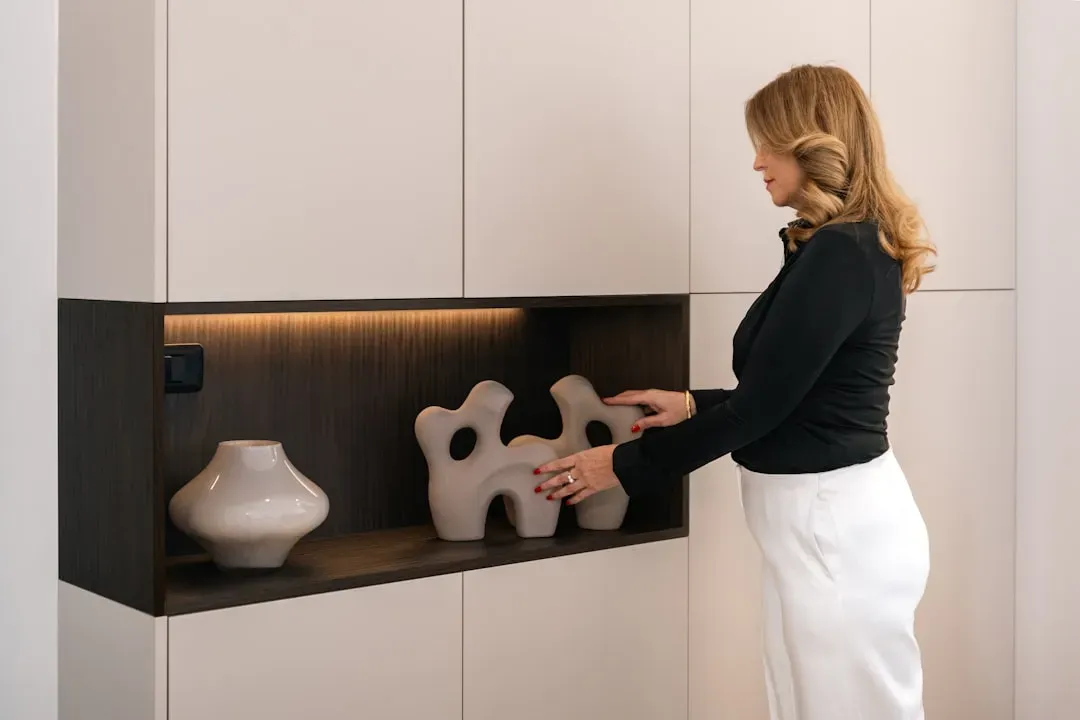
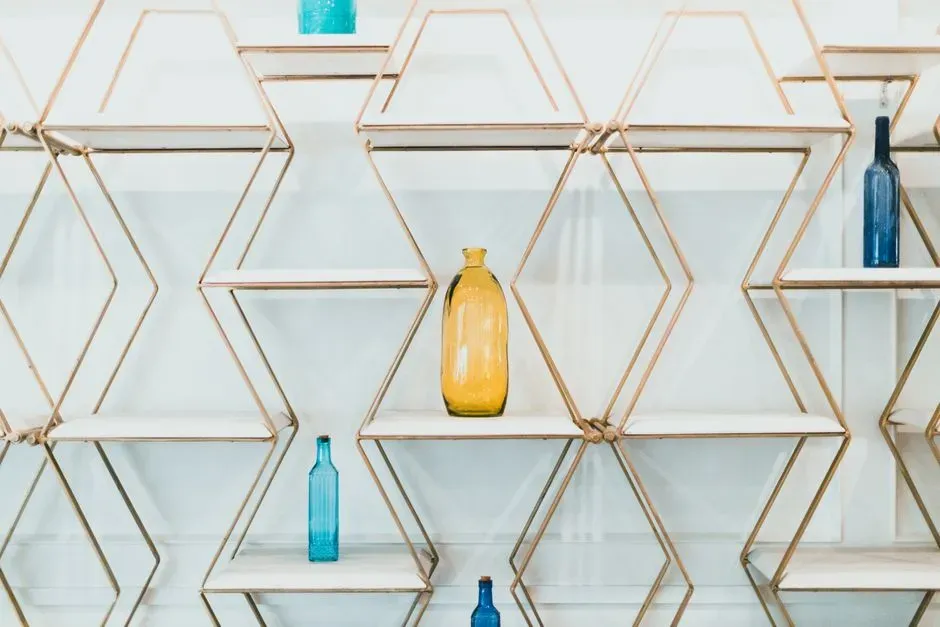
Not all shelving is meant to blend in, and statement shelves lean fully into that idea. These pieces often use unusual shapes, bold colors, or asymmetrical designs that function more like wall sculpture than traditional storage. A single sculptural shelf can become the focal point of an entryway or living room, doing more visual work than an entire wall of framed art.
What makes statement shelves interesting is how they force a bit of intentionality in styling. Because the shelf itself already draws attention, it usually works best when paired with just a few carefully chosen objects rather than a busy, overloaded arrangement. This restraint tends to be what separates a shelf that looks curated from one that just looks cluttered.