
A backyard renovation rarely starts with a master plan. It usually begins with a single idea, maybe a fire pit or a slightly nicer patio, and then grows from there as new possibilities come into view. Homeowners in 2026 are leaning toward outdoor spaces that function almost like extra rooms, built for year-round use rather than just a few warm weekends.
Before picking up a shovel, it helps to look at what’s actually working for other homeowners right now. The below range from modest upgrades to bigger investments, but each one tends to earn its keep in daily use and long-term value.
1. Fire pits and outdoor fireplaces
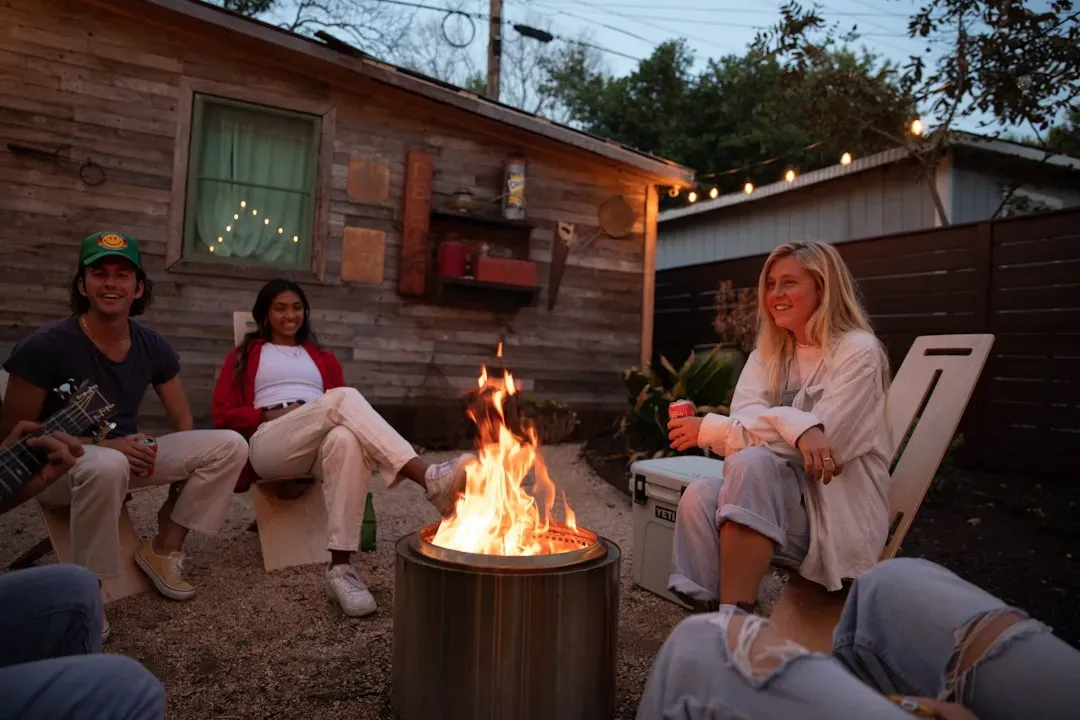
Fire features have moved well beyond the simple ring of stones. Gas-powered fire pits and built-in fireplaces are now common in mid-range backyard designs because they extend usable outdoor time into cooler evenings without the mess of hauling wood. Many homeowners choose smokeless or low-smoke designs, which cut down on the lingering odor that used to keep neighbors’ windows shut.
Cost varies widely depending on materials and whether the unit connects to a home’s gas line. A basic portable fire pit might run a few hundred dollars, while a custom masonry fireplace with a chimney can climb into the thousands. Either way, it’s one of the few backyard additions that draws people outside almost automatically once the sun goes down.
2. Outdoor kitchens
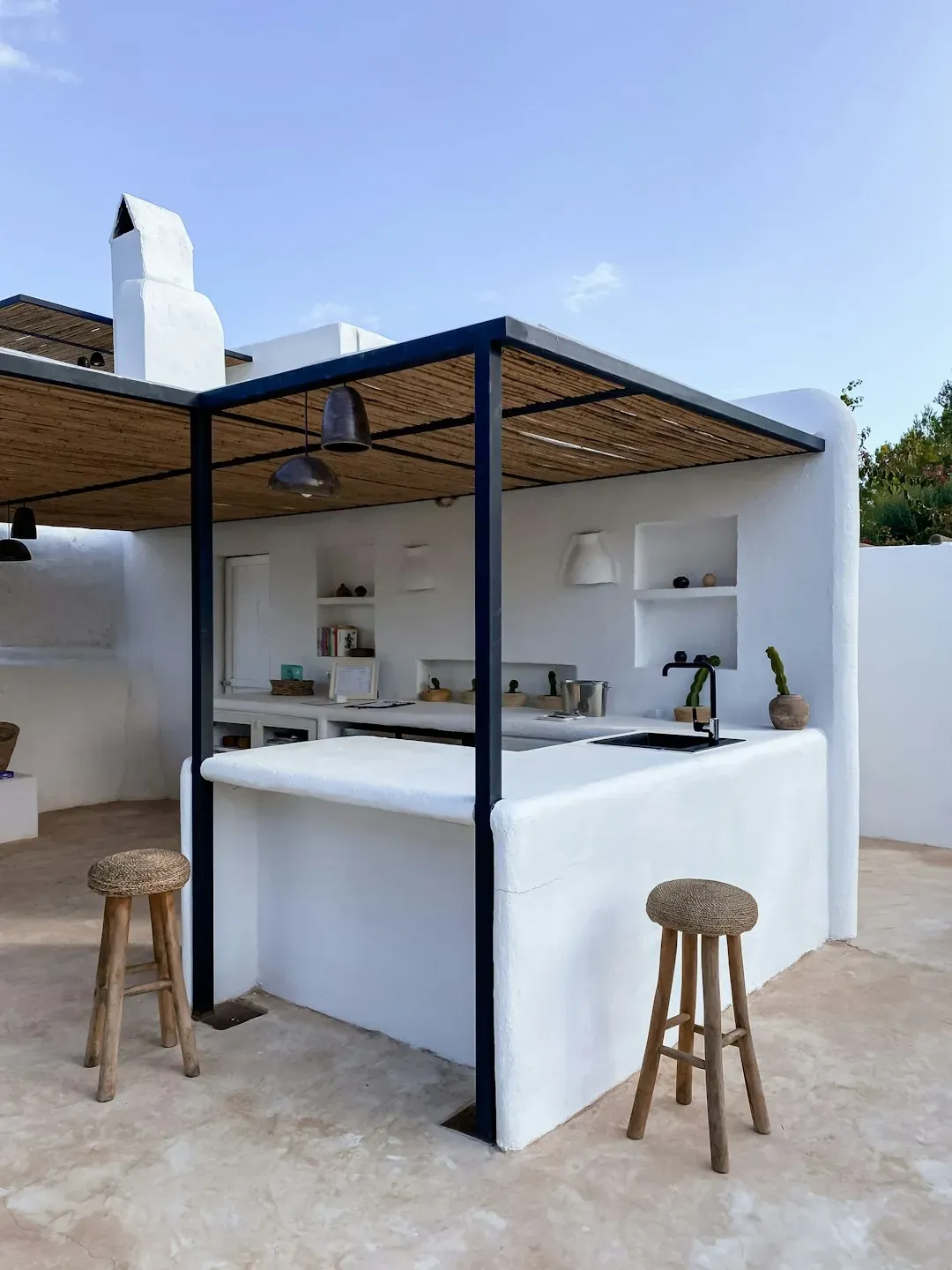
Outdoor kitchens have shifted from a luxury add-on to something closer to a standard request among homeowners planning larger renovations. A basic setup might include a built-in grill and some counter space, while more elaborate versions add pizza ovens, refrigerators, and sinks with running water. The appeal is straightforward: cooking outside keeps heat and smells out of the house during summer months.
Material choice matters more here than in almost any other backyard feature, since everything is exposed to weather year-round. Stainless steel appliances and stone or concrete counters tend to hold up best against rain, UV exposure, and temperature swings. Homeowners who entertain often find that even a modest outdoor kitchen changes how frequently they host.
3. Swimming pools and plunge pools
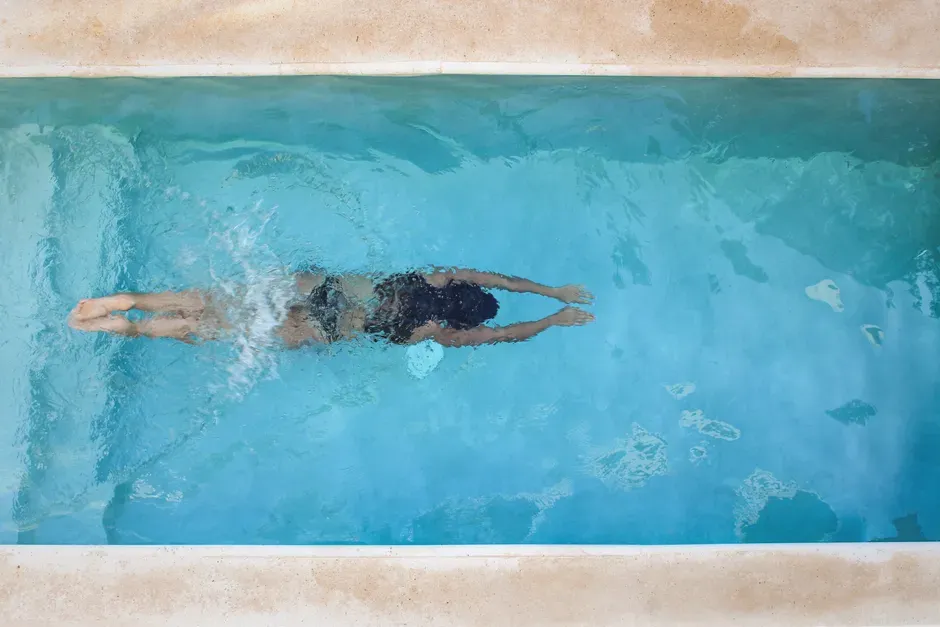
Full-size pools remain popular, but smaller plunge pools have gained ground with homeowners who want the benefits of a pool without the footprint or upkeep of a traditional one. These compact pools, often eight to twelve feet long, are easier to heat and typically cost less to maintain than a standard backyard pool. They fit well in smaller yards where a full pool simply wouldn’t work.
Regardless of size, pools require ongoing commitment in the form of cleaning, chemical balance, and seasonal opening or closing. Saltwater systems have become a common alternative to traditional chlorine setups because they tend to be gentler on skin and require less frequent chemical handling. For families with young children, most local building codes also require fencing or self-latching gates around any in-ground pool.
4. Hot tubs and spas

A hot tub offers a lot of the relaxation appeal of a pool at a fraction of the space and cost. Modern spas often include programmable jets, LED lighting, and energy-efficient insulation that keeps operating costs manageable even through winter use. Many models can be installed on an existing patio or deck without major structural changes, which keeps installation timelines short.
Placement matters for both privacy and practicality. Positioning a hot tub near the house cuts down on the walk in cold weather, while some added screening or landscaping helps block sightlines from neighboring yards. Maintenance mostly comes down to regular water testing and filter changes, which is far less involved than pool upkeep.
5. Decks and multi-level patios
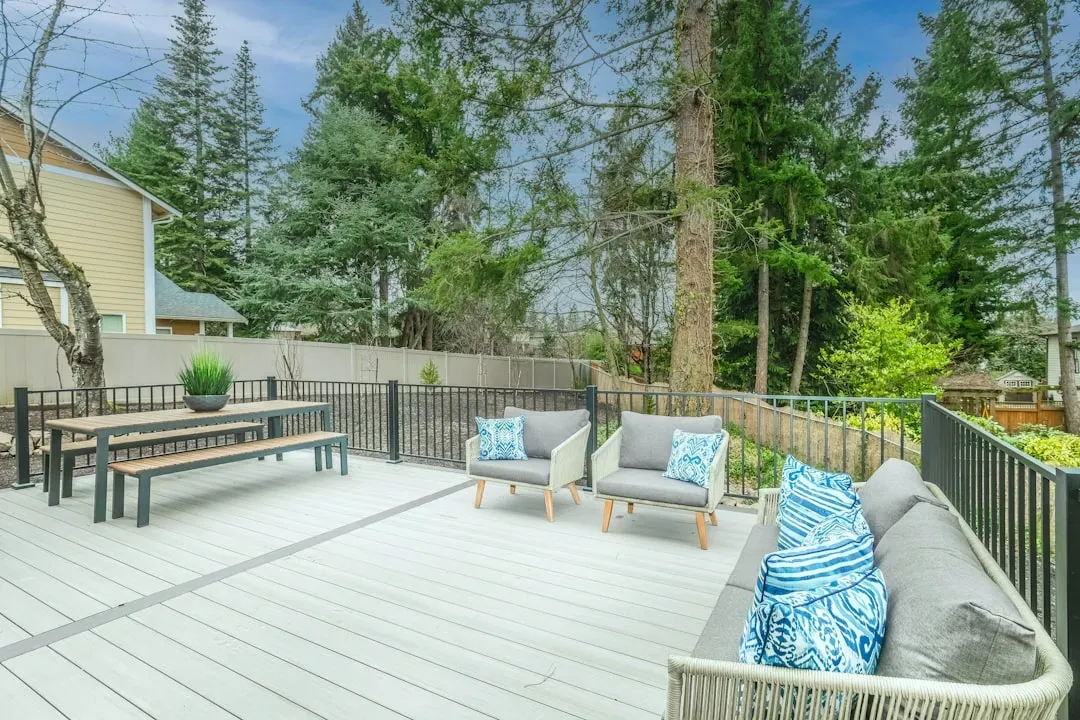
Decking remains one of the most common backyard upgrades, partly because it works with almost any home style and budget. Composite decking has become especially popular in recent years, since it resists rot, fading, and insect damage better than traditional wood while requiring far less maintenance. Multi-level designs are also gaining traction, using elevation changes to separate dining, lounging, and cooking zones without adding walls.
Homeowners on sloped lots benefit the most from multi-tiered layouts, since they turn an awkward grade into a design feature rather than a limitation. Railings, built-in seating, and lighting along the edges of each level add both safety and visual interest after dark. A well-planned deck can effectively double a home’s usable living space during warmer months.
6. Vegetable and raised-bed gardens
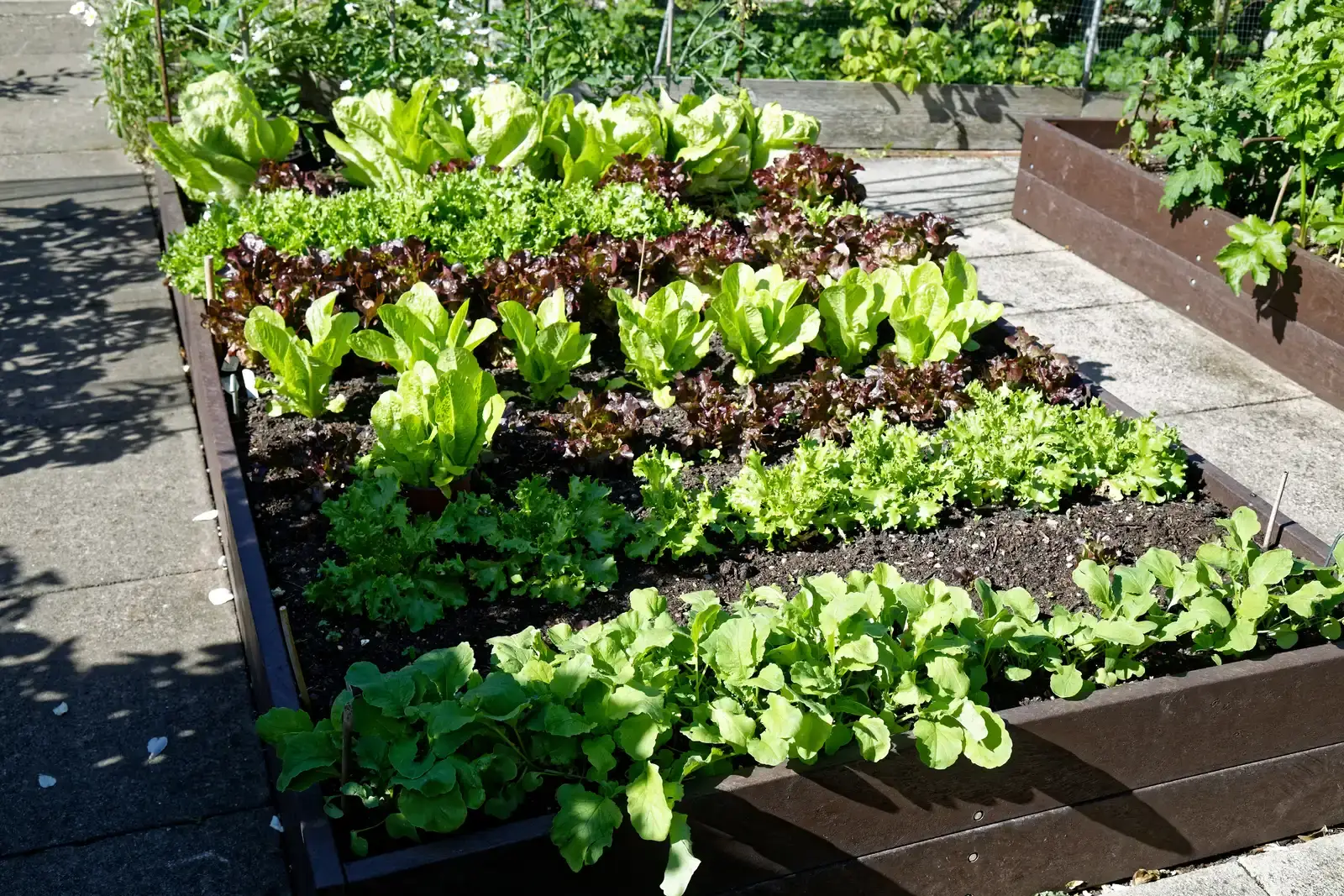
Interest in home food production has stayed strong, with raised garden beds remaining one of the more accessible ways to grow vegetables without dealing with poor native soil. Raised beds warm up faster in spring, drain better after heavy rain, and are easier on the back since there’s no need to bend all the way to ground level. They also make it simpler to keep pests and weeds under control compared to traditional in-ground plots.
Materials like cedar, composite lumber, or galvanized steel are common choices because they resist rot and rust over years of exposure to soil and moisture. Many homeowners pair raised beds with drip irrigation systems, which reduce water waste and cut down on the time spent manually watering. Even a modest three or four bed setup can supply a household with a meaningful amount of produce through a growing season.
7. Outdoor lighting systems
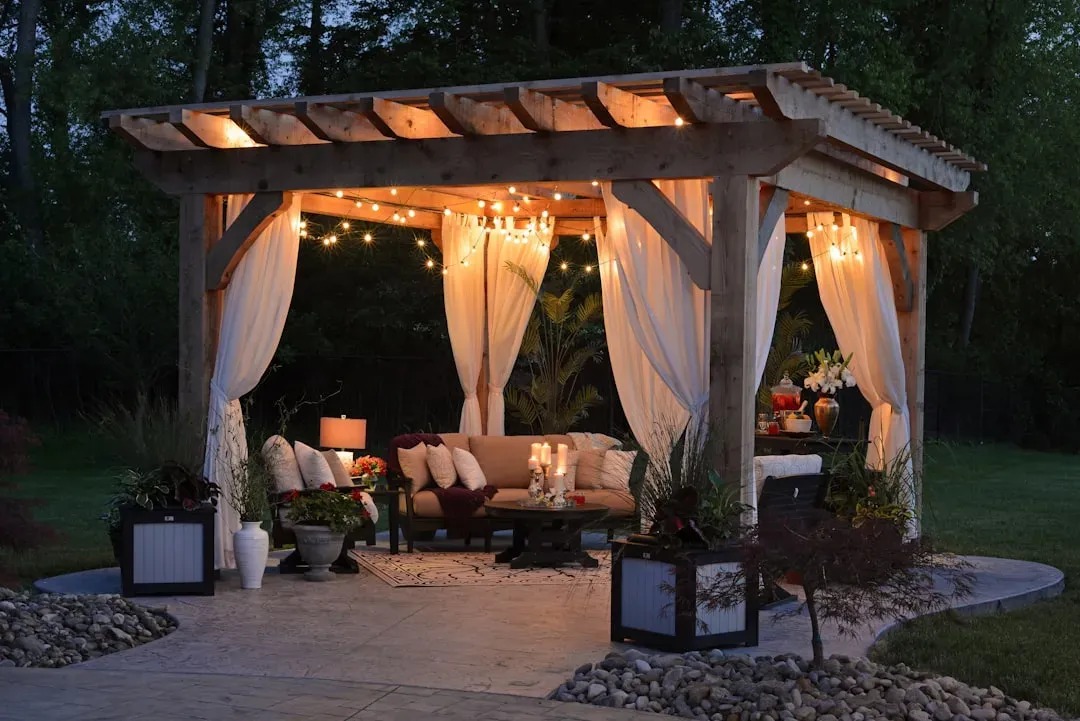
Lighting is one of the more affordable ways to change how a backyard feels and functions after sunset. Low-voltage LED systems have largely replaced older halogen setups because they use far less electricity and last considerably longer, often rated for tens of thousands of hours of use. Path lights, uplighting on trees, and string lighting over dining areas are among the most requested layouts.
Smart lighting controls have also become more common, letting homeowners adjust brightness or schedule lights through a phone app rather than a manual switch. This is particularly useful for security, since lights can be set to turn on automatically at dusk even when nobody is home. A well-lit backyard also tends to get used more often simply because it feels safer and more inviting after dark.
8. Pergolas and shade structures
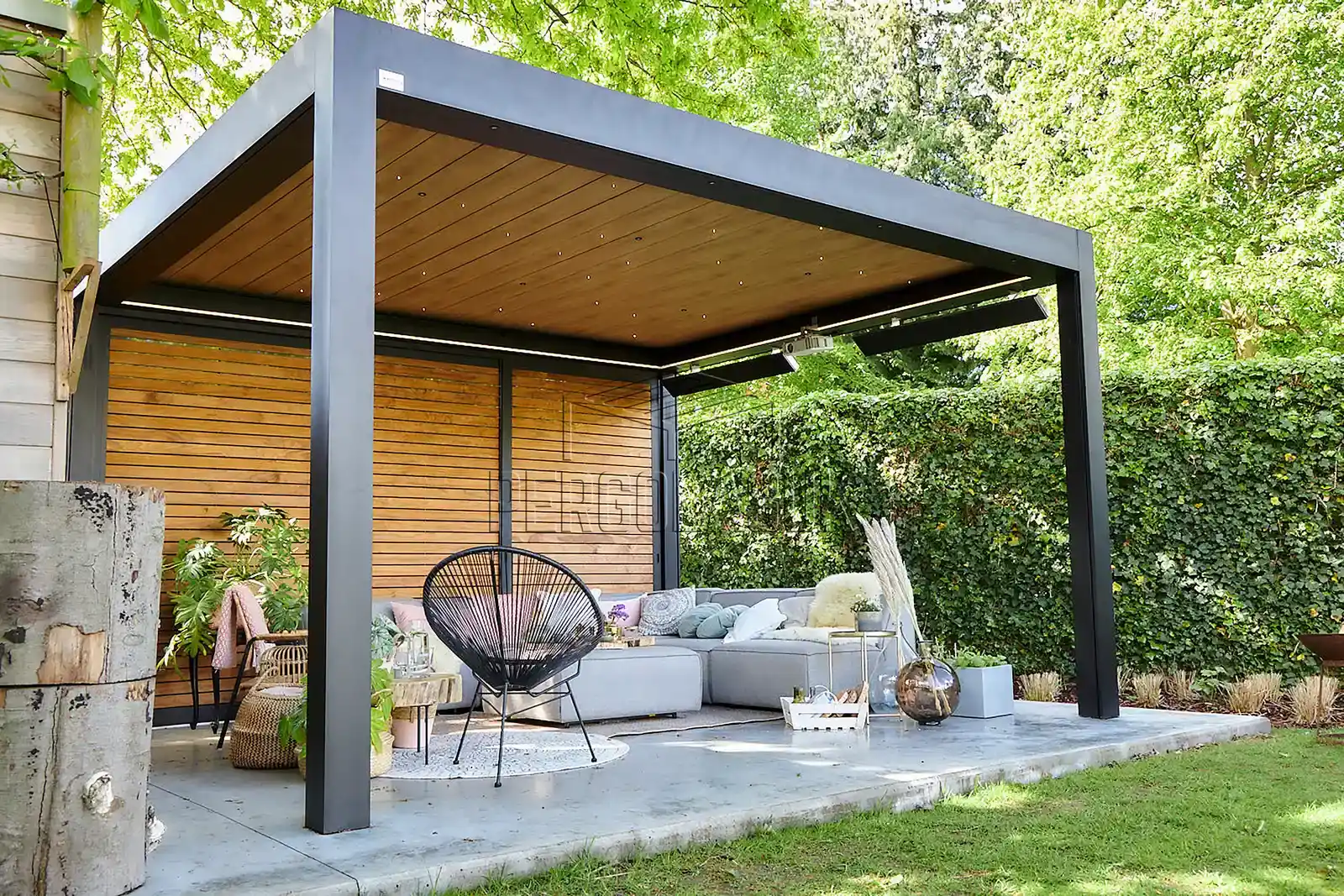
Shade structures address one of the most basic backyard problems, which is that direct sun can make a space unusable for hours during peak summer heat. Pergolas remain a popular choice because they offer partial shade while still allowing airflow and some natural light through. Louvered or retractable roof pergolas have grown in popularity too, since they let homeowners adjust coverage depending on weather rather than committing to one fixed level of shade.
Materials range from wood, which offers a traditional look but needs periodic sealing, to aluminum and vinyl, which require little upkeep but cost more upfront. Adding a shade structure over a patio or outdoor kitchen effectively extends the usable hours of that space throughout the day. Many designs also incorporate hanging lights or ceiling fans to make the covered area even more comfortable.
9. Water features and small ponds
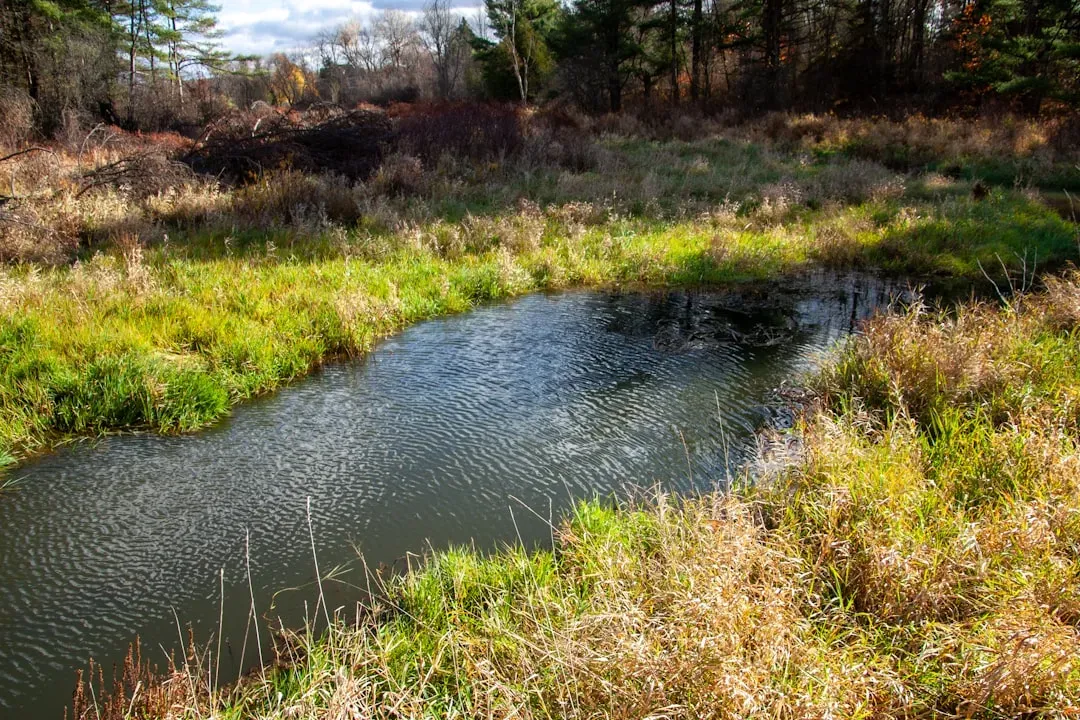
Water features bring a sensory element to a backyard that few other additions can match, from the sound of a small waterfall to the visual movement of koi or goldfish in a pond. Compact recirculating fountains have become a popular entry point for homeowners who want the effect without the commitment of a full pond, since they require minimal maintenance and no fish care. Larger ponds demand more attention, including filtration, occasional algae control, and seasonal care depending on climate.
Placement near a patio or seating area tends to maximize the benefit, since the sound of moving water carries best at close range. Solar-powered pumps have improved enough in recent years to make small fountains genuinely low-cost to run, cutting down on the electrical wiring some older systems required. Even a modest water feature can noticeably soften the ambient noise from nearby streets or neighbors.
10. Native and drought-tolerant landscaping
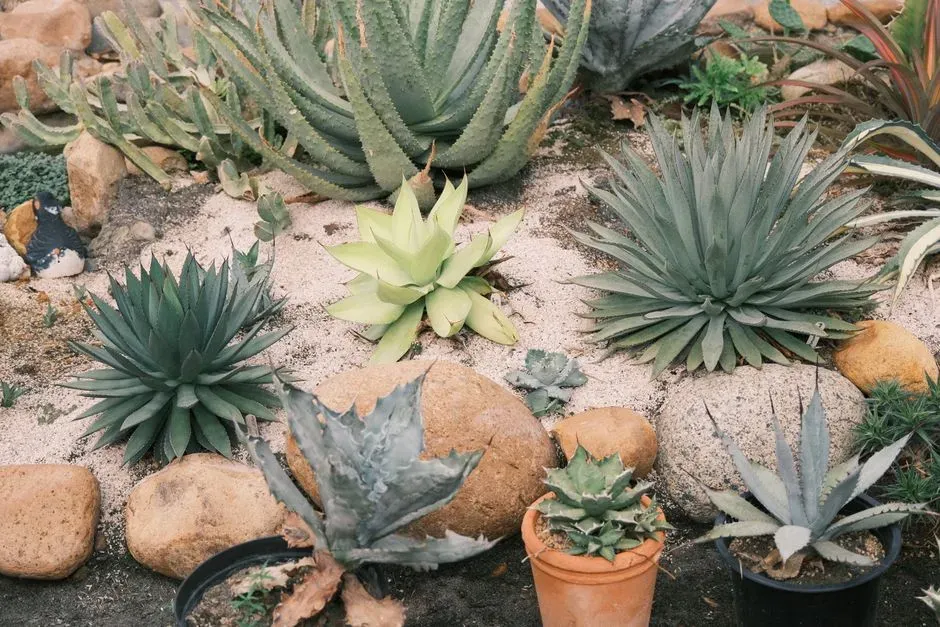
Water-conscious landscaping has moved from a niche interest to a mainstream consideration, particularly in regions dealing with recurring drought restrictions. Native plants require less irrigation once established because they’re already suited to local rainfall and soil conditions, which also tends to reduce the need for fertilizers and pesticides. Many municipalities and water districts now offer rebate programs for homeowners who replace traditional lawns with drought-tolerant plantings.
Beyond water savings, native landscaping tends to attract local pollinators like bees and butterflies, since the plants have evolved alongside them over a long period. Groundcovers, ornamental grasses, and drip irrigation are frequently paired together to reduce both water use and mowing time. For homeowners tired of constant lawn maintenance, this approach often ends up saving both money and weekend hours over the following years.
Choosing among these features usually comes down to how a household actually uses its outdoor space, along with climate, budget, and how much ongoing maintenance feels reasonable. Some homeowners start with a single addition and expand gradually, while others plan several features together as part of one larger renovation. Either approach can work, as long as the choices reflect how the space will realistically be used throughout the year.