
Decorating a home doesn’t have to mean emptying a savings account. Some of the most striking interiors come from small, thoughtful choices rather than expensive overhauls. Whether the goal is a quick weekend refresh or a slower room-by-room transformation, there are plenty of ways to make a space feel intentional without stretching finances thin.
The ideas below range from nearly free tricks to modest investments that pay off in how a room looks and feels. Each one focuses on impact, not just cost, so a tight never has to mean a flat or unfinished space.
Paint One Wall Instead of the Whole Room
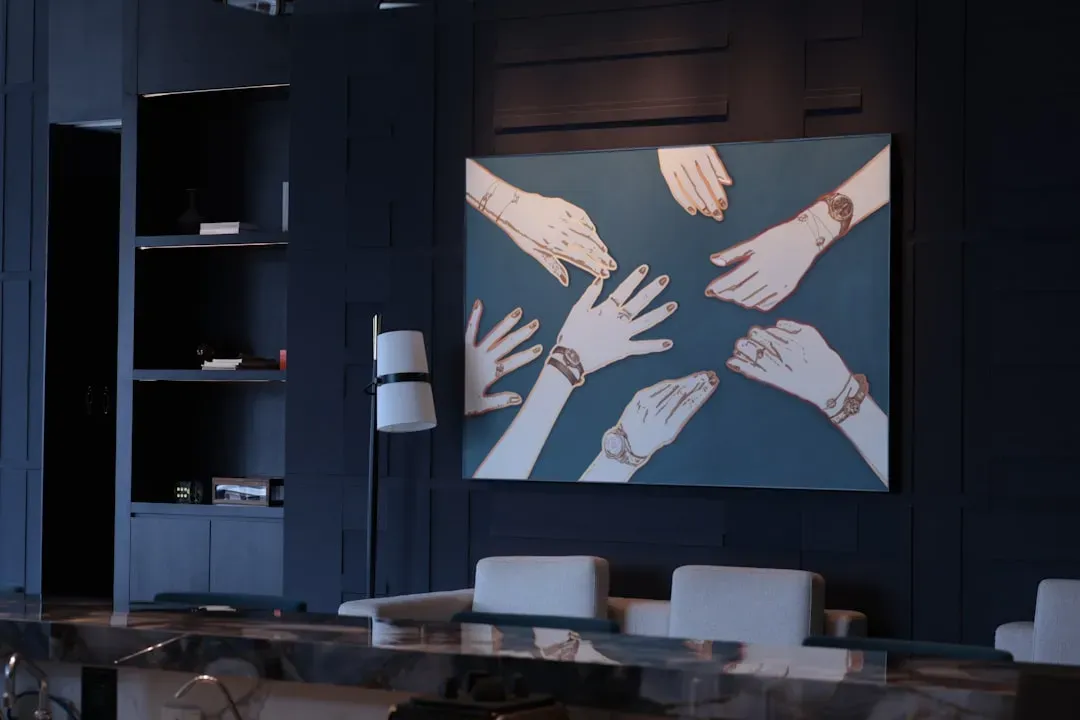
A single accent wall uses a fraction of the paint a full room requires, which keeps material costs down while still delivering a noticeable change. Choosing a deeper or more saturated tone than the surrounding walls gives a space depth and a clear focal point. This works especially well behind a bed, sofa, or dining table, where the color naturally draws the eye.
Because the commitment is smaller, an accent wall is also a lower-risk way to experiment with bolder colors that might feel overwhelming across four walls. If the shade doesn’t work out, repainting one wall is far less time-consuming and costly than redoing an entire room. It’s a practical entry point for anyone hesitant about color but curious to try something new.
Rearrange Furniture Before Buying Anything New
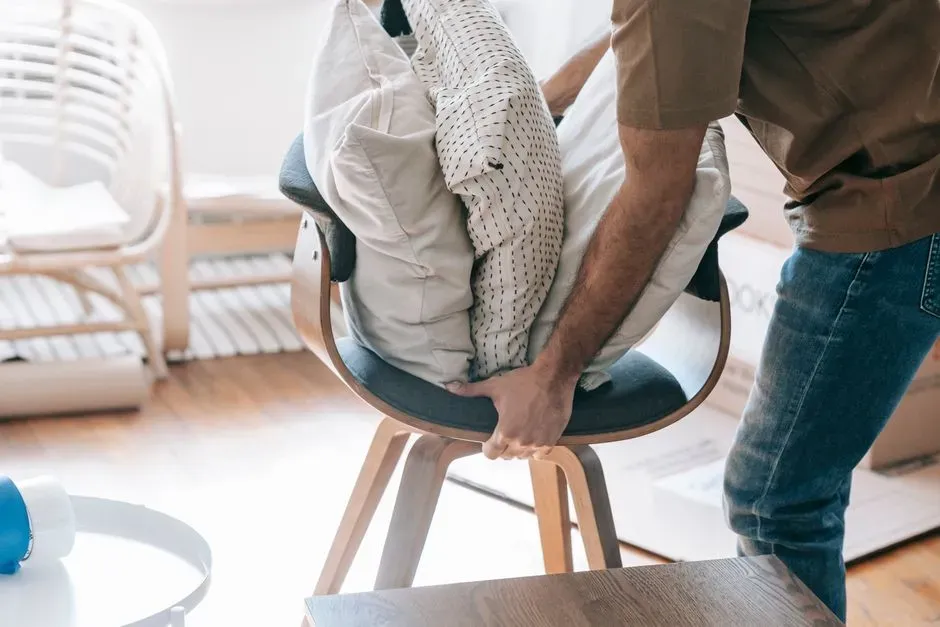
Sometimes the furniture already in a room simply isn’t placed well. Pulling a sofa away from the wall, angling a chair toward a window, or shifting a bookshelf to a different corner can completely change how a space feels, without spending a cent. This is often the fastest fix available, since it requires nothing but time and a bit of physical effort.
Rearranging also helps identify what a room actually needs before any purchase happens. A space might reveal that it needs a small side table rather than an entirely new seating arrangement, which prevents unnecessary spending. Testing a few layouts over a weekend is a low-risk way to see what genuinely improves flow and comfort.
Swap Hardware for an Instant Upgrade
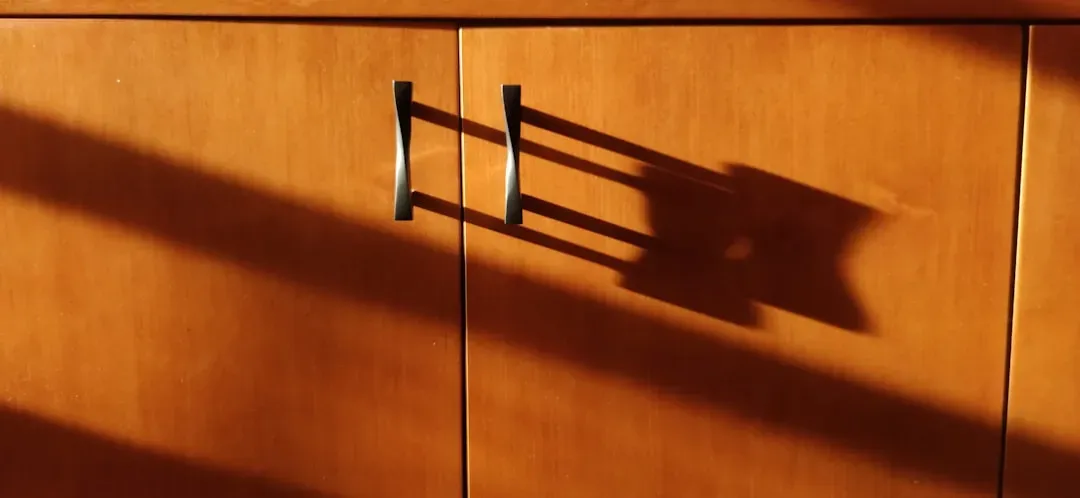
Cabinet knobs, drawer pulls, and door handles are small details that carry a surprising amount of visual weight. Replacing dated or mismatched hardware with a cohesive style, whether brushed brass, matte black, or simple brushed nickel, can modernize kitchens, bathrooms, and furniture pieces quickly. Because hardware pieces are generally inexpensive, this update tends to cost very little relative to the difference it makes.
This project also requires only basic tools and a short amount of time, making it accessible even for people without much DIY experience. Many hardware pieces use standard hole spacing, so replacements often line up with existing holes. For older furniture or cabinetry, swapping hardware can make a piece feel new again instead of outdated.
Use Removable Wallpaper for Temporary Impact
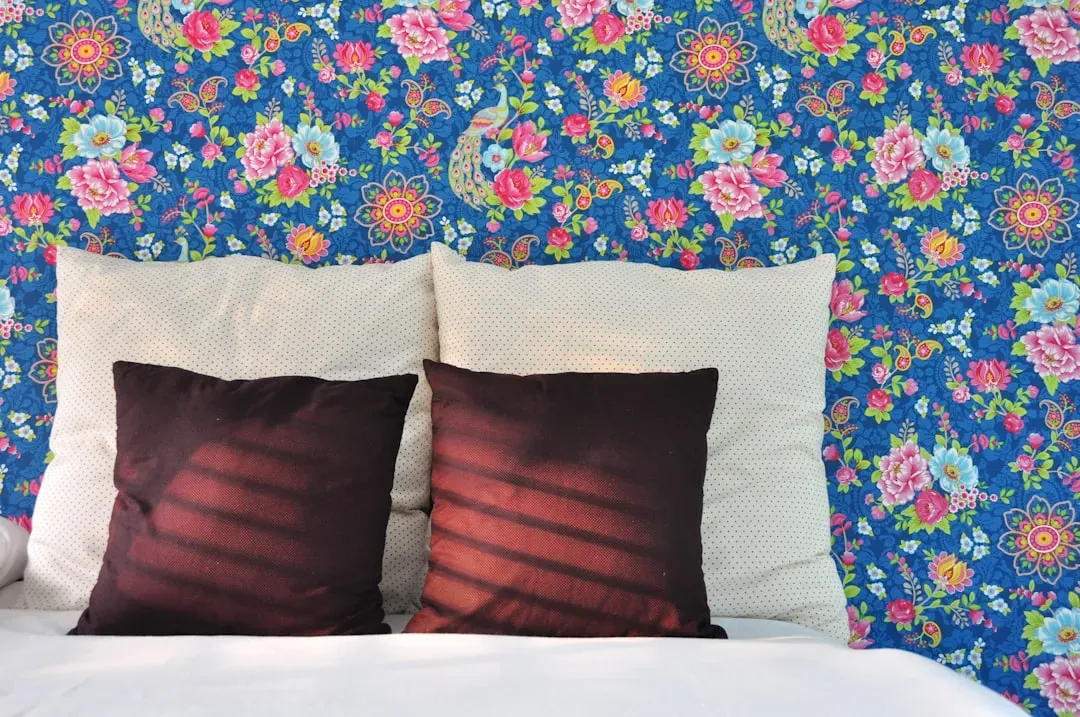
Peel and stick wallpaper has become significantly more refined in recent years, with textures and prints that closely resemble traditional wallpaper at a lower price point and without the commitment. It works well on accent walls, inside closets, on stair risers, or even on furniture surfaces. Because it’s removable, renters and homeowners alike can experiment with pattern and color without worrying about long term consequences.
Installation is straightforward enough for most people to handle without professional help, which keeps labor costs out of the equation entirely. It also allows for quick seasonal or style changes, since swapping one pattern for another doesn’t involve stripping paint or patching walls. For small spaces like powder rooms, it’s often one of the highest impact changes available for the price.
Layer Textiles to Add Warmth

Throw pillows, blankets, and rugs are some of the easiest ways to soften a room and introduce color or pattern without touching the walls or furniture underneath. Mixing textures, such as a woven throw with a smooth linen pillow, adds visual interest and makes a space feel more considered. These pieces are also easy to rotate seasonally, which keeps a room feeling fresh throughout the year.
Because textiles come in such a wide range of price points, it’s possible to shop secondhand, at discount retailers, or even repurpose existing fabric to keep costs minimal. A single well-placed rug can also visually define a seating area, which helps a room feel more organized even if the furniture itself stays the same. This is one of the simplest ways to shift a room’s mood without any structural changes.
Bring in Plants for Texture and Life
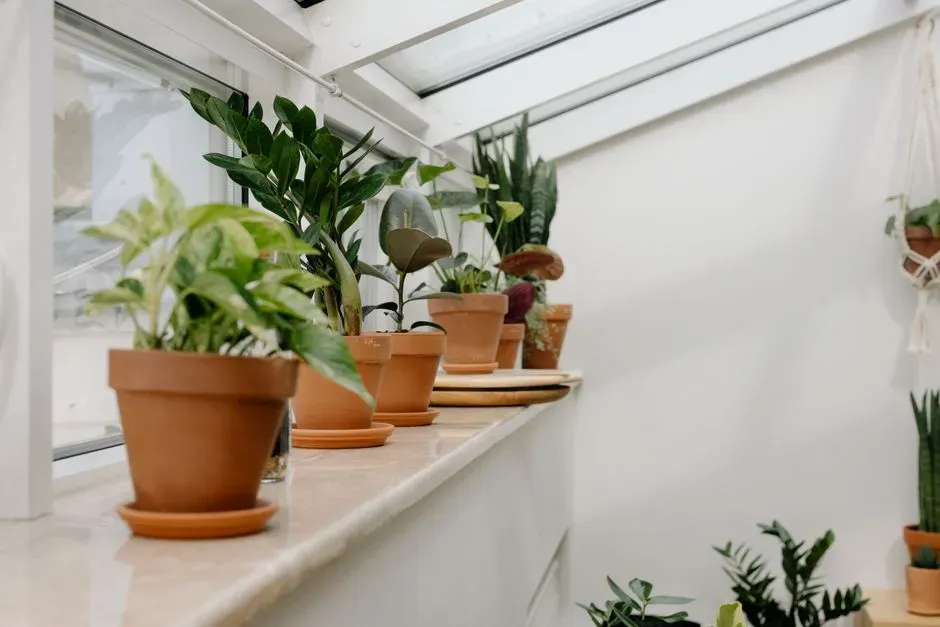
Houseplants add color, texture, and a sense of vitality that’s difficult to replicate with objects alone. Even a few affordable options, like pothos, snake plants, or succulents, can fill empty corners and soften hard lines in a room. Grouping plants of different heights on a shelf or windowsill creates a layered look that feels curated rather than sparse.
Beyond aesthetics, houseplants are often praised for their calming presence in a space, which adds a subtle but real benefit beyond decoration. Buying smaller plants and letting them grow over time is typically far cheaper than purchasing large, mature specimens. For anyone nervous about plant care, low-maintenance varieties make it easy to start small and build confidence.
Reframe and Rehang Existing Art
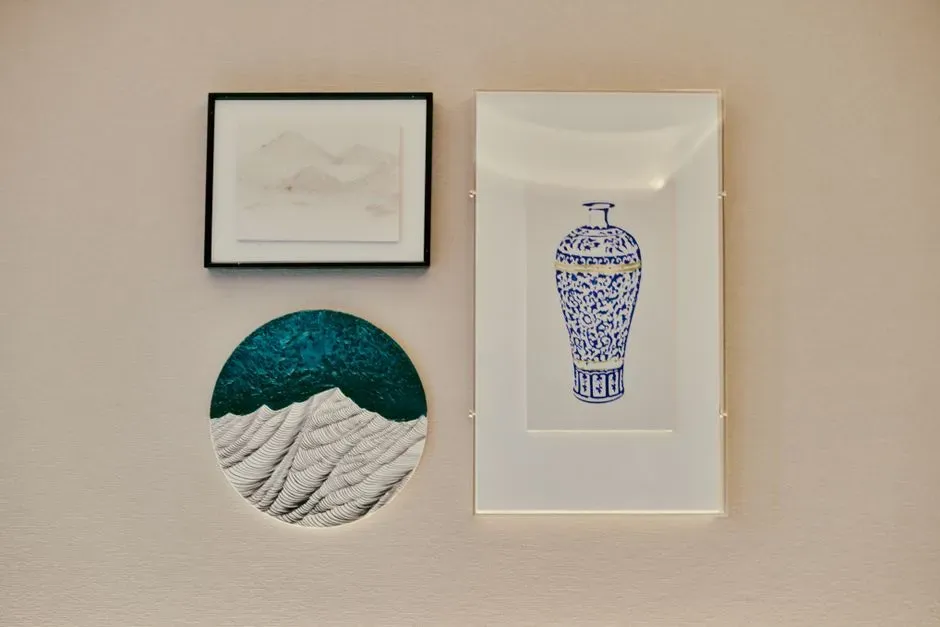
Artwork already owned doesn’t have to stay in the same frame or the same spot forever. Simply changing a mat, upgrading a frame, or regrouping several pieces into a gallery wall can make familiar art feel new again. This approach avoids the cost of buying new pieces while still refreshing how a room looks.
Gallery walls in particular are forgiving when it comes to , since they can mix framed prints, mirrors, and even textiles for variety. Laying pieces out on the floor first, or tracing paper templates before hanging, helps avoid unnecessary nail holes and wasted effort. This method also works well for showcasing personal photos or travel finds that might otherwise sit in storage.
Update Lighting Fixtures Strategically

Lighting has an outsized effect on how a room feels, often more than color or furniture. Swapping a dated overhead fixture for something simpler, or adding a floor lamp with warmer bulbs, can shift a space from cold and flat to inviting. Layering different light sources, such as ambient, task, and accent lighting, creates depth that a single overhead bulb can’t achieve.
friendly fixtures are widely available, and even small changes like switching to warmer color temperature bulbs can make a noticeable difference. For those wanting a bigger visual moment, a single statement pendant over a dining table or kitchen island is often worth prioritizing, since it tends to draw the eye more than several smaller updates combined. Dimmer switches, where wiring allows, are another relatively low-cost way to add flexibility to a room’s mood throughout the day.
Shop Secondhand and Vintage Sources
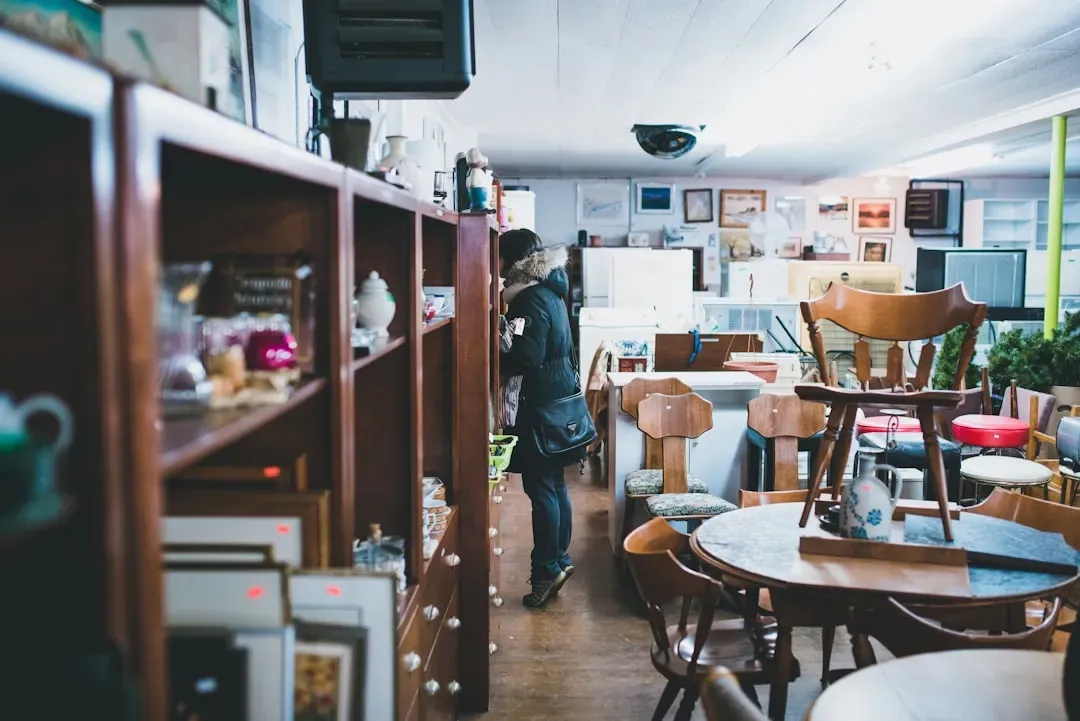
Thrift stores, estate sales, and online marketplaces remain some of the most reliable sources for unique, -friendly furniture and decor. Many pieces from previous decades were built with solid wood and quality construction that’s harder to find at lower price points today. Searching secondhand also reduces the pressure to find something perfect immediately, since new listings appear constantly.
Buying used furniture and giving it new life, whether through cleaning, minor repairs, or a fresh coat of paint, is also a more sustainable approach than buying new. This method takes a bit more patience and searching compared to walking into a retail store, but the payoff is often a piece with more character and a lower price tag. It’s a strategy that rewards those willing to browse regularly rather than shop only when a need arises.
Use Mirrors to Expand and Brighten a Space
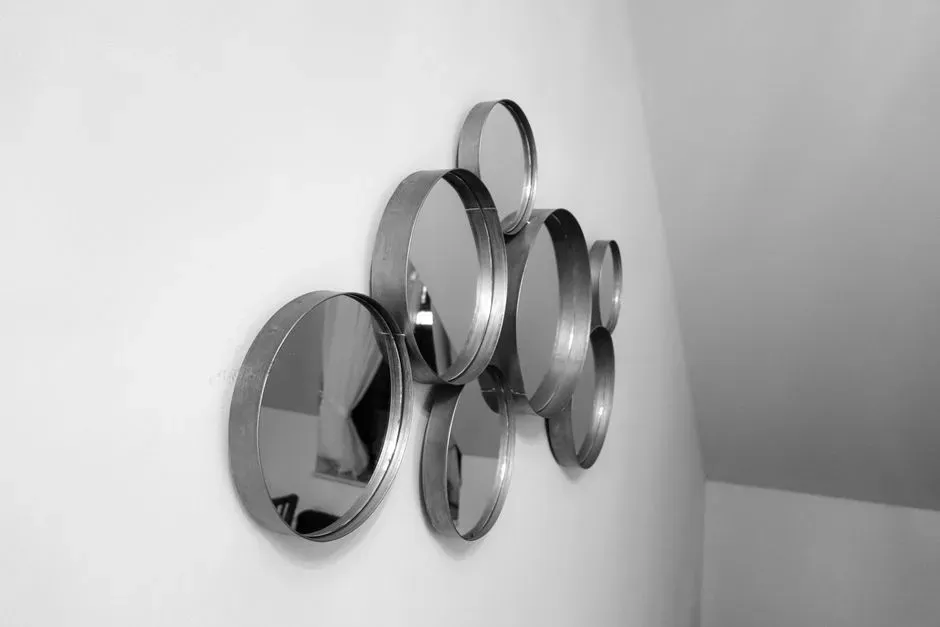
Mirrors are a classic decorating tool because they do double duty, adding decorative value while also making a room feel larger and brighter. Placing a mirror opposite a window can reflect natural light deeper into a space, which is especially useful in smaller rooms or apartments with limited light. A well-chosen mirror can also serve as a focal point on its own, without needing additional artwork nearby.
Secondhand shops and discount retailers often carry mirrors at a much lower price than specialty decor stores, making this one of the more accessible upgrades on this list. Leaning a large mirror against a wall, rather than mounting it, is also an easy no-commitment option for renters. Even a small cluster of smaller mirrors can create a similar expansive effect at a lower cost than one large piece.
Declutter Before Adding Anything New
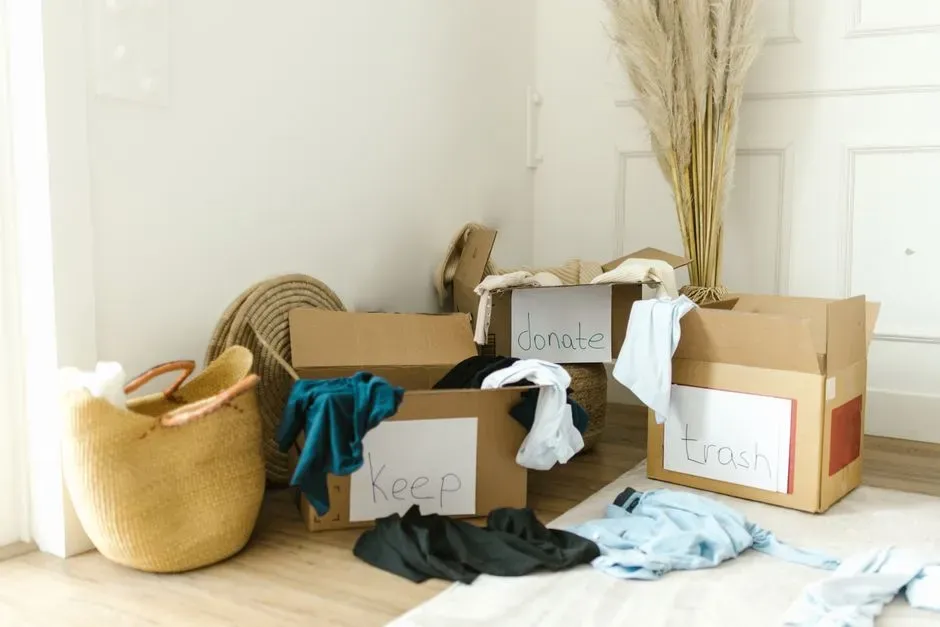
Before spending money on new decor, clearing out what no longer serves a space can make an enormous visual difference on its own. Removing excess items, whether outdated decor, duplicate furniture, or things simply not being used, tends to make remaining pieces stand out more clearly. This step costs nothing but time and often reveals that a room needs less than it seems.
Decluttering also helps clarify what’s actually missing, rather than adding items simply to fill visual gaps. A room with fewer, more intentional pieces often reads as more polished than one crowded with mismatched items. This is frequently the most overlooked step in decorating on a , yet it’s one of the most effective.