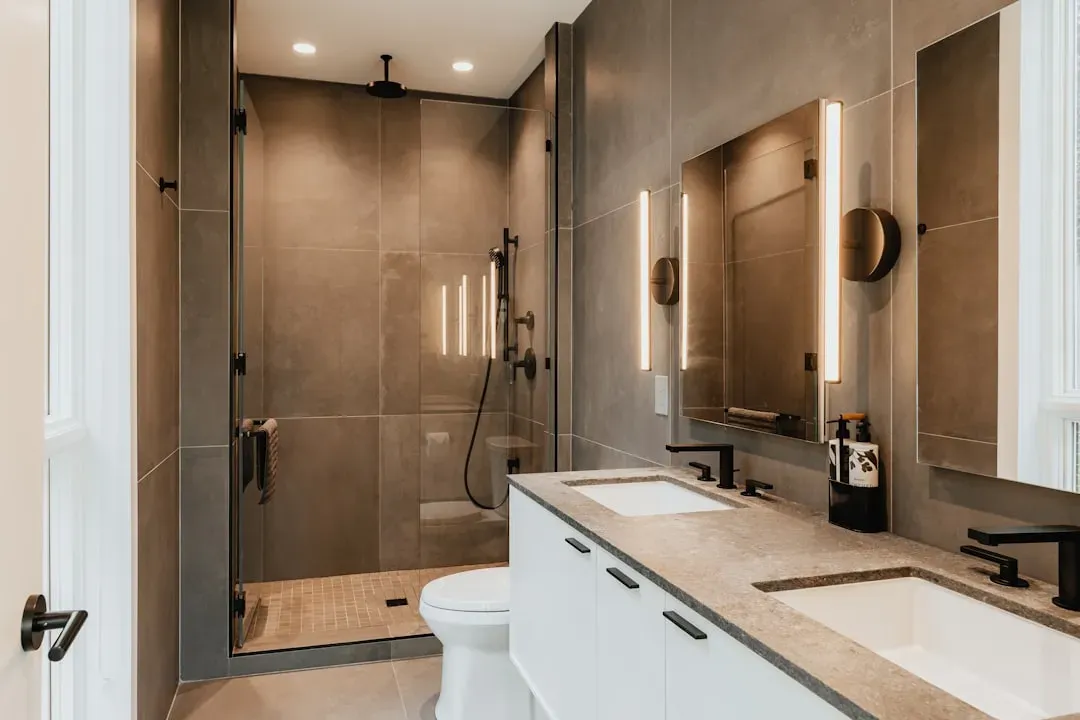
Repaint with a warmer, more grounded color
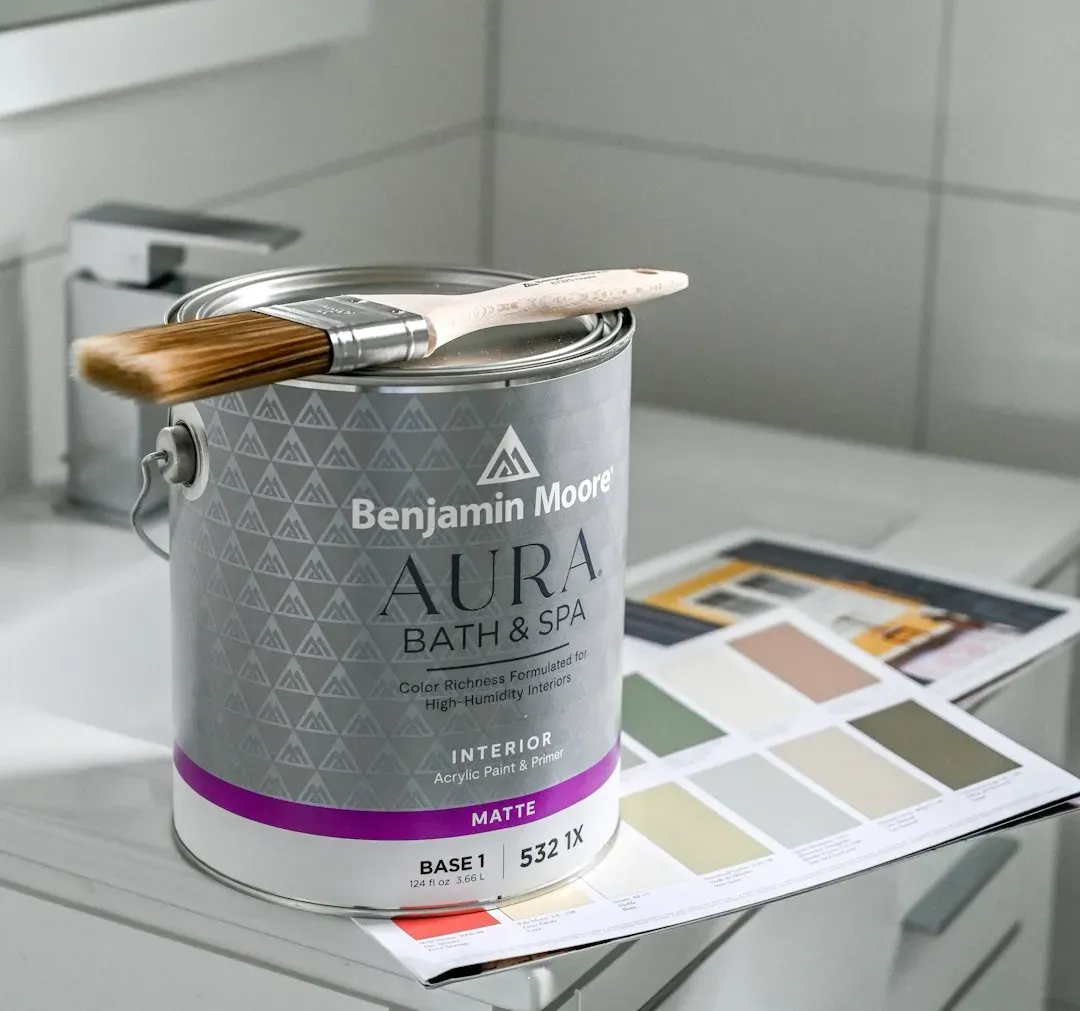
Paint remains the fastest way to change a room’s personality, and color preferences have shifted noticeably in the past year. For a time, it seemed like cool grays and stark whites were everywhere, but not in 2026, as this year marks a return to warmth. Designers point to cozy neutrals like creamy ivory and soft beige, along with earthy tones like terracotta and clay as the palettes people are gravitating toward now.
This isn’t just an aesthetic footnote either. Industry voices have been fairly blunt about the alternative, noting that confusing calming and serene with cold and stark leaves cool-toned white and gray tiles as the recipe for an uninviting and outdated in 2026. A single coat of a warmer neutral, even without touching the tile, can soften a space considerably.
Swap fixtures and hardware for an outsized visual return
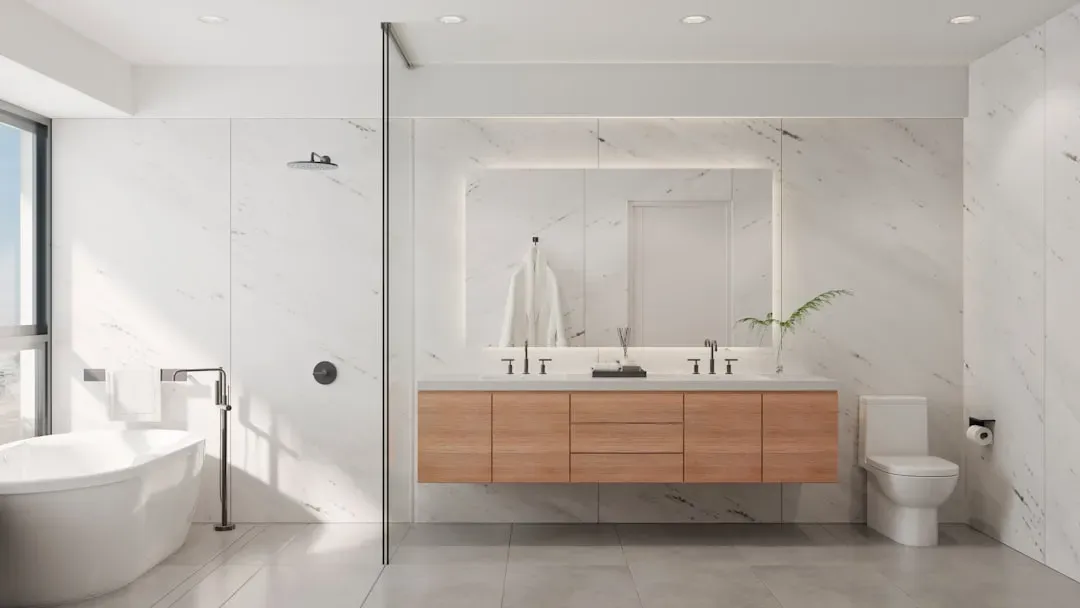
Few upgrades deliver as much visible change for as little money as new faucets, showerheads, and cabinet pulls. According to renovation analysts, new faucets, showerheads, and cabinet pulls in brushed nickel, matte black, or chrome make the room look current and cared for, often for a few hundred dollars, and this is the highest ROI move in the . It’s the kind of project a homeowner can complete over a weekend with basic tools.
Metal finishes are also having a moment of their own. Trend reports note that warm metallics like brass and gold remain popular, while mixed metals can create a layered, collected look that feels both modern and timeless. Mixing an older chrome faucet with a couple of matte black accents can feel intentional rather than mismatched, as long as the metals repeat somewhere else in the room.
Rethink the lighting instead of just adding more of it
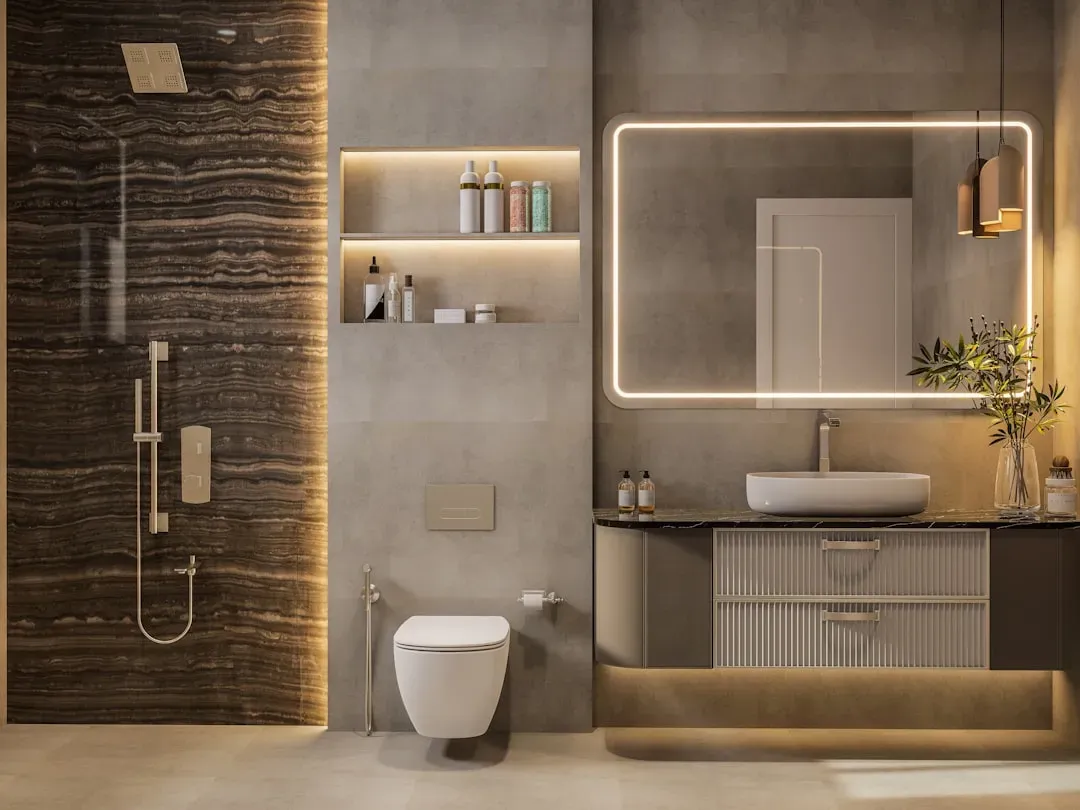
lighting has traditionally meant a single harsh overhead fixture, but that standard is fading fast. One design outlet observed that lamps in the might once have felt impractical, but in 2026 they’re becoming a design statement, with table lamps, cordless sconces, and even waterproof portable lights replacing harsh overheads with a softer glow. The effect of swapping a single glaring bulb for layered, dimmable light is often more transformative than people expect.
Technology is playing a quieter role here too. Newer builds increasingly treat light as something that shifts throughout the day, with lighting shifting in tone across the day, controlled through hidden panels that also manage mirror clarity and ventilation. A homeowner doesn’t need a smart home system to benefit from the basic idea: warmer bulbs in the evening, cooler ones for grooming tasks in the morning.
Regrout and recaulk before you touch anything else
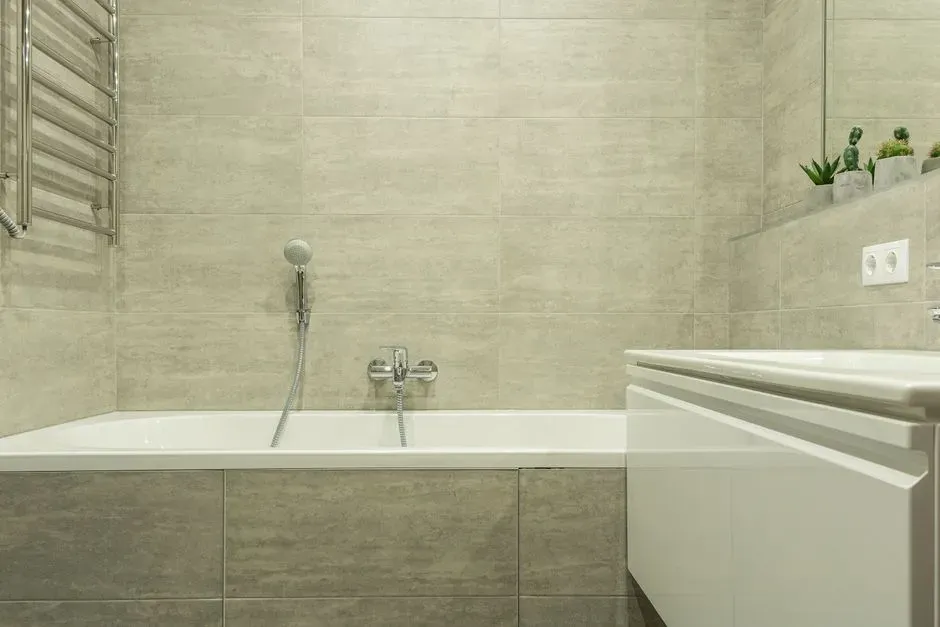
It’s an unglamorous job, but discolored grout and peeling caulk age a faster than almost anything else in the room. Fresh grout instantly makes existing tile look clean and intentional again, which matters more than people assume when they’re weighing a full retile against a simple refresh. This is also one of the few updates where a can of grout pen or a tube of caulk costs less than a takeout dinner.
Grout choices have actually become part of the design conversation rather than an afterthought. Designers now describe grout color and contrast as now intentional design decisions, meaning a homeowner regrouting an older has room to make a small style statement rather than simply matching the original white.
Add storage that actually looks like furniture
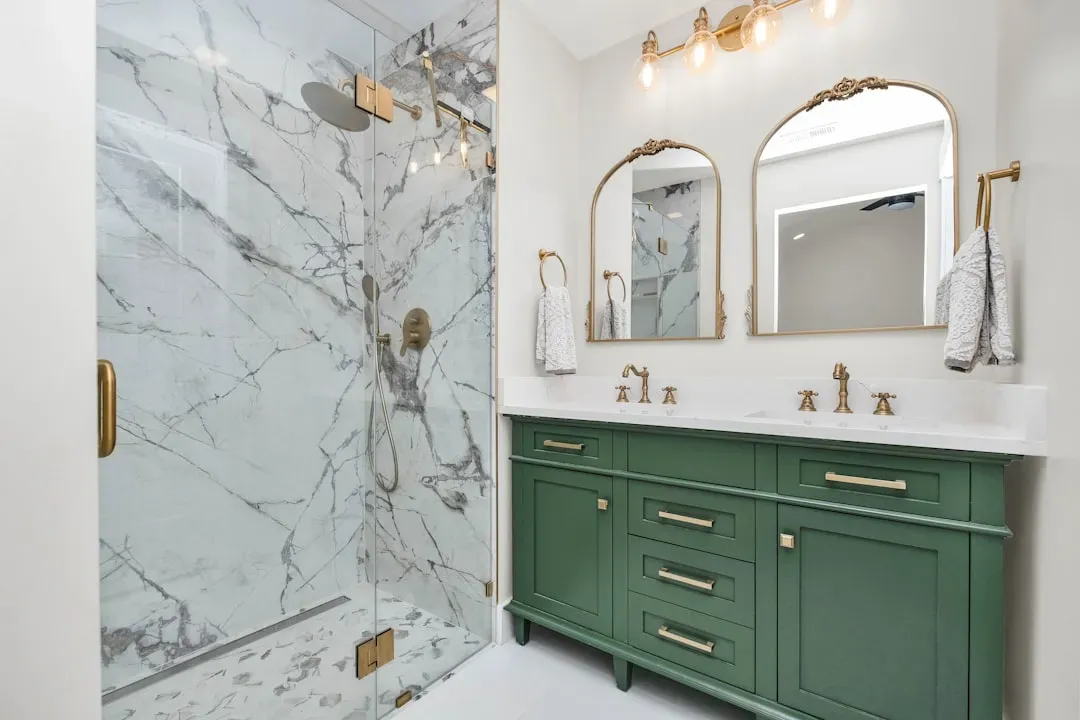
Clutter is one of the fastest ways to make a small feel smaller, and the fix doesn’t have to be expensive. Current guidance from real estate professionals is straightforward on this point: storage is truly king in 2026. A simple open shelf, a woven basket under the sink, or a slim cabinet in an unused corner can solve the problem without any construction.
There’s also a shift away from storage that sacrifices function for looks. One New Jersey based agent noted that practicality is taking center stage, as floating vanities without storage are falling out of favor while streamlined designs with more function are in demand. The takeaway for a budget refresh is simple: pick pieces that hold things, not just pieces that look nice empty.
Bring in texture through natural, low-cost materials
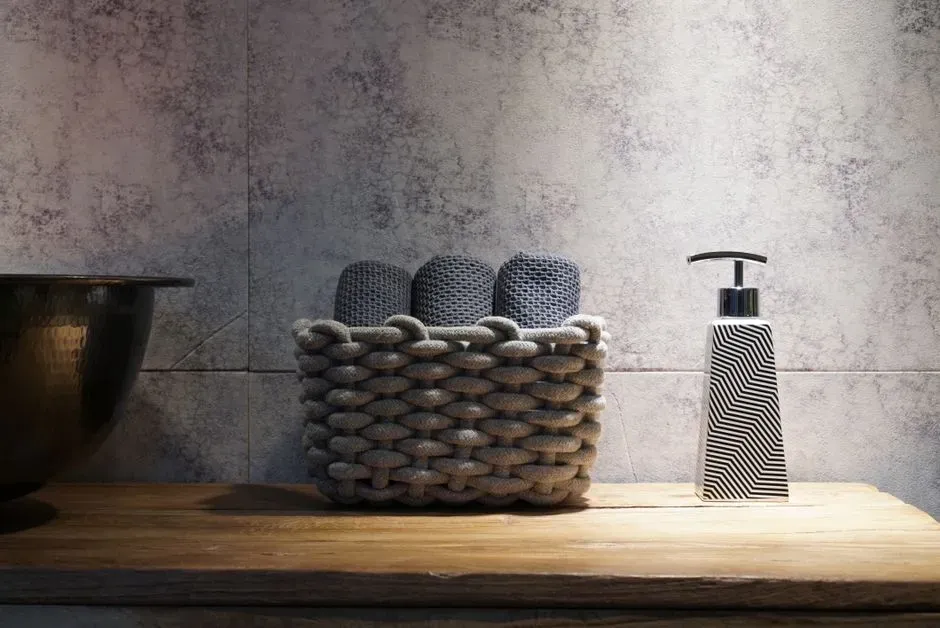
A doesn’t need marble to feel elevated. Woven baskets, a wooden stool, a stone soap dish, or a simple cotton bath mat introduce the kind of tactile variety that designers keep circling back to. As one trend report put it, there is a move towards s that feel softer and more grounded, where tile and other surfaces are chosen for the way they hold color, texture, and light.
This preference for texture over slickness extends to smaller accessories too. A textured hand towel or a ceramic tumbler with visible glaze imperfections can do more for a room’s warmth than a matching three piece set from a big box store. The goal isn’t perfection so much as a sense that someone chose these things on purpose.
Layer in soft textiles and a proper rug
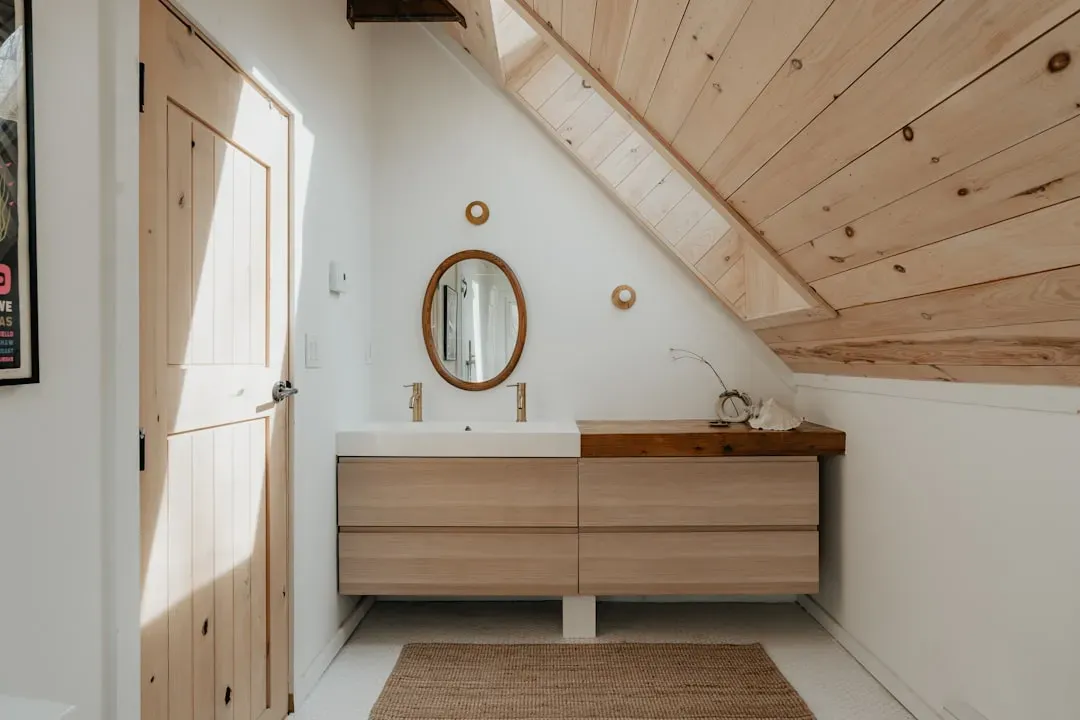
s are often treated as purely functional spaces, which is exactly why a good rug or a set of matching towels can feel like a small revelation. Soft materials absorb the hard edges of tile, porcelain, and glass, and they’re one of the easiest things to change seasonally without any real cost. A single well chosen bath mat in a color that echoes something else in the room ties a whole space together in a way that’s easy to underestimate.
The current design mood also favors comfort over sterility in this exact area. Reports on 2026 s describe a shift toward spaces that prioritize spa like spaces that emphasize sensory experiences and a calm atmosphere so people can truly disconnect. Soft textiles are one of the cheapest ways to move a in that direction.
Refresh the mirror, art, and small accessories
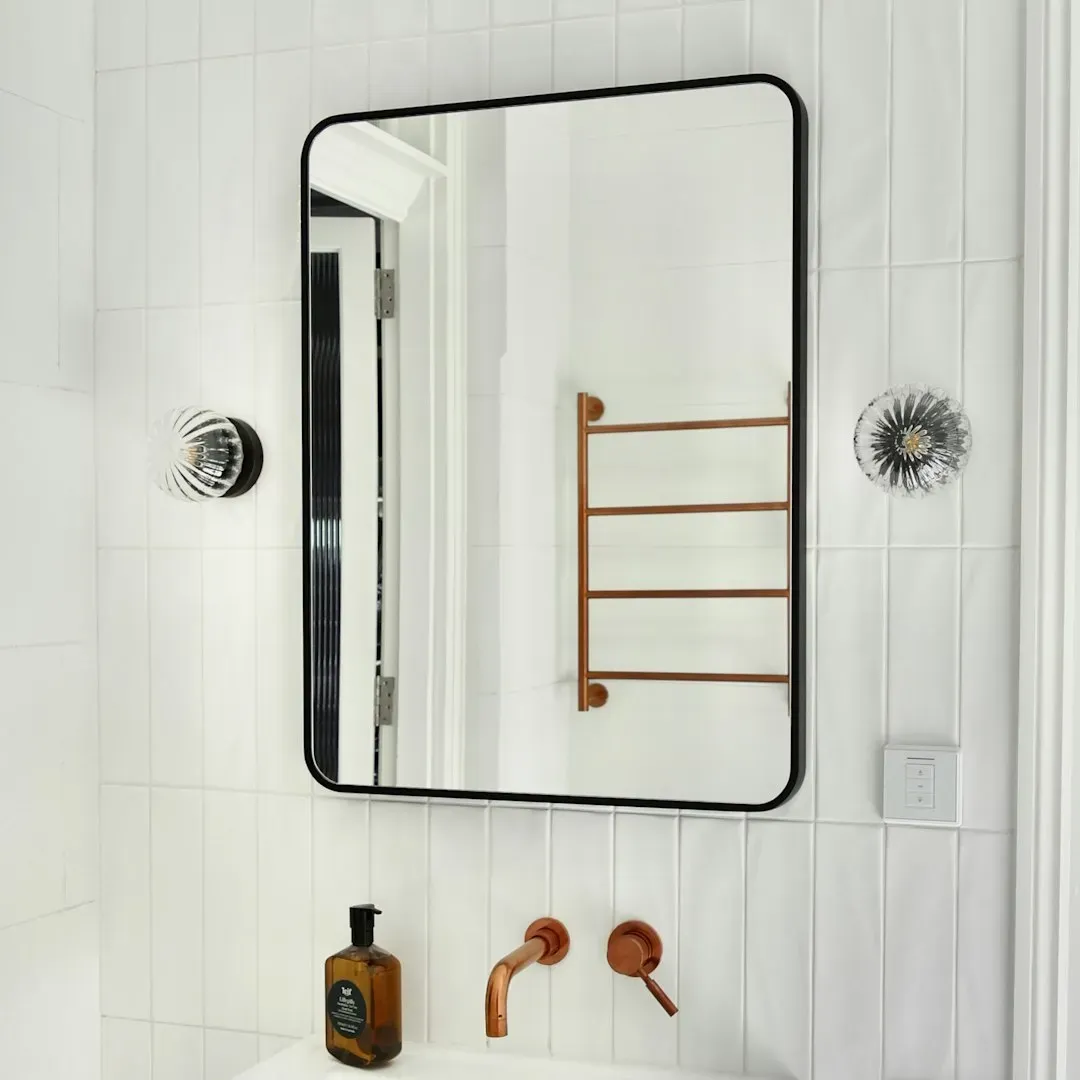
A dated mirror can drag down an otherwise decent , and replacing it is usually a simple, low-risk project. A framed mirror with some visual weight, rather than a plain builder grade rectangle, often does more to elevate a room than people expect going in. Pairing it with a small piece of art or even a single framed print adds a personal touch that a rarely gets.
This idea of treating the like a real living space rather than a purely utilitarian room is gaining traction across the design world. One industry guide notes that homeowners are now seeing the rise of organic modernism and quiet luxury, where the is treated as a furnished living environment, incorporating artwork and architectural wall accents. A twenty dollar print can be a small step in that same direction.
Consider a targeted vanity or countertop update
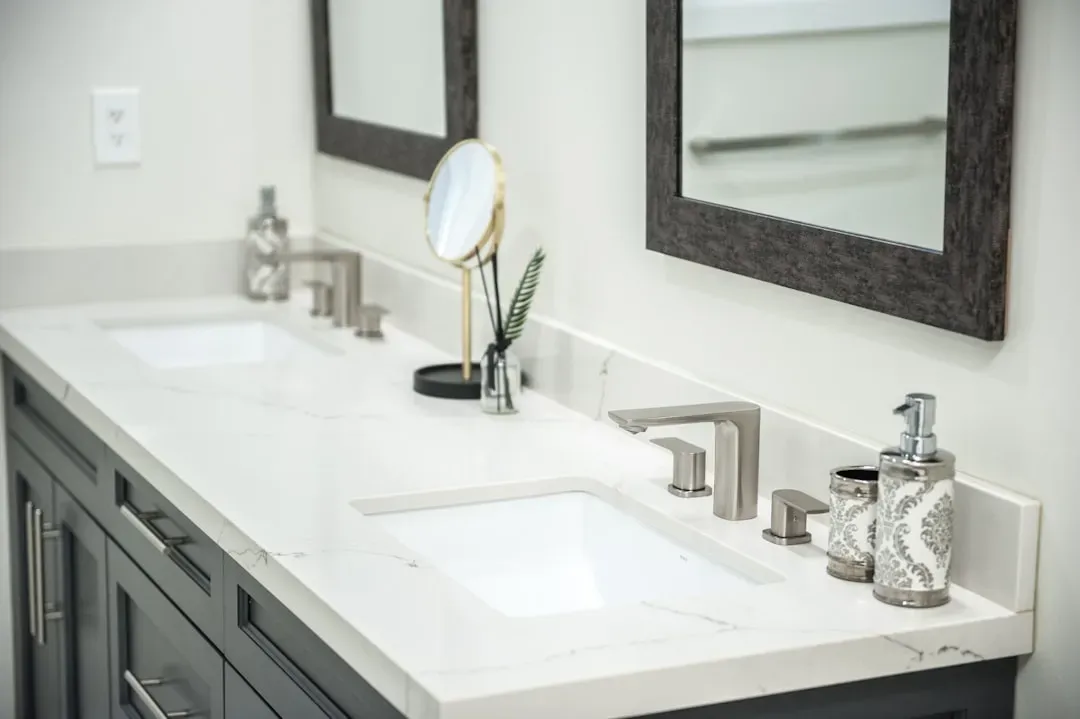
If there’s room in the budget for one bigger move, the vanity is usually where it counts most. Renovation data consistently backs this up, since upgrading the vanity is often cited by real estate pros as one of the best projects for boosting a ‘s appeal, with a floating vanity paired with a durable quartz countertop giving a clean, modern look. Even swapping just the countertop while keeping the existing cabinet can refresh the whole sink area for a fraction of a full remodel cost.
Material choice matters here too, and quartz has become the default recommendation for good reason. Recent industry figures show that quartz has overtaken granite as the most popular vanity top material, with buyers favoring it because it’s non-porous, low-maintenance, and stylish. It’s a practical upgrade that also happens to photograph well, which matters if a sale is anywhere on the horizon.
Final thoughts