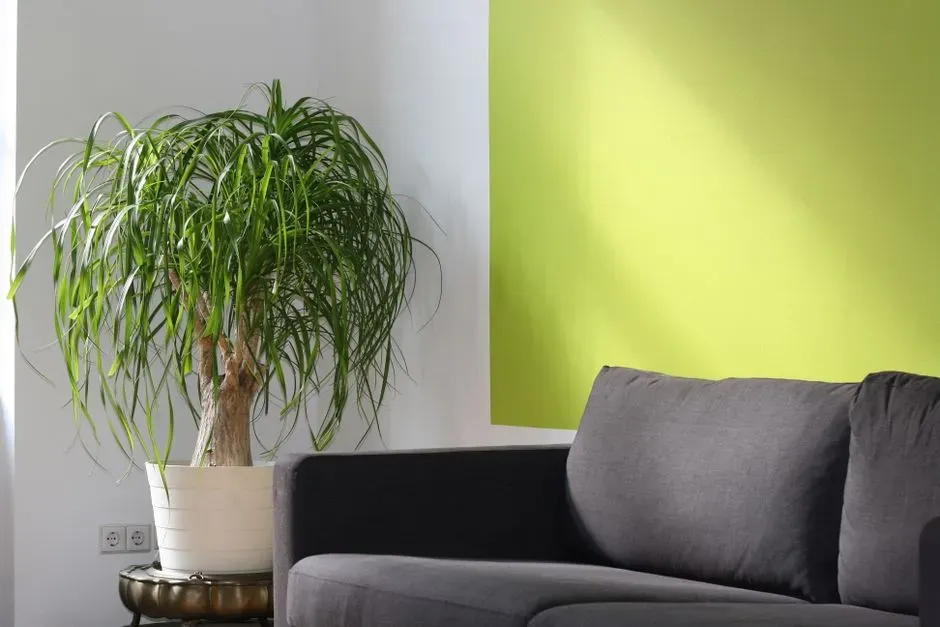
Floor to ceiling windows and the return of daylight
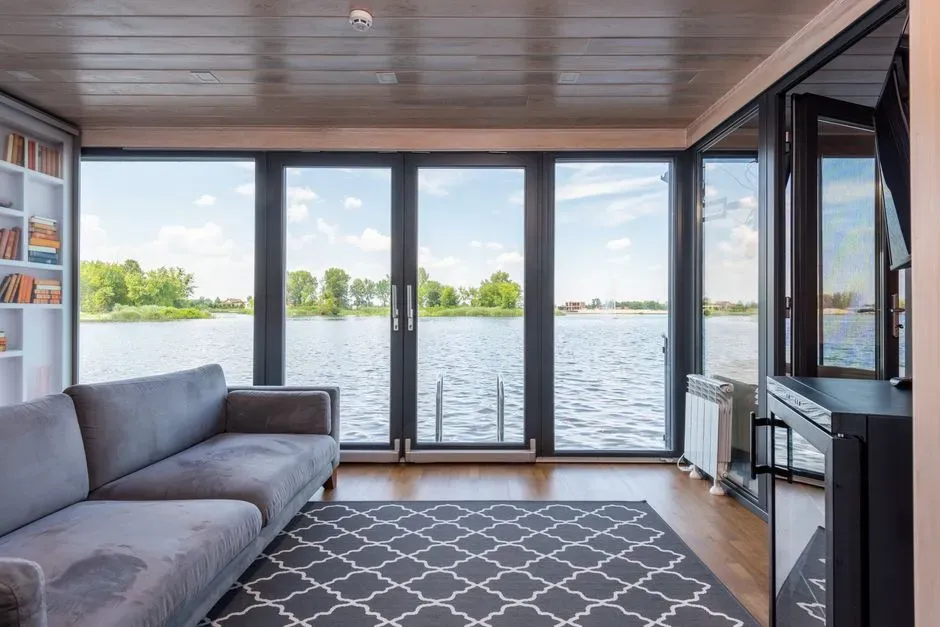
Large windows have become one of the clearest signals of a nature focused home, and for good reason. Large windows for natural light, indoor gardens, wood and stone elements, and organic forms in architecture and furnishings are common features people now look for. Homeowners aren’t just chasing a view anymore, they’re chasing the feeling that comes with a sunlit room.
The science backs up the instinct. Letting natural light into a home during the day supports healthy circadian rhythms, which leads to better sleep quality and overall health, and installing larger or strategically placed windows can help increase daylight exposure. There’s also a practical upside beyond mood, since environments rich in natural light lead to improved concentration, reduced drowsiness, and enhanced cognitive performance.
Wood grain and the warmth of raw materials
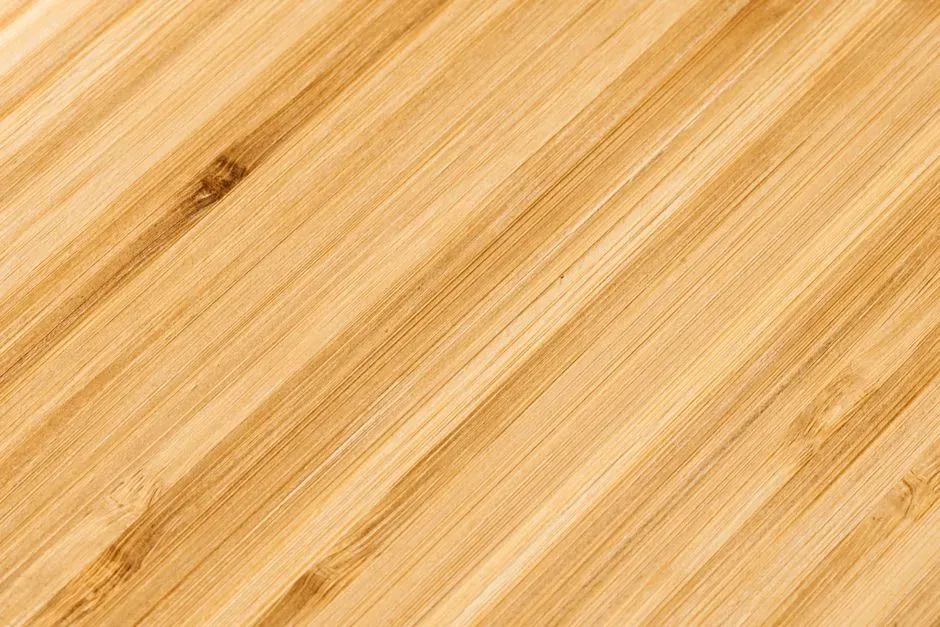
Wood has never really gone out of style, but the way it’s being used has changed. Designers are moving away from anything that looks manufactured or overly smooth. Decor materials should be truly grounded in nature, opting for elements of real stone or solid wood instead of engineered look alikes.
This preference shows up in real buying behavior too. Amazon data reveals strong demand for natural wood furniture, with opportunities for product improvement to enhance customer satisfaction. The appeal isn’t just visual; a home built with visible grain and imperfect edges tends to feel lived in rather than staged, which is exactly the point for many homeowners chasing warmth over polish.
Living walls and the rise of indoor greenery
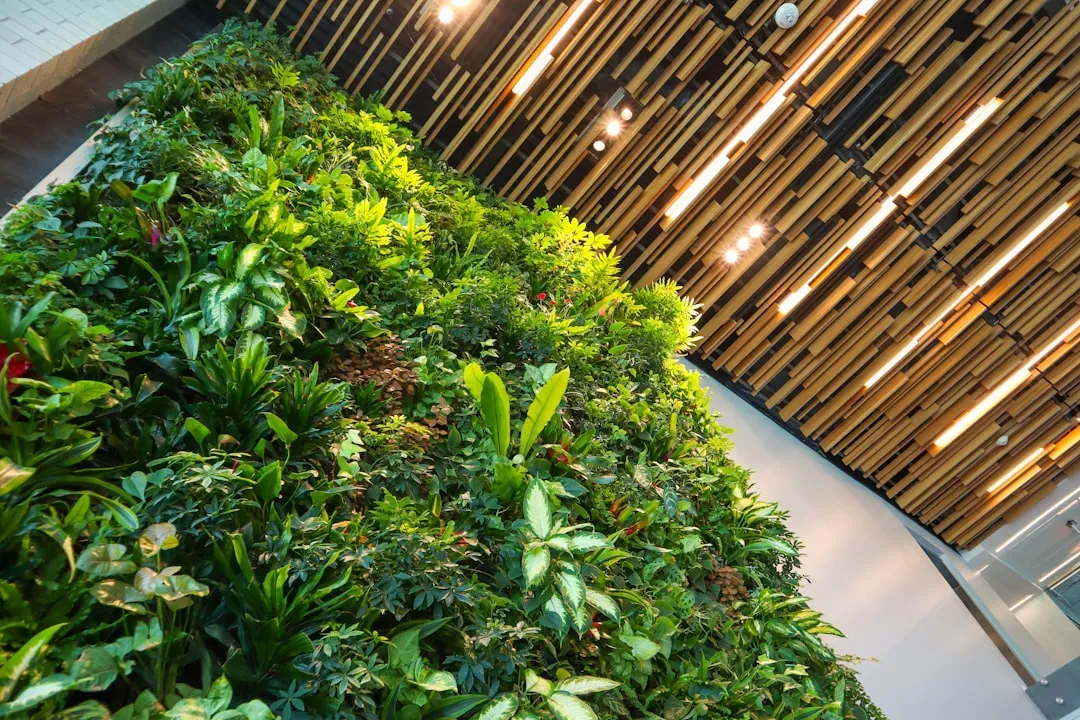
Plants have moved from windowsill decoration to structural design element. For years, greenery was treated as an add-on, installed at the end of a project or placed after handover, but in 2026 biophilia begins at the concept phase, embedded into the structure, orientation, materials, lighting, and spatial intent of the build. That’s a meaningful shift from treating a plant as an accessory to treating it as part of the architecture.
The demand data reflects this too. The search query “low light indoor plants” consistently shows the highest search volume, indicating a strong and sustained interest in indoor plants that are easy to maintain. Even at a smaller scale, a single well placed fern or trailing vine can shift how a room reads, softening hard corners and giving a still space a sense of quiet motion.
Stone surfaces and the appeal of natural texture
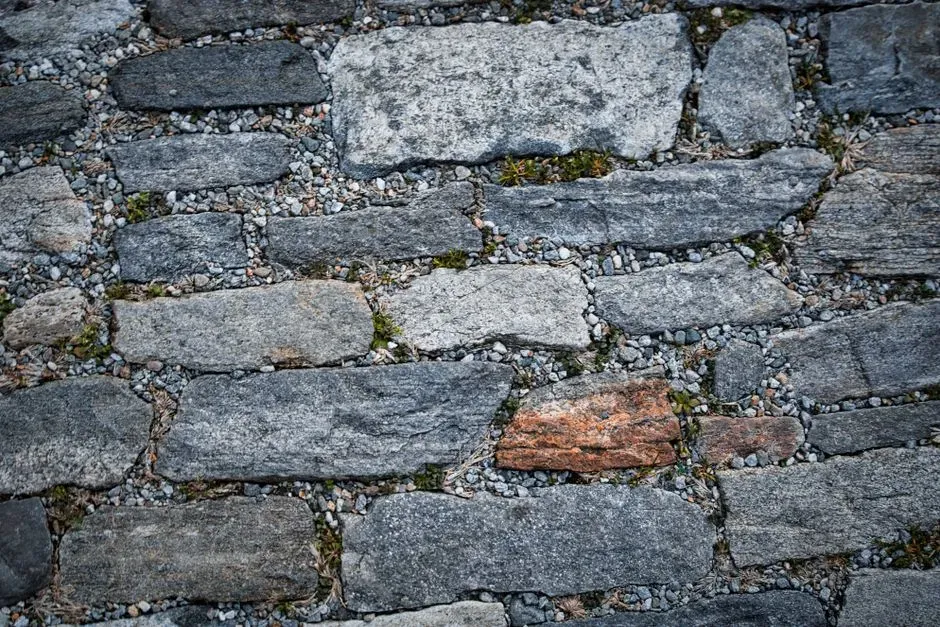
Stone has quietly become one of the defining materials of the current design moment. Expect to see more stone with dramatic veining, richly grained wood, natural fibers, living walls, and large windows that bring natural light into the home. Unlike smooth engineered surfaces, natural stone carries visible history in its veining and texture, which gives a kitchen island or bathroom counter a sense of permanence.
What makes stone particularly compelling in 2026 is how it’s being paired with other organic elements rather than used in isolation. Organic textures such as raw wood, rattan, and stone enhance the sensory connection to the natural world, and layering greenery with tactile textiles like linen and jute creates spaces that are not only serene but alive.
Blurring the line between indoors and outdoors
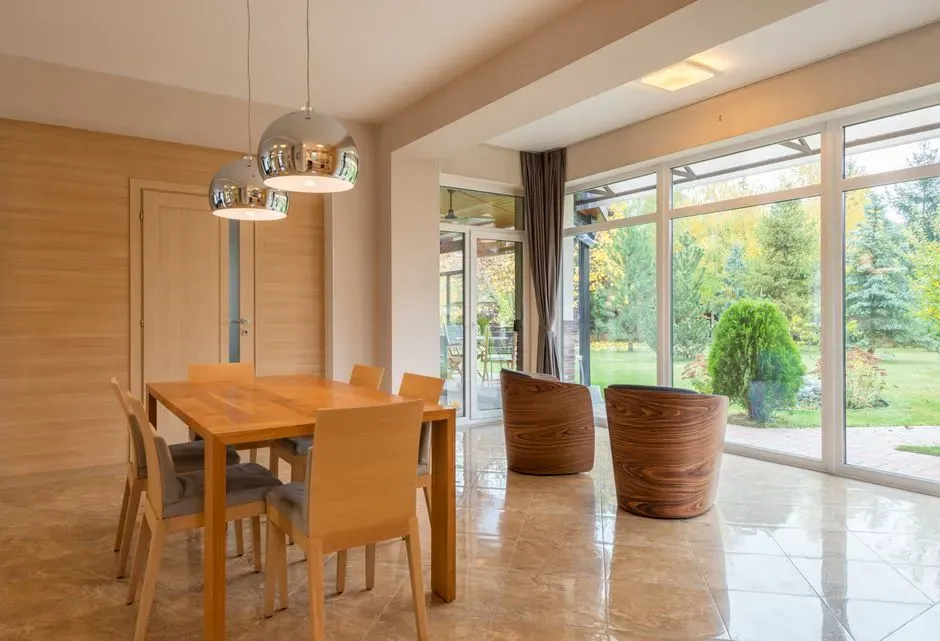
Some of the most memorable homes are the ones where you can’t quite tell where the living room ends and the garden begins. This indoor outdoor approach has moved from a luxury feature to a genuine market driver. A recent trend report from Realtor.com shares that biophilic and indoor outdoor home features are ranked second among the fastest growing listing trends in 2025.
The imagery associated with this style is almost cinematic in its simplicity. Imagine waking up to sunlight streaming through floor to ceiling windows, where the greenery of a garden spills into the living space, which is the heart of biophilic design. It’s less about a single dramatic renovation and more about removing the visual barriers that usually separate a house from the land around it.
Organic shapes replacing rigid lines
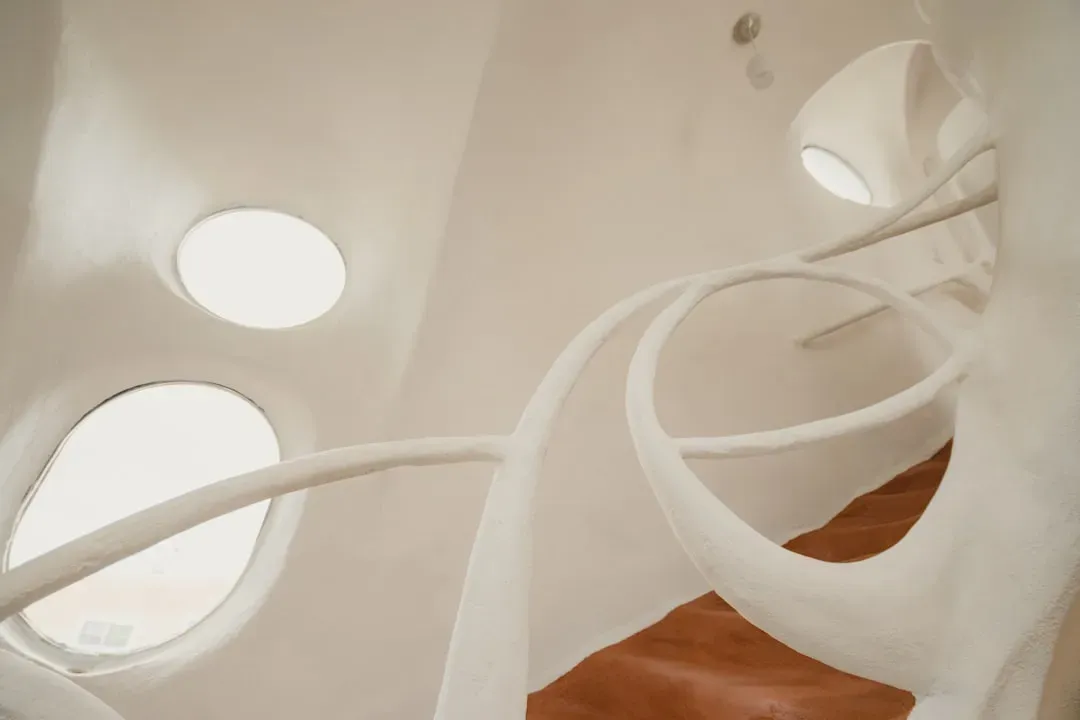
Straight edges and sharp corners are giving way to something softer. Curved furniture, rounded doorways, and biomorphic patterns are appearing across otherwise minimalist homes. Sculptural and organic shapes are becoming a key design trend, adding softness, movement, and artistic flair to interiors.
This isn’t purely decorative either. Biomorphic patterns, meaning shapes and textures inspired by nature, work alongside natural elements like plants, water features, natural light, and fresh air to create functional wellbeing. A curved headboard or an organically shaped coffee table might seem like a small detail, but it changes how a room moves the eye and, in turn, how relaxed a space feels.
Earthy color palettes drawn from the landscape
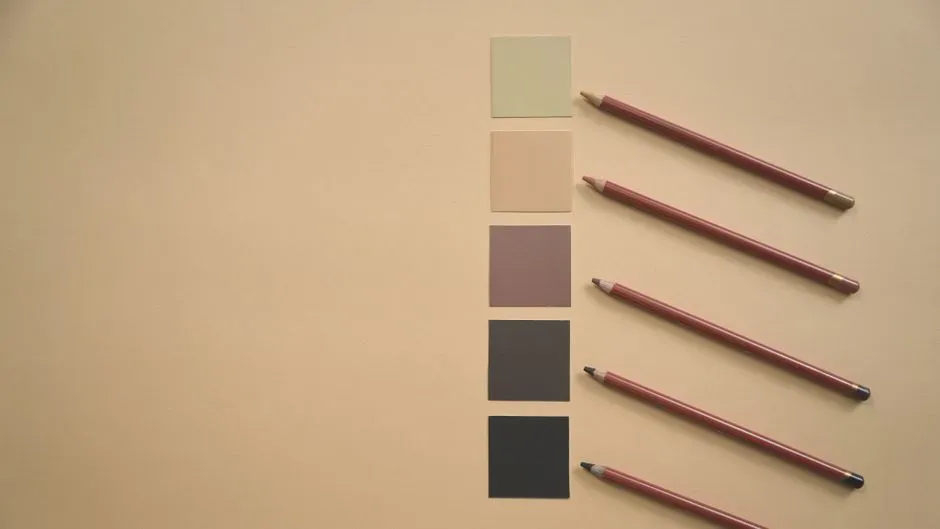
Color choices have followed the same nature driven logic as materials. Instead of stark whites or heavily saturated accent walls, homeowners are leaning into shades pulled straight from the outdoors. A strong biophilic color scheme uses shades easily found outdoors, and natural does not have to mean neutral, since pops of color can come from forest greens, sky blues, or warm desert oranges.
These palettes tend to age well precisely because they aren’t chasing a trend cycle. Pairing decor with creamy neutrals or muddy greens ties a room to current palettes without feeling locked into a single moment in design history. A room painted in earthy tones simply reads as calmer, regardless of what year it happens to be.
Sustainable and reclaimed materials with a story
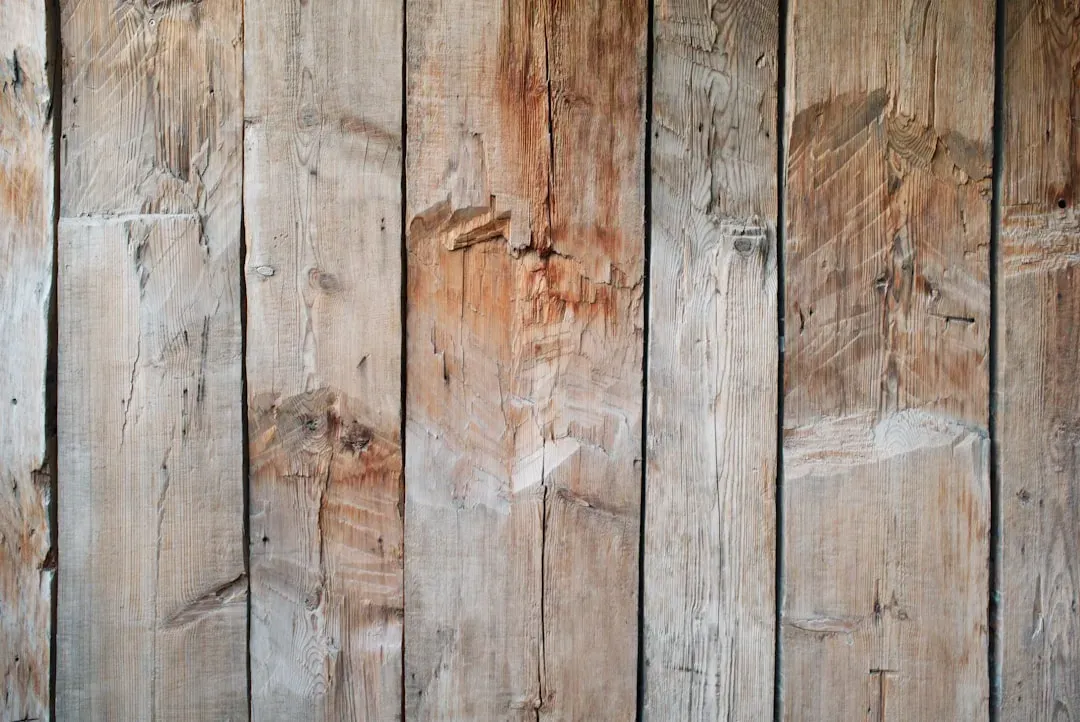
Sustainability has become inseparable from the natural beauty conversation, not as an afterthought but as a defining feature. Reclaimed woods, recycled metals, and biodegradable textiles are now imbued with a sense of understated elegance rather than treated as compromises. There’s a growing appreciation for materials that carry visible history rather than looking freshly manufactured.
This extends to the objects people choose to fill their homes with, not just the structural materials. Homeowners increasingly seek out unique, handmade items that tell a story, like a handwoven rug from a small village or a one of a kind ceramic lamp, reflecting a broader movement toward supporting artisans and preserving traditional skills. A home filled with these pieces tends to feel collected rather than purchased all at once, which is part of the appeal.
Water features and sensory calm

Sound is an underrated part of natural beauty in the home, and water has become a quiet way to bring it in. A softly running fountain or a small indoor water feature does something that visual elements alone can’t quite replicate. A living wall with ferns or a water feature that hums softly can anchor a wellness nook without requiring a major renovation.
The reasoning behind this trend goes beyond ambiance. Natural textures and analog elements like water sounds counter screen fatigue, offering a response to the constant digital overload many people feel at home. It’s a small design choice with an outsized effect, since even a few minutes near flowing water can noticeably shift the tone of a room.
Dedicated wellness spaces built around nature
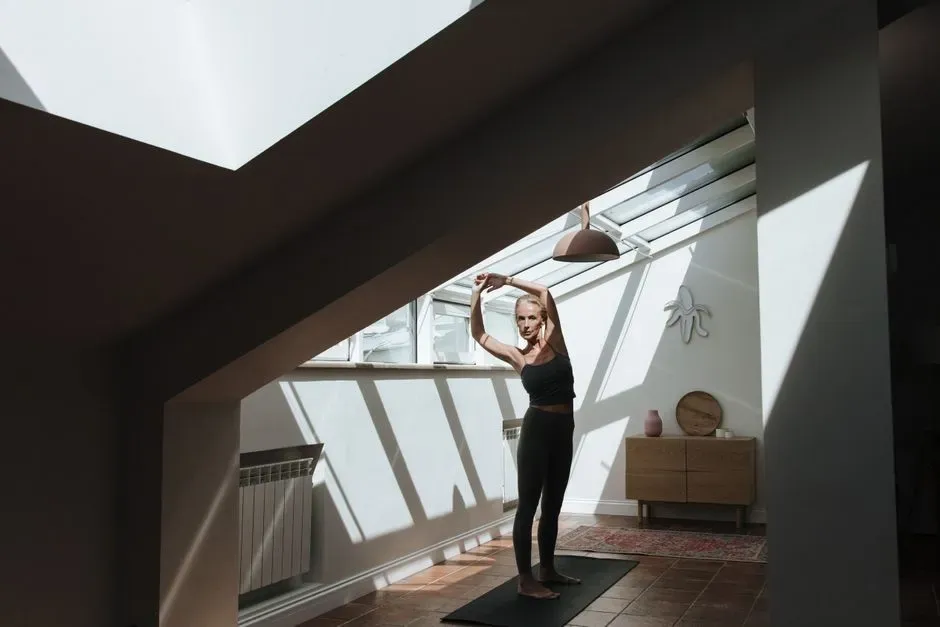
Perhaps the biggest shift in recent years is the amount of square footage now dedicated purely to restoration. Reading nooks, meditation corners, and spa style bathrooms have become standard requests in renovation projects rather than luxury add ons. This translates into intentional spaces designed for specific purposes, such as meditation corners, spa like bathrooms, or reading alcoves, where natural materials and soft, diffused lighting play key roles in fostering calm and relaxation.
These rooms tend to work because they’re designed around a single sensory goal rather than trying to do everything at once. Human centered design has expanded from functional and emotional needs to sensory wellness, since people want spaces that make them feel grounded, energized, focused, or calm. A single well designed corner of a home, built with intention, can end up doing more for daily wellbeing than an entire open floor plan built without any particular focus at all.
The lasting appeal of nature at home