
Let natural light do the work

Light has a way of making even a slightly cluttered room feel more put together. Pulling back heavy curtains, cleaning window glass, and trimming anything blocking a window can instantly change how a room reads. Rooms that feel dim tend to also feel neglected, even when they aren’t particularly dirty.
If natural light is limited, layering in warm, indirect lamps can create a similar effect. Harsh overhead lighting tends to highlight dust and clutter, while softer light sources are more forgiving and inviting. This is a simple fix that costs little but changes the entire mood of a space.
Make bed-making a two-minute habit

An unmade bed can make an entire bedroom look unfinished, no matter how tidy everything else is. Taking a couple of minutes each morning to straighten sheets and fluff pillows creates an anchor point of order in the room. It is one of the fastest visual wins in the whole house.
This habit also tends to set a tone for the rest of the day. People who make their beds regularly often report feeling more organized overall, since it is a small task that reinforces a sense of control. It costs nothing and takes almost no time, yet the payoff is noticeable every time you walk into the room.
Keep entryways and doorstep areas clear
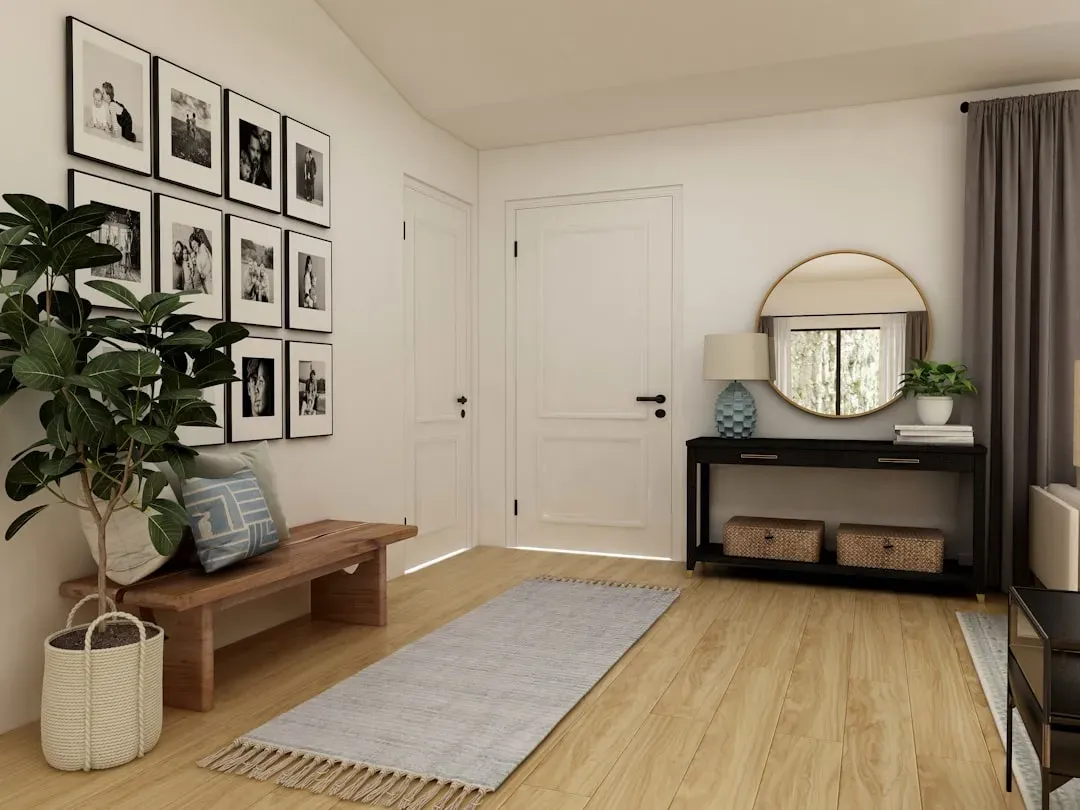
Entryways are the first impression of a home, both for guests and for the people who live there. A cluttered pile of shoes, bags, or unopened mail near the door can make the whole house feel chaotic before you even step inside. A small tray, basket, or hook system near the entrance keeps these items contained instead of scattered.
Even five minutes spent clearing this space each evening prevents it from spiraling into a dumping ground. Since it’s the area seen most often, keeping it tidy has an outsized effect on how fresh the whole home feels. This is one of the easiest habits to build because the payoff is immediate and visible.
Wipe down surfaces daily, not weekly

Kitchen counters, bathroom sinks, and dining tables collect grime faster than most people realize, especially in households with pets or young children. A quick wipe with a damp cloth or all-purpose cleaner after use prevents buildup that eventually requires much more effort to remove. This habit takes seconds but keeps surfaces looking cared for rather than merely functional.
Daily wiping also reduces the spread of bacteria, particularly in kitchens where food preparation happens regularly. It is far less overwhelming to wipe a counter every day than to scrub it once a week after it has accumulated stains. Consistency here matters more than intensity.
Manage laundry before it piles up
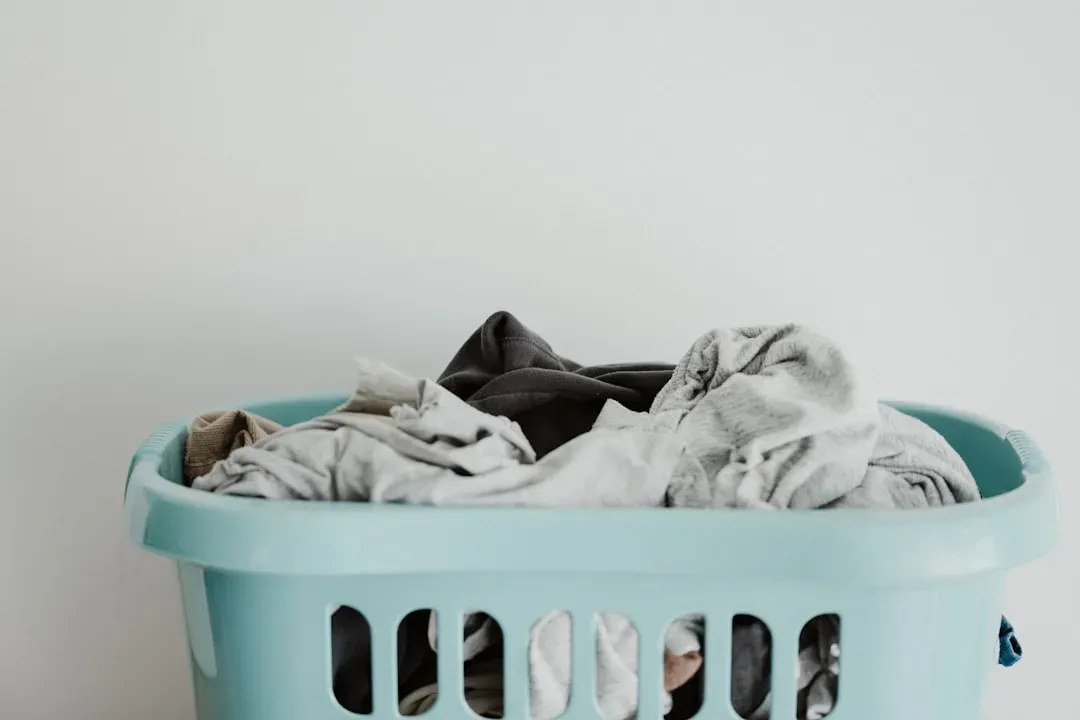
Laundry has a tendency to become one of the most visually overwhelming chores in any home, largely because it accumulates in plain sight. Doing smaller loads more frequently, rather than waiting for one large overflowing basket, keeps the process more manageable and less visually chaotic. It also reduces the temptation to leave clean clothes sitting in a basket for days.
Folding and putting clothes away immediately after washing prevents a secondary pile from forming on a chair or bed. This is one of those tasks that feels tedious in the moment but saves considerable time and stress later. A home with no random clothing piles instantly reads as more organized.
Declutter in short, regular bursts
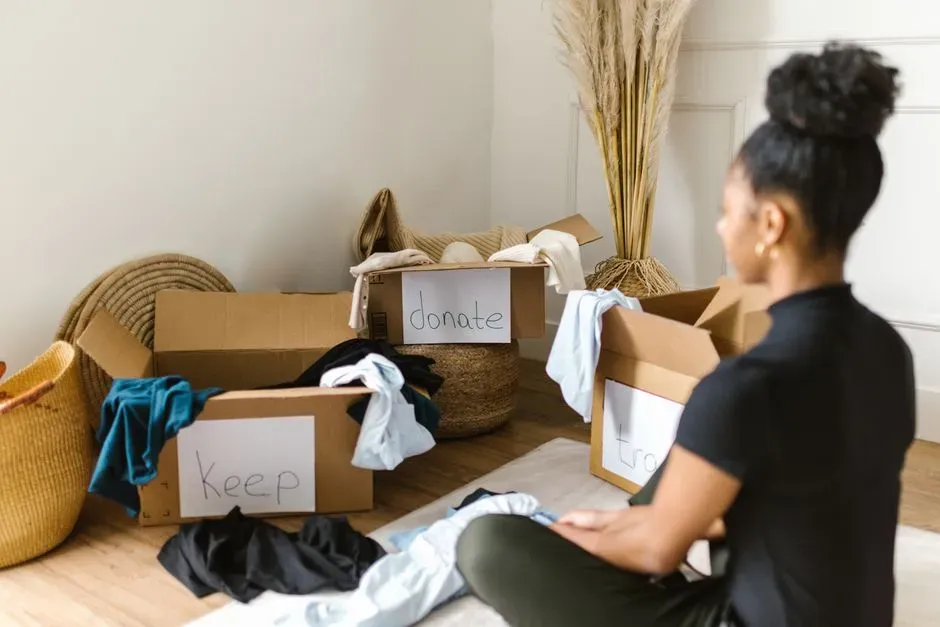
Rather than saving decluttering for one exhausting session, spreading it into short ten to fifteen minute bursts throughout the week tends to be far more sustainable. This approach prevents the buildup of unnecessary items that make rooms feel cramped and disorganized. It also makes the task feel less like a chore and more like routine maintenance.
Focusing on one drawer, shelf, or surface at a time keeps the process from feeling overwhelming. Many organizing professionals recommend the “one in, one out” rule, where a new item replaces an old one rather than simply adding to what’s already there. Over time, this keeps possessions from slowly accumulating into clutter.
Freshen up textiles regularly
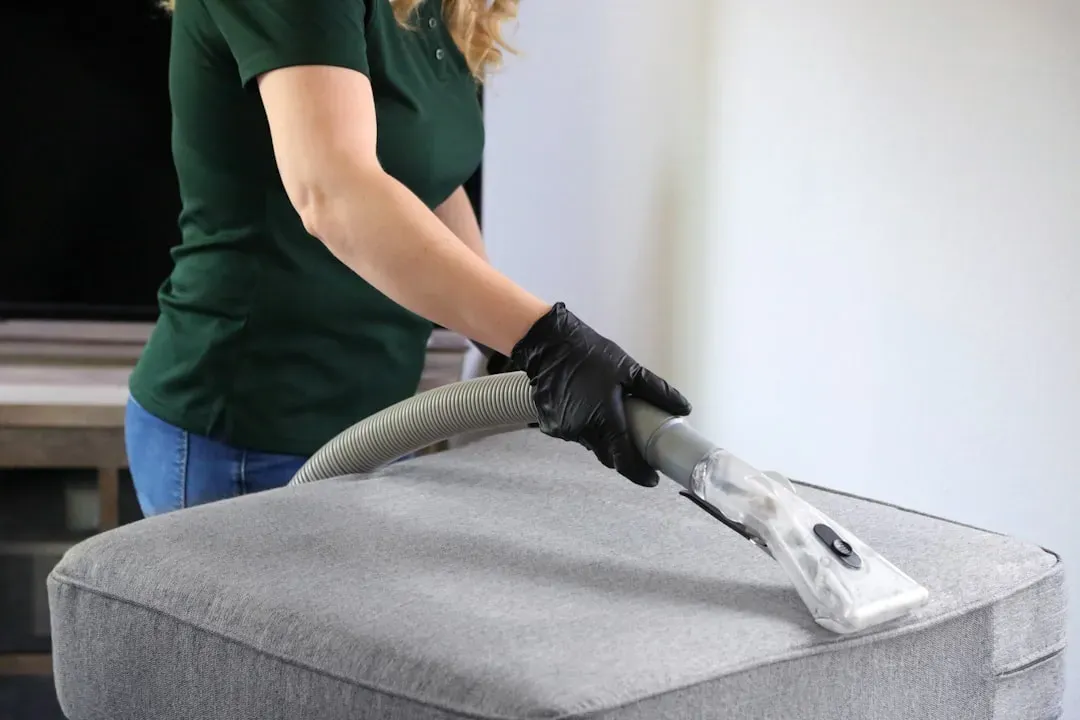
Curtains, rugs, throw pillows, and upholstery absorb odors, dust, and everyday wear more than most people notice until it becomes obvious. Shaking out rugs, airing cushions, and occasionally washing removable covers can dramatically improve how fresh a room smells and feels. These textiles act almost like sponges for the surrounding environment.
Rotating or swapping out a few textiles seasonally, such as lighter throws in warmer months, also keeps a space feeling current rather than static. This doesn’t require buying new items constantly, just paying attention to what’s already there. A home that smells clean often feels cleaner, even before a deep clean happens.
Control clutter with dedicated storage zones
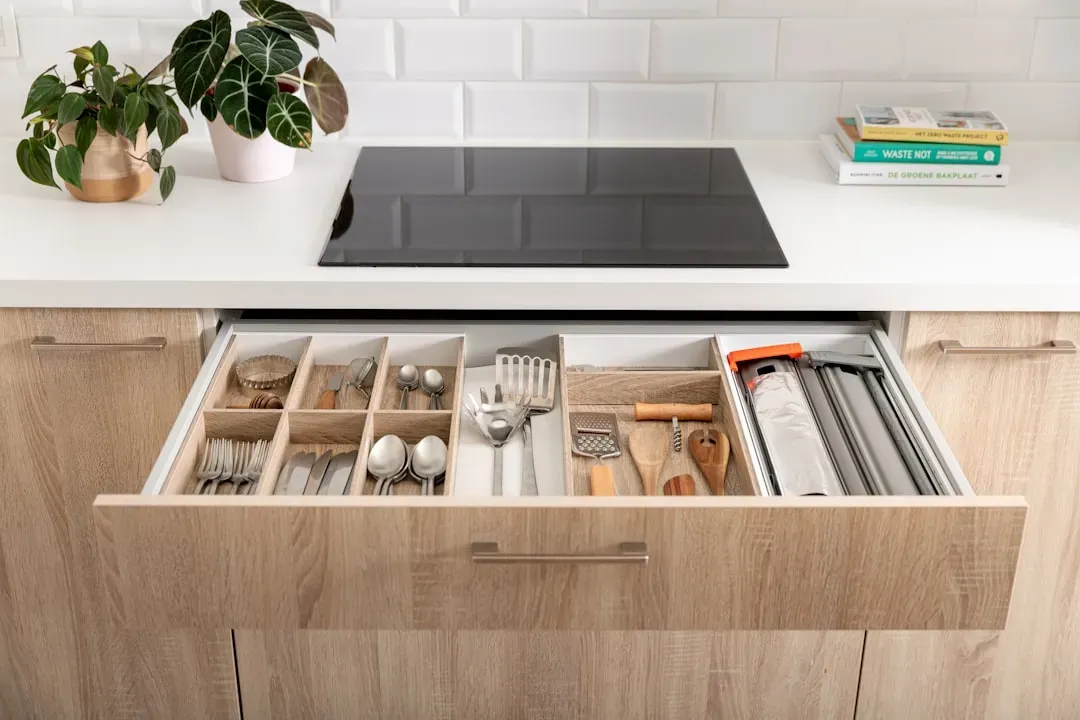
Every recurring item, from chargers to mail to loose change, benefits from having one specific place it belongs. When these small items don’t have a home, they tend to spread across counters and tables, creating visual noise. Simple solutions like drawer organizers, baskets, or labeled bins can contain this clutter effectively.
The goal isn’t to hide everything away permanently, but to make sure everyday items have an obvious, consistent spot. This reduces the mental friction of “where does this go,” which is often what causes clutter to accumulate in the first place. A home with clear storage zones tends to stay tidy with far less daily effort.
Pay attention to air quality and scent

Fresh-looking homes are almost always paired with fresh-smelling air, since the two senses are closely linked in how people perceive cleanliness. Simple habits like opening windows for a few minutes daily, using an air purifier, or maintaining a clean HVAC filter can noticeably improve indoor air quality. Stagnant air tends to trap odors and make even a tidy room feel stale.
Natural options like houseplants, which can help filter certain airborne particles, or simple habits like taking out trash before it becomes an issue, also contribute to this effect. Scented candles or diffusers can help, but they work best as a finishing touch rather than a cover-up for underlying issues like trapped moisture or unclean surfaces. Addressing the root cause of odors is always more effective long term.
Do a five-minute reset before bed
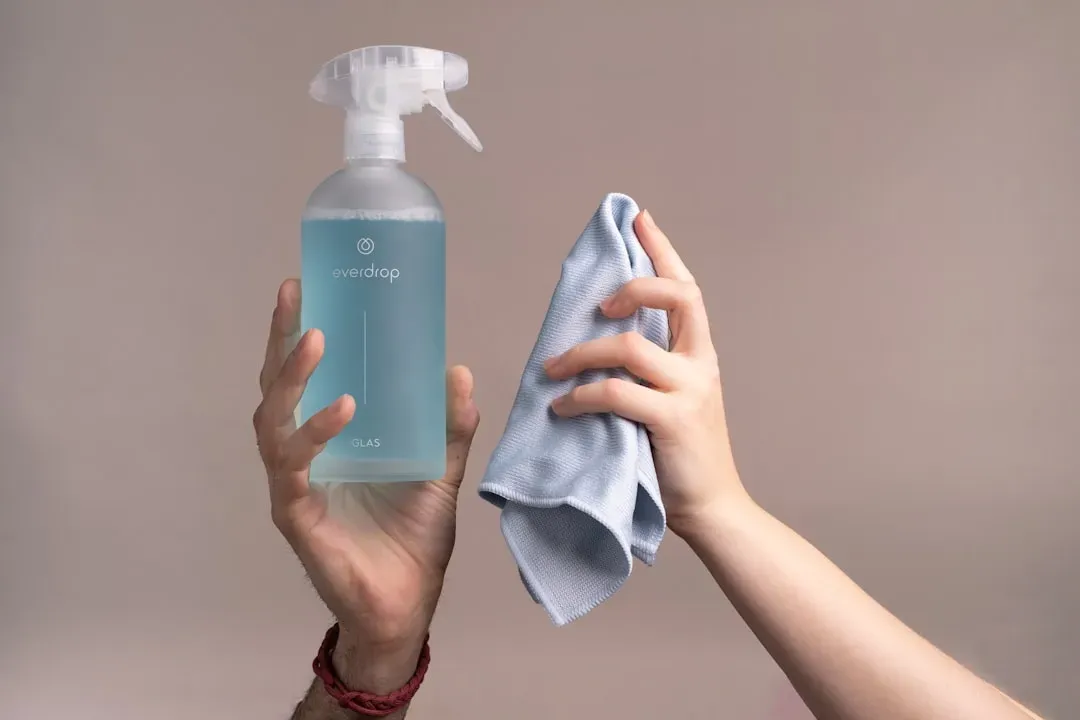
Ending the day with a short reset, putting dishes away, straightening cushions, and clearing surfaces, means waking up to a home that already feels orderly. This small nightly habit prevents the gradual buildup that happens when tasks are left “for tomorrow.” It is a low-effort way to maintain momentum without adding significant time to your evening routine.
Many people find that this habit also improves their mood the next morning, since starting the day in a clean space reduces a small but real source of daily stress. It doesn’t require deep cleaning tools or extensive effort, just a consistent five to ten minutes each night. Over time, this becomes one of the most reliable ways to keep a home consistently looking fresh.