
Some design choices come and go with the seasons, but a handful of decor moves seem to stay in favor no matter what year it is. Walk through any well designed home, whether it leans modern, traditional, or somewhere in between, and you’ll likely spot a few recurring elements that quietly do the heavy lifting.
These aren’t flashy trends chasing attention on social media. They’re the kind of choices that designers return to again and again because they simply work, and they tend to age well long after a passing fad has faded.
1. Layered neutral color palettes
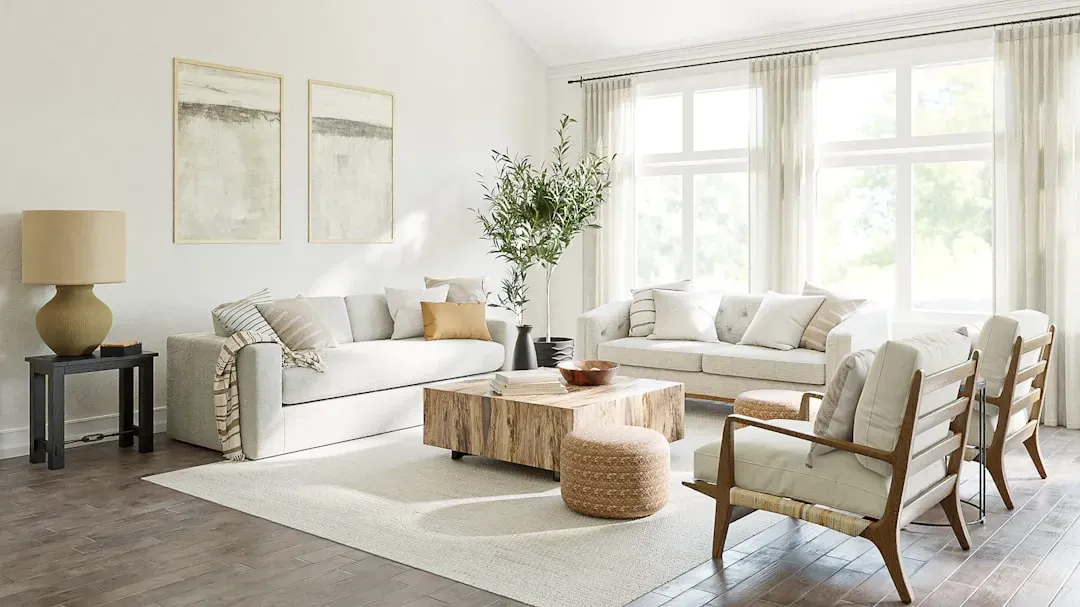
A room built on layered neutrals, think warm whites, soft beiges, greige, and muted taupe, almost always reads as calm and considered. The trick isn’t picking one shade and calling it done. It’s stacking several close tones together through walls, textiles, and furniture so the space feels rich rather than flat or sterile.
Interior designers have leaned on this approach for years because neutrals give a room longevity. Bold accent colors can shift with trends, but a well layered neutral base tends to stay flattering regardless of what throw pillow color happens to be popular that particular season.
2. Statement lighting fixtures
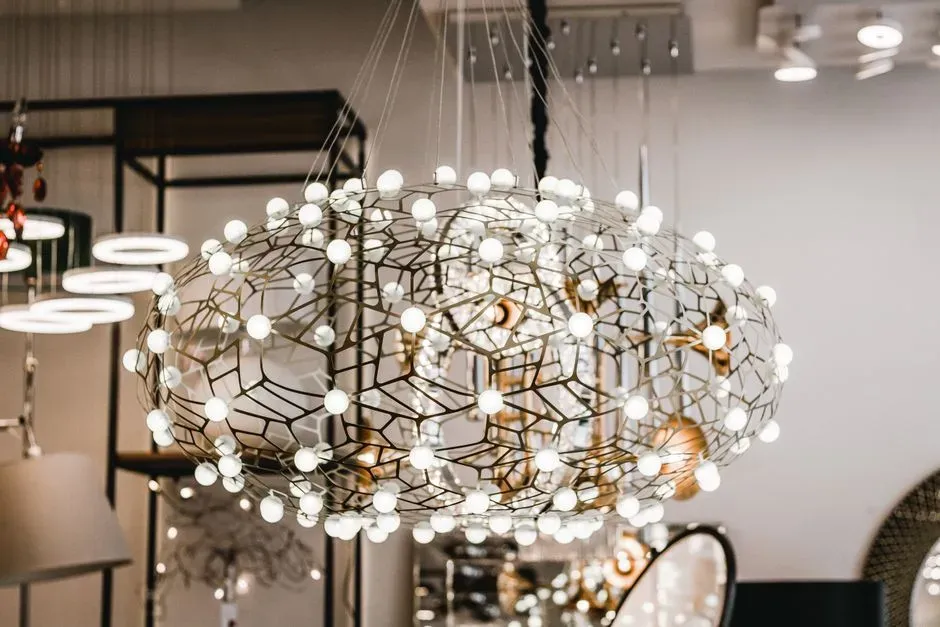
A single well chosen light fixture can shift the entire feel of a room, which is part of why oversized pendants, sculptural chandeliers, and sculptural table lamps keep showing up in elegant interiors. Lighting works almost like jewelry for a space, drawing the eye upward and adding a sense of intention that recessed ceiling lights alone rarely achieve.
The elegance here comes from proportion as much as style. A fixture that’s slightly larger or more sculptural than expected tends to make a room feel curated rather than accidental, and it works across nearly every design era from art deco to contemporary minimalism.
3. Natural materials like wood, stone, and linen

Elegant rooms tend to favor materials pulled from nature rather than synthetic substitutes, and that preference isn’t just aesthetic. Wood grain, veined stone, and slightly textured linen all carry subtle irregularities that mass produced materials can’t replicate, which is part of why they photograph and feel more expensive even at modest price points.
This idea also has staying power because natural materials weather gracefully. A wood table develops character over years, while stone countertops or linen upholstery tend to soften or patina rather than simply look dated, which keeps a room from feeling stuck in a particular decade.
4. Symmetry in furniture arrangement
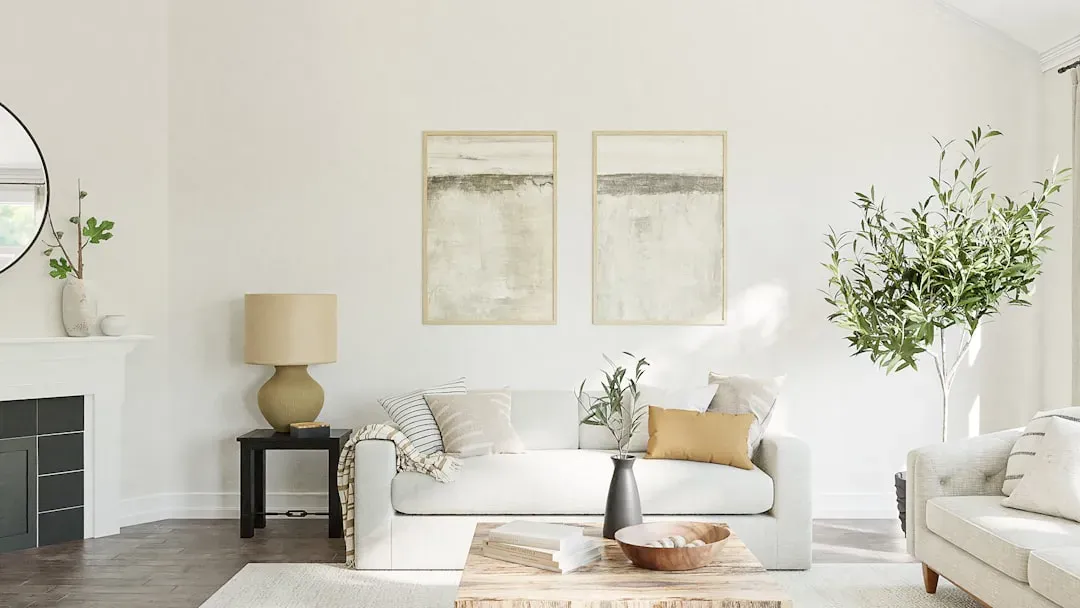
Symmetrical layouts, matching side tables flanking a sofa, identical lamps on either side of a bed, mirrored artwork above a mantel, create a sense of order that the eye reads as polished almost instantly. This isn’t a new concept; symmetry has anchored formal interior design for centuries, from Georgian architecture to mid-century modern living rooms.
What makes it durable as a design choice is how forgiving it is. Even a room with mismatched decor styles can feel pulled together simply by balancing shapes and sizes on either side of a central point, whether that’s a fireplace, a bed, or a large window.
5. Curated, intentional bookshelves
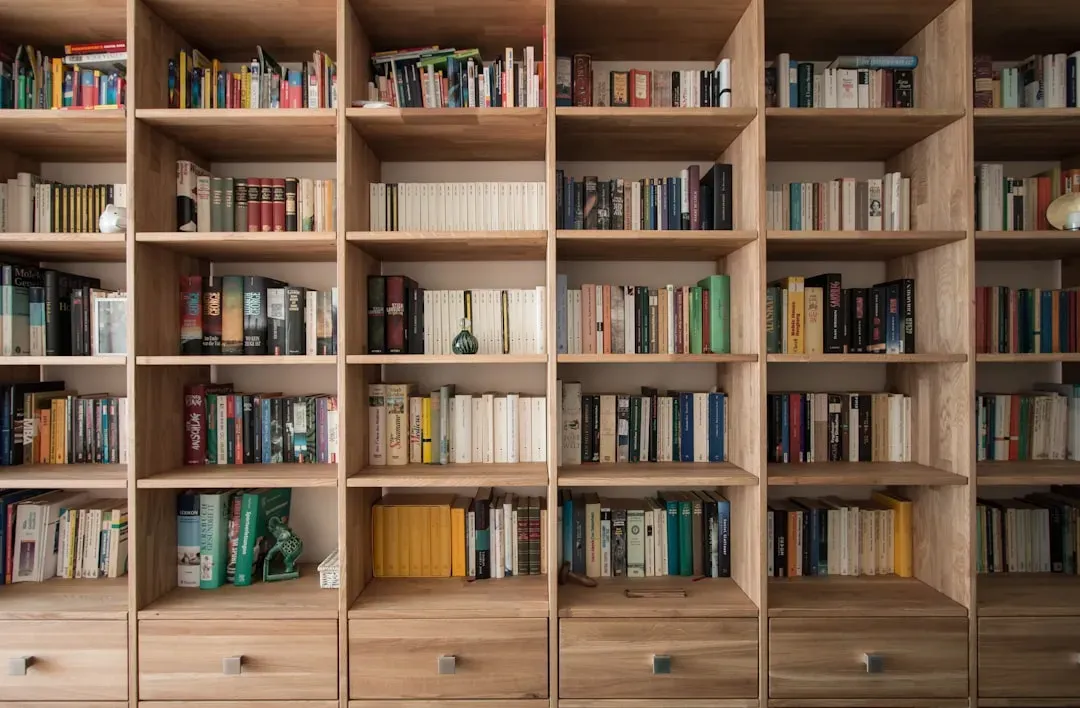
A bookshelf styled with restraint, mixing actual books with a handful of objects like ceramics, small art pieces, or a single plant, tends to look far more elegant than one crammed floor to ceiling with random items. The negative space between objects matters as much as what’s placed on the shelf itself.
This approach has grown more popular as minimalism and “quiet luxury” aesthetics have taken hold in recent years, but it’s rooted in an older design principle: showing restraint signals confidence, while clutter often reads as unresolved. A shelf with breathing room simply feels more deliberate.
6. Timeless art in simple frames
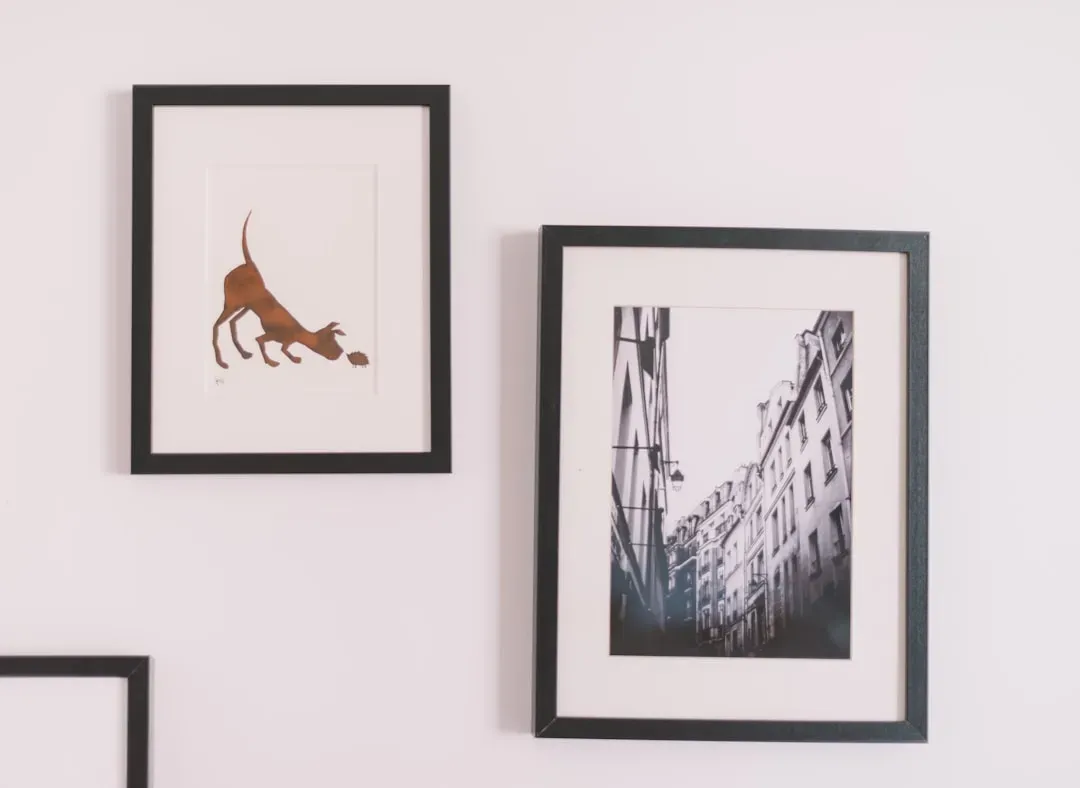
Original or high quality art, even a single well chosen piece, paired with a simple, understated frame tends to elevate a room more reliably than an abundance of smaller decorative pieces. Thin black, brass, or natural wood frames in particular have remained a steady choice because they let the artwork itself stay the focal point rather than competing with an ornate border.
This idea holds up because taste in art changes far more slowly than taste in trend driven decor items. A framed piece chosen for genuine appeal, rather than because it matched a passing color scheme, tends to still feel right on the wall years later.
None of these six ideas require a full renovation or a big budget to pull off. Small, consistent choices, in color, materials, lighting, and arrangement, tend to add up to a home that feels settled and well thought out rather than trend chasing.