
1. Hardwood floors
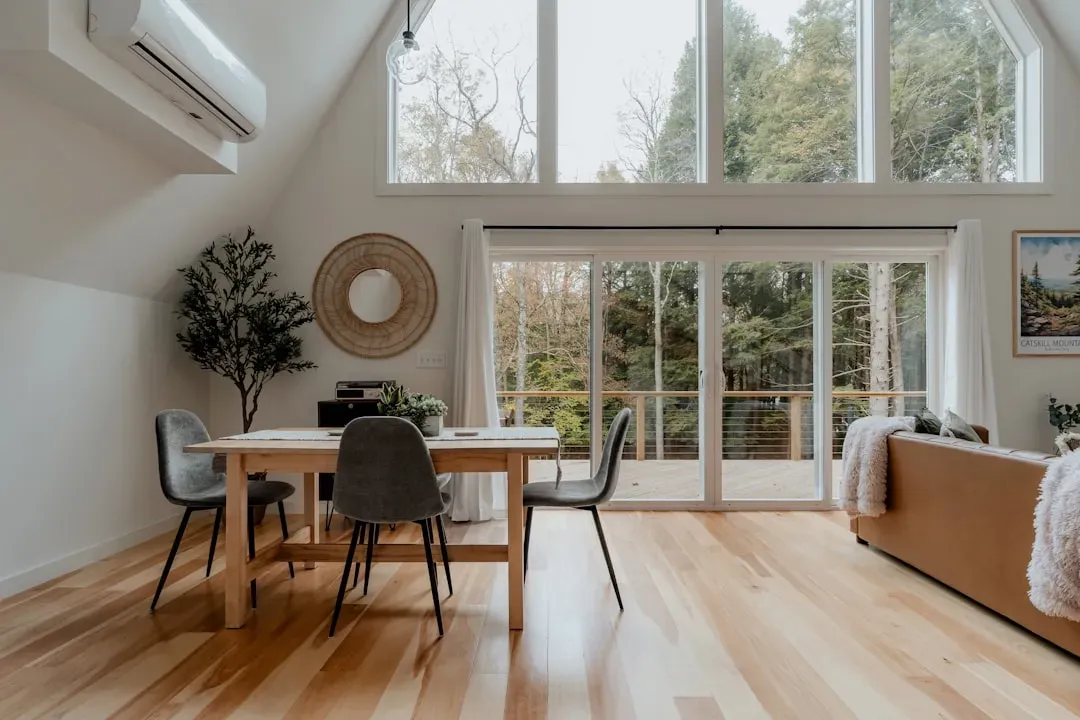
Few materials carry the same instant credibility as real wood underfoot. A survey by the National Association of Realtors found that 54% of homebuyers are willing to pay more for a home with hardwood flooring, and hardwood floors not only attract buyers but can also increase a home’s market price. That premium isn’t just anecdotal, either. According to a study by Realtor.com, homes with hardwood flooring can sell for up to 2.5% more than homes with other types of flooring.
Part of the appeal comes down to flexibility. Hardwood fits into just about any style, whether a home is modern, cozy, or somewhere in between, which is why it never really feels out of place, and because of that, it tends to hold strong resale appeal, with many buyers seeing it as a premium feature rather than something to replace. Even homeowners who inherited scuffed original floors have an easy win available, since the NAR reports that homeowners who refinish existing hardwood floors spend an average of $5,500 and recover an average of $8,000 at resale, a net gain of $2,500.
2. An open, sociable kitchen
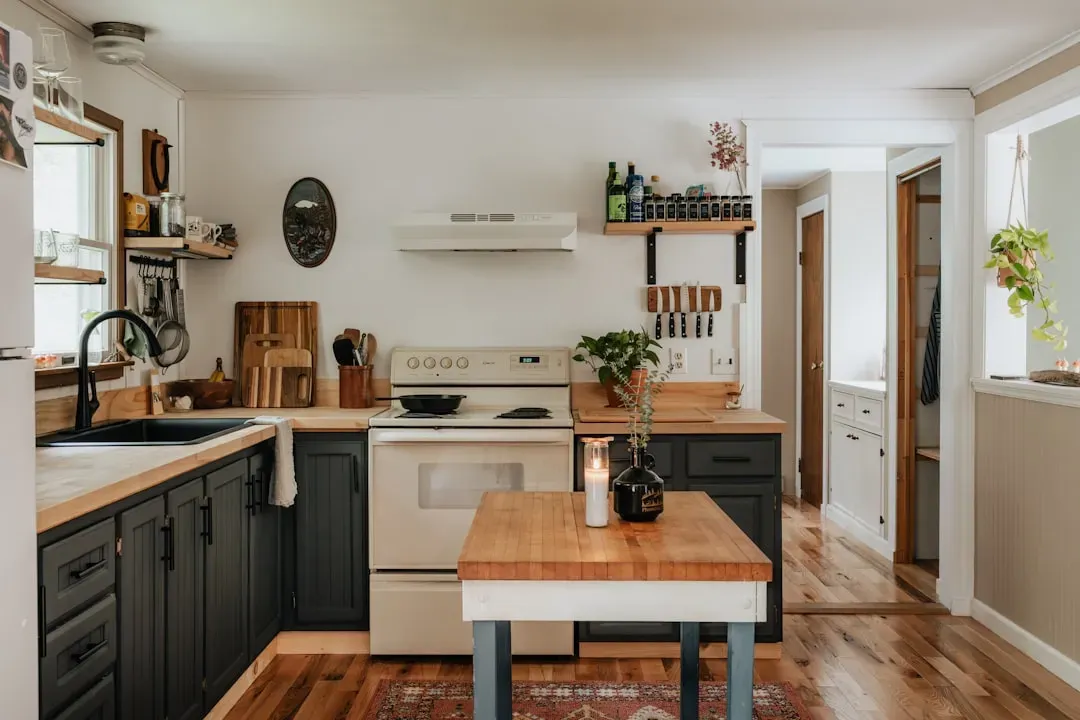
The kitchen stopped being a purely functional room a long time ago. As far as rooms go, the kitchen reigns supreme as the most important room in the home, with 41% of buyers prioritizing this space above all others, while the living or family room follows closely behind at 38%. That ranking has held steady across recent buyer surveys, which suggests it isn’t a passing preference tied to one particular design trend.
What’s changed is scale and connection. The kitchen remains the home’s social nucleus, only now it’s bigger, smarter, and more connected to the living areas. A large island with clear sightlines into the dining and living space tends to outperform a closed-off, formal kitchen almost every time, largely because it lets one person cook while still being part of whatever else is happening in the house.
3. Abundant natural light
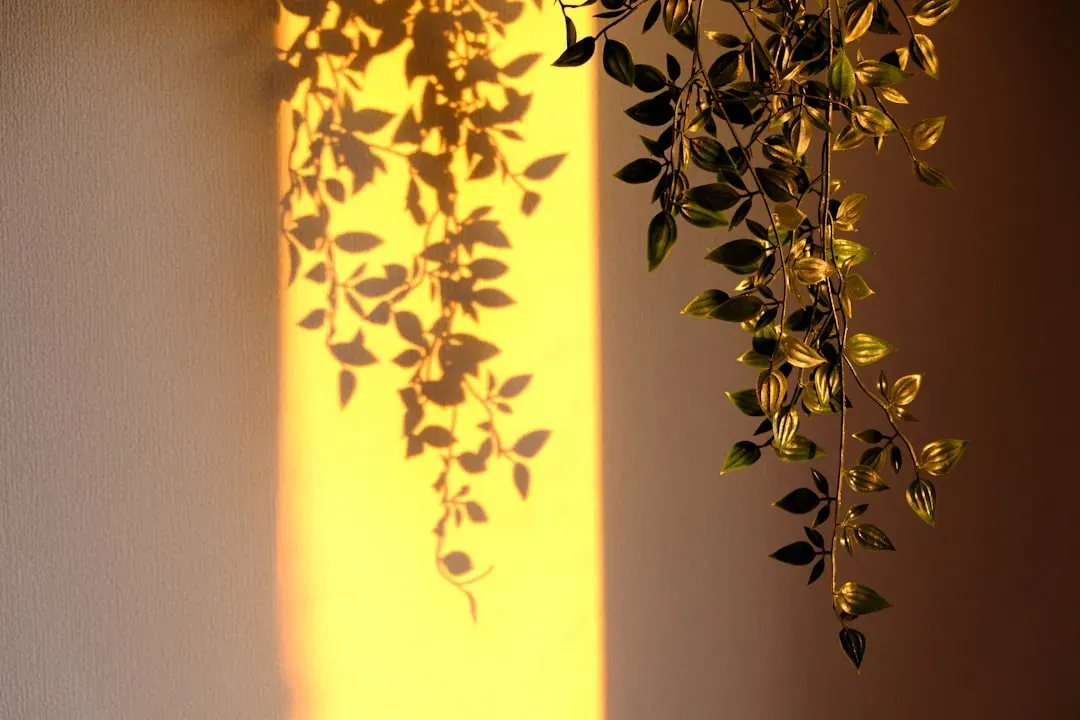
Light is one of those features buyers feel before they can articulate it. Rooms with big windows, glass doors, or a well-placed skylight simply read as more expensive, even when the square footage is identical to a dimmer version next door. Builders have picked up on this, and it now shows up as a selling point in floor plan marketing rather than an afterthought.
Indoor-outdoor connection has become part of the same conversation. Homes that deliver walls of glass and a walkout that expands recreation space give buyers a lifestyle they crave, even in colder climates where outdoor time is limited for much of the year. Natural light does something a light fixture never can, it makes a space feel larger and calmer at the same time.
4. Strong curb appeal
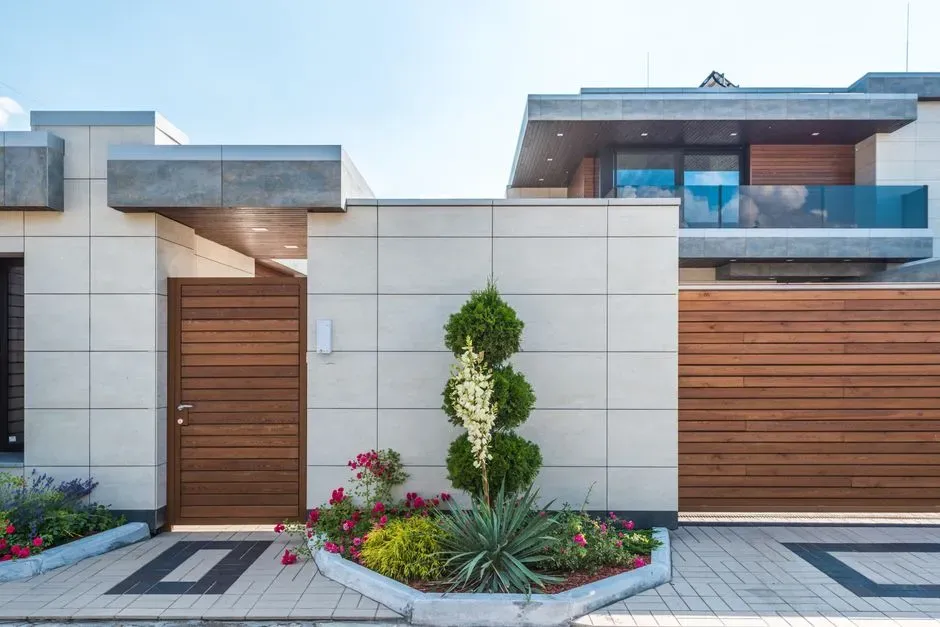
First impressions form before anyone touches the front door. A survey found nearly 40% of prospective buyers place paint colors among the biggest influences on their first impression of a home, while another third said color choices matter a lot. Earth-toned and neutral exteriors are resonating especially well right now, since they signal calm rather than trying too hard.
The financial case for exterior upgrades is surprisingly strong, too. According to the 2025 Cost vs. Value report, garage door replacement had one of the strongest returns among tracked projects, with an estimated ROI near 268%. A tidy front yard, fresh trim, and a well-maintained entry rarely go out of style, and they cost far less than most interior renovations.
5. Genuinely useful storage
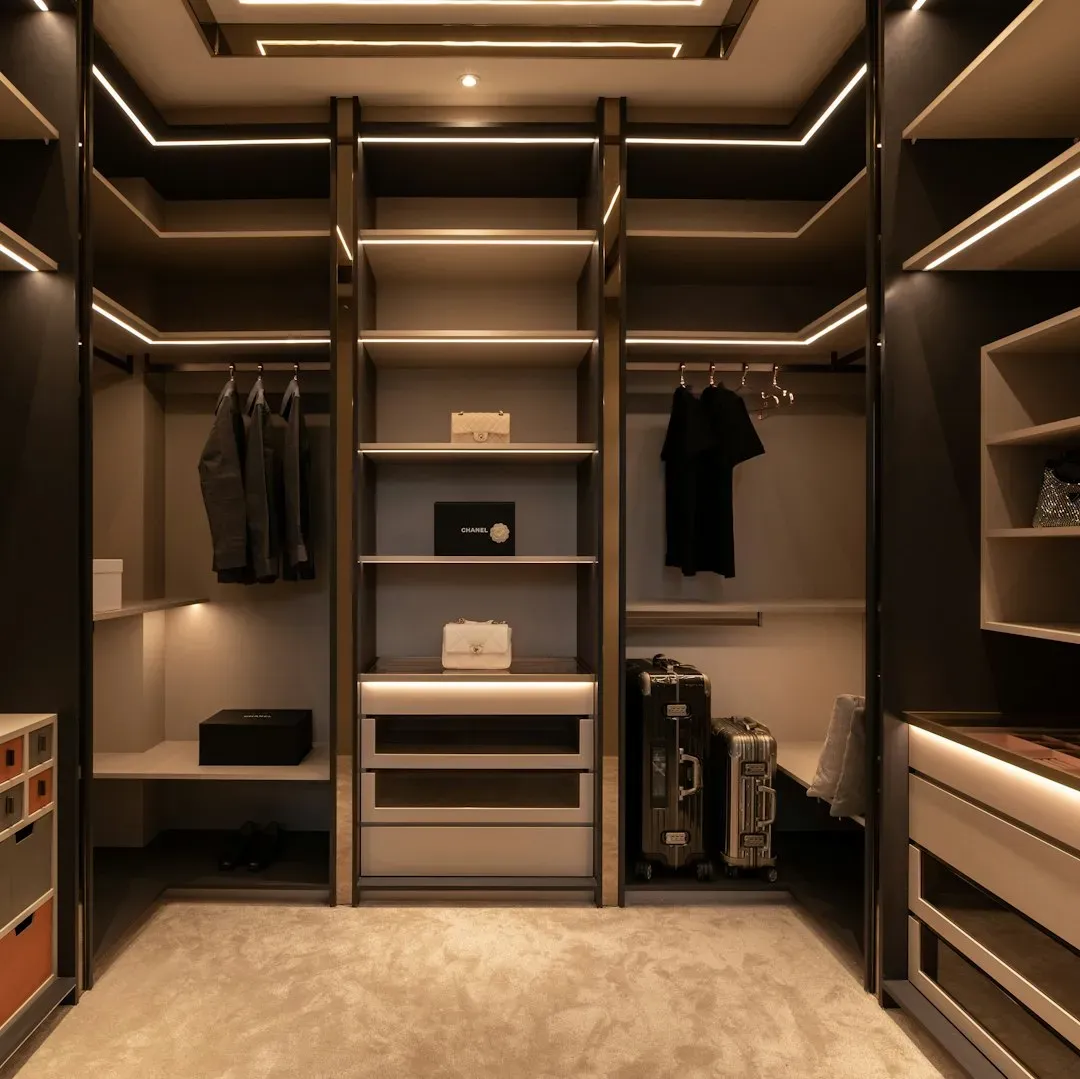
Storage sounds like a boring feature until it’s missing. Lack of storage space concerns 14% of homebuyers surveyed, making it one of the more common turnoffs during a showing. That’s a meaningful number for something as unglamorous as a closet.
Builders have leaned into this shift hard. A recurring theme in recent buyer requests is that storage equals sanity, and newer plans showcase this with walk-in pantries, oversized mudrooms, linen closets, and generous garage storage. A home that gives everyday clutter somewhere to disappear tends to feel more livable the moment someone walks through the door, and that impression rarely fades over time.
6. Outdoor living space
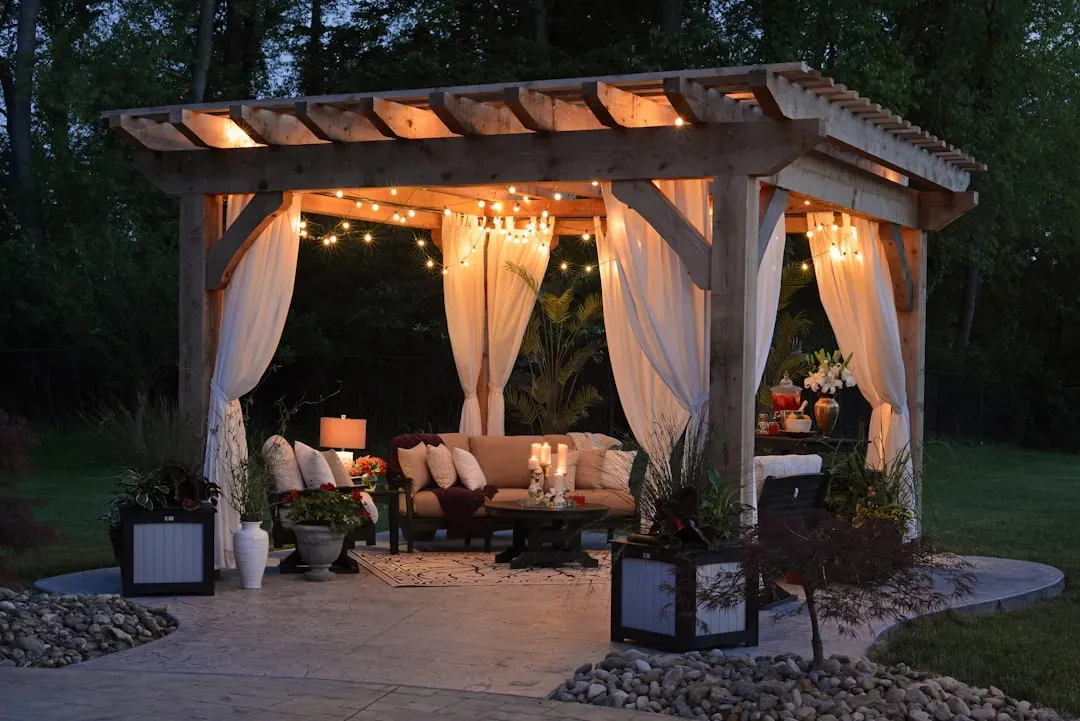
A patio or deck used to be a bonus. Now it’s closer to an expectation. Outdoor living isn’t an amenity anymore, it’s expected, even among buyers in colder climates who still want year-round outdoor comfort.
The reasoning is fairly practical. Porches, patios, and outdoor entertaining spaces are being added or upgraded specifically because they increase overall living space, functioning as extensions of the home rather than separate features. A well-built outdoor room extends usable square footage without the cost of a full addition, which is part of why it holds appeal across price points.
7. A flexible home office or lifestyle room
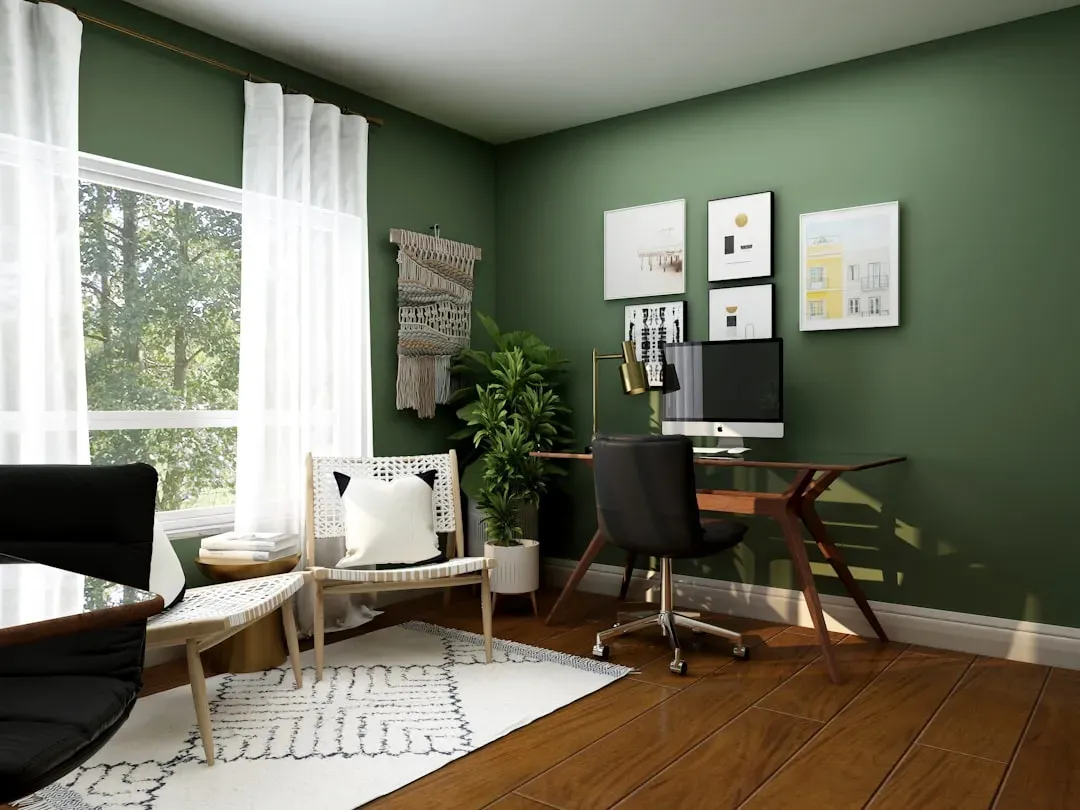
Remote and hybrid work reshaped what buyers expect from a spare room. Homebuyers aren’t just looking for bedrooms anymore, they’re looking for functional lifestyle zones, including front-facing dens built specifically for work-from-home life. A room that can flex between office, guest space, or hobby room tends to appeal to a wider range of buyers than one locked into a single purpose.
This isn’t a niche preference anymore, either. A home office that doubles as a guest room, or a lower level with good lighting that can be used for multiple purposes, reflects a broader need for adaptability among today’s buyers. Flexibility, more than square footage alone, is what makes a room feel worth the investment years down the line.
8. A comfortable, private primary suite
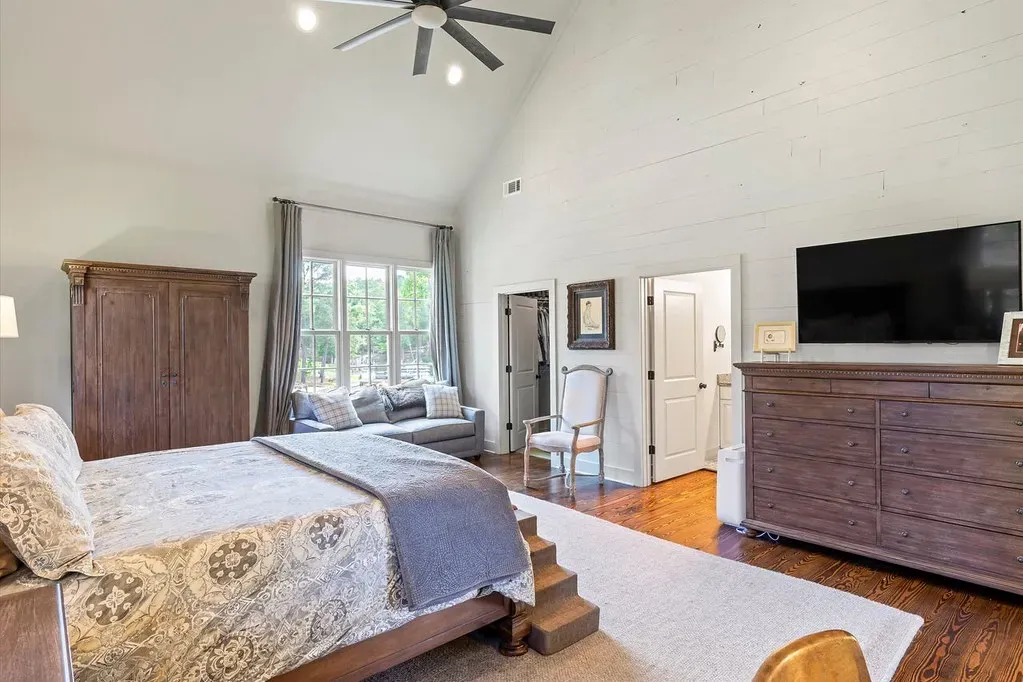
The primary bedroom has quietly become one of the most negotiated spaces in a home tour. Buyers are increasingly gravitating toward design touches like a master bath on the main floor, alongside smaller overall home sizes. Separation from secondary bedrooms matters almost as much as the size of the room itself.
Layout details make the difference between a suite that feels like a retreat and one that just feels like another bedroom. A main-level primary suite that separates the retreat from secondary bedrooms, offers a large walk-in closet, and includes a vaulted ceiling overlooking the rear porch does exactly what buyers are asking for. That combination of privacy and quiet luxury tends to age well, long after specific finishes fall out of fashion.
9. Timeless, neutral finishes
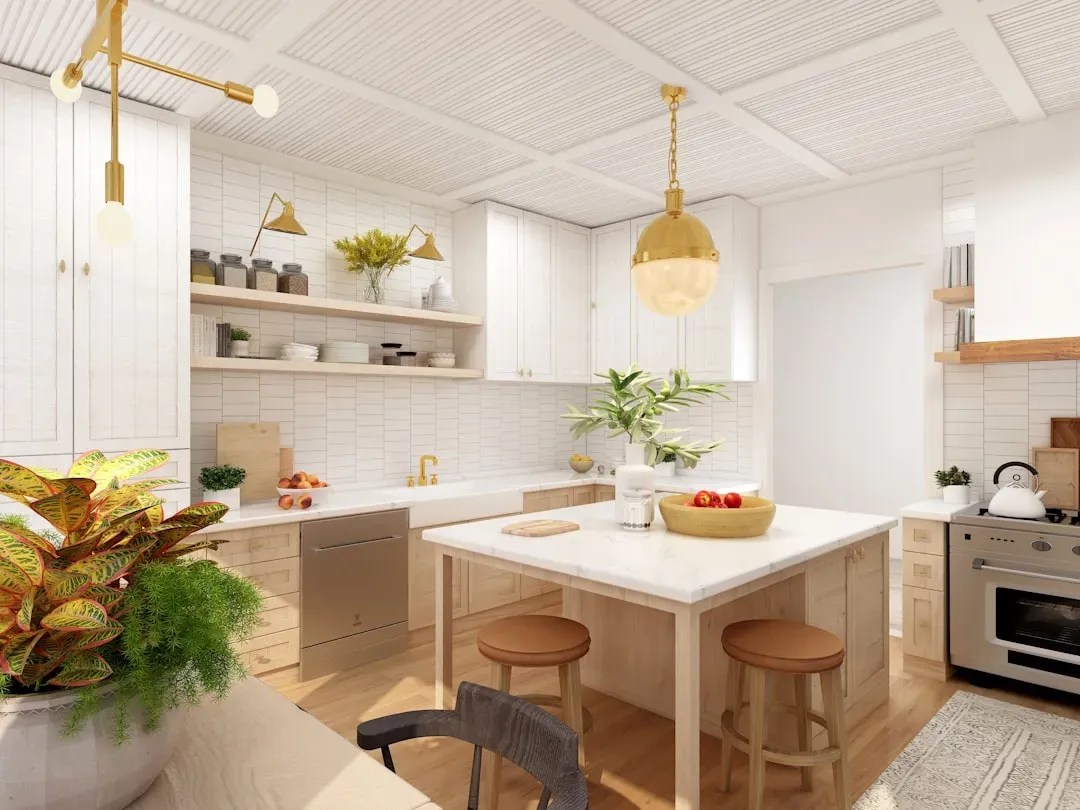
Bold design choices photograph well but rarely hold universal appeal for long. Quartz or engineered stone for kitchen countertops has durable popularity in recent years, holding up better than many trend-driven alternatives. Materials that read as clean and neutral give future buyers room to imagine their own style on top of what’s already there.
The same logic applies to color choices throughout the home. Earth-toned palettes and natural neutrals are especially resonating with buyers who want a calmer, more grounded feel. A home finished in restrained, quality materials tends to show its age far more gracefully than one chasing whatever look happened to be popular the year it was renovated. None of these nine features guarantee a sale on their own, and no single one will offset a poor location or a home in serious disrepair. What they share is staying power. Buyers change generation to generation, and design trends cycle faster than most homeowners can keep up with, yet these particular elements keep showing up on the list of things people actually want, year after year, market after market.