
The comfort-first shift reshaping home design
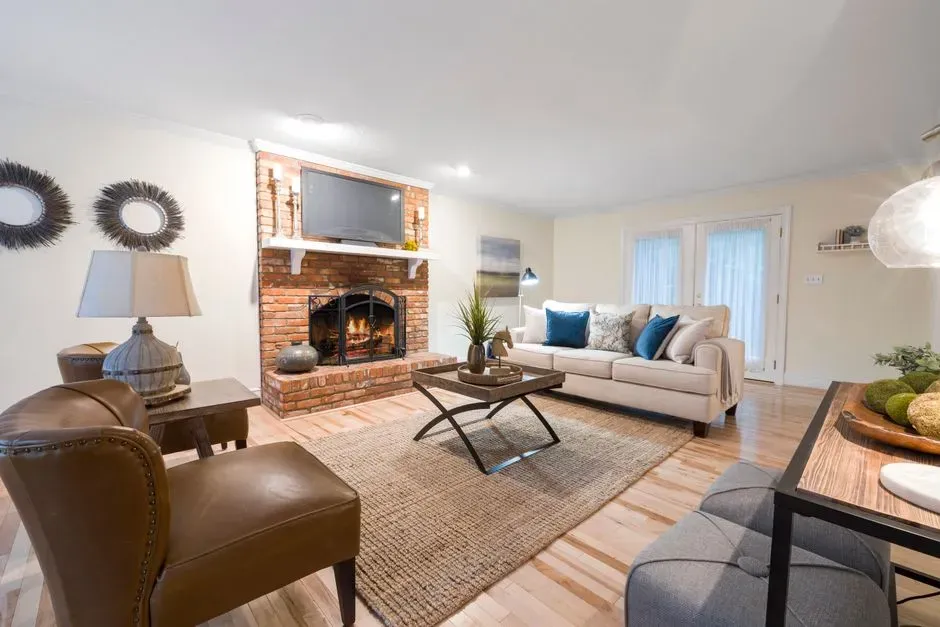
Interior designers have been watching a quiet but steady move away from stark, showroom-perfect interiors toward something warmer and more personal. Interior design trends may ebb and flow, but the biggest shift shaping homes in 2026 isn’t tied to a particular color, style, or aesthetic. Instead, it’s changing how we think about spaces altogether, with designers embracing a softer, more personal approach to decorating.
Even open floor plans, once the gold standard of modern homes, are losing their grip. Open plan is going , and the cyclical nature of trends has deemed closed concept homes dated, with designers and homeowners craving cozier spaces built around conversation corners and reading nooks. The takeaway from most 2026 forecasts is remarkably consistent: comfort now outranks perfection.
Hygge: the Danish word that refuses to fade
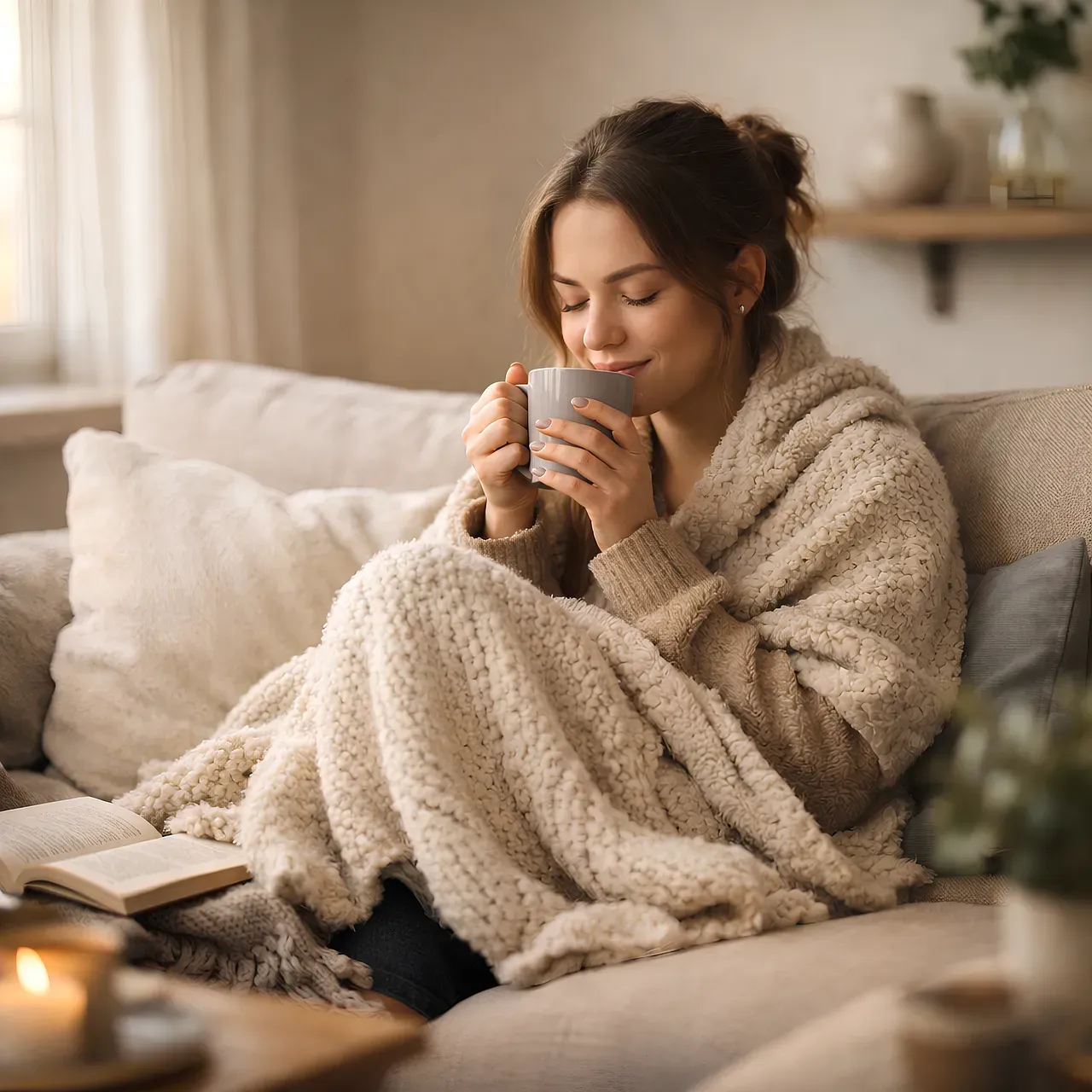
No conversation about cozy design gets far without mentioning hygge, the Danish concept that turned candlelight and wool socks into an international obsession. Hygge is a Danish concept embodying comfort, warmth and simplicity, and when it comes to embracing hygge at home, the goal is a space that feels inviting and nurturing, providing a retreat from everyday chaos.
What’s notable is how the idea has aged. Rather than fizzling out after its initial media moment, the wide appeal of comfortable, lived-in spaces has allowed hygge to really stand the test of time, defined by neutral color palettes, textural details and a minimalistic approach. Designers now describe it less as a passing fad and more as a permanent fixture in how people think about home.
Textures and materials that make a space feel touchable

Cozy isn’t only about color, it’s about how a room feels under your hand. Search data from Houzz shows a sharp rise in interest toward tactile finishes, with homeowners showing growing interest in surfaces that add depth and dimension, as searches for sandstone jumped 257 percent while linen wallpaper and seagrass wallpaper also trended higher.
Older techniques are getting a second look too. Venetian plaster is seeing a strong resurgence, and limewash interior paint is gaining ground, reflecting growing interest in chalky, layered finishes with an old world feel. These are materials that age with a house rather than looking pristine and untouched, which is a big part of their appeal.
Furniture that looks collected, not matched
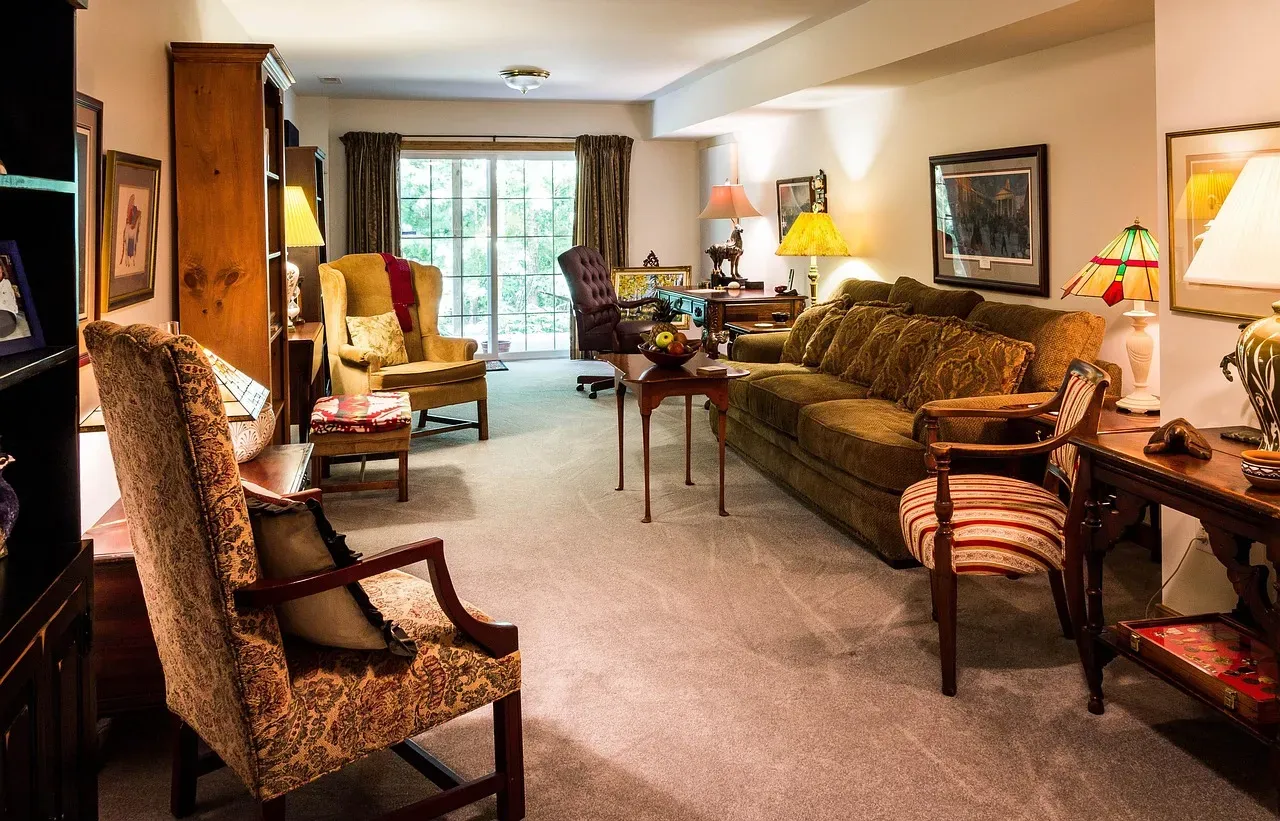
The perfectly coordinated three-piece living room set has fallen out of favor, replaced by something looser and more personal. “Eclectica” is a strong theme for 2026, where furnishings harmonize but don’t necessarily match, allowing homeowners to curate from inherited pieces, thrifted finds, or bespoke furniture, layering them for a cozy and collected look.
Designer Benji Lewis put it plainly when describing the shift away from uniform sets, noting that even “armchairs shouldn’t necessarily match either.” The result feels less like a showroom and more like a home that’s grown over time, which is exactly the point.
Why the brain actually craves cozy environments
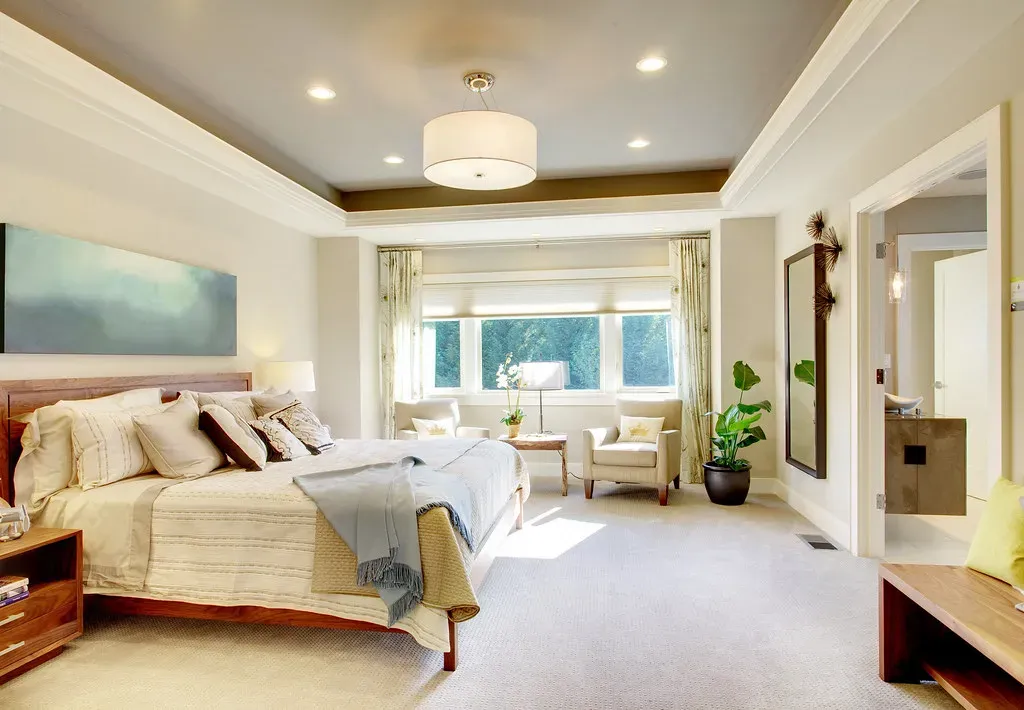
There’s a practical reason coziness keeps resurfacing across design cycles, and it has less to do with fashion than with basic human wiring. Warm textures, soft lighting, and enclosed nooks reduce visual and sensory overload, which is part of why a hygge-inspired space is meant to feel inviting and nurturing, providing a retreat from everyday chaos that fosters gratitude and connection.
This isn’t just anecdotal comfort talk. Broader wellness-focused design has grown alongside it, with homes in 2026 expected to do much more than look beautiful, as design choices increasingly center on well being, comfort, and how people truly live day to day. Cozy spaces, in other words, are doing real psychological work, not just decorative work.
Cozy dressing has moved off the couch and into daily life

The comfort mindset that took over home decor didn’t stay confined to living rooms. Soft knits, oversized layers, and relaxed silhouettes have become everyday wardrobe staples rather than something reserved for lazy weekends. This mirrors the same design logic showing up indoors, where layered materials like relaxed linens, boucle fabrics and woven accents add softness and warmth, resulting in something that feels cozy and welcoming.
Fashion and interiors have always borrowed from each other, and the current overlap is especially strong. Slouchy sweaters, chunky scarves, and textured throws essentially serve the same emotional purpose, whether they’re draped over a body or a sofa.
Digital fatigue is pushing people toward analog comfort
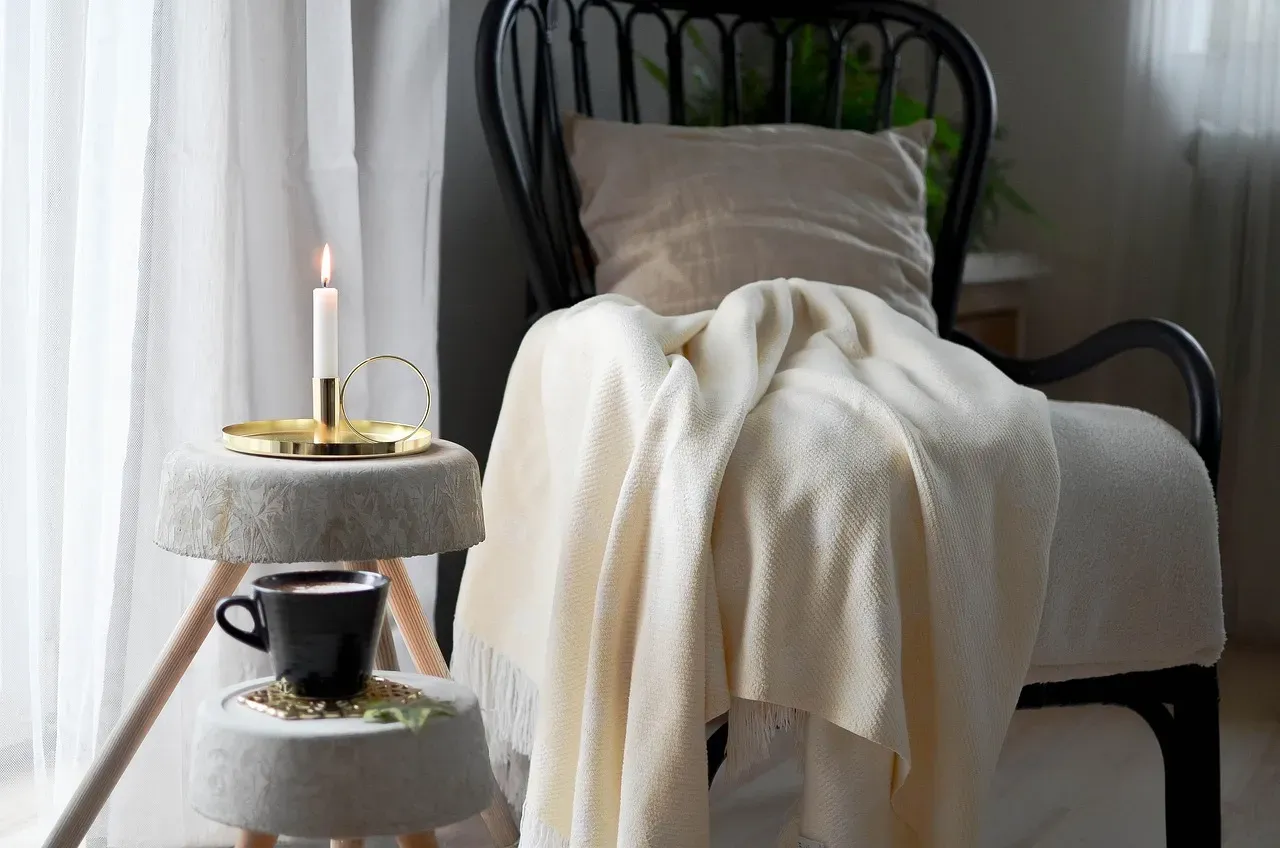
Screen time hasn’t slowed down, and that constant low hum of notifications seems to be exactly what’s driving people back toward slower, tactile rituals. Writers covering the hygge revival keep returning to this point, noting that “hygge’s popularity has spread, especially with people eager to release stress and take greater consideration for what’s important.”
Even in warmer climates where the stereotype of cozy winter nights doesn’t quite apply, the appeal holds. Hygge isn’t about cold weather, and even in sun soaked regions it has its place, especially indoors, where people seek refuge from the heat and hustle. The common denominator everywhere is a desire to unplug and slow down, even briefly.
Sustainability and secondhand style feed the cozy aesthetic
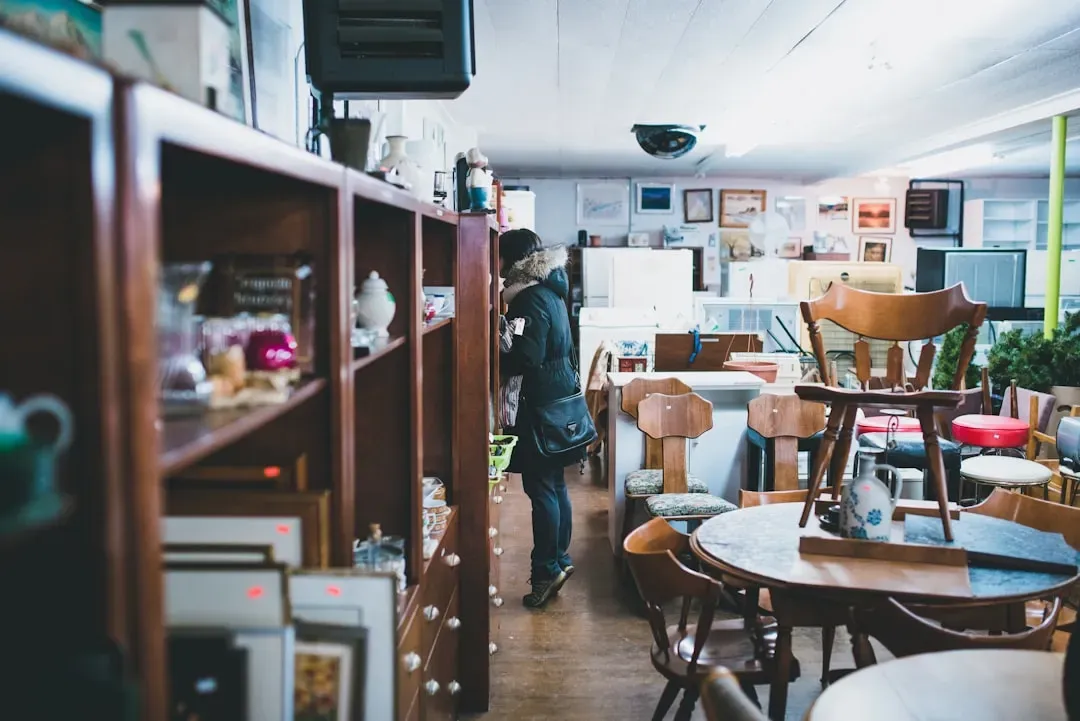
Cozy and sustainable turn out to be close cousins. Thrifted furniture, inherited pieces, and repurposed materials all contribute to that lived-in look, and the data backs this up, with searches for “repurposed materials” almost tripling as more homeowners lean into secondhand and reused finds.
This isn’t purely an aesthetic choice either. Curating from inherited pieces, thrifted finds, or bespoke furniture and layering them creates a cozy and collected look while cutting down on the waste that comes from buying an entirely new matching set. Cozy, in this sense, rewards patience over instant gratification.
Retreat-style spaces are becoming a permanent fixture
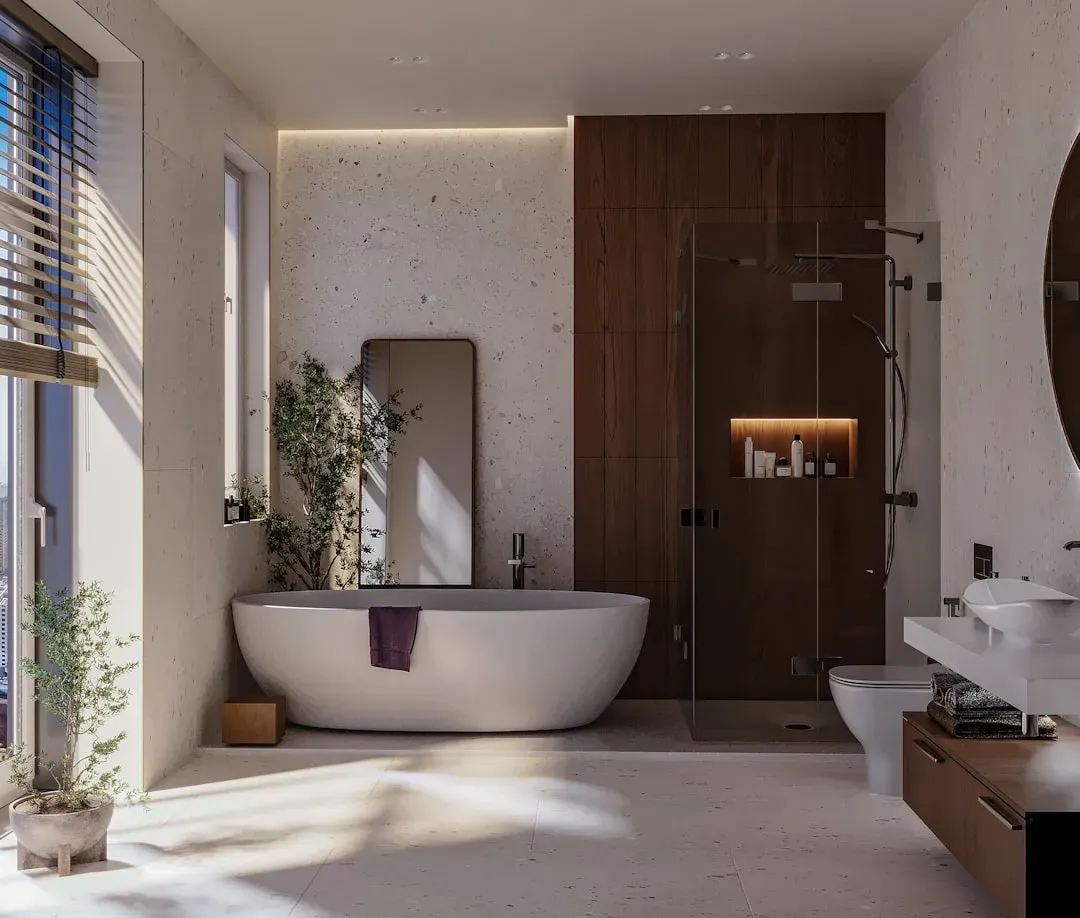
Beyond living rooms and bedrooms, the appetite for calm has spread into spaces once considered purely functional. Interest in “biophilic design” is up 112 percent, while “spa” searches have increased as homeowners invest in private, retreat-like bathrooms, alongside rising interest in sensory rooms and yoga rooms pointing to a broader approach to wellness at home.
Homeowners aren’t just adding a scented candle and calling it a day. They’re carving out entire rooms dedicated to slowing down, which suggests coziness has shifted from a decorating accent to something closer to a household priority.
Final thoughts
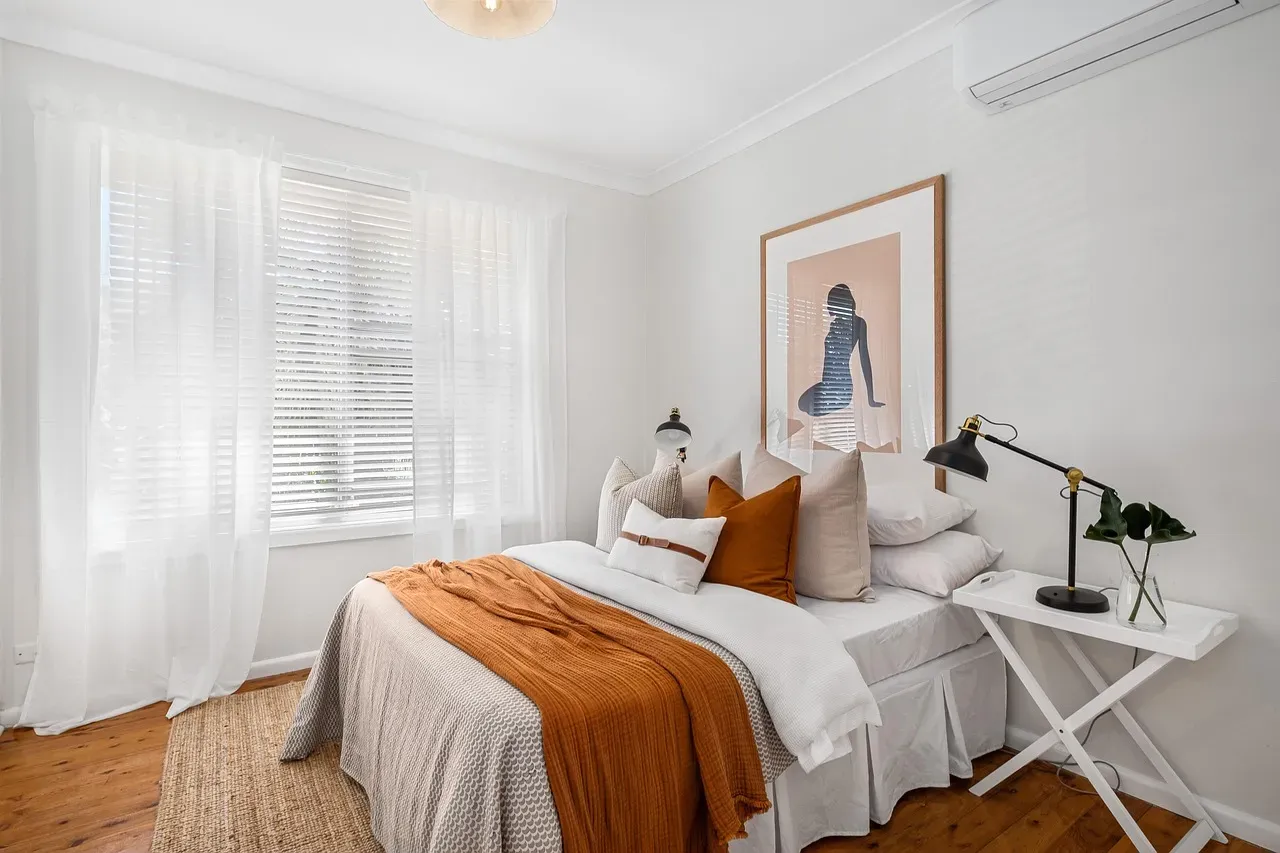
Trends in color palettes or furniture silhouettes will keep shifting the way they always have, but the underlying instinct behind cozy design seems remarkably steady. People keep returning to soft textures, warm light, and rooms that feel used rather than staged, whether that shows up as a Danish word borrowed decades ago or a search spike for limewash paint this year.
What makes coziness durable isn’t nostalgia or a marketing push. It answers something fairly basic, a need for spaces and routines that feel calm in a world that rarely slows down on its own. That’s likely why it keeps reappearing in slightly new forms instead of quietly disappearing the way most design fads eventually do.