
The window seat or reading nook
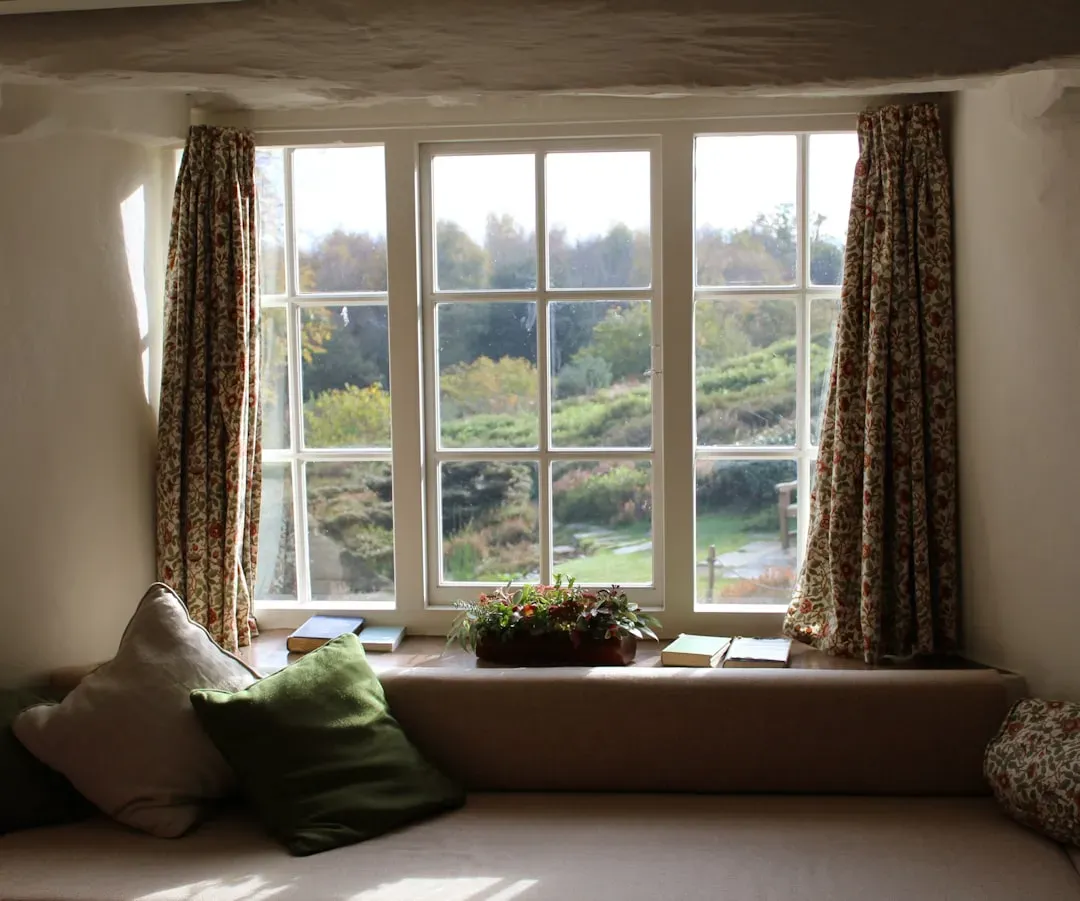
A window seat works because it borrows two things people crave without realizing it: natural light and a view that shifts throughout the day. Research on daylight exposure has consistently linked it to improved mood and better regulation of circadian rhythms, which is part of why sitting near a window feels calming even during a short break. You don’t need a built-in bench either. A single armchair angled toward a window, with a small side table for tea or a book, does the job.
What makes this spot different from a couch in front of a television is the direction of attention. Facing outward, toward trees, sky, or even a quiet street, pulls focus away from screens and to-do lists. Adding a soft throw blanket or a cushion with some texture gives the body a reason to settle in rather than perch.
A dedicated corner for tea or coffee
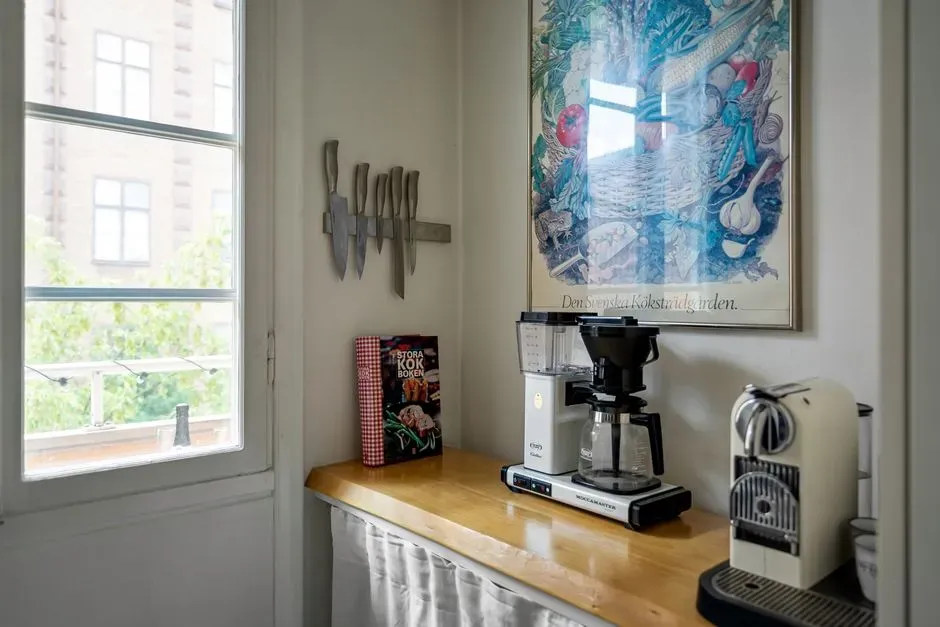
There’s something almost ritualistic about a spot set aside purely for a hot drink. Coffee culture research has repeatedly noted that the pause built into brewing and drinking coffee or tea functions as a built in break, distinct from grabbing a drink on the way out the door. A small table, two mugs, and a kettle within reach can turn a five minute habit into an actual moment of rest.
This doesn’t require a full kitchen renovation. A tray on a dresser, a electric kettle on a bookshelf, or a folding table near a window can all serve the same purpose. The key is keeping the setup visible and easy to use, since convenience is often what determines whether a slow moment actually happens.
The bathtub or a proper bathroom retreat
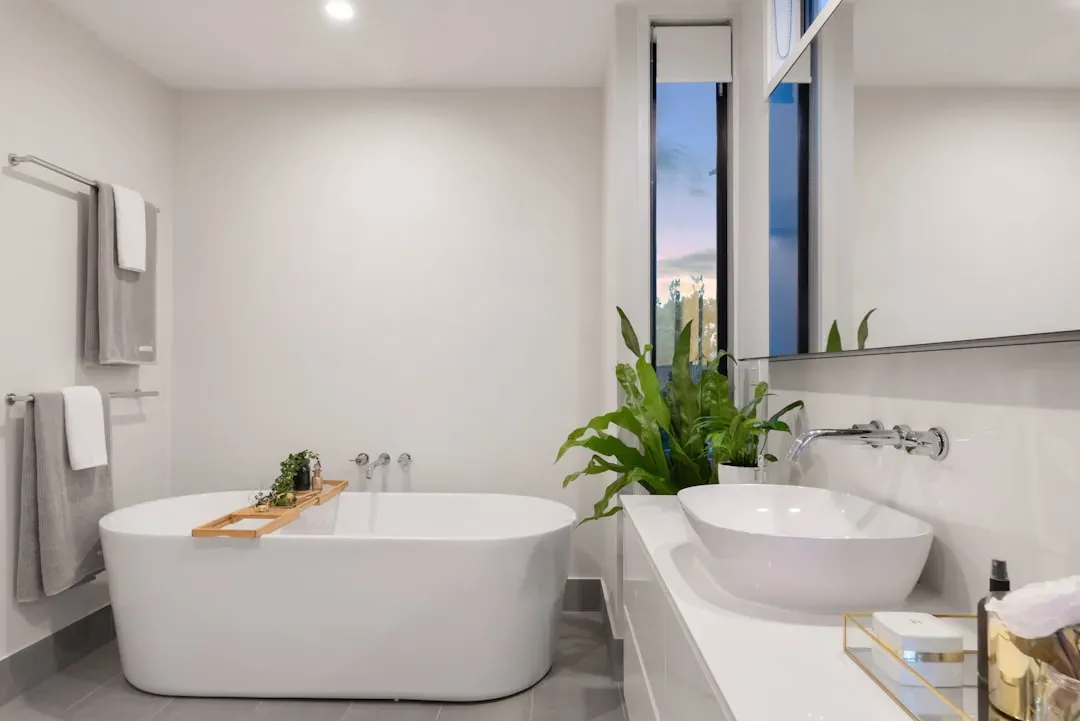
Bathrooms are often the most overlooked candidates for slowing down, largely because they’re associated with speed and function rather than rest. Yet a warm bath has measurable physiological effects, including lowered heart rate and reduced muscle tension, according to sleep and recovery research that has studied pre bed bathing routines. Even without a soaking tub, dimming the lights or adding a candle can shift the mood of the space considerably.
Small additions make a bigger difference here than in most rooms. A shelf for a book, a bath tray that holds a drink steady, or simply better lighting can turn a five minute shower into a slower fifteen minute soak. The bathroom’s separation from the rest of the house, with its closed door and running water, naturally blocks out other demands on attention.
A balcony, patio, or small outdoor nook
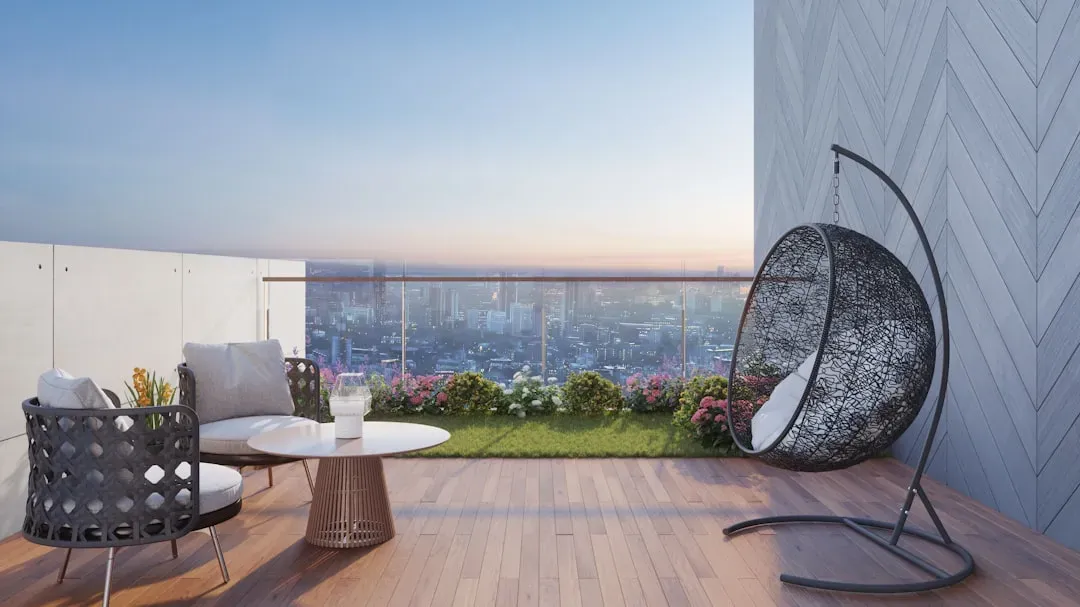
Access to the outdoors, even a modest amount, has been tied to lower stress markers in multiple environmental psychology studies conducted over the past decade. A balcony with one chair, a patio with a small table, or even a windowsill garden can offer that outdoor contact without requiring a yard. Fresh air alone changes the pace of a moment in ways that indoor air rarely does.
The scale of the space matters less than consistency of use. A chair that’s actually comfortable enough to sit in for twenty minutes will get used far more than an elaborate setup that’s technically nicer but impractical. Weather permitting, this becomes one of the more reliable spots for an actual pause in a day.
The bedroom, kept separate from work
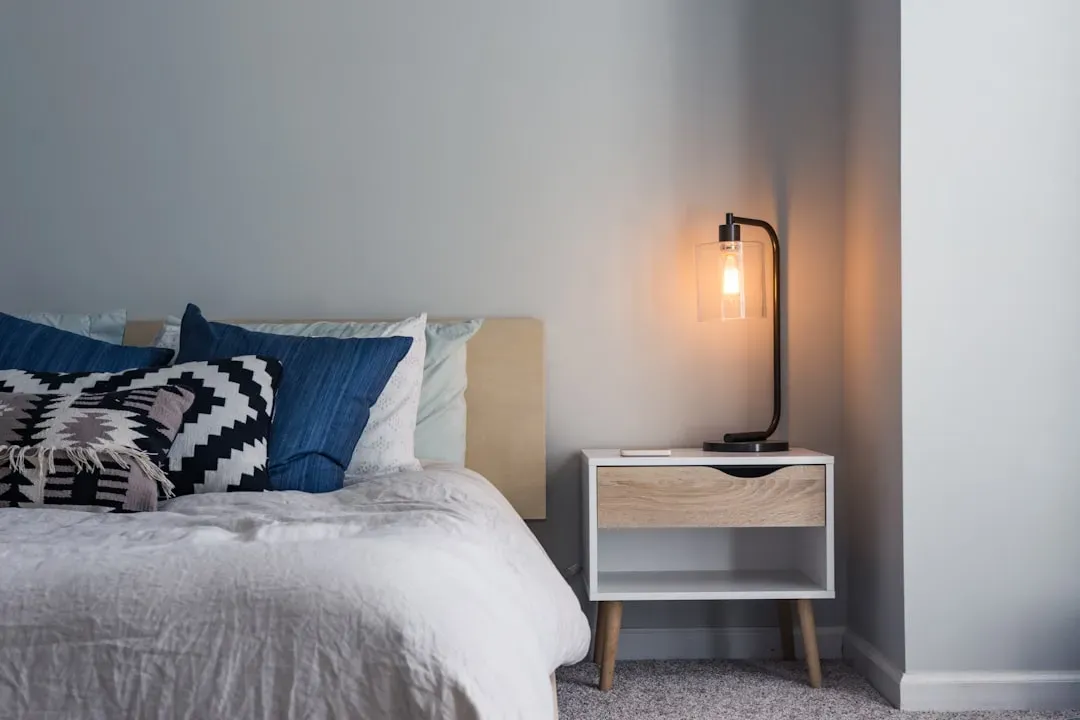
Sleep researchers have long emphasized that bedrooms function best when they’re associated almost exclusively with rest, a principle sometimes called stimulus control in sleep therapy literature. When a laptop, desk, or workout equipment share the same room as the bed, the brain has a harder time switching into a slower gear. Keeping the bedroom for sleep and quiet moments, rather than as a secondary office, protects one of the last remaining slow spaces in many homes.
This doesn’t mean the bedroom needs to be minimalist or sparse. It means being intentional about what enters the room and what stays outside it. A comfortable chair for reading before sleep, kept apart from any screens, reinforces the room’s purpose without much extra effort.
A kitchen table used for something other than eating quickly
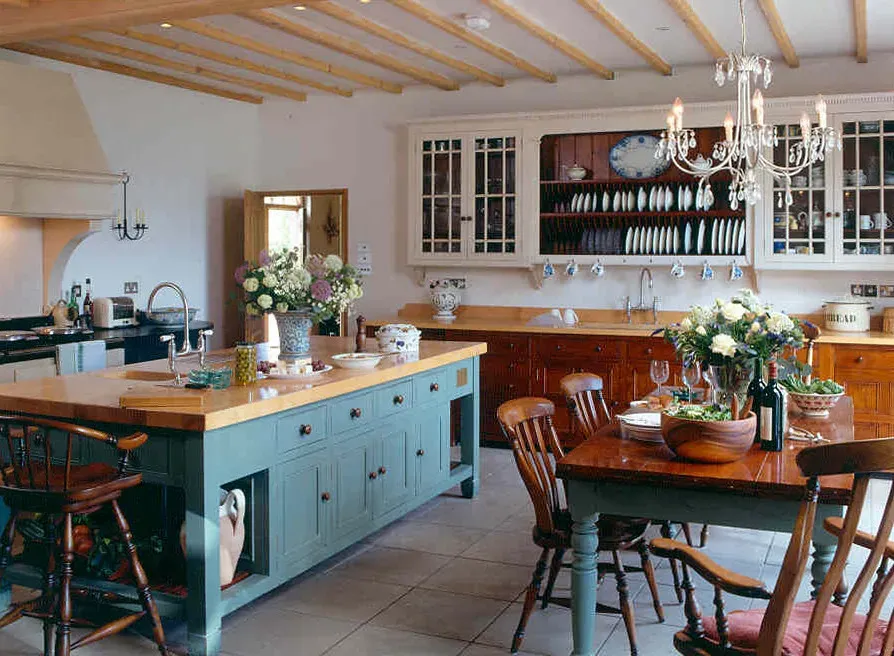
Kitchen tables often get treated as a stopover between the stove and the next task, but they were originally designed as gathering spaces meant for lingering. Slowing a meal down, even by ten or fifteen minutes, has been associated with better digestion and improved awareness of fullness cues, according to nutrition studies on eating pace. Setting the table properly, even for a solo meal, signals to the body that this is a moment worth taking seriously.
Removing phones from the table during meals is a small but effective habit shift that many wellness researchers point to as one of the simplest ways to reintroduce presence into daily routines. A kitchen table used this way becomes less about efficiency and more about a genuine pause built into an otherwise busy day.
A hallway or entryway designed for a pause, not just passing through
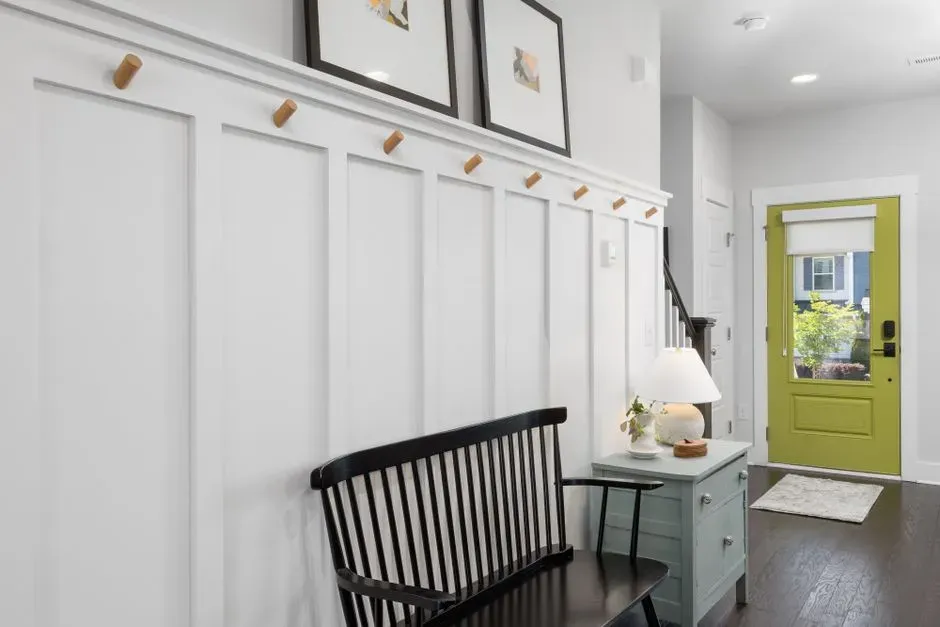
Entryways are transitional by nature, but that doesn’t mean they can’t hold a brief moment of stillness. A small bench, a hook for coats, and a spot to set down keys create a natural stopping point between the outside world and the interior of the home. This kind of threshold pause, even if it lasts only thirty seconds, gives the mind a chance to register the shift from one environment to another.
Designers who work on residential transitions often describe this as an underused opportunity, since most entryways are treated purely as functional corridors. Adding a mirror, a small plant, or simply better lighting can turn a walk through space into a brief resting point rather than a rushed hallway.
A home office corner reserved for reflection, not tasks
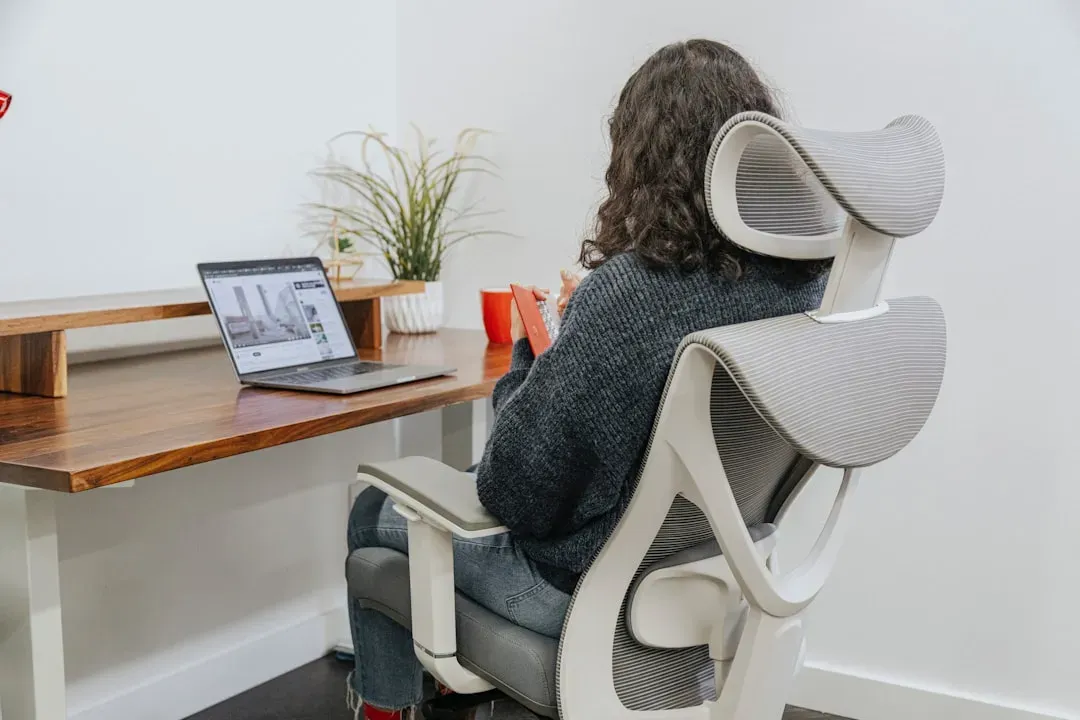
Even within a workspace, carving out a small section that isn’t meant for active tasks can help draw a clearer line between focused effort and mental rest. This might be a single chair positioned away from the desk, used only for reading or thinking rather than typing. Occupational health studies on workplace breaks have found that stepping physically away from a work surface, even by a few feet, improves the quality of short breaks compared to remaining seated at the same desk.
The distinction matters because proximity to work tools, including a computer screen or a stack of files, can keep the brain in task mode even during an intended break. A reflection corner works best when it’s visually and physically separate, even if that separation is only a few steps within the same room.
A living room chair set apart from the television
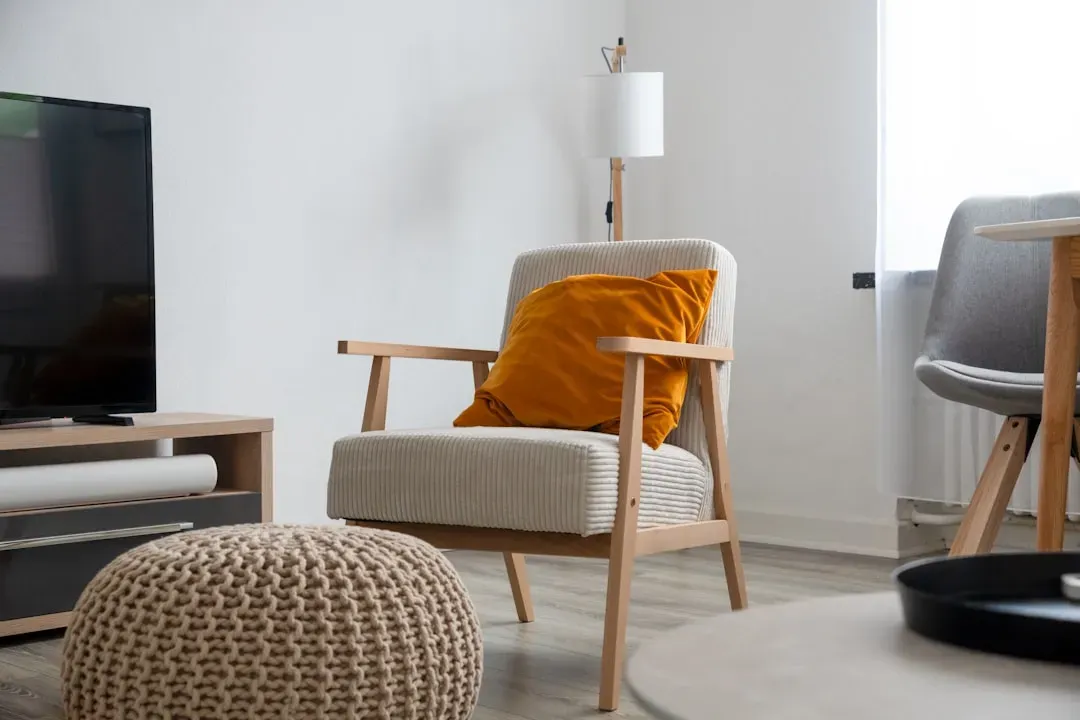
Living rooms are often built entirely around screens, which can make slowing down harder than it should be in the room meant for relaxing. A single chair positioned away from the television, perhaps facing a bookshelf or a window instead, creates an alternative option within the same space. This doesn’t require removing the television, just offering a second choice that doesn’t automatically default to passive viewing.
Attention researchers have noted that environments with visible screens tend to pull focus toward them almost automatically, a phenomenon sometimes referred to as environmental cueing. Placing a comfortable chair with its back to the screen, along with a small table for a book or drink, can shift default behavior toward quieter activities without requiring much willpower.