
Declutter one surface at a time
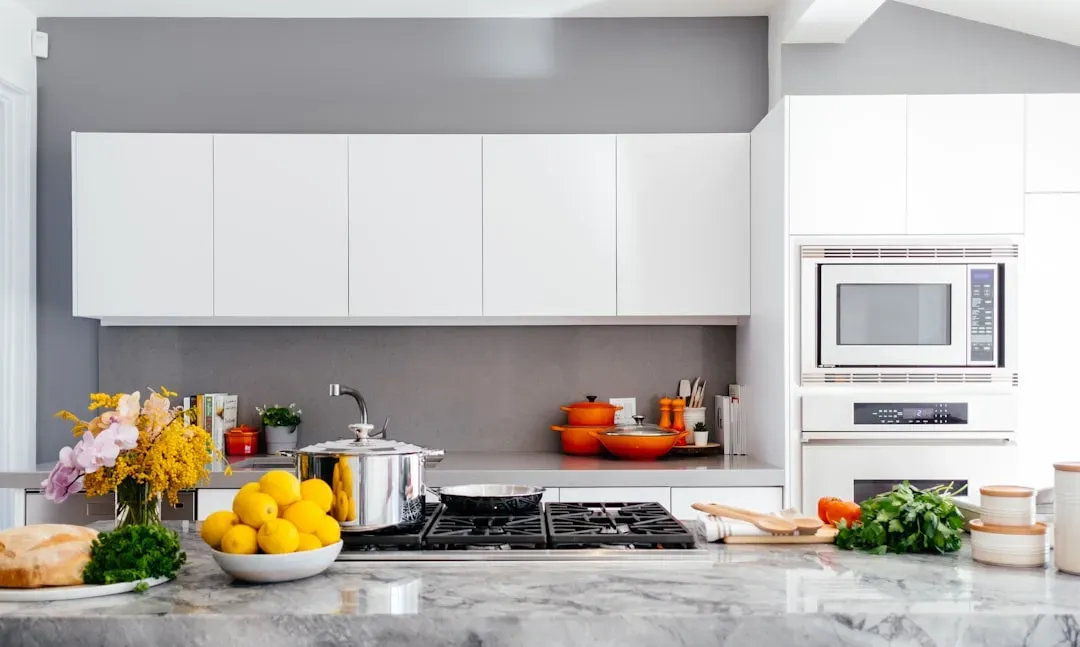
Trying to tackle an entire house in one weekend usually backfires and leaves things half-finished, which can feel worse than the mess itself. A more sustainable approach is picking one surface, like a kitchen counter or a nightstand, and clearing it completely before moving to the next spot. This gives you quick wins and visible progress without the burnout that comes from an all-day cleaning marathon.
Once a surface is clear, the goal is keeping it that way rather than letting it slowly refill. A simple rule, such as nothing stays on the counter overnight unless it’s actively being used, helps maintain that calm without much ongoing effort. Over a few weeks, this room-by-room habit tends to reshape the whole house without ever feeling like a project.
Create a landing zone near the door

Keys, mail, bags, and shoes tend to pile up wherever people first walk in, and without a designated spot, that pile spreads into the rest of the home. Setting up a small landing zone, even just a shallow tray or a hook rack, gives those items a consistent place to go the moment someone enters. This one change can noticeably cut down on the daily search for misplaced keys or school forms.
The landing zone works best when it’s sized realistically for what a household actually drops there, not an idealized version of it. A hook for each person’s coat and a bowl for keys is often more effective than an elaborate mudroom setup that gets ignored. Small, honest systems tend to outlast ambitious ones that require too much maintenance.
Dim the lights as evening approaches
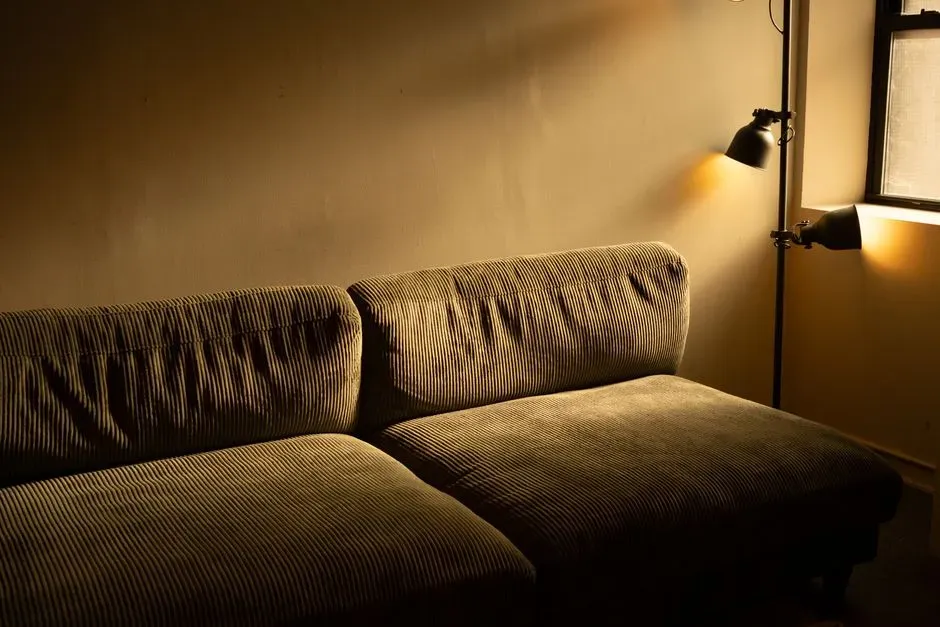
Bright overhead lighting keeps a household in a kind of daytime alertness long after the sun goes down, which can make winding down feel harder than it needs to be. Swapping to lamps, dimmer switches, or warmer bulbs in the evening signals to everyone, including kids, that the pace of the house is shifting. This isn’t about creating a spa atmosphere, just a gentler transition into rest.
Even a modest change, like turning off one bright fixture and relying on a single lamp during dinner, can shift the mood of a room noticeably. Households that build this into a regular evening routine often notice it becomes automatic within a couple of weeks. It’s a low-cost habit that pairs well with reducing screen brightness at the same time.
Set a daily window without phones

Constant notifications pull attention in several directions at once, which makes shared spaces feel busier and more fragmented even when nothing dramatic is happening. Choosing one block of time, such as during dinner or the first thirty minutes after work, to set phones aside can restore a sense of focus to that part of the day. It doesn’t need to be long to make a difference.
Some households use a shared basket near the kitchen where phones go during that window, which removes the temptation to glance at a screen out of habit. Kids and teens often resist at first, but the resistance tends to fade once the routine becomes predictable rather than a surprise rule. Consistency matters more here than strictness.
Bring in a few low-maintenance plants

Plants don’t just add color, they also introduce a slower, more natural rhythm into a room that’s otherwise filled with screens and hard surfaces. Snake plants, pothos, and ZZ plants are popular choices for people who want greenery without a demanding care schedule. Even one or two plants placed where they’re easily seen can soften a room’s overall feel.
Caring for a living thing, however small, also introduces a light sense of routine and responsibility that many people find quietly grounding. Watering a plant once a week becomes a small anchor point in an otherwise unpredictable day. It’s a modest habit, but one that tends to stick because the payoff is visible.
Build a simple, repeatable cleaning rhythm

Cleaning feels overwhelming mostly when it’s inconsistent, leaving messes to build up until a full day is needed to catch up. Spreading small tasks across the week, like laundry on one day and bathrooms on another, keeps any single day from feeling heavy. This rhythm doesn’t have to be rigid, just repeatable enough that it becomes a background habit rather than a decision made from scratch each time.
Households with more than one person benefit from splitting these tasks clearly, so no one is guessing who’s responsible for what. A short list on the fridge or a shared note in a phone app works fine, no elaborate system is required. The goal is predictability, not perfection.
Reduce noise where you reasonably can

Background noise, whether it’s a humming appliance, a busy street, or overlapping conversations, adds up over a day and can leave people feeling more drained than they realize. Simple fixes like rugs, curtains, or foam pads under noisy appliances can reduce echo and dampen sharp sounds in a room. None of these require major renovation work.
For homes near traffic or in noisy buildings, a white noise machine or a fan running at a steady low hum can help mask sudden, jarring sounds. This is especially useful in bedrooms, where consistent background noise often supports better sleep than total silence, which can make small sounds feel more disruptive by contrast. Testing a few options is worthwhile since sound sensitivity varies quite a bit from person to person.
Set aside a quiet corner for downtime

Not every space in a home needs to serve multiple purposes. Designating one corner, even a small armchair by a window, as a spot specifically for reading, thinking, or just sitting without a task attached to it gives people a physical cue to slow down. Over time, that spot can become associated with rest simply through repetition.
This works particularly well in smaller homes or apartments, where a dedicated room isn’t realistic but a defined corner still is. The key is keeping that space free of clutter and unrelated items, so it retains its purpose. A single chair, a lamp, and maybe a small side table are usually enough.
Address small frictions before they grow
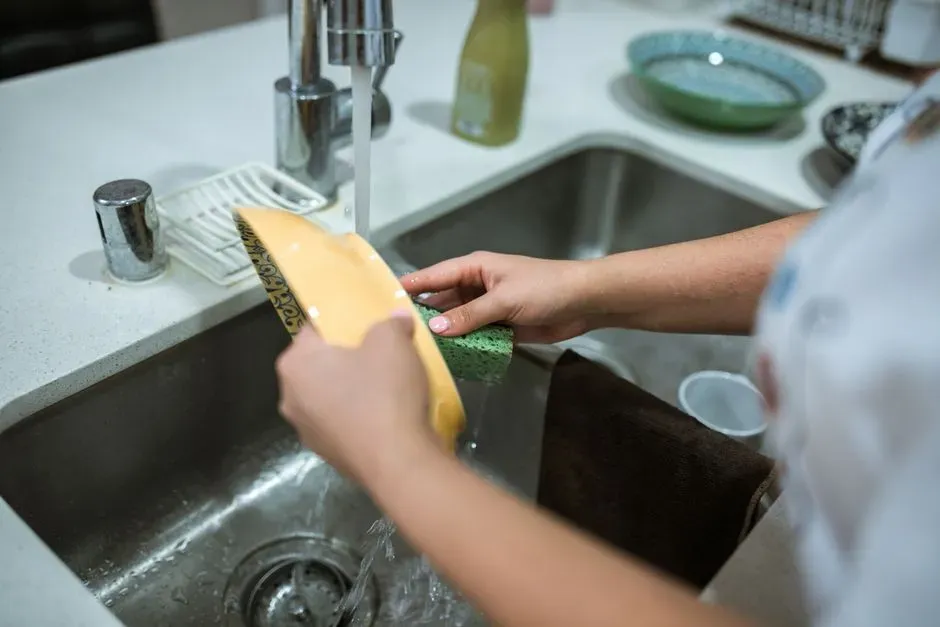
Minor irritations, like dishes left in the sink or a recurring disagreement about chores, tend to snowball if they’re ignored for too long. Addressing them early, in a calm and specific way, usually prevents the buildup that leads to bigger arguments later. This isn’t about confrontation, just clear and timely communication.
Households that check in briefly once a week, even for five minutes, about what’s working and what isn’t tend to catch these frictions before they turn into resentment. It sounds simple, but many conflicts at home come from things that were never actually said out loud. A short, regular conversation often prevents a much longer one down the road.
Keep a basket for loose ends

Every home accumulates small items with no clear home: a spare charger, a receipt, a toy that belongs upstairs. Rather than letting these scatter across counters and tables, a single catch-all basket in a common area gives them a temporary resting place until they’re sorted. This keeps visual clutter down without requiring constant decision-making.
The basket should be emptied on a regular schedule, whether that’s weekly or biweekly, so it doesn’t just become another pile of forgotten items. Setting a reminder or tying it to another routine, like laundry day, helps keep this habit consistent. It’s a small system, but it quietly prevents a lot of everyday disorder.