
There’s a particular satisfaction in stepping outside and seeing something you built with your own hands. Not a massive renovation that drains your savings and your weekends, but small, doable projects that make a yard feel more like an extension of your home. The best backyard upgrades usually aren’t the flashiest ones. They’re the practical, low-stress projects that fit into a free Saturday and actually get finished.
This list covers ideas that balance effort with payoff. Some take an afternoon, others a weekend, but none require a contractor or a small fortune. If you’ve been eyeing your backyard wondering where to start, these projects are a reasonable, rewarding place to begin.
Build a simple raised garden bed
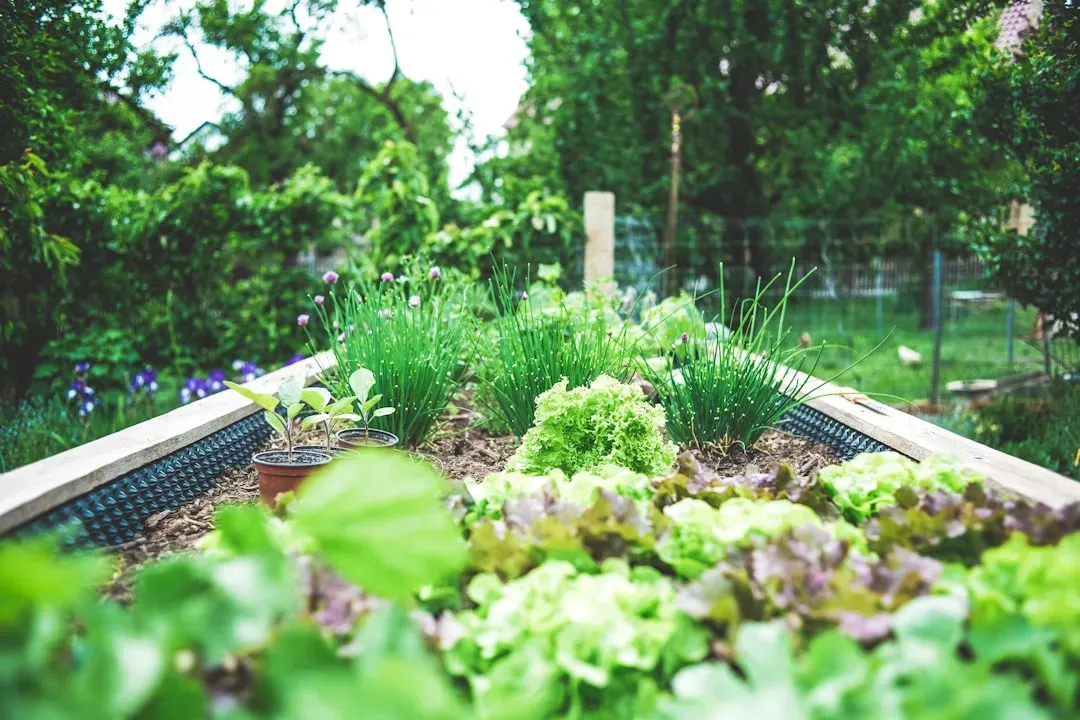
Raised beds solve a lot of gardening headaches at once. They improve drainage, warm up faster in spring, and keep soil quality consistent since you control what goes into them rather than working with whatever is already in the ground. A basic rectangular frame made from untreated cedar or pine boards can be assembled in an afternoon with just screws and a drill.
Standard dimensions of about four feet wide keep the bed reachable from both sides without stepping into the soil, which matters for keeping it loose and aerated. Fill it with a mix of topsoil, compost, and aged manure, and it’s ready for planting within a day or two. Even a single 4×8 bed can produce a meaningful amount of vegetables through a growing season.
Set up a fire pit for cooler evenings
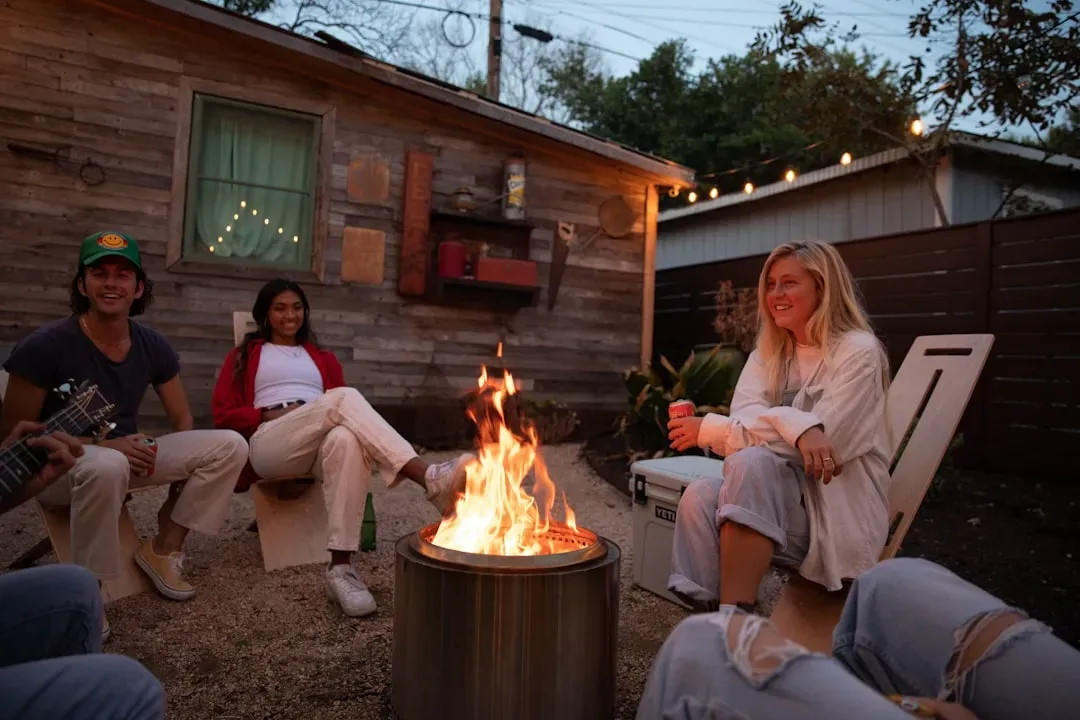
A fire pit remains one of the highest-value additions to any backyard because it extends usable outdoor time well into fall and even winter in milder climates. The simplest version is a ring of fire-rated bricks or pavers arranged in a circle, no mortar required, just a level patch of ground and gravel for drainage underneath. For something more permanent, prefabricated fire pit kits are widely available and typically snap together with interlocking stone pieces.
Local regulations on open flames vary quite a bit, so it’s worth a quick check with city or county rules before building, especially in drought-prone regions where burn bans are common. Propane fire pit tables are a smoke-free alternative that skip permitting concerns in many areas while still giving that gathering-around-the-fire feeling. Either version turns a plain patch of lawn into the spot where people naturally end up after dinner.
Add a gravel or paver patio
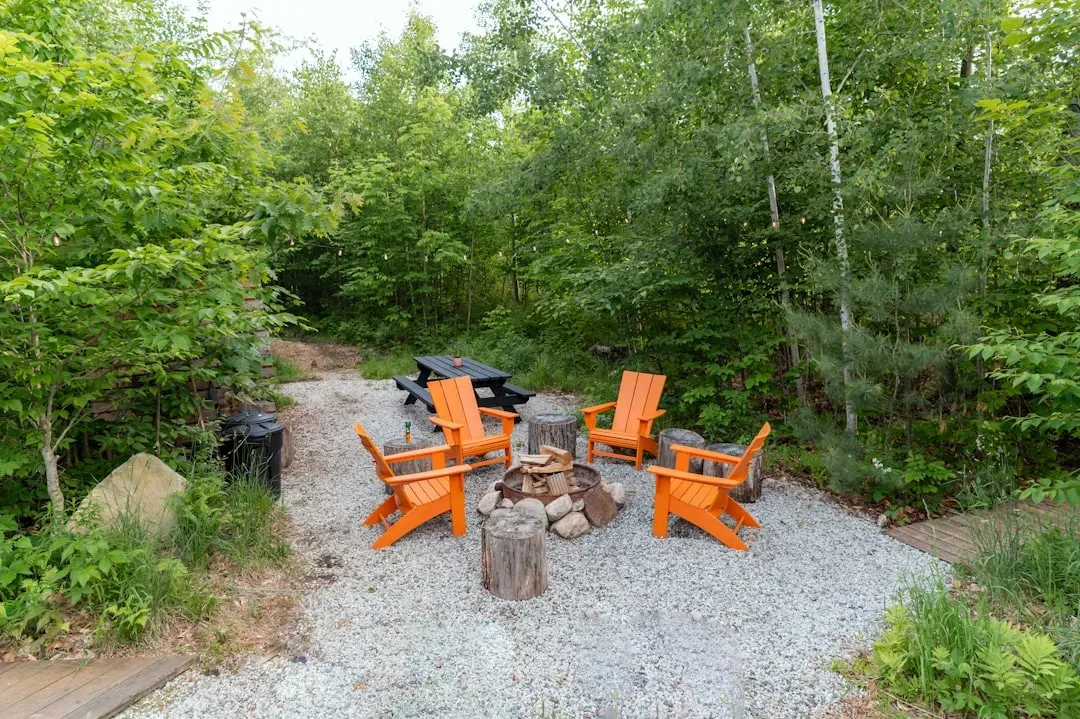
Not every patio needs poured concrete and a crew of workers. A gravel patio, framed with edging and filled with compacted decomposed granite or pea gravel, can be laid out over a weekend and gives a clean, finished look at a fraction of the cost. Pavers offer a slightly more structured version of the same idea, sitting on a sand and gravel base without needing mortar between them.
The appeal here is flexibility. If you don’t love the layout after a season, gravel and dry-laid pavers can be reshaped or expanded without demolition work. It’s a project that rewards patience during the base preparation stage, since a well-compacted foundation is what keeps the whole thing from shifting or sinking over time.
Install simple string lights or solar path lights
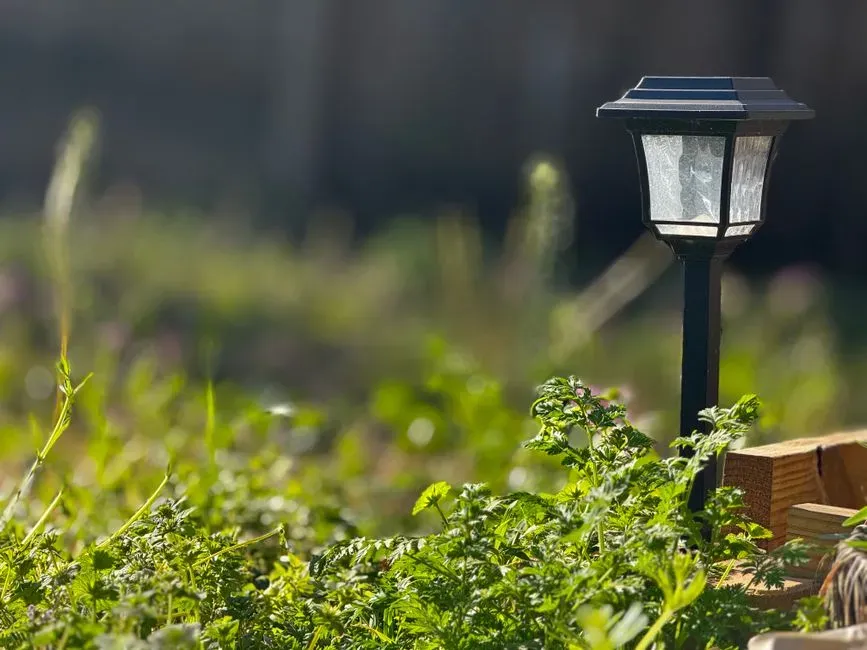
Lighting changes how a backyard feels after dark more than almost any other single addition, and it’s one of the least labor-intensive projects on this list. String lights hung between two posts or along a fence line take under an hour to install and instantly make outdoor evenings feel intentional rather than accidental. Solar-powered path lights have improved considerably in recent years, with better battery retention and brighter LEDs than the versions sold even five years ago.
Solar options eliminate the need for wiring or outlets, which matters for anyone renting or unwilling to dig trenches for electrical lines. A row of them along a walkway or garden bed edge adds both function and a soft glow that makes the space feel considered. This is a project almost anyone can finish before dinner.
Build a compost bin from pallets
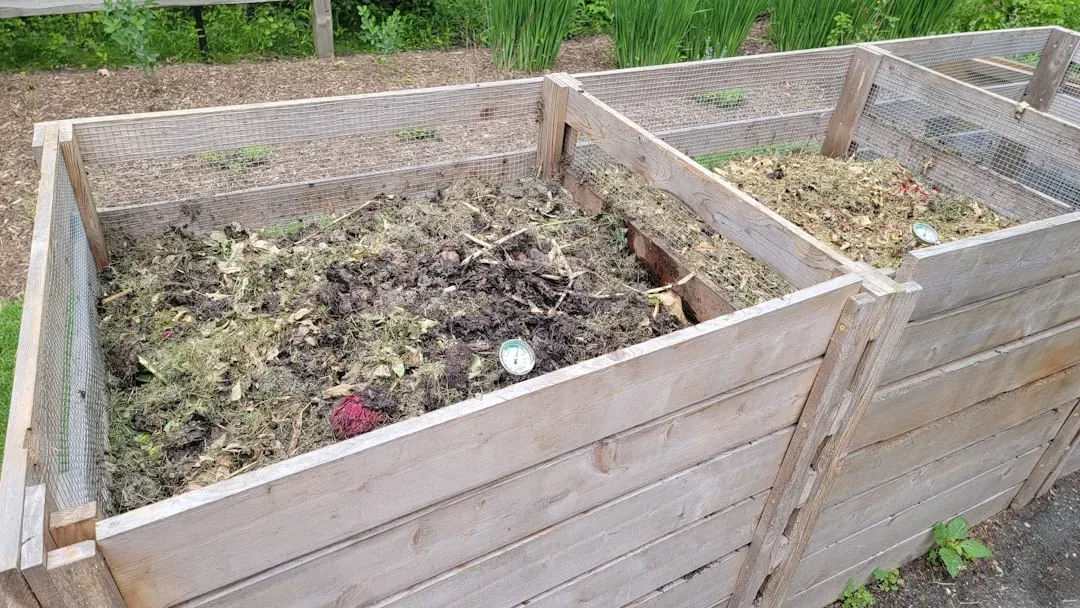
Composting reduces household waste while producing free, nutrient-rich material for garden beds, and a basic bin can be built from wooden pallets in under two hours. Three or four pallets wired or screwed together into a box shape, left open on one side for access, is functionally identical to bins that sell for significantly more at garden centers. Ventilation gaps between the pallet slats help airflow, which speeds up decomposition.
A working compost pile needs a rough balance of “greens” like food scraps and grass clippings with “browns” like dry leaves and cardboard. Turning the pile every couple of weeks with a garden fork keeps the process moving and prevents unpleasant odors. Within a few months, a well-maintained pile produces dark, crumbly compost ready for use.
Create a vertical herb garden
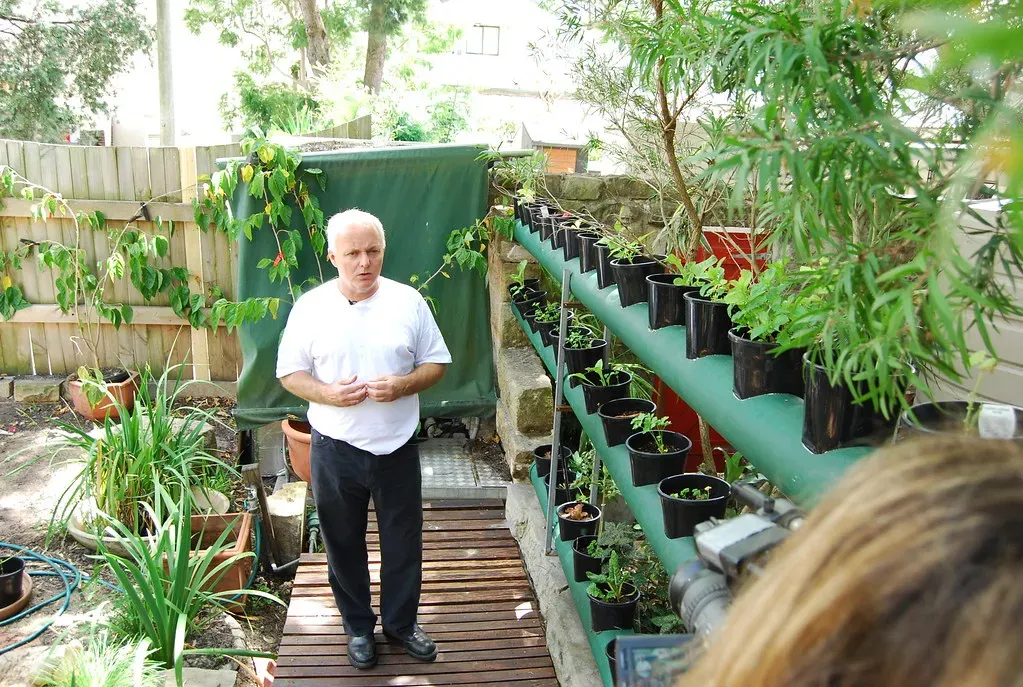
For smaller yards or patios without much ground space, a vertical herb garden solves the problem by going up instead of out. A simple version uses a wooden pallet stood on its end, lined with landscape fabric, and filled with small pockets of soil between the slats for planting herbs like thyme, oregano, and mint. Mint in particular does well here since its spreading roots are contained rather than taking over an entire garden bed.
Herbs generally need at least six hours of sunlight daily and don’t require rich soil, which makes this a low-maintenance option compared to vegetable gardening. The whole structure can lean against a fence or wall, taking up almost no floor space while still producing a steady supply of fresh herbs through the growing season. It’s a satisfying project for anyone who wants a garden without committing much real estate to it.
Lay a stepping stone path
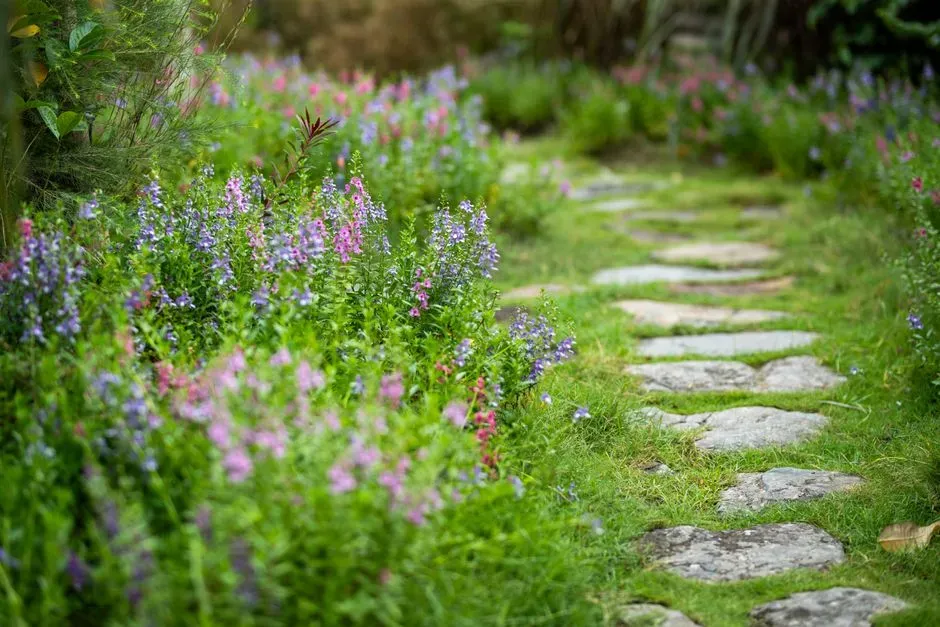
A stepping stone path is one of those projects that looks more complicated than it actually is. Precast concrete pavers or natural flagstone, spaced with a comfortable walking stride between them, can transform a muddy shortcut across the lawn into a defined, attractive walkway. The process involves cutting through sod, setting each stone slightly below grade so mowers can pass over without catching, and backfilling with soil or gravel around the edges.
This works particularly well connecting a patio to a garden shed or side gate, areas that tend to develop worn dirt tracks from repeated foot traffic anyway. Choosing stones with some texture rather than smooth, polished surfaces helps with grip during wet weather. A weekend is usually enough time to lay a path of reasonable length, even for someone without prior landscaping experience.
Build a simple birdhouse or bee hotel
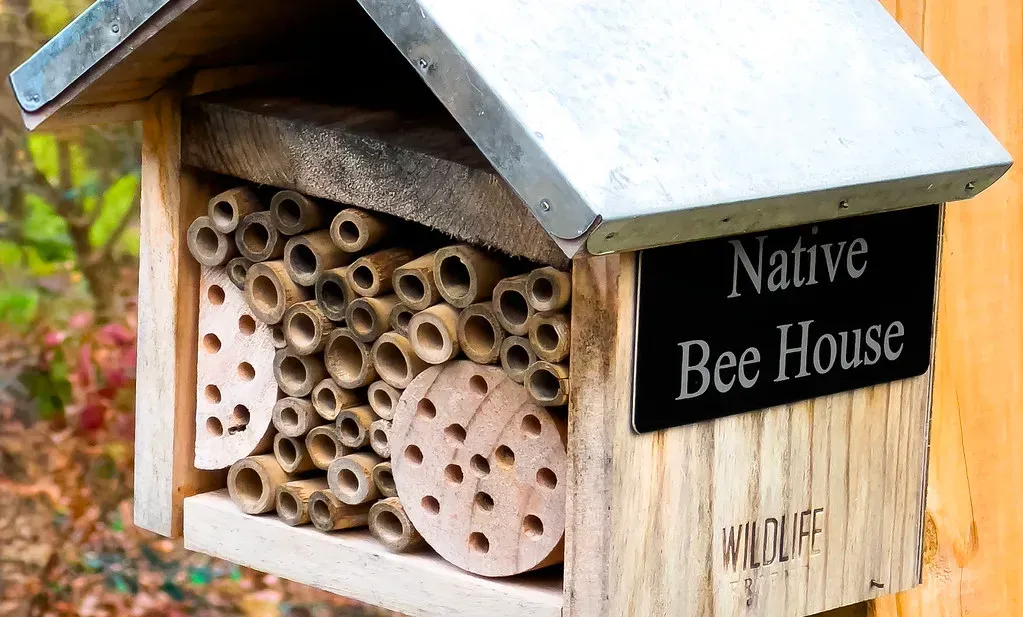
Encouraging birds and pollinators into a backyard offers real ecological value beyond just being a pleasant thing to watch. A basic birdhouse can be built from a single pine board using a few cuts and some wood glue, with entrance hole size determining which species are likely to use it, smaller holes for wrens and chickadees, slightly larger for bluebirds. Bee hotels, meanwhile, are typically just bundles of hollow reeds or drilled wood blocks that give solitary bees, which make up the majority of native bee species, a place to lay eggs.
Solitary bees are non-aggressive and rarely sting, making bee hotels a safe addition even in yards with kids or pets nearby. Positioning either structure facing away from prevailing winds and rain, generally east or southeast, improves the odds of it actually getting used. These projects take an hour or two but contribute meaningfully to local pollinator populations, which have faced well-documented declines in recent years.
Set up a rainwater collection barrel
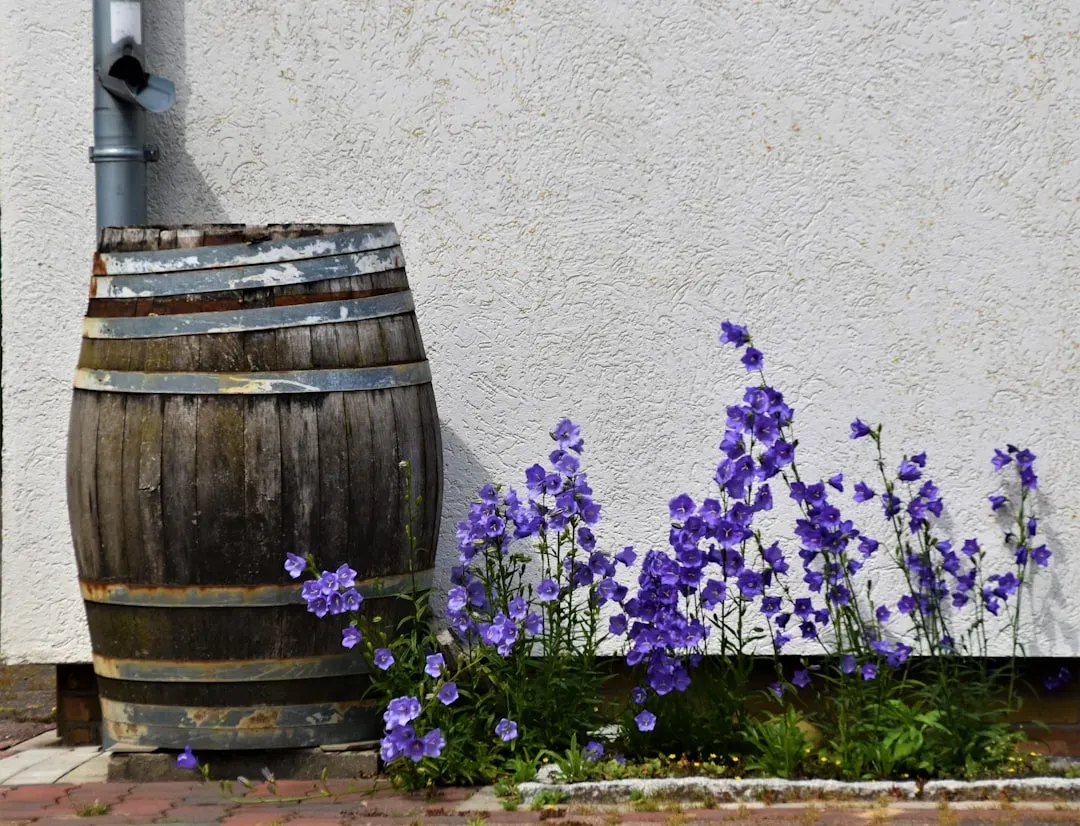
Rain barrels have become increasingly common as water costs rise and drought conditions affect more regions, and setting one up is straightforward. A basic system connects to an existing downspout, redirecting runoff from the roof into a sealed barrel with a spigot near the bottom for filling watering cans or attaching a hose. Many municipalities and water districts actually offer rebates or subsidized rain barrels, since reducing stormwater runoff benefits local infrastructure too.
A single rain barrel typically holds around fifty to sixty gallons, which sounds modest but adds up quickly during a wet season and can meaningfully offset outdoor water use for container gardens or small beds. Installation mainly involves cutting the downspout to the right length and adding a diverter kit, most of which come with straightforward instructions. It’s a project that pays for itself over time, both in reduced water bills and in the small satisfaction of using rain that would otherwise just run off into the street.