
Walk into a home that always seems put together and you won’t usually find a family with more time or money than everyone else. You’ll find small habits repeated so often they stopped feeling like chores. A tidy home rarely happens through one big weekend cleanup. It happens through tiny, consistent actions woven into the rhythm of daily life.
The good news is that none of these habits require special products or hours of free time. Most take a minute or two and fit naturally into things you’re already doing. Here are the habits that make the biggest visible difference over time.
Make the bed every morning

This is the simplest habit on the list, yet it changes how an entire bedroom looks in seconds. A made bed instantly signals order, even if there’s laundry on the chair or shoes by the door. It takes less than two minutes and gives the room a finished feeling before you even leave for the day.
There’s also a psychological piece to this. Making the bed is one small, controllable action that starts the day with a sense of accomplishment. Many people report that this single habit makes them more likely to keep other areas tidy, almost like a chain reaction that starts the moment they smooth the sheets.
Wipe kitchen counters after every use
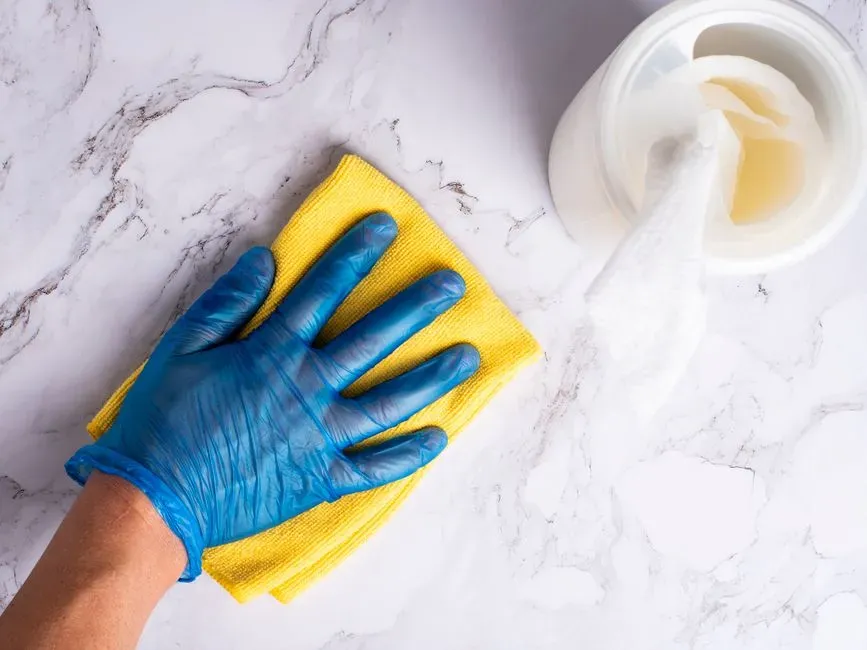
Kitchens get messy fast because they’re used constantly throughout the day. Crumbs, splashes, and food residue build up quietly until the whole counter looks dull and sticky. Wiping down surfaces right after cooking or prepping food, rather than waiting until the end of the day, keeps things looking fresh with almost no extra effort.
This habit also prevents bigger cleaning jobs later. Dried spills and grease are much harder to remove than fresh ones, so a quick wipe now saves scrubbing later. Keeping a cloth or sponge within easy reach makes it far more likely you’ll actually do it in the moment instead of putting it off.
Deal with mail and papers immediately
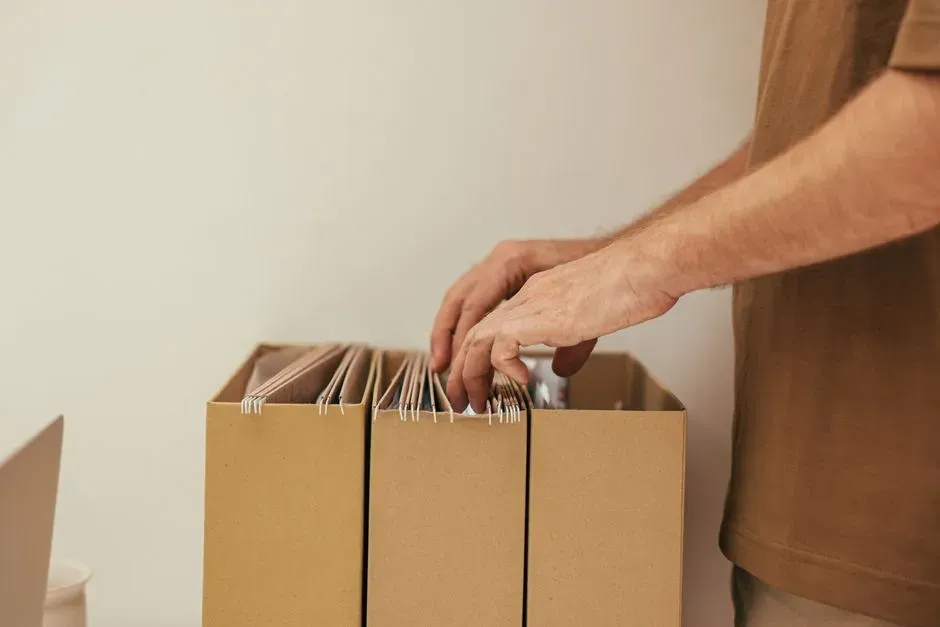
Paper clutter is one of the fastest ways a clean room starts looking messy again. Mail, receipts, school flyers, and takeout menus pile up on counters and tables because they don’t have an obvious home. Sorting mail the moment it comes in, tossing what you don’t need and filing the rest, stops that pile from ever forming.
A small tray or designated spot near the entryway helps enormously here. It gives incoming paper somewhere to land besides the kitchen table or couch arm. Within a week or two, this becomes automatic, and the constant drift of paper across your home slows to almost nothing.
Do a nightly five-minute reset
Many organized households swear by a short reset routine before bed. This means putting stray items back where they belong, straightening cushions, and clearing surfaces so the house looks calm in the morning. It doesn’t need to be thorough, just consistent.
Waking up to a tidy living room or kitchen sets a completely different tone for the day than waking up to yesterday’s mess. This habit also prevents small messes from snowballing into weekend-long cleaning marathons. Five minutes at night is almost always easier than an hour on Saturday.
Keep a basket for stray items

Every home accumulates items that don’t have a permanent spot, at least not one that’s convenient in the moment. A shoe left by the stairs, a toy in the hallway, a sweater on the banister. Rather than letting these things sit out, a simple basket or bin lets you scoop them up quickly and sort them properly later.
This is especially useful in busy households with kids or multiple people coming and going. The basket acts as a holding zone, not a permanent home, which is an important distinction. Emptying it once a day, rather than letting it become another cluttered spot, keeps the system working.
Clean as you cook
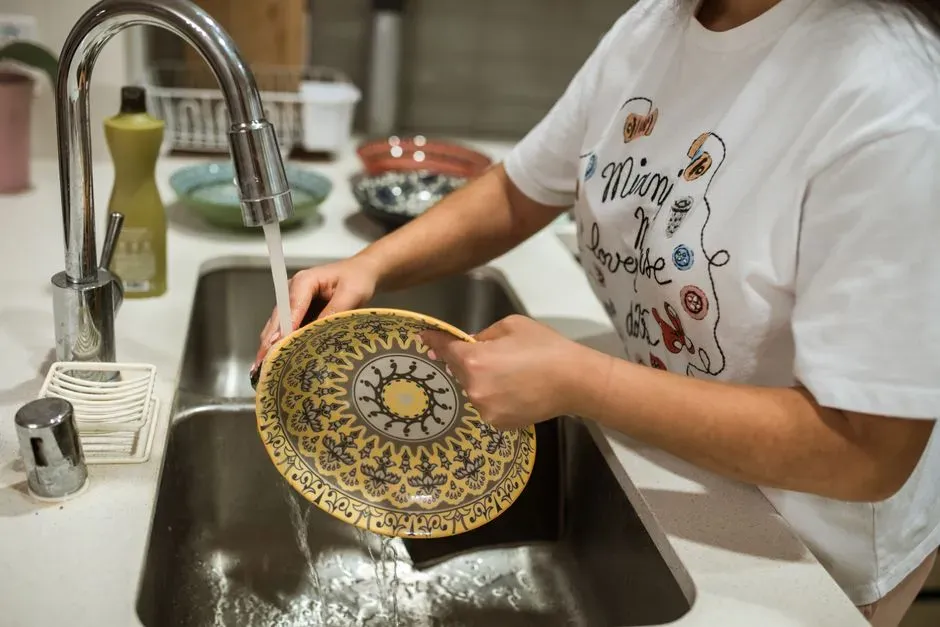
One of the biggest reasons kitchens feel overwhelming after meals is that mess accumulates in layers throughout cooking. Washing utensils, wiping spills, and putting ingredients away as you go breaks that buildup into manageable pieces. By the time dinner is ready, there’s far less left to clean.
This habit also makes cooking itself feel less chaotic. A cluttered counter mid-recipe can slow you down and increase the chance of mistakes or spills. Chefs are trained to work this way for a reason, and home cooks who adopt even a simplified version notice a real difference in how manageable the kitchen feels.
Do a load of laundry daily instead of batching
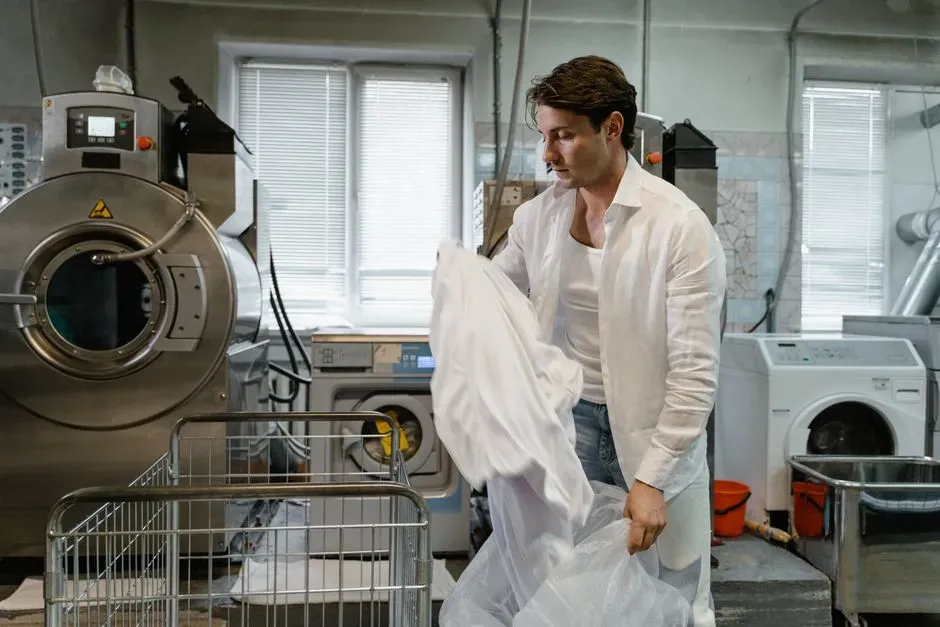
Laundry has a way of becoming an overwhelming task when it’s left to pile up for a full week. Running one load a day, even a small one, keeps the volume manageable and prevents overflowing hampers. It also means clothes get folded and put away in smaller, less draining sessions.
This approach works particularly well for larger households where laundry accumulates quickly. Instead of one dreaded laundry day, the task gets distributed evenly across the week. Many people find this small shift removes a surprising amount of weekly stress.
Wipe down bathroom surfaces after showering
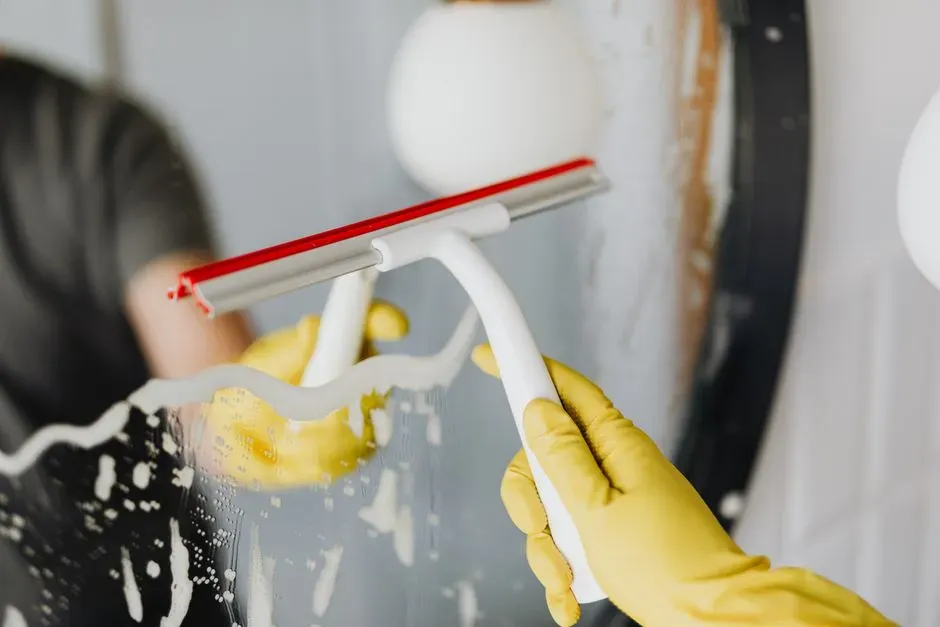
Bathrooms are prone to soap scum, water spots, and mildew because of constant moisture exposure. A quick wipe of the sink, mirror, and shower walls right after use prevents buildup that would otherwise require heavier scrubbing later. This takes less than a minute but keeps surfaces looking clean between deeper cleaning sessions.
Keeping a squeegee or microfiber cloth in the shower makes this habit almost effortless. Many people wipe down glass shower doors while the water is still running off them, before it has a chance to dry into spots. Over time, this small routine noticeably reduces the need for harsh bathroom cleaners.
Return items to their place right away
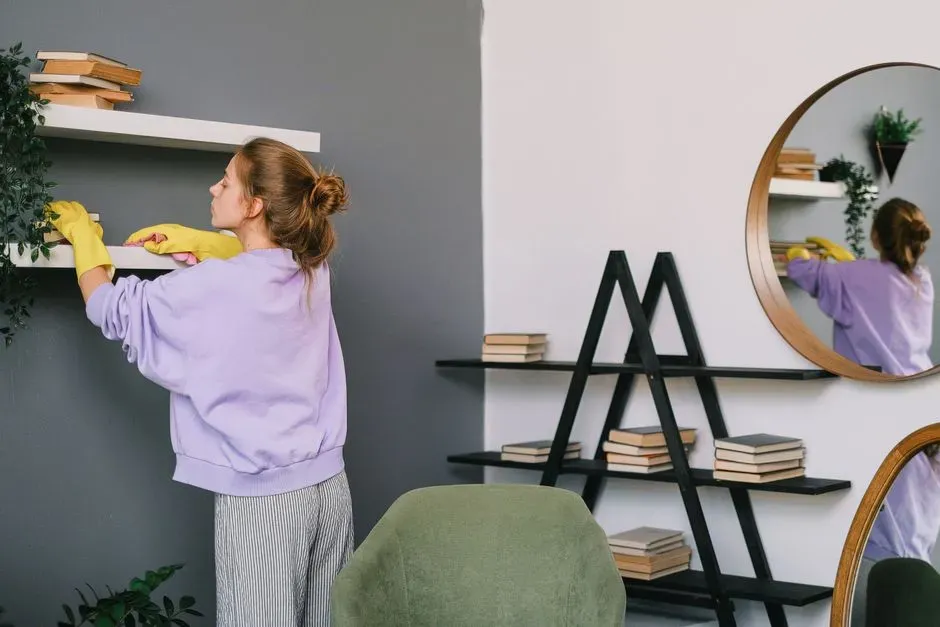
Clutter rarely appears all at once. It builds gradually when items get set down “just for a moment” and never picked back up. Training yourself to put things away immediately after use, whether it’s a book, a pair of scissors, or a coffee mug, prevents that slow drift toward disorder.
This habit relies on having a logical, easy-to-reach spot for everyday items. If putting something away requires effort or extra steps, people are far less likely to do it consistently. Organizing spaces so the correct home for an item is also the most convenient spot makes this habit stick almost automatically.
Do a weekly walk-through of the whole home

Daily habits handle the small stuff, but a short weekly walk-through catches things that slip through the cracks. This might mean noticing dust on a shelf, a plant that needs water, or clutter that quietly accumulated in a corner. Spending fifteen or twenty minutes each week on this kind of scan keeps small issues from turning into bigger ones.
Many people pair this habit with a specific day, like Sunday evening, so it becomes part of a predictable routine rather than something they have to remember randomly. This walk-through also offers a chance to reassess what’s working and what isn’t in your home’s organization. It’s less about deep cleaning and more about staying aware of the space you live in.