
Most people treat sleep problems as a personal failing – not enough discipline, too much stress, or a wandering mind that won’t quiet down. Yet the room itself often carries more blame than we give it. The physical environment around you while you sleep directly shapes how deeply you rest, how quickly you drift off, and how alert you feel the next morning.
The good news is that many of the most effective fixes don’t require major renovations or expensive gadgets. Some come down to adjusting a thermostat, rearranging what’s on your nightstand, or switching out a lightbulb. Small changes, real results.
Get the Temperature Right
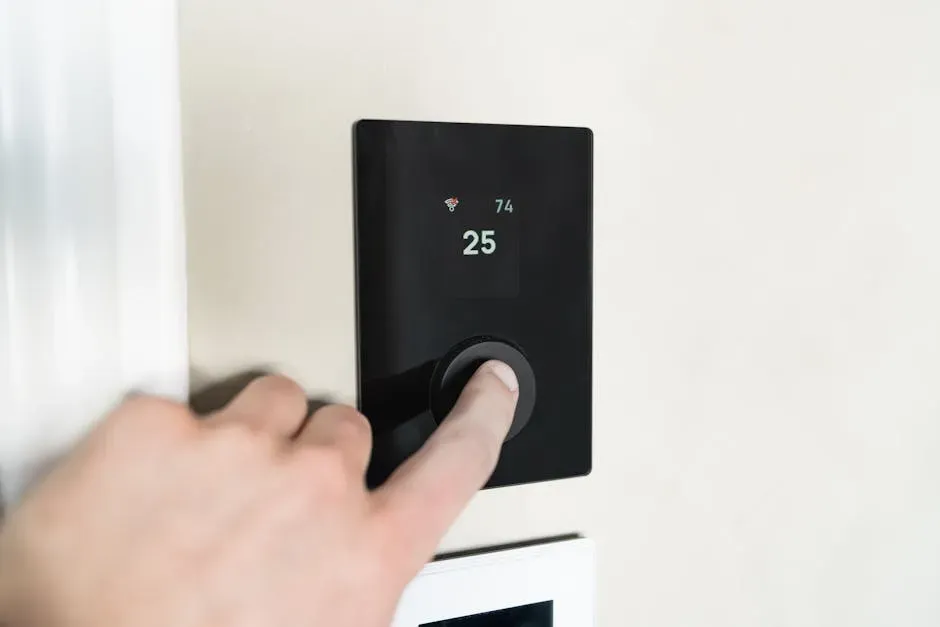
A cooler bedroom supports deep sleep by aligning with the body’s natural overnight temperature drop. Most sleep researchers point to a range of roughly 60°F to 67°F (15°C to 19°C) as optimal for rest. This isn’t a minor detail. In the largest study of billions of sleep measurements from people across 68 countries, higher nighttime temperatures were found to specifically cause more trouble falling asleep. When the bedroom is too warm, the body struggles to maintain its natural cooling cycle, which leads to impaired sleep quality.
Research using wearable sleep monitors and environmental sensors found that sleep was most efficient and restful when nighttime ambient temperature ranged between 20 and 25°C, with a clinically relevant drop in sleep efficiency when temperature climbed above that range. Temperature shows the most pronounced effect on sleep stages overall, and establishing a comfortable thermal environment before bed can reduce wakefulness and light sleep while increasing deep sleep and REM duration.
Block Out the Light Completely

Exposure to bedroom nighttime light increases systemic inflammation and disrupts circadian rhythms of inflammatory markers, suggesting that maintaining darkness may help prevent chronic inflammation over time. This goes beyond just feeling groggy. Bedroom nighttime light exposure is significantly associated with increased allostatic load in young adults, meaning that light pollution in the room can affect cardiometabolic health even early in life.
Blackout curtains are one of the most underrated bedroom upgrades available. Nearly six in ten travelers actively seek out properties offering sleep-focused perks like blackout curtains, white noise machines, and relaxation apps – which signals how widely recognized the impact of light control has become. Even small sources like charging LED indicators and alarm clock displays contribute to the problem, so minimizing all of them matters.
Rethink Your Lighting Before Bed
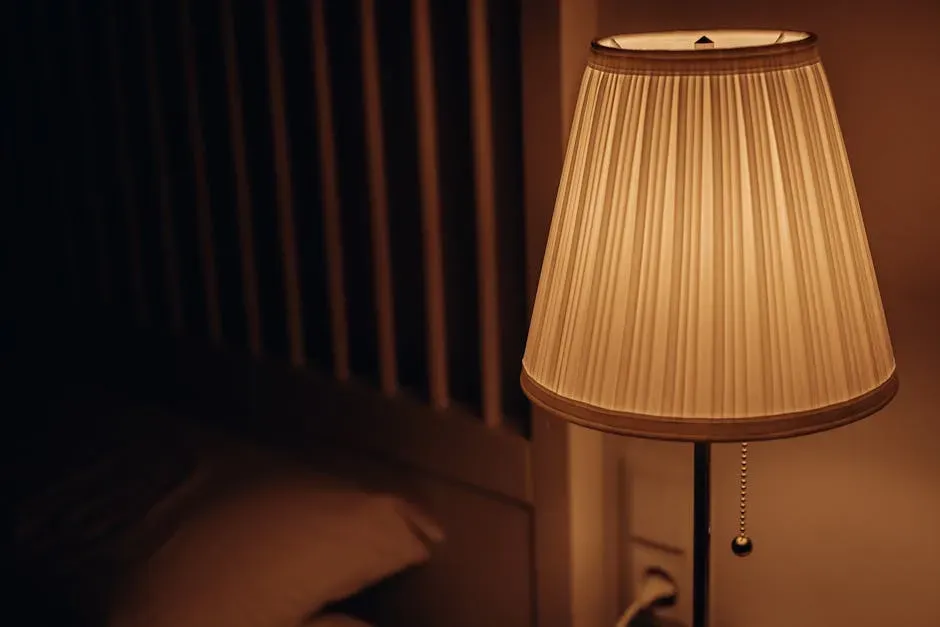
Among key environmental factors studied, correlated color temperature predominantly influences sleep latency, while illuminance primarily governs both sleep duration and subjective sleep quality. In practical terms, this means the color and intensity of your evening light matters as much as whether you turn it off. A neutral temperature around 22°C combined with low illuminance of about 50 lux is considered suitable for the pre-sleep period, and the appropriate color temperature should account for the impact of blue light.
Evening exposure to blue light suppresses melatonin, delays circadian phase, and prolongs sleep onset latency, impairing sleep quality. Switching to warmer, amber-toned bulbs in your bedroom lamps in the hour before sleep is one of the simplest and cheapest adjustments you can make. Artificial lights at 2700K in bedrooms can support relaxation and mood, with a significant portion of variation in sleep quality explained by pre-sleep relaxation and pleasure.
Reduce Noise or Use It Strategically

Research shows that sleep efficiency is measurably lower in participants exposed to higher noise levels, with the effect of noise on sleep efficiency being among the strongest of all environmental factors studied, including temperature, air quality, and particulate matter. Traffic rumble, a partner’s movement, or even ambient building sounds can fragment your sleep architecture without you fully waking. Among travelers who report worse sleep away from home, noise ranks as the single most commonly cited disruptor, affecting roughly three quarters of respondents.
White noise machines and low-level pink noise have both gained traction as practical tools for masking irregular sound intrusions. The goal isn’t silence for everyone – consistent, steady background sound can be more effective than trying to achieve a completely quiet room in a busy household or urban environment. Earplugs remain a simple, free alternative worth trying before investing in a dedicated device.
Choose Your Mattress and Bedding Thoughtfully
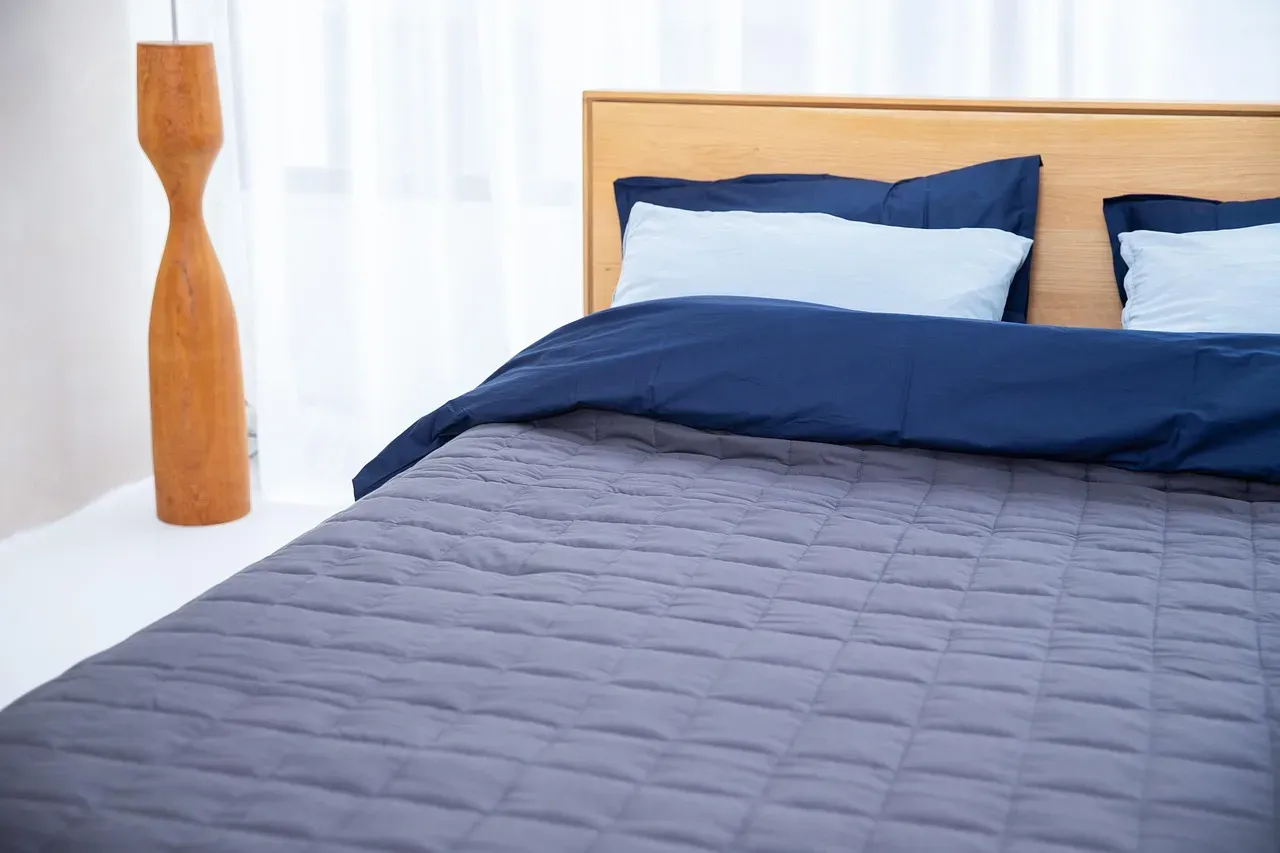
Despite the fact that roughly nine in ten people say a mattress plays a pivotal role in achieving high-quality sleep, there is still a scarcity of research investigating the influence of mattresses on sleep quality, pain, and mood in everyday poor sleepers. What is clear is that comfort and support both matter, and an aging mattress that no longer distributes pressure evenly disrupts the physical conditions for deep sleep. The influence of sleep environments on sleep quality is well-established, though the specific role of mattress design remains underexplored, with most existing studies focusing on ergonomic aspects like pressure relief and spinal support.
Sleepwear and bedding types can have an impact on sleep quality by affecting thermal comfort, since skin temperature plays an essential role in thermoregulation through receptors that help adjust peripheral blood flow and control heat loss. Sleepwear and bedding materials affect sleep quality specifically by influencing the skin and body temperature and overall thermal comfort throughout the night. Natural fibers like cotton and wool tend to regulate moisture more effectively than synthetic alternatives, which is worth considering when replacing old bedding.
Improve the Air Quality
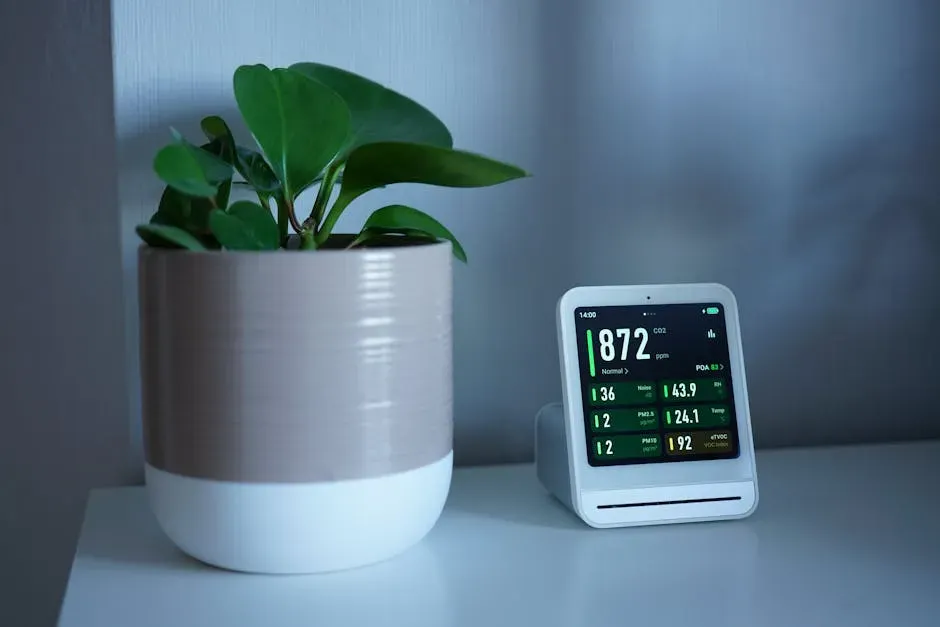
Current minimum ventilation rates for residential bedrooms may be insufficient, and research suggests that carbon dioxide levels generated by sleeping occupants should remain below 1,000 ppm at minimum to avoid disturbing sleep. In a sealed room with no ventilation, CO2 can build up significantly through the night. Indoor air quality correlates with sleep quality, with statistically significant connections found between odor intensity, air quality acceptability, average nightly CO2 concentration, and objective measures of sleep quality.
Opening a window even slightly before sleep – or cracking it during the night if outdoor noise allows – is one of the easiest ways to address this. Most environmental sleep hygiene recommendations specifically include optimizing air quality alongside darkness, noise, temperature, and humidity as core pillars of a better sleep environment. A simple air purifier with a HEPA filter can also reduce fine particulate matter that contributes to restlessness, particularly in urban settings.
Add a Few Well-Chosen Plants
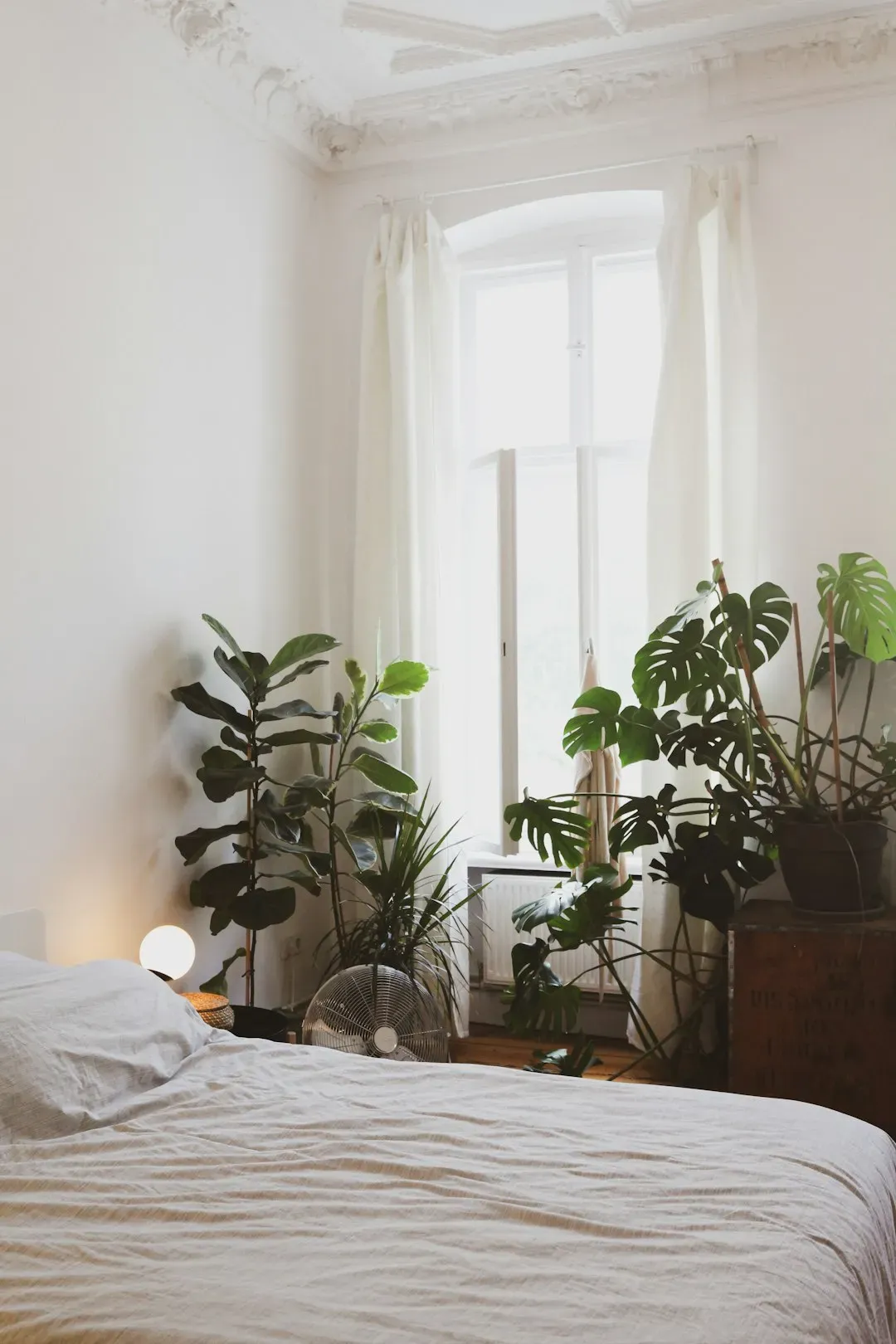
Bedroom plants don’t meaningfully raise oxygen levels in a typical room – the amount of oxygen a plant produces overnight is too small to change room air composition – but they do provide modest reductions in volatile organic compounds, modest humidity increases, and well-documented psychological benefits that can improve sleep quality. That psychological dimension is real. The benefit of plants is not only through air quality – psychological wellbeing scores improve independently, supporting the idea that the presence of plants has a direct psychological effect beyond any measurable air improvement.
Good indoor plants for sleep and air purification include snake plants, which may help reduce mold growth by regulating humidity in sleeping environments according to a 2024 study. A 2024 University of Reading study confirmed that individual plants transpire between 35 and 58 grams of water per day depending on the season – a meaningful contribution to humidity balance in a closed room. Peace lily and Boston fern are among the highest transpirers of commonly available houseplants.
Use Scent with Intention

Lavender is commonly recognized as an aromatherapy and relaxation aid, with its soothing fragrance shown to reduce the symptoms of sleep challenges such as insomnia, anxiety, and depression. You don’t need to grow it indoors to benefit. Using an essential oil diffuser to disperse calming scents like lavender, chamomile, or eucalyptus is practical, and aromatherapy sprays offer a convenient alternative that can be sprayed in the bedroom to freshen the air and promote relaxation.
Some scented plants and natural fragrances have the ability to soothe and relax the mind, making it easier to fall asleep, while breathing in certain aromas can slow heart rate and relax muscles, leading to a more restful night and higher energy the following day. Keep concentrations gentle rather than overwhelming – strong floral scents in an enclosed room can become stimulating rather than calming for some people, particularly those with sensitivities.
Reserve the Room for Sleep
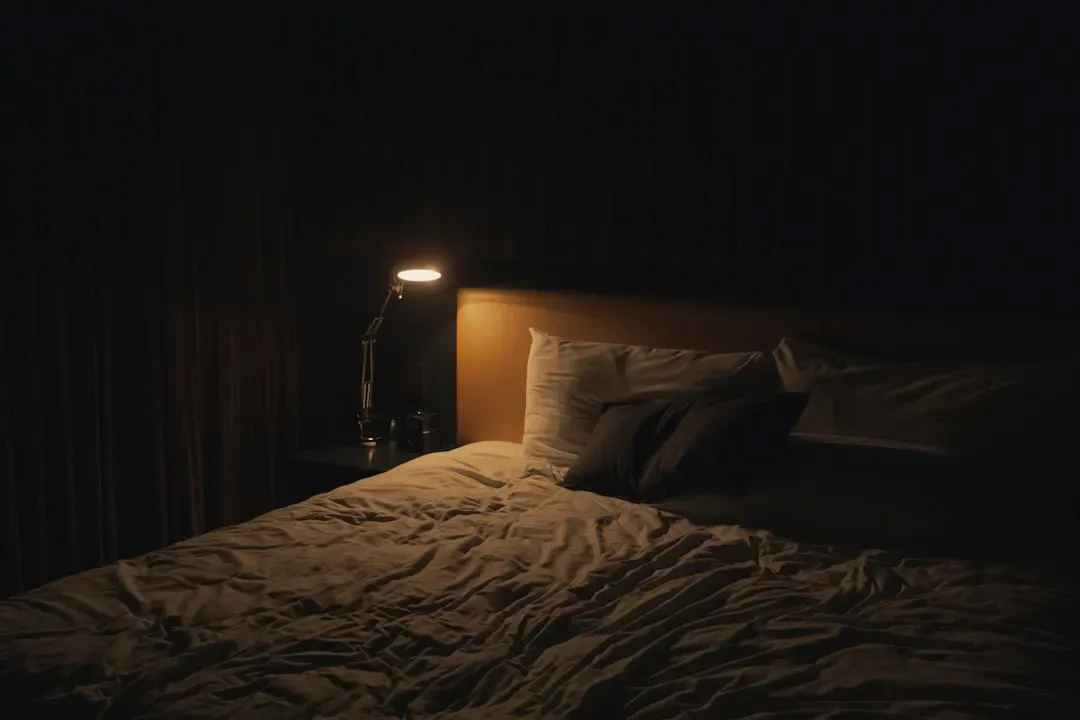
One of the most consistently recommended behavioral changes in sleep medicine is treating the bedroom as a dedicated sleep space rather than a secondary living room. Working from your bed, watching long stretches of video, or scrolling through social media in bed trains the brain to associate that space with alertness rather than rest. Sleep experts recommend creating a simple five to fifteen-minute wind-down routine as a cue for the brain that it’s time to go to sleep.
The visual environment plays a role too. A cluttered, disordered room can subtly maintain a low level of mental arousal that competes with the wind-down process. Keeping surfaces clear, removing work items from view, and making the space feel calm and intentional all contribute to the psychological shift the brain needs to prepare for sleep. Sleep experts increasingly advocate for mindful sleep practices including cognitive behavioral strategies and digital detox approaches that prioritize relaxation over rigid performance goals.
Think About Who You Share the Space With

A 2024 American Academy of Sleep Medicine survey found that more than one in three Americans occasionally or consistently sleep in a separate room from their partner due to issues like snoring, differing sleep schedules, and restlessness. This isn’t a sign of a troubled relationship – it’s increasingly recognized as a practical response to incompatible sleep environments. Surveys show that mismatched sleep schedules, snoring, and different temperature preferences can lead to disrupted sleep, and as social stigma around separate sleeping arrangements decreases, more couples are openly embracing solutions like separate beds to prioritize individual rest.
Customizable sleep products such as split-adjustable mattresses, temperature-regulating bedding, and noise-canceling sleep accessories are becoming more mainstream, helping partners find middle-ground solutions without compromising comfort. For couples who want to share the same bed, these innovations make it increasingly possible to create two distinct micro-environments within a single sleeping surface. The aim is simple: each person gets the conditions their body actually needs.