
Neutral color palettes as a foundation
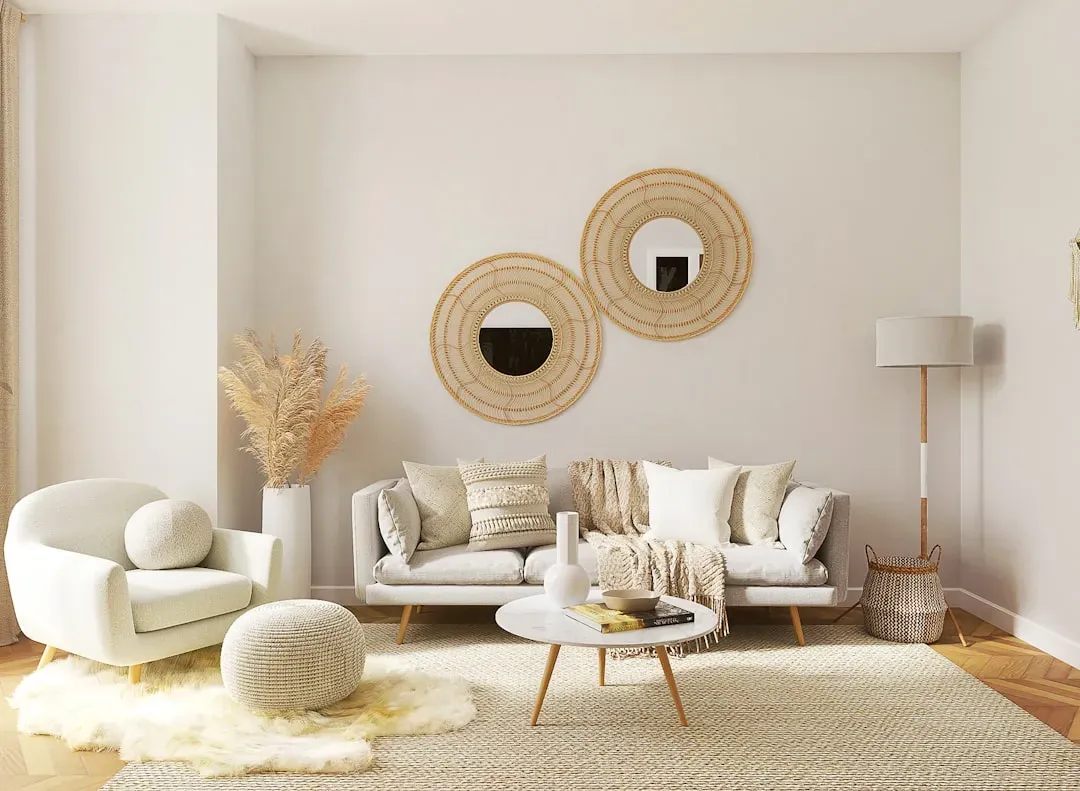
A neutral base, think warm whites, soft greiges, and muted taupes, gives a living room room to breathe and evolve. These tones reflect light well and create a calm backdrop that doesn’t compete with furniture, art, or personal collections. Designers have leaned on this approach for decades because it lets homeowners refresh a space with new pillows or a rug without repainting every few years.
Neutral doesn’t mean boring, either. Layering different textures and slightly varied shades of the same color family, like a cream sofa against a stone-colored wall, adds depth without introducing risk. This approach also tends to hold resale value better, since prospective buyers can more easily picture their own belongings in a neutral room than one dominated by a bold, trend-driven hue.
Classic furniture silhouettes
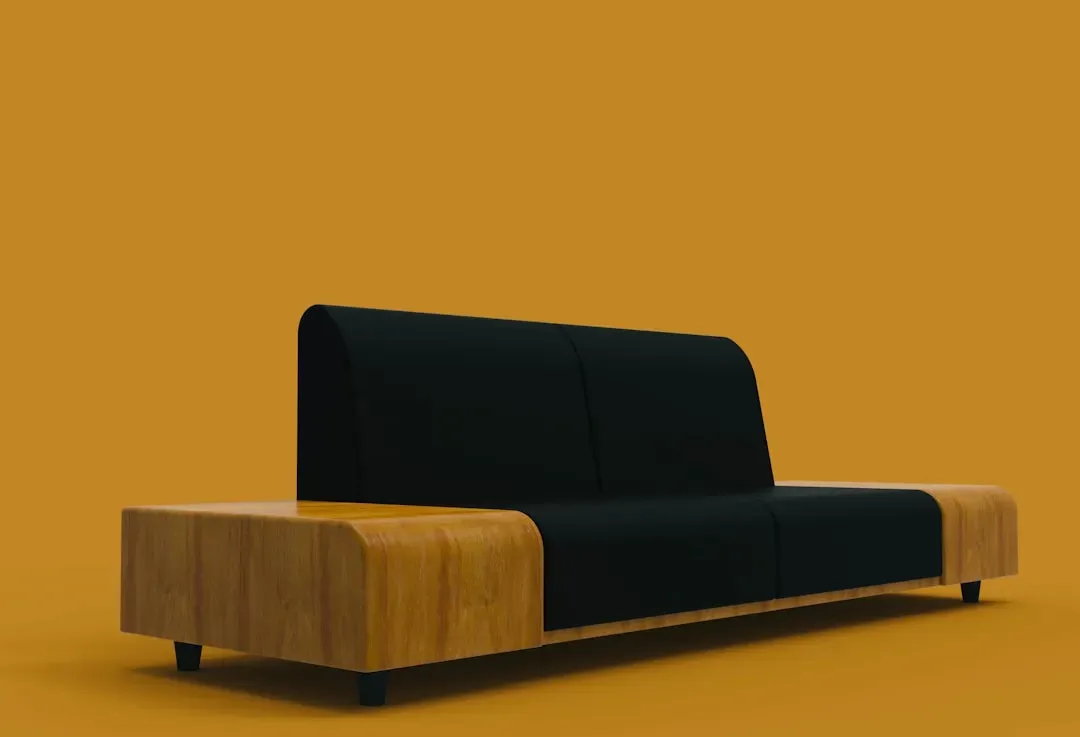
Certain furniture shapes, like the rolled-arm sofa, the tuxedo sofa, and simple tapered-leg chairs, have remained popular because their proportions are balanced and comfortable. These silhouettes were established well before mid-century modern or contemporary design trends took hold, and they still pair naturally with almost any decor style. A well-proportioned sofa with clean lines can sit in a farmhouse living room or a minimalist one with equal success.
Investing in quality frames and construction matters more than chasing the newest silhouette. A sofa built on hardwood framing with proper cushion support will outlast several trend cycles, both physically and stylistically. That longevity is part of why timeless furniture often costs more upfront but saves money over the long run.
Natural materials that age well

Wood, linen, wool, and stone bring warmth and texture into a living room in a way synthetic materials rarely match. These materials develop character over time rather than looking worn out, a wooden coffee table gains a richer patina, and a wool rug softens without losing its structure. That aging process is part of the appeal, since natural materials tend to look more authentic the longer they’re used.
Because natural materials share visual DNA across design eras, from Scandinavian to traditional English interiors, they blend well into almost any room update. A homeowner can swap out accent pieces while keeping a solid wood console or linen curtains as anchors. This flexibility is a major reason natural materials remain a favorite among interior designers working on long-term projects.
Symmetry and balanced layouts
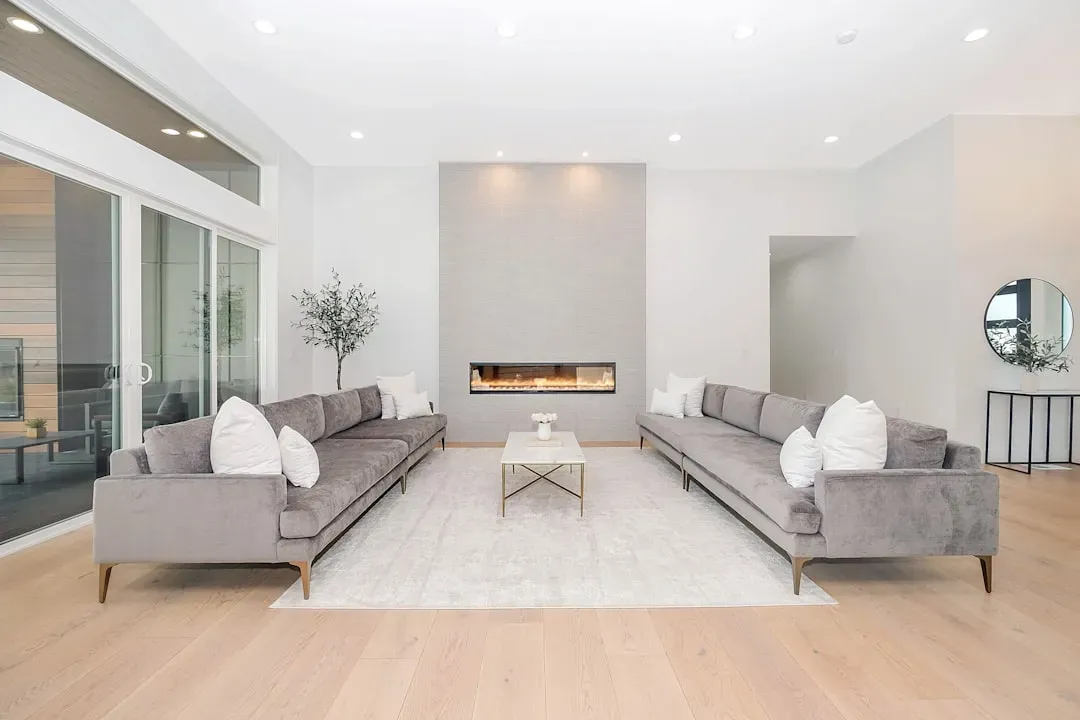
A symmetrical arrangement, matching side tables, mirrored lighting fixtures, or a sofa centered on a focal wall, creates a sense of order that feels intentional rather than accidental. This principle traces back to classical architecture and interior design theory, where balance was seen as essential to a pleasing space. Even informal, lived-in living rooms often use subtle symmetry to keep the room from feeling chaotic.
Balance doesn’t require perfect mirroring on every side of the room. Many designers use asymmetrical balance instead, placing a large item on one side and a grouping of smaller items on the other to achieve visual equilibrium. Either approach signals thoughtful planning, which is part of why balanced rooms consistently photograph and feel better than cluttered, uneven ones.
Layered, functional lighting
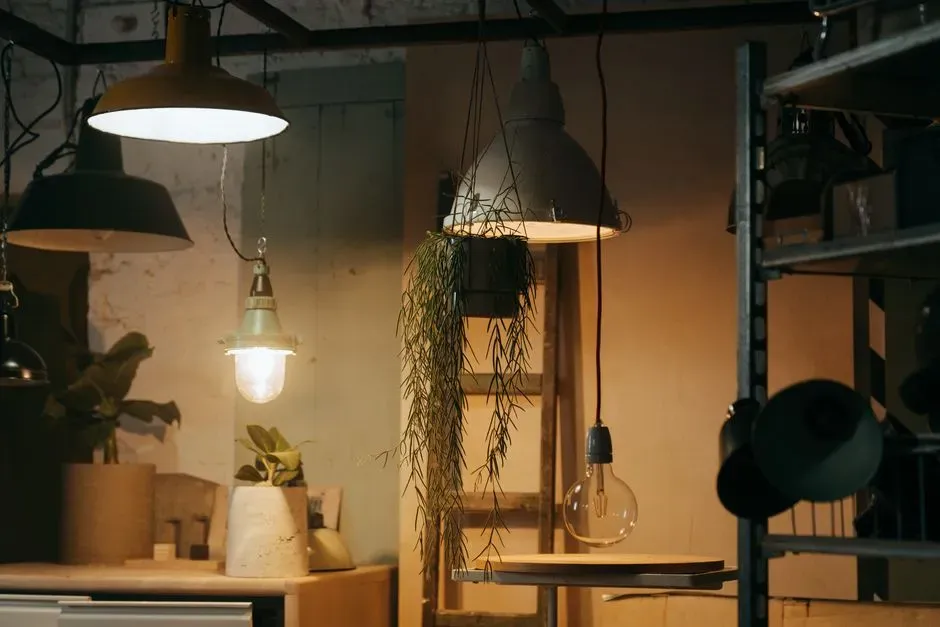
Rooms that rely on a single overhead fixture often feel flat and one-dimensional, no matter how nice the furniture is. Designers have long favored layering ambient, task, and accent lighting, ceiling fixtures paired with table lamps and picture lights, to create depth and warmth at different times of day. This layered approach remains standard practice because it solves a practical problem, not just an aesthetic one.
Warm-toned bulbs, generally in the 2700 to 3000 Kelvin range, tend to make living rooms feel more inviting than cooler, bluish light. Dimmer switches add further flexibility, letting a room shift from bright and functional during the day to soft and relaxed in the evening. This kind of adaptable lighting setup has stayed relevant even as bulb technology has moved from incandescent to LED.
Statement rugs anchoring the space
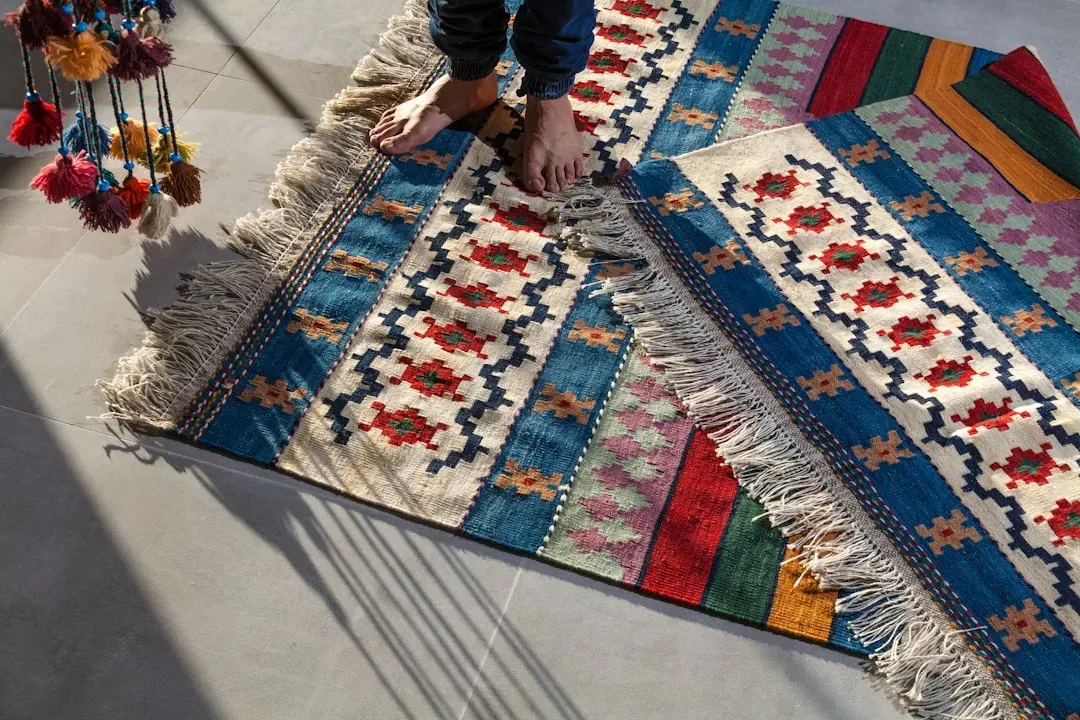
A well-chosen area rug does more than add softness underfoot. It defines the seating area, ties together the color palette, and gives the eye a clear boundary within an open floor plan. Persian, Oushak, and other traditional patterned rugs have remained popular precisely because their intricate designs hide wear and complement a wide range of furniture styles.
Sizing matters as much as pattern. A common design guideline is to choose a rug large enough for at least the front legs of major seating pieces to rest on it, which keeps the room feeling grounded rather than sparse. This proportional rule has stayed consistent across design eras, even as pattern preferences have shifted from bold florals to more muted geometric options.
Built-in shelving and millwork
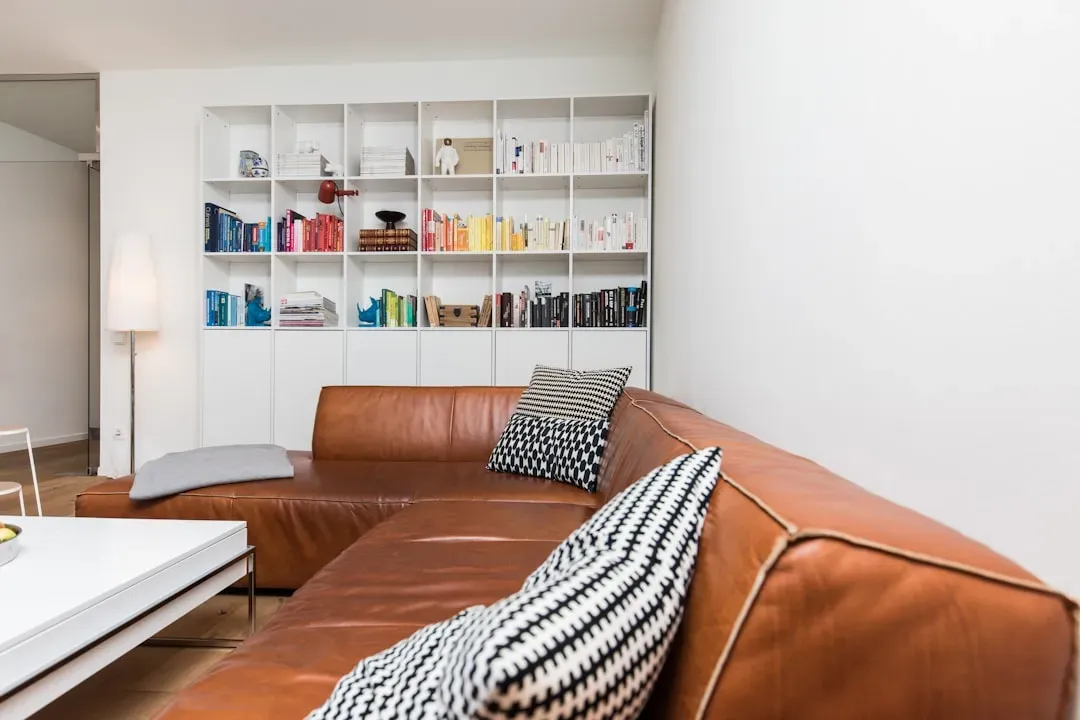
Built-in bookshelves, wainscoting, and other millwork details add architectural interest that mass-produced furniture simply can’t replicate. These features were common in older homes built before the mid-20th century and have seen a steady resurgence as homeowners look for ways to add character to newer construction. Built-ins also solve a practical need, offering storage and display space without eating into floor area.
Because millwork is part of the architecture rather than a furniture choice, it doesn’t the way a trendy shelf unit might. Painting built-ins to match or contrast with the wall color is a simple way to keep them feeling current without a full renovation. This adaptability is a major reason real estate agents and designers alike consider millwork a value-adding feature.
Well-placed art and mirrors
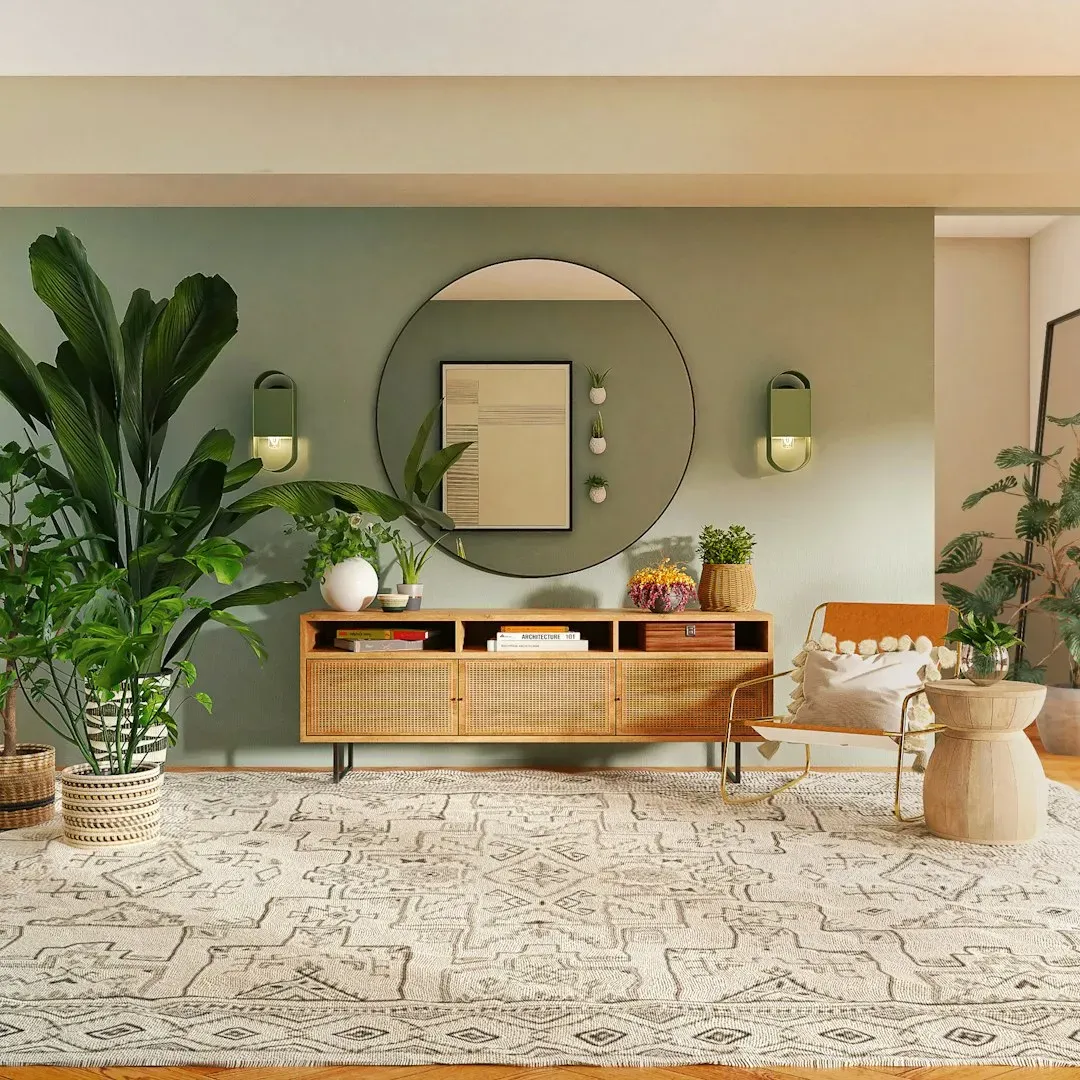
Original art, vintage finds, and well-framed prints give a living room a sense of personality that off-the-shelf decor can’t match. Mirrors do double duty, adding visual interest while also reflecting light and making a room feel larger, a trick interior designers have relied on for centuries. Placing a large mirror opposite a window is a particularly effective way to amplify natural light throughout the day.
Grouping smaller pieces into a gallery wall, when done with consistent spacing and a cohesive color story, reads as curated rather than cluttered. This approach allows a living room to display personal items, family photos, travel finds, without looking dated the way a single oversized poster from a specific era might. Art and mirrors, unlike furniture, rarely need replacing, which makes them one of the most cost-effective ways to keep a room feeling complete.
Comfortable, human-scaled seating arrangements
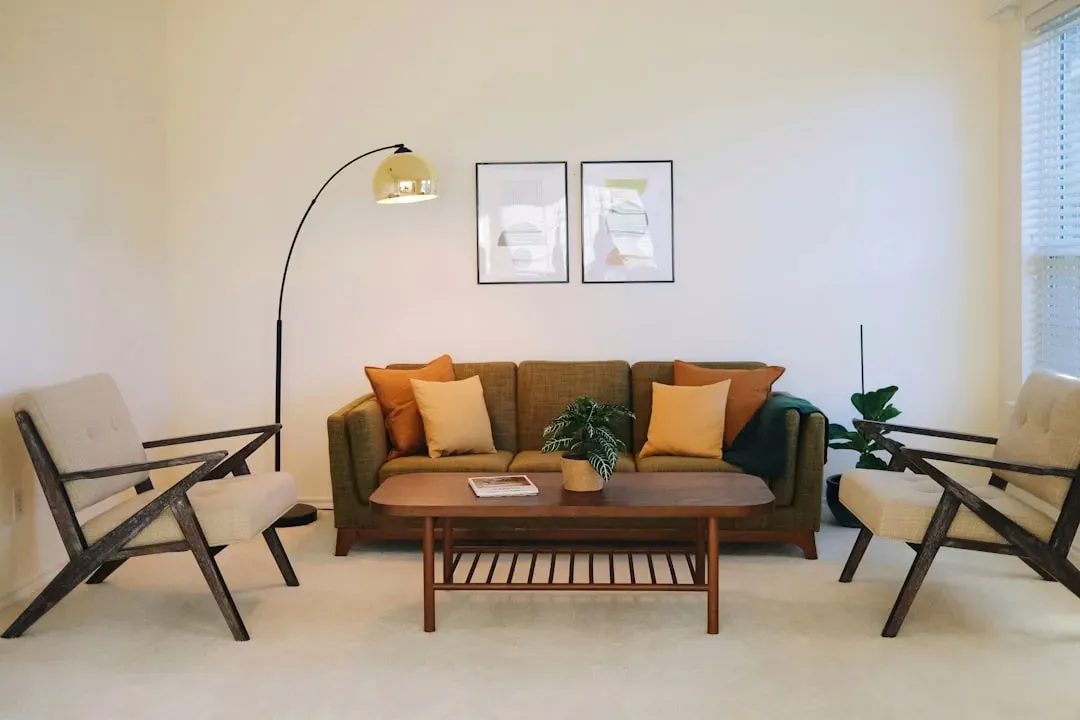
A living room designed around conversation, with seating arranged so people can easily face one another, tends to feel more welcoming than one arranged purely around a television. This layout principle predates modern media entirely and has remained a quiet standard in interior design because it reflects how people actually use the space. Even rooms built around a large screen often still incorporate a secondary seating cluster for conversation.
Scale matters as much as arrangement. Oversized sectionals can overwhelm a modestly sized room, while a mix of a sofa and a couple of armchairs often provides more flexibility for entertaining and everyday use. This human-scaled approach to seating has stayed relevant across decades of shifting furniture trends because comfort and function rarely .
Greenery and organic textures
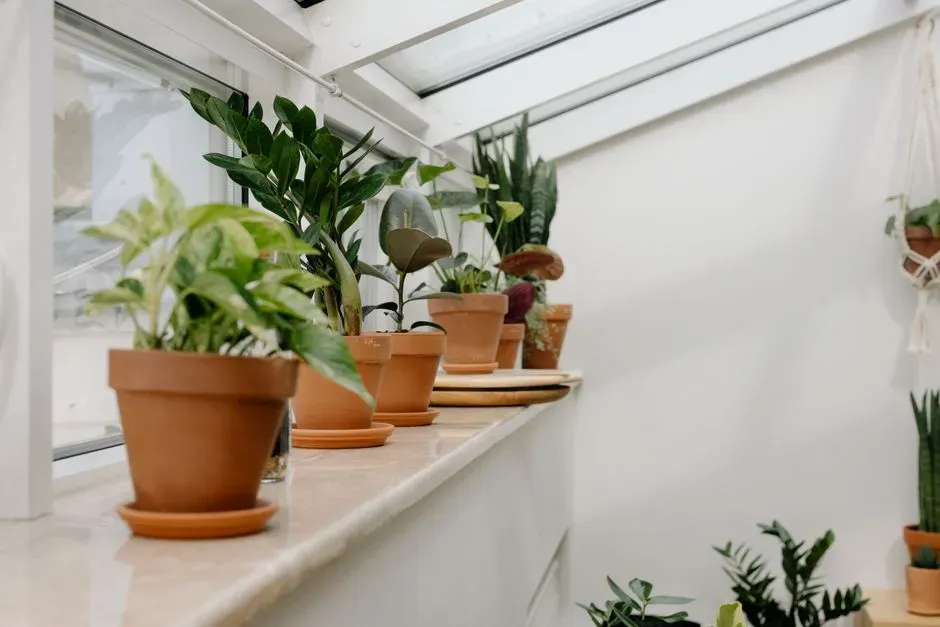
Houseplants, whether a large fiddle leaf fig or a simple collection of smaller potted plants, bring life and softness into a living room in a way that’s hard to fake with artificial versions. This preference for greenery isn’t new, it echoes design movements going back to the Victorian era, when conservatories and potted palms were staples of a well-appointed home. Beyond aesthetics, certain plants have also been studied for their air-purifying qualities, adding a practical layer to the decorative one.
Woven baskets, rattan accents, and other organic textures pair naturally with greenery to soften a room’s hard edges. These materials have remained popular because they add visual texture without introducing strong color or pattern commitments that might feel dated later. Together, plants and natural textures create a sense of warmth that keeps a living room feeling lived-in rather than staged.