
Wellness zones built into everyday layouts
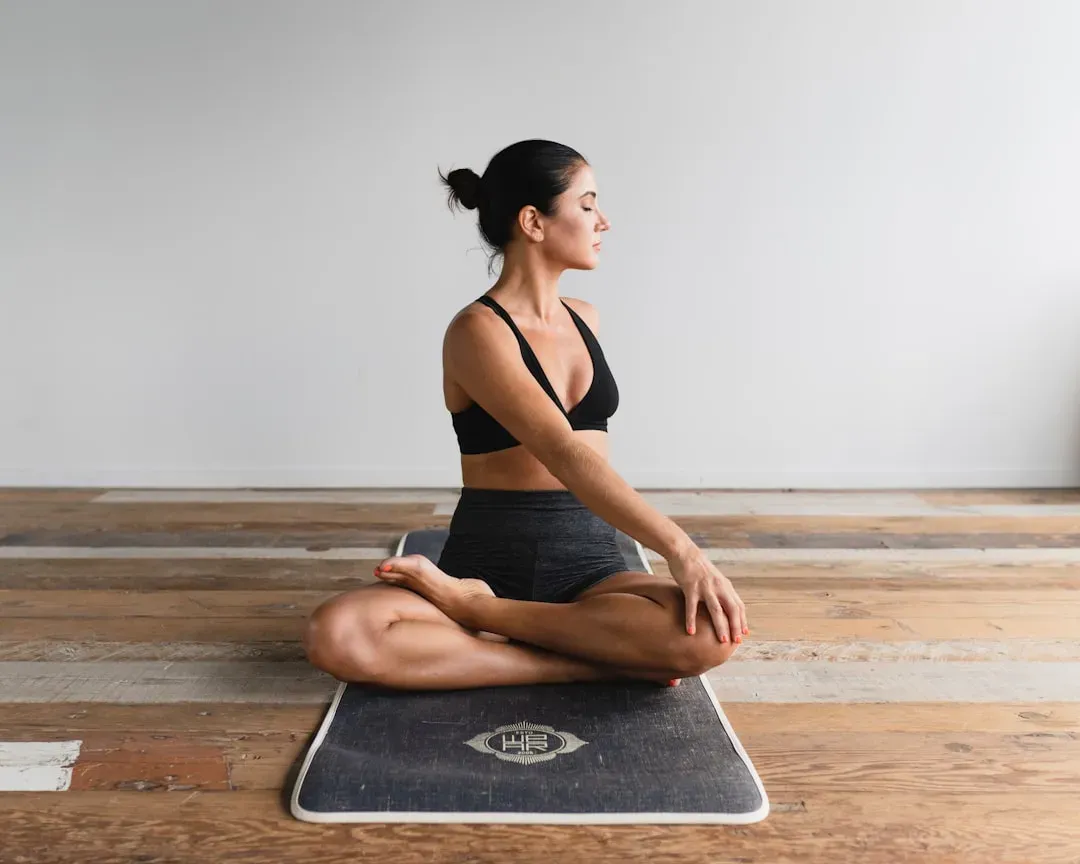
Homeowners aren’t just adding a home gym anymore. Floor plans increasingly carve out dedicated corners for recovery and calm, things like flexible spaces used for wellness routines, like yoga areas, quiet recovery corners, cold plunges or sauna spaces integrated into the layout. The goal isn’t luxury for its own sake.
Features that once felt like luxury upgrades are becoming expectations, with homes designed to support physical and mental well-being through natural light, improved air quality and materials that promote comfort. It’s a quiet but real shift in what people expect a house to do for them beyond shelter.
Spa-inspired bathrooms replace the clinical look
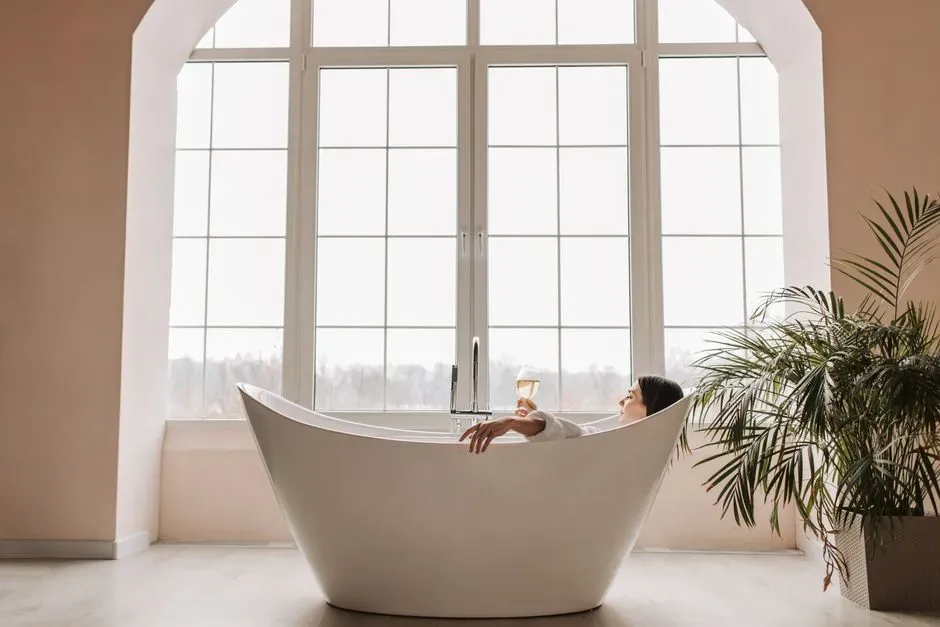
The all-white, hospital-adjacent bathroom is losing ground. In its place, the all-white, clinical bathroom is moving to the rearview mirror, replaced by spa oasis designs built around fluted stone, warm wood and seamless, accessible layouts.
This isn’t just cosmetic. Spa-like spaces at home prioritize calm, comfort, and thoughtful amenities that invite everyday moments of restoration. Even small updates, like textured tile or a wood vanity, push a bathroom away from sterile and toward something closer to a retreat.
Tactile, layered materials over cold surfaces
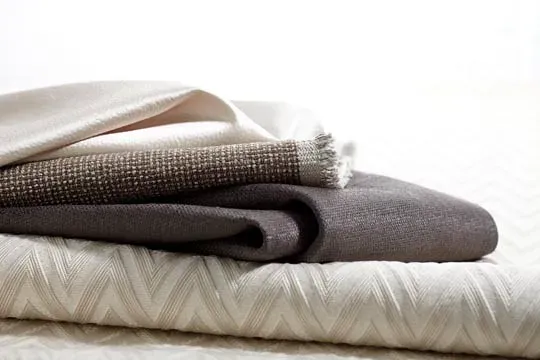
Texture is doing a lot of heavy lifting this year. Designers are moving toward materials you actually want to touch, and texture plays a big role, with layered materials like relaxed linens, boucle fabrics and woven accents adding softness and warmth, resulting in a home that feels cozy and welcoming.
The reasoning goes beyond style preference. Research on biophilic interiors shows that natural materials in the home can support well-being, which is why homeowners are bringing the outdoors in. A wool throw or a rough-hewn wood table isn’t just decoration, it changes how a room feels to sit in.
Homes that look collected, not staged
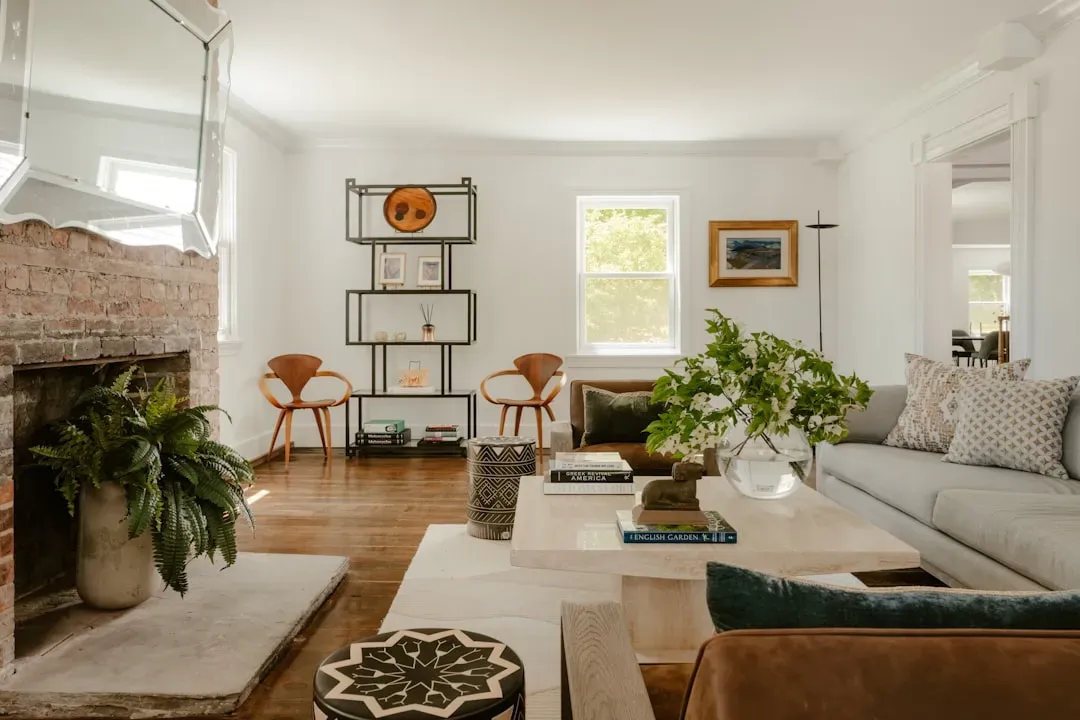
There’s a growing resistance to the perfectly matched, showroom look. Instead, people want rooms with history, and homeowners are moving away from perfectly staged interiors and toward spaces that feel personal, with heirlooms, artisan pieces and travel finds replacing generic décor.
This aesthetic has a name in some design circles. As one design outlet put it, the mood for 2026 is moving away from overly polished, showroom-perfect schemes in favor of homes that feel collected over time, with a renewed appreciation for decorating with vintage. A slightly mismatched shelf full of found objects now reads as intentional rather than unfinished.
Seating engineered around the body
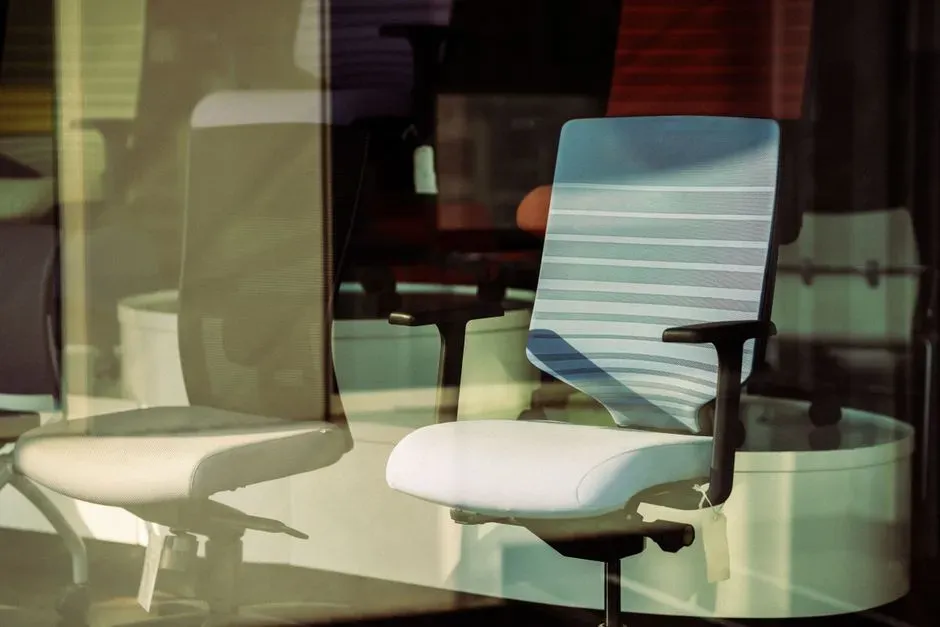
Comfort has gotten more technical, oddly enough. Modern seating design increasingly starts with data, not just fabric swatches, since algorithms now map how people actually sit and where pressure builds, how the spine shifts, or when you lean or twist over the course of an evening, and that data shapes the geometry of the seat itself.
The result is furniture that adjusts to the sitter rather than the other way around. Comfort is getting the attention it deserves, with a renewed focus on ergonomics, and spaces are finally catching up to how people truly live. It sounds almost clinical, but the payoff is a chair that feels right the moment you sink into it.
Oversized, rounded furniture takes over living rooms
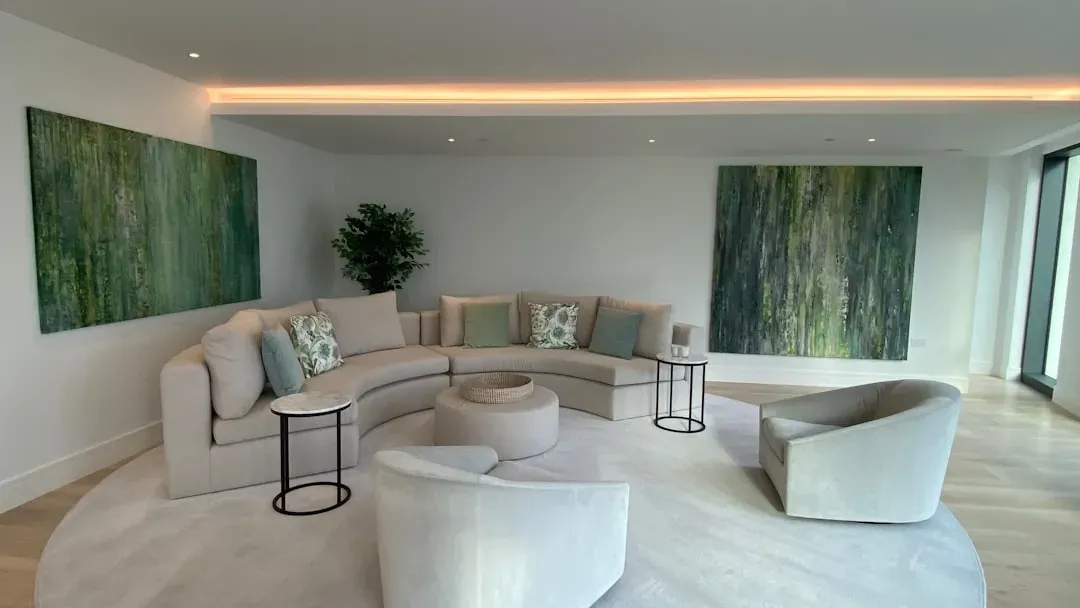
Sharp corners and rigid frames are giving way to something plusher. Seating is getting bigger in 2026 trends, and nobody’s apologizing for it, with sofas and lounge chairs ballooning into deep, rounded shapes that take up real space in a room.
Curves show up beyond just sofas too. Rather than following rigid style rules, homeowners are choosing design elements based on how a space feels, with colors, textures and patterns increasingly selected to promote calm, energy or focus. The overall effect is a room that invites you to sink in rather than sit up straight.
Biophilic design and the push for natural light
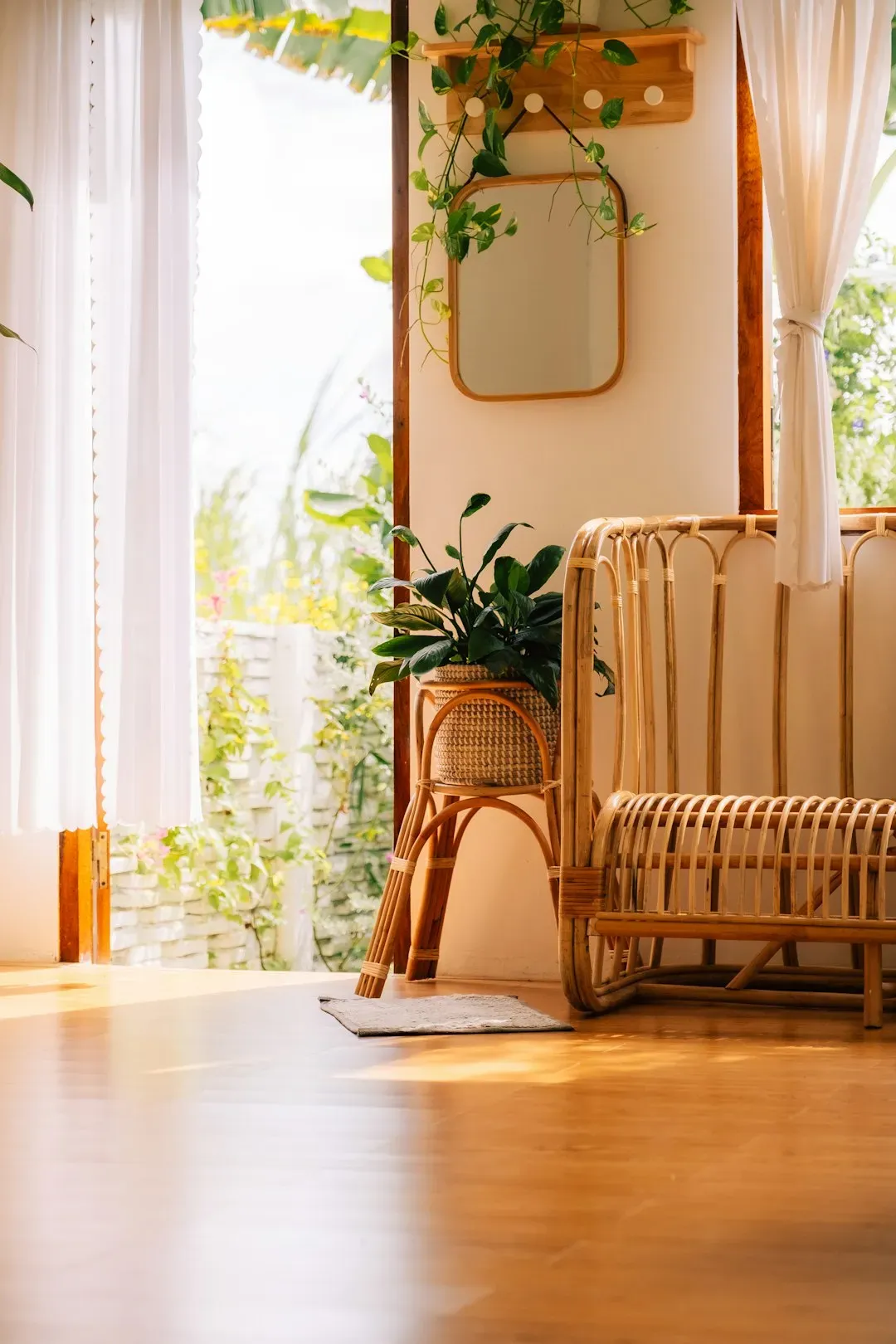
Bringing nature indoors has moved from trend to near-standard practice. Biophilic and nature-inspired design remains a powerful force as homeowners continue prioritizing wellness, comfort, and a deeper connection to the natural world, going far beyond incorporating houseplants.
The benefits aren’t just anecdotal. A neuropsychological study on biophilic spaces found that even brief exposure to restorative design features lowered measurable markers of stress. Large windows, living walls, and stone with visible veining all serve the same purpose, connecting a room to something outside itself.
Homes designed for aging in place and multiple generations
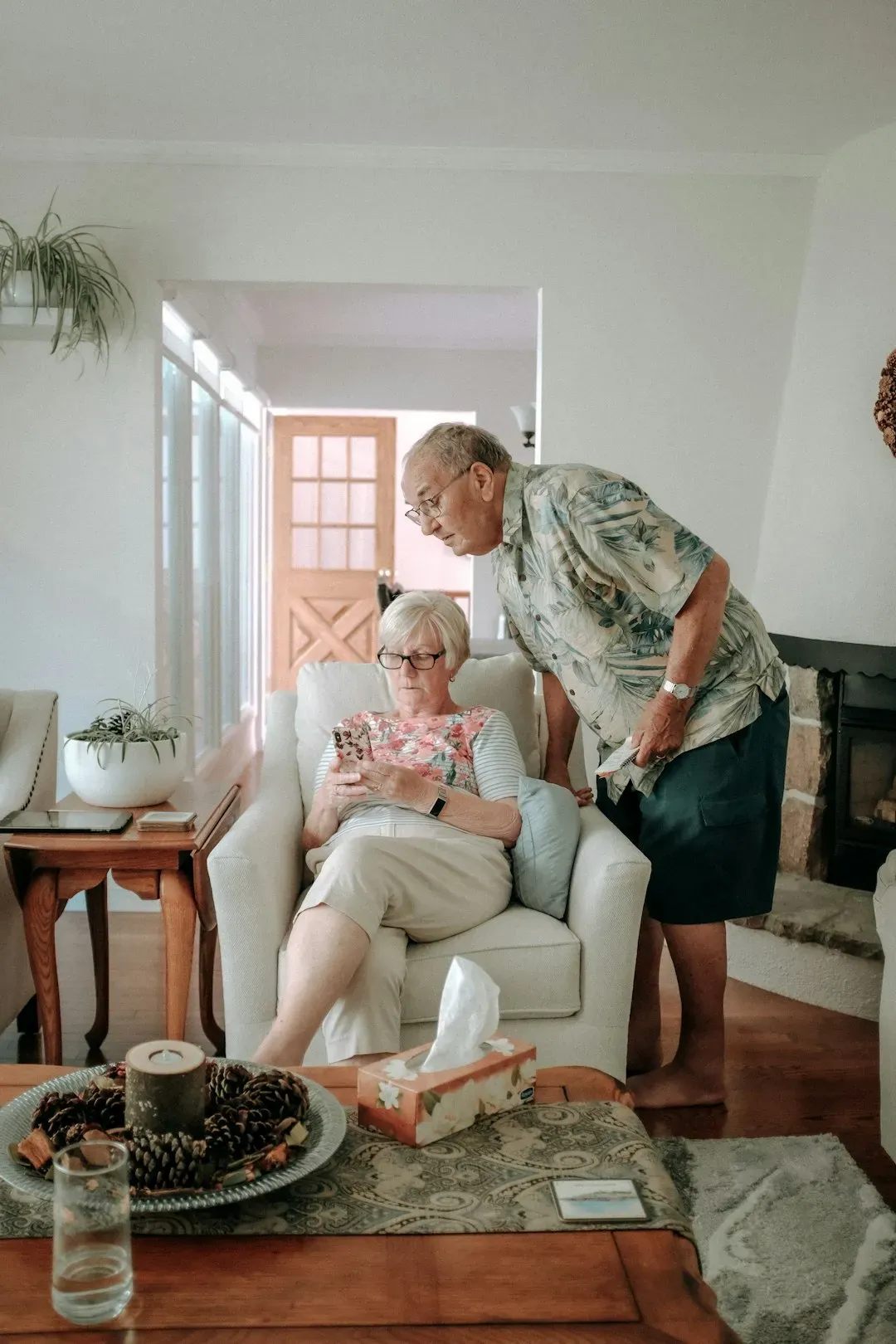
Comfort now includes long-term practicality. Many families are planning years ahead, and many homeowners are planning for aging in place by proactively addressing the needs of older household members, with Houzz research showing that 66% address special needs during bathroom remodels.
These changes ripple through the whole house. The rise of multigenerational living is shaping layouts that balance independence with togetherness, with ADUs, connected outdoor spaces and clearly defined private and shared zones allowing families to live comfortably under one roof. It’s a practical kind of comfort, less about aesthetics and more about a home that still works as needs change.
Warm, grounding color palettes
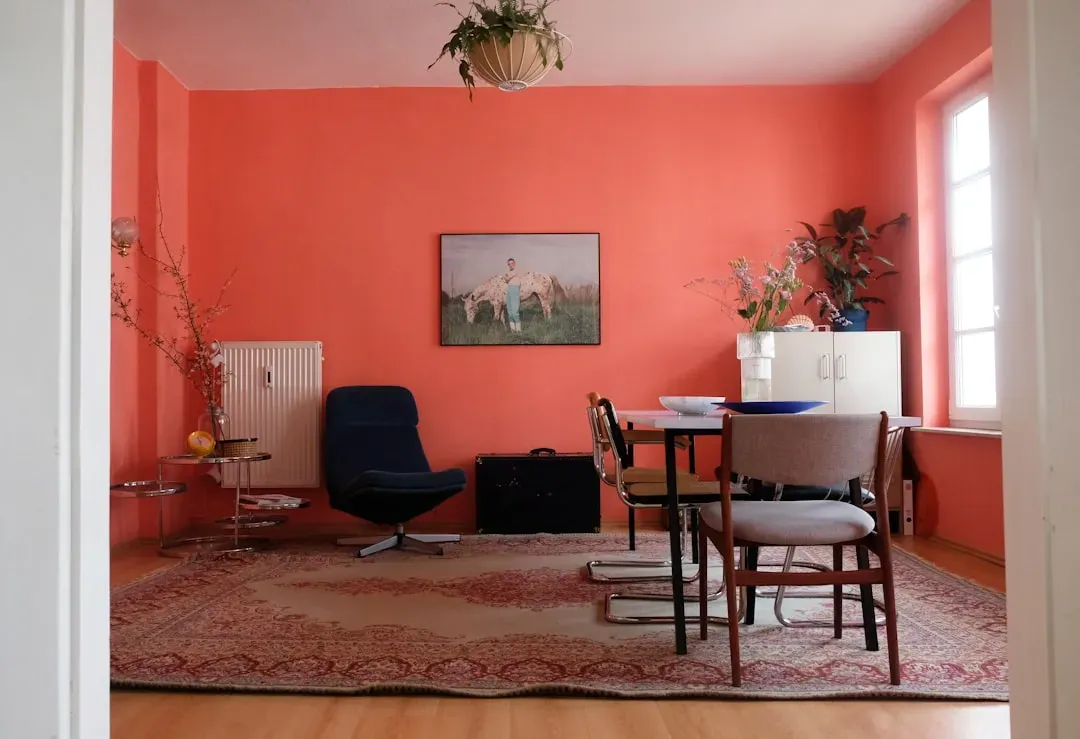
Cool grays and stark whites are losing their grip on paint charts. Instead, another color palette gaining traction centers around warm, grounding tones, like clay, spice hues, taupe and sun-washed browns.
These colors do more than set a mood, they anchor a whole scheme. Clay tones shift through the day, warmer at noon, deeper by evening, and the scale between gentle earthy brown and oranges complements deep forest greens and midnight blues, which keeps a layout grounded. It’s a palette built for rooms people actually want to spend time in, not just photograph.
Multifunctional built-ins that keep spaces relaxed
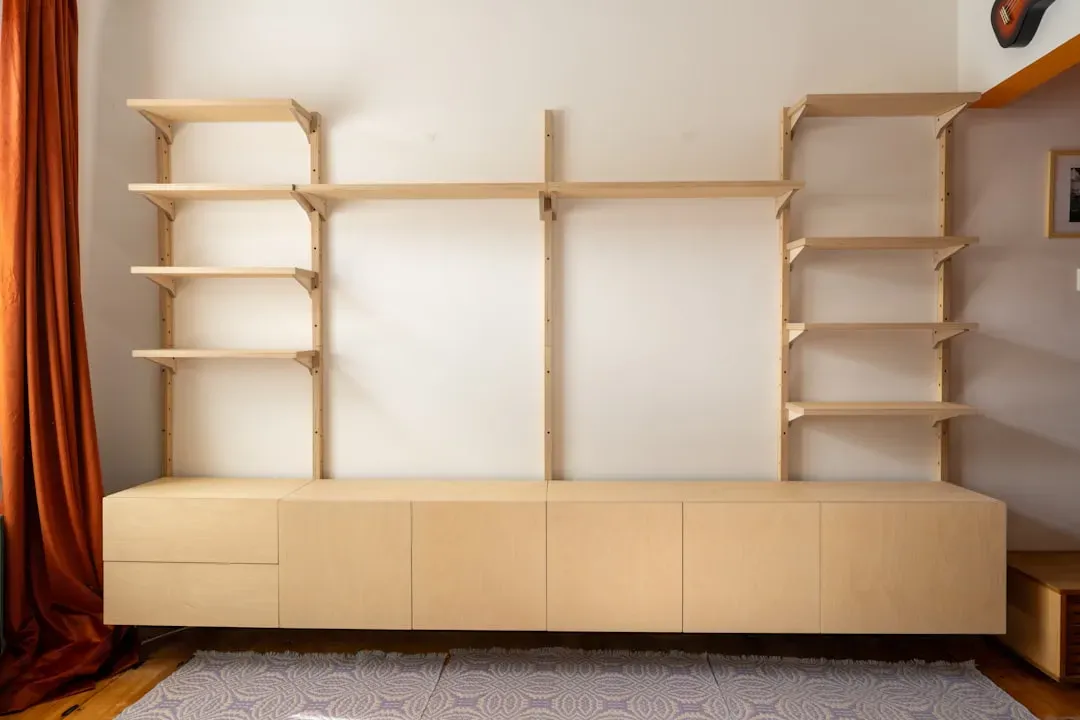
As homes get used harder, day to day, storage and function need to disappear into the walls rather than clutter a room. That’s why multifunctional built-in walls are transforming living rooms into organized, stylish hubs, combining zoned areas for TVs, fireplaces, open and closed storage, benches and even bars in a single, cohesive feature.
The comfort payoff is subtle but real. By maximizing wall space, these built-ins reduce the need for extra furniture, making rooms feel more open. Less visual clutter, paired with warm materials on the cabinetry itself, tends to make a room feel calmer without feeling empty.
Final thoughts
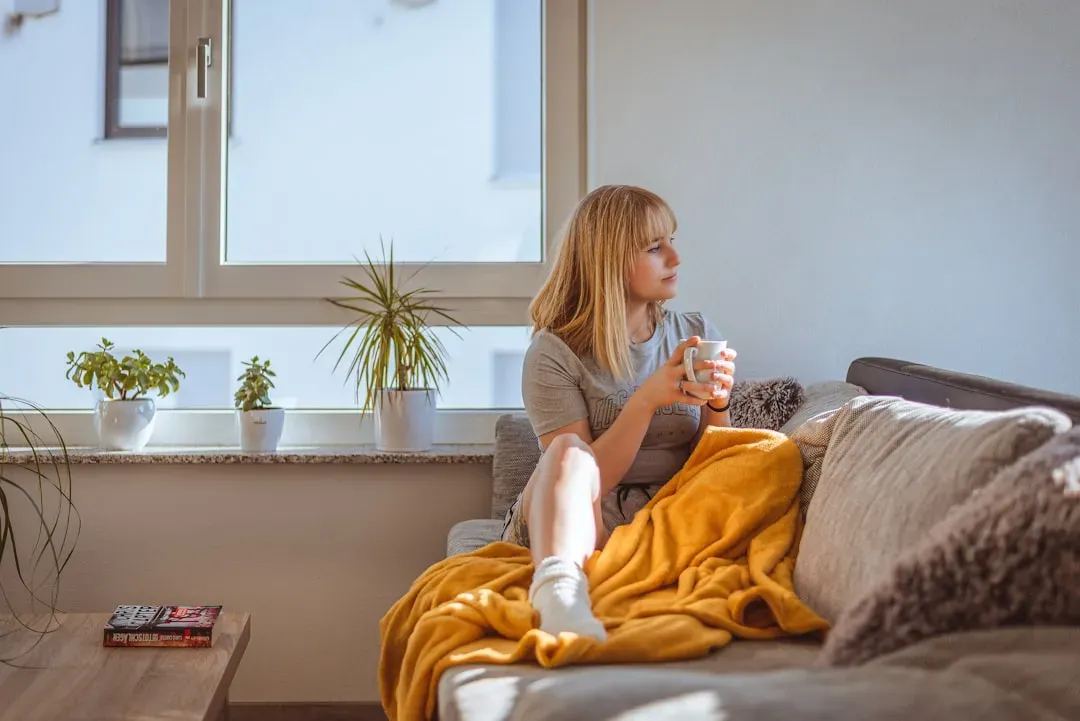
Taken together, these trends point to the same underlying shift: houses are being asked to feel good, not just look good. Together, these perspectives point to a year of design that values intention over impression, comfort over perfection, and spaces that feel as good to live in as they look. That’s not a small change, and it’s likely to shape how homes get built and renovated for a while yet.