
There’s something quietly satisfying about a small corner of the kitchen set aside just for breakfast. It’s not the dining room, with its formality and good china, and it’s not the counter where you eat standing up between tasks. A occupies its own space, literally and emotionally, in a home. It asks for nothing more than a cup of coffee, a bit of morning light, and maybe a newspaper or a laptop.
Over the last couple of years, interior designers have noticed a renewed interest in these smaller, more intimate eating spaces, partly as a reaction to open-concept kitchens that can feel a little too vast for a solo breakfast. A nook brings scale back down to something human. It’s worth thinking through what actually makes one work, from the seating to the light to the small details that turn a corner into a favorite spot.
What Makes a Feel Cozy
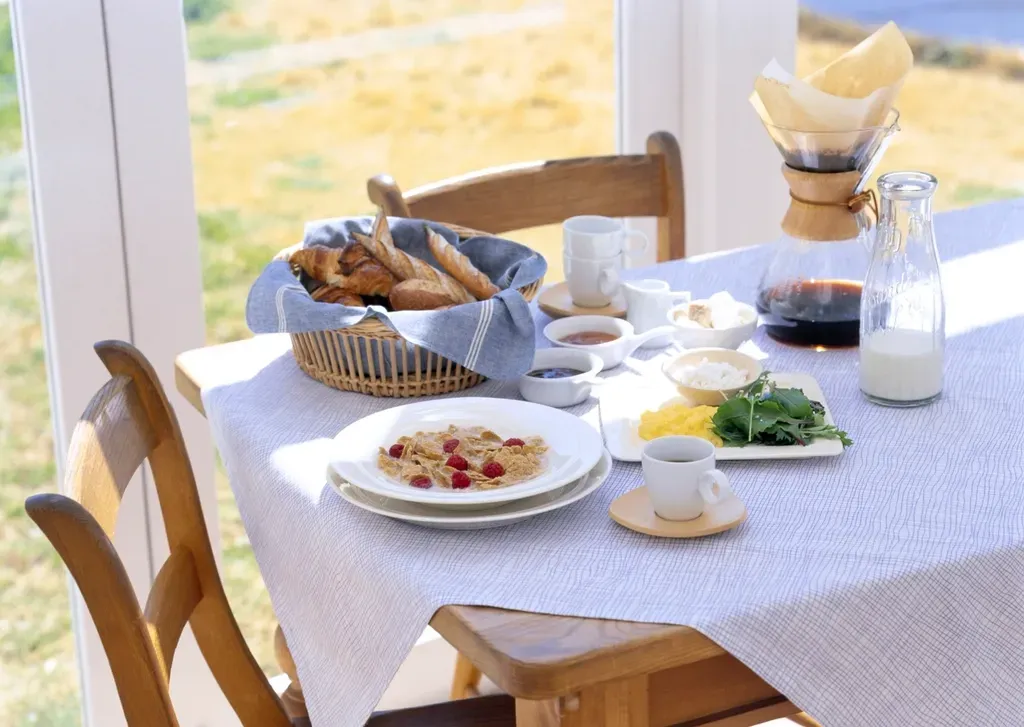
Coziness in a usually comes down to enclosure and proportion rather than any single decorative choice. A nook tucked into a bay window or a wall recess automatically feels more intimate than an open table floating in the middle of a large kitchen. The sense of being slightly “held” by walls or built-in seating on two or three sides mimics the feeling of a booth at a favorite diner, which is part of why booth-style seating shows up so often in nook design.
Scale matters just as much as enclosure. A table sized for two to four people, rather than a full dining set for eight, keeps the space feeling personal instead of like an overflow dining area. Lower ceilings, a soffit, or even a change in flooring material can visually separate the nook from the rest of the kitchen without needing an actual wall.
Choosing the Right Corner of Your Home
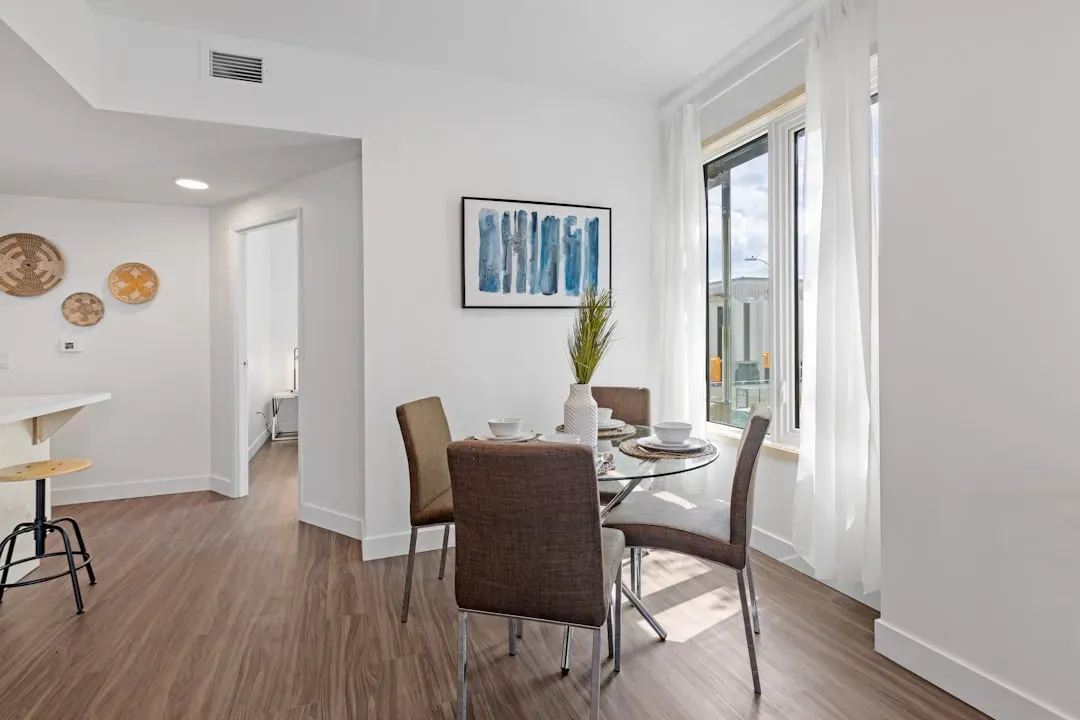
Most s end up near a window, and for good reason. A spot with a view, even if it’s just a backyard or a street, gives the eye somewhere to rest during a quiet morning meal. Corners near the kitchen but slightly out of the main traffic path work best, since nobody wants to eat cereal while someone squeezes past with a frying pan.
Awkward architectural leftovers often make the best nooks. A bay window, an underused alcove, or the dead space at the end of a galley kitchen can all be repurposed rather than left as wasted square footage. Homeowners doing kitchen renovations in recent years have increasingly asked designers to carve out these small eating areas specifically because they get more daily use than a rarely touched formal dining room.
Banquette Seating vs. Traditional Chairs
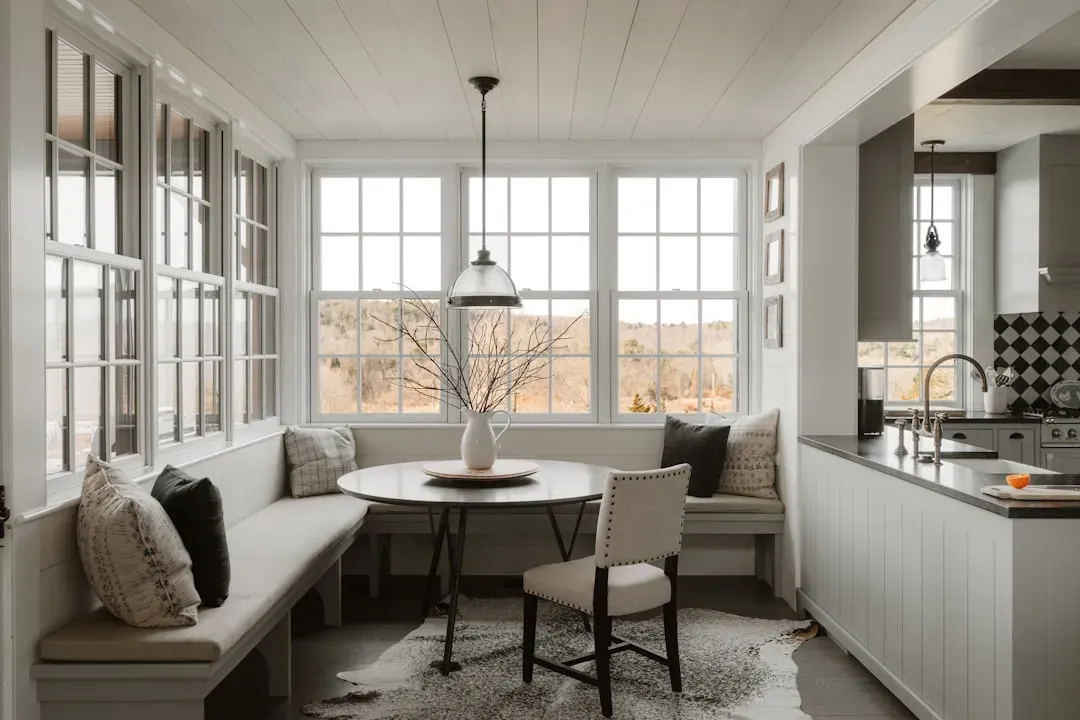
Banquette seating, the built-in bench style often paired with a table against a wall, has become one of the defining features of modern s. It tends to seat more people in less floor space than individual chairs, which makes it practical for smaller kitchens. The bench also doubles as a design opportunity, since it can be upholstered, tufted, or finished in wood to match the rest of the kitchen’s cabinetry.
Traditional chairs, on the other hand, offer more flexibility. They can be pulled out, rearranged, or swapped seasonally, and they don’t require the carpentry work that a built-in banquette does. Many nooks actually combine both, with a bench along the wall and one or two chairs on the open side, which balances coziness with the practicality of being able to slide in and out easily.
Natural Light and Window Placement
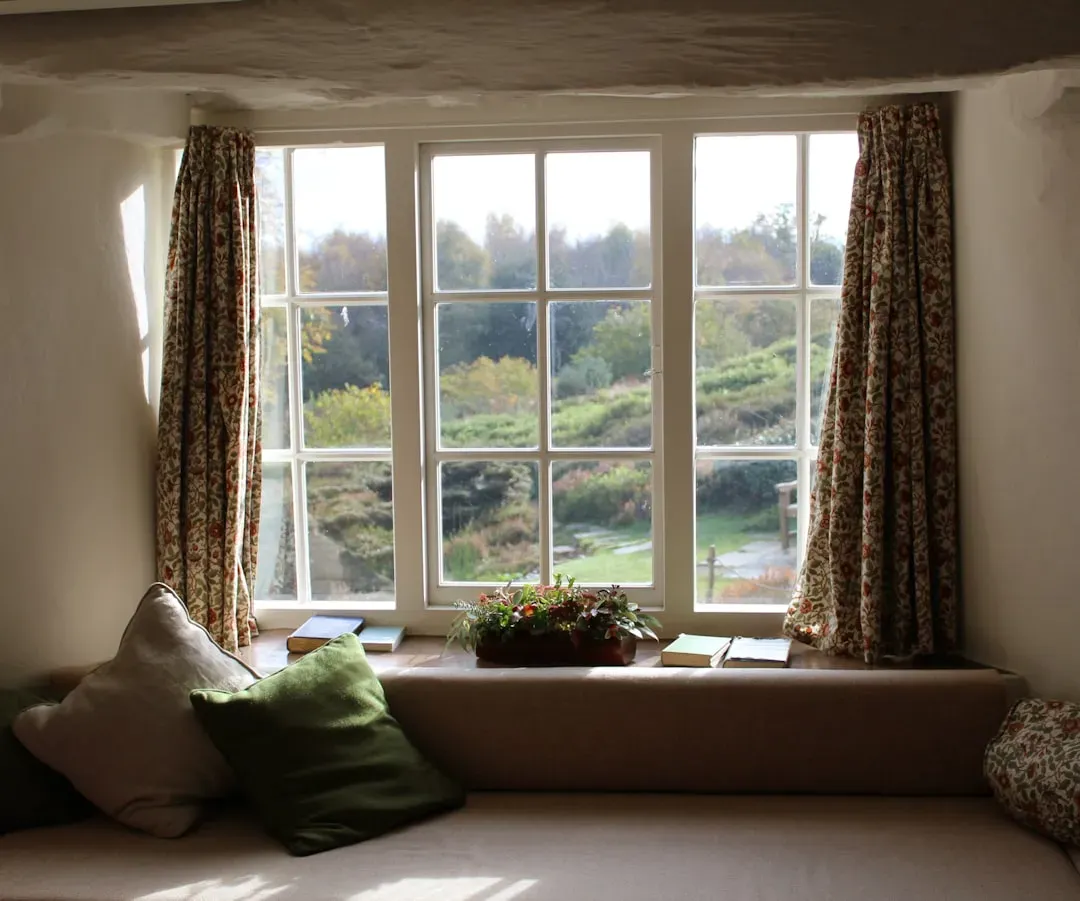
Light is arguably the single biggest factor separating a people actually use from one that becomes a catch-all for mail and keys. East-facing windows are particularly prized for breakfast spaces because they catch the morning sun directly, which makes the room feel bright and welcoming exactly when it’s needed most. A nook without much natural light can still work, but it usually needs stronger artificial lighting to compensate.
Window treatments in a tend to be simpler than elsewhere in the house. Sheer curtains, café curtains that cover only the lower half of the window, or no treatment at all are common choices, since the goal is to let in as much light as possible rather than block it. Skylights have also become a popular addition in nooks that don’t have an exterior wall available for a full window.
Color Palettes That Set the Mood
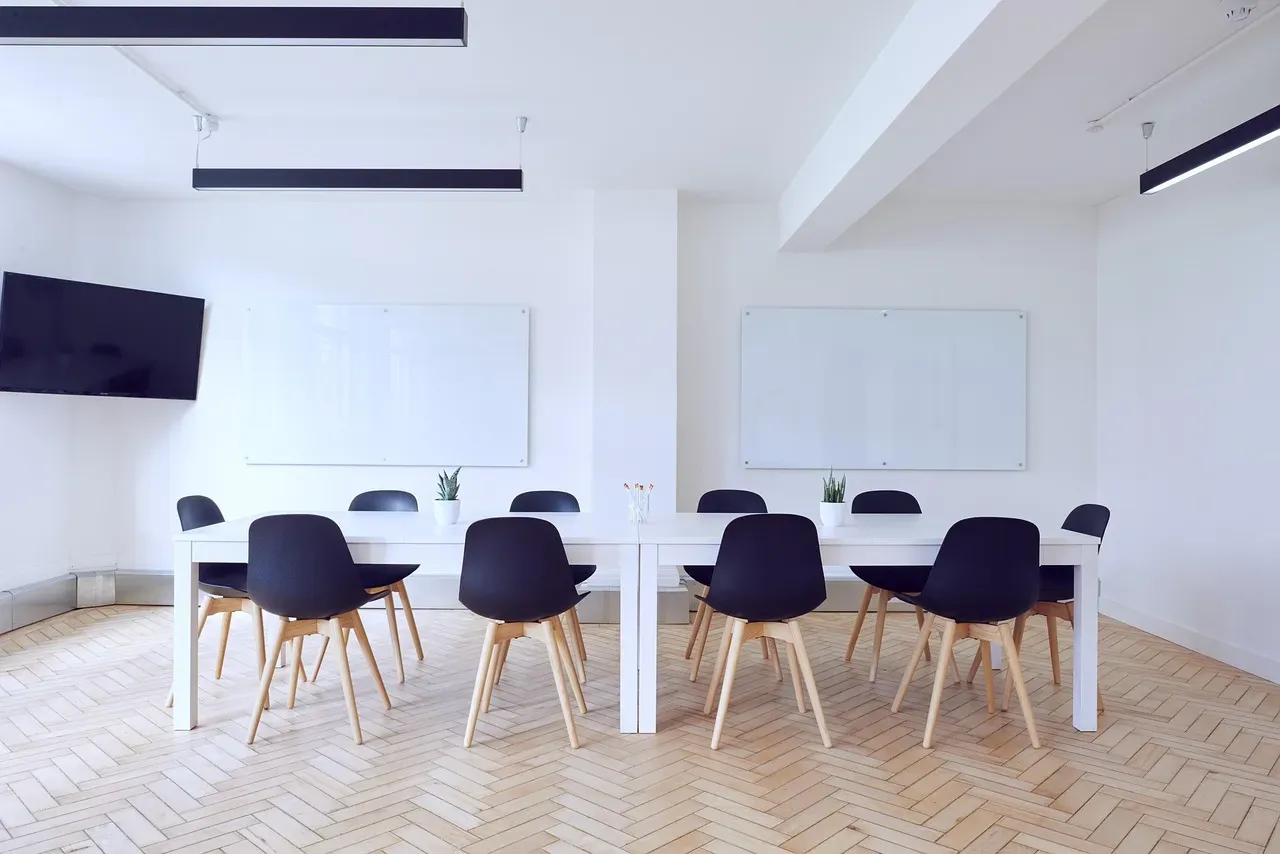
Soft, warm colors dominate design for a reason that goes beyond aesthetics. Pale yellows, warm whites, and muted greens tend to reflect morning light well without creating glare, and they photograph as inviting rather than stark. Deeper colors, like navy or forest green, show up more often on banquette upholstery or accent walls, where they add depth without overwhelming a small space.
Color trends in kitchens generally shift every few years, and nooks tend to follow along a bit more cautiously than the rest of the house. Because the space is small and often highly visible from the main kitchen area, many homeowners treat the nook as a place to experiment with a bolder wallpaper or tile pattern that might feel too intense across a larger room. It’s a low-risk way to bring in personality.
Table Shapes and Sizes for Small Spaces
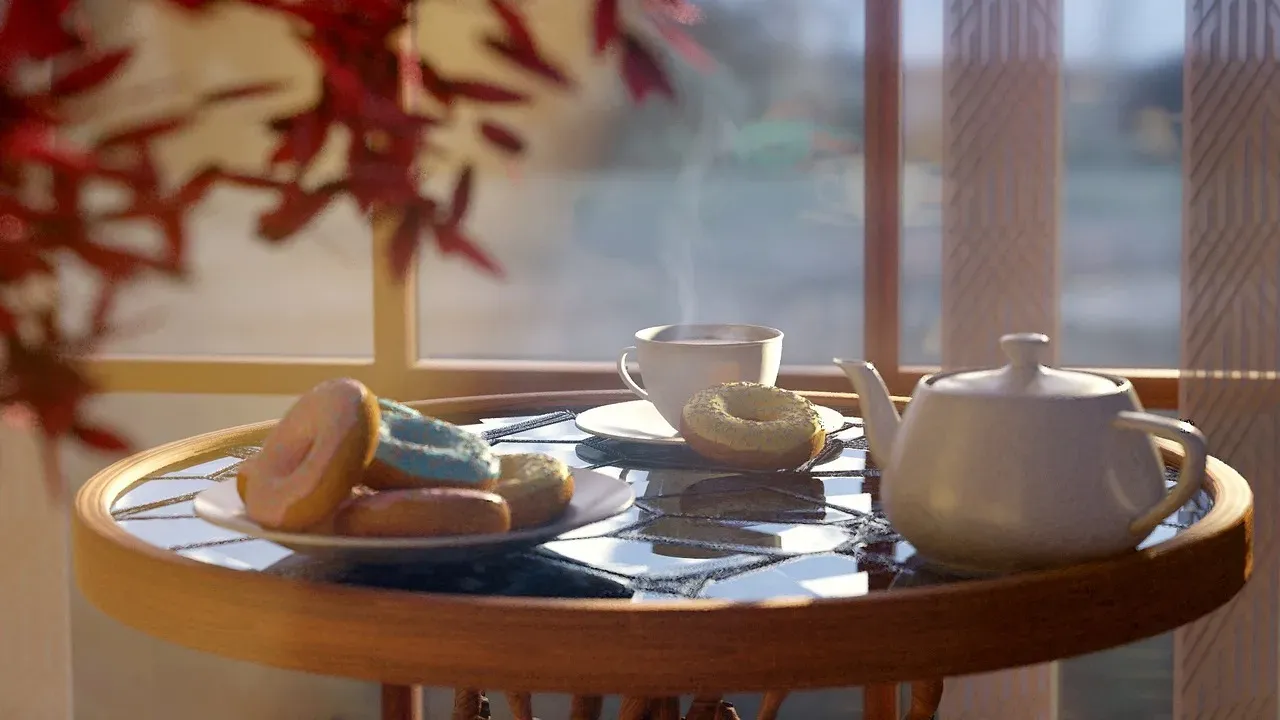
Round and oval tables are frequently recommended for s because they lack sharp corners that can make a tight space feel more cramped. A round table also allows for slightly more flexible seating, since people can shift closer together without the rigid structure of a rectangular table’s fixed sides. For nooks tucked into a corner, a table pushed against two walls with a rounded outer edge often maximizes the usable floor space.
Size should be judged by daily use, not aspirational entertaining. A table built for a family’s actual breakfast routine, whether that’s two people grabbing coffee or four kids eating cereal before school, usually works better than one sized for occasional holiday overflow. Pedestal tables, which have a single central support instead of four legs, are a practical choice in nooks because they leave more legroom on a banquette bench.
Textiles, Cushions, and Layering for Comfort
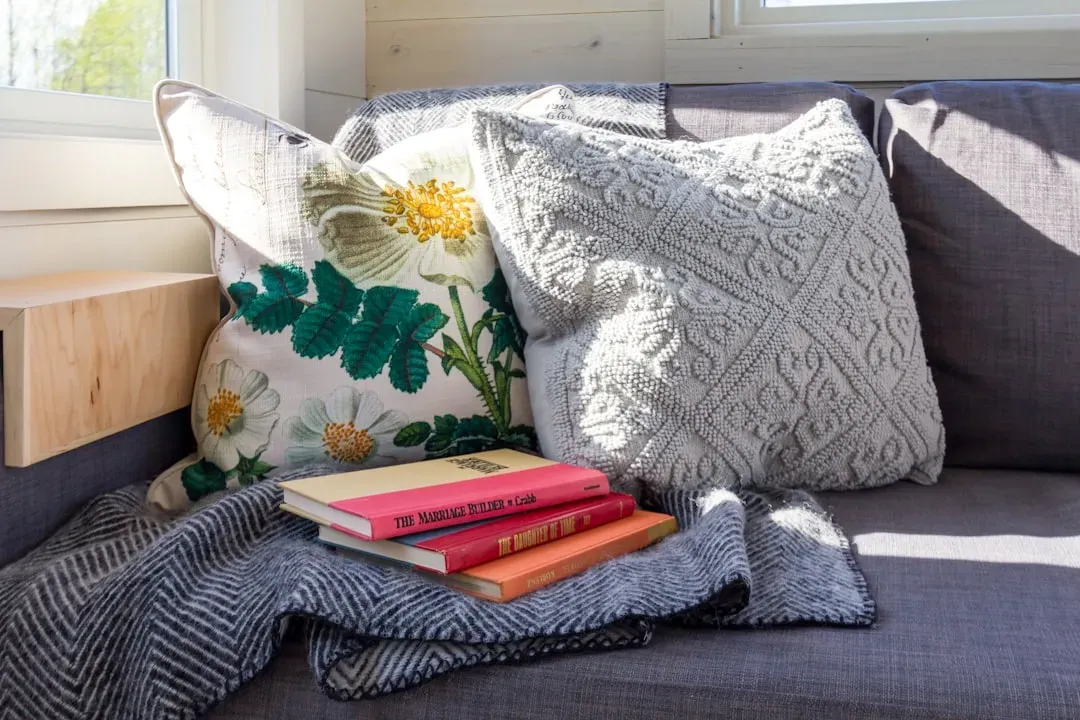
A hard bench, no matter how well built, isn’t going to feel cozy without some layering. Cushions along a banquette, ideally with a bit of extra thickness rather than a thin foam pad, make a real difference in how long someone lingers over coffee. Throw pillows in varied sizes soften the visual line of the bench and give the space a lived-in feel rather than a showroom look.
A tablecloth or runner isn’t strictly necessary in a casual , but a simple woven placemat or a runner down the center of the table can add texture without formality. Rugs are another common addition, particularly on hard kitchen flooring, since they define the nook as its own zone and add warmth underfoot on cold mornings. Washable, low-pile options tend to be the practical choice given the inevitable spills.
Lighting Fixtures That Add Warmth
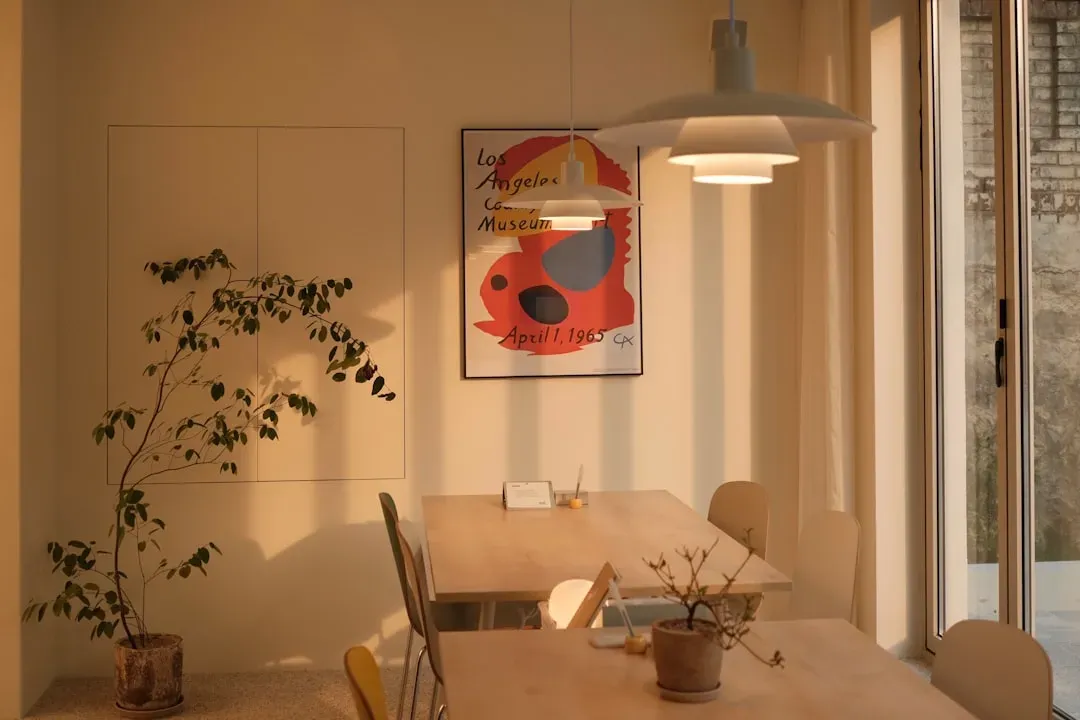
Once natural light fades in the evening or on overcast mornings, the right fixture becomes the nook’s main source of atmosphere. Pendant lights hung low over the table, often just one or two rather than a full chandelier, have become the standard choice in recent kitchen designs because they focus light directly where it’s needed. Warmer bulb temperatures, generally in the range associated with soft white light rather than cool daylight bulbs, tend to suit the relaxed mood of a breakfast space better.
Dimmer switches are a small addition that makes a noticeable difference in a nook used at different times of day. Bright enough for reading the paper in the morning, dim enough for a quiet cup of tea at dusk, a dimmable fixture adapts to the room’s actual use rather than forcing one lighting mood at all hours. Some homeowners also add a small sconce or accent light near the nook if the main pendant feels too strong for late evening use.
Storage Solutions Built Into the Nook
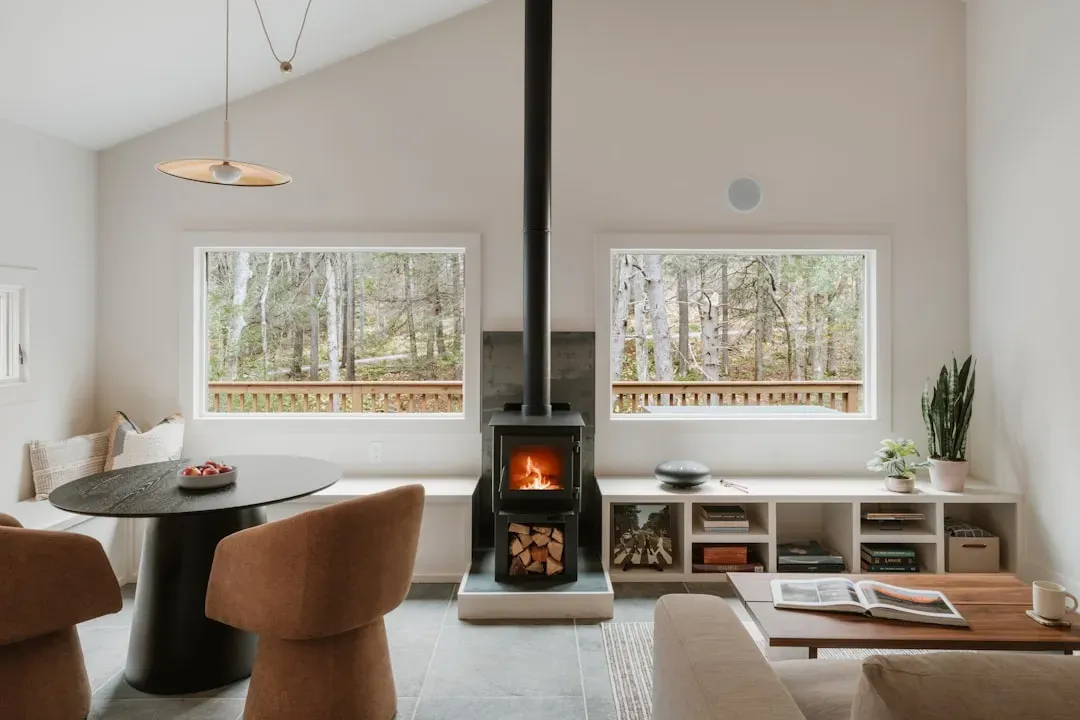
Built-in banquette seating often hides a practical secret underneath the cushions. Storage compartments built into the base of the bench are a common feature in newer kitchen designs, offering a place to tuck away extra linens, board games, or seasonal items without needing additional furniture elsewhere in the room. This kind of dual-purpose design has become especially popular in smaller homes and apartments where every bit of square footage needs to earn its place.
Open shelving near the nook, whether built into an adjacent wall or as a small hutch, gives a place for everyday dishware without cluttering the kitchen’s main cabinetry. A nook positioned near a window sometimes includes a narrow shelf just for plants or small decorative objects, which adds visual interest without taking up floor space. The goal across all these solutions is keeping the small footprint of the nook from turning into a storage liability.
Personal Touches That Make It Yours
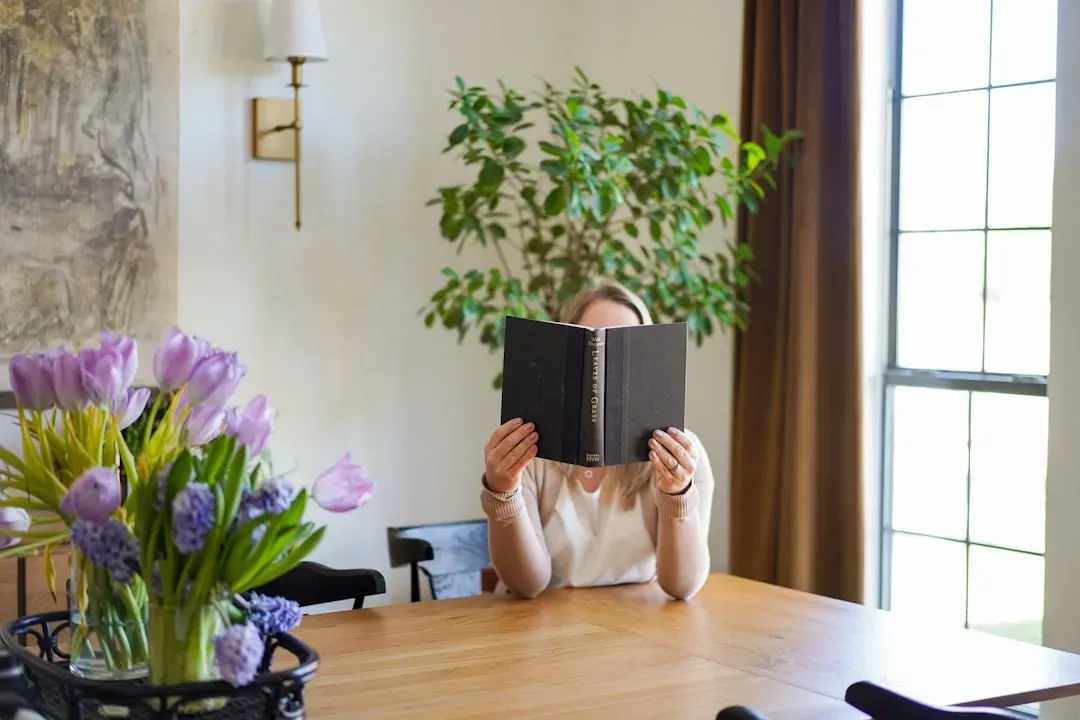
The details that make a feel distinctly personal are usually the smallest ones. A gallery wall of family photos, a single piece of art sized to the scale of the space, or a collection of mugs displayed on an open shelf all signal that this corner belongs to the people who use it every day. Unlike a formal dining room, which often gets decorated for guests, a tends to reflect the household’s actual daily habits and taste.
Plants are a particularly common addition, partly because s near windows tend to have the light needed to keep them alive. A small herb garden on a windowsill or a single larger plant in the corner brings a bit of greenery into a space that’s otherwise mostly wood, fabric, and tile. These personal layers, added gradually rather than all at once, are usually what separates a nook that looks nice in photos from one that actually gets used every single morning.