
The dining room is coming back into its own
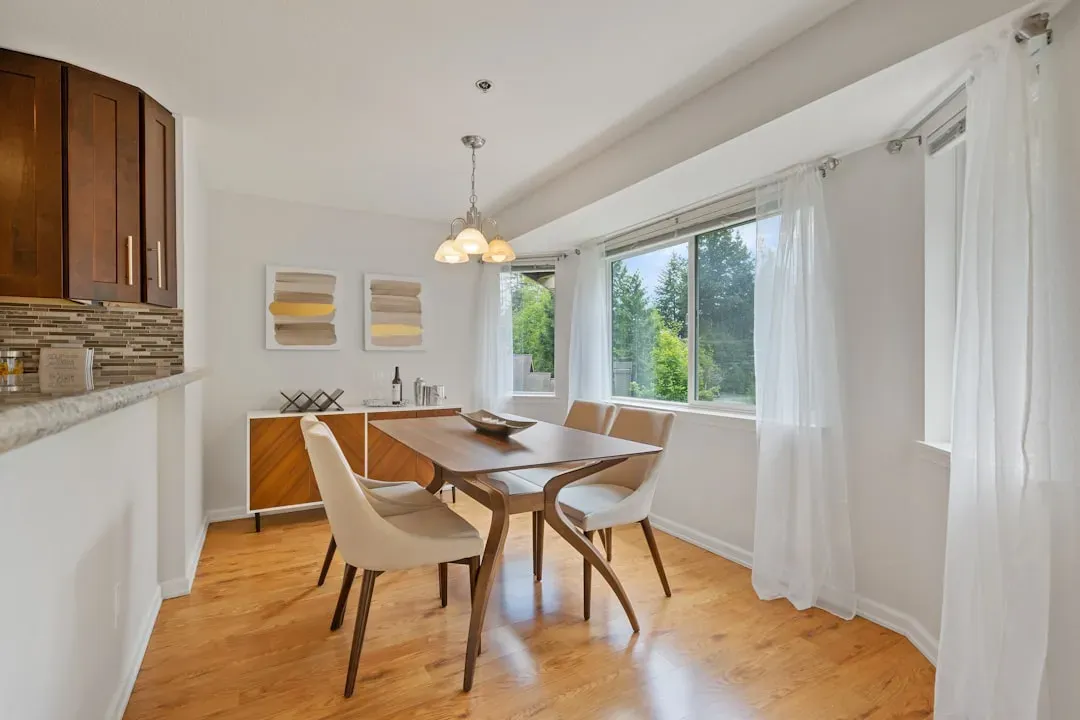
After a long stretch of open floor plans swallowing dining areas whole, the room is reasserting itself as a distinct space. After spending years disappearing into open floor plans, this area is now coming back in full glory, with color richer, furniture more tactile, and the table itself treated like a centerpiece again. The shift isn’t nostalgia for formality so much as a craving for a room with a clear purpose.
There’s been a noticeable shift back towards dedicated dining rooms compared to past years, when it was all about open-plan, and the trends for these rooms have changed significantly. Homes that once treated the dining room as an afterthought are now designing it as a place where people actually want to linger, not just pass through on the way to the kitchen.
Architectural walls that add depth
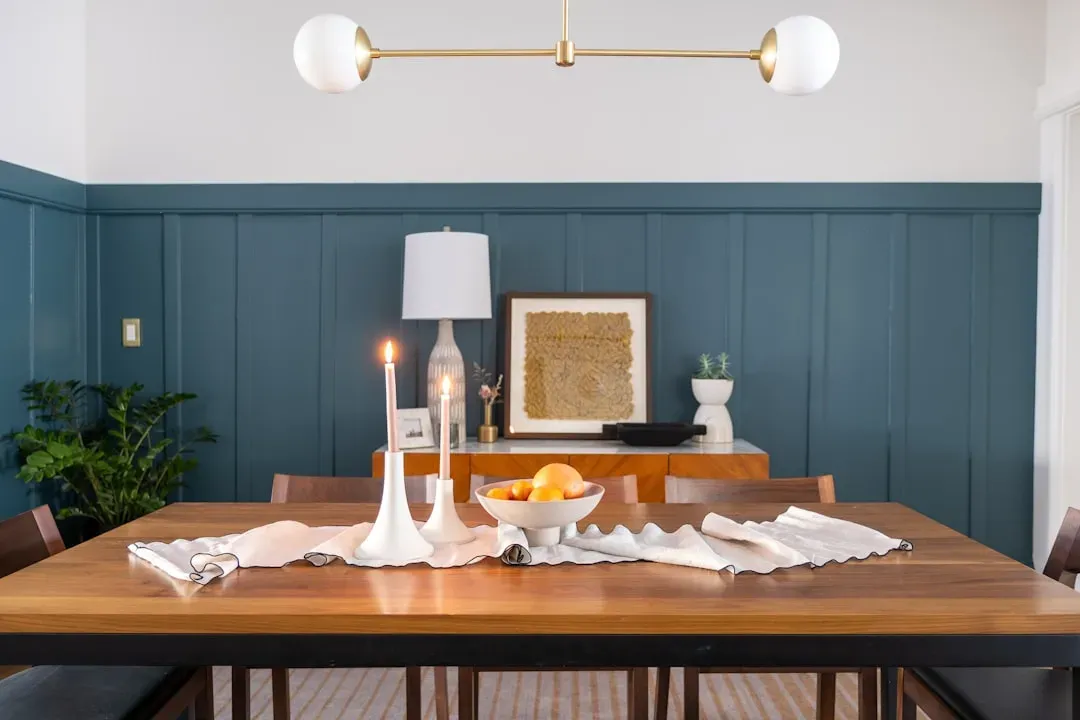
Flat drywall is losing ground to walls with real texture and dimension. There’s a real focus on architectural interest in dining rooms, creating depth and interest in these rooms that are designed for people to spend extended amounts of time in, reintroducing character and tactility to rooms that have often lost those striking details. Paneling, plaster, and millwork are doing a lot of the visual heavy lifting.
Interior designer Rebekah Murphy of Murphy & Moore Design has described this shift plainly, noting that dining room trends will lean toward richer, more architectural environments, with paneled walls, plaster finishes, walnut tones, statement millwork, and warm, layered lighting. The effect is a room that feels grounded rather than generic, built for more than a quick meal.
Lighting that sets the mood, not just the visibility
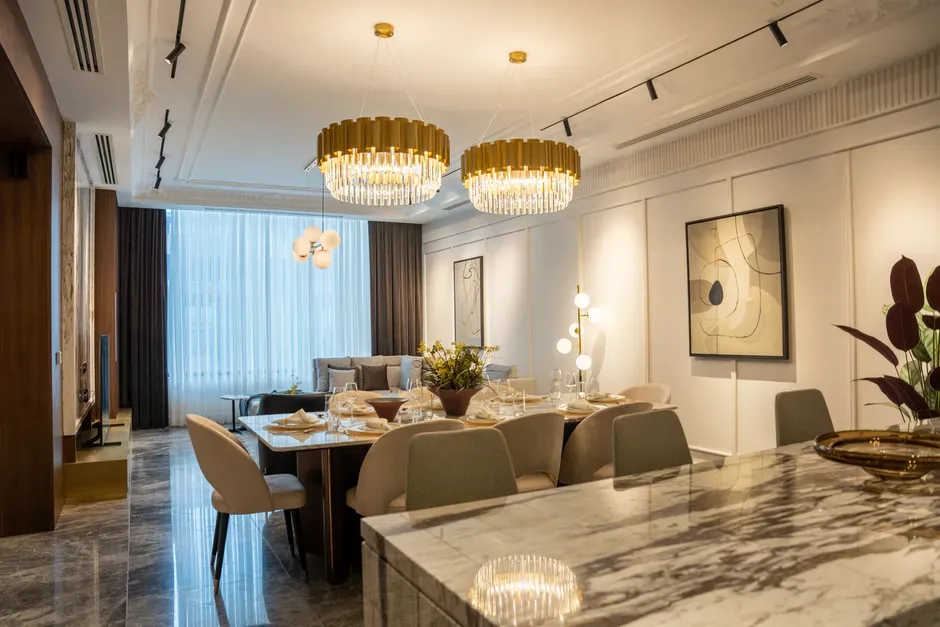
Overhead lighting used to be an afterthought in many dining rooms, a single fixture chosen for brightness rather than atmosphere. That’s changing fast. The way people approach dining room lighting is shifting, moving more toward warmth and ambiance than bright lighting that fills the room with a stark glow, with layered lighting becoming key.
Chandeliers are doing double duty as sculpture and mood-setter. According to Murphy, chandeliers in aged brass, linen, alabaster, or sculptural forms, paired with layered lighting from picture lights or sconces, are becoming central to the dining experience. Some fixtures on the market now use ceramic and fabric shades together, a combination that softens the light without dimming the room’s presence.
Curves are replacing hard edges
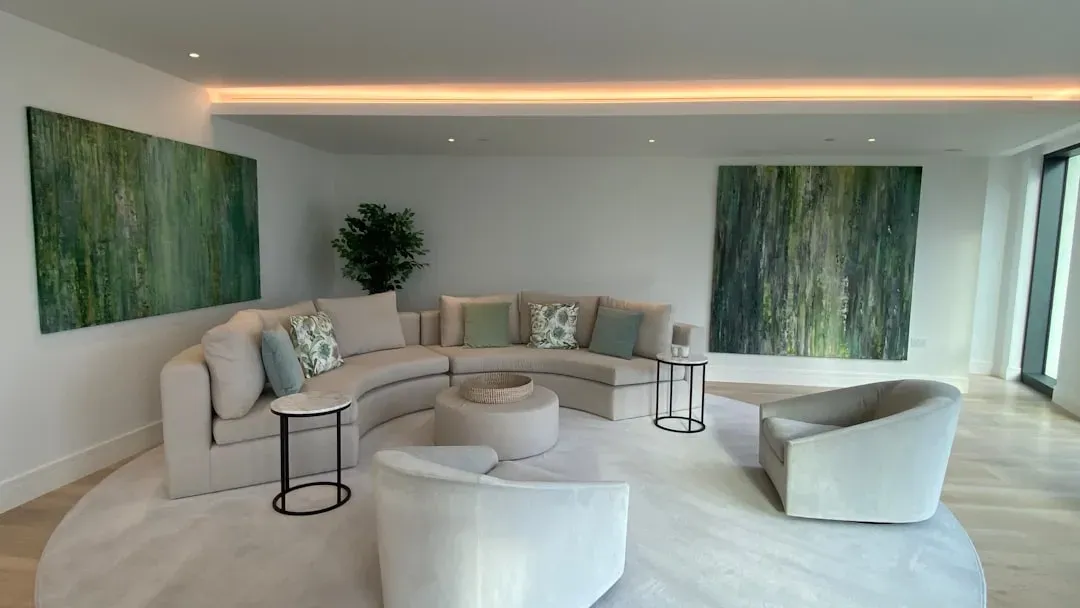
Sharp corners and rigid rectangles are giving way to softer shapes across the room. Angular, sharp-edged furniture is giving way to softer, more inviting designs, a shift that represents more than aesthetic preference, it’s a psychological move toward creating calming, flow-oriented spaces that encourage relaxation and connection. The change touches everything from tabletops to sideboards.
Round and oval tables in particular have found new favor. Oval dining tables and perfectly circular designs are experiencing remarkable popularity increases, as round shapes foster equality and intimacy, ensuring every guest feels equally included in conversation. Designers note that curved furniture also makes smaller rooms easier to move through, since there are no sharp corners forcing awkward detours around the table.
Color takes center stage again
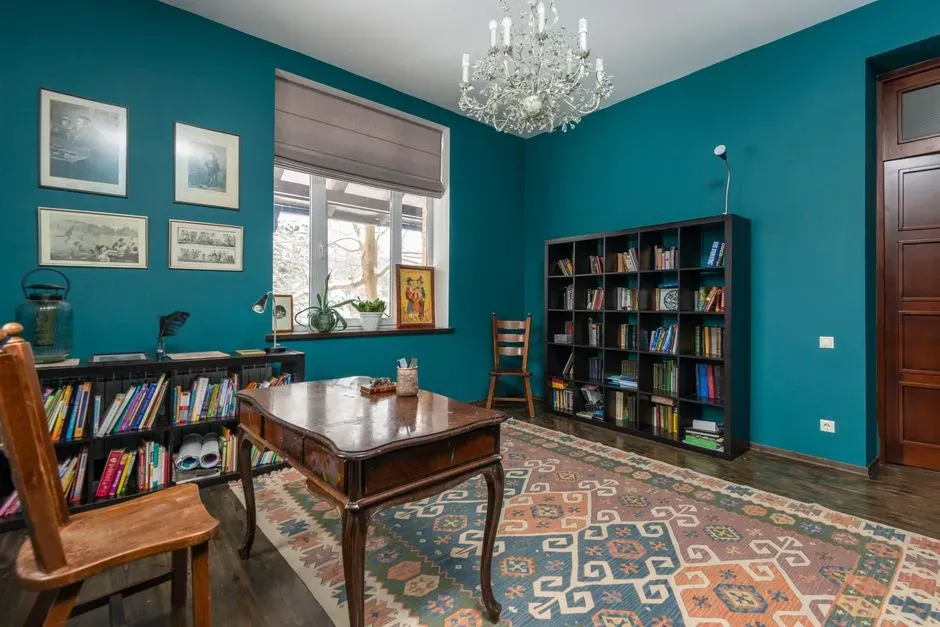
Neutral, all-beige dining rooms are no longer the default choice for many homeowners. The era of all-white and beige dining rooms is officially over, as dining room color trends embrace rich, saturated hues that bring personality, warmth, and emotional depth to spaces. Jewel tones in particular have found their footing here.
Jewel tones lead the color revolution, with forest green, burgundy, navy, and emerald green creating sophisticated, luxurious atmospheres, working particularly well on upholstered dining chairs where they create bold statements without overwhelming spaces. Even homeowners who prefer a quieter palette are finding room for color through smaller gestures, like a single accent wall or a set of table linens.
Natural and sustainable materials lead the way
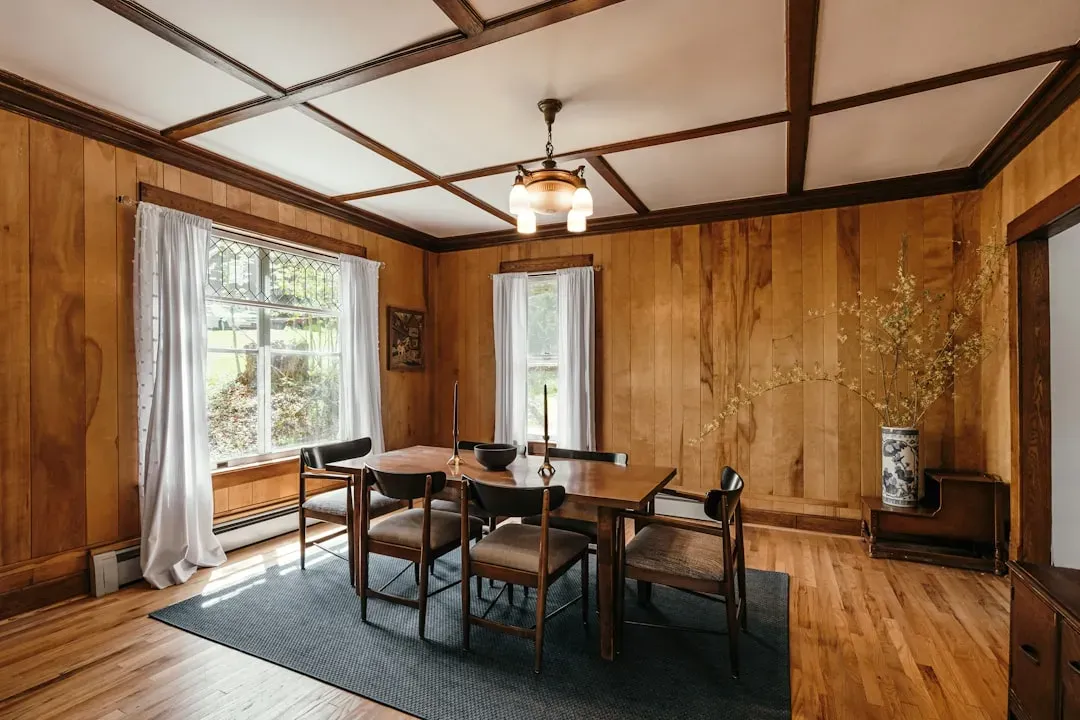
Sustainability has moved from a nice-to-have to something buyers actively look for when furnishing a dining room. Using sustainable materials and prioritizing ethically produced furnishings has become even more popular, especially among interior designers and homeowners seeking to redo their dining space. Reclaimed and certified wood are leading that charge.
Reclaimed wood leads the sustainable materials movement, transforming salvaged timber into stunning dining table sets that tell unique stories, with each piece bringing its own character through natural imperfections, weathering marks, and aged patina. Bamboo has also earned a place in this conversation, since this fast-growing grass matures in just three to five years compared to hardwood trees that require decades, making it an environmentally smart choice for modern dining table trends.
Mixed and collected furniture over matching sets
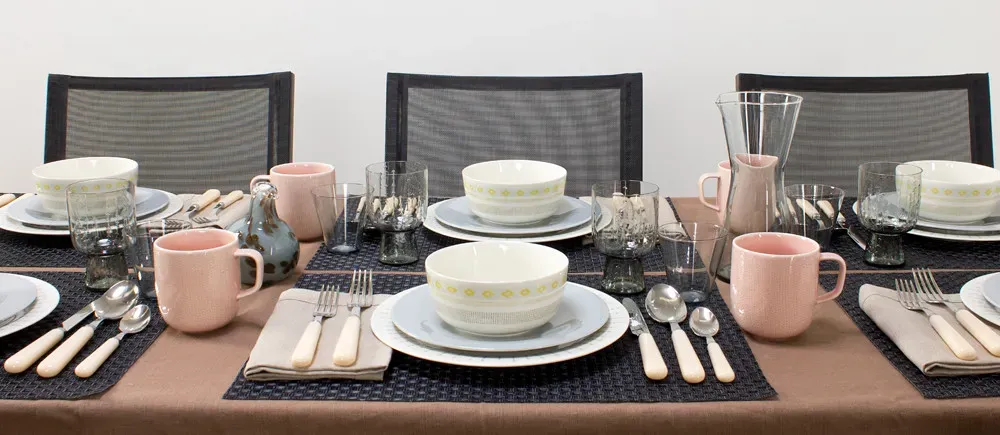
The matched dining set, once a given, is losing its grip on style-conscious homeowners. One of the most approachable interior design trends is mix-and-match seating, where instead of a perfectly matched set, homeowners are blending chair styles, fabrics, and colors for a more collected look. The look reads as gathered over time rather than bought all at once.
There is a bit of craft to pulling this off well. Popular combinations include upholstered captain chairs at the ends with wood side chairs, or a bench on one side for kids, with the key being a consistent color palette so everything feels intentional. Some designers extend this idea to wood tones as well, mixing walnut and oak pieces so the room feels layered rather than staged.
Furniture built for small spaces and double duty
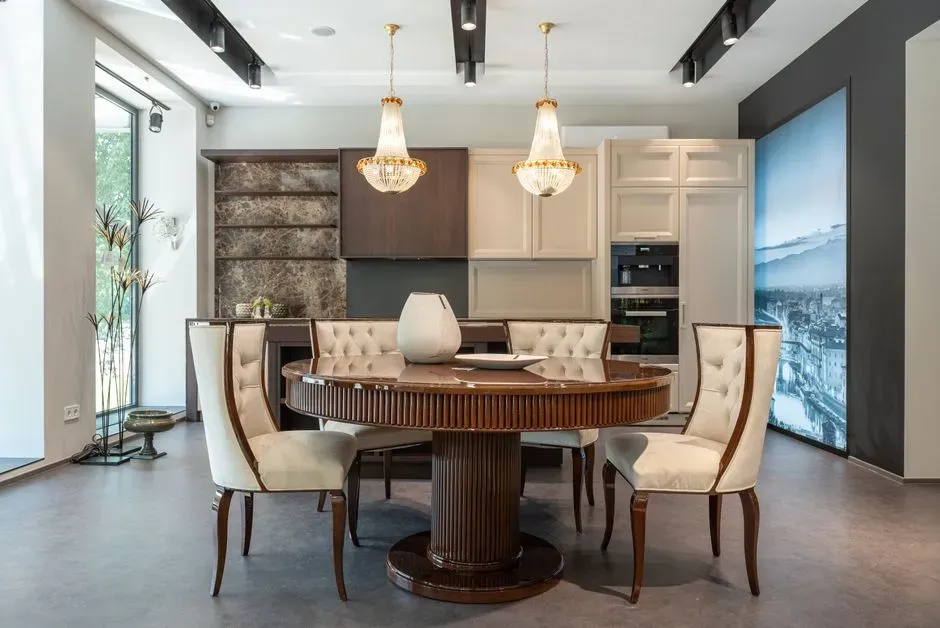
Not every home has room for a dedicated formal dining room, and furniture has adjusted accordingly. Apartment square footage often runs at a premium, and dining spaces must accommodate more than a single daily use, so trending dining tables include modular, expandable, and flexible designs, with proportions and materials scaling to accommodate both a formal dinner setting and the spread of laptops or creative work.
Extendable tables in particular have held steady appeal among buyers looking for flexibility without permanently sacrificing floor space. Nesting tables or modular configurations allow multiple small tables to separate for individual use or combine into larger dining surfaces, supporting varying needs from solo meals to small dinner parties without dedicating permanent space to large furniture. Wall-mounted, fold-flat tables have also found a niche for the tightest apartments.
Bringing the outdoors into the dining room
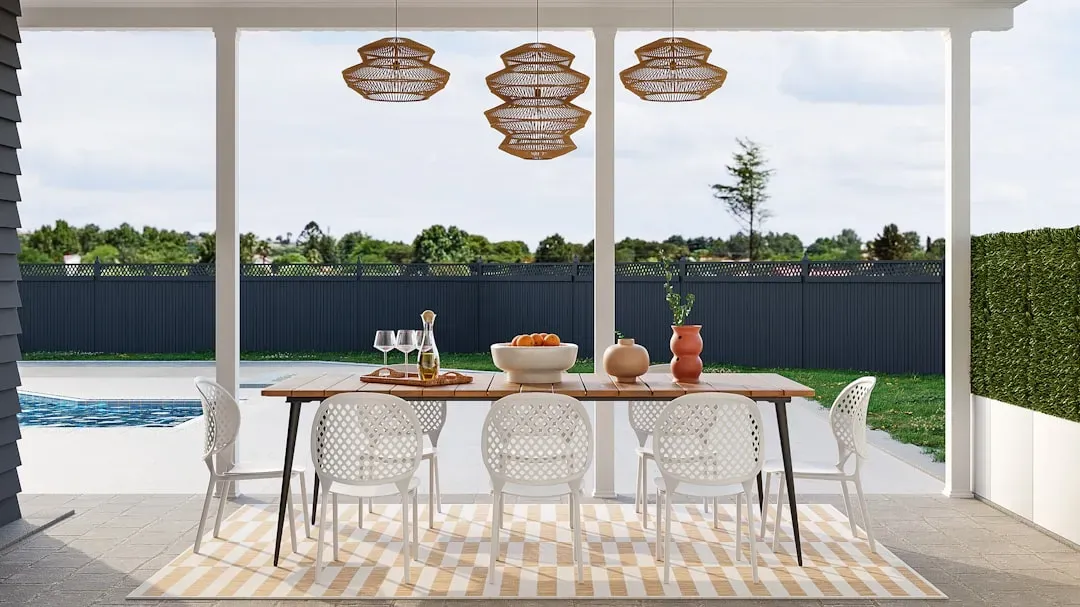
A growing number of dining spaces are designed with a visual, and sometimes literal, connection to the outdoors. Dining rooms that bring the outdoors into the interior are exceptionally popular, and spaces that connect indoors and outdoors through large windows or doors feel larger, simply because they meld two different spaces into one, while also containing plenty of natural light.
Arizona-based interior designer Britany Simon captured this shift when she told Veranda that dining rooms are increasingly designed as a hinge point between inside and out, with aligned sight lines, big openings, and materials that feel cohesive. Where a literal connection isn’t possible, natural textures and botanical wallcoverings are stepping in to do similar work.
Layered textures that finish the room
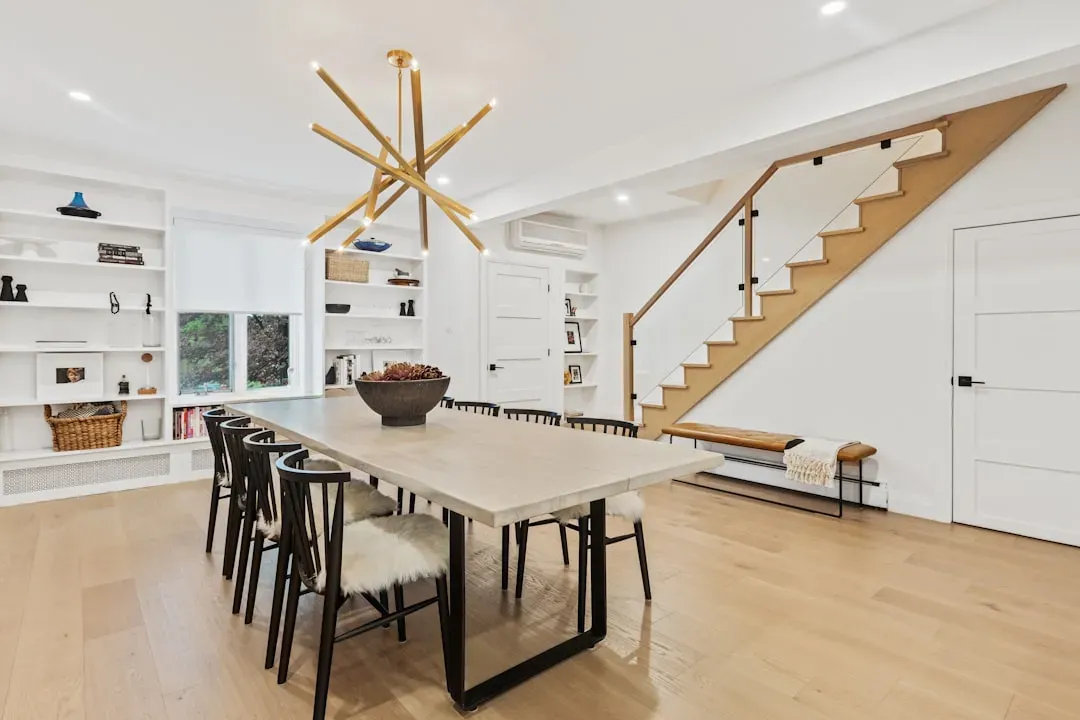
The final touches in a dining room, rugs, table linens, and wall treatments, are getting more attention than they used to. A natural fiber or patterned rug under the table grounds the space and adds texture, while updating just the chairs can shift the entire look without a full furniture swap.
Wall treatments are playing a bigger role too. Large-scale botanical murals, hand-painted designs, and grasscloth wallcoverings are all popular and are turning dining room walls into works of art. These layered details are often what separates a dining room that feels merely furnished from one that feels finished.