
Walk into any home that feels truly memorable, and you’ll notice something interesting: it rarely follows a strict formula. The rooms that stick with us usually mix unexpected textures, personal artifacts, and a few design choices that shouldn’t work on paper but somehow do. Personality in a home isn’t about spending more money or chasing the latest trend; it’s about making deliberate choices that reflect who actually lives there.
Whether you’re working with a rental apartment or a house you’ve owned for decades, there are practical ways to inject character into your space without turning it into a chaotic mess. The following approaches draw from interior design principles that have held up over time, along with a few contemporary shifts worth knowing about.
Layer in Vintage and Secondhand Finds
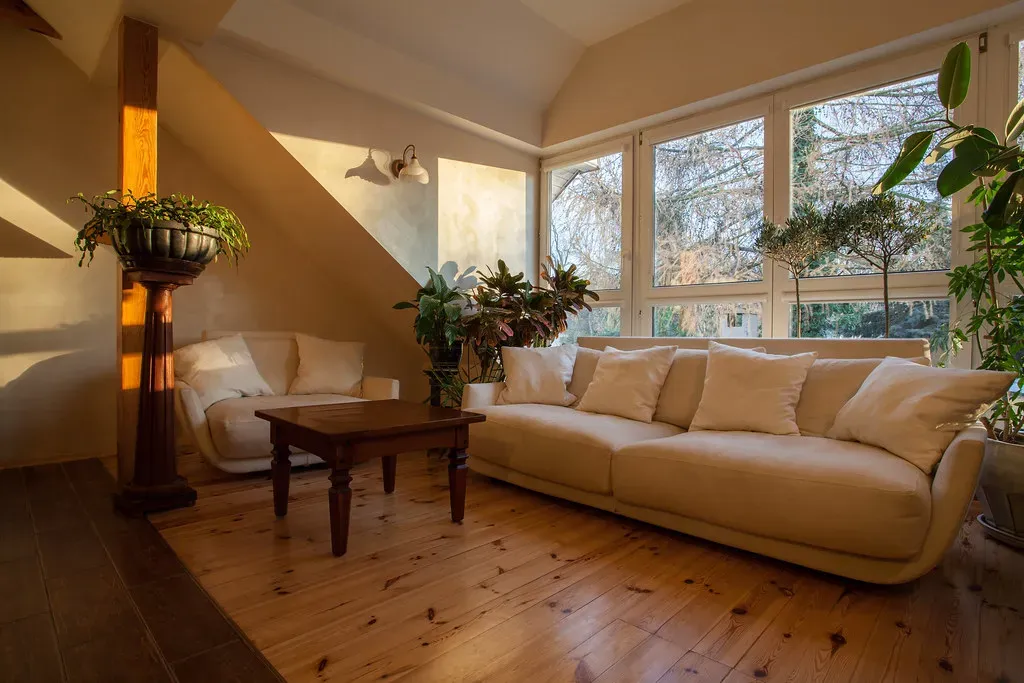
Thrifted furniture and estate sale finds carry a history that brand-new pieces simply can’t replicate. A scuffed side table or an odd ceramic lamp often becomes the thing guests ask about, because it doesn’t look like it came from the same three retailers everyone else shops at. Mixing eras, a mid-century chair next to a modern sofa, for instance, creates visual tension that reads as intentional rather than mismatched.
This approach has also become more mainstream as secondhand shopping apps and estate sale platforms have grown in popularity over the past few years. Buying used furniture reduces landfill waste and the demand for new manufacturing, which appeals to shoppers thinking about sustainability alongside style. The result is a home that looks collected over time, even if you just furnished it last month.
Display Art That Actually Means Something
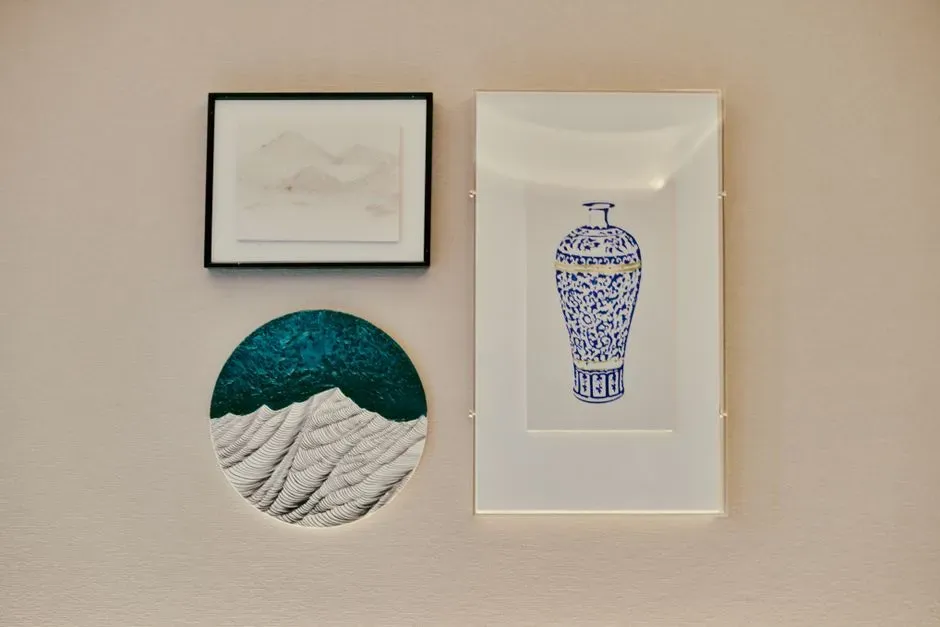
Generic framed prints from big box stores tend to blend into the background because they’re designed to be inoffensive and universal. Swapping those out for pieces tied to your travels, your family, or even your own attempts at painting changes the entire feel of a wall. Local art fairs, small online marketplaces, and university student shows are often overlooked sources for original work that costs far less than gallery pricing.
Gallery walls remain one of the more effective ways to showcase a personal collection, but they work best when the arrangement includes variety in size and framing rather than uniform matting. Photographs, postcards, and even ticket stubs from meaningful events can sit alongside more traditional art. The mix itself tells a story that a single large canvas rarely can.
Use Color With Intention, Not Just Trend
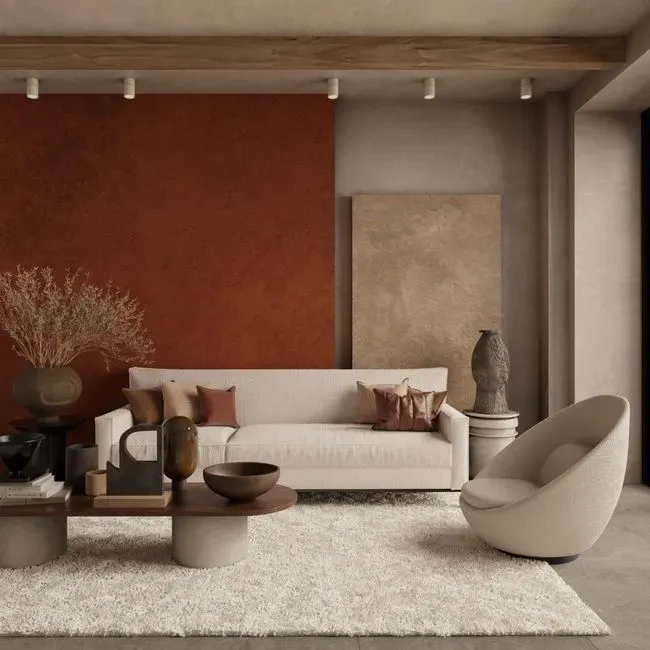
Paint color forecasts shift every year, and while it’s tempting to follow whatever shade a major paint brand names as its color of the year, personality comes from choosing tones that feel right for the specific room and the people using it. A deep, saturated color in a small reading nook can feel cozy rather than cramped, while the same shade in a large open living area might feel overwhelming. Testing swatches at different times of day matters more than most people realize, since natural light changes how a color reads dramatically between morning and evening.
Designers have also noted a growing interest in warmer, richer palettes moving away from the all-white minimalism that dominated the 2010s. Terracotta, olive, and deep blue tones have shown up frequently in recent design coverage as homeowners look for spaces that feel warmer and more lived-in. Committing to a bold wall or ceiling color remains one of the fastest ways to signal that a space belongs to someone specific.
Incorporate Textiles With Texture and Pattern
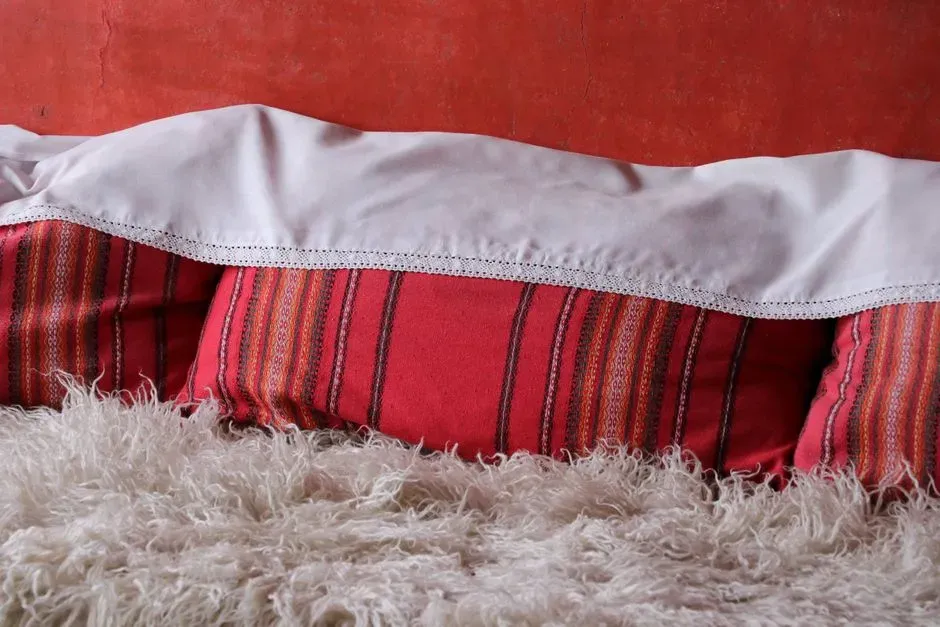
Rugs, throw pillows, and curtains do more heavy lifting for personality than most people give them credit for. A handwoven rug from a specific region, a quilt passed down through family, or curtains in an unexpected pattern can transform a plain room without any structural changes. Texture also plays a role that’s easy to underestimate; a chunky knit blanket next to a smooth leather chair creates contrast that feels intentional.
Layering textiles doesn’t require matching everything perfectly. In fact, slightly clashing patterns, when grounded by a shared color palette, often look more interesting than a coordinated set bought together. This is one of the easiest and least expensive updates available, since swapping pillow covers or adding a new throw costs far less than replacing furniture.
Showcase Collections Instead of Hiding Them
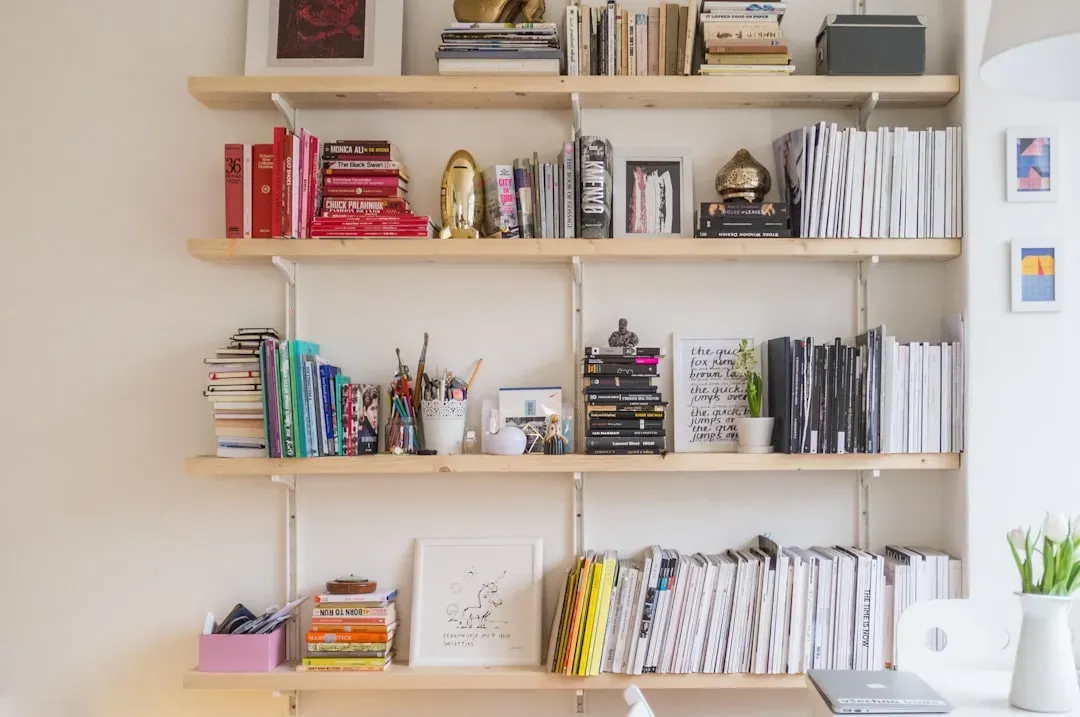
Everyone collects something, whether it’s vinyl records, houseplants, vintage cameras, or travel souvenirs. Hiding these items in drawers or closets wastes an opportunity to let a space reflect actual interests. Open shelving, glass-front cabinets, or simply grouping items together on a console table turns a random assortment into a deliberate display.
The key with collections is grouping by theme, color, or size rather than scattering pieces randomly throughout a home. A cluster of blue glass bottles on a windowsill reads as curated, while the same bottles spread across five different rooms just look like clutter. Concentrating a collection in one spot also makes it easier to rotate pieces seasonally, keeping the display feeling fresh.
Bring in Plants and Natural Elements
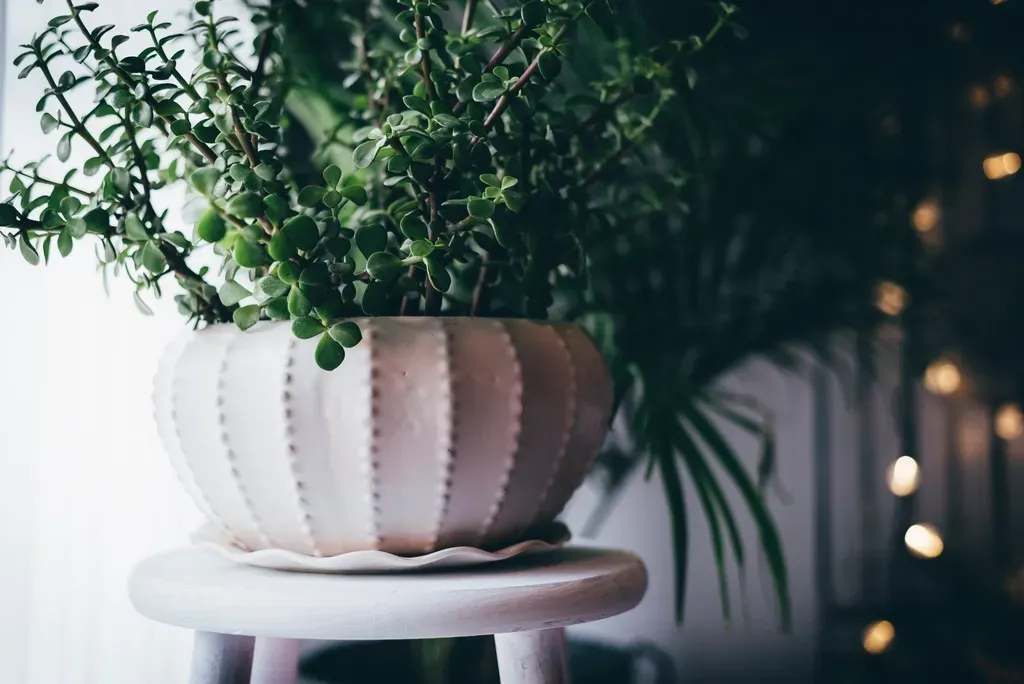
Houseplants remain one of the most accessible ways to soften a room and add life, and interest in indoor gardening has stayed strong in recent years as more renters and homeowners look for low-cost ways to personalize rented or temporary spaces. Beyond the visual benefit, certain plants like snake plants and pothos are frequently recommended for beginners because they tolerate inconsistent watering and lower light conditions. Grouping plants of varying heights near a window creates a mini indoor garden effect that feels far more dynamic than a single potted plant on a shelf.
Natural materials extend beyond plants, too. Wood, stone, rattan, and woven fibers introduce texture and warmth that manufactured materials often lack. A rattan mirror frame or a stone bowl for keys by the entryway adds tactile variety that makes a space feel grounded rather than sterile.
Experiment With Wallpaper in Small Doses

Wallpaper has seen a noticeable resurgence, driven partly by peel-and-stick options that make application far less intimidating than traditional pasted paper. Rather than covering an entire home, many designers suggest applying bold wallpaper to a single accent wall, a powder room, or the inside of a closet or bookshelf backing. This limits commitment while still delivering a strong visual statement.
Pattern choice matters here more than in almost any other category, since wallpaper tends to set the tone for an entire room. Botanical prints, geometric shapes, and vintage-inspired motifs have all appeared frequently in recent home design coverage, reflecting a broader shift toward maximalism after years of stripped-back minimalist interiors. Even a small dose of pattern can make a hallway or bathroom feel distinctly different from the rest of the home.
Personalize Lighting Beyond the Standard Overhead Fixture

Lighting shapes mood more than most homeowners initially consider, yet many spaces rely entirely on a single ceiling fixture that offers no flexibility. Table lamps, floor lamps, and string lights add layers of illumination that can be adjusted depending on the time of day or the activity happening in the room. A statement pendant light over a dining table or an unusual sculptural lamp in a corner can become a focal point on its own.
Warm-toned bulbs, generally in the 2700K to 3000K range, tend to create a cozier atmosphere than the cooler, bluish light common in office settings. Dimmer switches and smart bulbs have also become more affordable, giving homeowners more control over ambiance without rewiring anything. This kind of flexibility allows a single room to feel completely different depending on the mood needed.
Mix Furniture Styles Rather Than Matching Sets
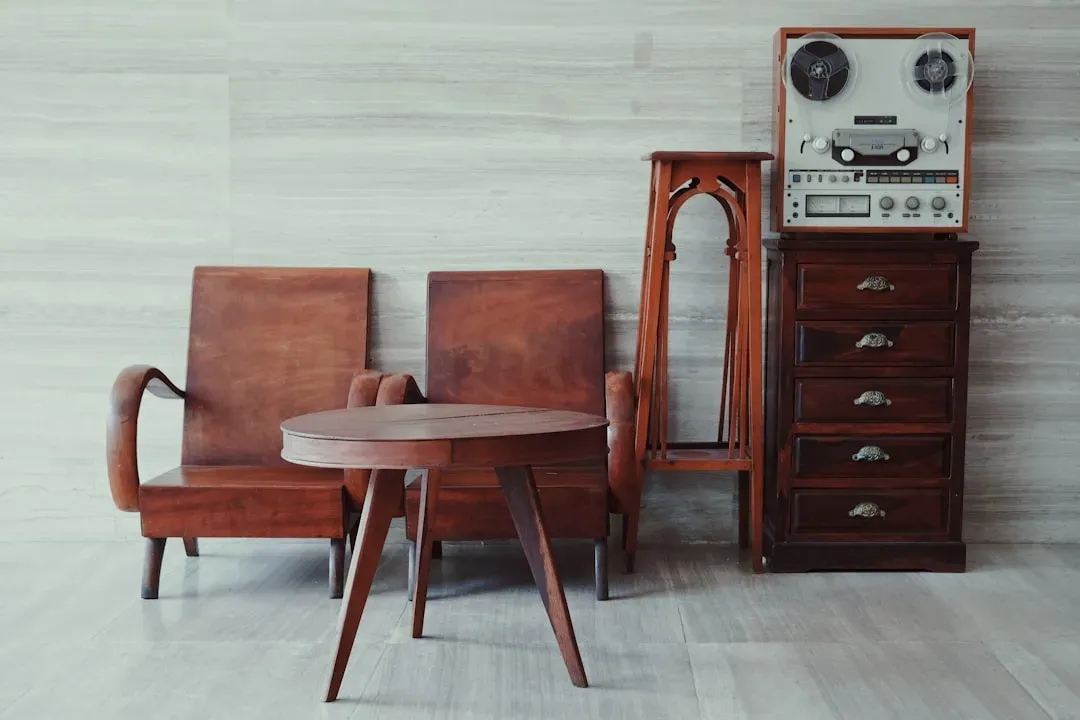
Buying an entire furniture set from one store guarantees a coordinated look, but it also tends to erase any sense of individuality. Pairing an antique dresser with a contemporary bed frame, or a sleek glass coffee table with a weathered wooden bench, introduces contrast that feels more like a home built over years rather than furnished in a single shopping trip. This approach requires a bit more confidence, since there’s no box set telling you what goes together.
A useful trick is picking one unifying element, like a consistent wood tone or a shared color thread, that ties disparate pieces together without making them match outright. Interior designers frequently reference this technique when working with clients who inherit furniture from multiple sources, such as family hand-me-downs combined with newer purchases. The mix ends up looking curated rather than accidental when there’s at least one common thread running through the room.
Add Personal Touches Through Books and Everyday Objects
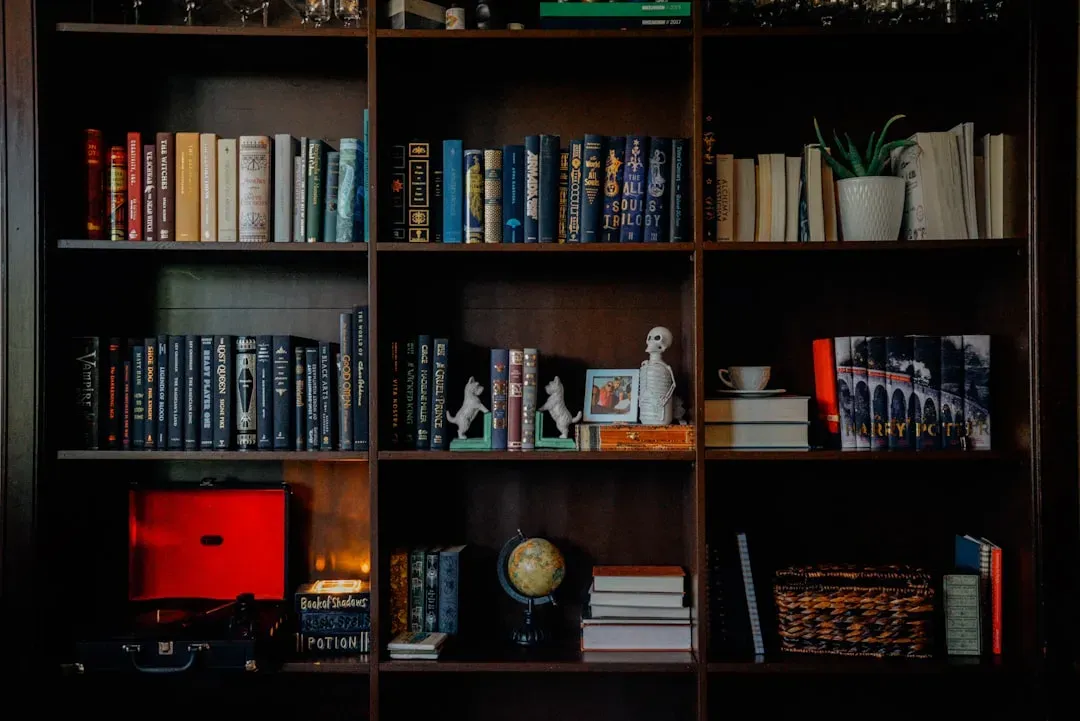
Bookshelves filled with a genuinely read collection say more about a person than almost any decor object could. Stacking books horizontally, mixing them with small sculptures or framed photos, and varying the color of the spines all contribute to a shelf that feels lived-in rather than staged. Even a coffee table book chosen for its subject matter, not just its cover color, adds a layer of authenticity.
Everyday objects, a favorite mug collection, a jar of seashells from a specific trip, an old typewriter, carry more personality than anything purchased specifically for display. These items don’t need a designated shelf or curated arrangement to work; sometimes leaving them exactly where they’re used daily is what makes a home feel real. The goal isn’t perfection, but a space that clearly belongs to the people living in it.