
Most of the friction in daily life doesn’t come from big problems. It comes from small annoyances that repeat themselves every single day, like fumbling for keys or hunting for a phone charger. The good news is that a handful of practical changes around the house can quietly remove that friction, often without spending much money or time.
This isn’t about a full renovation or trendy decor. It’s about rethinking how spaces actually function so your home works with you instead of against you. Below are some ideas worth considering, whether you’re settling into a new place or just tired of the same small hassles.
Create a landing zone near the entryway
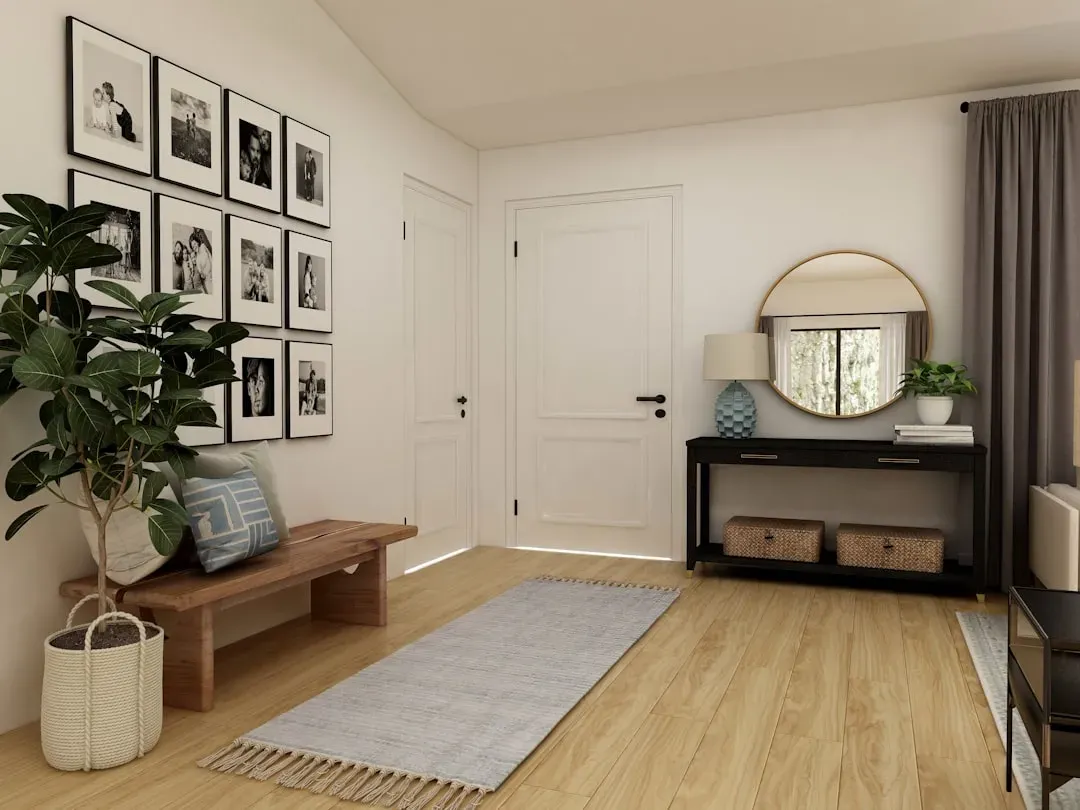
A dedicated spot by the front door for keys, wallets, sunglasses, and mail can eliminate one of the most common daily frustrations: not being able to find your things when you’re rushing out. A small table, a wall-mounted hook rack, or even a decorative bowl can serve this purpose without taking up much space. The key is consistency, putting items in the same spot every time trains the habit faster than any organizing system alone.
This concept has become popular enough that home organizers and interior designers frequently recommend it as one of the first changes people should make. It works because it removes the need for decision making at two of the most stressful moments of the day, leaving and arriving home. Over time, this small habit loop saves minutes that would otherwise go to searching drawers or bags.
Install smart plugs for everyday appliances
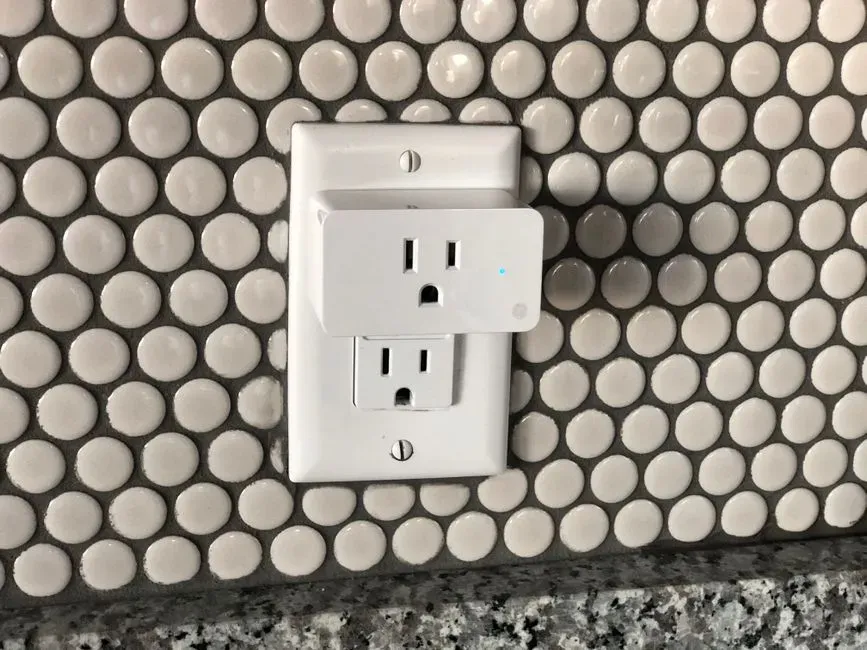
Smart plugs have become inexpensive and widely available, often costing less than the price of a casual lunch. They let you control lamps, fans, coffee makers, or space heaters remotely or on a schedule, which can be genuinely useful for people who forget to turn things off or want lights ready before they get home. Many models also track energy usage, giving a clearer picture of which appliances are driving up electricity bills.
Beyond convenience, smart plugs can offer a modest safety benefit too, since forgotten irons or heaters can be switched off remotely instead of causing worry throughout the day. Setup is typically simple, requiring only a smartphone app and a home Wi-Fi connection. For renters especially, this is one of the few smart home upgrades that requires no permanent installation or landlord approval.
Use drawer dividers to stop the daily search
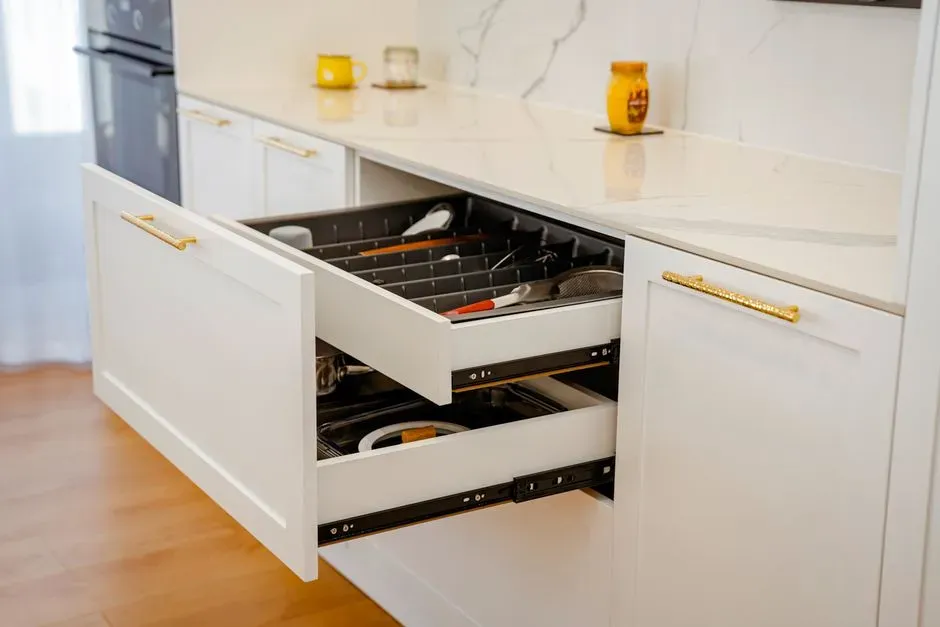
Kitchen and bathroom drawers tend to become chaotic over time, turning routine tasks like finding a specific spatula or hair tie into a small ordeal. Adjustable drawer dividers, which can be found for a modest price at most home goods stores, keep similar items grouped and visible. This reduces the mental effort of searching, which researchers in cognitive psychology have long linked to visual clutter and decision fatigue.
The impact is especially noticeable in kitchens, where utensils, gadgets, and cutlery often compete for the same limited space. A well-organized drawer can shave real time off meal prep, since cooks aren’t stopping mid-recipe to dig around. This is one of those upgrades that feels minor until it’s gone, and then the old chaotic drawer becomes hard to tolerate again.
Add motion-sensor lighting in transitional spaces

Hallways, closets, staircases, and under-cabinet areas are places where people often fumble for light switches, sometimes with their hands full or in the dark. Battery-powered or plug-in motion-sensor lights solve this instantly, turning on automatically when someone walks by and switching off after a set period. Many options are stick-on and require no wiring, making them approachable for almost any household.
This kind of lighting also has a safety dimension, particularly for households with older adults or young children who may be more prone to nighttime falls. Illuminating stairs or hallways without needing to locate a switch reduces one small but real hazard. Given how affordable these lights have become in recent years, the barrier to trying them is fairly low.
Set up a charging station for devices
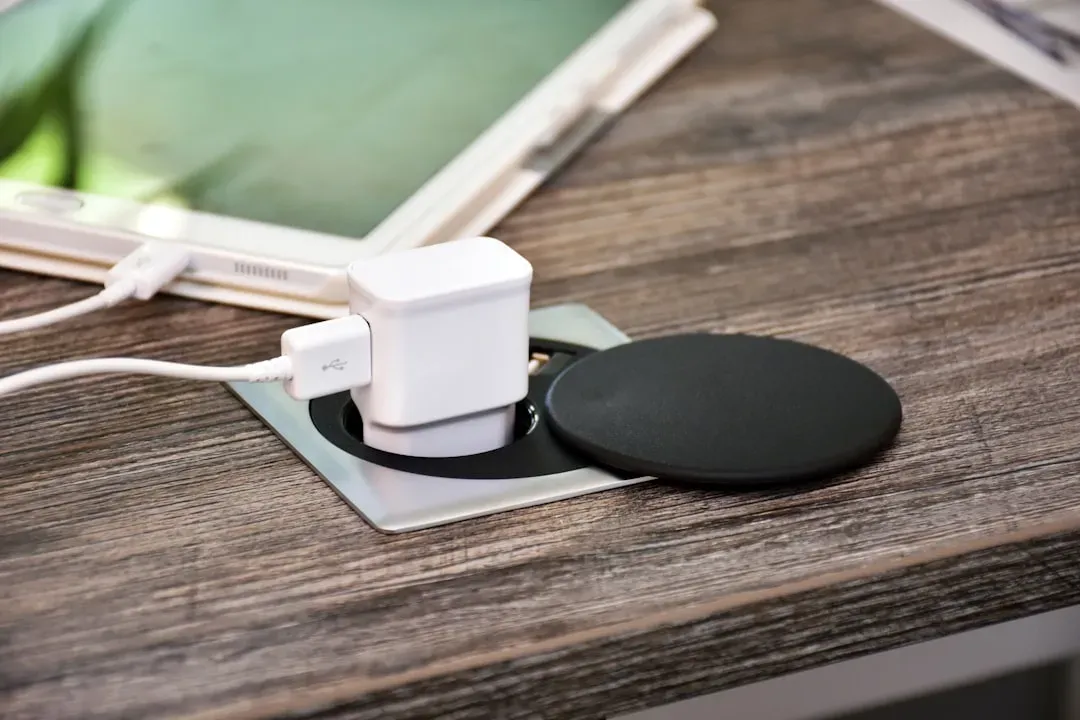
With most households now managing multiple phones, tablets, and wearables, tangled cords and misplaced chargers have become a near-universal source of low-level frustration. A simple charging station, whether a multi-port hub or just a designated tray with labeled cables, keeps devices powered and easy to locate. This is particularly useful in shared spaces like kitchens or living rooms where multiple family members need to charge devices at once.
Some newer charging stations also include built-in surge protection, which adds a layer of practical safety alongside the convenience. Placing this station somewhere central, rather than tucked away in a bedroom, tends to encourage better habits since people are less likely to leave devices scattered around the house. It’s a small setup that pays off almost immediately in reduced searching and fewer dead-battery mornings.
Label pantry and storage containers clearly
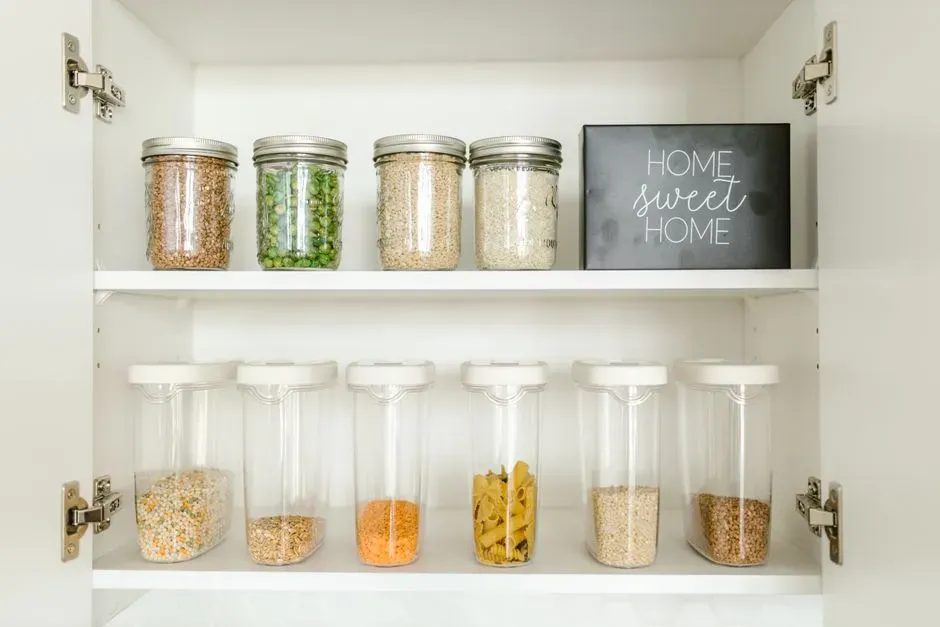
Transferring dry goods like rice, pasta, flour, and cereal into clear, labeled containers does more than look tidy. It makes inventory instantly visible, so there’s no more shaking a box to guess how much is left or discovering an ingredient has expired mid-recipe. Clear labeling also helps other household members, including kids, find what they need without asking for help every time.
This approach has practical benefits beyond convenience as well, since sealed containers can help keep pantry staples fresher for longer by limiting exposure to air and pests. Many households find that labeling extends to cleaning supplies, medicine cabinets, and garages too, since the same logic of visibility applies everywhere. Once one area is organized this way, it tends to naturally expand to others.
Choose furniture with built-in storage
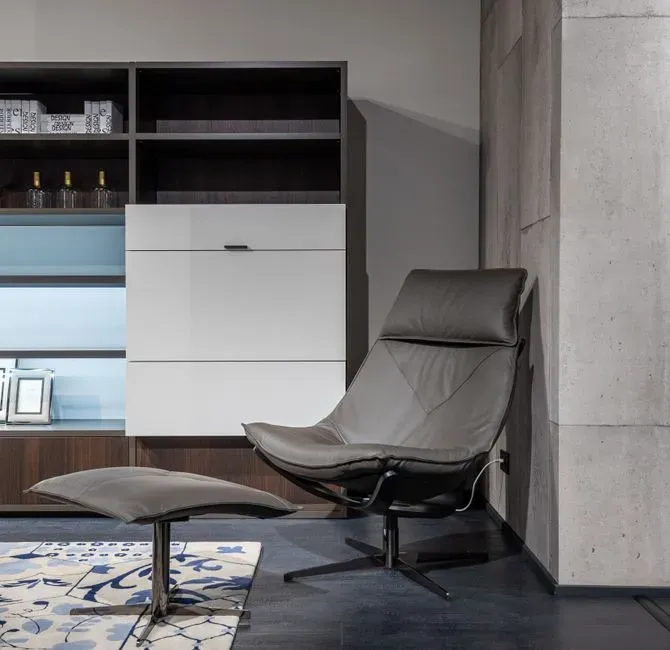
Ottomans that open up, beds with drawers underneath, and coffee tables with hidden compartments allow a home to store more without feeling more crowded. This is especially valuable in smaller apartments or homes, where separate storage furniture simply isn’t practical. Multi-purpose furniture has grown in popularity partly because urban living spaces have generally gotten smaller while people’s belongings haven’t.
These pieces work best when the storage matches an actual daily need, such as keeping blankets accessible in a living room ottoman rather than in a far closet. The upfront cost is often higher than basic furniture, but the space efficiency and reduced clutter can make it worthwhile over time. It’s a practical trade rather than a purely aesthetic one.
Set reminders using visible household calendars

Despite how much daily life has moved onto phones, many households still benefit from a shared, visible calendar posted somewhere central like a kitchen wall or refrigerator. This can prevent double bookings, forgotten appointments, and the kind of miscommunication that happens when everyone assumes someone else remembers a date. Whiteboards and dry-erase calendars remain popular precisely because they’re easy to update and glance at without opening an app.
For families with children, a shared calendar can also reduce daily stress around school events, activities, and shared responsibilities. Digital versions synced across household members’ phones can serve a similar purpose, though many people report that a physical, visible version still gets noticed more consistently. Either way, having one dependable place for scheduling information reduces the small anxiety of wondering what’s coming up.
Improve air quality with simple fixes
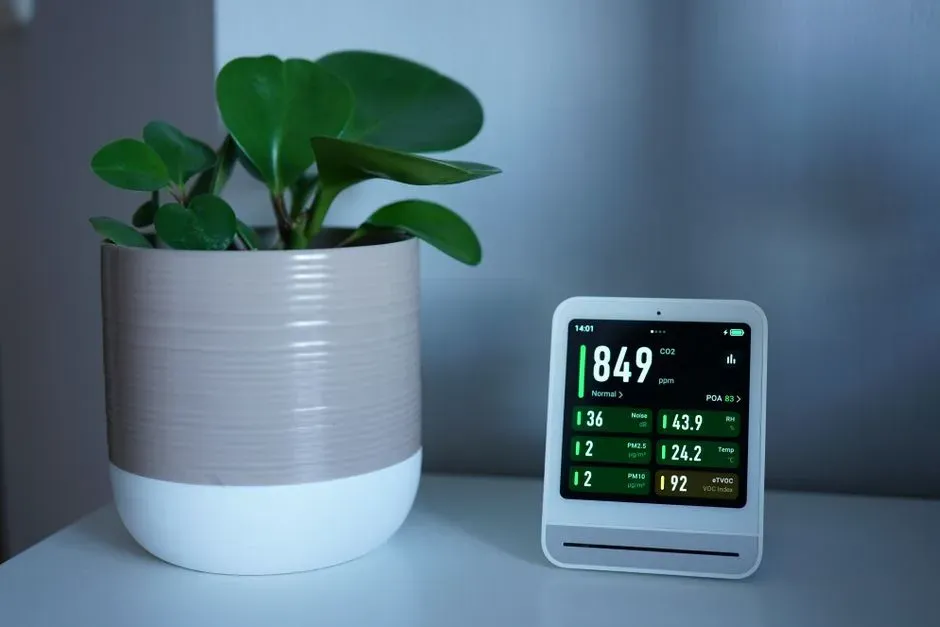
Indoor air quality has drawn more attention in recent years, particularly as people spend more time working from home. Simple steps like regularly changing HVAC filters, using exhaust fans while cooking, and adding a few air-purifying houseplants can noticeably improve how a home feels day to day. The Environmental Protection Agency has noted that indoor air can sometimes carry higher concentrations of certain pollutants than outdoor air, which makes basic ventilation habits genuinely useful rather than just a wellness trend.
Affordable air purifiers have also become more common in households, especially in areas affected by wildfire smoke or high pollen seasons. Even something as simple as opening windows briefly each day, weather permitting, can help refresh stale indoor air. These habits don’t require major investment, just consistency built into an existing routine.
Use vertical space in small kitchens and bathrooms
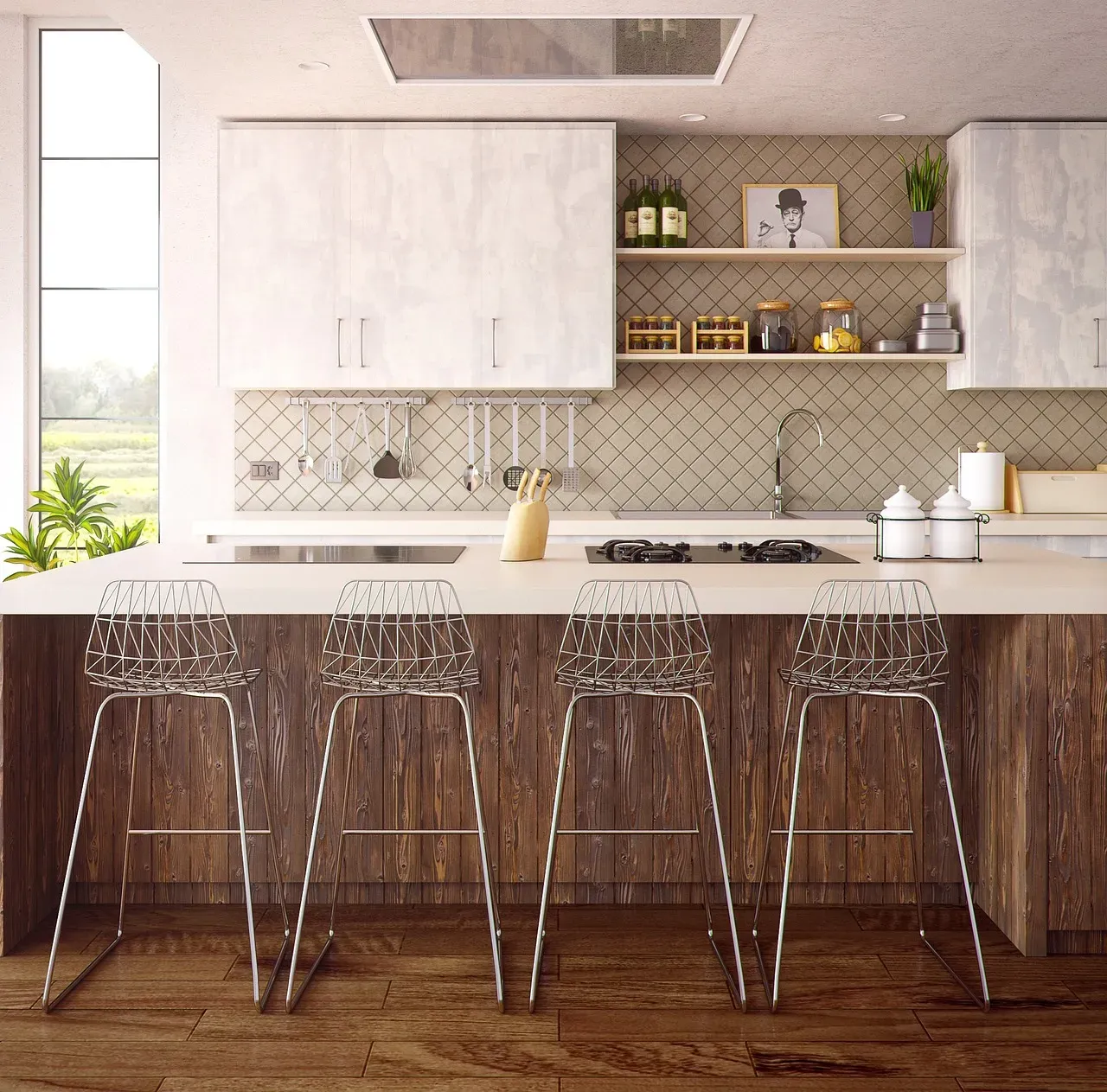
Wall-mounted shelves, hanging racks, and over-the-door organizers make use of vertical space that often goes overlooked, especially in kitchens and bathrooms with limited counter or floor space. This is particularly helpful in rental homes, where structural changes aren’t an option but hanging storage usually is. Pot racks, spice shelves, and towel ladders are common examples that free up drawer and cabinet space for other essentials.
This approach has become especially relevant as average home and apartment sizes in many urban markets have not kept pace with the amount of belongings typical households own. Making better use of vertical space doesn’t require construction, just some planning around what gets used daily versus what can be stored higher up. It’s a low-cost adjustment that often makes small spaces feel considerably more functional.