
The psychology of having a dedicated reading space
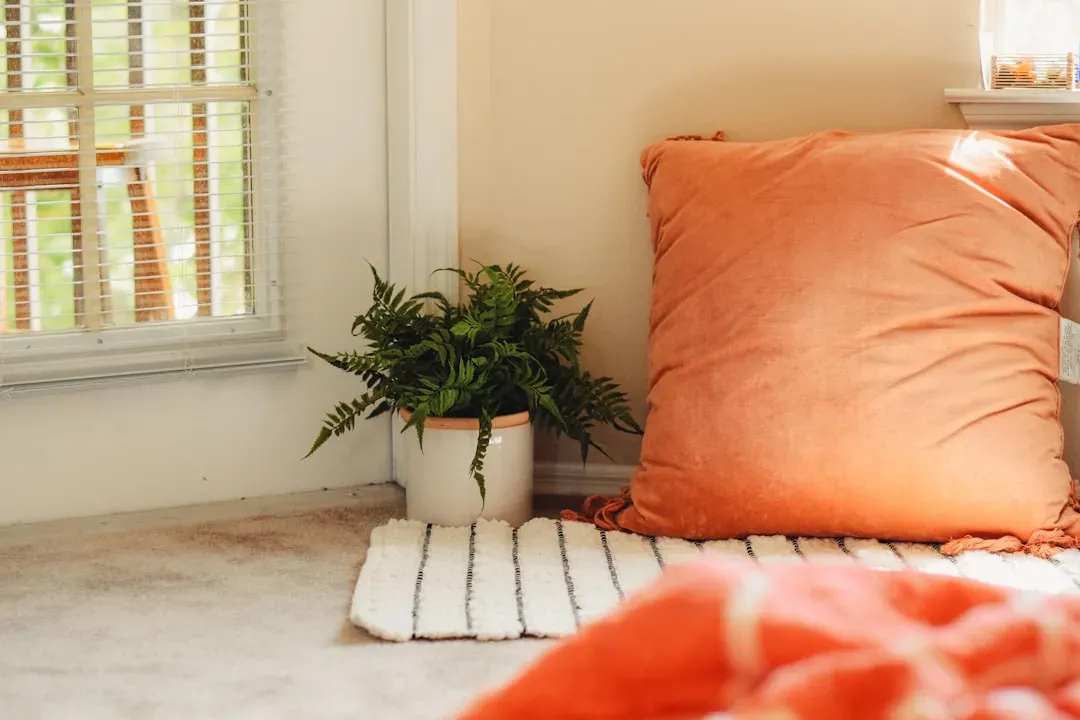
Humans respond strongly to environmental cues, and having a specific spot associated with a calm activity like reading helps the brain shift gears faster. Psychologists who study habit formation often point out that consistent physical settings reinforce consistent behavior, which is part of why people read more when they have a designated place for it. A corner that’s only used for reading starts to carry an association with focus and rest, almost like a Pavlovian trigger for slowing down.
This matters more now than it used to, simply because attention has become such a contested resource. Phones, laptops, and televisions all compete for the same mental space that reading requires. A physical spot that’s separate from those distractions gives the brain permission to disengage from constant stimulation, even if just for twenty minutes a day.
Choosing the right spot in your home
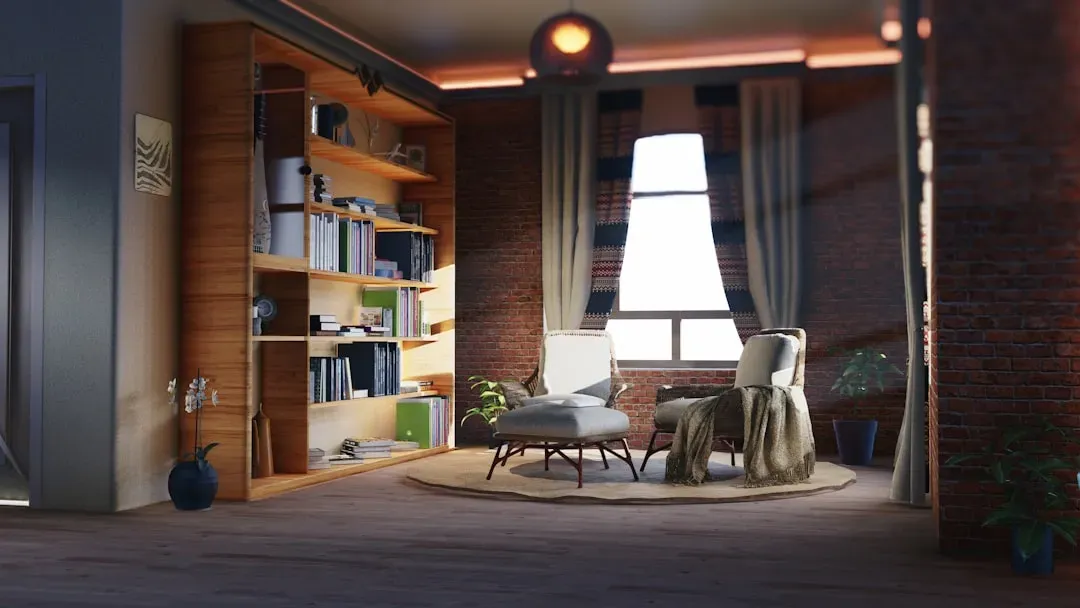
Not every home has an obvious empty room waiting to become a library, and that’s fine, because reading corners work best when they’re built around what already exists. A quiet corner near a window, an underused hallway nook, or even the end of a hallway with good natural light can all become surprisingly effective spots. The key is finding a location that feels slightly removed from the main traffic flow of the house, even if it’s only a few feet away.
Proximity to natural light tends to be one of the most important factors people overlook. A spot near a window not only reduces the need for artificial lighting during the day but also creates a more inviting atmosphere overall. If no natural light is available, choosing a spot near a wall where a floor lamp can be placed without crowding the space works nearly as well.
Lighting that actually works for reading
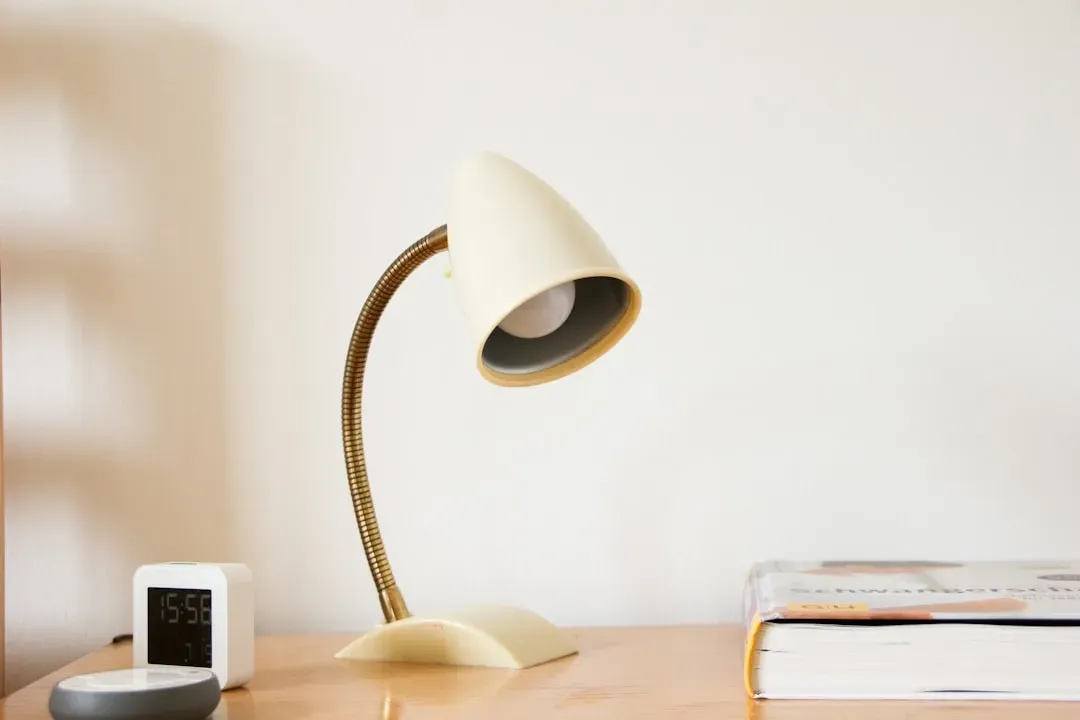
Poor lighting is one of the fastest ways to turn a promising reading nook into a place nobody actually wants to sit. Overhead lighting alone often creates glare on pages or screens, which is why most design experts recommend layering a dedicated reading lamp with softer ambient light. A warm-toned bulb, generally in the range that mimics late afternoon sunlight, tends to feel more relaxing than the cooler, bluish light common in kitchens and offices.
Adjustable lamps are particularly useful because reading habits change depending on the time of day and the type of material. Someone reading a physical book in the evening might want a warmer, dimmer light, while someone working through a textbook during the day may need something brighter and more direct. A simple floor lamp with an adjustable arm or a swing-arm wall sconce solves most of these needs without requiring an electrician.
Comfortable seating matters more than style

It’s tempting to choose a reading chair based purely on how it looks in photos, but comfort has to come first if the space is going to get regular use. A chair that looks elegant but causes back strain after fifteen minutes will quietly get abandoned, no matter how nice it appears. Look for seating with proper lumbar support, a seat depth that fits your height, and enough padding to sit through a chapter or two without shifting constantly.
Armchairs, upholstered benches, and even floor cushions paired with a low backrest can all work depending on personal preference and available space. Some people prefer a slight recline that takes pressure off the spine, while others like a firmer, more upright seat that keeps them alert. Testing a chair by actually sitting in it for several minutes before buying, rather than judging it from a showroom glance, tends to prevent regret.
Storage and organizing your books
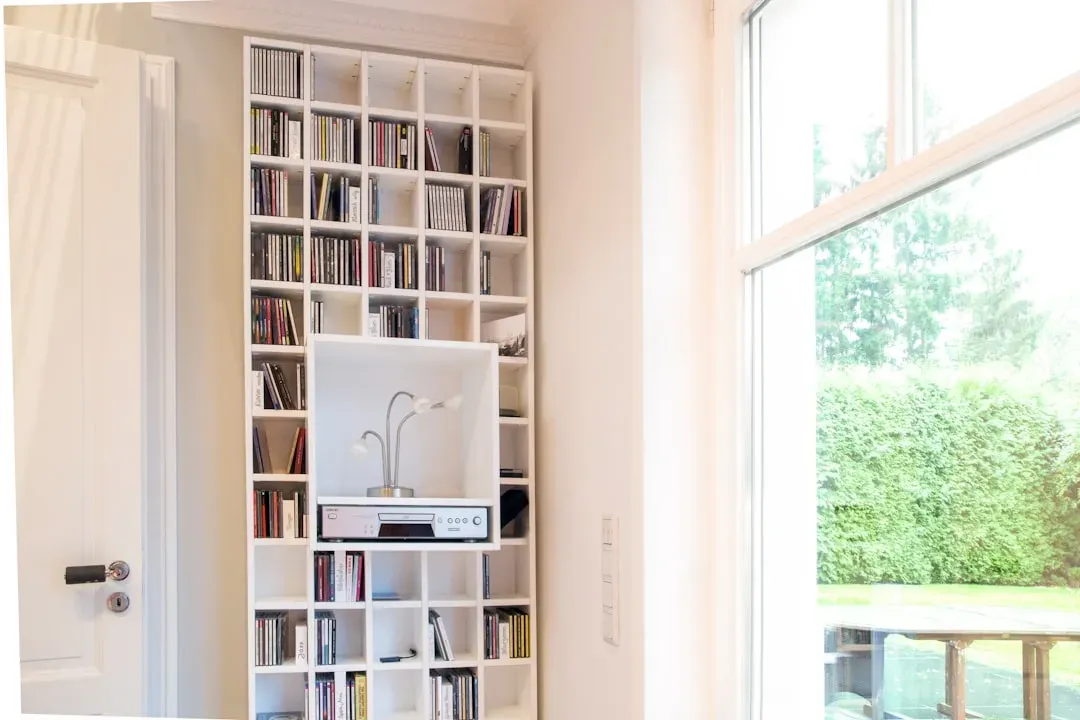
without any nearby storage often turns into a pile of books scattered across the floor within a matter of weeks. Even a small shelf, a stack of floating ledges, or a simple basket beside the chair can keep the space from feeling cluttered. Storage doesn’t need to be extensive, since the goal is to have current reads within arm’s reach rather than housing an entire personal library.
Organizing by mood or current interest rather than strict alphabetical order tends to make small reading nooks feel more personal and less like a formal library display. Some people rotate a handful of books seasonally, keeping only what they’re actively reading or planning to start soon. This approach keeps the space feeling fresh and prevents the overwhelming sensation of an unread stack silently judging from the corner.
Adding warmth with textiles and rugs

Textiles do a surprising amount of work in making feel inviting rather than just functional. A soft throw blanket, a textured rug underfoot, and a couple of well-chosen pillows can transform a plain chair into a spot people actually want to return to. Layering different textures, like a woven rug paired with a knit throw, adds visual depth without requiring much effort or expense.
Rugs in particular help define the boundaries of a reading nook, especially in open-concept homes where there’s no wall to mark the space clearly. Even a small area rug placed under a chair signals that this spot is intentional and separate from the rest of the room. Choosing washable, durable fabrics is worth considering too, since reading corners tend to attract spilled tea and the occasional dropped snack.
Reading corners for kids
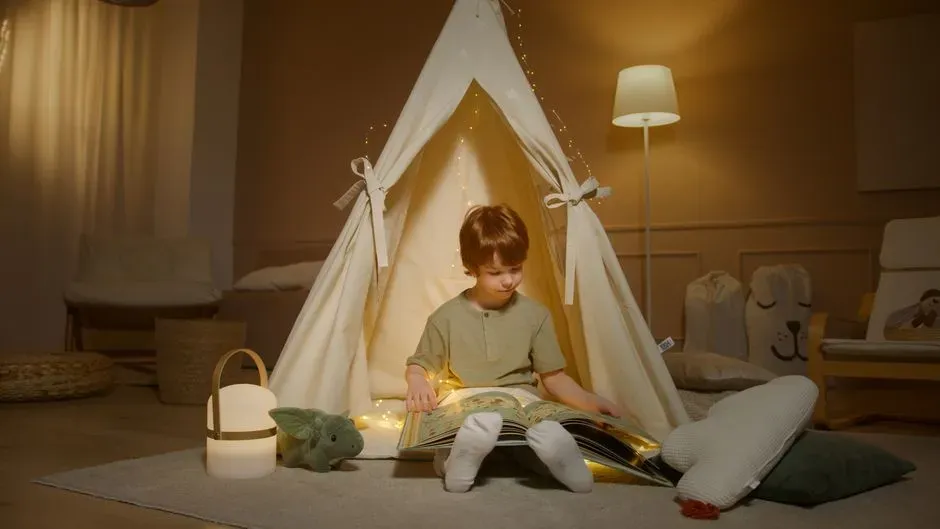
Children’s reading nooks serve a slightly different purpose than adult ones, focusing more on encouraging early literacy habits than providing quiet escape. Educators and literacy researchers have long noted that kids who have easy, low-effort access to books at home tend to develop stronger reading habits earlier. A low bookshelf where children can see and reach covers themselves, paired with a soft cushion or bean bag, often works better than a formal chair.
Bright, engaging colors and a slightly more playful design tend to draw children in compared to the calmer palettes adults usually prefer. Tents, canopy corners, or even a repurposed closet with fairy lights can turn reading into something that feels like an adventure rather than a chore. The goal for kids’ spaces is less about aesthetic restraint and more about making the corner irresistible enough that they choose it over a screen.
Small spaces, smart reading nooks
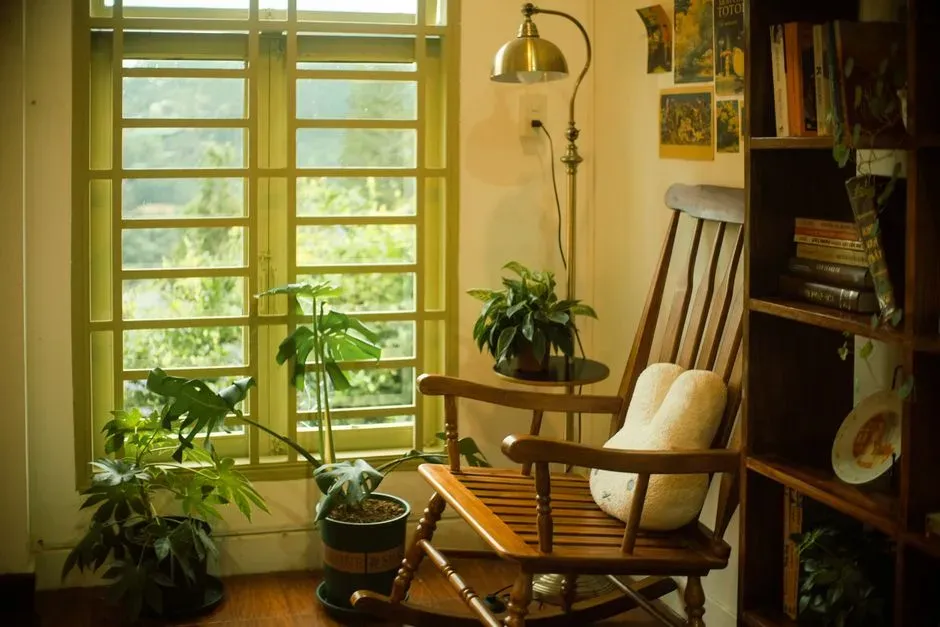
Apartments and smaller homes present a real challenge, but limited square footage doesn’t rule out having a proper reading spot. A window seat built into existing storage, a corner chair paired with a slim side table, or even a hammock chair hung near a wall can all work in tight quarters. The trick is choosing furniture that serves double duty, like an ottoman with hidden storage or a foldable chair that tucks away when not needed.
Vertical space often gets overlooked in small apartments, yet it offers real potential for reading corners. A tall, narrow shelf beside a chair takes up minimal floor space while still providing storage for a rotating selection of books. Multi-purpose furniture, paired with thoughtful lighting, can make even a five-foot corner feel like a legitimate retreat.
Digital detox and mindful reading

Physical reading corners have taken on a new kind of relevance as more people actively try to reduce screen time. Surveys conducted in recent years by groups studying digital wellbeing have repeatedly found that many adults feel they spend more time on screens than they’d like, and are actively looking for ways to cut back. A dedicated reading spot, free of chargers and phone docks, gives people an easy physical cue to disconnect without requiring willpower alone.
Some households have started treating their reading corner as a phone-free zone entirely, keeping devices in another room during reading time. This small boundary, enforced by physical distance rather than sheer discipline, tends to be more effective than simply trying to ignore notifications. The corner becomes less about the act of reading itself and more about protecting a pocket of uninterrupted time in an otherwise noisy day.
Personal touches that make it yours
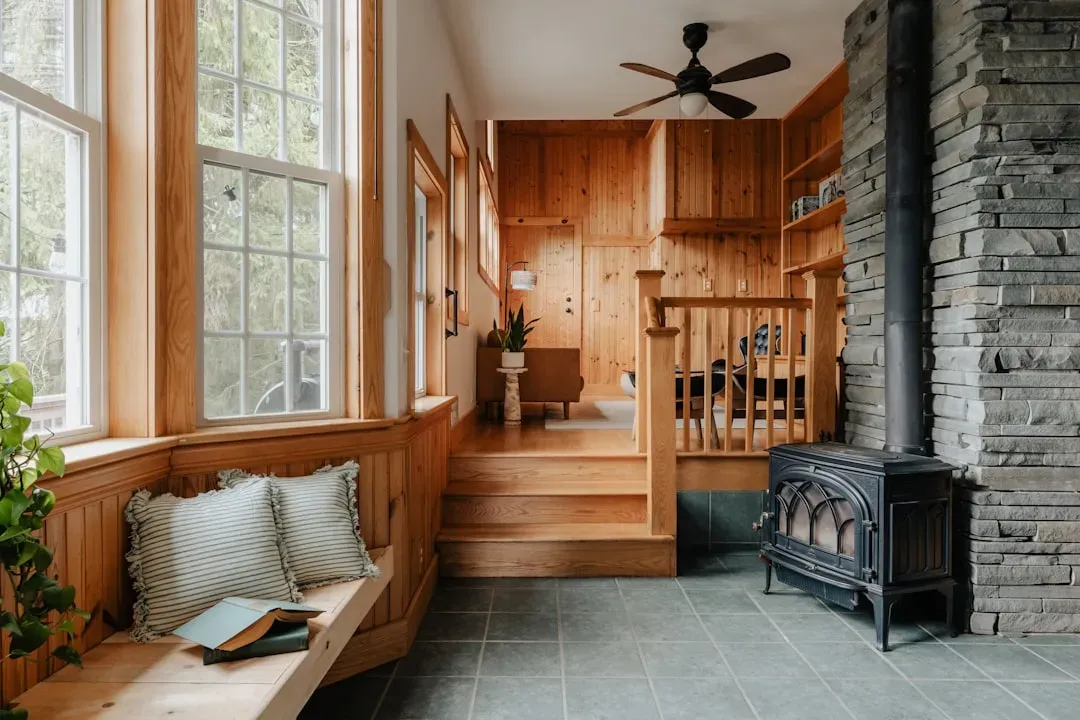
The difference between a generic corner with a chair and an actual reading nook usually comes down to personal details. A favorite mug rack nearby, a small plant that thrives in low light, or a framed print that means something can turn a functional space into one that feels genuinely personal. These details don’t need to be expensive or curated from design magazines, since the most successful reading corners often reflect the individual quirks of whoever uses them.
Scent can play a role too, whether through a candle, diffuser, or simply an open window during good weather. Sound matters as well, and some people add a small speaker for ambient noise or soft instrumental music while others prefer complete silence. There’s no universal formula here, only the goal of building a space specific enough that it feels like it belongs to the person using it.