
Layer your lighting instead of relying on one source
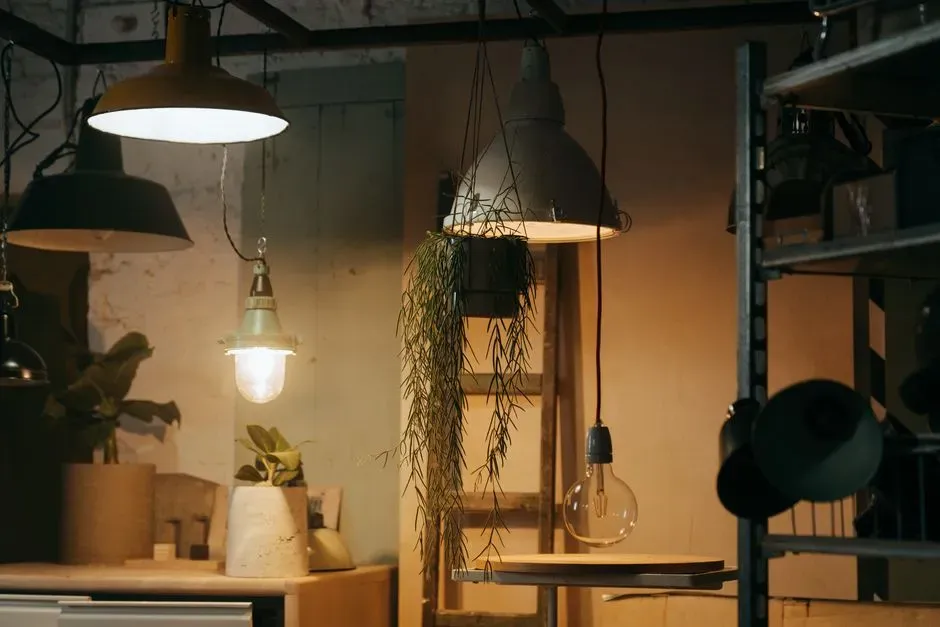
A single overhead light tends to flatten a room and make it feel clinical rather than cozy. Designers often recommend combining ambient, task, and accent lighting so shadows and highlights create depth. Table lamps, floor lamps, and even string lights add warmth because they sit at eye level and cast a softer glow than a ceiling fixture ever can.
Bulb temperature matters just as much as placement. Warm white bulbs, typically in the 2700K to 3000K range, mimic the golden tone of candlelight and are widely considered more inviting than cooler, bluish tones above 4000K. Swapping bulbs is one of the cheapest changes a homeowner can make, and it’s often the fastest way to notice a difference.
Bring in natural textures like wood and wool
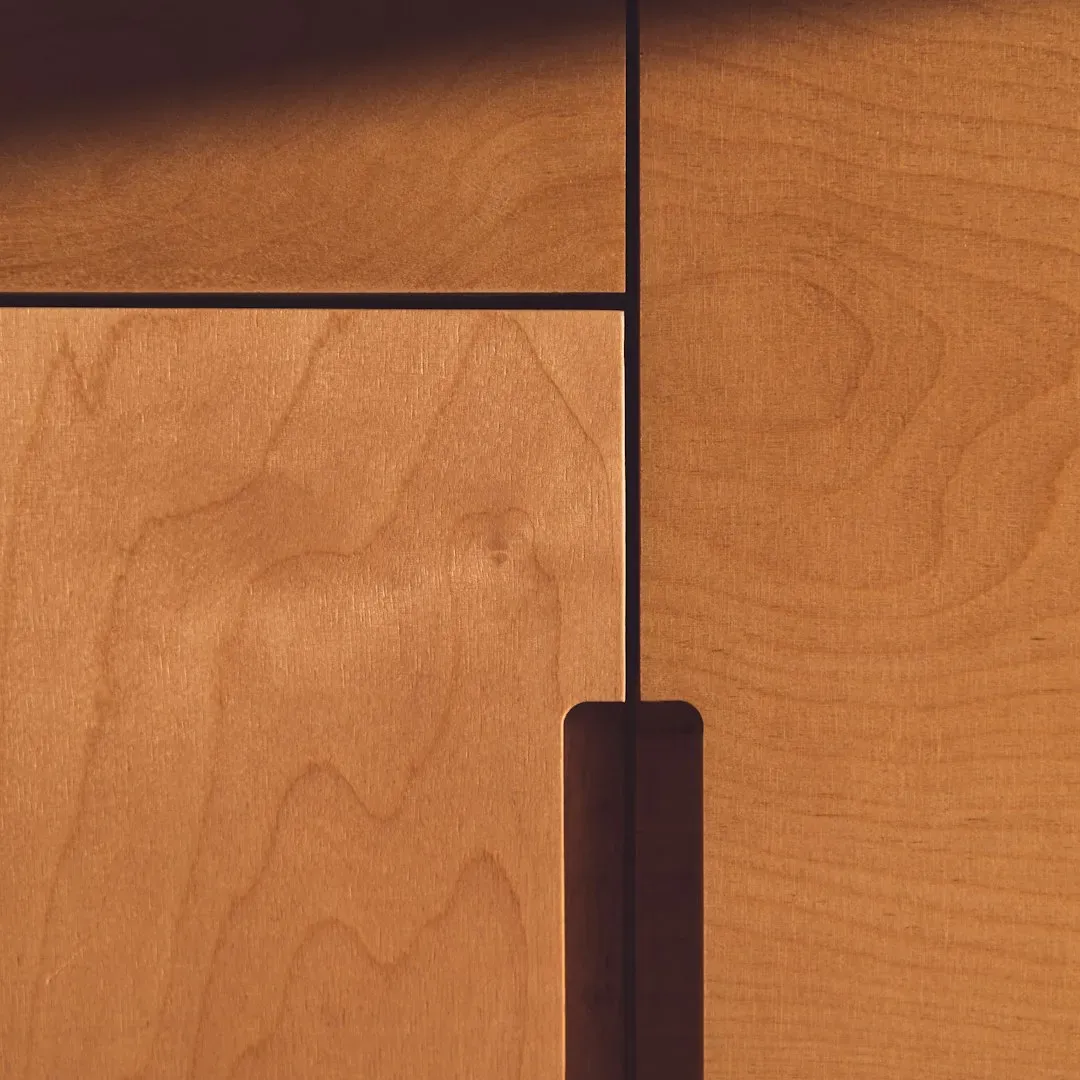
Texture gives a room something to touch, not just look at, and that tactile quality is a big part of what people describe as coziness. Wood furniture, woven baskets, and wool throws all introduce organic irregularity that smooth, manufactured surfaces lack. Even one or two textured pieces can soften a room that otherwise feels sparse or overly polished.
Mixing textures also adds visual interest without requiring a lot of color. A leather chair next to a linen curtain, or a rattan mirror above a wooden console, creates contrast that keeps the eye moving. This layering effect is a staple in interior design because it works in almost any style, from farmhouse to modern minimalism.
Choose a warm, neutral color palette
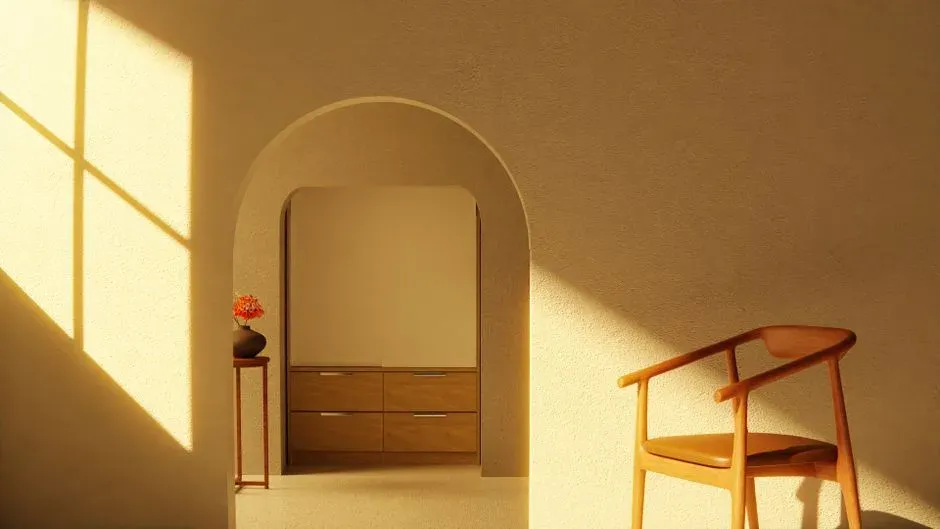
Color has a direct psychological effect on how a space feels, and warmer hues tend to read as more comforting than stark whites or cool grays. Shades like terracotta, warm beige, soft ochre, and muted rust have been popular in recent home design trends precisely because they evoke a sense of hospitality. Even a single accent wall in one of these tones can shift the entire mood of a room.
Neutral doesn’t have to mean boring. Cream, camel, and warm taupe pair well with almost any furniture style and age gracefully compared to trend-driven colors. Paint remains one of the most cost-effective updates available, and a gallon typically covers enough wall space to transform a small to medium room.
Add rugs to ground the space
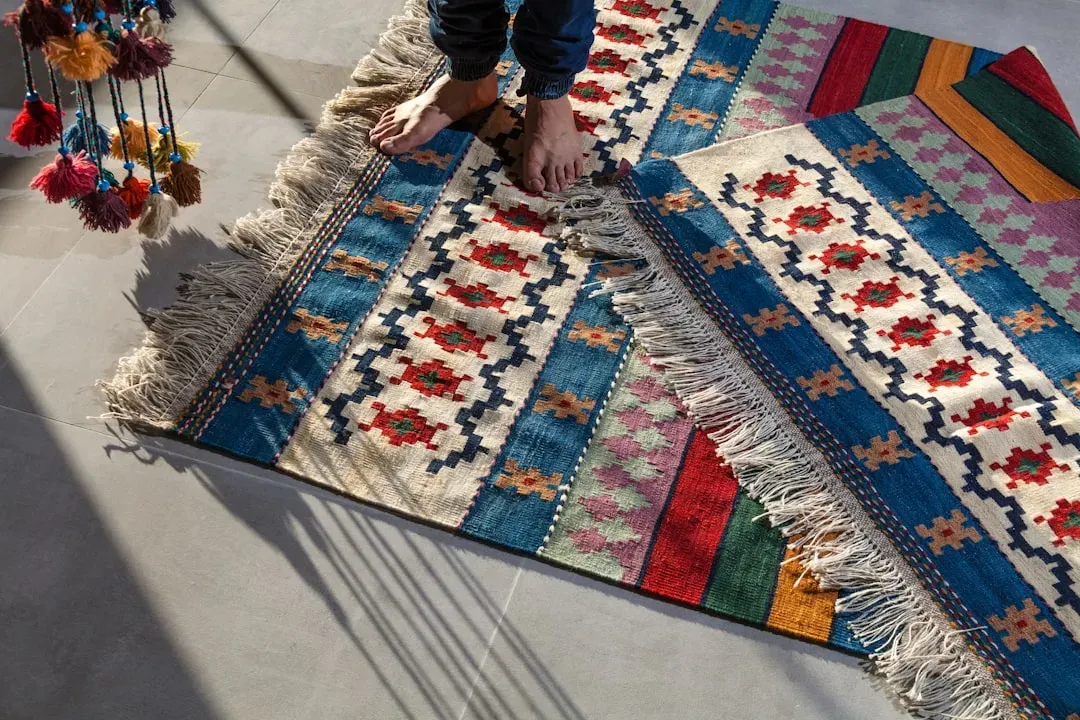
Hard flooring, especially tile or hardwood, can make a room feel echoey and cold, both literally and visually. A rug anchors furniture groupings and gives the floor a softer, more finished appearance. Larger rugs tend to work better than small ones because they visually expand the room rather than making it look choppy.
Natural fiber rugs made from jute or wool add texture underfoot while still fitting into a warm color scheme. In colder climates, rugs also serve a practical purpose by insulating floors and reducing heat loss, which matters during winter months when heating costs rise. It’s a detail that’s functional as much as decorative.
Incorporate soft textiles throughout the room

Curtains, cushions, and throw blankets are some of the fastest ways to soften a space without touching the walls or furniture layout. Heavier curtain fabrics like velvet or a thick cotton blend also help with sound absorption, which can make a room feel calmer. Cushions in varying sizes and materials add a layered, inviting look to sofas and chairs.
Seasonal textile swaps are an easy way to keep a room feeling fresh without a full redesign. Swapping a lightweight linen throw for a chunky knit blanket in colder months is a small change that has an outsized effect on comfort. This kind of low-cost rotation is common advice among interior stylists because it keeps a space feeling current.
Use candles or diffusers to add scent

Scent is often overlooked in design conversations, but it plays a real role in how warm and welcoming a room feels. Warm scent notes like vanilla, sandalwood, cedarwood, and cinnamon are frequently associated with comfort and are common choices in home fragrance products. Even without lighting a candle, simply having one visible on a shelf or tray adds a homey touch.
Diffusers offer a longer-lasting, flame-free alternative that works well in homes with children or pets. Scent memory is strong, and a consistent signature fragrance can make a space feel more personal over time. This is a small, low-effort addition that many people underestimate.
Display personal items and collected objects
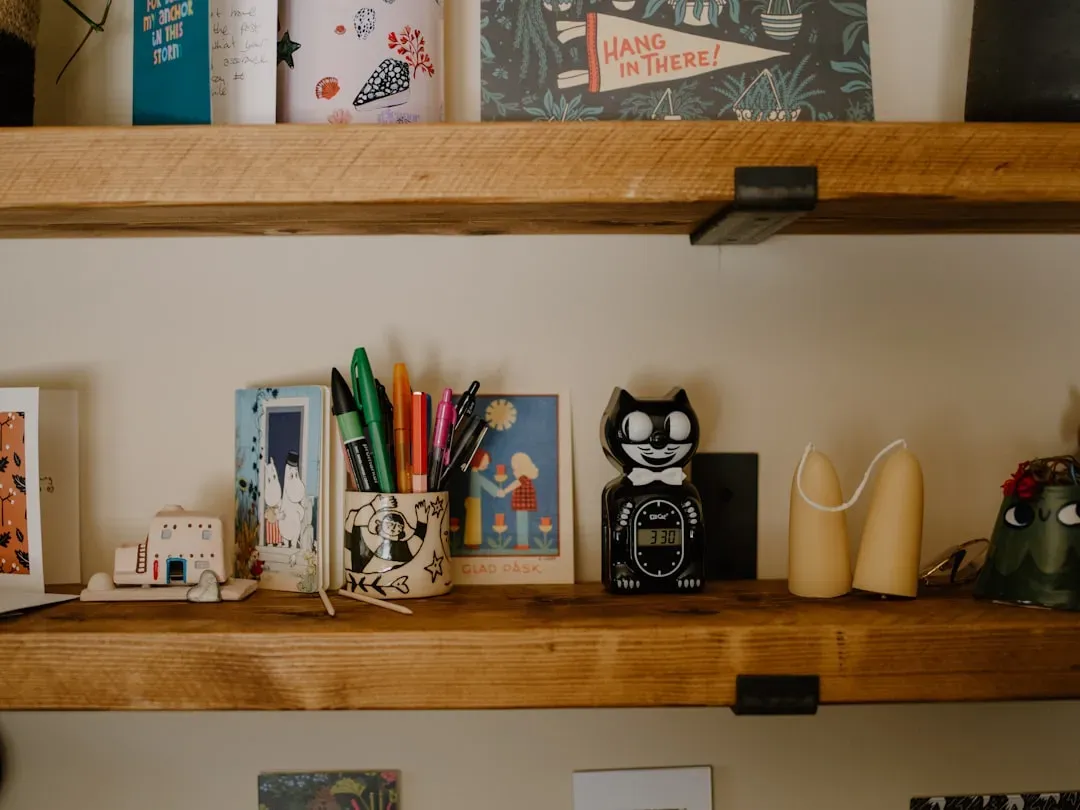
Rooms that feel generic often lack a personal touch, while spaces filled with meaningful objects tend to feel warmer almost instantly. Framed photos, travel souvenirs, books with worn spines, or a handmade ceramic piece all signal that a room belongs to someone specific. This kind of personalization is something no amount of matching furniture can replicate.
It doesn’t require clutter to work. A curated shelf with five or six thoughtfully chosen items usually reads as warmer than a room crowded with too many decorative objects. The goal is authenticity, not volume, which is why even a modest collection can carry a lot of visual weight.
Introduce houseplants for a living element

Plants bring color, texture, and a sense of life into a room that static decor simply can’t match. Larger leafy plants like a fiddle leaf fig or a pothos vine soften hard architectural lines and fill empty corners naturally. Even a small cluster of potted herbs on a windowsill can make a kitchen or dining area feel more inviting.
Research on biophilic design, which incorporates natural elements into interiors, has linked greenery to lower stress levels and improved mood in indoor spaces. Low-maintenance options like snake plants or ZZ plants are popular choices for people who want the visual benefit without a demanding care routine. This makes plants one of the more accessible upgrades on this list, even for renters or beginners.
Arrange furniture to encourage conversation
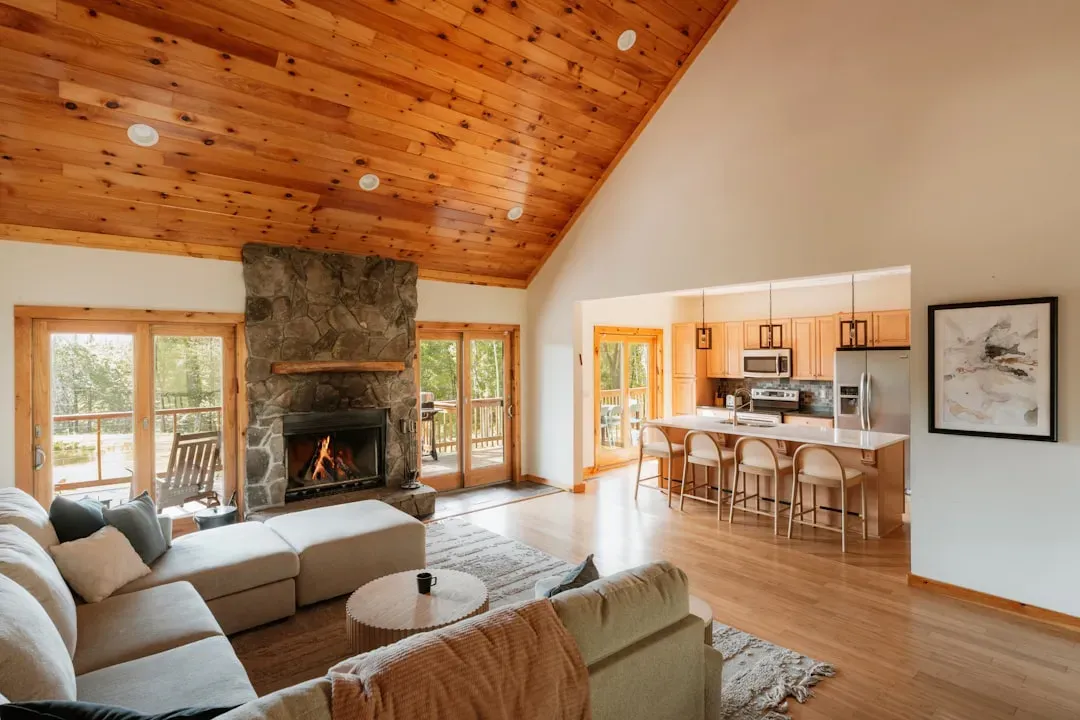
How furniture is arranged has a surprisingly large effect on whether a room feels warm or simply functional. Placing seating in a loose circle or facing arrangement, rather than lined up against walls, encourages conversation and makes a room feel social rather than sterile. This layout principle is common in hospitality design, where the goal is to make guests feel comfortable staying a while.
Leaving breathing room between furniture pieces also matters, since overcrowded layouts can feel chaotic rather than cozy. A well-placed coffee table or ottoman at the center of a seating group gives the room a natural focal point. Small adjustments like these often cost nothing but still change how a space is experienced.
Pay attention to sound and acoustics

Warmth isn’t only visual. Rooms with hard, echoing acoustics can feel cold even if they look well-decorated, because sound behaves differently in bare, reflective spaces. Soft materials like curtains, upholstered furniture, and rugs absorb sound and reduce that hollow, sterile feeling common in newly built or minimally furnished rooms.
Background sound also contributes to atmosphere, whether it’s a quiet playlist, the low hum of a fan, or even the crackle of a fireplace. This sensory layer is easy to overlook, but it works alongside lighting and texture to shape how comfortable a room feels overall. Addressing acoustics is one of the more underrated steps in making a space feel genuinely warm.