
Most of us walk into a room and take in the broad strokes. The couch looks comfortable. The walls are a nice shade. Something smells good. We form a general impression and move on. Interior designers do something quite different. Within seconds of crossing a threshold, they’re reading dozens of subtle signals at once, picking up on details that most homeowners have long since stopped seeing.
When most people walk into a home, they notice the big things first: the furniture, the color of the walls, or whether the space feels clean. Interior designers see something very different. Within seconds, they pick up on details that most people overlook completely. It’s worth understanding exactly what those details are, because the gap between a home that feels effortlessly right and one that feels subtly “off” usually comes down to the same short list of factors.
The Entryway Sets the Entire Tone
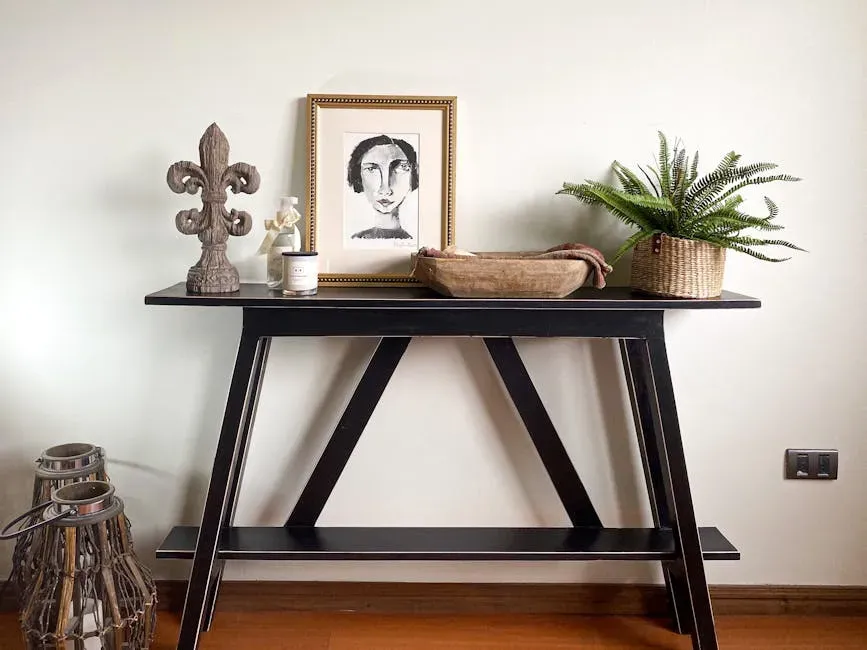
The entryway is the first thing anyone notices when they walk into a home. It sets the tone for what to expect in the rest of the space. Interior designers immediately take note of how inviting and organized this area is. Even a small, narrow entry can work well if it’s thoughtfully handled.
The first interior space, the entryway or foyer, is critical. A bright, open, and uncluttered entryway feels positive, welcoming, and spacious. Designers look for elements like a console table, a welcoming rug, or a designated space for shoes and coats. A clear and thoughtfully decorated entryway makes a great first impression.
Lighting: Layered, Not Just Bright
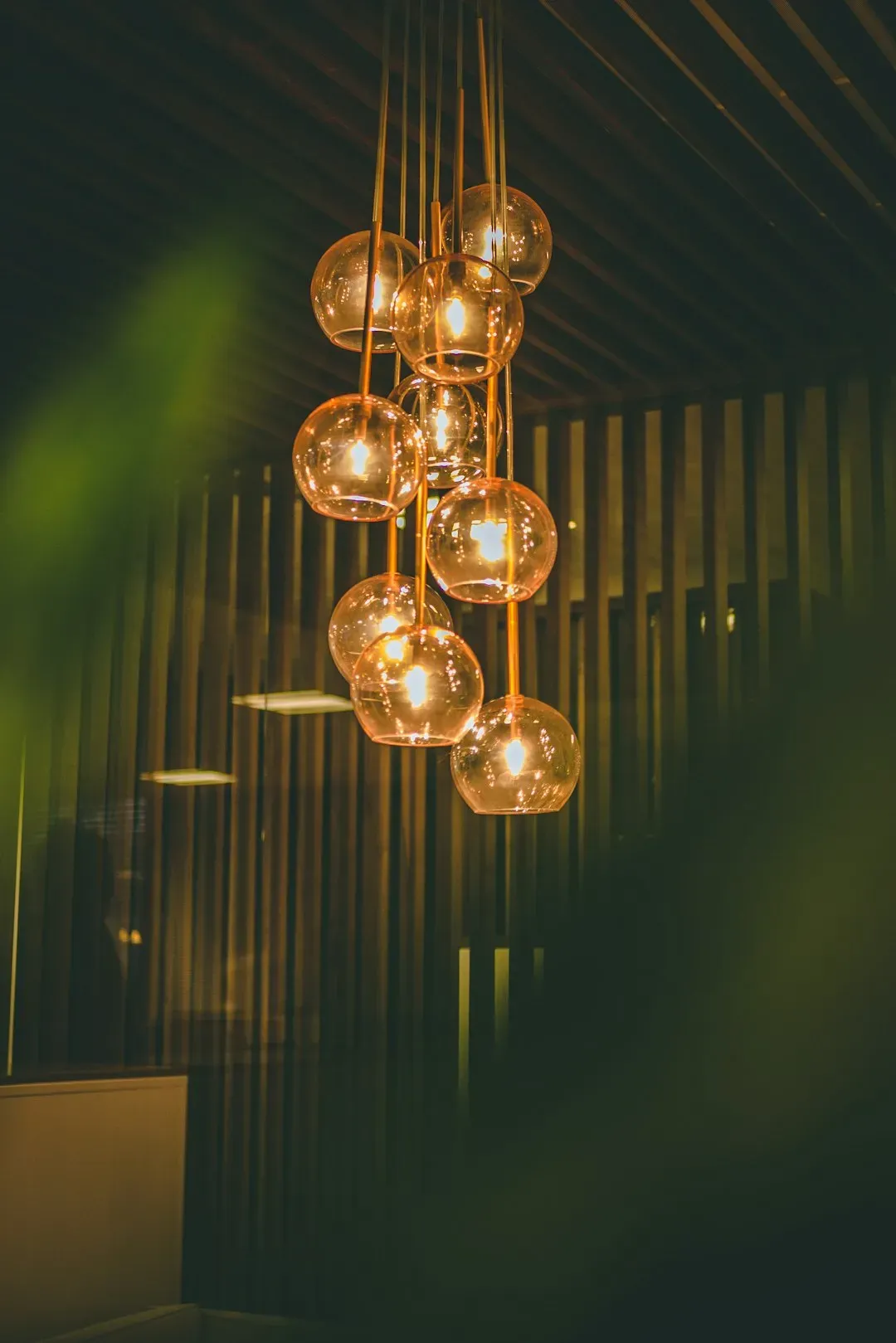
One of the first things interior designers notice is lighting. It’s not just about brightness, but how the light interacts with the room. Harsh overhead lighting, uneven shadows, or overly dark corners instantly affect how a space feels. A single overhead fixture doing all the work is one of the most common tells in a home.
Lighting plays a huge role in creating the mood of a home. Interior designers notice how natural and artificial light work together to shape the atmosphere. Bright, well-lit rooms feel open and energizing, while dim, soft lighting can make a space feel cozy and intimate. Designers also consider the types of light fixtures used – pendants, lamps, and recessed lights all contribute to a room’s character.
Furniture Scale and Proportion
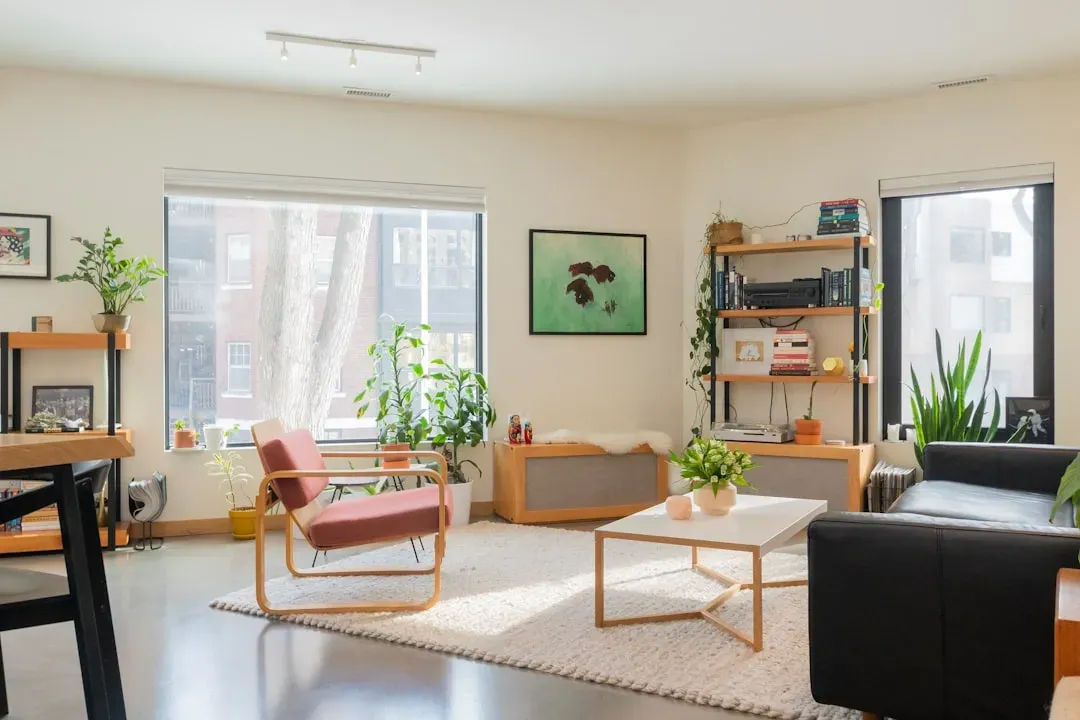
If a room has beautiful furniture but still feels “off,” the problem may be with scale and proportion. You may not notice it immediately, but your eyes can tell when something does not fit correctly in a space. A designer will identify this within moments of entering. Even if colours are perfect and lighting is beautiful, wrong proportions can ruin a design.
Ceiling height changes spatial perception dramatically. Standard 8-foot ceilings make rooms feel compressed, 9-foot ceilings create comfortable proportion, and 10-plus-foot ceilings demand taller furniture and larger-scale artwork. Scale is really a separate consideration altogether, governing how furniture relates not just to each other, but to ceiling height, circulation, and the human body moving through the room.
Traffic Flow and How People Move Through the Space

Another thing designers pick up on instantly is how people move through a space. Poor furniture placement can make a room feel awkward or uncomfortable without anyone realizing why. If furniture blocks natural walking paths or seating feels too far apart or too cramped, the room’s flow is disrupted.
Designers trained in environmental psychology understand that the balance of prospect, refuge, mystery, and complexity determines how people actually move through and settle into interior spaces, and those patterns often have nothing to do with how the room was intended to be used. When a client says the living room “never gets used,” a designer will look at the traffic flow first. The worn path is, in a sense, the most truthful thing in the house. It’s behavior unfiltered by taste or aspiration. How people actually move through their home is how they actually live, not how they imagine they live, not how they planned to live when they arranged the furniture five years ago.
Color Cohesion Across Rooms
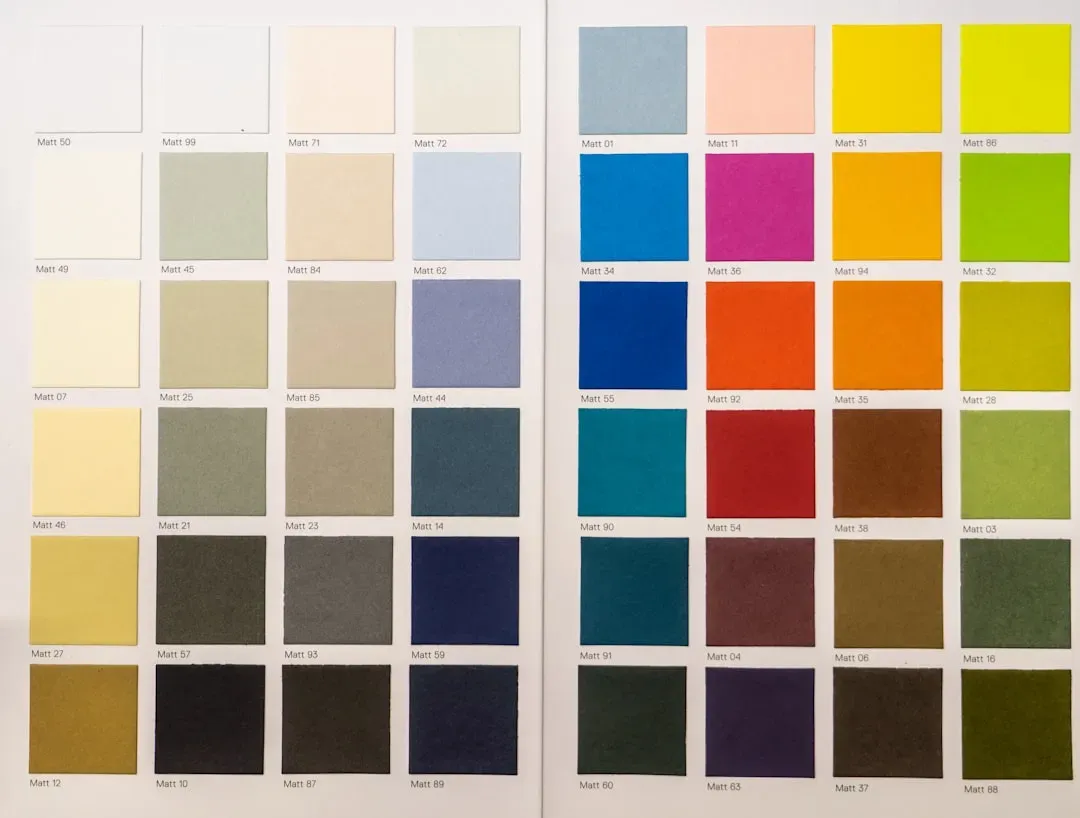
The color scheme in a home tells a story, and designers are quick to notice whether the colors make sense together. A well-chosen color palette creates flow from one room to the next, making the whole home feel cohesive. Rooms that feel disjointed often have palettes that were chosen independently, without any connective thread.
Designer Lisa Gilmore calls her approach to color the “continuous thread theory:” when designing any space, she makes sure that one color makes at least one appearance in each and every room. Painting all of your trim in the same shade can create a sense of flow between rooms. This reinforces a subliminal effect, helping connect spaces and making people feel more anchored as they travel through the home.
Clutter and Visual Noise
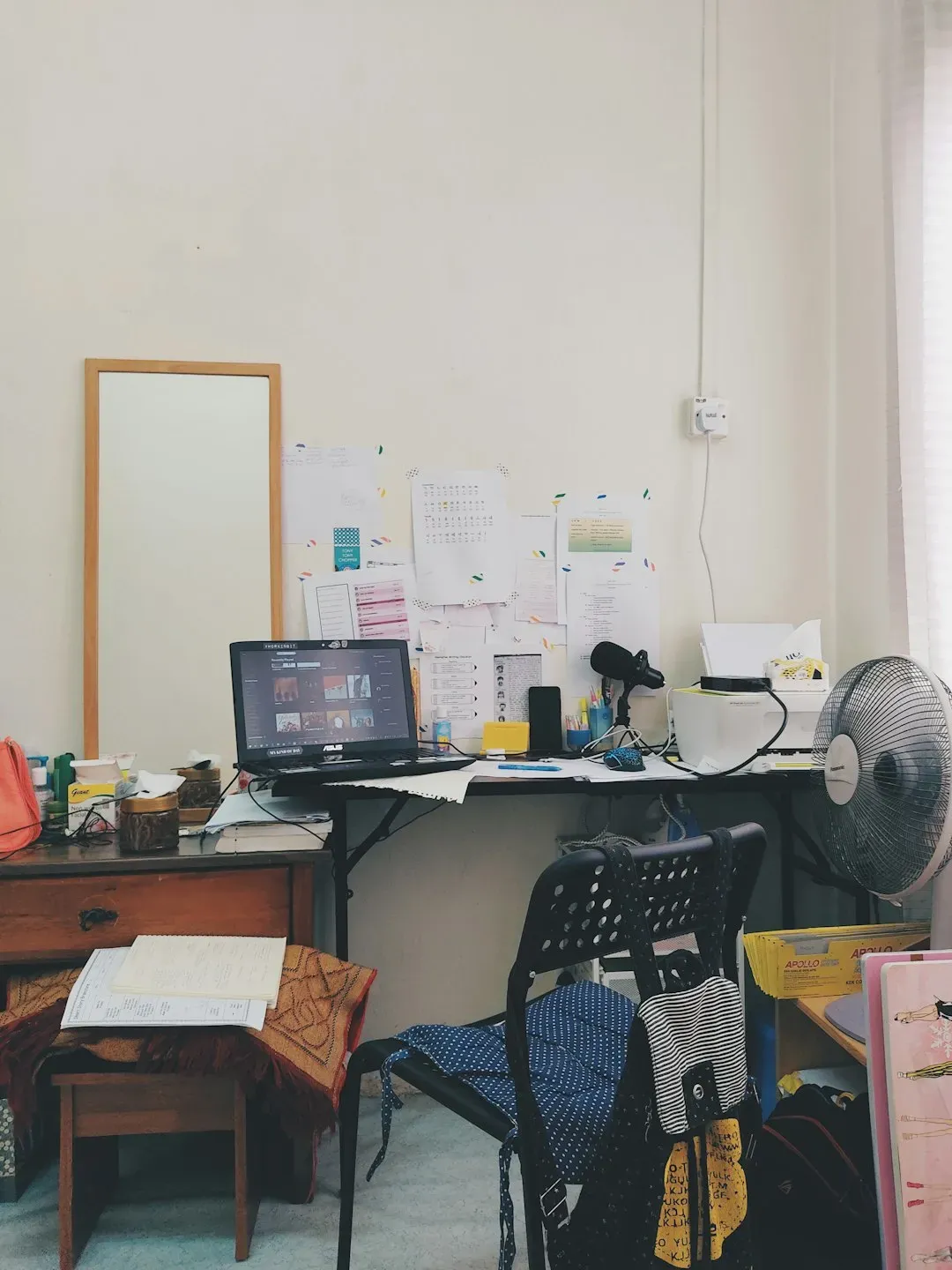
Interior designers don’t just see clutter as “mess.” They see it as visual noise that interrupts the flow of a space. Even well-decorated homes can feel chaotic if too many objects compete for attention. The distinction matters. A room can be full, layered, and personal without feeling overwhelming, as long as the arrangement is intentional.
A home can be full of personality and still feel calm if items are arranged intentionally. Designers immediately notice when things feel randomly placed or when surfaces are overloaded. What stands out most is whether each item feels like it belongs. If too many objects lack purpose or harmony, the space can feel overwhelming even if it’s technically clean.
The Height and Placement of Artwork
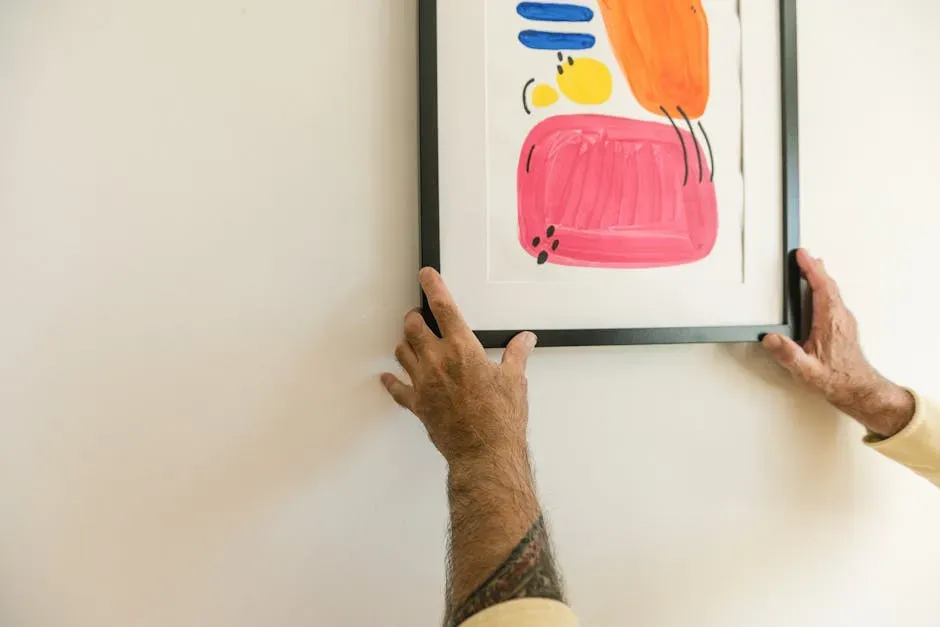
Ask a seasoned interior designer what they look at first when they walk into a room, and they’ll often point to a specific zone: the band of wall between approximately five and seven feet from the floor. It’s the territory of crown molding, art hung at the wrong height, architectural trim, and pendant lighting. And it’s where a room’s compositional intelligence, or lack thereof, tends to announce itself most clearly.
A painting hung too high is one of the most common tells in a home; it creates a visual disconnect that most people feel without being able to name. According to designer Laurie Anne Gonzalez, “your artwork should be about two-thirds the width of the furniture it’s hanging above.” When the sizing and height are both off, the wall can feel unanchored and restless, even when the artwork itself is beautiful.
Whether the Space Feels Personal
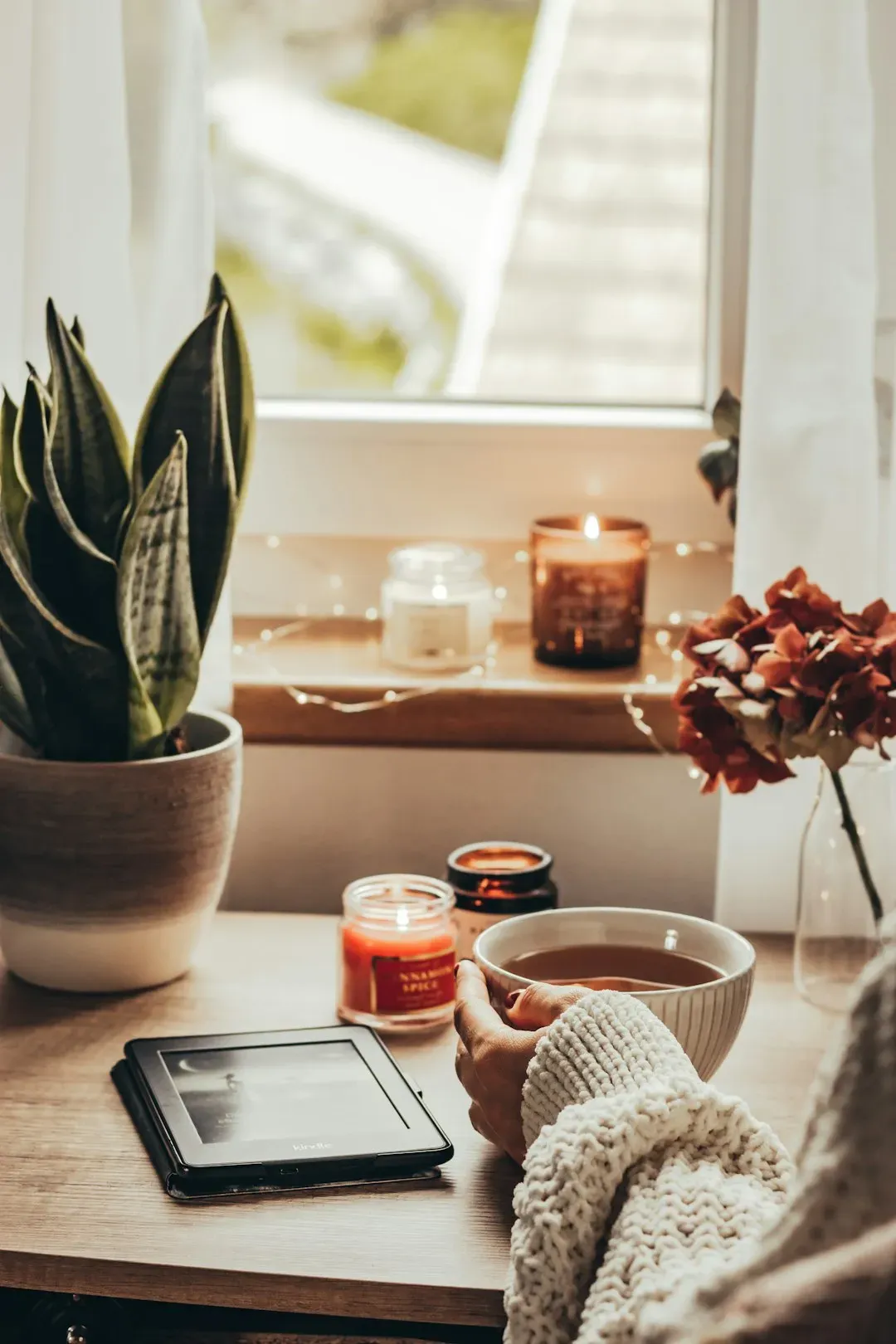
One of the most telling things designers notice is whether a home feels personal or overly staged. A space filled only with generic décor often lacks warmth and character. Designers can quickly tell when a home doesn’t reflect the personality of the people living in it. This is one of those qualities that’s immediately felt but hard to articulate.
The most memorable spaces usually include meaningful items, personal photos, travel pieces, or objects with emotional value. A home doesn’t need to look like a showroom to be beautiful. In fact, the most inviting spaces often feel lived-in and authentic rather than perfect.
The Scent of the Home

Scent is a potent indicator of how people live in their homes and it is one thing designers immediately notice when entering a space. It’s also something most homeowners have completely stopped registering. We all go “nose blind” to our own homes, so keep this in mind when inviting people over.
A good rule of thumb is that light, crowd-pleasing scents, like fresh laundry or lavender, can be good choices when having guests over. Heavy or competing scents from multiple sources tend to read as an attempt to mask something, which registers subconsciously even when the actual cause goes unidentified. Scent is, in this sense, a layer of design that most people forget they’re responsible for.
Symmetry, Balance, and the Overall Sense of Order

Research in perception psychology has long confirmed that our brains show a general preference for symmetrical arrangements in shapes and objects, registering them faster and associating them with a sense of order and positive affect. A room built on bilateral symmetry communicates control, and by extension, a desire to project control. Designers read this immediately, whether the room leans toward symmetry or breaks away from it deliberately.
Research shows that thoughtfully designed spaces can reduce stress, enhance creativity and improve mood. Conversely, cluttered or poorly designed environments can lead to feelings of anxiety and overwhelm. When scale is handled well, a space feels intuitive. You move through it easily, sit comfortably, and visually absorb the room without distraction. That sense of ease is not accidental – it’s designed.