
Most people assume a home makeover requires new furniture, a fresh coat of paint, or a serious renovation budget. The reality is far simpler, and genuinely surprising. Swapping a single bulb, adjusting the color temperature in one room, or installing a basic dimmer switch can shift how your entire home feels in a matter of minutes.
Lighting shapes mood, energy levels, and even sleep quality in ways that go well beyond simple aesthetics. Once you understand a few core principles, small and inexpensive changes start to look like the most powerful interior design tool most people are completely ignoring.
Why Light Does More to a Room Than Any Other Element
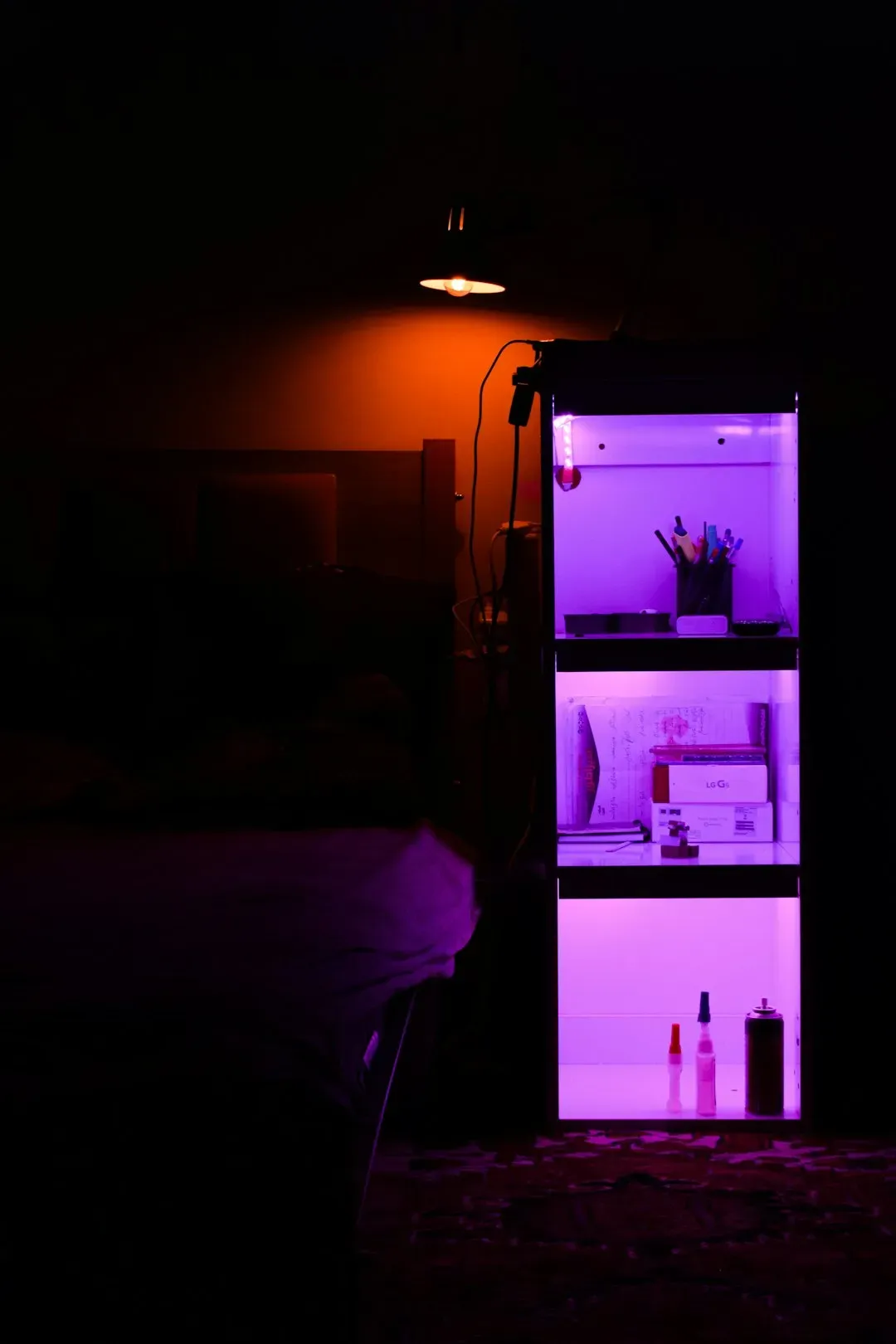
Lighting plays an indispensable role in interior design, and color temperature as a crucial property of light profoundly influences spatial ambiance, visual experience, and emotional responses. That influence is not purely decorative. It is biological. Lighting is much more than just a way to brighten our living spaces. Light has a decisive influence on well-being, regulating essential biological functions and shaping our psychological state every day.
Color temperature matters today because interior design has become more intentional, more emotional, and more materially driven. People care about how their spaces feel just as much, if not more, than how they look. That shift in priorities is exactly why a small lighting adjustment can feel like a room transformation.
The Science of Color Temperature: Warm vs. Cool
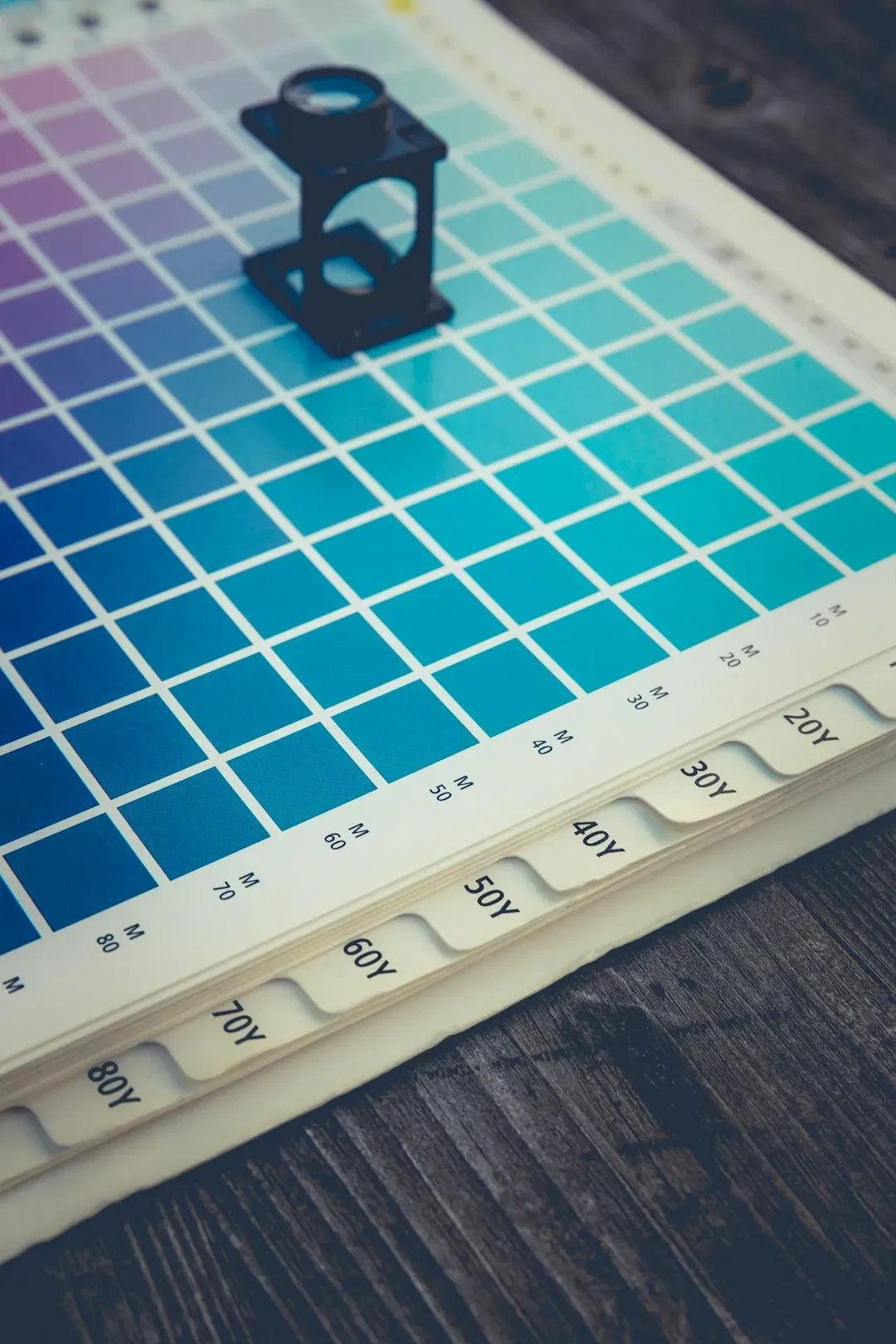
Color temperature is a measure of the color of light emitted by a source, expressed in Kelvin. It typically ranges from around 2700K, representing warm yellow light, to 6500K, which represents cool white light. Those numbers aren’t arbitrary. They track directly to how our bodies interpret light as a signal about time of day.
Cooler color temperatures promote energy and alertness, while warmer color temperatures promote feelings of rest and coziness. Warmer lights can make a room feel smaller and cozier, which is ideal for personal spaces like bedrooms and living rooms, while cooler lights can make a space feel more open and alert, suitable for kitchens and bathrooms. Choosing the right temperature for each room is often the only change a space needs.
The Morning Shift: How Cool Light Wakes Up Your Brain

Morning exposure to 5000K light for 30 minutes stimulates the production of cortisol, the wakefulness hormone, while blocking leftover melatonin. This hormonal activation improves alertness, focus, and mood for the whole day. That’s a meaningful physiological effect triggered by nothing more than the type of bulb in a bedside lamp or kitchen fixture.
Exposure to blue light in the morning suppresses melatonin, a sleep-promoting hormone, making us feel alert and energized. Conversely, reducing blue light exposure in the evening allows melatonin levels to rise, preparing us for sleep. A simple cool-toned bulb in the bathroom or kitchen costs just a few dollars and can meaningfully shift how you feel before your first cup of coffee.
The Evening Shift: Warm Light and the Wind-Down Effect
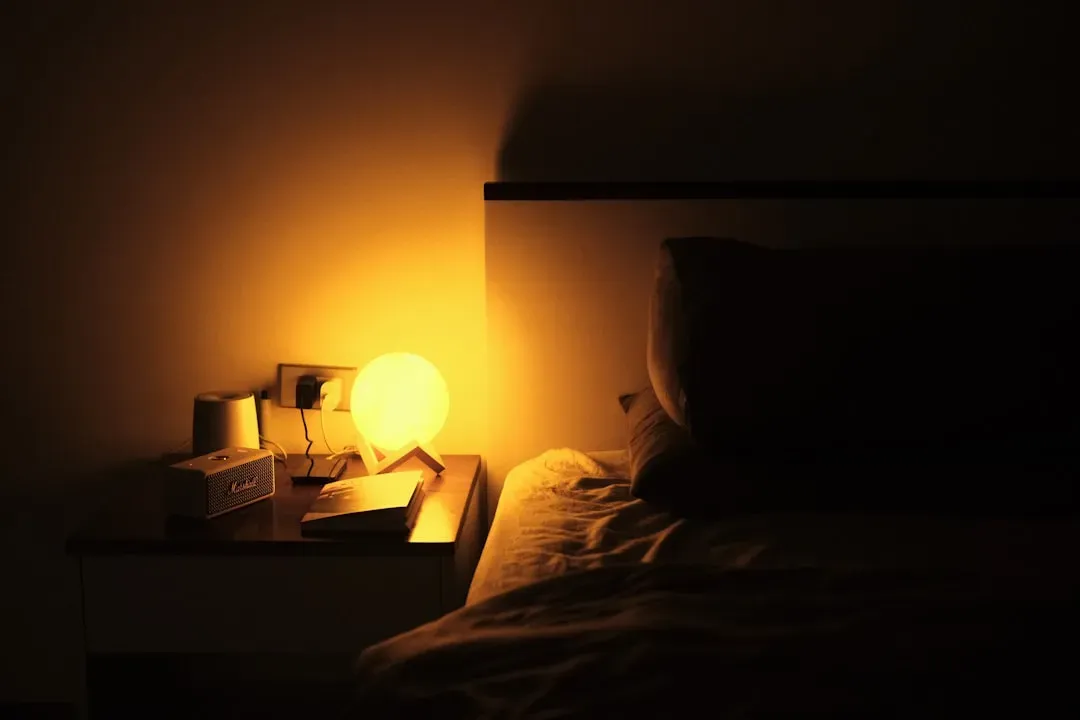
Light below 3000K in the evening preserves natural melatonin production. This is the Kelvin range of warm, amber-toned bulbs that most people instinctively prefer in living rooms and bedrooms. The preference isn’t just aesthetic, it’s the body recognizing a familiar signal. Evening light shifting to warmer, dimmer tones signals the body to wind down and prepare for sleep.
Research shows that roughly four out of five people find dimming lights helps them wind down after intense activities, and the majority report sleeping better after using specific colored lighting routines before bed. When preparing to go to sleep, the best thing you can do is limit light exposure. Dimming the lighting in your home and avoiding artificial lighting from smartphones, tablets, and televisions before bedtime can all positively impact your sleep.
The Dimmer Switch: A Five-Dollar Fix That Changes Everything
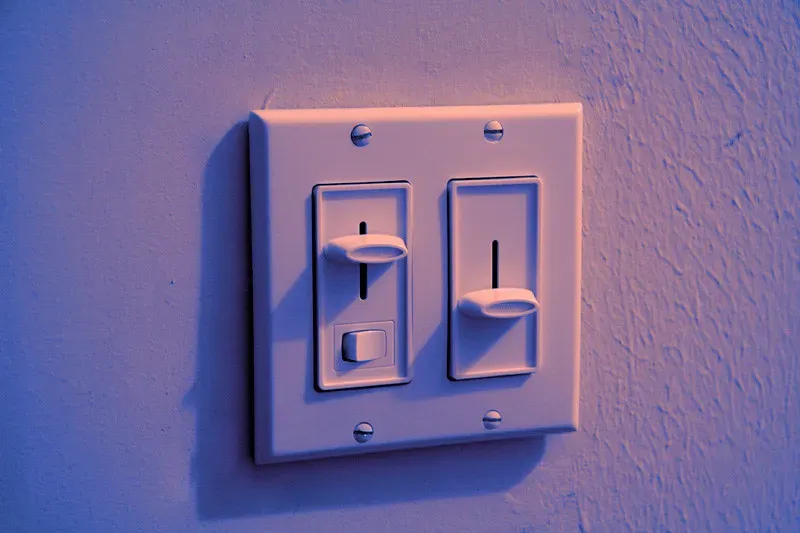
Traditional lighting systems are often fixed, on or off, bright or dark, with no in-between. We don’t live our lives in black and white. Dimmer switches allow you to adjust brightness levels to fit the moment, offering a more personalized and dynamic environment throughout the day. That flexibility is the key to making a single lighting fixture work across multiple moods and activities.
The Department of Energy reports that lighting makes up roughly fifteen percent of the average home’s electricity use. Dimming lights by just a quarter saves about one-fifth of the electricity normally needed. Without a dimmer, a light bulb at full brightness usually lasts five to six months. Add a dimmer switch, and that same bulb can keep going for up to four years, because dimming puts less stress on it.
Layered Lighting: The One Concept Designers Always Use
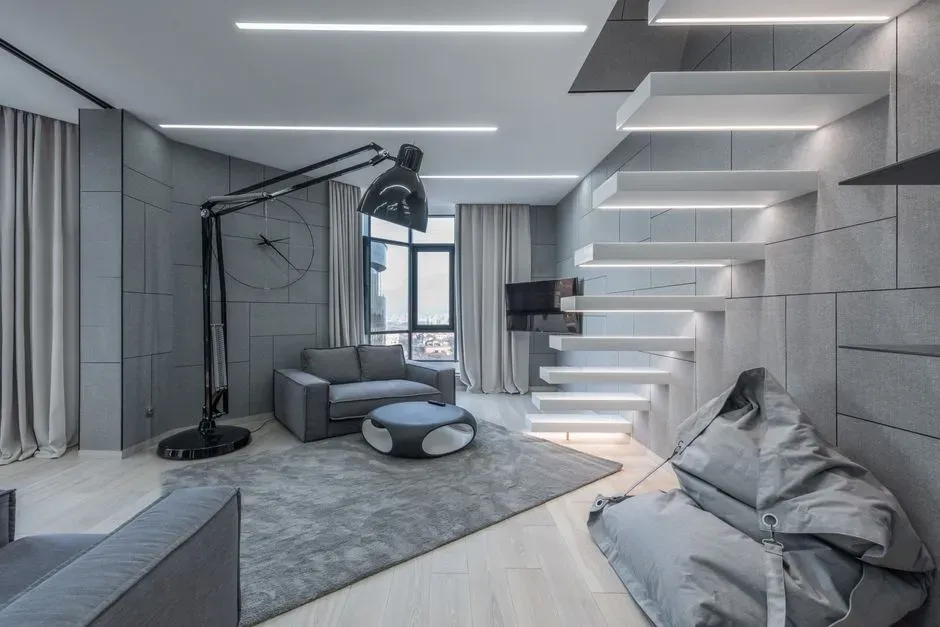
Accent lighting is the dramatic, decorative layer of a room. It’s used to draw attention to architectural features, artwork, or decor. Wall-mounted picture lights, uplights behind plants, or spotlights on a textured wall are all forms of accent lighting. Most people rely on one overhead fixture and wonder why their room feels flat. Professional spaces almost always use at least two or three distinct light sources working together.
Dimmer switches give you complete control to adjust the mood, from bright and energetic for hosting guests to soft and relaxed for a quiet evening. By combining these layers, you move beyond simple illumination and start sculpting with light. The entry point here is genuinely modest: a floor lamp in the corner and a table lamp by the sofa already creates two layers that will make a room feel professionally designed.
Smart Lighting and Circadian Rhythm: The Bigger Picture

Smart lighting systems let you adjust the color temperature throughout the day, creating a lighting schedule that aligns with your natural rhythms. Smart lighting systems can automatically adjust color temperature and brightness to mimic natural daylight patterns. Circadian-synchronized lighting changes from cool, bright light in the morning to warm, dim light in the evening. Systems like these were once expensive and complex. They’ve become genuinely accessible.
Lighting affects your circadian rhythm because your body recognizes different light intensities and colors as signals for when you should wake, focus, relax, and sleep. For a regulated circadian rhythm, we want to see certain levels of light at particular times of day. Getting started with circadian lighting doesn’t mean ripping out every fixture in your house. Strategic implementation in key areas delivers most of the benefits without overwhelming complexity or cost. Start with spaces where you spend the most time and where lighting most impacts your day.
Room-by-Room: Matching Light to Function
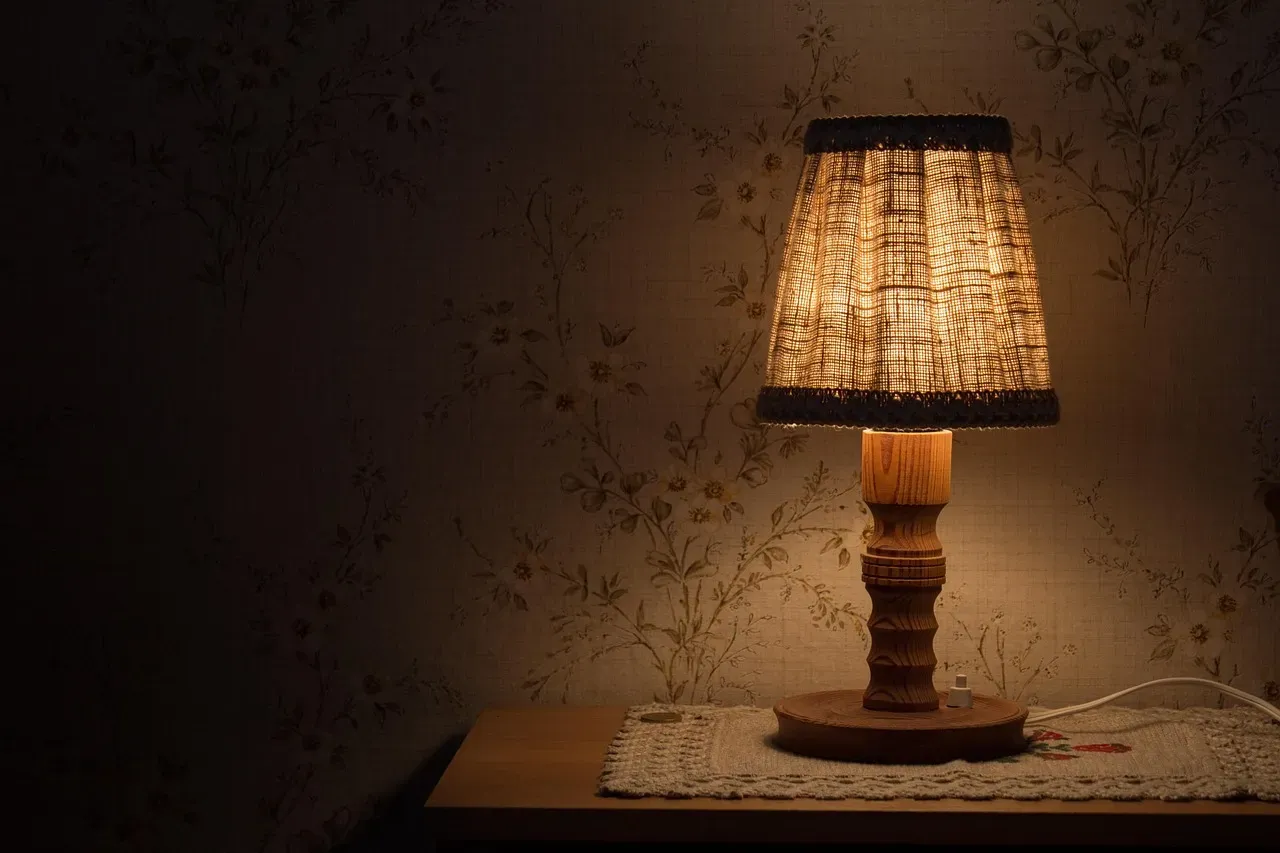
You might want to have reading lamps in living rooms that give off a warmer white light. An office might be lit in a cooler color to heighten focus. Interior designers consider the function of lighting fixtures they are installing and fine-tune along the temperature scale to account for it. Treating each room as its own lighting brief, rather than choosing one bulb type for the whole house, is where most of the real gains are made.
The color temperature of a light can drastically change the way that paints and textile colors appear. Interior designers can experiment with higher or lower color temperatures to change the hue of various elements in a room. When choosing the color temperature of your space, you need to consider the finishes and color palette used with your interior design. Reds, oranges, and yellows look stunning when illuminated with warm white light around 3000K. The paint hasn’t changed. The light did.
The Emotional Economy of Lighting: What Research Actually Shows
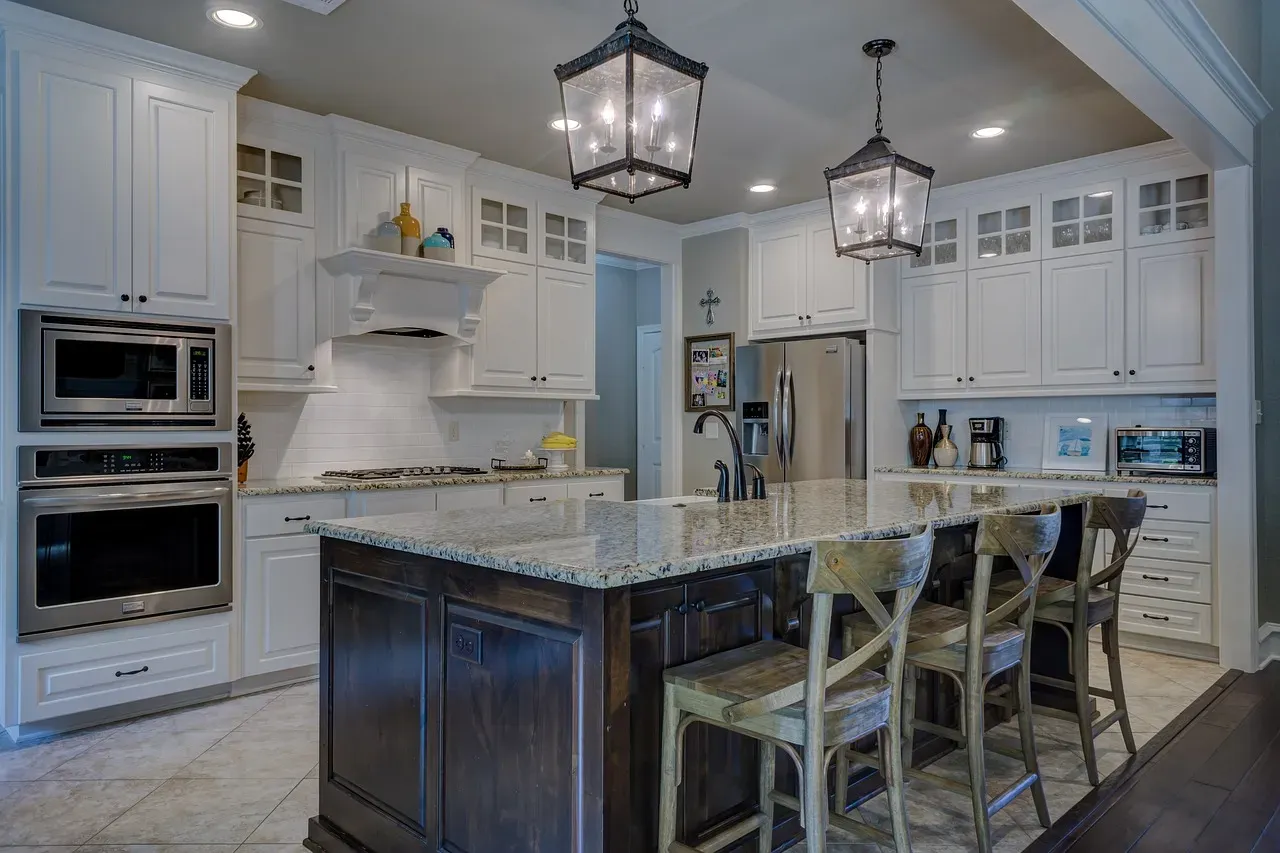
A study of 1,000 U.S. consumers conducted in 2025 shows that the vast majority of Americans now treat home lighting like emotional medicine, officially ushering in what researchers are calling the era of “Dopamine Lighting.” That framing might sound trendy, but it reflects a genuine shift in how people understand the connection between their environment and their mental state.
Insufficient light exposure causes a significant drop in serotonin activity, leading to irritability, anxiety, and depressive tendencies. Serotonin, the well-being neurotransmitter, increases its production by roughly a quarter under intense light exposure above 2500 lux. Those are biological levers, and home lighting sits right on top of them. The emotional payoff of getting your lighting right isn’t just a feeling. It’s a measurable chemical response.
Where to Start: The One Change That Does the Most Work
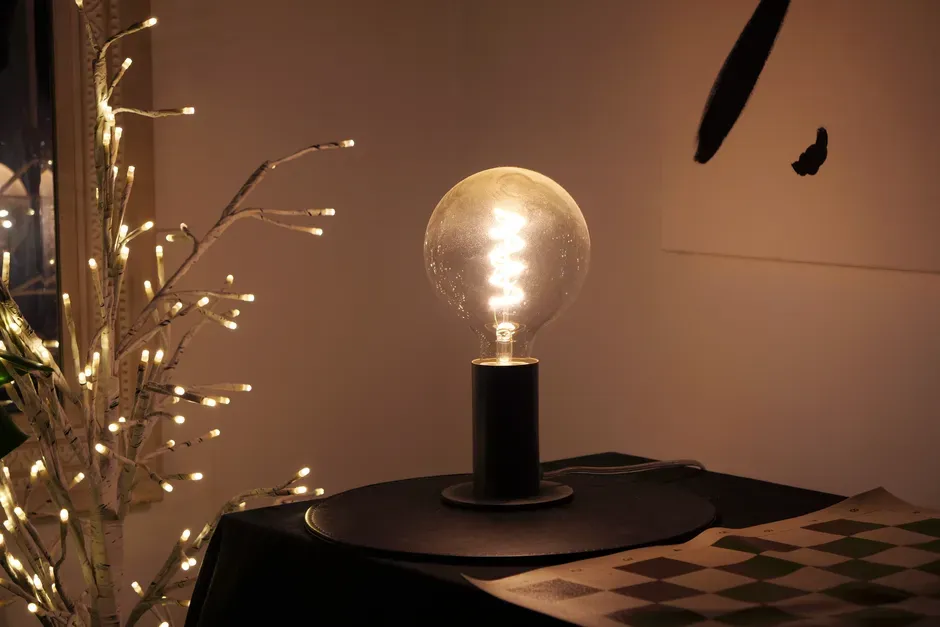
If there’s a single upgrade worth making first, it’s swapping the overhead bulb in your most-used room to a warm-toned, dimmable LED around 2700K, and pairing it with a compatible dimmer switch. LED dimmer switches reduce energy consumption by lowering light intensity. Dimming LEDs decreases power usage, extending bulb life and reducing electricity bills. The financial case is solid, the installation is simple, and the perceptual difference is immediate.
Lighting directly affects sleep quality, mental health, and productivity, especially in rooms where people now read, meditate, or wind down after screen time. Experimenting with adjustable color temperature lighting can offer flexibility, allowing you to change the atmosphere based on the time of day or the specific needs of a space. Most people spend years rearranging furniture searching for something that was always just a bulb change away.