
You’ve invited people over, the date is circled on the calendar, and then it hits you. The living room feels like a storage unit. The hallway looks like an obstacle course. Suddenly, a space you’ve lived in comfortably for months seems to have shrunk overnight. Sound familiar?
The truth is, most rooms don’t feel small because of their actual square footage. They feel small because of what’s in them. And the good news is, you don’t need to renovate or move. You just need to let go of the right things. Let’s dive in.
1. Excess Small Decorative Items and Knickknacks
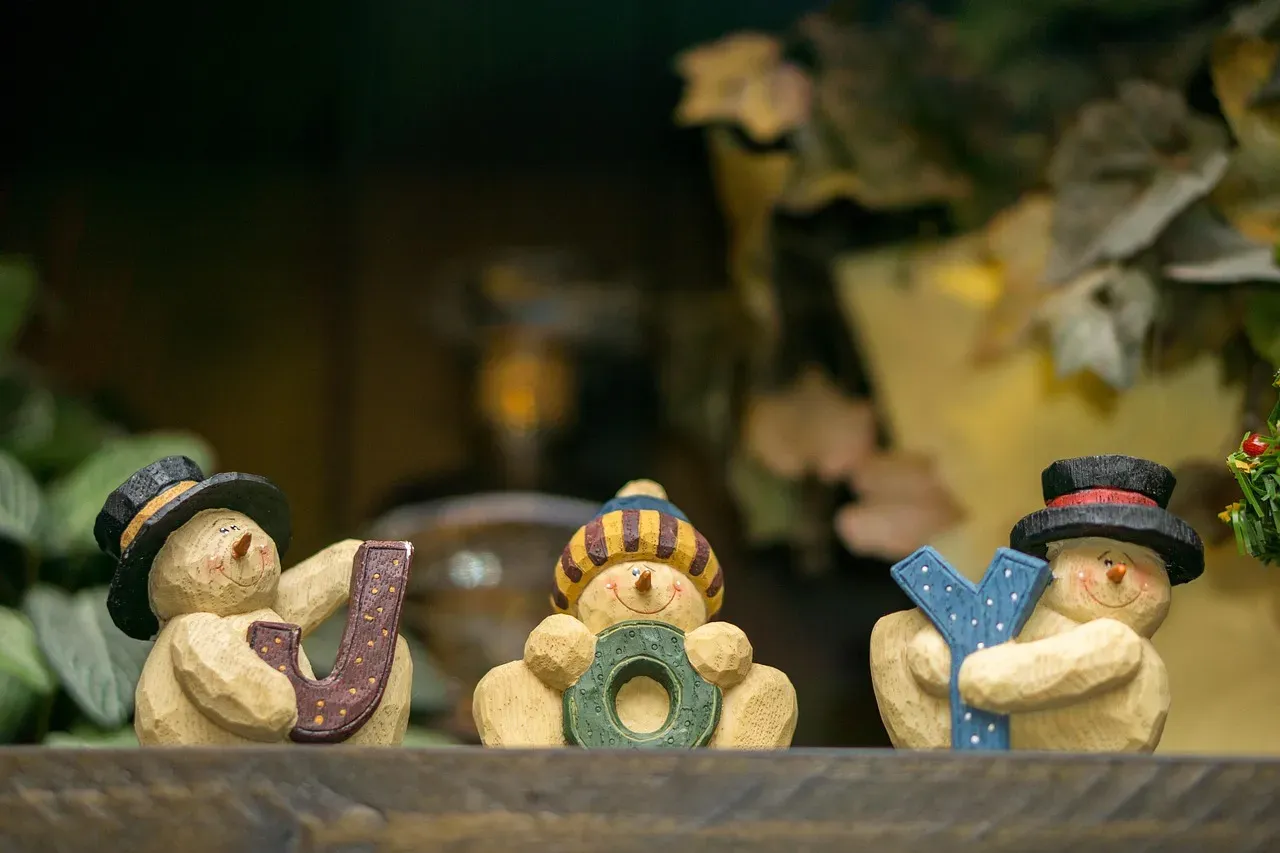
Walk through any room in your home and count the number of small decorative objects sitting on shelves, mantels, and windowsills. A ceramic owl here, a stack of novelty candles there, a collection of little figurines that you honestly forgot you even owned. Whether it’s a large collection of knickknacks and tchotchkes, or just a pile of mail that you keep meaning to file away, having a lot of little pieces on all your furniture can make a room feel cluttered.
Honestly, I think this is one of the easiest wins you can get before any gathering. Ditch the dozens of small photos or decorative pieces and replace them with a single, large piece of art. It’ll act as a focal point for the room and actually make it feel larger than it is. Think about it like a sentence stuffed with too many words. The simpler it is, the more impact it carries.
2. Stacks of Paper and Mail Clutter

Clutter in a small room builds up faster than you can blink. A single pile of papers or a jacket tossed on a chair suddenly dominates the entire atmosphere. You feel swallowed, not by the size of the room, but by the excess within it. Paper clutter is sneaky, too. It multiplies when you’re not paying attention.
Let’s say you uncover a stack of mail buried under other items. Paper clutter can feel especially draining, but don’t let it derail you. Before your guests arrive, go through every surface and remove what doesn’t need to be there. Piles and piles of paper that are not needed are a classic problem. Go through your purse, your bags, your drawers, your desk, and if it’s unimportant and unnecessary, shred or recycle it.
3. Unnecessary Extra Furniture Pieces
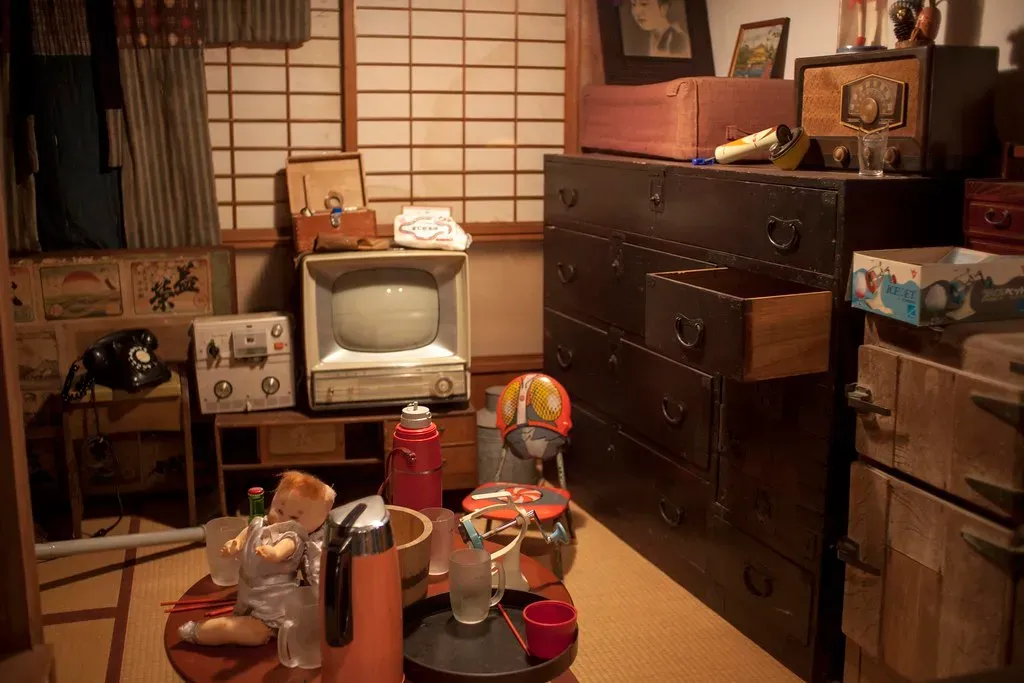
Here’s the thing about furniture. We often add it without ever removing anything. Over the years, a spare chair appears in the corner. A side table migrates in from the bedroom. Suddenly your living room is doing the work of three rooms and looking terrible for it. Adding too many pieces can lead to significant problems. This can make the room feel cramped and disrupt the flow of the space, especially when there is an excess of large, bulky furniture.
If you have guests who are staying for an extended period of time, consider putting some items in storage temporarily to create additional space. End tables, coffee tables, bookshelves, and decorative chairs may look great when it’s just you in the apartment, but they will quickly get in the way when guests arrive. Generally speaking, the less furniture in mingle spots, the better. You can keep your dining room table, chairs, and your living room sofa in place, but consider clearing out other things, like consoles and displays, to make room for party traffic.
4. Oversized or Wrongly Sized Rugs
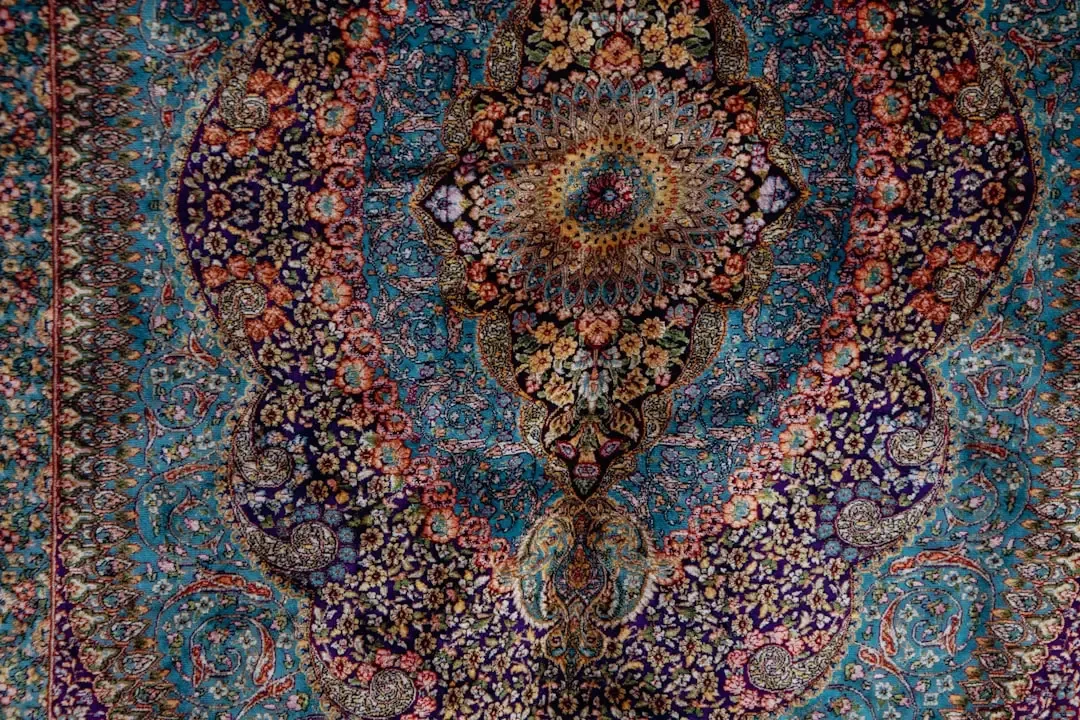
The rug situation is one that trips up almost everyone. You’d think a smaller rug would take up less visual space. Nope. That’s the counterintuitive truth of interior design. Too small rugs add to the disorder of a room, and a disordered environment stimulates the visual field, overstimulates the brain, and creates feelings of anxiety. As a result, a room will look smaller.
Many people consider that area rugs can definitely make a room look smaller depending on three main elements: the rug’s size, the rug color, and its interaction with the rest of the room. Dark and light tones cause very different effects on the room, and rugs should always be purchased thinking about how they will work with the furniture. Before a gathering, consider removing that tiny rug that’s floating awkwardly in the middle of the floor. When your rug properly fits your furniture layout, it grounds the room and makes it feel spacious, intentional, and well-designed.
5. Unused Kitchen Countertop Appliances
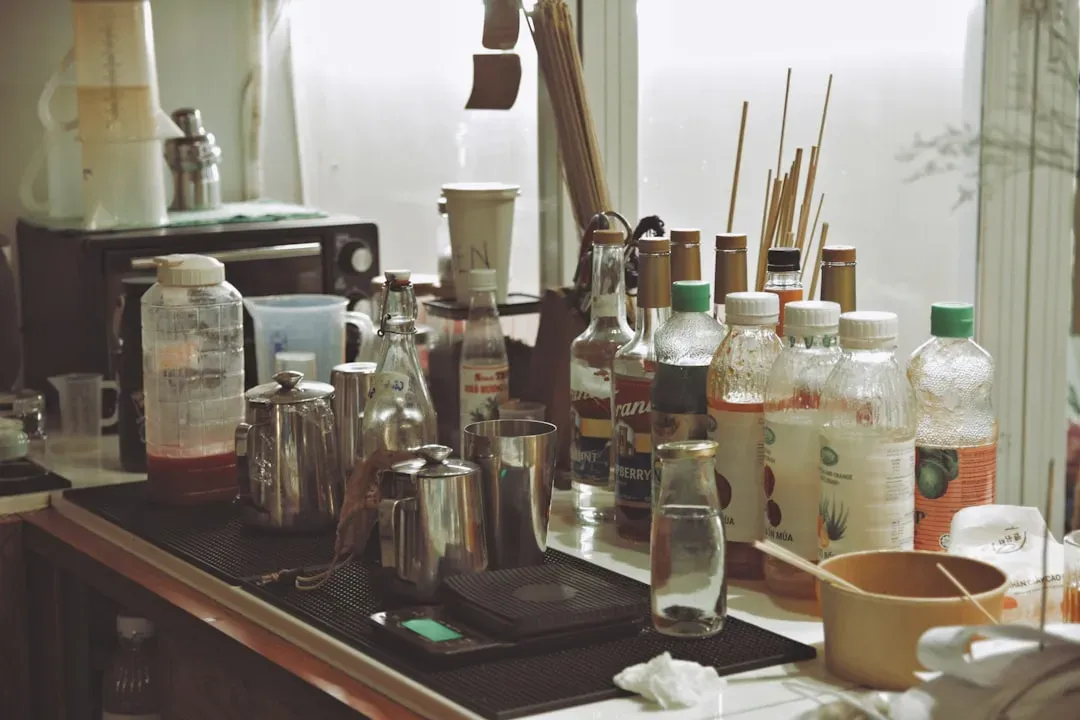
The kitchen is often the most overlooked room before a gathering, but it’s also the space guests wander into most. Toasters, air fryers, bread machines, seldom-used blenders, that spiralizer you bought in 2022 and used twice. They all eat up counter space at a shocking rate. Ditch unused appliances that eat up valuable counter space. You can store them in a bedroom or cabinets and cupboards.
Before guests arrive, clear your countertops, coffee tables, and dining surfaces of everyday clutter. This isn’t just about aesthetics, it’s about function. Clear surfaces give you room to set down serving dishes, drinks, and the inevitable pile of things that accumulate during gatherings. Think of your countertop like prime real estate. You wouldn’t park an old car on a rooftop terrace. Don’t park a rice cooker you haven’t touched in six months on your kitchen counter, either.
6. Expired Food, Duplicate Pantry Items, and Fridge Clutter
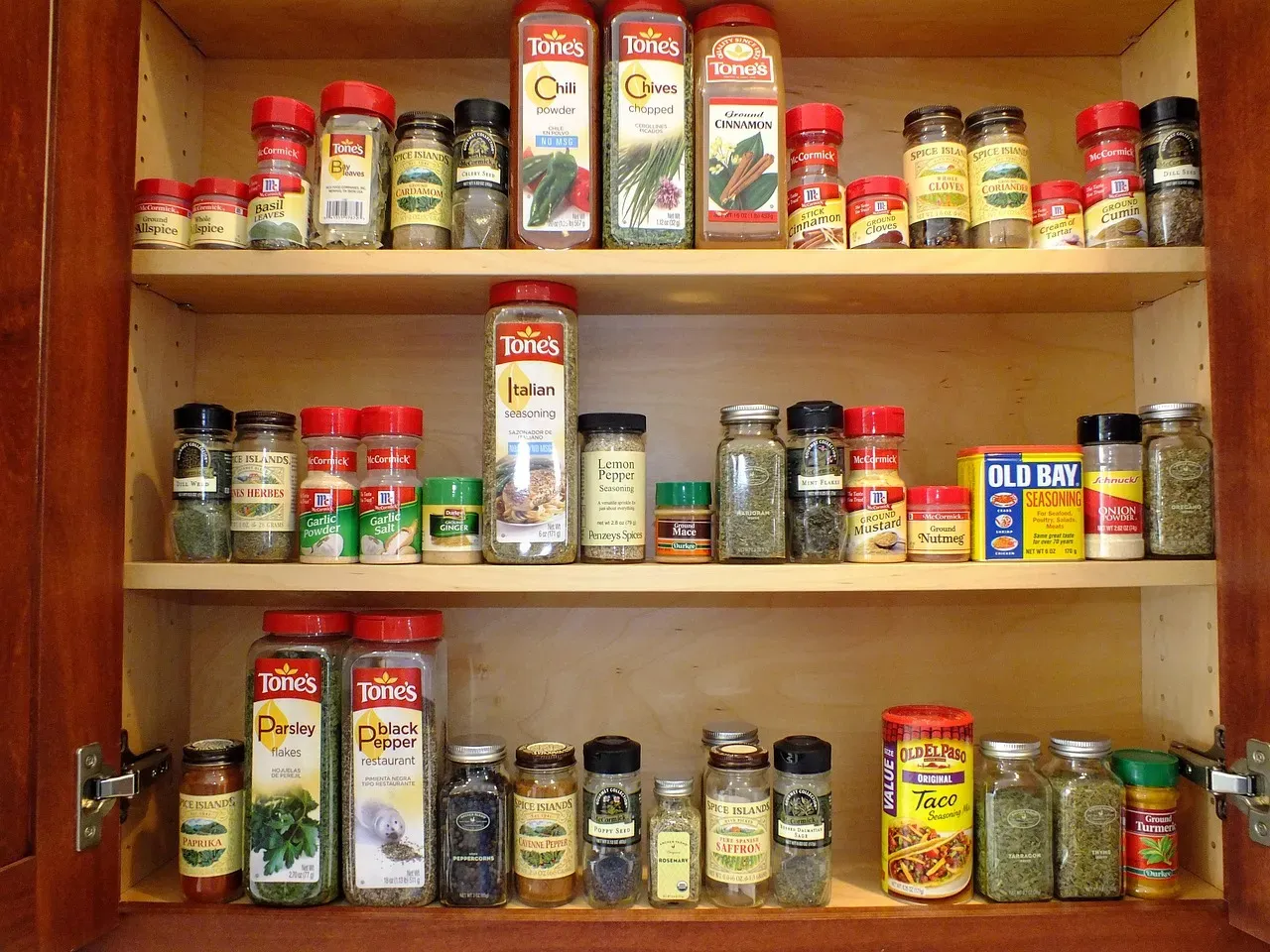
It might feel like a strange thing to toss before a gathering, but your pantry and refrigerator affect the overall feel of your kitchen and hosting experience more than you’d think. Check the refrigerator for expired items or strong smells. Removing clutter and odors helps keep the space fresh and inviting. This is especially important for longer stays.
Cluttered shelves make it harder to find things quickly when you’re hosting and trying to prep food at the same time. Who’s guilty of forgetting what’s in the back of your pantry or fridge? Take time to look and get rid of all the old food and expired cans and boxes. You will have so much space and be able to get to the items you need faster. These items can add up fast. It’s a quick win that takes maybe twenty minutes and makes the entire kitchen feel cleaner and more spacious.
7. Personal Toiletries Crowding Bathroom Surfaces
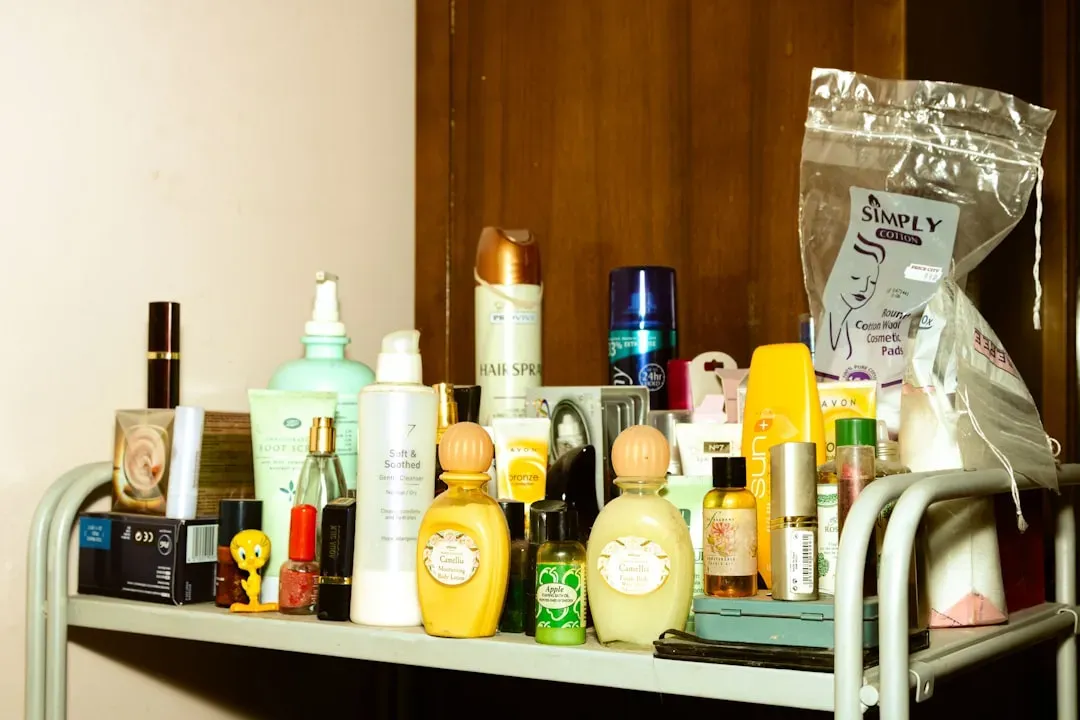
Few things signal “cramped and lived-in” more than a bathroom counter covered in bottles, razors, hair tools, and half-finished skincare products. Your guests will use the bathroom. That bathroom will shape their impression of your home. It’s just the truth. Hosting pros recommend going through your bathroom and doing a sweep of anything that feels personal or more behind-the-scenes, like razors, medication, and wash bottles. Toothbrushes, hairbrushes, and other items that only you use can be tucked away too, just to make the space feel less lived in.
This is one area that when decluttered will make you feel so good! Go ahead and toss unused products, empty containers, and color choices you never should have gotten, and make room to access this area with ease. Also, look through your skincare collection and go through the same process. A minimal bathroom surface does something magical. It makes the room feel bigger, cleaner, and genuinely welcoming, all at once.
8. Outdated or Broken Tech and Tangled Cord Collections
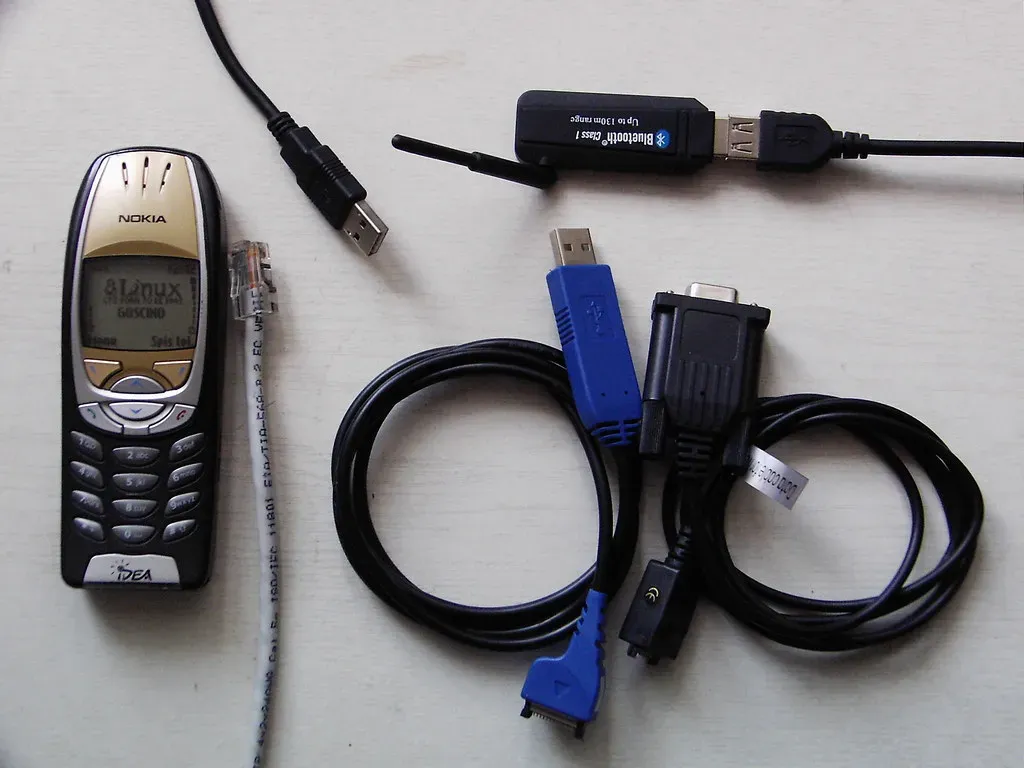
Old phones sitting in drawers. Charging cables for devices you no longer own. Remote controls for electronics that got donated years ago. A smart speaker that only half-works. Old cell phones and cords piling up can take up space in corners and countertops. Be aware of them and just sell them or recycle them. They’re dead weight, both physically and visually.
It’s time to get rid of physical discs and digitize them. You can create digital libraries for music and movies. This is a great space saver. Visible tech clutter, especially near entertainment setups or on entryway tables, immediately signals disorder to guests. Remove what’s broken, outdated, or unused, and your living room will breathe again. It’s remarkable how much visual noise a single tangle of random cords creates.
9. Floor Clutter Blocking Natural Pathways
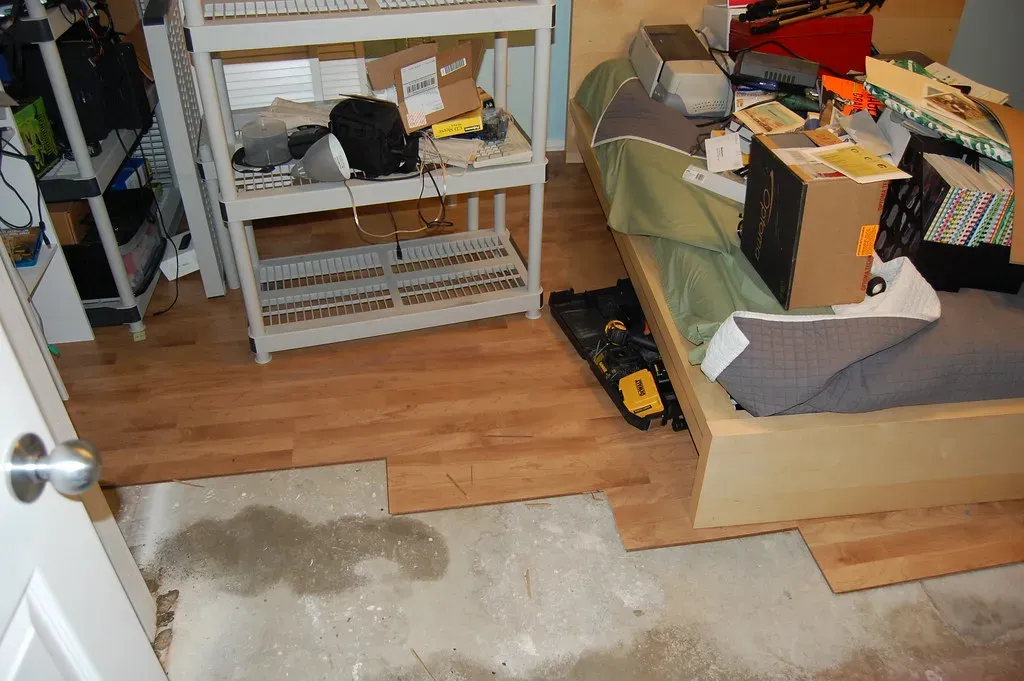
Square footage is valuable real estate when you don’t have much to work with. It’s much easier to notice clutter in a small area, which makes keeping your floor space neat and organized even more important. Floor clutter is a specific kind of enemy. Bags by the couch, shoes by the front door, a pile of laundry near the bedroom, a random box that’s been sitting there so long you’ve stopped seeing it.
If a room feels cramped, it is often because movement feels restricted. Walk from the doorway to the main seating area, then walk to the next space you use most. If you have to zigzag, the layout is costing you space. If your space constantly feels chaotic, setting up small zones can make a big difference. Maybe you have a drop zone near the door for keys and mail. By giving everything a designated spot, clutter has fewer chances to pile up. Clear the floor, and watch the whole room expand before your eyes.
10. Overcrowded Shelves and Decorative Displays
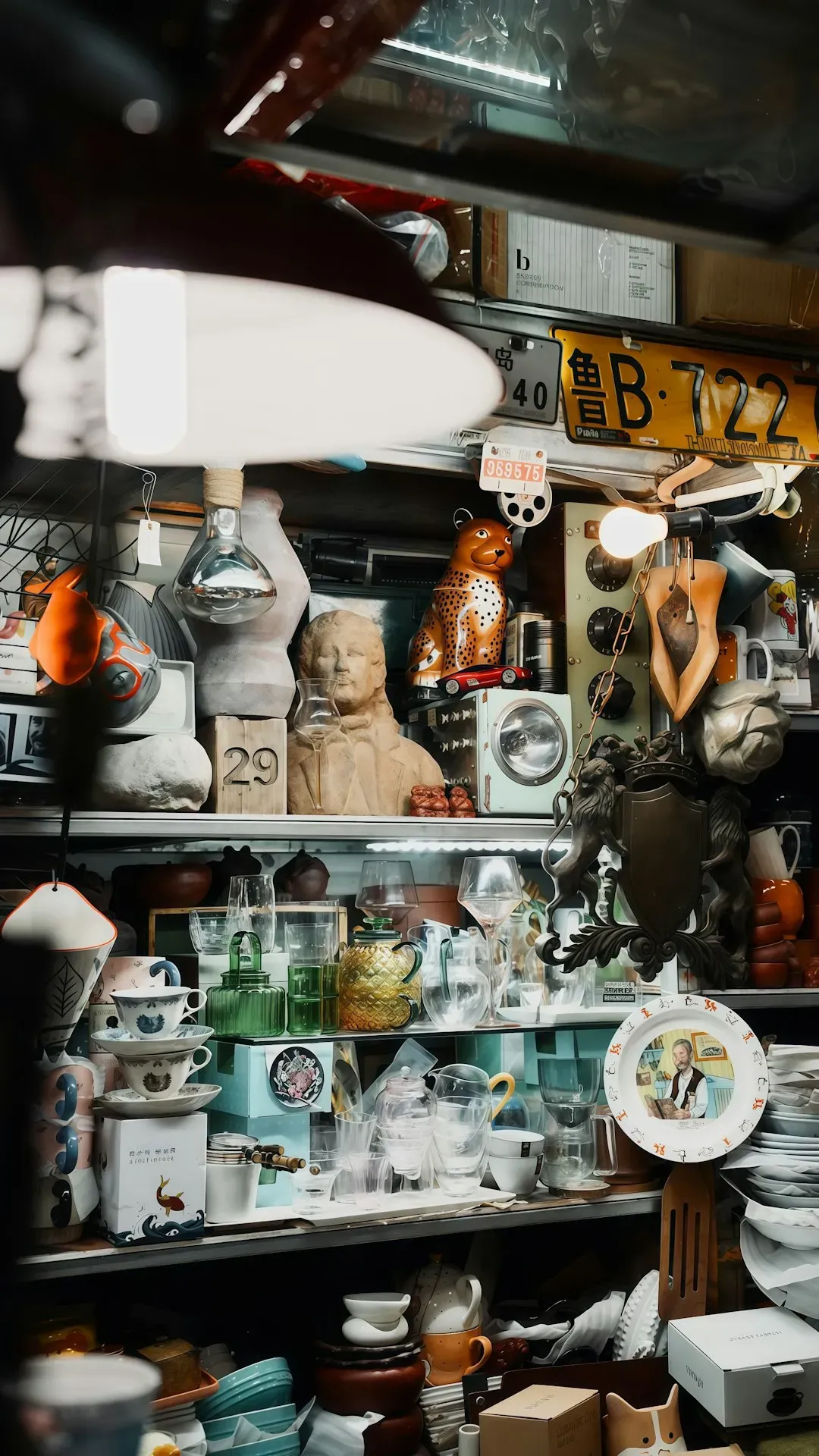
Decluttering is crucial in a small room. Clutter consumes physical space and adds visual weight, making a tiny room feel even more cramped. Shelves are the most common place where this visual weight accumulates. Books double-stacked, random objects shoved in gaps, an old photo frame leaning behind another, three decorative bowls that somehow ended up next to a stack of DVDs. It looks like chaos.
Home clutter predicted more negative affect, life satisfaction, and mental well-being, according to research published on ScienceDirect examining 501 adults. The takeaway is clear: the state of your home affects your guests emotionally, not just aesthetically. The more surfaces you clear, the more light and calm flow through the room. It’s surprising how much relief you feel when even one corner breathes. A bare section of counter, an open stretch of wall, instantly makes the whole home feel larger. Before your next gathering, go shelf by shelf. Keep what’s meaningful, remove what’s just filling space.
Conclusion
A bigger-looking space doesn’t always require bigger changes. It often just requires subtraction. Ten targeted removals, and your home can go from feeling stuffed and stressful to open, calm, and genuinely inviting for anyone who walks through the door.
Decluttering isn’t just about making your home look good. It’s about creating room to breathe, think, and live freely. Your home should support your lifestyle, not stress you out. Your guests feel that difference the moment they arrive, even if they can’t quite name it.
The items on this list won’t be missed. Your space will be transformed. What’s sitting in your room right now that you’ve been meaning to toss for months? Maybe it’s finally time.