
Your garden shed might be hiding a regulatory time bomb. Across the United States and beyond, lawmakers, environmental agencies, and city councils have been quietly drawing up lists of gardening tools that emit too much, pollute too much, or simply carry too much risk to continue using freely. Some of these restrictions have already arrived. Others are moving fast.
If you’ve been gardening for years without giving much thought to what’s in your tool collection, this might come as a genuine surprise. Let’s dive in.
1. Gas-Powered Leaf Blowers
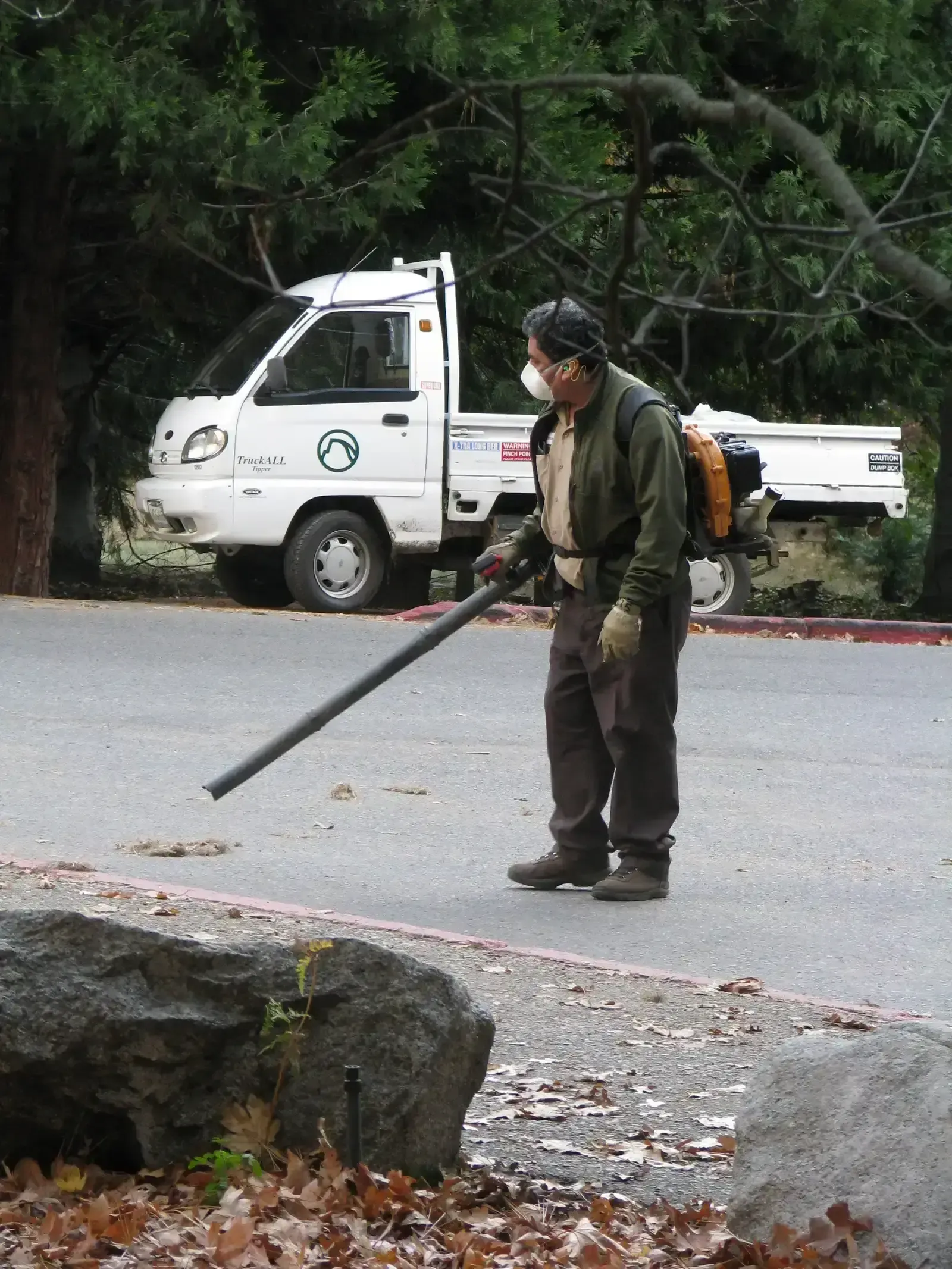
Honestly, few garden tools have attracted more political and regulatory heat than the humble gas-powered leaf blower. In January 2024, the State of California banned the sale of new small off-road engine-powered garden equipment, including leaf blowers, lawn mowers, string trimmers, hedge trimmers, and small chainsaws. That single move set a precedent that dozens of other cities and states have been scrambling to follow.
The Baltimore Sun reported in October 2024 that Baltimore was on track to ban gas-powered leaf blowers after the City Council voted 10 to 5 in favor of the measure, with the bill aimed at reducing air pollution from gas-powered debris removal equipment. Meanwhile, Washington D.C. has a stricter rule already in place that bans anyone from using a gas-powered leaf blower at all.
Gas-powered leaf blowers are known to emit dramatically high amounts of carbon monoxide, carbon dioxide, hydrocarbons, volatile organic compounds, nitrogen oxides, and particulate matter into the air, far surpassing the amount produced by the average car or truck. These numbers are not abstract. They represent real health consequences for both operators and nearby residents.
In some communities, gas-powered leaf blowers will be prohibited by 2026, with a full ban coming by 2028, and those who violate the policy could face a fine of up to $1,000. The trend is unmistakably moving in one direction.
2. Gas-Powered Lawn Mowers
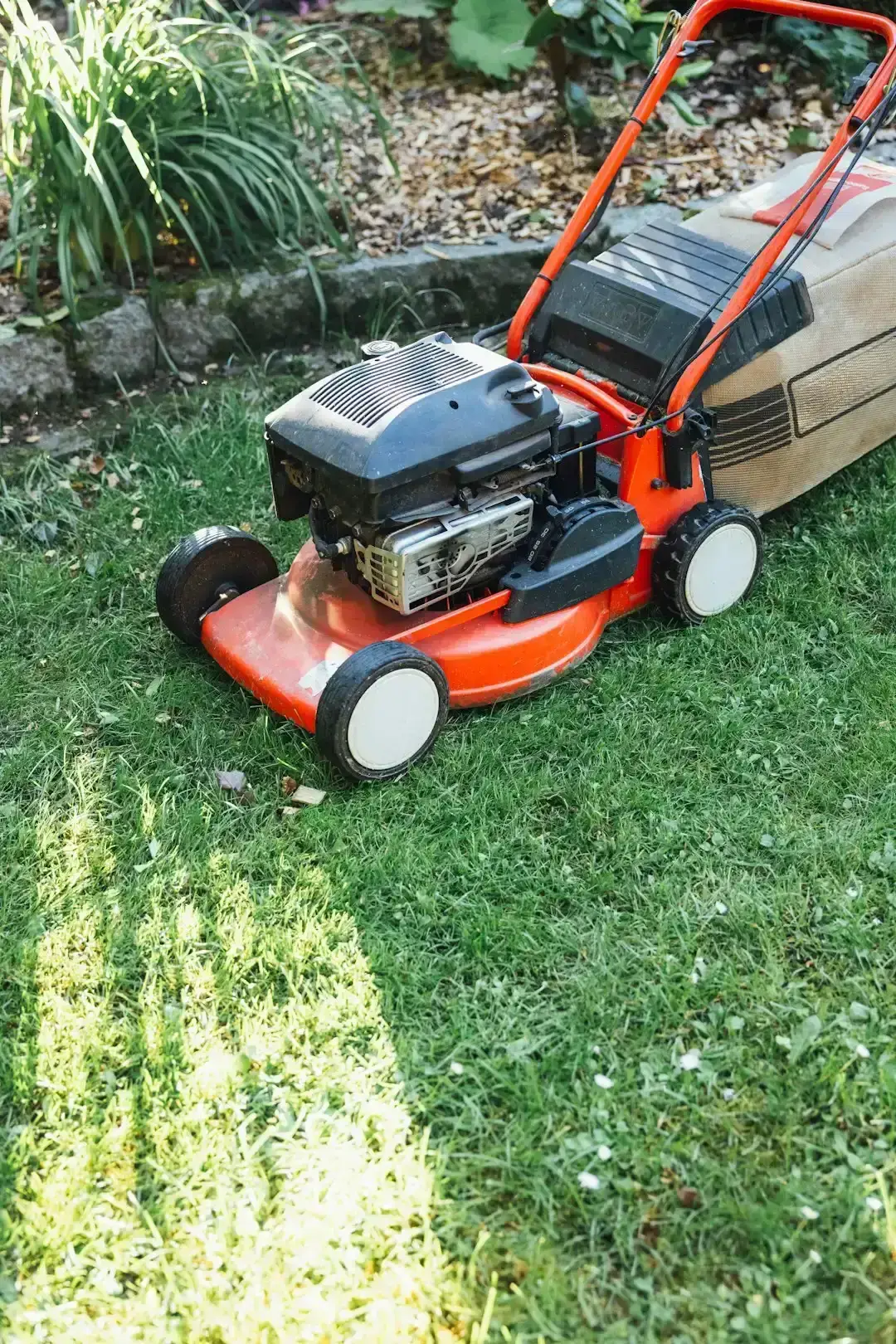
The gas-powered lawn mower has been a weekend staple for generations of homeowners. Yet this tool is now directly in the crosshairs of regulators. As of January 1, 2024, homeowners and lawn care and landscaping professionals were no longer purchased gas-powered lawn and garden equipment from California retailers. That includes the standard gas mower most people grew up pushing around the yard.
A report from the Colorado Public Interest Research Group estimated that gas-powered lawnmowers, string trimmers, leaf blowers, chainsaws, and other garden tools generated 671 tons of fine particulate matter pollution in 2020, which is equivalent to the amount produced by 7 million cars in a year. Those are the kinds of statistics that tend to end debates quickly.
State models in Colorado suggest that gas garden tools represent the third largest source of smog-forming pollution on the Front Range, and projections further suggest that lawn care will be a larger source of ozone ingredients than cars by 2026. That projection alone is staggering. Think about it. Your lawnmower, more polluting than your car.
Home Depot expects more than 85% of its lawn care equipment sales will run on rechargeable batteries by the end of fiscal year 2028. When a retailer that size makes that kind of forecast, you know the writing is on the wall for traditional gas mowers.
3. Gas-Powered Chainsaws
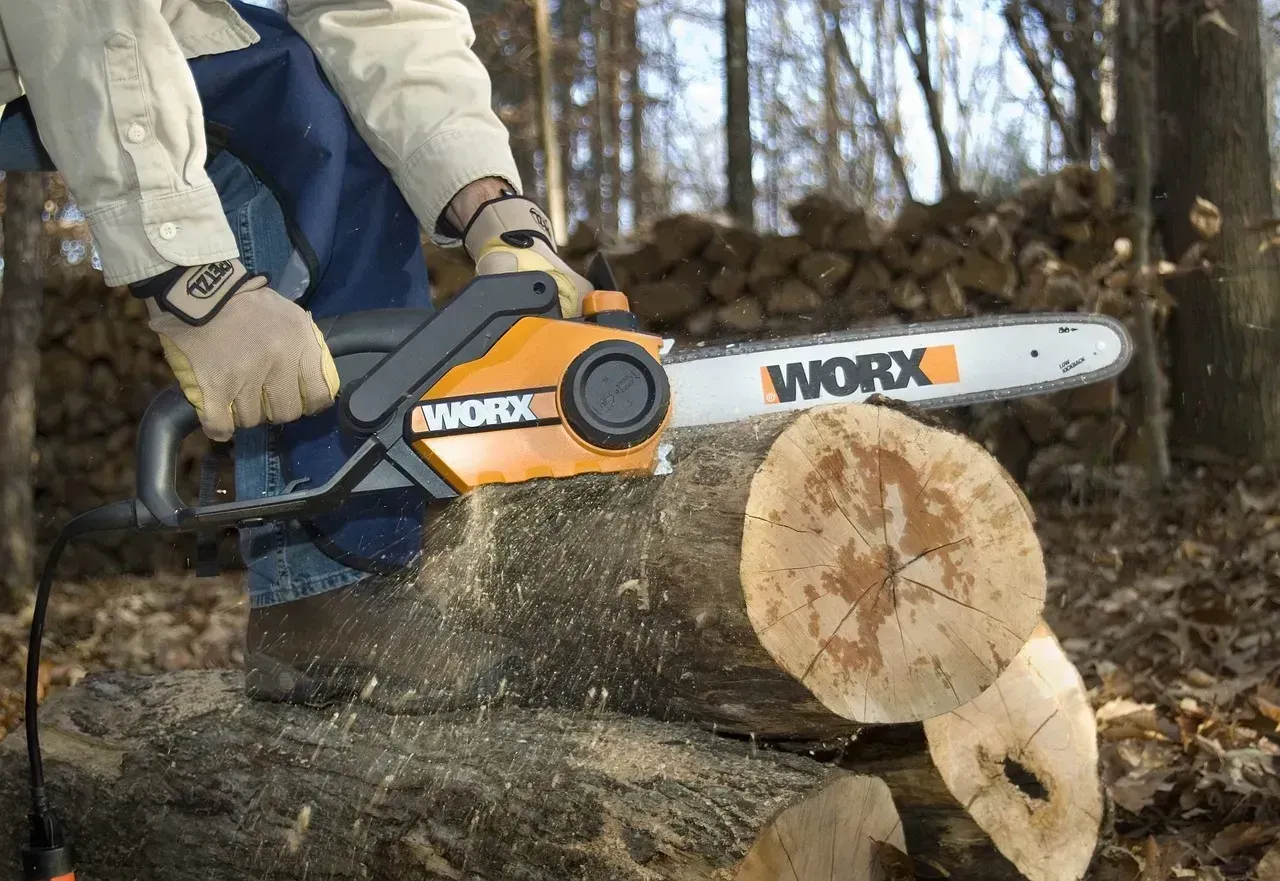
Chainsaws might seem like an unusual entry for a gardening tools list, but for homeowners with trees, they are absolutely a shed staple. Following the pattern of other gas-powered tools, chainsaws are likely next on the regulatory chopping block, as their two-stroke engines produce significant emissions and noise levels that can exceed 100 decibels, enough to cause hearing damage.
A Washington state legislator introduced a House bill to prohibit new gas-powered outdoor equipment beginning in 2026, including new gas-fueled chainsaws, as well as lawnmowers, rototillers, weed whackers, log splitters, leaf blowers, pressure washers, stump grinders, and wood chippers with 25 horsepower or less.
While electric chainsaws could work for homeowners and possibly some light landscaping, they are not efficient enough or productive enough for commercial operations, and large commercial chainsaws would fall under the purview of proposed bills because they are generally under 25 horsepower. Industry associations also see less-powerful electric chainsaws as potentially dangerous.
4. Gas-Powered String Trimmers
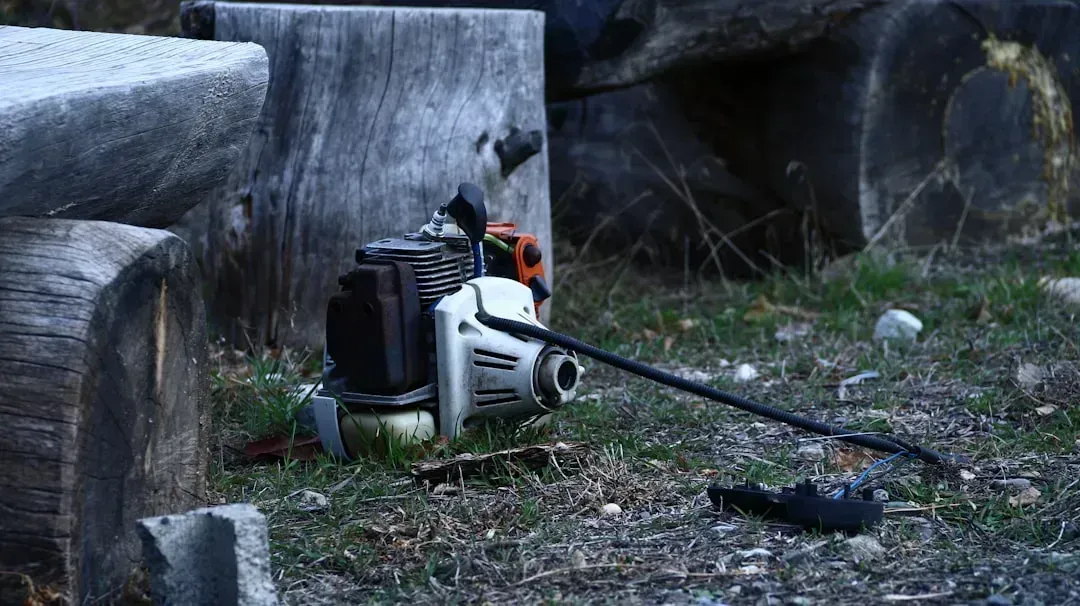
String trimmers, also called weed whackers, are another classic gasoline-powered tool that regulators have firmly placed in their sights. California’s Green Lawn Care Law bans the sale of new gas-powered lawn care equipment, and the legislation, which took effect January 1, 2024, covers gas-powered string trimmers, lawn mowers, and leaf blowers manufactured after December 31, 2023.
The United States has been swept by a wave of bans and restrictions on garden tools running on gas, with examples including the prohibition on the use of gasoline-powered leaf blowers in the District of Columbia and Miami Beach. String trimmers are consistently listed alongside those tools in every major piece of proposed legislation. They share the same engine type, the same emissions profile, and the same regulatory fate.
According to the law’s sponsors, small off-road engines pose serious health risks to equipment operators, surrounding neighborhoods, and the environment at large, as these small engines emit high levels of particulate matter, reactive organic gases, and nitrogen oxides. For anyone who runs a weed trimmer for an hour on a hot Saturday morning, that context hits differently.
5. Gas-Powered Hedge Trimmers
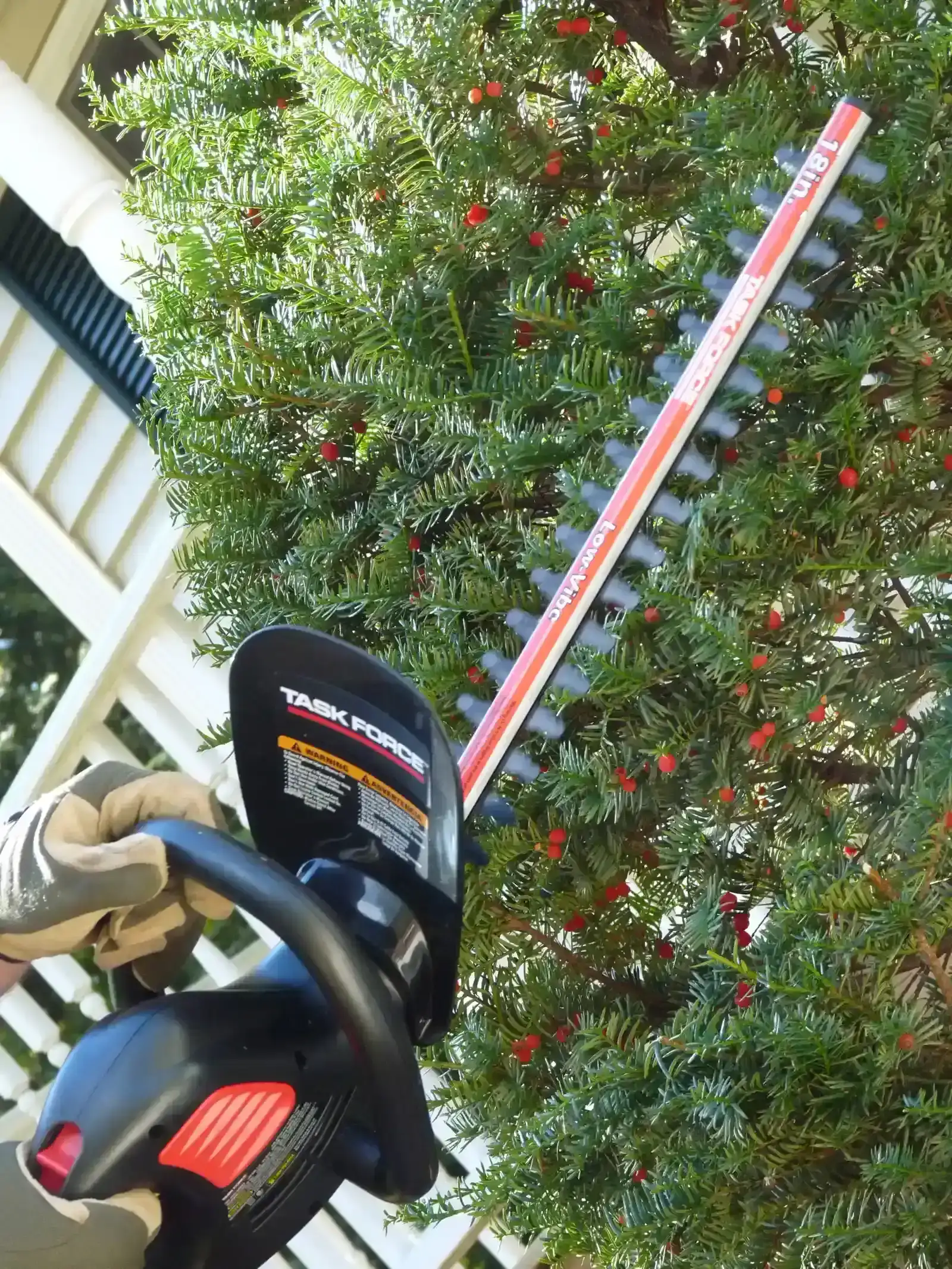
Hedge trimmers are perhaps the most overlooked tool on this list, yet they carry the same regulatory vulnerabilities as every other small engine device. Gas-powered landscaping equipment, including leaf blowers, lawn mowers, hedge trimmers, string trimmers, and chainsaws, are already banned for use by large businesses in Irvine, California. That is not a future proposal. That is the current law.
In January 2026, gas-powered landscaping equipment was banned for residents and small businesses in Irvine as well, extending the scope even further. Let’s be real: if a tool is already banned for professional use today, it is only a matter of time before residential restrictions follow everywhere else, too.
The increased sophistication of products now being developed within these sectors, coupled with the urgent task of slowing climate change, is prompting regulators to swiftly adapt their lawmaking efforts. Hedge trimmers may not generate the same headlines as leaf blowers, but they are firmly part of this regulatory wave.
6. Glyphosate-Based Herbicide Sprayers
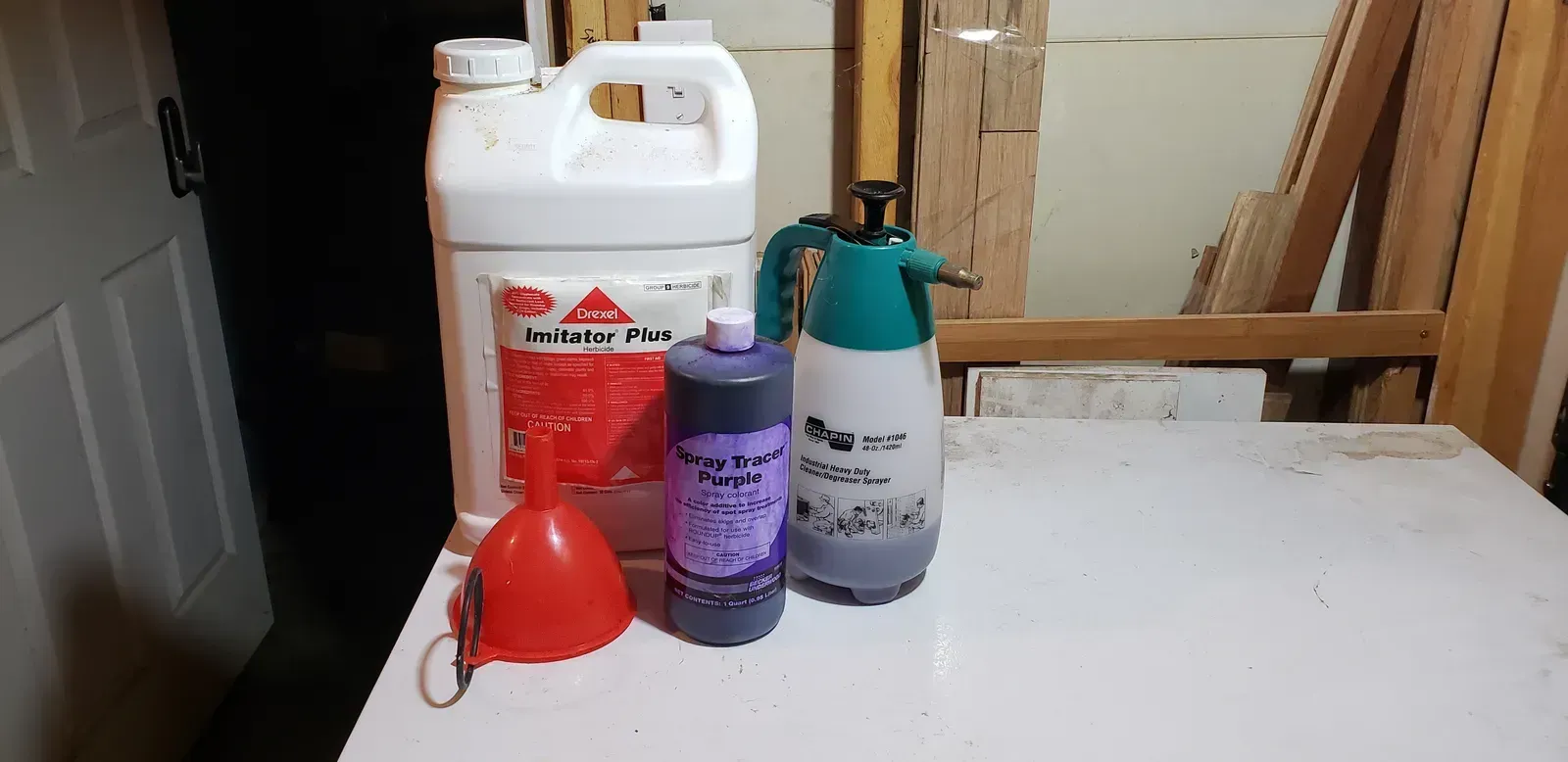
Here’s the thing: it is not just power tools facing restrictions. The sprayer in your shed loaded with glyphosate-based weedkiller may be heading for its own reckoning. Glyphosate, one of the world’s most popular weedkillers, has divided the scientific and health community, prompting several countries to either ban or limit its use, after the World Health Organization’s cancer agency stated in 2015 that it was “probably carcinogenic.”
Vietnam has fully banned glyphosate. The Netherlands, Belgium, and France have banned its household use. Germany forbids its use in public spaces. The global momentum against this chemical is striking when you line up the list of countries involved.
As of October 2024, plaintiffs allegedly harmed by glyphosate have filed more than 4,300 Roundup lawsuits against Monsanto and Bayer in multidistrict litigation. The legal pressure alone is reshaping how regulators around the world view this chemical. Glyphosate is authorized in Europe until 2033, with restrictions, and some EU countries apply partial bans, though no full bans currently exist at the EU level.
Found in products like Roundup, glyphosate has been linked to cancer in several high-profile lawsuits, and regulatory agencies are taking notice as scientific evidence mounts about potential health and environmental risks. Several countries have already restricted or banned these herbicides in residential areas.
7. Gas-Powered Snow Blowers
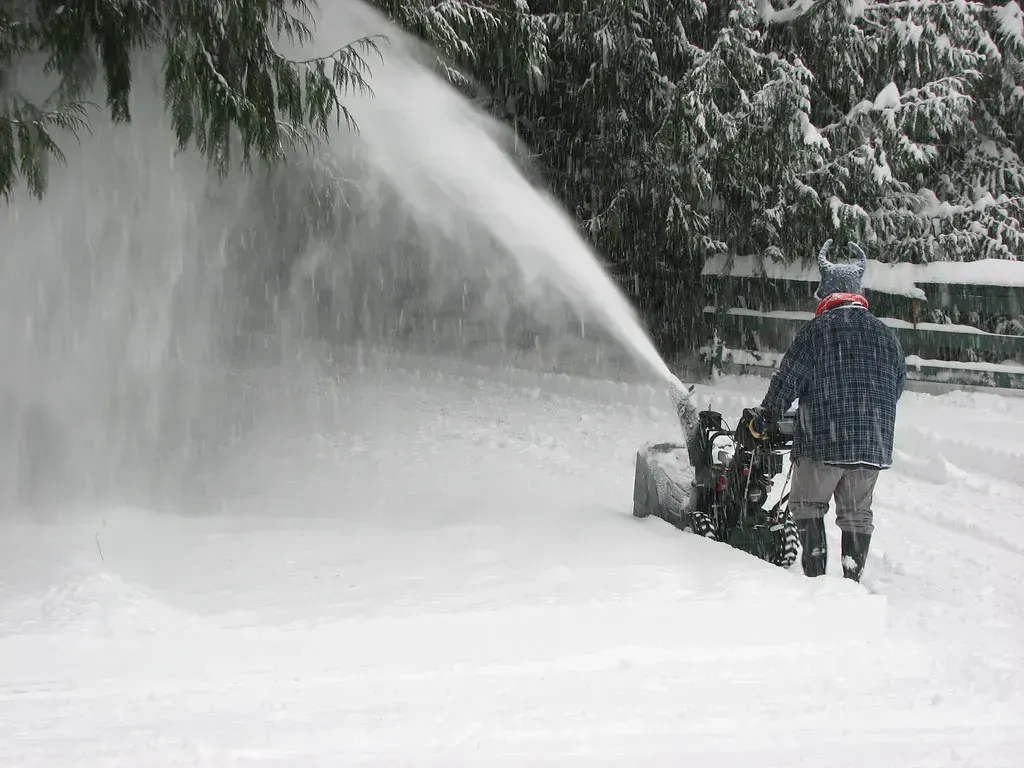
You might not think of a snow blower as a typical gardening tool, but for many homeowners it is very much part of the outdoor power equipment lineup. Under Washington state’s proposed House Bill 1868, new gas-fueled snow blowers would be among the equipment banned under the 25-horsepower threshold. That is a remarkably broad scope.
It sounds crazy, but snow blowers have the same fundamental problem as every other gas-powered small engine. They run on the same types of engines as lawn mowers and leaf blowers. Gas-powered equipment emits dramatically high amounts of carbon monoxide, hydrocarbons, volatile organic compounds, nitrogen oxides, and particulate matter, far surpassing the output of the average car or truck.
Colorado’s Governor Polis directed the state’s Department of Public Health and Environment to phase out gas-powered push and handheld lawn and garden equipment used at state facilities located in the ozone nonattainment area from June 1, 2025. Snow blowers fall within that category of equipment, and as these rules expand beyond state facilities, private users will be next to feel the impact.
8. Gas-Powered Rototillers and Log Splitters
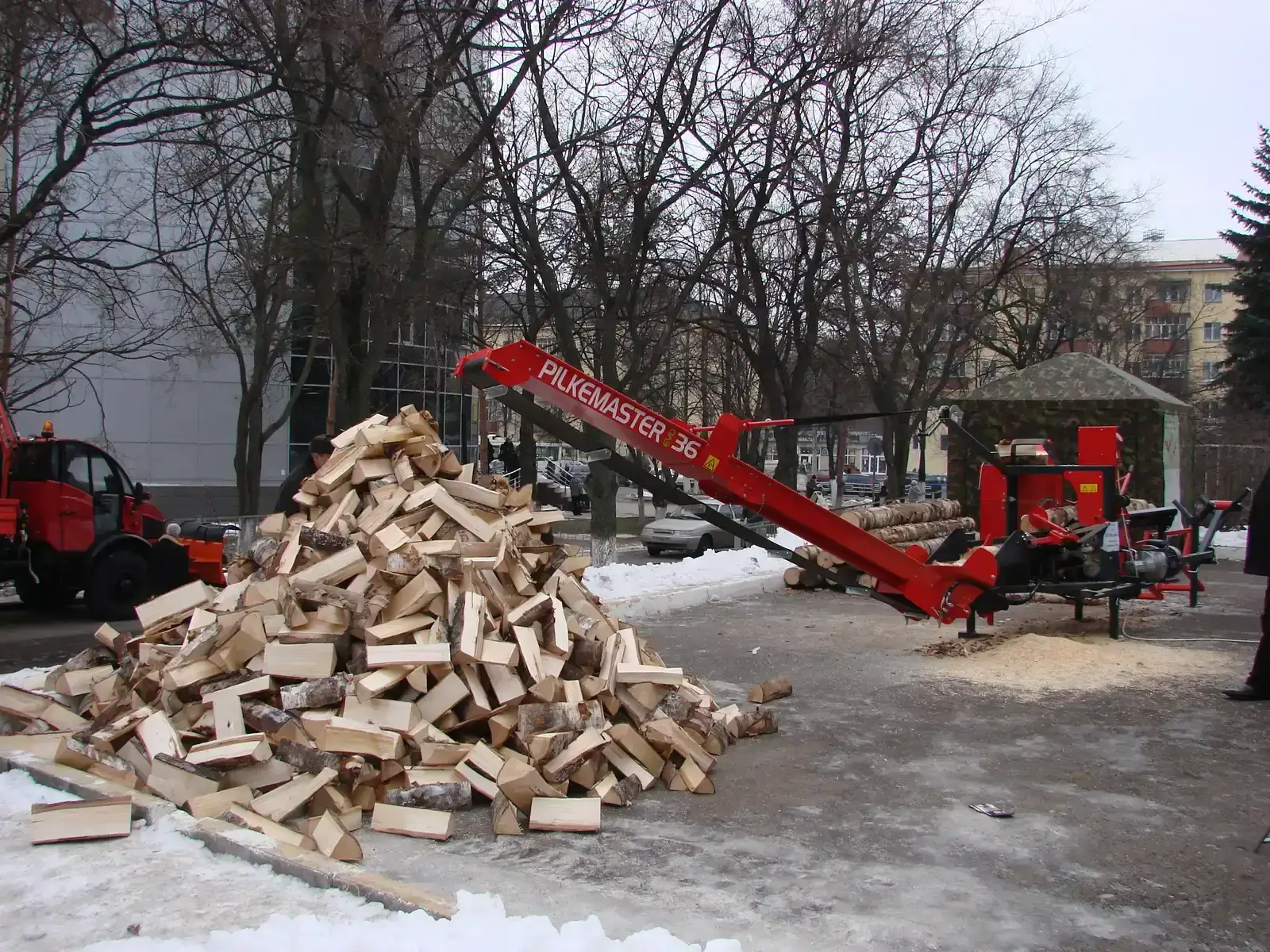
Rototillers and log splitters are workhorses for serious gardeners and small-scale homesteaders. They are also firmly on the regulatory radar. A Washington state legislator’s proposed House bill would prohibit new gas-powered outdoor equipment beginning in 2026, explicitly naming rototillers and log splitters alongside lawnmowers, chainsaws, weed whackers, leaf blowers, pressure washers, and stump grinders.
Commercial-grade electric-powered gear can cost anywhere from 15 percent to 300 percent more upfront before factoring in the cost of batteries, chargers, and potential electrical upgrades needed to keep them running all day. For example, an electric sit-down lawn mower could cost $30,000 versus a $12,000 gas-powered version. The economic tension here is real and cannot be dismissed.
Still, the regulatory direction is clear. Washington state is following California’s footsteps and even adding potential jail time and fines for violators of its proposed bill, while both the logging and landscape industries see the proposal as unworkable due to the higher cost of electric equipment and the impracticality of relying on batteries throughout a full working day.
9. Pressure Washers with Small Gas Engines
It might surprise you to find pressure washers on this list, but gas-powered pressure washers face the same engine-based scrutiny as every other tool here. California’s legislation, barring the selling of new gas-powered equipment using small off-road engines in 2024, includes all gas-powered landscape and lawn equipment, generators, pressure washers, and chainsaws. That is already law in the largest U.S. state by population.
Phase one of California’s regulations took effect on January 1, 2024, and sets zero-emission standards for outdoor equipment, while phase two will take effect in 2028 and includes generators and large washers. The rollout is gradual but deliberate. No category of small gas engine appears to be getting a permanent pass.
Americans use 800 million gallons of gas each year mowing their lawns, and in addition to that, the EPA estimates that enough fuel is spilled in the refueling of gas-powered lawn equipment every year than was spilled by the Exxon Valdez. When you absorb that figure, the regulatory push suddenly feels less like politics and more like an obvious necessity.
10. Traditional Open Compost Bins and Uncovered Compost Heaps
Now for a curveball. Not all restrictions are about combustion engines or chemicals. Traditional open compost setups are attracting a very different kind of regulatory attention. Traditional open compost heaps are disappearing from suburban yards as municipalities crack down on potential pest issues, since food scraps in uncovered piles can attract rodents, raccoons, and other unwanted visitors. Many communities now require enclosed composting systems with secure lids and bottoms.
Some places are moving toward centralized municipal composting instead, where residents must use collection services rather than backyard systems, as the humble compost pile joins a growing list of traditional practices facing new restrictions. This is a softer category of restriction compared to outright bans on gas equipment, but the trend toward regulation of backyard composting tools and setups is real and growing.
I think this particular point is the most underappreciated story in backyard gardening right now. While everyone watches the leaf blower debate, composting regulations are quietly expanding under the radar. The tools and methods you use to compost may need to change sooner than you expect, especially in densely populated urban and suburban communities.
The gardening landscape is genuinely shifting. The gardening tools market is navigating a pivotal transformation, shaped by rapid technological innovation, regulatory shifts, and evolving customer requirements. From gas-powered engines to herbicide sprayers to backyard compost piles, the era of unrestricted gardening is quietly drawing to a close. The tools in your shed today may require replacements, permits, or upgrades sooner than you think. What would you have guessed if someone had told you ten years ago that your leaf blower could become illegal?