
Some houses don’t announce themselves. They sit quietly on the street, nothing flashy, nothing dramatic, maybe a little plain from the outside. No grand entrance, no freshly staged landscaping, no listing brochure with golden-hour photography. Yet behind those understated walls, a home can be carrying far more financial weight than anyone realizes. Honestly, some of the most valuable properties in America look completely ordinary at first glance.
The truth is, the real estate market has fundamentally changed. The U.S. residential real estate market was valued at $106.7 trillion in 2024, with a nearly half increase since 2019. In that kind of environment, value hides in surprising places. The signs aren’t always visible from the curb. Let’s dive in.
1. It Sits in a Top-Rated School District

Here’s the thing about school districts: they don’t just shape kids, they shape property values. The connection is strong, documented, and frankly a little surprising in how financially significant it turns out to be. The National Association of Realtors (NAR) found that home prices in high-performing suburban school districts were roughly half again higher than the national median. That’s not a small gap. That’s a gulf.
Homes in neighborhoods with A-rated schools increased their value by as much as $10,000 over similar homes near a B-rated school. Think about that the next time you’re walking through two nearly identical properties on opposite sides of a school district boundary. They may look the same, but they’re playing in completely different financial leagues.
The Brookings Institution disclosed that homes near high-scoring schools sold for an average of $205,000 more than those in lower-performing districts. And it goes beyond just resale price. Properties in top school districts are generally more stable and retain value better during economic downturns. So a modest house zoned into a great school district isn’t just a home, it’s a hedge.
Homes on one side of a school district boundary consistently sell for 15 to 20 percent more per square foot, and in some markets, being in a top-rated school district can add $50 to $100 per square foot to home values compared to a similar home in an average-rated district. A quiet, plain-looking home in the right district could be one of the smartest financial assets on the block.
2. The Lot Is Larger Than It Appears

Lots are a sneaky source of hidden value. A house can look small and forgettable, but if it’s sitting on a larger-than-average piece of land, the numbers change dramatically. A larger lot provides more outdoor space, which appeals to many buyers, and may also open the opportunity for future expansions, further boosting value. Think of it like an iceberg: the home is just the visible tip.
Land isn’t just dirt. It’s potential. The ability to add a pool, build an accessory dwelling unit, expand the footprint, or simply enjoy generous privacy has real monetary value that doesn’t always show up in the listing photos. Values rise when zoning laws change in favor of residential development and a higher density of housing, and a property sitting on a larger lot is almost always positioned to benefit first when those changes come.
Median square foot prices for new single-family homes started in 2024 grew modestly, with custom or contractor-built homes reaching a median of $166 per square foot of floor space. But those figures exclude the land entirely. In major metropolitan areas and growing suburbs, developed lot values can easily exceed the cost of the structure built on top of them. So a “small” house on a big lot can be worth far more than its square footage suggests.
3. The Location Has Quietly Appreciated
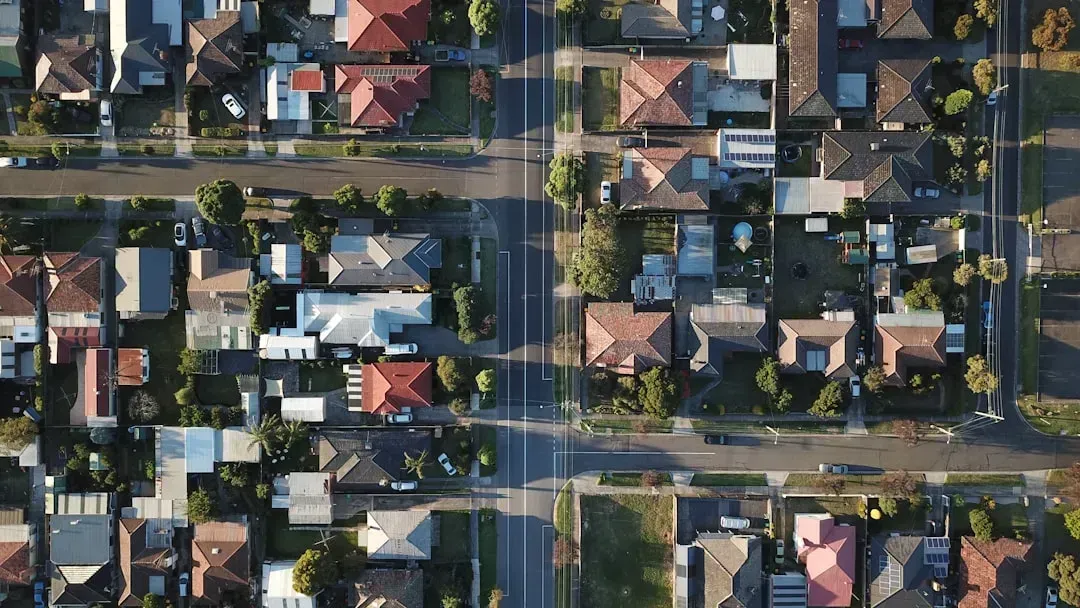
Location is real estate’s oldest truism, but it still catches people off guard how powerful it really is. A neighborhood that felt average five years ago can transform quietly. New businesses move in. Infrastructure improves. Commuter patterns shift. And suddenly, a house that felt like a middle-of-the-road purchase looks like a genius investment. The Federal Housing Finance Agency (FHFA) reports that home values have increased over 57% nationally over the past five years. That’s not evenly distributed. Some locations surged far more.
U.S. house prices rose 1.8 percent between the fourth quarter of 2024 and the fourth quarter of 2025, according to the FHFA House Price Index. That national average, though, is a ceiling for some markets and a floor for others. House prices rose in 41 states, with the five states showing the highest annual appreciation being North Dakota at 6.4 percent, Delaware at 6.3 percent, Illinois at 6.1 percent, Wisconsin at 5.7 percent, and Michigan at 5.5 percent.
As of September 2025, median home prices were up 1.8 percent year over year, and the number of homes sold rose 6.4 percent from September 2024. Location-driven appreciation is invisible from street level. You can’t see it. You have to know where to look. A house that once sat in a transitional neighborhood may now be perched in a market that buyers are actively racing into.
Home prices rise and fall with the economic prospects of the surrounding area, and sometimes those economic prospects shift faster than the home’s exterior gets a fresh coat of paint. The quiet appreciation of the surrounding area is one of the most underestimated drivers of hidden home value.
4. Strategic Renovations Have Been Done (Not the Flashy Kind)
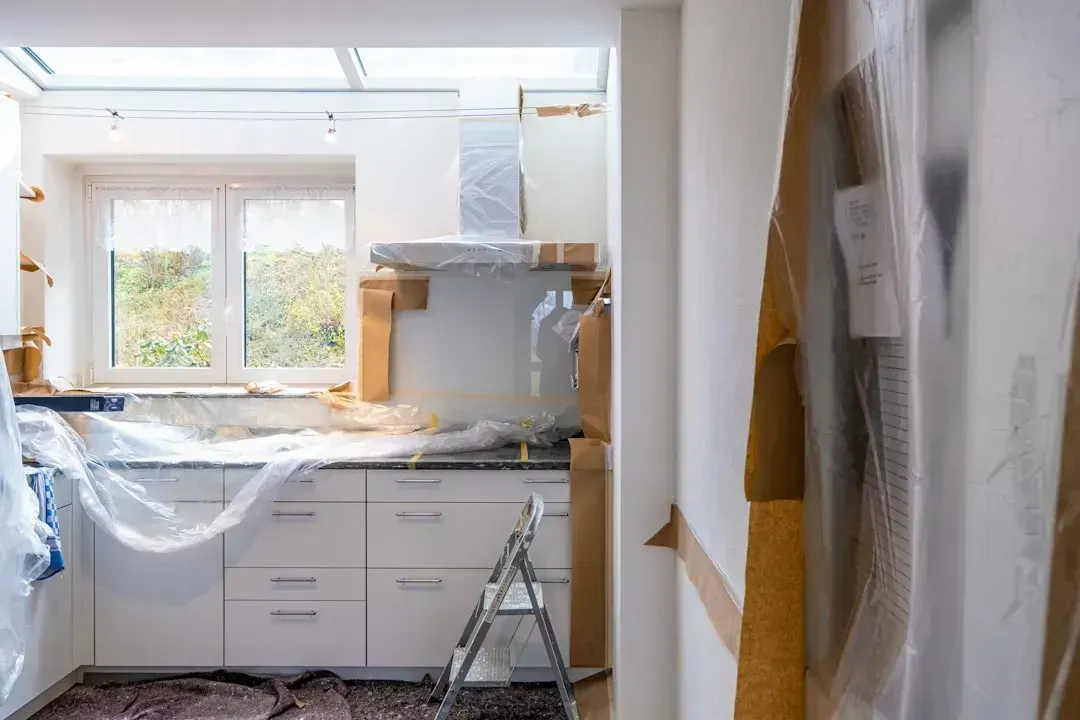
Not all renovations are created equal, and this is where a lot of homeowners get it wrong. Splashing money on a luxury overhaul doesn’t always translate to proportional value at resale. The smart renovations, often the ones buyers barely notice in listing photos, can quietly add enormous value. Among interior projects, the minor kitchen remodel stands out, returning a 113% return on investment, up from 96 percent in 2024, positioning it as the leading indoor project for value recovery.
Americans spent an estimated $603 billion on home remodeling projects in 2024. Within that enormous spend, the projects that consistently outperform expectations are the subtle ones. The remodeling projects with the highest cost recovery include a new steel front door at 100 percent, closet renovation at 83 percent, and a new fiberglass front door at 80 percent. These are not the kinds of renovations that make for a dramatic before-and-after reveal, but they signal to a buyer that the home has been cared for.
A midrange remodel of a 5×7-foot bathroom recoups about 80 percent of its cost at resale, compared to an upscale bathroom overhaul at just 42 percent. The lesson here is counterintuitive: sometimes less is more. A house with thoughtful, functional upgrades done correctly is worth more than a house with one jaw-dropping showpiece room surrounded by deferred maintenance.
Realtors have observed the highest increase in demand for kitchen upgrades at 48 percent, new roofing at 43 percent, and bathroom renovation at 35 percent. If a modest-looking home has had the right work done quietly over the years, it may already be primed to command a premium that a simple walkthrough wouldn’t immediately reveal.
5. The Home Has Energy Efficiency Features Built In
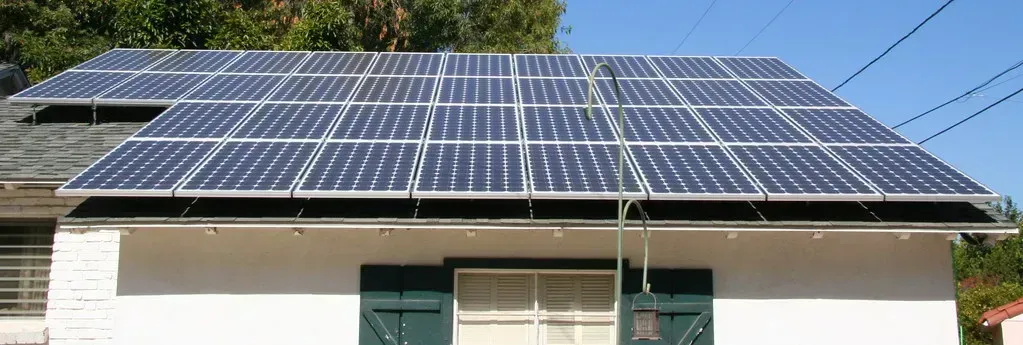
Energy efficiency used to be a nice-to-have. Now it’s a serious value driver, and buyers are paying attention in ways they simply weren’t a decade ago. Realtor.com’s 2025 Home Trends Report found that efficiency and sustainability are on the rise, with WaterSense fixtures topping the list with a nearly 290 percent year-over-year increase in mentions within listing descriptions. That’s not a blip. That’s a structural shift in what buyers want.
Net-Zero Ready homes and EV Charging features also surged, reflecting rising consumer interest in lowering utility costs and preparing for an all-electric future. A home that quietly runs on lower utility bills, has newer insulation, energy-efficient windows, or solar integration is a home that’s doing a lot of invisible work for its future owner. Installing heat pumps and new windows made the list of investments with a high return in 2024 studies.
Energy-efficient homes with smart management systems are increasingly sought after by eco-conscious buyers, often selling 10 to 15 percent faster than comparable homes without these features. Selling faster in this market is itself a form of value. A home that doesn’t sit on the market hemorrhaging days-on-market stigma is a home that commands stronger offers. The efficiency story is often written in receipts and utility bills, not curb appeal.
6. Smart Home Technology Is Already Installed

Walk into a plain-looking house and find it already wired for modern living: a smart thermostat, integrated security cameras, voice-controlled lighting, a hardwired ethernet infrastructure. That’s not decoration. That’s infrastructure. The global smart home market was estimated at $127.67 billion in 2024, and industry experts estimate the market size will increase to $1.4 trillion by 2034, reflecting a compound annual growth rate of over 27 percent from 2025 to 2034.
Features like built-in coffee systems, smart lighting scenes, and hardwired ethernet ranked among the top 15 fastest-growing trends in listing mentions, highlighting that reliable connectivity and automation are now as much selling points as square footage. This is a genuine shift in what constitutes a “move-in ready” home for today’s buyers, many of whom work from home and live digitally.
The U.S. smart home market is projected to grow at a compound annual rate of over 23 percent from 2025 to 2030, with growth driven by heightened focus on energy efficiency, and consumers increasingly adopting smart thermostats, lighting systems, and energy monitoring devices. A home that already has these systems installed avoids that upfront cost and friction for the buyer. It also signals a homeowner who has invested thoughtfully, and that signal alone can shift a buyer’s perception of the entire property’s quality.
7. The Home Has Been Consistently Well-Maintained

I’ll be direct: maintenance is not glamorous. It doesn’t photograph well. It doesn’t make it into the listing description. Nobody gets excited reading “gutters cleaned annually” or “HVAC serviced every year.” Yet a well-maintained home is one of the most valuable things on the real estate market, and buyers who understand it are the ones who make the best purchases. Deferred maintenance is the silent killer of home value.
Roughly three-quarters of homeowners make costly improvements that don’t increase their home value, often because they’re chasing aesthetics rather than addressing fundamentals. A home with a solid roof, clean crawl spaces, current electrical, and a functioning HVAC is fundamentally sounder than a freshly staged showpiece with underlying issues. Buyers eventually find those issues, either in inspection or after closing, and they factor them in.
According to the National Association of Realtors, the average homeowner now stays in their home for about 10 years, a significant increase from previous decades. That length of ownership tends to correlate with quiet upkeep. Long-term homeowners often quietly fix what needs fixing without advertising it. Neglected maintenance, poor curb appeal, outdated interior features, and negative external factors are among the key factors that can decrease property value, which means the inverse is also true: consistent care quietly builds it.
If you’ve lived in a home for a few years or longer, it’s likely been quietly growing in value while you’ve gone about your day-to-day life, and many homeowners are surprised when they find out just how much their home is worth today. Steady maintenance is part of what makes that quiet growth possible. It’s the foundation that every other value driver builds on.
The Hidden Value Is Already There
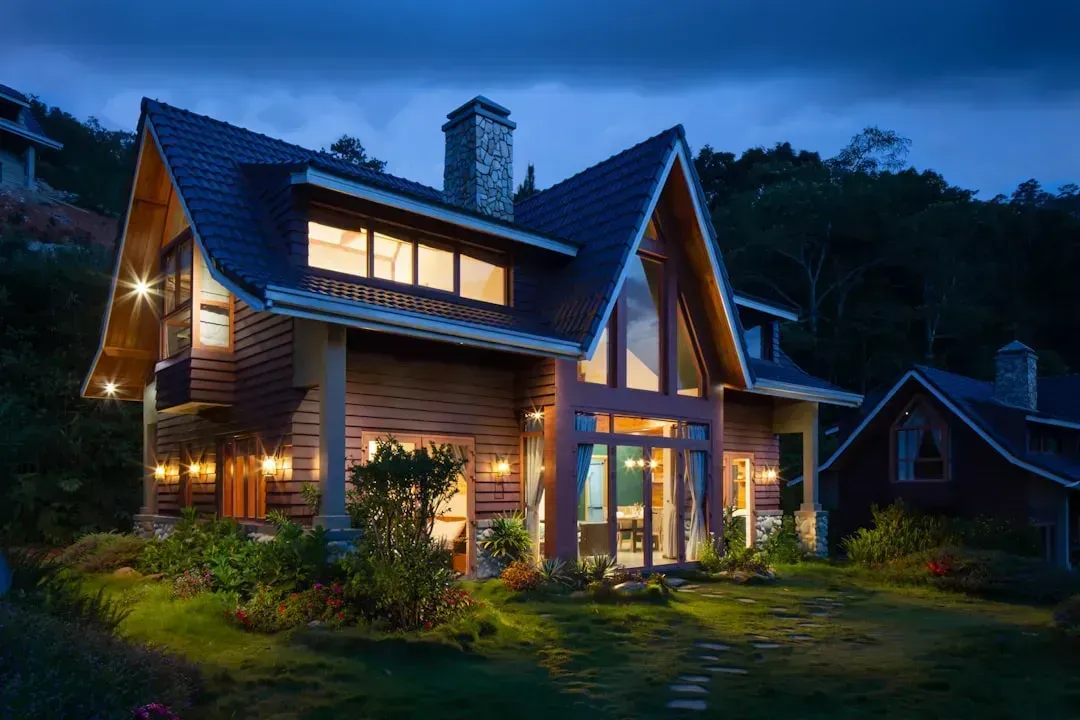
Real estate has a way of rewarding patience and penalizing haste. The houses that don’t shout their value are often the ones that have the most of it, built quietly over years through smart location choices, thoughtful upkeep, and the kinds of upgrades that buyers feel rather than see. Zillow reports that home values climbed over 45 percent from February 2020 to February 2025, packing more than a decade’s worth of typical growth into just five years. Much of that growth happened while homeowners went about their normal lives, not realizing what they were sitting on.
The seven signs outlined here don’t require a stunning renovation budget or a prime listing address. They require the right conditions and the knowledge to recognize them. Buyers waiting for prices to fall may be waiting a long time, as forecasts from multiple reputable sources expect homes to continue going up in value, and while it’s nowhere near the double-digit increases seen during the 2020 pandemic, it is still a strong indicator that homes aren’t likely to get cheaper any time soon.
The quietest houses on the street are sometimes the ones carrying the biggest financial story. Which one of these seven signs surprised you most? Share your thoughts in the comments.