
1. Tech that hides instead of shows off
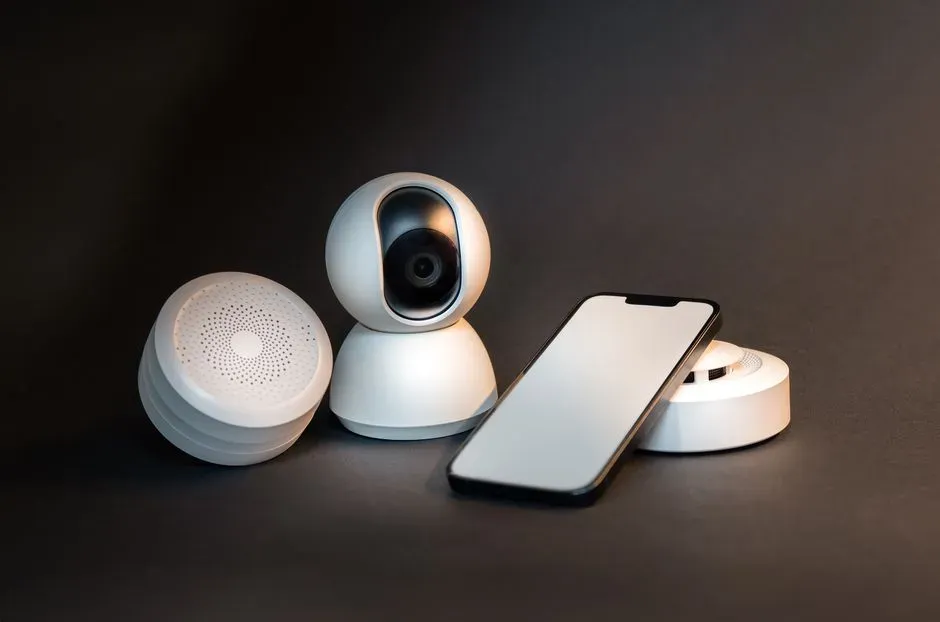
The smart home conversation has shifted from gadgets for their own sake to quiet, useful integration. According to a joint Thumbtack and Redfin report, the top home trend for 2026 is tech-integrated design, with homeowners prioritizing smart features such as hidden charging stations, connected lighting and smart furniture that help simplify everyday life. The appeal is not the novelty of talking to your house. It is the small friction removed from a busy morning or a late night.
This shift also shows up in the numbers. Roughly 51 percent of U.S. households are now actively using some form of smart home device, and the average connected home now runs about 6.2 devices. Designers increasingly favor systems where the technology disappears into walls, cabinetry, and trim rather than sitting on a shelf as a visible gadget.
2. Layouts built for aging in place
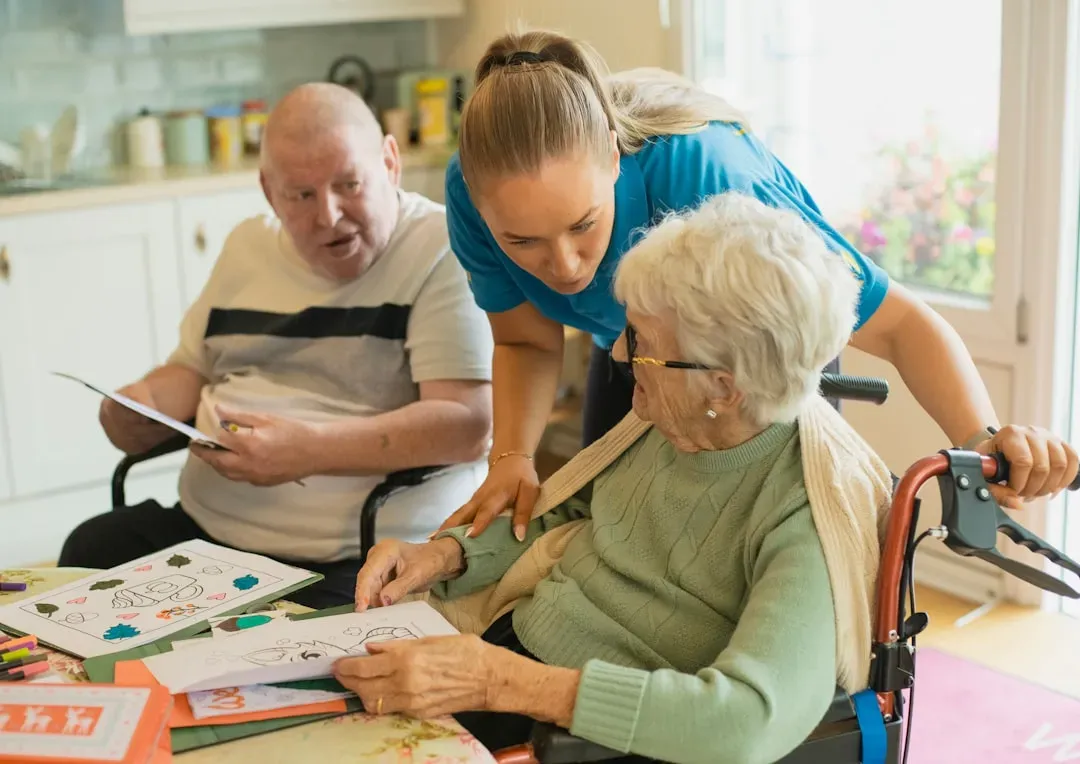
One of the more practical shifts in home planning has nothing to do with style and everything to do with longevity. Many homeowners are planning for aging in place by proactively addressing the needs of older household members, and this is reshaping how rooms get built from the ground up.
The specifics are telling. Houzz research shows that 66% of homeowners address special needs during bathroom remodels, often incorporating curbless and low-curb showers and grab bars, while accessibility is also influencing the entire home through single-level layouts, wider walkways and easy-reach kitchen storage like large drawers. These changes tend to make a home more comfortable for everyone, not just older residents, since wider walkways and better-placed storage help with everyday tasks regardless of age.
3. Rooms that do double duty
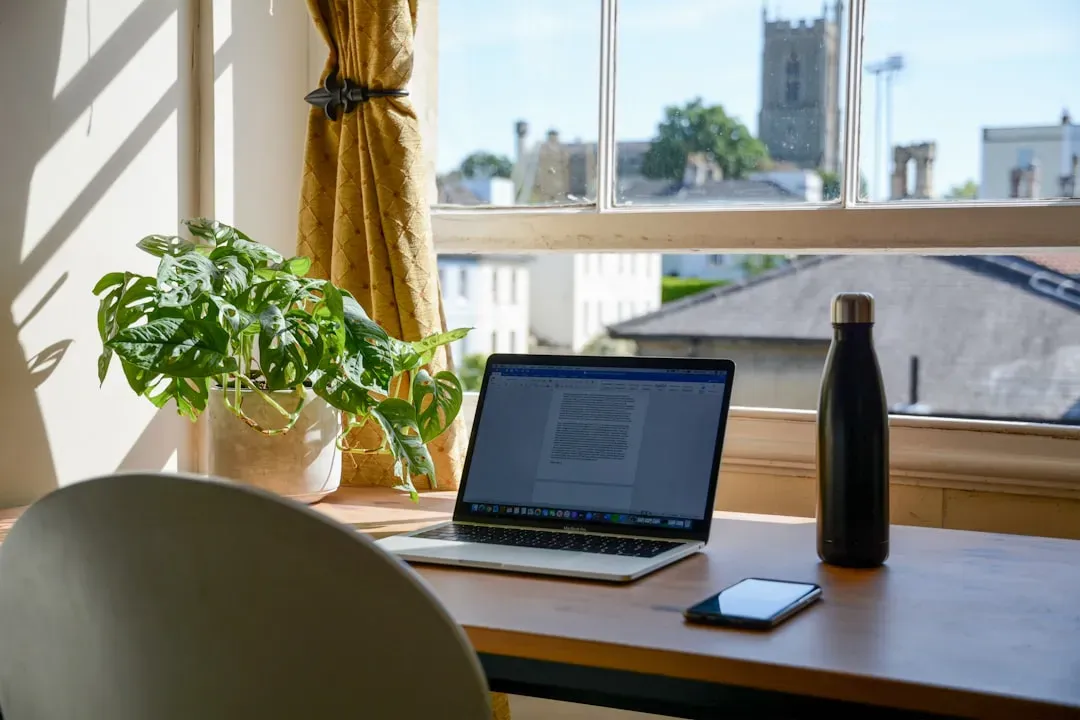
Fewer homes today have a room that serves just one purpose. Flexibility remains a top priority, with 61 percent of real estate agents reporting that buyers want rooms that adapt to their changing needs, and designers are reimagining spaces such as turning closets into offices, stairway landings into libraries, and spare rooms into wellness areas. It is a practical response to how unpredictable a household’s needs can be from one year to the next.
This flexibility extends beyond the interior walls too. Reports also highlight a growing emphasis on flexible home layouts that accommodate work, play and multi-generational living, with solutions like accessory dwelling units, finished basements and pop-tops giving homeowners adaptable spaces that better fit their lifestyle. A guest room that can become a home office in an afternoon is worth more than a room that only earns its keep twice a year.
4. A little more green, indoors
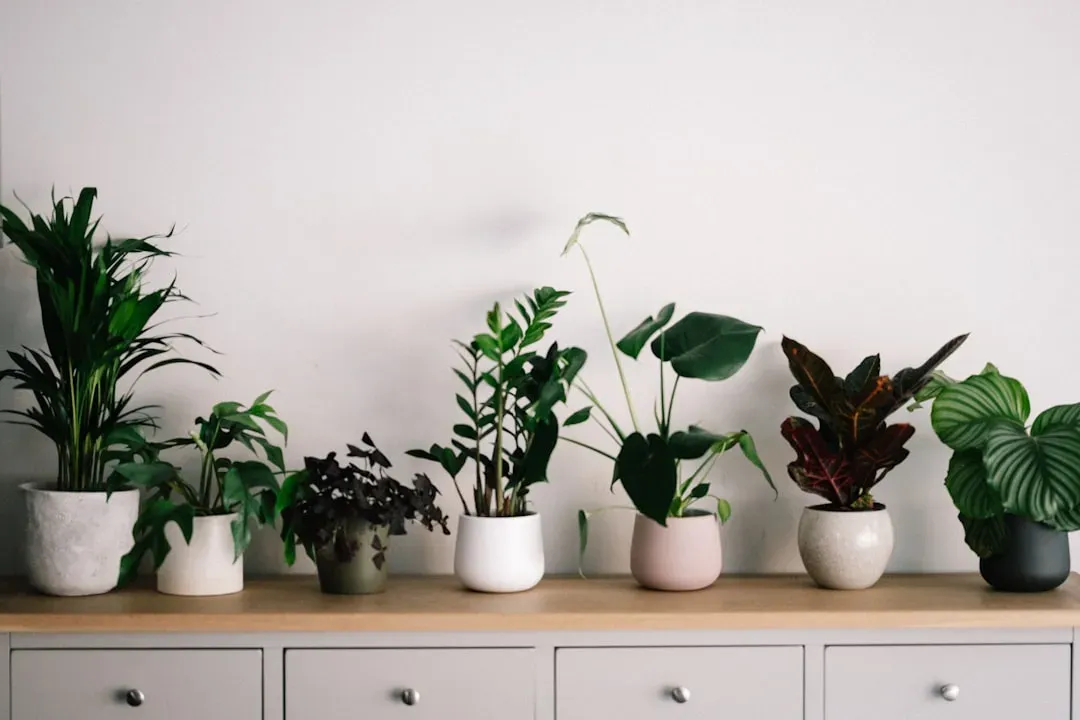
Plants have quietly become one of the most evidence-backed home upgrades available. Bringing green plants into indoor spaces can help reduce stress, and studies show that small, lightly scented green plants are optimal for health, wellbeing, and a sense of comfort. It is a low-cost change with a surprisingly well-documented payoff.
The research goes beyond mood alone. Research at the University of Exeter showed that employees working in environments with plants performed better on memory and attention tests compared to those in plant-free environments. Meanwhile, one review notes that indoor plants have been proved to improve the indoor environment, relieve anxiety, and reduce CO2 concentration, which is a fairly strong case for a windowsill full of pothos.
5. Smarter ways to watch energy use
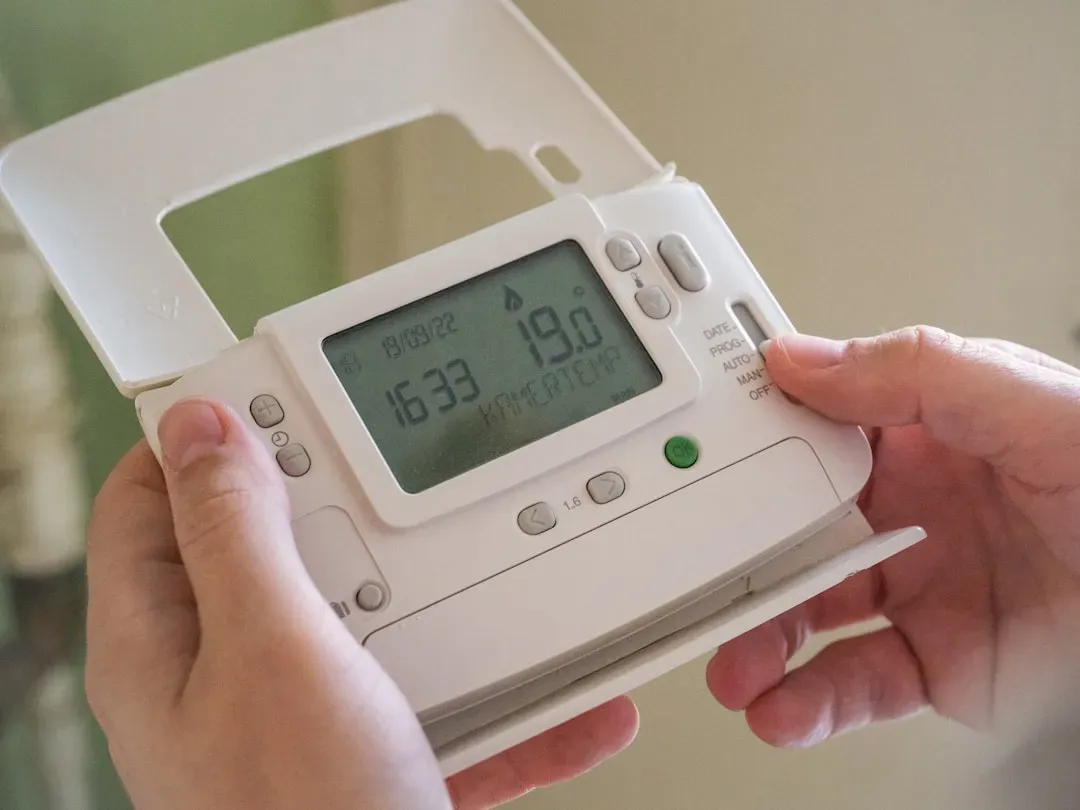
Energy monitoring has moved past the novelty thermostat phase into something closer to a household habit. A major smart home trend in 2026 is the shift from simple automation to intelligent energy management, as consumers want systems that do more than switch things on and off, seeking better visibility into consumption, smarter scheduling, and more efficient use of energy resources. Knowing where the power actually goes tends to change behavior more than any single device.
This is showing up in measurable savings, too. Current data points to roughly 8 percent energy savings from smart home systems on average. Pairing a smart thermostat with solar monitoring or time-of-use scheduling has become a fairly standard first step for households trying to trim utility bills without sacrificing comfort.
6. Warmer palettes and natural materials
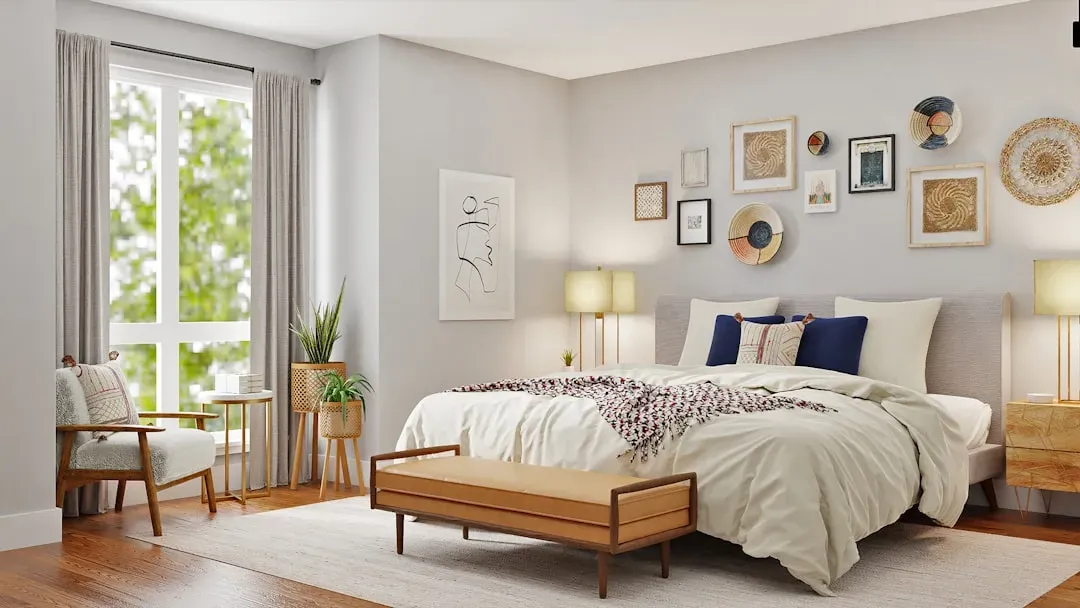
Stark, cold minimalism is giving ground to something warmer. Bedrooms and bathrooms are embracing muted blues and greens for a soothing, restorative feel, and even entryways and home offices are benefiting from warmer palettes that create inviting spaces rather than stark or clinical ones. The goal is a home that feels lived in rather than staged.
Materials are following the same instinct. Buyers are being drawn to hand-laid tile, custom millwork, natural materials and touches that tell a story, with materials like travertine, limestone, soapstone, oiled or raw woods and unpolished metals gaining popularity. These choices age well too, which matters more once the initial excitement of a renovation wears off.
7. Outdoor space treated as living space
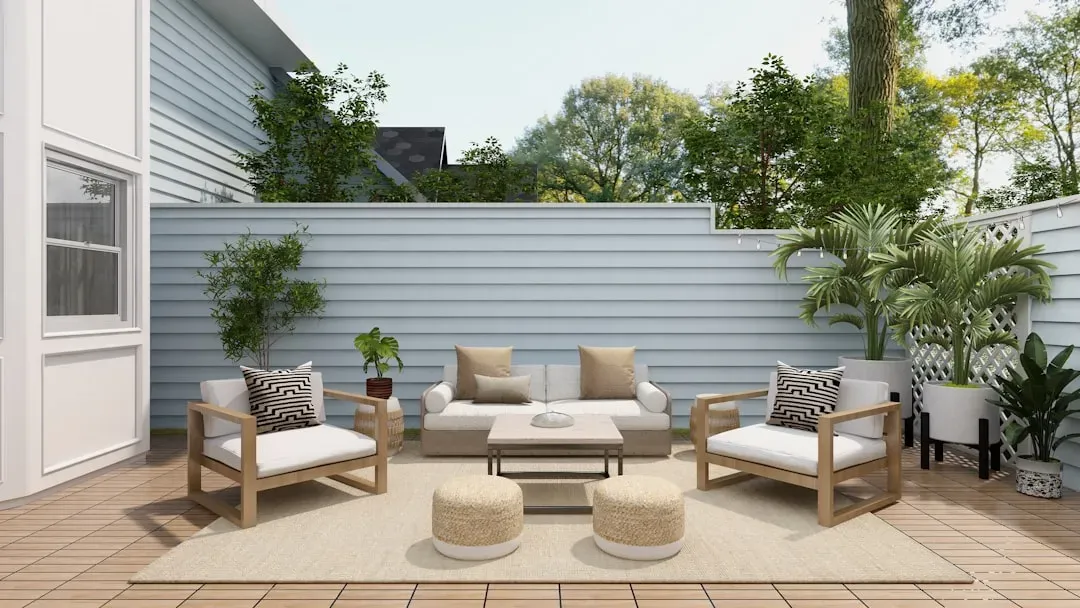
Patios and porches have stopped being an afterthought tacked onto the back of a house plan. Outdoor extensions like patios, porches and balconies are highly desired, along with organized storage, dual primary suites and zoned open plans that combine flow with defined spaces. A well-designed outdoor room effectively adds square footage without adding to the foundation.
The details matter here as much as the layout. Buyers will be drawn to calm, thoughtfully styled exteriors that convey care and warmth, with native plantings, permeable walkways, shaded seating areas and low-maintenance landscaping creating a sense of livability, alongside styled porches and patios with cozy seating and soft lighting. It is a small investment that tends to get used almost every day, unlike a formal dining room that mostly sits empty.
8. Storage that actually matches how you live
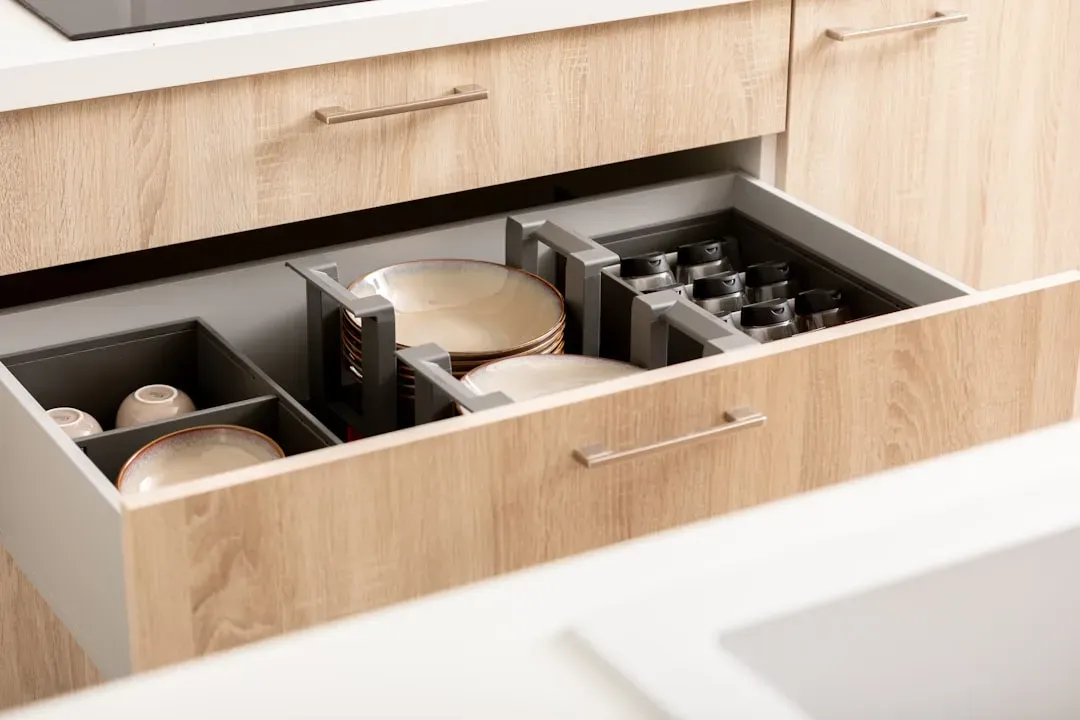
Good storage is less about volume and more about placement. The aging-in-place research already points to this, noting that easy-reach kitchen storage like large drawers improves both safety and ease for households of every age. A drawer at waist height beats a cabinet you have to crouch for, every single time.
This same logic drives the trend toward converting overlooked spaces into functional storage or workspace, as mentioned earlier with closets becoming offices and landings becoming libraries. The best storage solutions tend to disappear into daily routine rather than announce themselves, which is really the whole point of good organization.
9. Character over uniformity
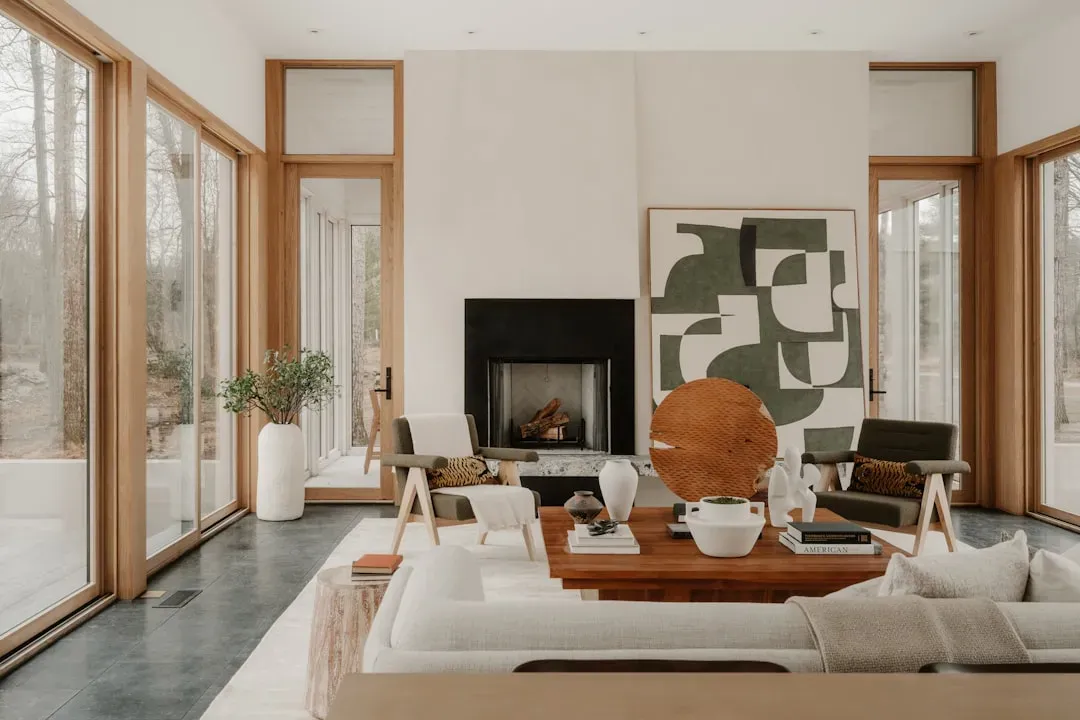
After years of pared-back minimalism, homes are being allowed to show a bit more personality again. There is a shift away from minimalism toward homes with personal character and handcrafted details. This does not mean clutter. It means rooms that reflect the people living in them rather than a template pulled from a catalog.
Traditional craftsmanship is part of this return. Traditional style is back, led by English country and modern Tudor influences, with kitchens featuring inset cabinetry, plate racks, arched range hoods and rich woods that bring handcrafted charm. A home built around small, specific details tends to feel more settled than one built around trends alone. The nine ideas above share a common thread. None of them require gutting a house down to the studs, and most start with a single room or even a single habit. What tends to make a home genuinely better to live in is rarely a grand gesture. It is usually a series of small, well-placed decisions that quietly remove friction from an ordinary day.