
1. Layer soft textiles for warmth and texture
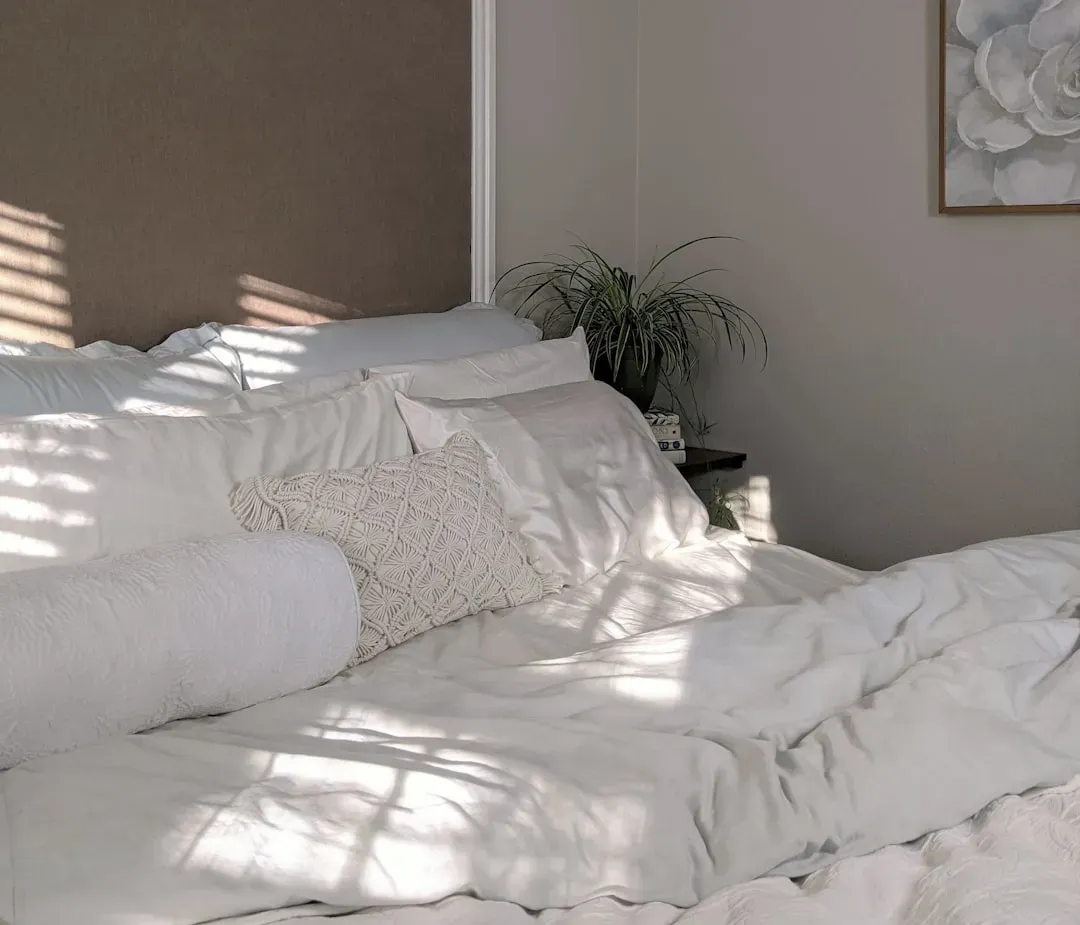
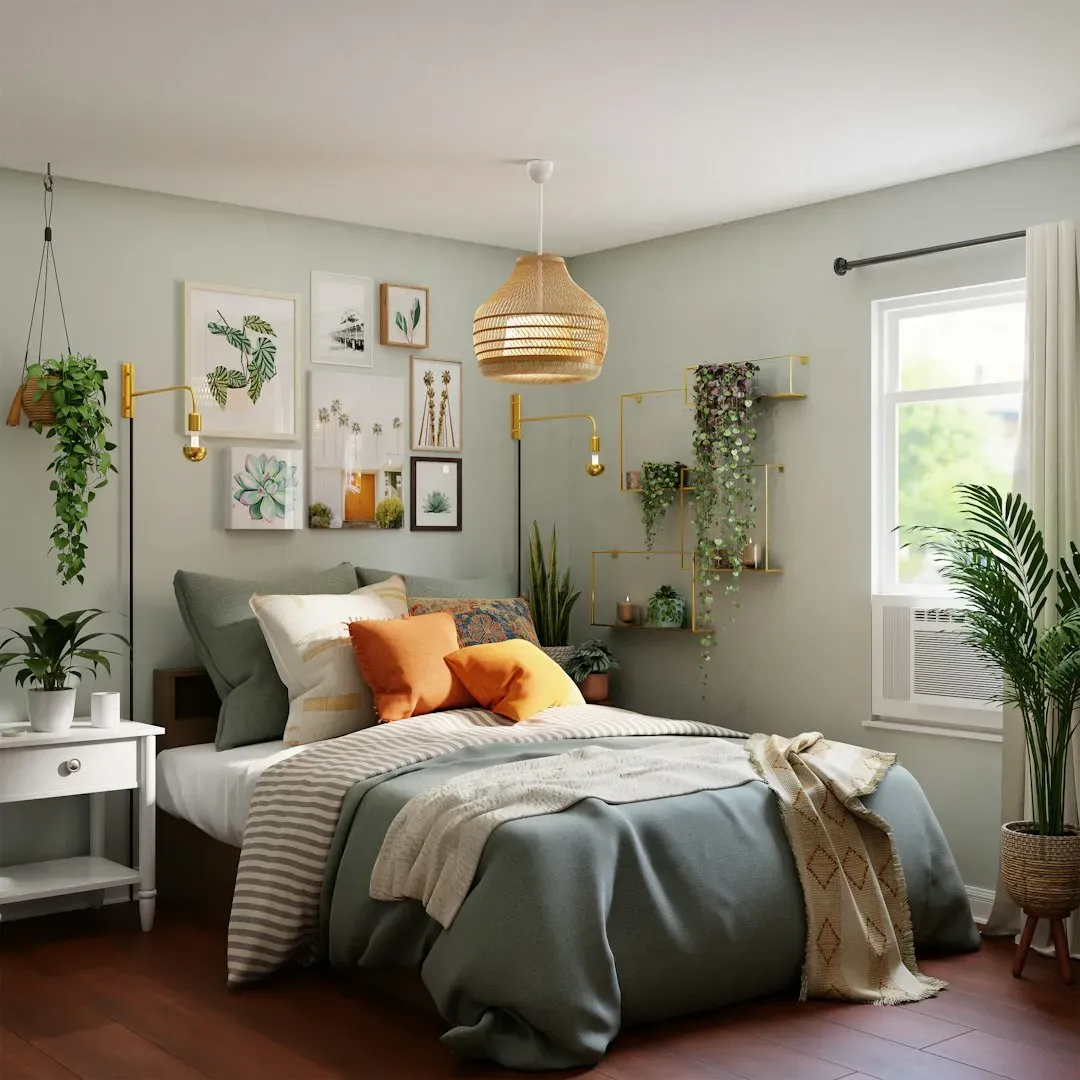
almost always has depth to it, and that depth comes from layering fabrics rather than relying on one flat bedspread. Mixing a chunky knit throw with a lighter quilt, or adding a textured pillow against a smoother sheet set, gives the eye and the body something to sink into. Designers have long pointed to this kind of tactile variety as one of the fastest ways to make a room feel inhabited rather than staged.
Natural fibers like cotton, linen, and wool tend to hold up better over time and often feel more grounding than synthetic blends. A wool blanket folded at the foot of the bed or a linen duvet cover with a slightly wrinkled, lived-in look can do more for warmth than an extra layer of insulation ever could. The goal isn’t matching perfection, it’s a sense that someone put thought into how the bed feels, not just how it looks in a photo.
2. Get the lighting warm and layered, not just bright
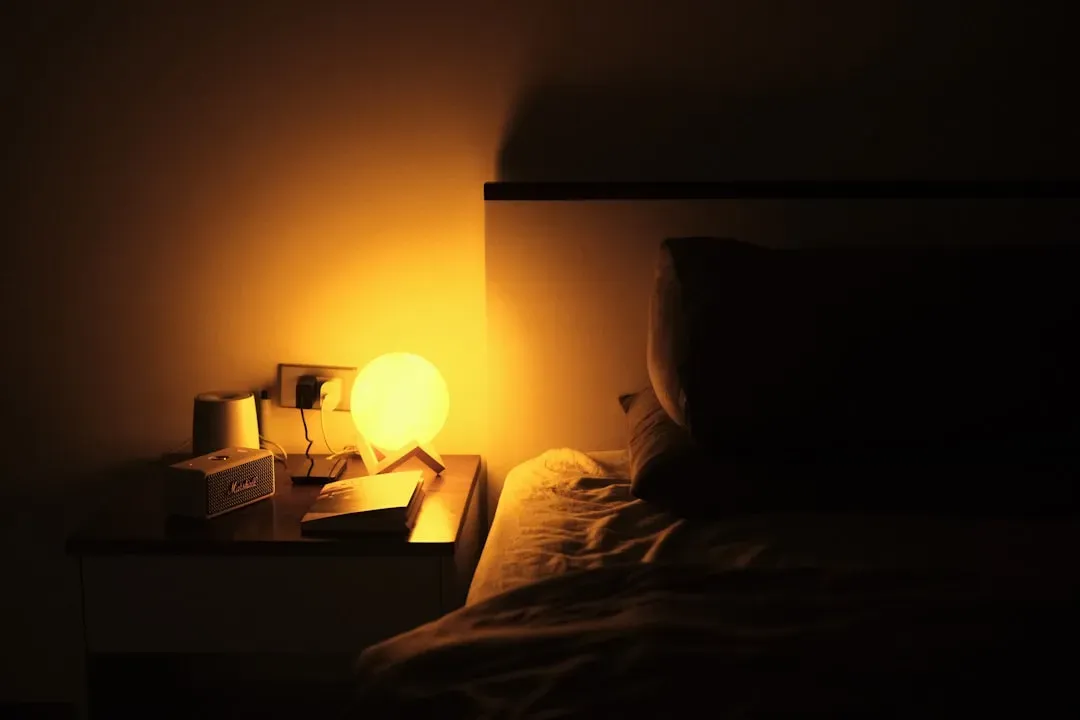
Overhead lighting is practical, but it rarely makes a room feel relaxing. Coziness tends to come from multiple, softer light sources placed at different heights, such as a bedside lamp, a floor lamp in a reading corner, or string lights tucked along a headboard. Lighting designers frequently recommend warmer color temperatures, generally in the range of two thousand seven hundred to three thousand kelvin, since cooler, bluish light tends to read as clinical rather than calming.
Dimmable bulbs are a small investment that pays off nightly, letting the room shift from functional daylight brightness to a dimmer, amber glow in the evening. Candles or flameless LED versions can add a similar effect without the fire risk near bedding. The idea is to avoid a single harsh source and instead build a small constellation of light that can be adjusted depending on the time of day or mood.
3. Choose a calming, cohesive color palette

Color has a documented effect on mood, and bedrooms tend to benefit from tones that lean soft rather than stimulating. Muted neutrals, warm terracottas, sage greens, and deep blues are common choices in current interior design trends because they read as restful without feeling flat or sterile. Paint and design surveys in recent years have consistently shown a shift away from stark white walls toward these warmer, earthier hues, particularly in bedrooms marketed as retreat-style spaces.
Consistency matters more than boldness here. A room doesn’t need to be monochromatic, but tying wall color, bedding, and a few accent pieces into a shared tone family creates a sense of calm cohesion. Jarring contrasts, like a bright accent wall paired with clashing textiles, can undercut the relaxed feeling even if each element looks fine on its own.
4. Bring in natural elements like wood, plants, or organic textures
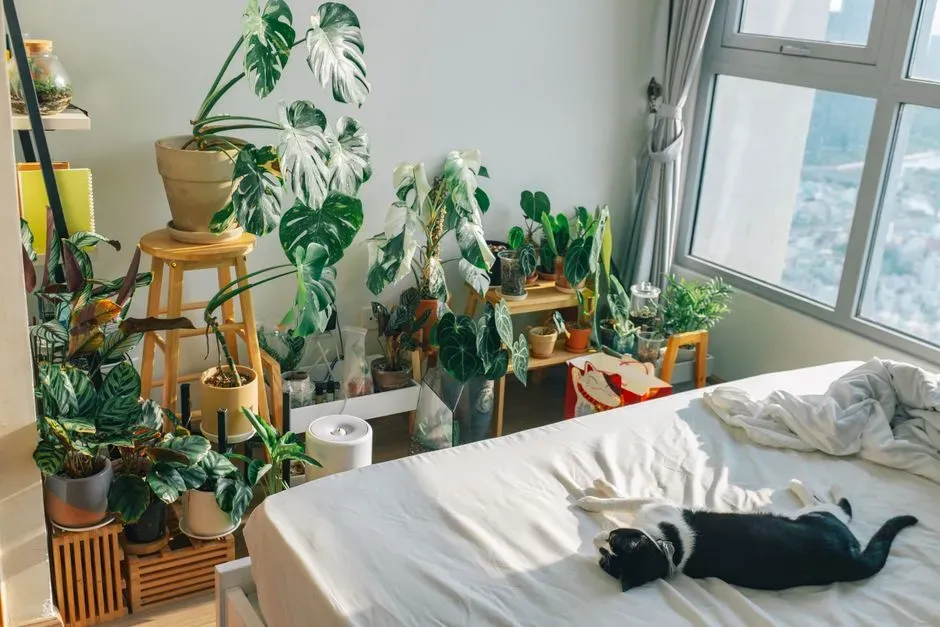
Rooms that include natural materials tend to feel warmer and more grounded than those built entirely from glass, metal, or plastic finishes. Wood furniture, woven baskets, rattan accents, and stone or ceramic decor introduce texture and imperfection in a way that softens a space visually. This idea overlaps with what’s often called biophilic design, which draws on research suggesting that contact with natural materials and greenery can reduce stress and support better rest.
Houseplants are one of the simplest additions here, provided they’re suited to lower indoor light levels common in bedrooms. Snake plants, pothos, and ZZ plants are frequently recommended for bedrooms because they tolerate low light and irregular watering while still adding a living, organic element to the room. Even a single well-placed plant on a nightstand can shift a room from purely functional to something closer to a small sanctuary.
5. Declutter and simplify what’s visible
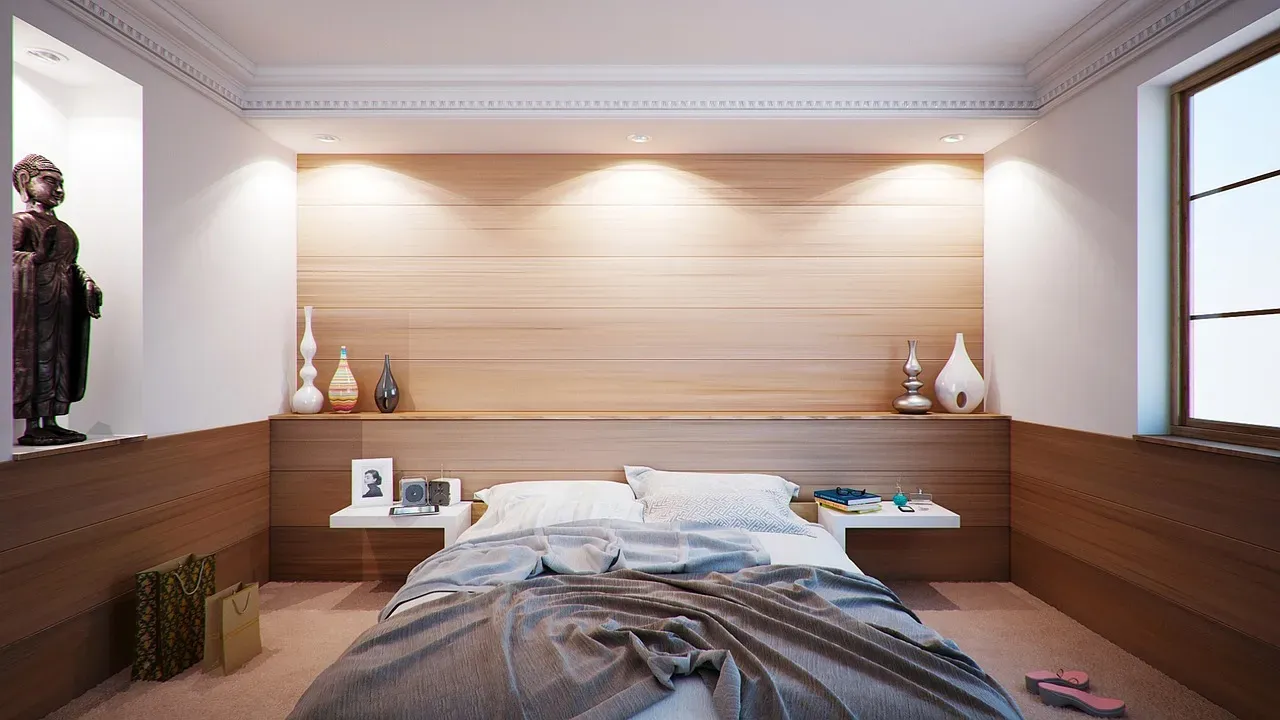
Coziness is often confused with abundance, but a cluttered room usually feels stressful rather than comforting, even if every item in it is soft or warm-toned. Visual clutter has been linked in behavioral research to increased cortisol levels and a harder time relaxing, which runs directly counter to what a bedroom is supposed to do. Clearing nightstands down to a lamp, a book, and maybe a small plant tends to make a space feel calmer almost immediately.
This doesn’t mean stripping the room of personality. It means being selective about what stays visible versus what gets tucked into a drawer or closet. A few meaningful objects, like a framed photo or a favorite candle, read as intentional, while a dozen scattered items on every surface start to feel like background noise the mind has to filter out before it can settle.
6. Add scent and sound to round out the atmosphere
Coziness isn’t only visual. Scent has a strong tie to memory and mood through the brain’s limbic system, which is part of why a familiar smell, like lavender, cedar, or vanilla, can make a room feel instantly more settled. Diffusers, scented candles, or even a sachet tucked into a drawer are low-effort ways to bring this in without overwhelming the space.
Sound matters too, though it’s easier to overlook. A white noise machine, a soft playlist, or simply the quiet hum of a fan can mask disruptive outside noise and signal to the brain that it’s time to wind down. Sleep specialists often point to consistent, low-level background sound as a helpful cue for the body’s transition into rest, especially in homes with variable street noise or shared walls.
None of these six changes require a full redesign or a significant financial investment. Layered textiles, warmer lighting, a cohesive palette, natural materials, a decluttered surface, and a bit of attention to scent and sound work together rather than in isolation. Small, consistent choices like these tend to compound, turning an ordinary bedroom into a space that actually feels restorative to be in.