
1. Repaint an accent wall
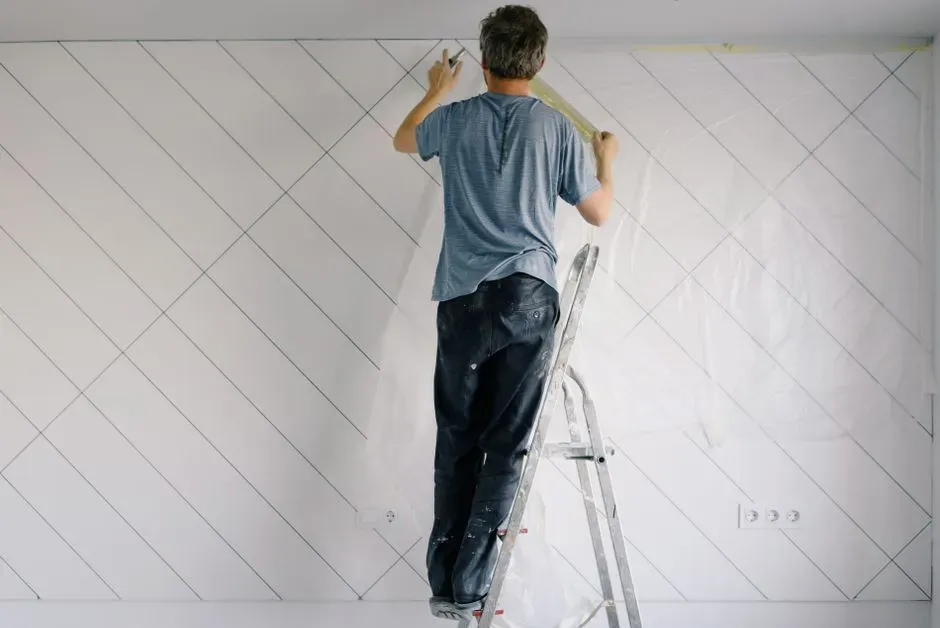
Painting one wall in a bold or unexpected color remains one of the fastest ways to change how a room feels without committing to a full repaint. A single accent wall typically takes a few hours to prep, tape, and apply two coats, leaving plenty of time for drying between coats over . Many homeowners choose the wall behind a bed, sofa, or fireplace since these tend to draw the eye first.
Paint remains one of the most cost-effective renovation choices, with a gallon typically covering around 350 to 400 square feet depending on the surface. Deeper tones like navy, forest green, or terracotta have stayed popular through 2025 and into 2026 as homeowners lean into richer, more grounded color palettes instead of stark white walls. The project requires minimal tools: painter’s tape, a roller, an angled brush, and a drop cloth.
2. Install a tile backsplash
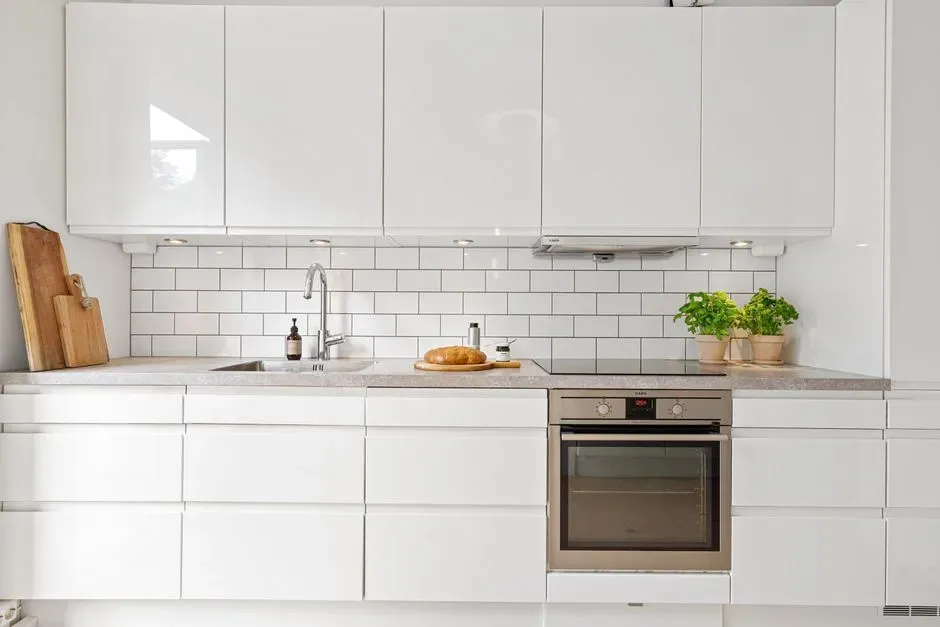
A kitchen backsplash update is one of those projects that looks far more complicated than it actually is, especially with peel-and-stick tile options or smaller mosaic sheets. Most standard kitchen backsplashes cover a modest square footage between the countertop and upper cabinets, which keeps the job manageable for a first-timer. Measuring, cutting tile to fit outlets and corners, and applying adhesive can realistically be done in a single day, with grouting completed the next.
Subway tile continues to be a dependable choice because of its clean lines and affordability, though textured and patterned tiles have gained traction recently for adding visual interest without overwhelming a kitchen. Basic tools include a tile cutter or snips for peel-and-stick versions, a notched trowel for adhesive, and grout float. Ventilation matters when using traditional adhesive and grout, so cracking a window or running a fan helps the area cure properly.
3. Build a raised garden bed
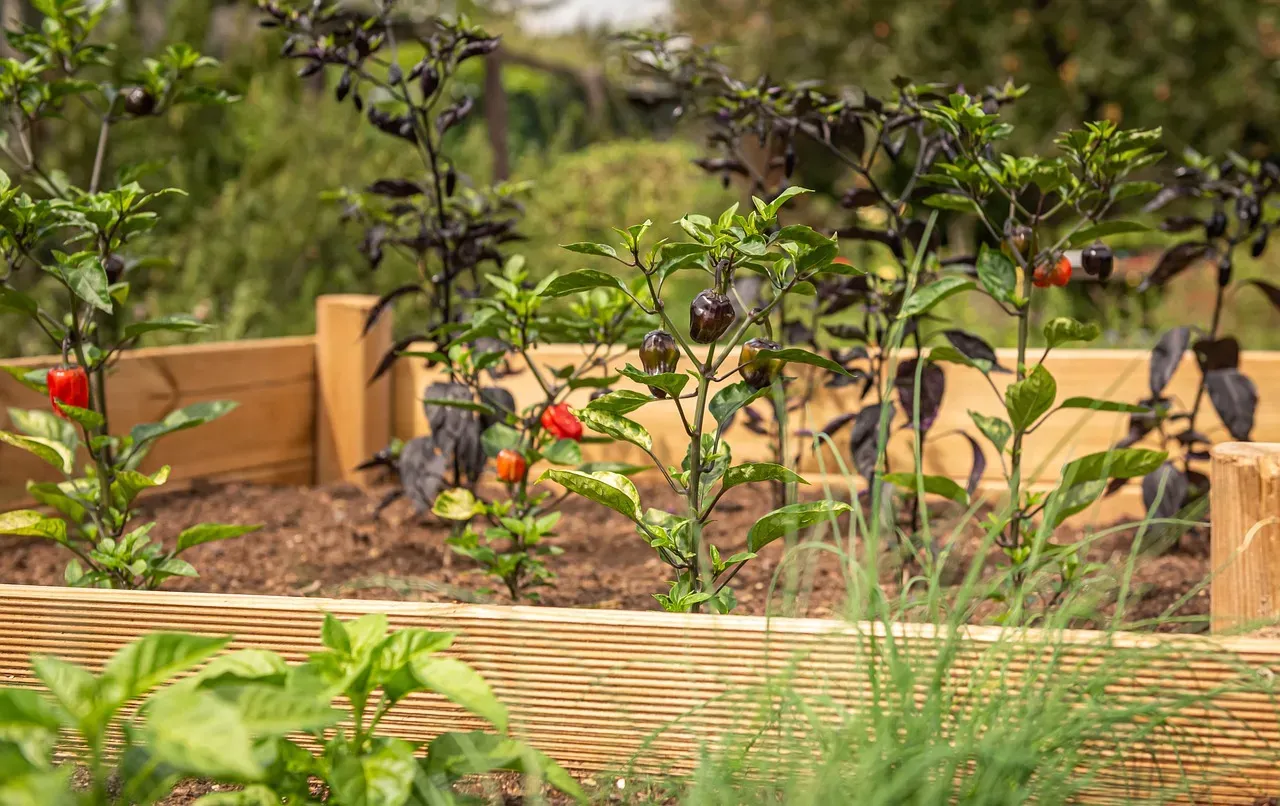
Raised garden beds solve a lot of problems at once: better drainage, fewer weeds, and soil you actually control rather than whatever is native to your yard. A basic rectangular bed made from cedar or pine boards can be assembled with simple butt joints and screws, no advanced carpentry required. Most weekend builders complete the frame construction on day one and fill it with soil and compost on day two.
Cedar remains a favored material because of its natural resistance to rot and insects, even though it costs more upfront than untreated pine. A typical bed sized around four feet by eight feet gives enough planting space for a mix of vegetables or flowers while still being narrow enough to reach across without stepping inside. Filling the bed usually calls for a blend of topsoil, compost, and sometimes a layer of coarse material at the bottom to improve drainage.
4. Refresh kitchen cabinets with new hardware and paint
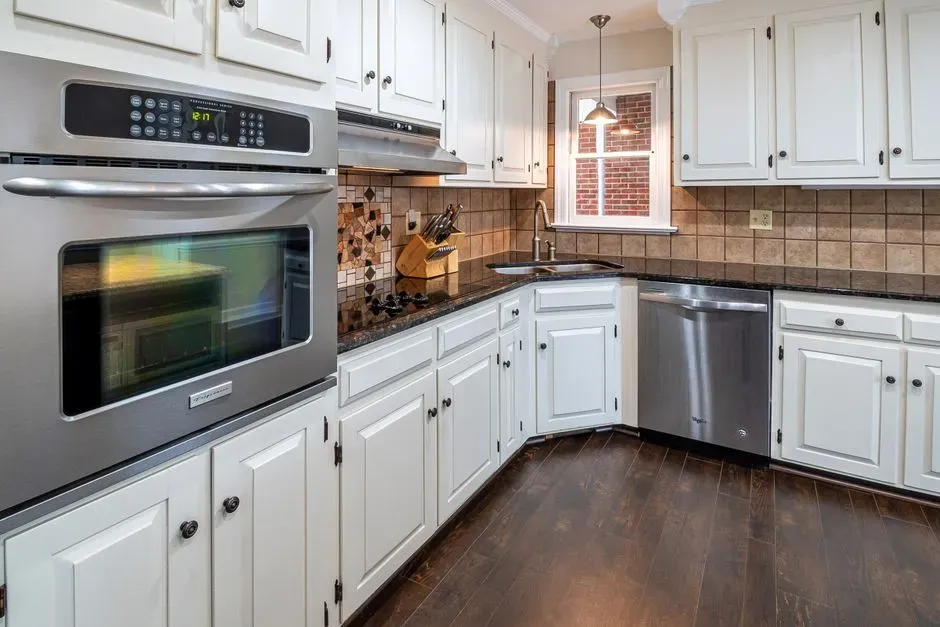
Full cabinet replacement is expensive and disruptive, but swapping hardware and applying a fresh coat of paint can transform a kitchen’s entire mood in . The process starts with removing doors and drawer fronts, labeling them, and giving surfaces a light sand before priming. Cabinet-specific paint or a bonding primer helps the finish hold up against daily use, moisture, and grease.
Matte black, brushed brass, and satin nickel hardware have remained steady favorites through 2025 and 2026, often replacing older polished brass or oil-rubbed bronze pulls. Because doors need drying time between coats, many people prime and paint on Saturday, then reinstall hardware and rehang doors on Sunday once everything has cured. This project also gives a natural opportunity to check hinges and add soft-close mechanisms if the originals are worn.
5. Lay peel-and-stick flooring in a small room
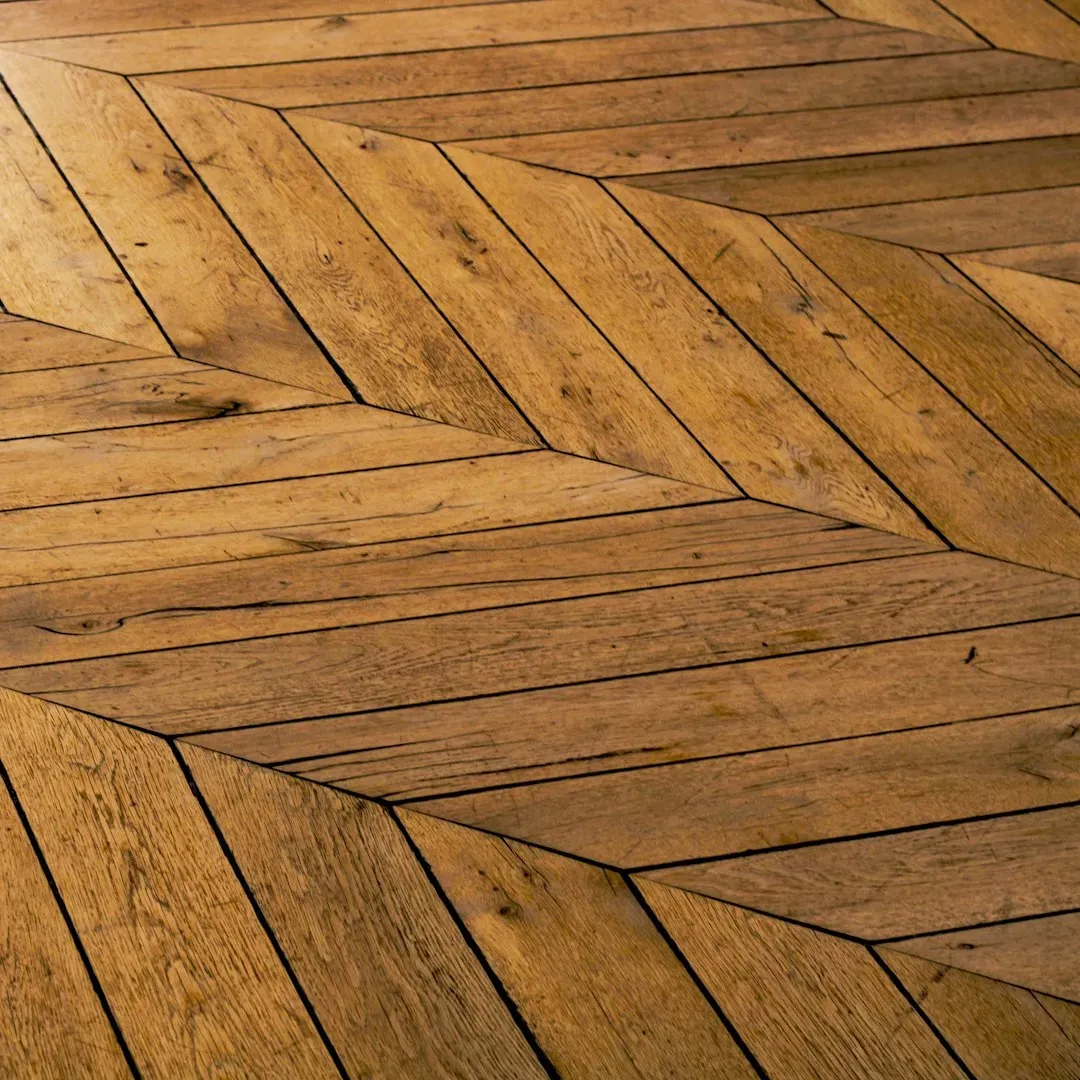
Peel-and-stick vinyl planks or tiles have become a go-to option for renters and homeowners alike because they require no special tools and no drying time before walking on them. A small bathroom, closet, laundry nook, or home office floor can realistically be finished in a single afternoon once the subfloor is clean and level. The material simply peels away from a backing sheet and presses directly onto the existing floor, provided that surface is smooth and free of debris.
Manufacturers have improved the realism of wood and stone patterns significantly in recent years, making it harder to distinguish peel-and-stick options from pricier engineered flooring at a glance. A basic score-and-snap cutting method with a utility knife handles most edge pieces around doorways and corners. This project works especially well as a first flooring attempt since mistakes are easy to peel up and redo before the adhesive fully sets.
6. Build a floating shelf wall
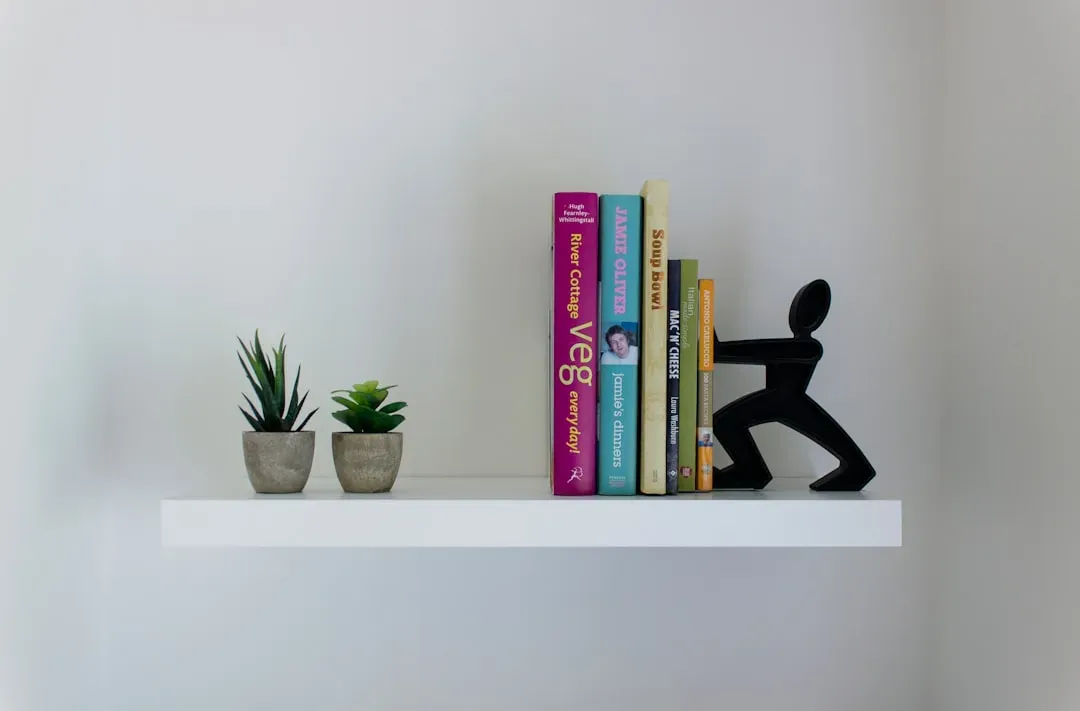
Floating shelves offer storage and display space without the visual bulk of traditional bookcases, and a small cluster of them can be installed in a few hours once wall studs are located. Brackets are typically hidden inside the shelf itself, giving a clean, seemingly unsupported look once mounted. Spacing them in a staggered or symmetrical pattern across a wall creates a gallery-style display for books, plants, or framed photos.
Finding studs with a simple stud finder tool, then using appropriate anchors when studs aren’t available, keeps the shelves secure under weight. Many home centers now sell pre-finished floating shelf kits in various wood tones, cutting out the sanding and staining step entirely. is more than enough time to plan the layout, mount the brackets, and style the finished shelves with everyday items.
7. Power wash the exterior
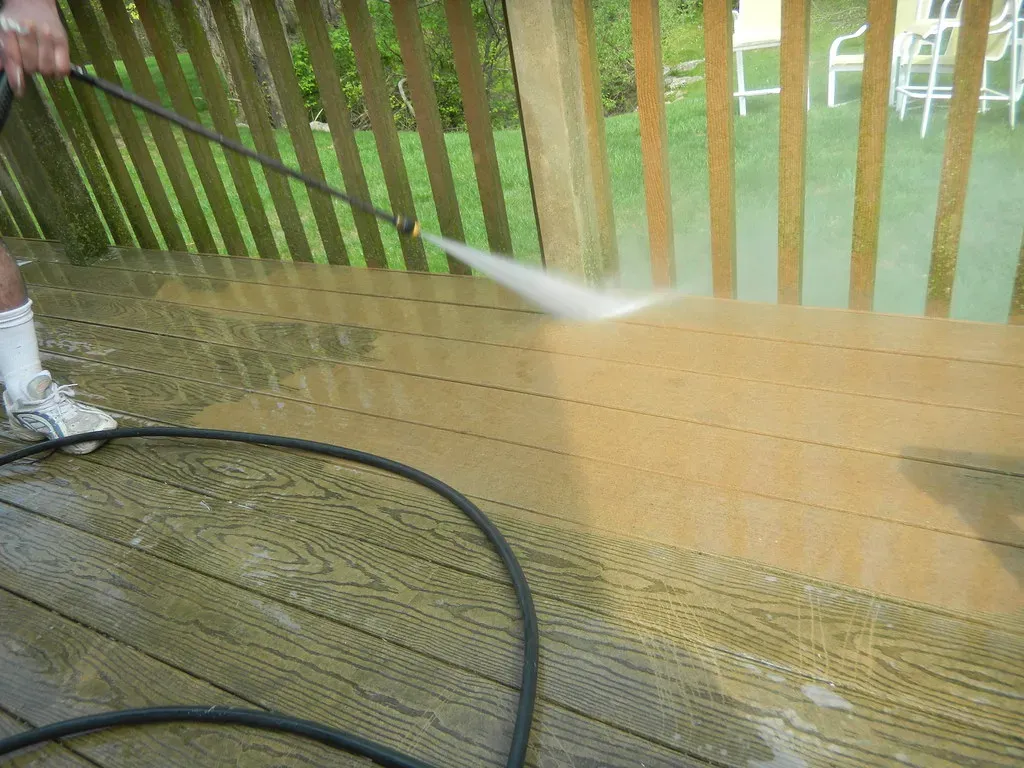
Power washing siding, walkways, and decks removes years of grime, mildew, and pollen buildup that regular rain simply can’t wash away. Rental pressure washers are widely available at hardware stores, making this an accessible project even for someone who has never operated one before. A full exterior job, including siding, driveway, and porch, generally fits comfortably into a single weekend depending on house size.
Using the correct pressure setting matters since higher settings can damage softer materials like wood siding or aging mortar. Many professionals and manufacturers recommend starting with a lower pressure nozzle and testing a small hidden area before tackling the full surface. Beyond the visual improvement, regular power washing helps extend the life of exterior materials by removing organic growth that can trap moisture against surfaces over time.
8. Organize and finish the garage
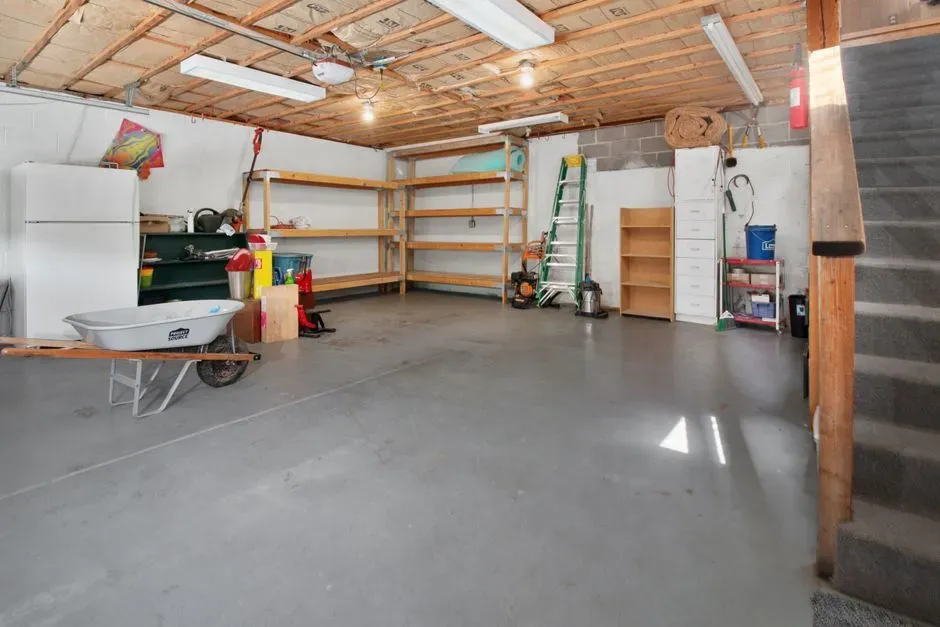
Garages tend to become storage dumping grounds, and a focused weekend can turn chaos into a functional space with wall-mounted storage systems, pegboards, or simple shelving units. Sorting items into keep, donate, and discard piles on day one clears enough space to install storage solutions on day two. Vertical storage, using wall space rather than floor space, remains one of the most effective strategies for maximizing a garage’s usable area.
Slotted wall panel systems and heavy-duty shelving have grown in popularity because they allow tools, sports equipment, and seasonal items to be organized without permanent modifications to drywall. Adding labeled bins for smaller items prevents the space from sliding back into clutter within a few months. A garage overhaul also presents a good opportunity to sweep, address any oil stains on the floor, and check that lighting is adequate for the space’s actual use.
Each of these projects shares a common thread: noticeable results without months of planning or a specialized skill set. Picking one that matches your current frustration, whether that’s a dated kitchen, a cluttered garage, or a yard begging for a garden bed, makes the choice easier than trying to do everything at once. Most tools and materials for these projects are available at any hardware store, and most can be completed with a modest budget and a free weekend.