
1. Warm, layered lighting instead of one harsh overhead bulb
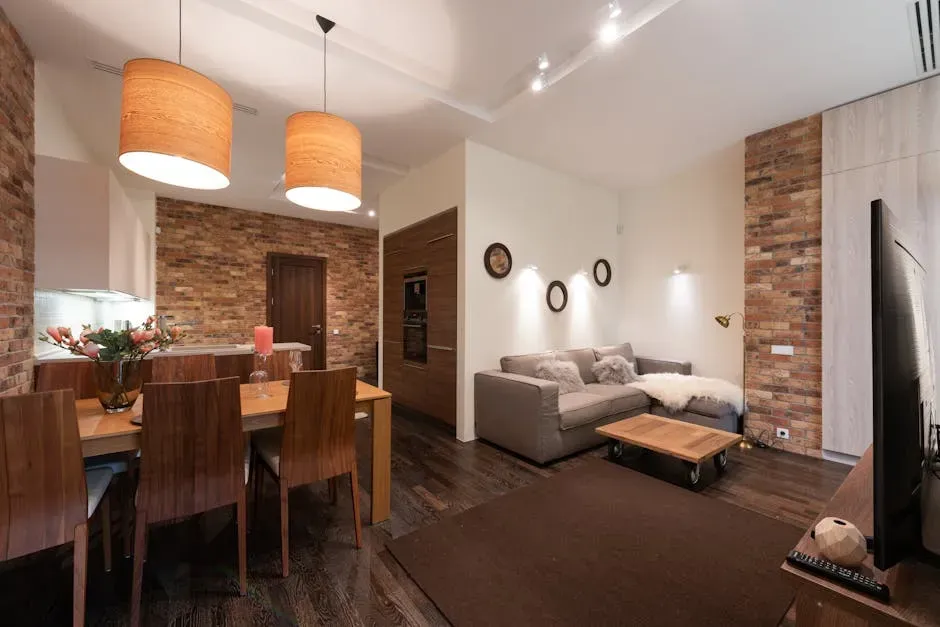
Lighting shapes mood faster than almost anything else in a room. A single overhead fixture tends to flatten a space and cast unflattering shadows, which is why designers usually recommend at least three light sources per room, such as a floor lamp, a table lamp, and an overhead fixture working together. Warmer bulbs in the 2700K to 3000K range mimic the softness of candlelight and tend to feel more relaxing than the cooler, bluish tones often found in office lighting.
Dimmer switches have become increasingly common in home renovations because they let a single room shift from bright and functional during the day to soft and cozy at night. Even small additions like a lamp on a side table or under-cabinet lighting in a kitchen can soften a space considerably. The goal is not brightness for its own sake but light that feels intentional and adjustable.
2. A scent that feels lived in, not artificial

Smell is tied closely to memory and emotional response, which is part of why real estate agents have long suggested baking cookies or brewing coffee before an open house. That effect works at home too. A subtle, consistent scent, whether from a simmering pot, a candle, or fresh herbs on a windowsill, signals that a space is cared for and active rather than empty or unused.
The key word is subtle. Overpowering air fresheners or heavily scented candles can have the opposite effect, making a room feel like it is trying too hard to cover something up. Natural, gentle scents like citrus, vanilla, or fresh linen tend to read as more genuine than synthetic floral blends.
3. Textures that invite touch
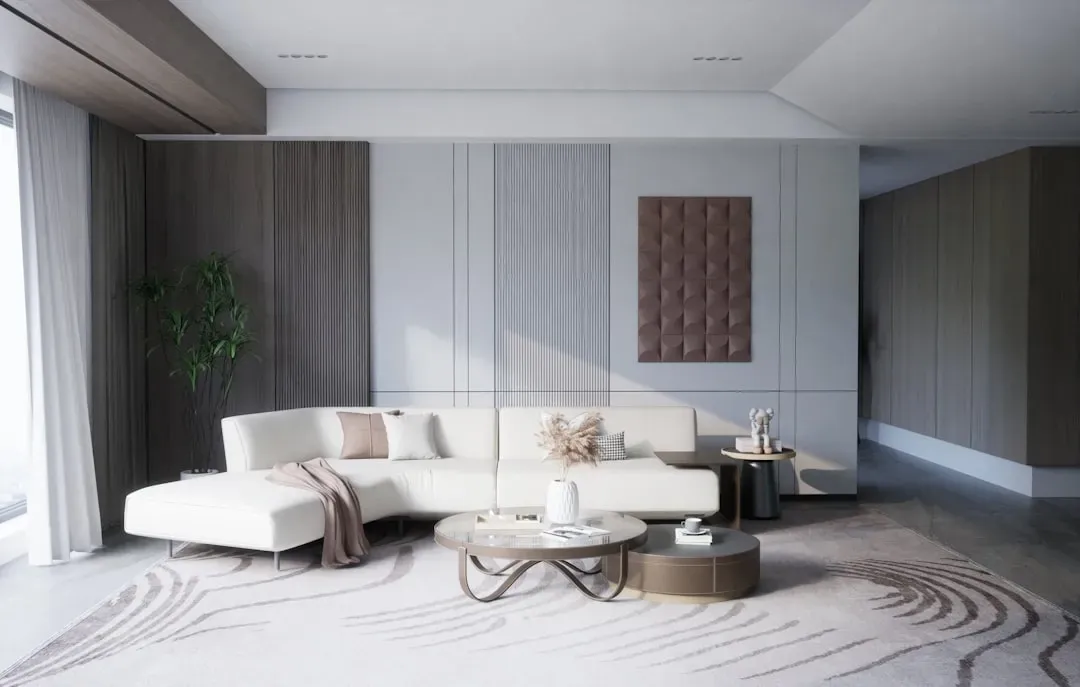
Rooms that feel sterile often share one trait: everything is hard, smooth, and flat. Adding texture through a chunky knit throw, a woven rug, linen curtains, or a slightly worn leather chair gives a space depth and makes it feel like it can actually be used, not just looked at. Interior designers frequently point to texture as one of the fastest ways to make a minimalist or modern room feel less clinical.
Mixing materials matters more than matching them. A room with wood, wool, ceramic, and metal elements together tends to feel more collected and personal than one where every surface is the same finish. This is also why fully matched furniture sets, while tidy, can sometimes feel more like a showroom than a home.
4. Comfortable, well-placed seating for conversation
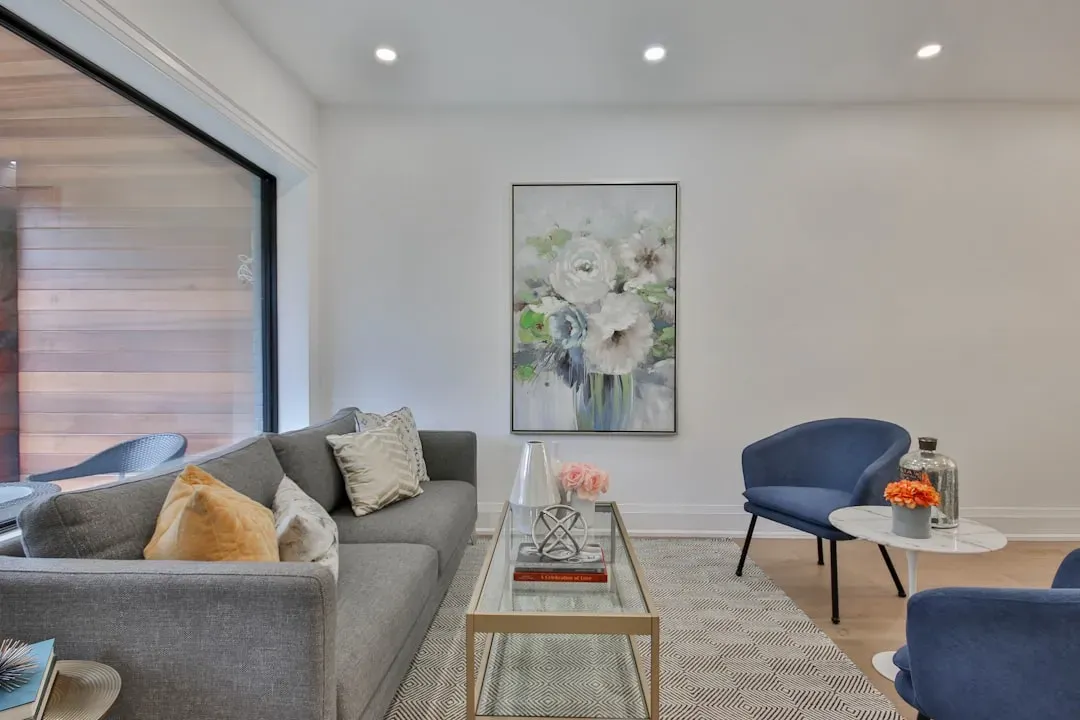
A living room arranged so that seating faces a television and nothing else can feel oddly isolating, even with plenty of chairs. Spaces that feel inviting are usually arranged so people can actually see and talk to each other, with seating angled toward a central point rather than lined up against walls. This is a basic principle in hospitality design, where lounges and hotel lobbies are built specifically to encourage conversation.
Comfort matters as much as arrangement. A slightly worn, deep armchair that people actually sink into often does more for a room’s warmth than a stiff, formal sofa that looks good but discourages lingering. If guests gravitate toward the kitchen island instead of the living room, it is often because the seating there feels more relaxed and closer together.
5. Personal objects and visible history
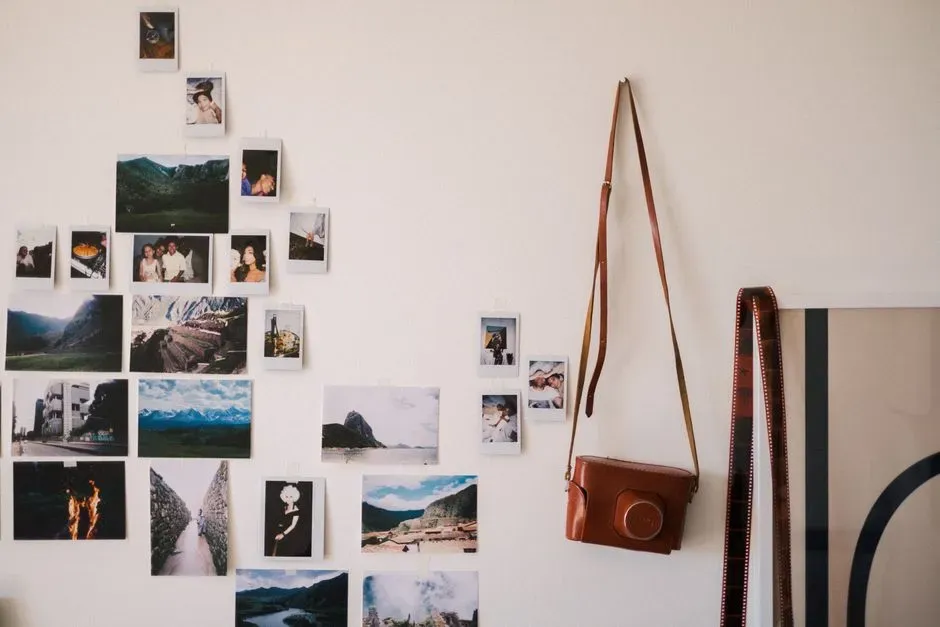
Homes that feel sterile are often the ones with nothing on the walls or shelves that reveals who lives there. Family photos, travel souvenirs, books with cracked spines, or a child’s artwork on the fridge all signal that a space has a story. Design psychologists have noted that personal artifacts help occupants and visitors feel a sense of identity and belonging within a space.
This does not mean cluttering every surface. A few meaningful, well-placed items, such as a shelf of favorite books or a small gallery of photos, tend to carry more warmth than a home either stripped completely bare or overflowing with knickknacks. The balance point is personal, but the presence of some visible history is almost always part of what makes a house feel like a home rather than a listing.
6. Plants and other signs of life
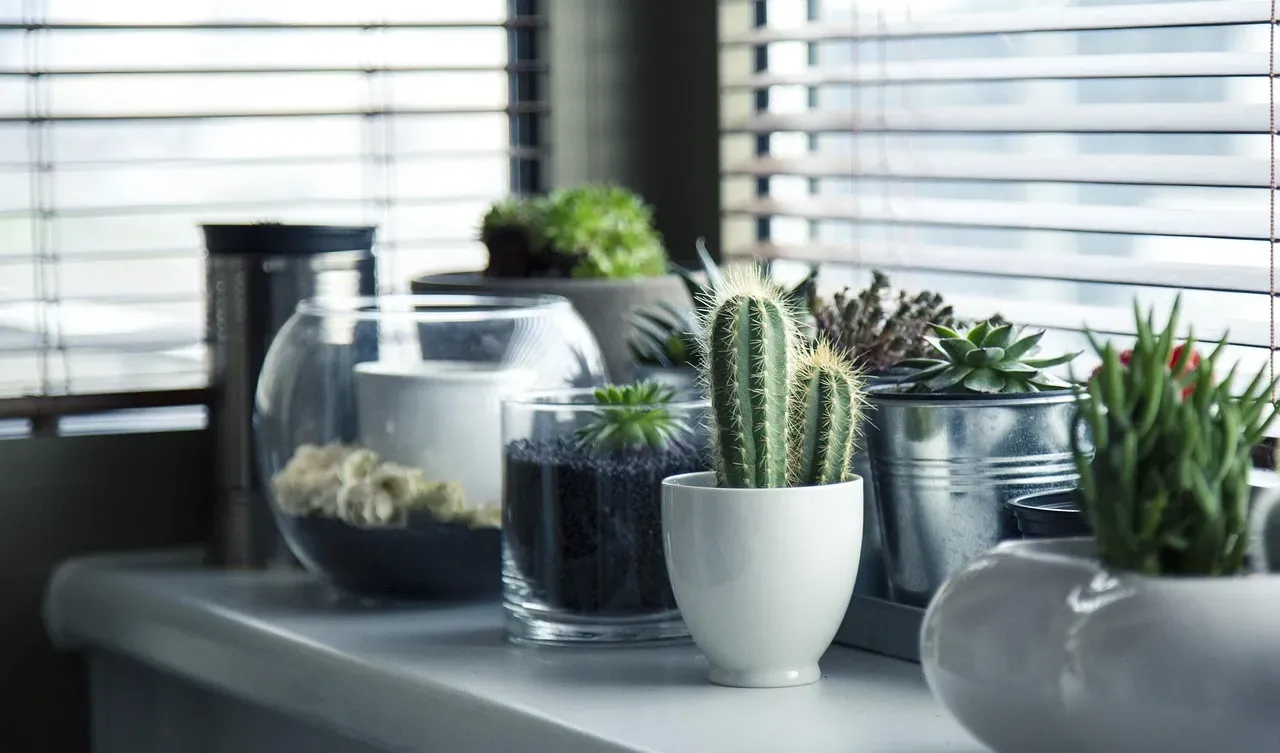
Greenery remains one of the most consistent, low-cost ways to soften a room. Even a single potted plant on a windowsill introduces color, texture, and a sense that the space is being tended to regularly. Research on biophilic design, which studies how contact with nature affects wellbeing indoors, has repeatedly linked indoor plants to reduced stress and improved mood in home and office settings.
Low-maintenance options like pothos, snake plants, or succulents have become popular in recent years partly because they survive neglect while still delivering that visual effect. Fresh cut flowers work too, though they require more upkeep. Either way, living greenery reads as a sign that someone is present and paying attention, which is a large part of what “inviting” actually means.
7. A clean, uncluttered entryway
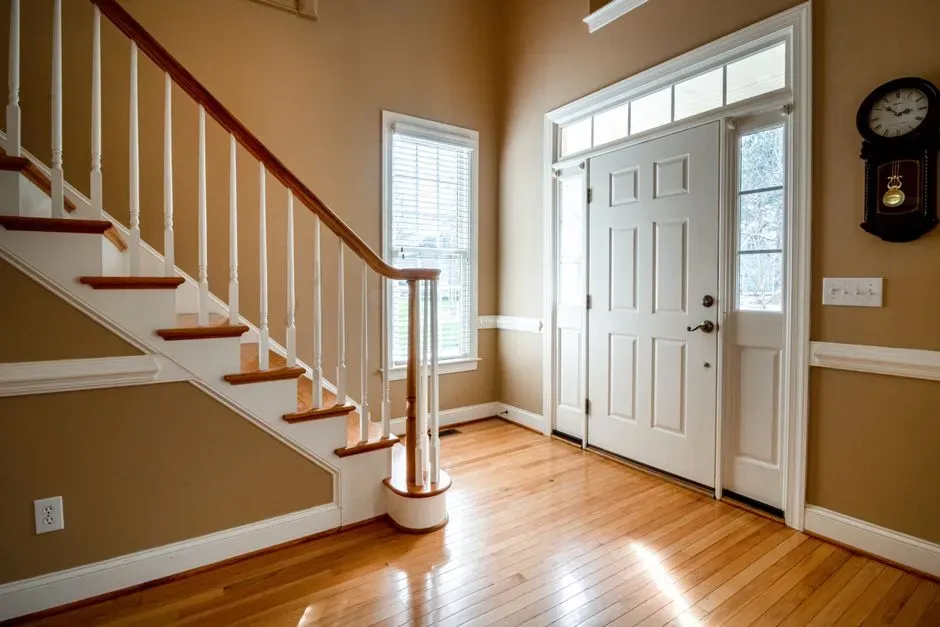
First impressions form quickly, and the entryway sets the tone before anyone even sees the rest of the house. A cluttered pile of shoes, mail, and coats at the door can make an entire home feel chaotic, even if the living room beyond it is spotless. Simple additions like a bench, a small basket for shoes, or hooks for coats give guests an immediate, visible sense of order.
This section of the home does not need to be elaborate. A small rug, a mirror, and adequate lighting near the door are often enough to make the transition from outside to inside feel deliberate rather than abrupt. Real estate professionals often mention the entryway specifically because it disproportionately shapes how buyers judge a home within the first few seconds.
8. Music or ambient sound instead of silence
Total silence in a home can feel unexpectedly cold, almost like walking into an unoccupied building. A little ambient sound, whether it is quiet background music, the hum of a fan, or even the sound of water running in the kitchen, tends to make a space feel occupied and alive. This is a well-documented principle in retail and hospitality design, where background audio is deliberately chosen to shape mood and pace.
At home, this does not need to be constant or curated. Simply playing music while cooking, or leaving a window cracked so outside sounds filter in, can shift the atmosphere of a room noticeably. Streaming services have made this easier than ever, with many people now keeping a rotating playlist specifically for having people over.
Small changes across lighting, scent, texture, sound, and personal touches tend to add up faster than any single big purchase. None of these eight elements require major renovation or significant expense, which is part of why they show up so consistently in advice from designers, real estate professionals, and psychologists studying home environments. The common thread is attention: a house feels inviting when it is clear that someone is paying attention to how it feels to be inside it, not just how it looks in photos.