
A dim living room can make even a well-decorated space feel smaller and less inviting. The good news is that brightening a room rarely requires a major renovation or a big budget. Small, intentional changes to light, color, and layout can transform how a space feels within a single weekend.
Whether you’re dealing with limited natural light or just want your living room to feel more open and cheerful, these seven approaches offer practical, achievable results for almost any home.
1. Swap heavy curtains for sheer or light-colored window treatments
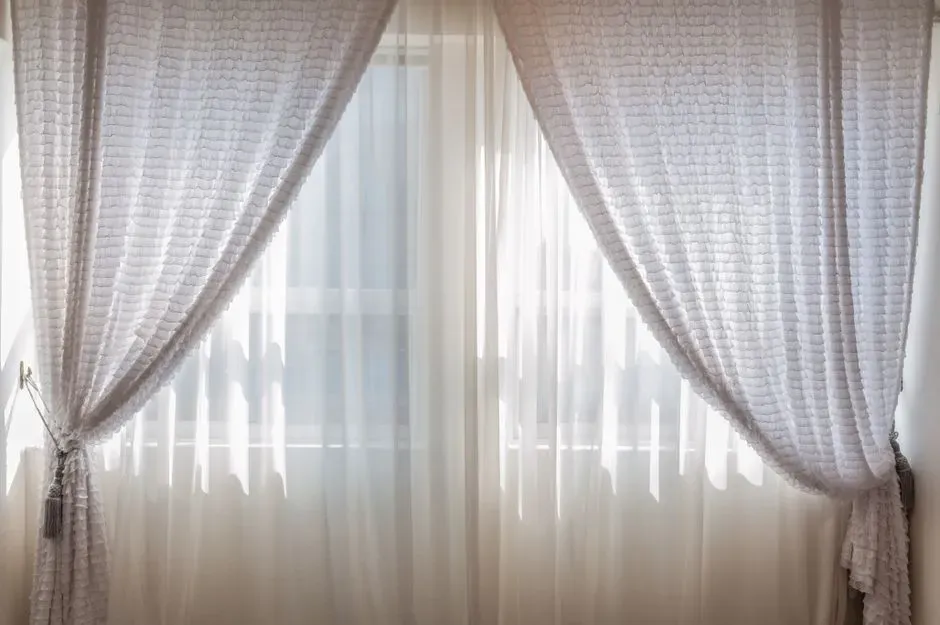
Heavy drapes in dark fabrics block a surprising amount of natural light, even when they’re pulled back. Sheer curtains or lightweight linen panels let sunlight filter through while still offering privacy during the day. Interior designers frequently point to window treatments as one of the fastest ways to change how much daylight actually reaches the interior of a room.
If privacy is a concern, layering sheers with side panels that can be fully opened during the day works well. Light colors like white, cream, or pale gray reflect more light than darker tones, which absorb it. This single swap can noticeably shift the mood of a room without touching paint or furniture.
2. Choose a lighter, reflective paint color for walls

Wall color affects how light bounces around a room more than most people realize. Whites, soft off-whites, and pale neutrals reflect a significant portion of the light that hits them, while darker shades absorb it and can make a room feel closed in. Paint manufacturers like Sherwin-Williams and Benjamin Moore have both highlighted how finish and hue combine to influence perceived brightness in a space.
Beyond the base color, finish matters too. Eggshell or satin finishes reflect more light than flat matte paint, giving walls a subtle glow. Even keeping trim and ceilings a shade lighter than the walls can create the illusion of a taller, airier room.
3. Add mirrors to bounce light around the room
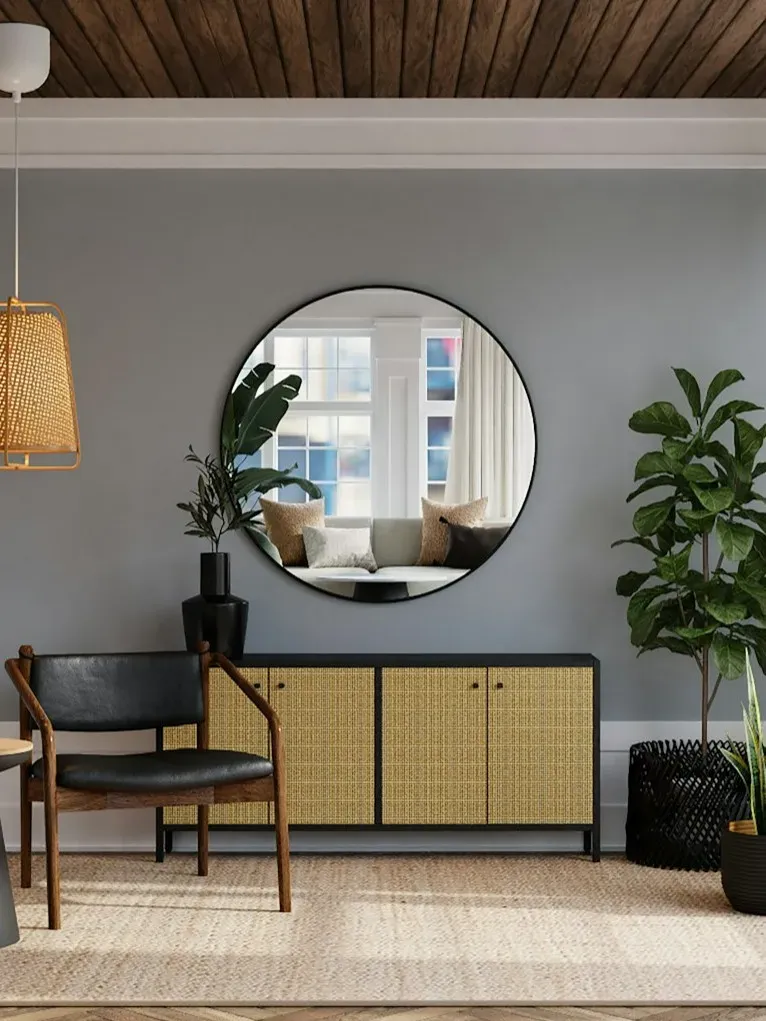
Mirrors have long been a designer trick for making rooms feel bigger and brighter, and the logic behind it is simple physics. A well-placed mirror reflects both natural and artificial light, effectively doubling the sense of illumination in a space. Placing a mirror directly across from a window is one of the most effective positions, since it reflects the outdoor light back into the room.
Large statement mirrors work well as focal points, but smaller mirrors grouped together can achieve a similar effect on a tighter budget. Metallic-framed or unframed glass mirrors tend to blend more seamlessly into a variety of decor styles. This is one of the cheapest upgrades on this list relative to the visual impact it delivers.
4. Layer different types of lighting instead of relying on one source
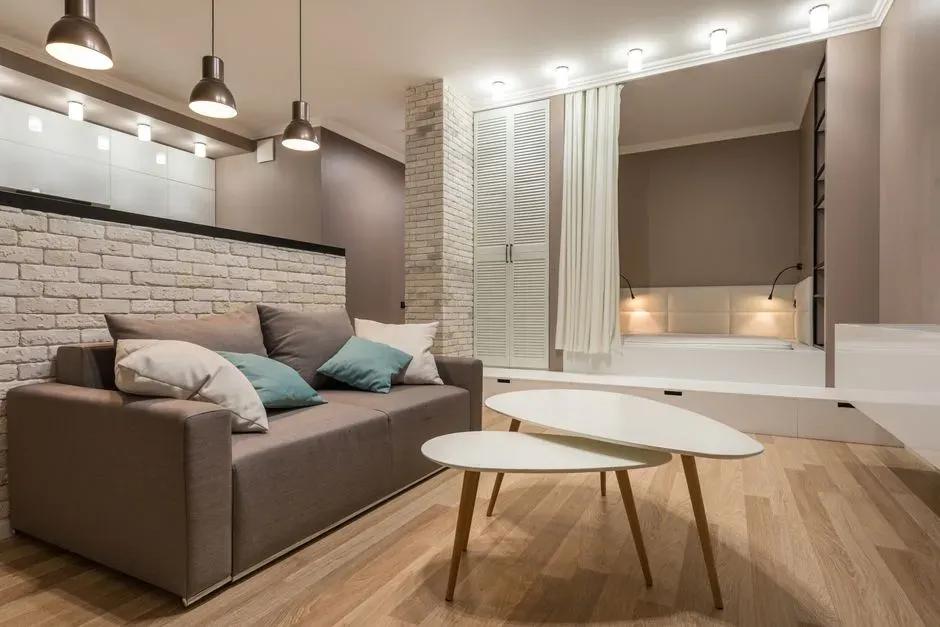
Many living rooms rely on a single overhead fixture, which creates uneven light and harsh shadows in corners. Lighting designers generally recommend combining ambient, task, and accent lighting, meaning a mix of ceiling fixtures, floor or table lamps, and smaller accent lights. This layered approach fills in shadows and makes the whole room feel evenly lit rather than spotlighted in just one area.
Warm white LED bulbs in the 2700K to 3000K range tend to feel cozy without appearing dim, while cooler bulbs around 4000K can make a space feel crisper and brighter. Floor lamps tucked into dark corners and table lamps near seating areas both help eliminate the shadowy patches that make a room feel gloomy. Dimmer switches add flexibility, letting the same room feel bright during the day and softer in the evening.
5. Declutter and simplify furniture arrangements
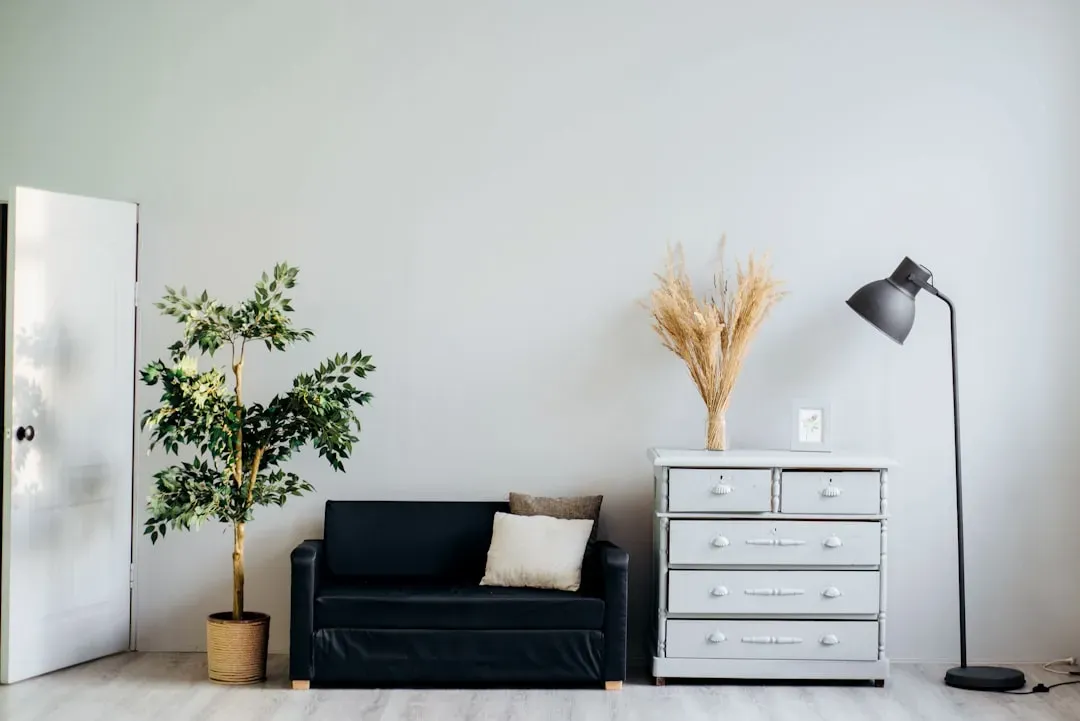
Visual clutter absorbs light and creates a sense of heaviness, even in a room that technically has enough windows and lamps. Removing excess furniture, stacks of books, or decorative objects that block windows or walkways immediately opens up the sightlines in a room. Interior designers often note that negative space, meaning the empty areas between objects, plays a major role in how airy a room feels.
Furniture with slimmer profiles or exposed legs also lets more light pass underneath and around pieces compared to bulky, low-slung sofas. Positioning larger furniture away from windows ensures natural light isn’t blocked at its source. A simpler arrangement doesn’t just look tidier, it genuinely changes how much light circulates through the space.
6. Incorporate light-reflecting textures and materials
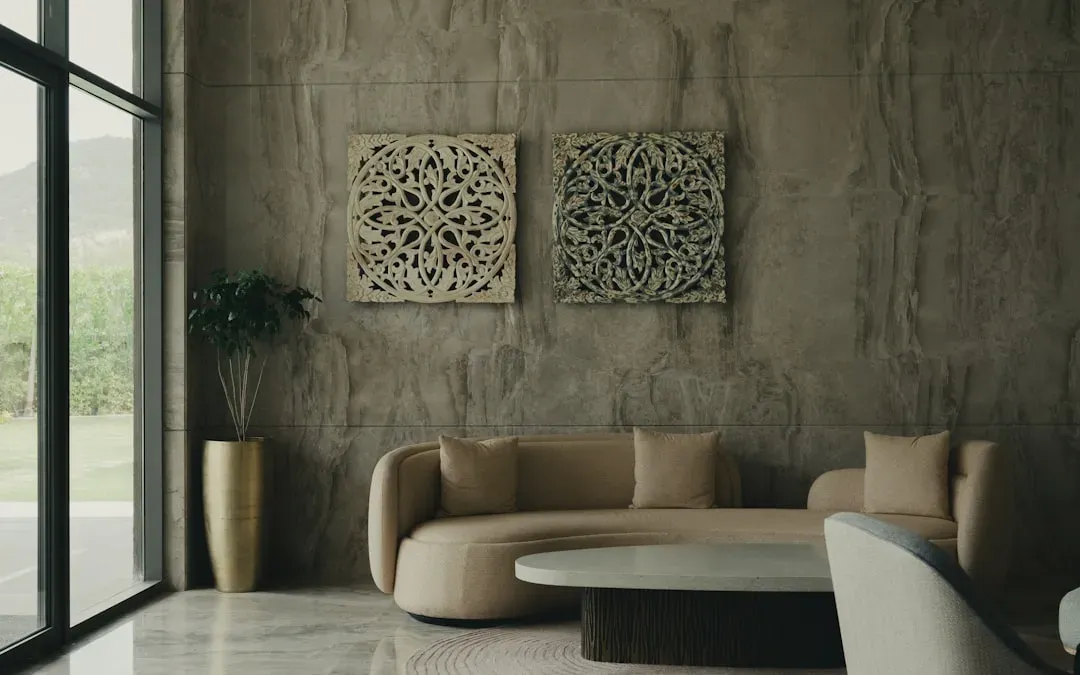
Matte, heavy fabrics like thick wool or dark velvet absorb light, while glossy, smooth, or metallic surfaces reflect it back into the room. Adding elements like a glass coffee table, a lacquered side table, or metallic accent pieces introduces subtle reflective surfaces without overwhelming the space. Even glossy ceramic vases or polished wood floors contribute to this effect.
Textiles matter too. Light-colored throw pillows in cotton or linen, rather than heavy dark upholstery, add brightness through both color and texture. Area rugs in pale, natural tones can also lighten a room compared to dark, saturated patterns that visually anchor the space downward.
7. Keep windows clean and unobstructed by outdoor growth

It sounds almost too simple, but dirty windows can block a measurable amount of incoming sunlight. Studies on window cleanliness and light transmission have found that dust, grime, and film buildup can significantly reduce the amount of natural light passing through glass. A seasonal cleaning routine, especially after pollen season or winter grime, can restore a surprising amount of brightness.
Outside the glass, overgrown trees, shrubs, or vines can cast shadows that quietly dim a room throughout the day. Trimming back foliage near windows, even by a foot or two, often makes a bigger difference than homeowners expect. This is one of the few tips on this list that costs nothing beyond a bit of time and effort.
Brightening a living room rarely comes down to one dramatic change. It’s usually a combination of small adjustments, like lighter window treatments, smarter lighting layers, a few reflective surfaces, and simply keeping windows clear, that add up to a noticeably fresher, more open space. Most of these updates can be done gradually, room by room, without disrupting daily life or requiring professional help.