
Clutter has a way of creeping back no matter how many times you tidy up. It’s rarely about laziness. Most homes simply don’t have storage systems built around how people actually live and move through their space.
The good news is that a handful of practical, low-cost adjustments can make a lasting difference. These seven ideas focus on function first, so tidiness becomes the natural result rather than a constant chore.
1. Vertical wall storage
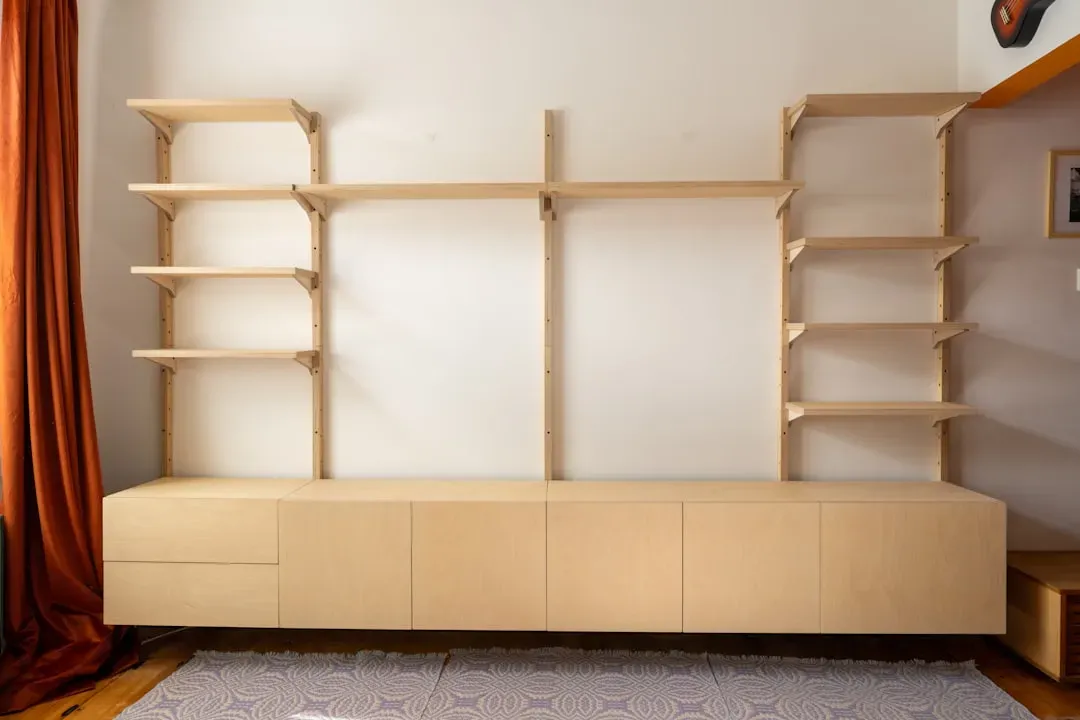
Floor space is limited, but walls are almost always underused. Installing floating shelves, pegboards, or wall-mounted baskets shifts storage upward, freeing up counters and floors for everyday movement. This approach works especially well in kitchens, home offices, and entryways where small items tend to pile up fast.
Pegboards, in particular, have become popular again in recent years for garages and craft rooms because they let you rearrange tools or supplies without drilling new holes each time. A wall of adjustable hooks or shelving can hold far more than a single cabinet, and it keeps items visible so nothing gets lost in the back of a drawer.
2. Under-bed storage bins
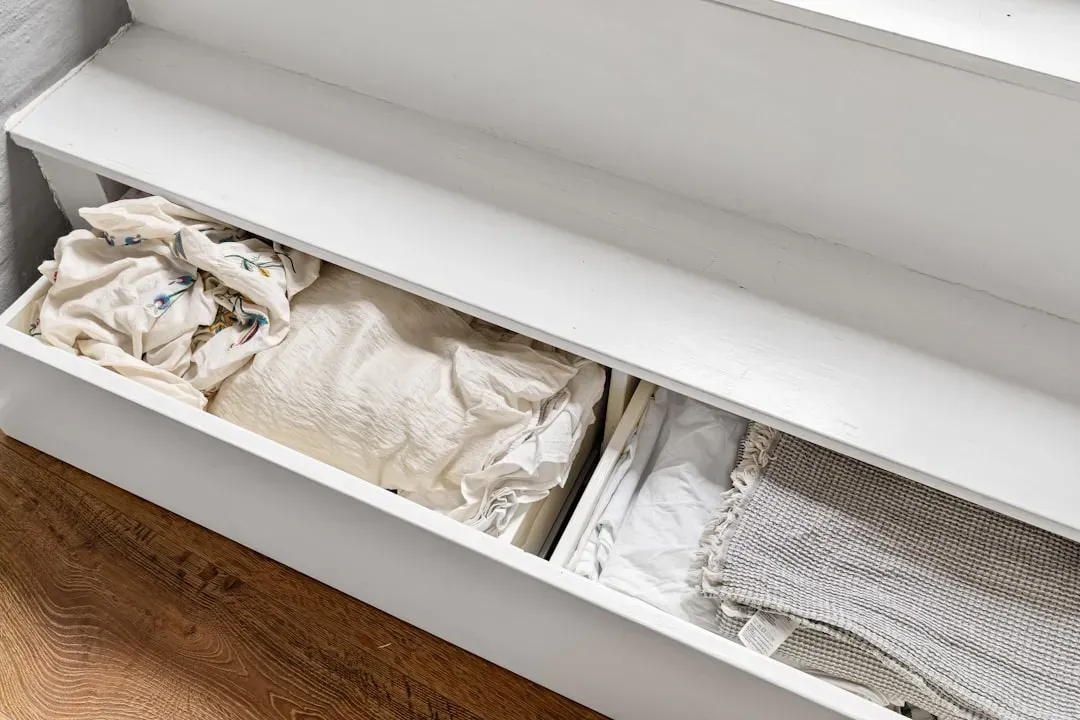
The space under a bed is one of the most overlooked storage zones in a home. Slim rolling bins or vacuum-sealed bags designed for this area can hold out-of-season clothing, extra linens, or shoes without taking up closet real estate. Bed risers are an inexpensive way to add a few extra inches of clearance if the gap underneath feels too tight.
This method works particularly well in smaller apartments, where every square foot matters. Because the storage stays hidden, bedrooms feel calmer and less crowded even when the amount of stuff inside the home hasn’t actually changed.
3. Modular closet systems
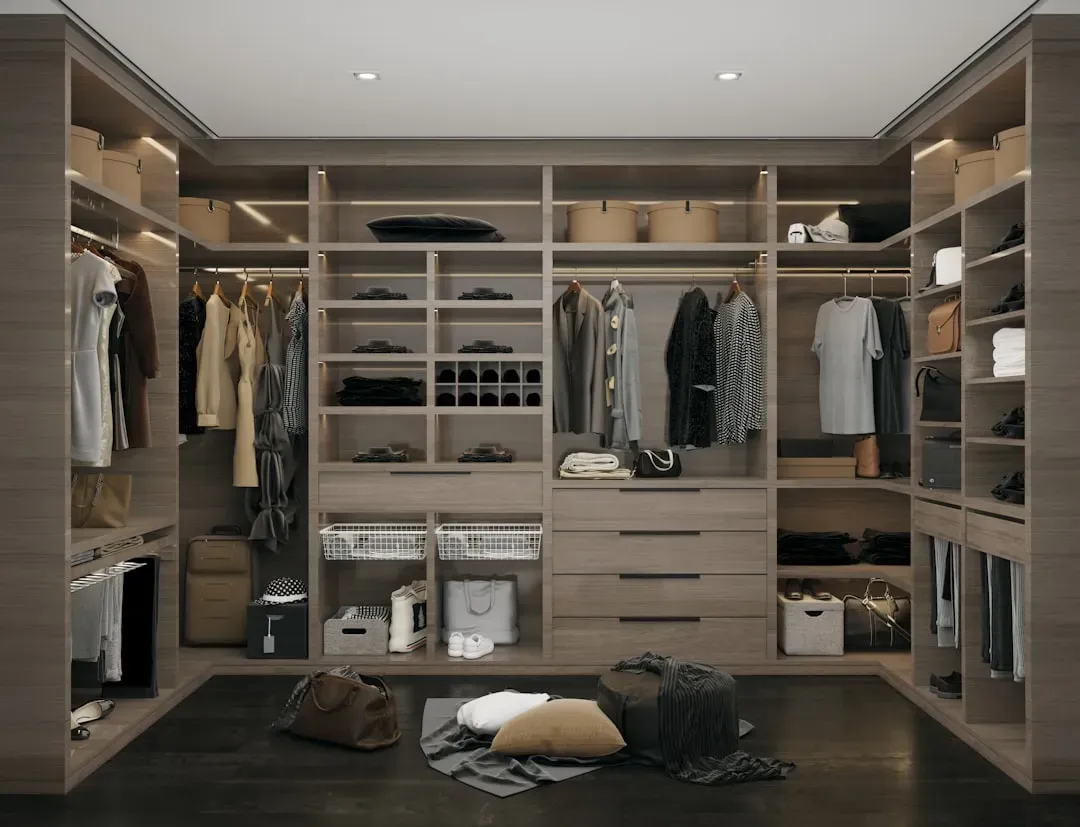
Standard closet rods and a single shelf rarely match how people actually store clothes, shoes, and accessories. Modular systems with adjustable shelves, drawers, and hanging rods let you customize the layout based on your wardrobe rather than forcing your wardrobe to fit a generic setup. Many of these systems are sold in kits that can be reconfigured later, which is useful if your storage needs change over time.
Closet organization has remained one of the most searched home improvement topics in recent years, reflecting how much people struggle with this particular space. A well-planned modular system can effectively double the usable storage in a closet without any structural renovation.
4. Multi-purpose furniture

Furniture that does double duty is one of the most efficient ways to add storage without adding bulk. Storage ottomans, bed frames with built-in drawers, and coffee tables with hidden compartments all give you extra space while still functioning as normal furniture pieces. This is especially valuable in studio apartments or smaller homes where every piece needs to earn its footprint.
Benches with lift-up seats near an entryway can hold shoes, bags, or seasonal gear, keeping the front hallway from turning into a dumping ground. The appeal here isn’t just storage capacity, it’s that the furniture doesn’t look like storage at all, which keeps a room feeling intentional rather than cluttered.
5. Labeled clear containers
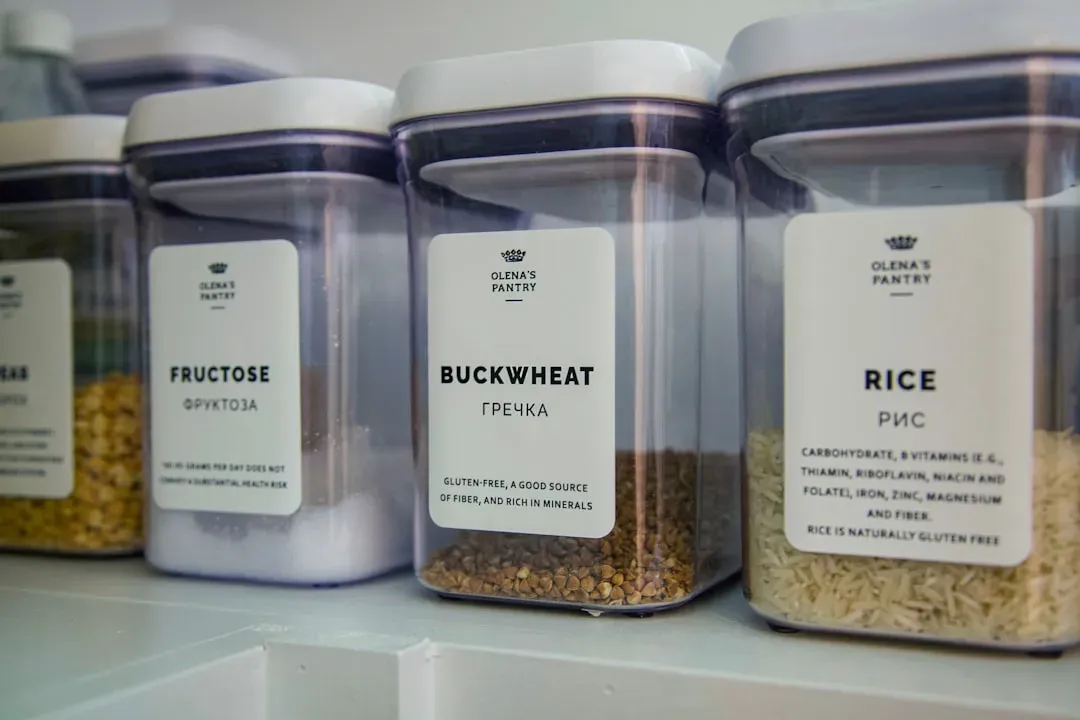
Storage only works if you can actually find what you’re looking for later, and clear, labeled containers solve that problem directly. Being able to see contents at a glance cuts down on the habit of opening five boxes just to locate one item. This is particularly useful for pantries, garages, and closets where similar-looking boxes tend to accumulate over time.
Labeling doesn’t need to be elaborate. Simple handwritten tags or a basic label maker are enough to keep a system consistent, and consistency is what actually prevents clutter from building back up. Once a household commits to matching containers and clear labels, maintaining order becomes noticeably easier.
6. Drawer dividers and organizers
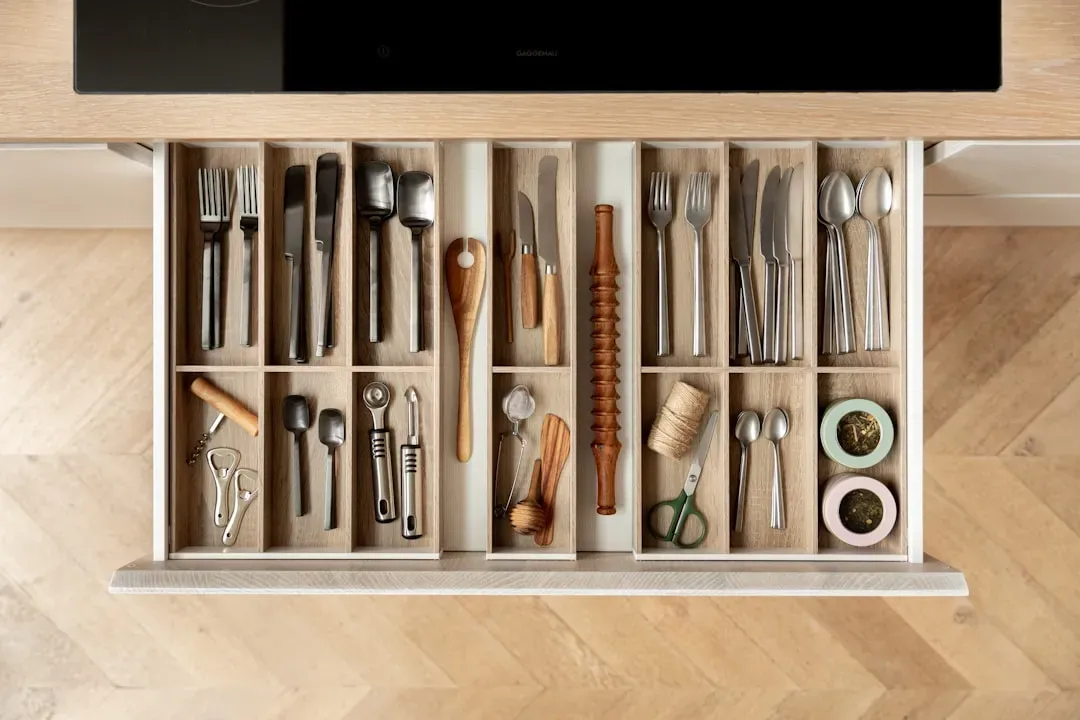
Drawers without dividers almost always end up as catch-alls for random items, from kitchen utensils to office supplies. Adding adjustable dividers creates defined sections, which makes it easier to put things back in the same spot every time. This small change reduces the mental effort involved in staying organized, since there’s less decision-making about where something belongs.
Kitchen drawers benefit especially from this approach, since utensils, gadgets, and small tools tend to multiply quickly. Bathroom drawers are another common trouble spot, where dividers can separate skincare products, medications, and grooming tools that otherwise end up in a tangled pile.
7. Rotating or lazy susan storage
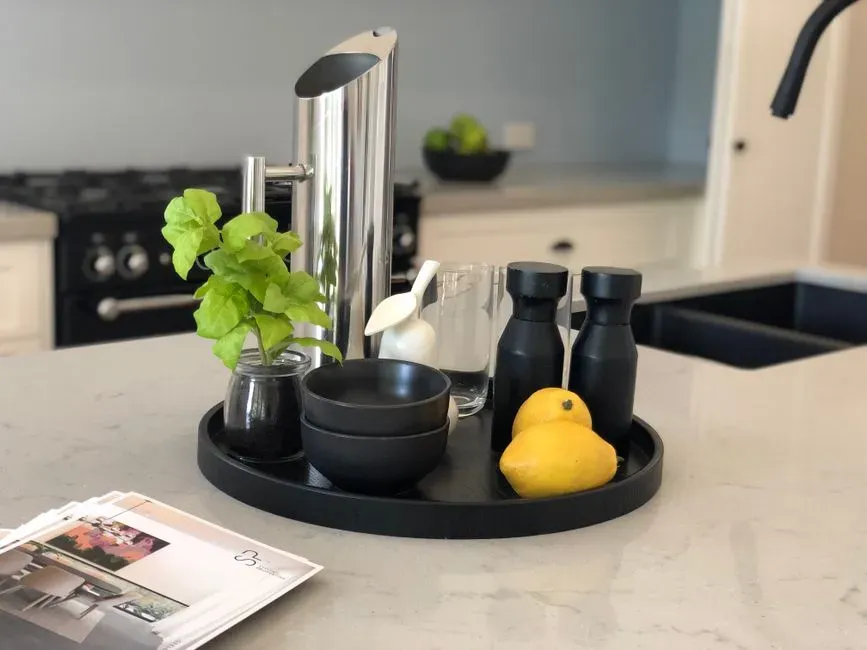
Corner cabinets and deep pantry shelves are notoriously hard to access, which often means items get pushed to the back and forgotten. A rotating lazy susan solves this by allowing you to spin the shelf and bring everything within reach instead of digging around blindly. This is one of the simplest upgrades for kitchens, bathroom cabinets, and pantries where deep, narrow spaces are common.
Because nothing gets hidden in the back, rotating storage also helps reduce food waste and duplicate purchases, since you can actually see what you already have. It’s a small mechanical fix, but it solves a spatial problem that shelves alone can’t fix on their own.
Clutter tends to build up gradually, one unplaced item at a time, which is why storage solutions that match real daily habits tend to work better than generic organizing trends. Combining a few of these ideas, rather than relying on just one, usually produces the most noticeable and lasting results.