
A bedroom should feel like a place to exhale, not another spot on the to-do list. Yet so many of us end up with rooms that double as offices, laundry drop zones, or scrolling stations well past midnight. The good news is that a calmer bedroom rarely requires a full renovation. Small, intentional shifts in color, light, texture, and layout can change how a room feels within a single afternoon.
Sleep researchers and interior designers tend to agree on one thing: the bedroom environment directly affects sleep quality and stress levels. With that in mind, here are eight practical ways to turn a cluttered or overstimulating bedroom into a genuinely restful one.
1. Choose a muted, low-contrast color palette
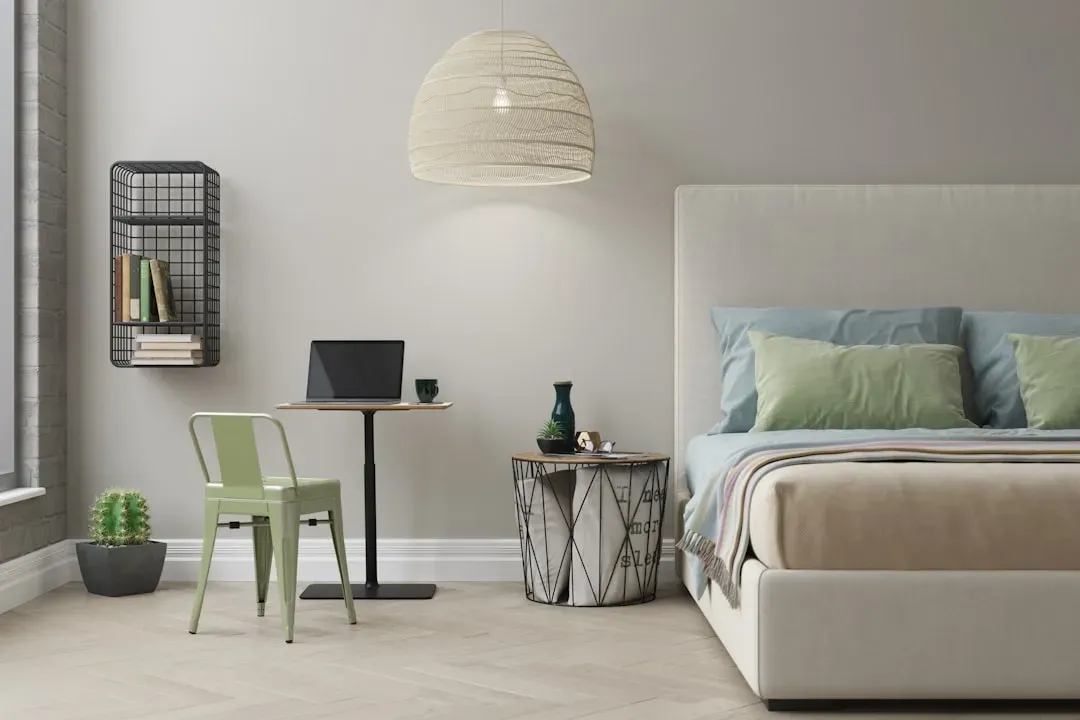
Bright, high-contrast colors can keep the mind alert, which is the opposite of what a bedroom needs. Soft neutrals such as warm greige, muted sage, dusty blue, or gentle clay tones tend to create a visually quiet backdrop. These shades absorb rather than reflect harsh light, which softens the overall mood of the room throughout the day.
Designers often suggest keeping wall, ceiling, and trim colors within a similar tonal family rather than introducing sharp contrasts. This approach removes visual noise and lets the eye rest instead of jumping between competing elements. Even small accessories, like a lampshade or a throw blanket, work better in the same soft family rather than as bold accent pops.
2. Bring in natural, unprocessed materials

Wood, linen, wool, and stone have a grounding effect that synthetic materials often lack. Biophilic design research has repeatedly shown that natural textures and materials can lower stress markers and support a sense of calm indoors. A wooden bed frame, a linen duvet cover, or a wool area rug all add tactile warmth without requiring bold design statements.
These materials also tend to age gracefully, which matters more than people expect. A worn wooden nightstand or a linen curtain that softens with each wash feels lived-in rather than sterile. That sense of authenticity contributes to psychological comfort, since spaces that feel overly polished can sometimes feel less relaxing than one might assume.
3. Reduce visual clutter with smarter storage
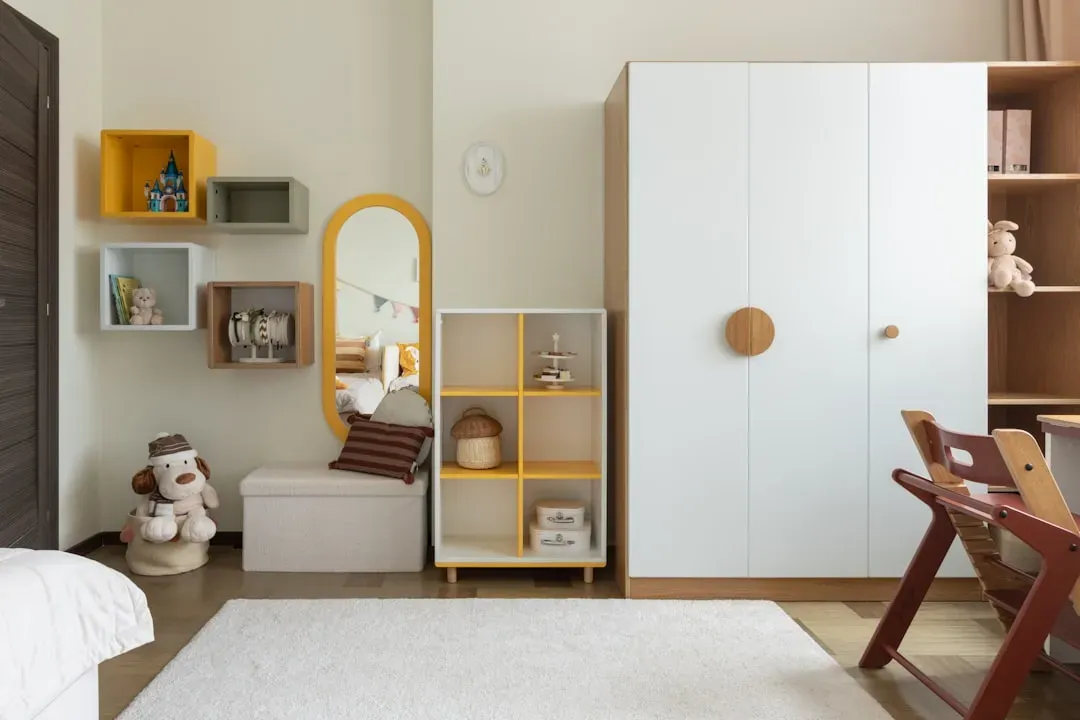
Clutter is one of the most consistent culprits behind a restless bedroom. Piles of clothes, exposed cables, or overflowing surfaces keep the brain subtly working even during downtime. Closed storage, under-bed drawers, and simple baskets can hide daily mess while keeping visible surfaces clean and calm.
A useful rule many organizers recommend is limiting nightstand surfaces to just two or three items. This keeps the area beside the bed functional without becoming another cluttered ledge. The fewer objects competing for attention near eye level, the easier it becomes to unwind before sleep.
4. Layer lighting instead of relying on one overhead source

A single bright overhead light rarely suits a bedroom’s evening rhythm. Layered lighting, meaning a mix of ambient, task, and accent sources, allows the room to shift gradually from daytime brightness to nighttime softness. Wall sconces, dimmable bedside lamps, and warm-toned bulbs all support this transition far better than one harsh ceiling fixture.
Color temperature matters here too. Lighting experts generally recommend warmer bulbs, typically in the 2700K to 3000K range, for bedrooms because cooler, bluer light can interfere with the body’s natural wind-down process. Smart bulbs with adjustable warmth have made this easier to control without rewiring anything.
5. Add soft textiles to absorb sound and soften edges

Hard surfaces bounce sound and light in ways that can make a room feel busier than it actually is. Rugs, upholstered headboards, curtains, and layered bedding all help absorb ambient noise, which contributes to a quieter atmosphere overall. This matters especially in apartments or homes near busy streets, where sound insulation is often limited.
Beyond the acoustic benefit, soft textiles simply feel more inviting. A heavier curtain fabric blocks more outside light, which supports better sleep quality according to most sleep hygiene guidelines. Even a simple wool throw at the foot of the bed adds texture that makes the whole space feel more settled.
6. Keep technology out of the sleeping zone

Phones, laptops, and televisions in the bedroom are consistently linked to disrupted sleep patterns and increased evening screen time. Sleep specialists frequently point to blue light exposure and notification interruptions as key reasons to remove devices from the space entirely. Charging phones in another room, even just outside the bedroom door, can meaningfully reduce late-night scrolling.
If removing all devices is not realistic, creating a designated charging station away from the bed is a reasonable compromise. This keeps the immediate sleeping area free of screens and their glow. Over time, this small boundary tends to reinforce the bedroom as a space reserved for rest rather than constant connectivity.
7. Introduce a small amount of greenery
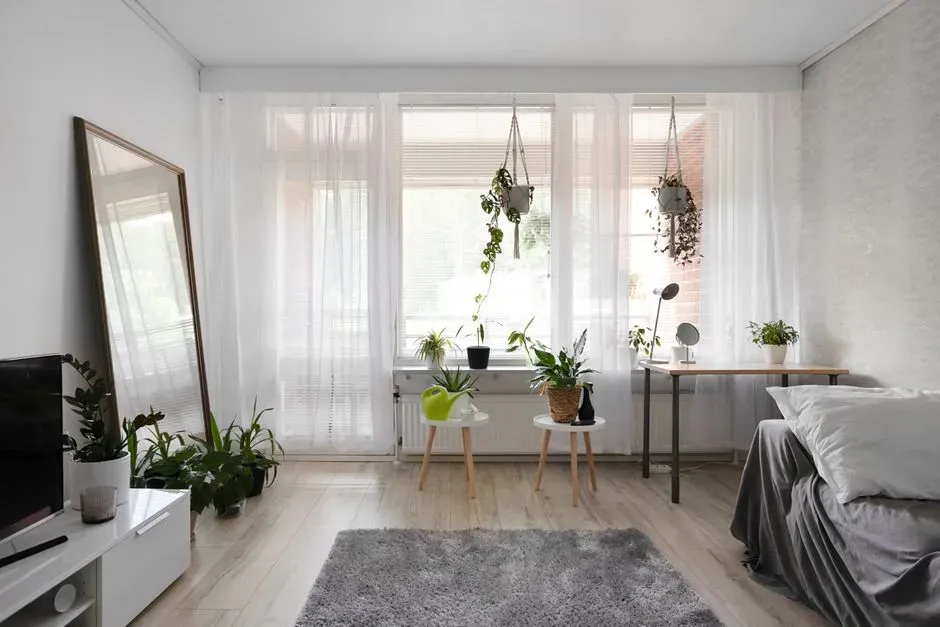
Houseplants do more than add visual interest. Certain low-maintenance plants, such as snake plants or pothos, tolerate lower light conditions common in bedrooms and require minimal upkeep. Their presence has been associated with modest improvements in perceived air quality and general mood, based on multiple indoor environment studies.
One or two well-placed plants are usually enough. A crowded shelf of greenery can start to feel like more clutter rather than a calming touch. A single plant on a dresser or windowsill often does more for the room’s atmosphere than a dozen scattered around.
8. Establish a distinct zone for rest only

Multipurpose bedrooms, especially those doubling as home offices, have become far more common since remote work expanded. Unfortunately, mixing work and rest in the same physical space can blur the mental boundary between productivity and relaxation. Even a small desk tucked in the corner can subconsciously signal “unfinished tasks” every time someone looks toward the bed.
Where possible, sleep specialists recommend keeping the bedroom reserved strictly for sleep and rest, even in smaller apartments. If a desk must share the room, a folding screen, curtain divider, or simply turning the desk away from the bed can help separate the two functions visually. This small boundary reinforces the idea that the bedroom is a place to disconnect, not another workspace.
None of these changes require a complete overhaul or a large budget. Most involve rethinking what is already in the room, whether that means swapping a bulb, adding a rug, or simply clearing off a nightstand. Taken together, these adjustments shift a bedroom from a functional storage space into a room that actively supports rest.