
Mornings have a way of exposing every flaw in a closet system. A missing sock, a shirt buried under a pile, a belt that slid behind the shoe rack again. These small delays add up fast, and most of them trace back to a closet that was never really designed for how people actually get dressed.
The good news is that fixing this doesn’t require a full renovation or a Pinterest-worthy overhaul. A handful of practical changes, many of them low-cost, can shave real minutes off the daily routine. Here are seven closet organization ideas that genuinely make a difference.
1. Double hanging rods for short items
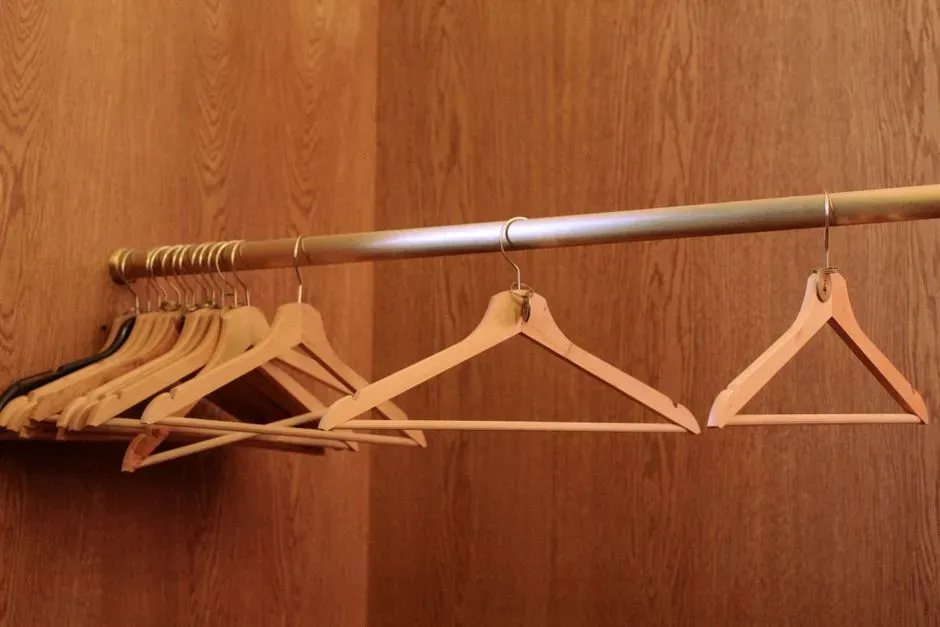
Most closets come with a single rod set at a height meant for dresses and coats, which wastes an enormous amount of vertical space when it’s used for shirts, folded pants, or blouses. Adding a second rod below the first, positioned for shorter garments, can roughly double the hanging capacity in the same footprint. This single change is one of the most recommended upgrades among professional organizers because it doesn’t require moving walls or spending much money.
The time savings come from having more items visible and accessible at eye level instead of crammed together on one overloaded rod. When clothes aren’t wrinkled from being squeezed too tightly, there’s less last-minute ironing or steaming before heading out the door. It also makes it far easier to see the full wardrobe at a glance, which cuts down on the minutes spent digging around for a specific piece.
2. Clear labeled bins for accessories
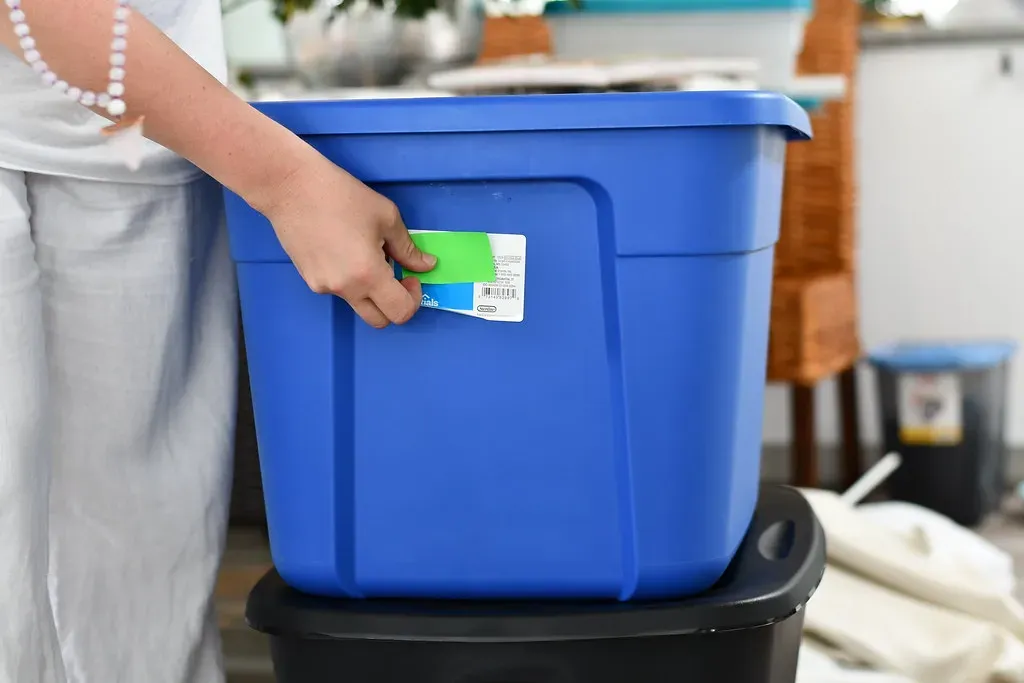
Small items like scarves, gloves, belts, and hair accessories tend to disappear into drawers or baskets where they become nearly impossible to find quickly. Clear bins with simple labels solve this by making contents visible without having to open or dig through anything. This is especially useful in shared closets, where multiple people need to find their own things without guessing whose pile is whose.
Labeling doesn’t need to be elaborate; a printed tag or even handwriting on masking tape works fine. The key benefit is consistency, since returning items to the same labeled spot every time prevents the slow buildup of clutter that eventually turns into a search-and-rescue mission. Over weeks and months, this small habit removes a surprising amount of daily friction.
3. Shoe organizers that use vertical space
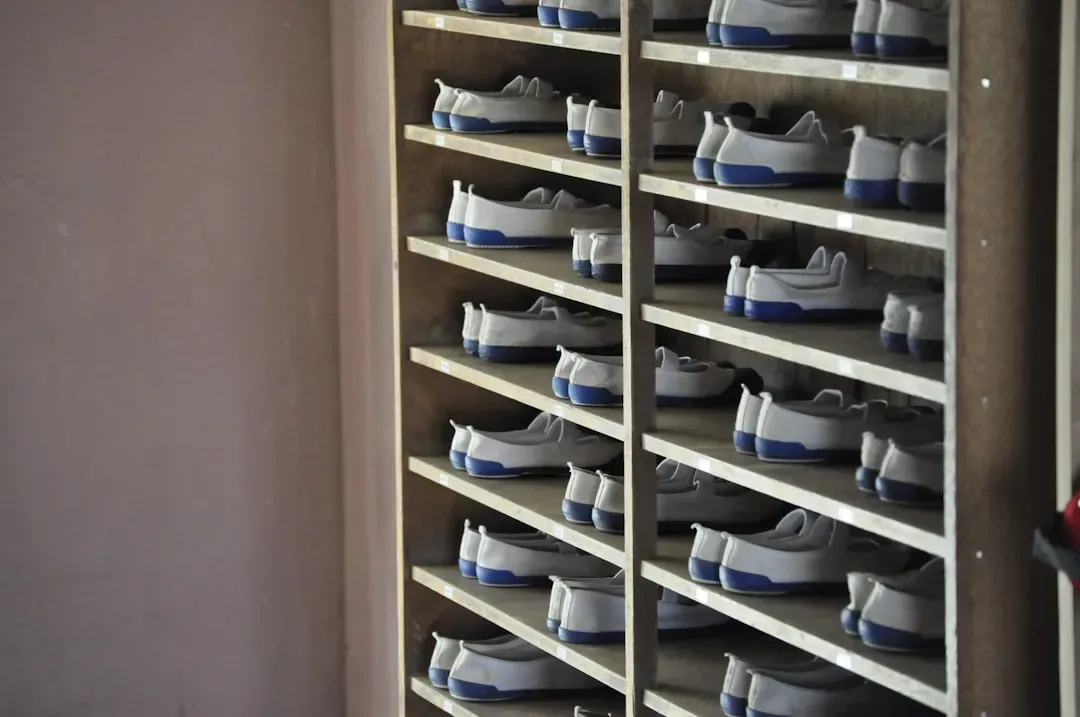
Shoes piled on the floor are one of the most common sources of morning chaos, partly because they take up a lot of horizontal space and partly because matching pairs get separated easily. Over-the-door shoe organizers, angled shelving, or stackable cubbies solve this by using vertical space that would otherwise sit empty. Many of these solutions can hold a dozen or more pairs in the area a single row of shoes on the floor would occupy.
Because each pair gets its own visible slot, there’s no more crouching down and rummaging through a pile to find a matching left and right shoe. This is particularly helpful for households with kids, where mismatched shoes at the door are a near-daily occurrence. A vertical shoe system turns a five-minute hunt into a five-second grab.
4. Color-coded or category-based hanging order
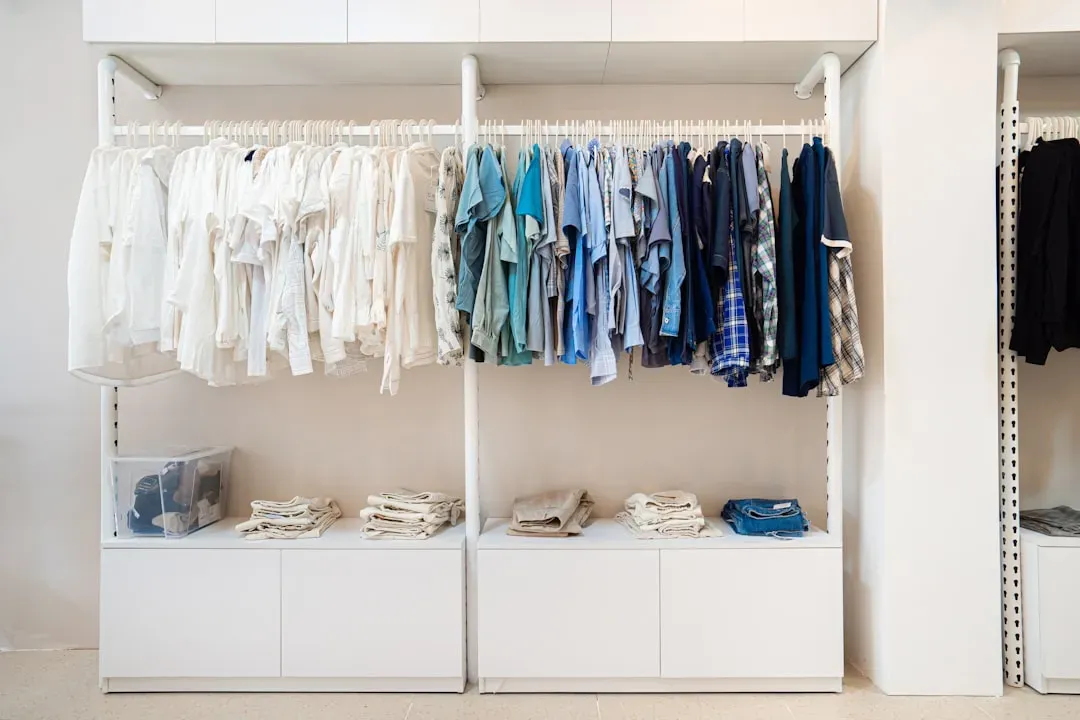
Organizing clothes by color or by category, such as work shirts, casual tops, and dressy pieces, might sound like a cosmetic choice, but it has a real functional payoff. When items are grouped logically, the brain doesn’t have to scan the entire closet to locate what it’s looking for. Retail stores use this exact principle to help shoppers find items faster, and the same logic applies just as well at home.
This system also makes it easier to notice gaps in a wardrobe, like realizing there are five black shirts but no clean white ones for an event. Combined with double rods or clear bins, category-based hanging creates a closet that functions almost like a small, efficient store. The visual order alone reduces decision fatigue, which is one of the quieter reasons mornings feel less rushed.
5. Drawer dividers for folded clothes
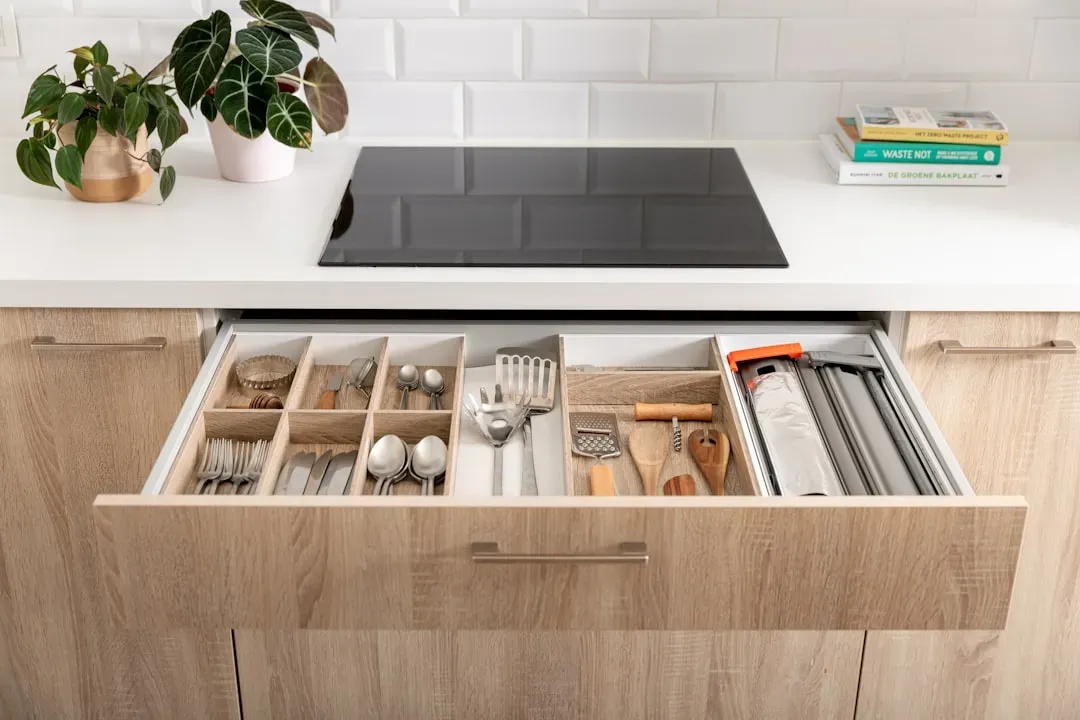
Drawers without dividers tend to become disorganized within days, no matter how neatly they start out, because folded items shift and stack unevenly every time the drawer opens and closes. Simple dividers, whether purchased or made from repurposed boxes, keep folded clothes in fixed sections so they don’t collapse into a jumbled pile. This is especially useful for items like socks, underwear, and gym clothes that get pulled out quickly every day.
The time saved here is subtle but consistent, since a well-divided drawer means never having to unfold and refold items just to find a matching pair of socks. It also extends the life of clothing slightly, since less shifting and crushing means fewer wrinkles and less fabric stress over time. For anyone packing a gym bag or lunch on a tight schedule, a divided drawer removes one more obstacle from the morning routine.
6. A dedicated “outfit staging” zone
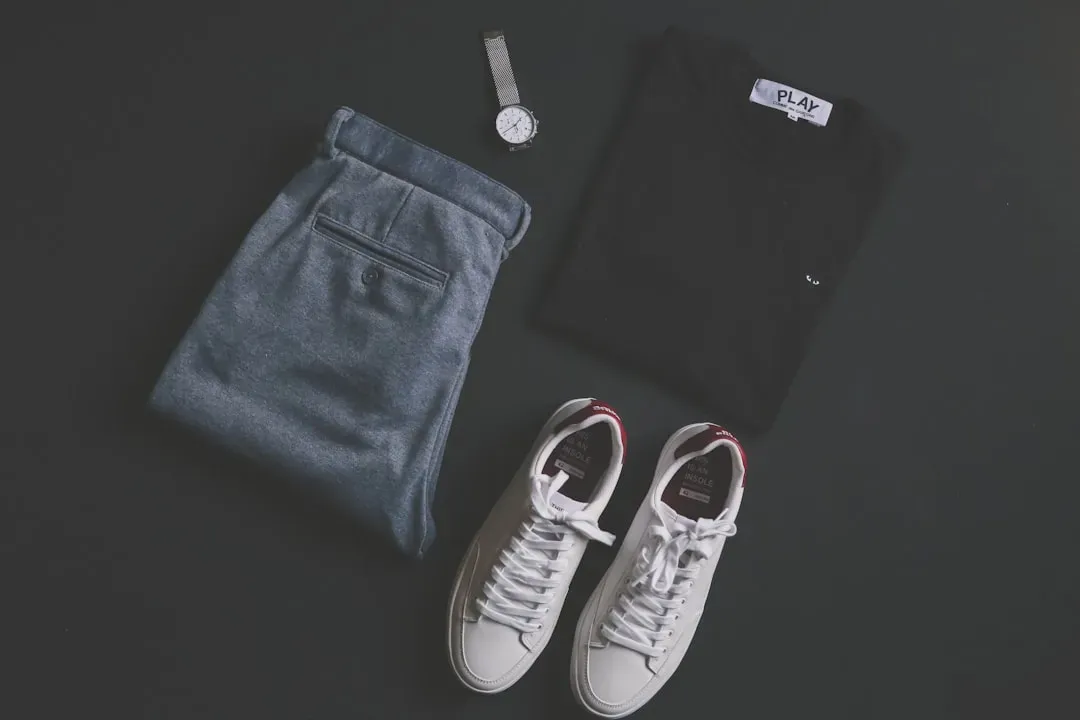
Many professional organizers recommend setting aside a small section of the closet, even just a single hook or a narrow shelf, specifically for laying out tomorrow’s outfit the night before. This staging zone acts as a visual reminder and removes the need to make decisions while half-awake and running late. It’s a simple habit, but it consistently ranks among the most effective time-saving tricks in closet and morning-routine guides.
Having a fixed spot for this also prevents the staged outfit from getting mixed back into the general clothing pile, which defeats the purpose. Parents managing school mornings for multiple kids often find this especially valuable, since preparing several outfits the night before avoids a chaotic scramble when everyone needs to leave at the same time. Over a school year or work year, this habit alone can save hours of cumulative time.
7. Multi-tiered hangers and hooks for repeat outfits
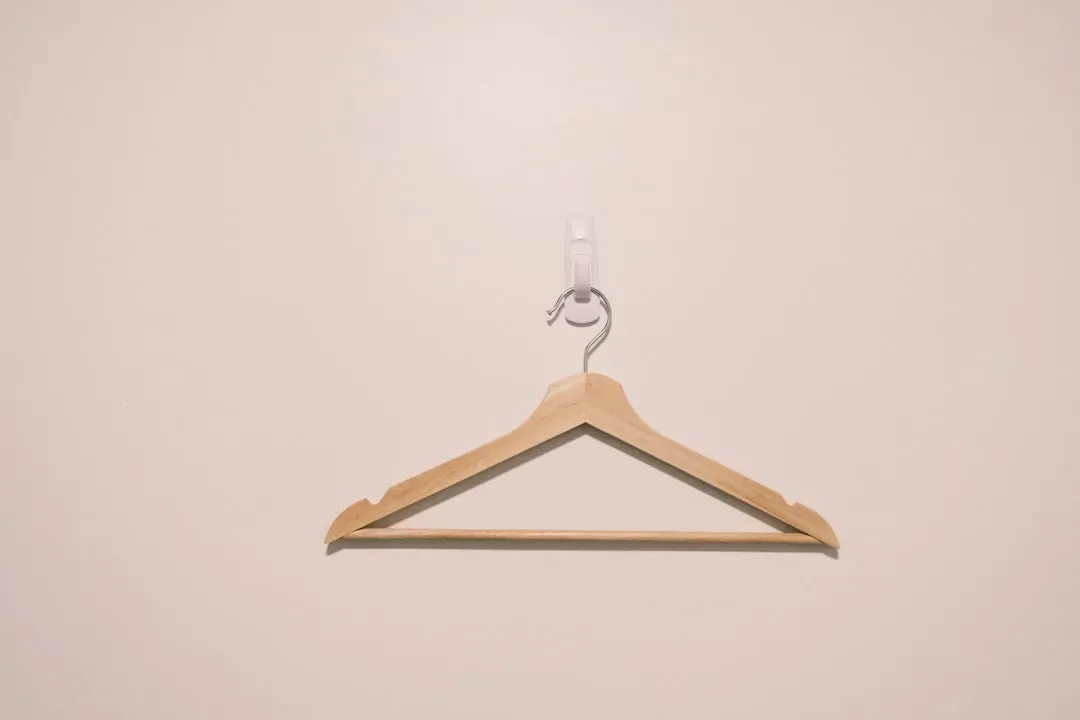
Multi-tiered hangers, which hold several pairs of pants or several shirts on a single hanger using stacked bars, are useful for items worn in rotation, like work uniforms or gym clothes. Instead of hanging each piece separately and taking up several inches of rod space, a tiered hanger consolidates them into one compact unit. This is particularly practical for anyone with a limited closet who still needs quick access to a repeated set of clothing.
Hooks placed inside the closet door serve a similar purpose for items that get worn and returned frequently, such as robes, jackets, or bags. Instead of hanging these items back on a crowded rod, they get a fixed, easy-access spot that takes seconds to use. Both tools reduce the number of decisions and movements needed to grab an outfit, which is exactly the kind of small friction that adds up across a busy week.
None of these seven changes require a major renovation or a big budget, and most can be done in a single afternoon using items already available at hardware or home goods stores. The common thread running through all of them is visibility and consistency, since a closet that shows everything clearly and has a fixed place for each category of item will always be faster to use than one that relies on memory and digging. Small, targeted fixes like these tend to pay off almost immediately, saving a few minutes every single day that quietly add up to hours over the course of a year.