
Cable Boxes: The Energy Vampires You Can’t Ignore
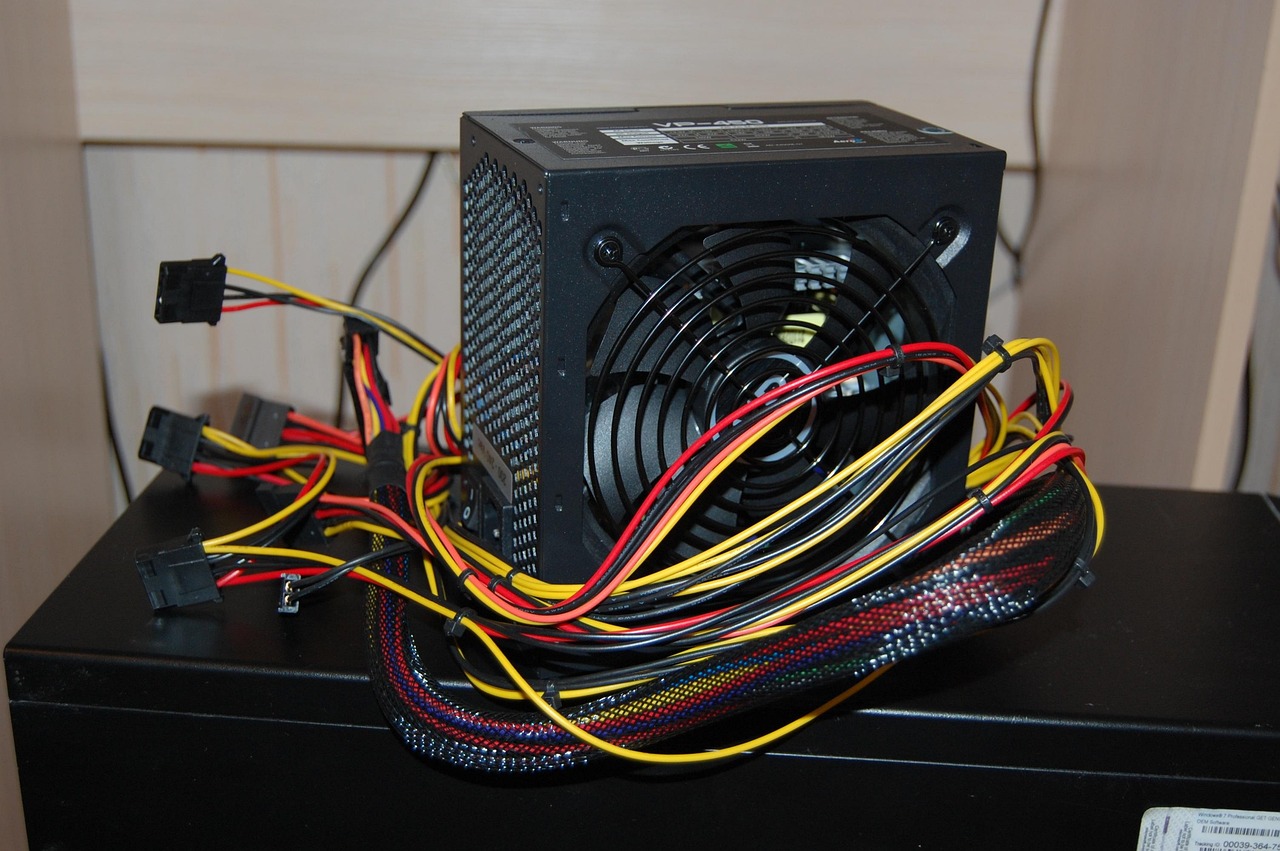
“Cable boxes are one of your biggest standby users,” says Ron Shimek, president of Mr. Appliance, a Neighborly company. That’s because cable boxes spend their downtime updating cable guides and software, and their internal drives are constantly moving. Think about it – these little black boxes never really sleep. Even when your TV is off, they’re working harder than a night shift worker.
According to data from a Natural Resources Defense Council (NDRC) study, cable box standby power usage averaged 16 watts across the homes they surveyed. A cable box that’s idle 20 hours a day uses 116.8 kilowatt-hour (kWh) of electricity in a year. Calculated at typical U.S. electricity prices, you’re paying an extra $19.39 per year on your electric bill. And that’s just one cable box. Many homes have several.
The real problem isn’t just the power consumption – it’s that these devices are designed to be always-on for instant access and recording capabilities. Unlike your phone charger that you can easily unplug, cable boxes require some strategy to manage their energy consumption effectively.
Smart TVs: Your Entertainment’s Hidden Energy Cost
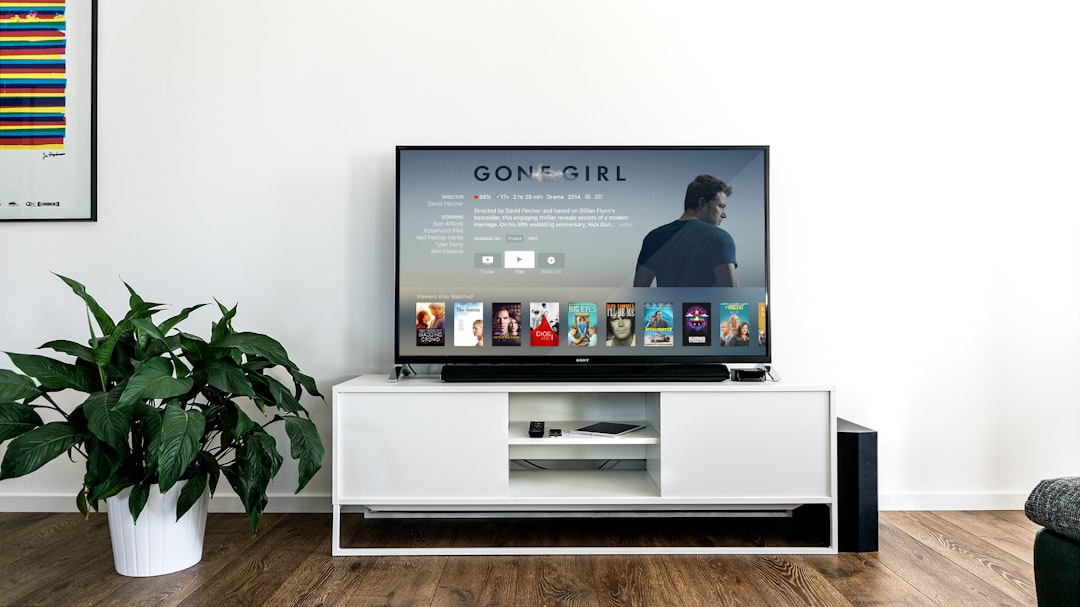
Your smart TV might be turned off, but it’s actually just taking a power nap. Modern televisions with Wi-Fi connectivity, streaming apps, and voice commands need to maintain their connection to the internet and stay ready to respond to your remote control signals. Televisions used an average of 13 watts in standby mode in the NDRC survey. If we assume the same idle time of 20 hours a day – 7,300 hours a year – that’s $15.75 per year spent on standby power for a single TV.
What makes this particularly frustrating is that older, “dumber” TVs used much less standby power. The smart features we love – instant-on capability, automatic updates, and voice control – come with a hidden energy price tag. Smart TVs with features like Wi-Fi and satellite connectivity are major culprits, drawing power even when turned off.
If you have multiple TVs in your home, which most families do, you’re looking at a significant annual cost. The bedroom TV that gets used occasionally might be costing you almost as much as the main living room television in terms of standby power consumption.
Desktop Computers: The Office Energy Hogs
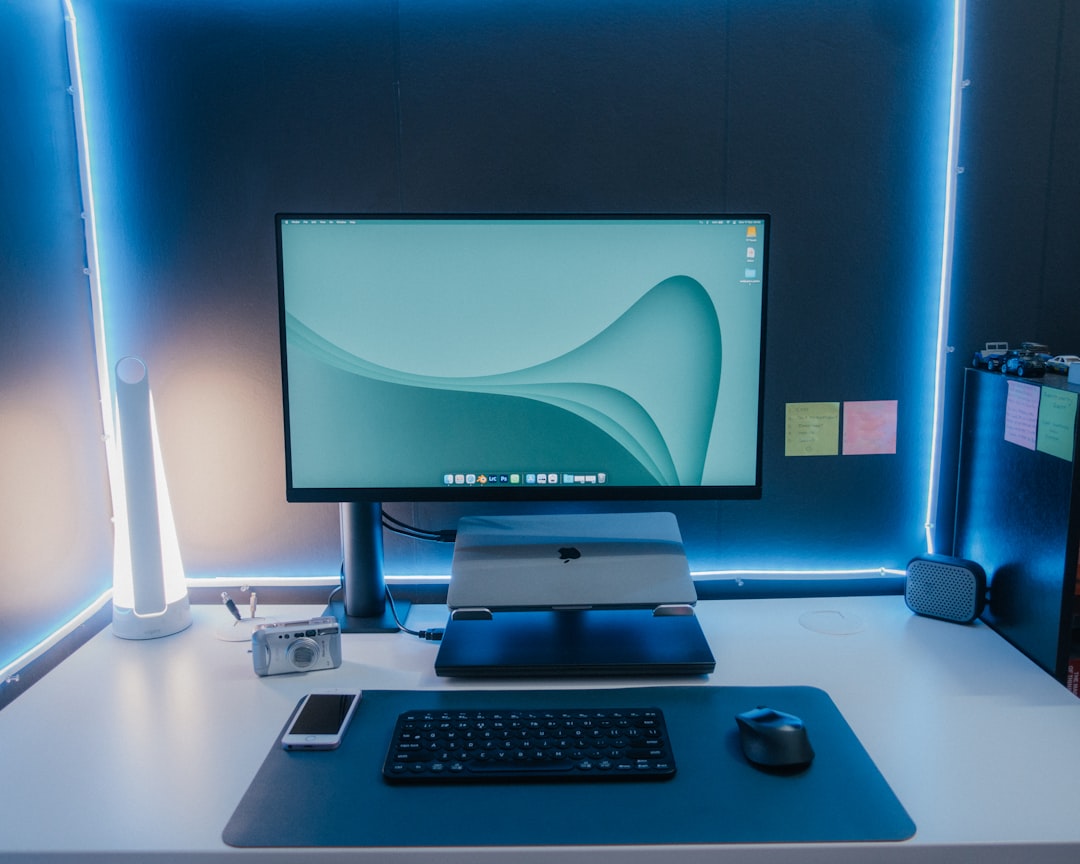
Your home office might be costing you more than you think, even when you’re not working. Desktop computers are particularly notorious for their standby power consumption because they’re designed to wake up quickly and maintain various background processes. A desktop PC uses 450W of energy per hour when actively used. This compares to 5.4W when on standby or sleep mode. By turning your computer fully off instead of in sleep mode when you’re not using it, you could be saving on electricity £11.58 each year.
Many people leave their computers in sleep mode thinking it’s more convenient and uses minimal power. However, that “minimal” power adds up significantly over time. The convenience of instant-on computing comes with a real cost that many users don’t consider.
What’s particularly interesting is the comparison with laptops. And an average laptop uses 100W of energy for every hour used and needs up to 4.2W of standby consumption. This translates to the extra £9 per year when left on the standby mode. This difference highlights why choosing the right type of computer can impact your energy bills substantially.
Gaming Consoles: Entertainment That Never Sleeps
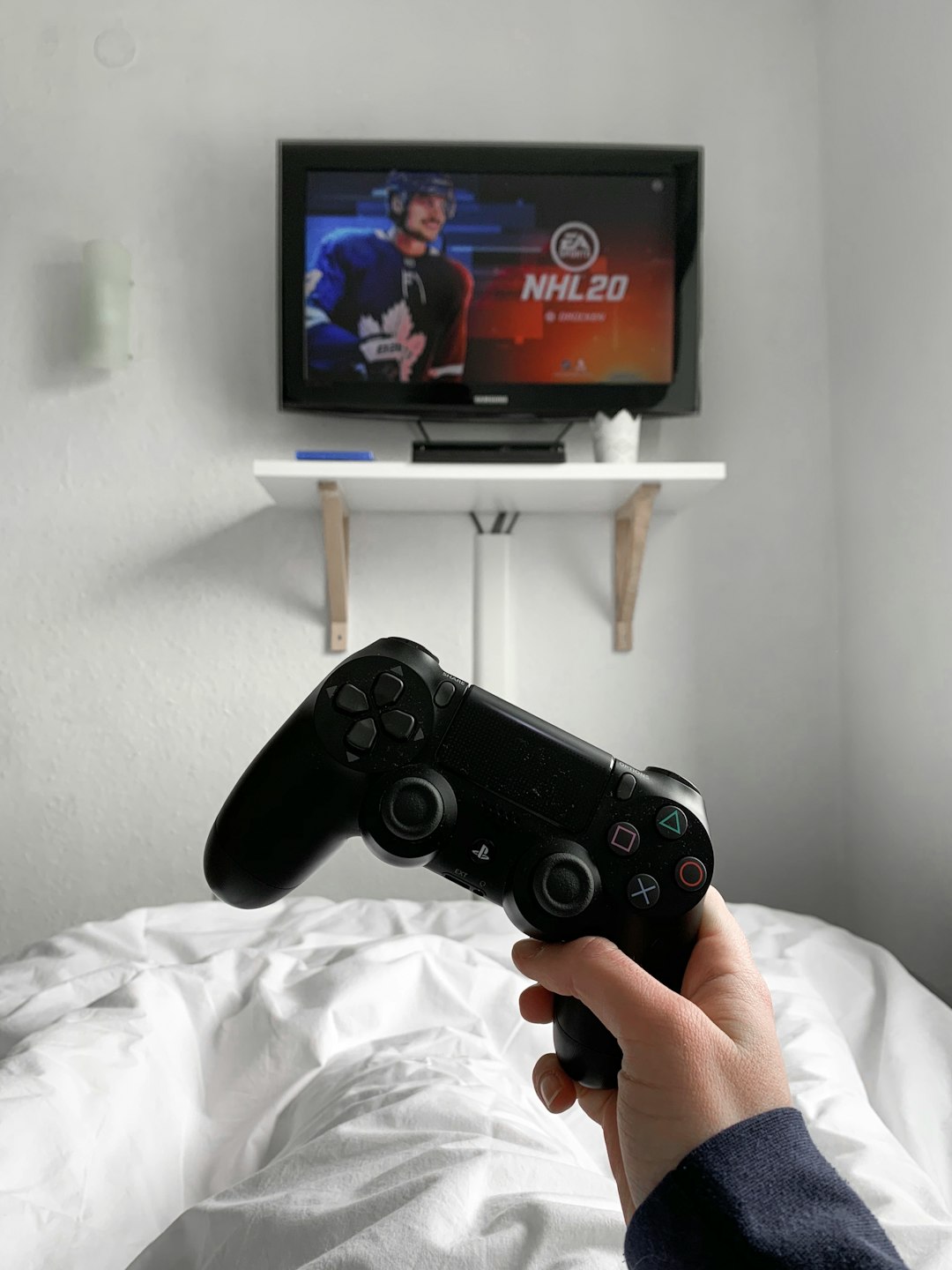
Gaming consoles represent one of the most significant phantom power drains in modern homes. These devices are designed to download updates, stay connected to online services, and maintain instant-on capabilities for gaming and streaming. Entertainment-related devices, like set-top boxes for recording TV shows and gaming consoles, can drain a lot of energy when they’re just in standby mode. Depending on the model and its settings, some gaming consoles use a significant amount of energy in standby mode, when you’re not even getting enjoyment out of them.
The frustrating part about gaming console power consumption is that manufacturers design these features to enhance user experience. Automatic updates ensure your games are always ready to play, and instant-on features eliminate wait times. However, Wouldn’t you rather spend your money on a new game instead of keeping your console running when you’re not around?
What makes gaming consoles particularly problematic is that many users have multiple devices – perhaps an older console alongside a newer one, plus portable gaming devices with charging stations. Each device contributes to the phantom power load, creating a substantial cumulative impact on energy bills.
Microwaves: More Than Just Heating Food
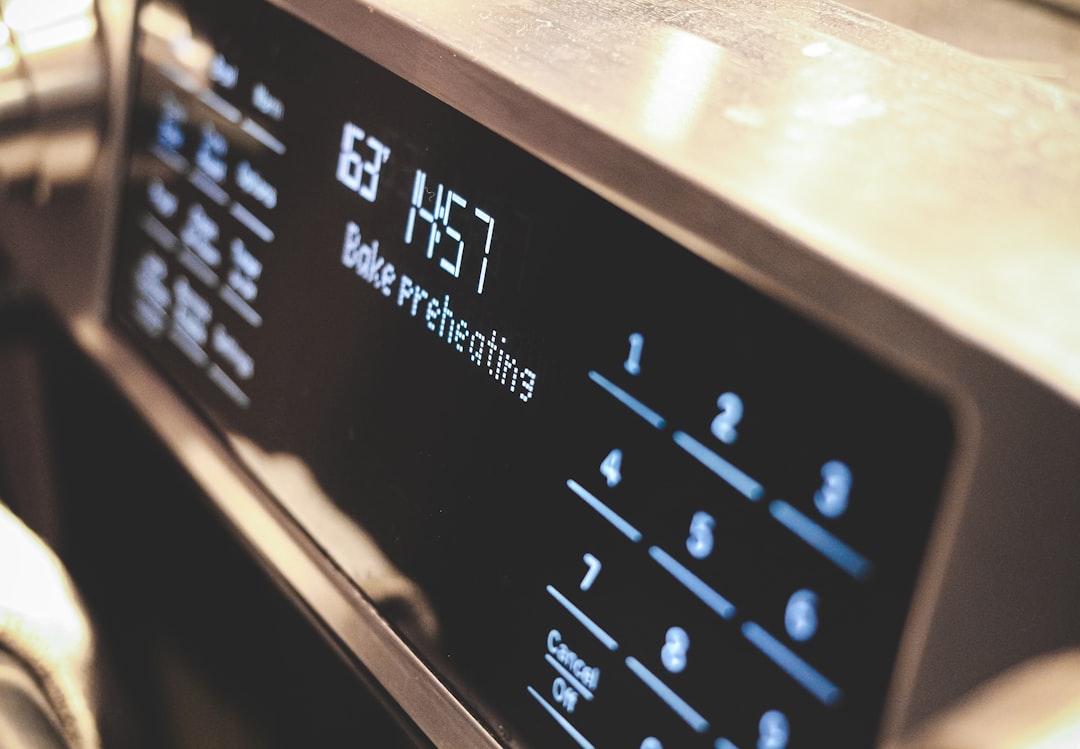
Your microwave might seem innocent enough sitting on your counter, but that little digital clock is working around the clock. Standby power runs internal clocks in microwaves. When they’re not zapping your food, microwaves also have a clock to display the time, which requires energy in order to be displayed. This seemingly harmless feature represents a continuous energy draw that most people never consider.
A regular 1.5kW power rating microwave will cost you about 6p for every 10 minutes you use it. If your microwave has a clock display that’s always on, it’s good to consider that they’re always using at least a little energy. For instance, if you keep your microwave plugged in all the time, like most households, it adds an extra £5.15 to your energy bill every year.
The challenge with microwaves is that the clock feature is actually useful – many people rely on it to check the time while cooking. However, traditional appliances like microwaves typically use about one to six watts in standby. One appliance in standby mode 22 hours a day will cost $1.33 to $8 on your energy bill per year.
Coffee Makers: Your Morning Routine’s Energy Cost

That programmable coffee maker that you love for its convenience is quietly consuming energy every hour of every day. Much like other entries in this list, if your coffee maker has a clock, then it’s using up electricity. The digital display, internal clock, and programmable timer functions require constant power to maintain their settings and time accuracy.
Internal clocks: Appliances like coffee makers need clocks to schedule operations, which requires continuous energy. This feature allows you to wake up to freshly brewed coffee, but it comes at the cost of continuous energy consumption. The convenience of programmable features transforms your coffee maker into a 24/7 energy consumer.
What’s particularly noteworthy about coffee makers is that they represent the broader category of small kitchen appliances with smart features. The same is true for other appliances you might not think about, including small kitchen appliances. Your toaster oven, electric can opener, and food processor with digital displays are all contributing to your phantom power consumption.
Phone and Device Chargers: The Plug-and-Forget Problem
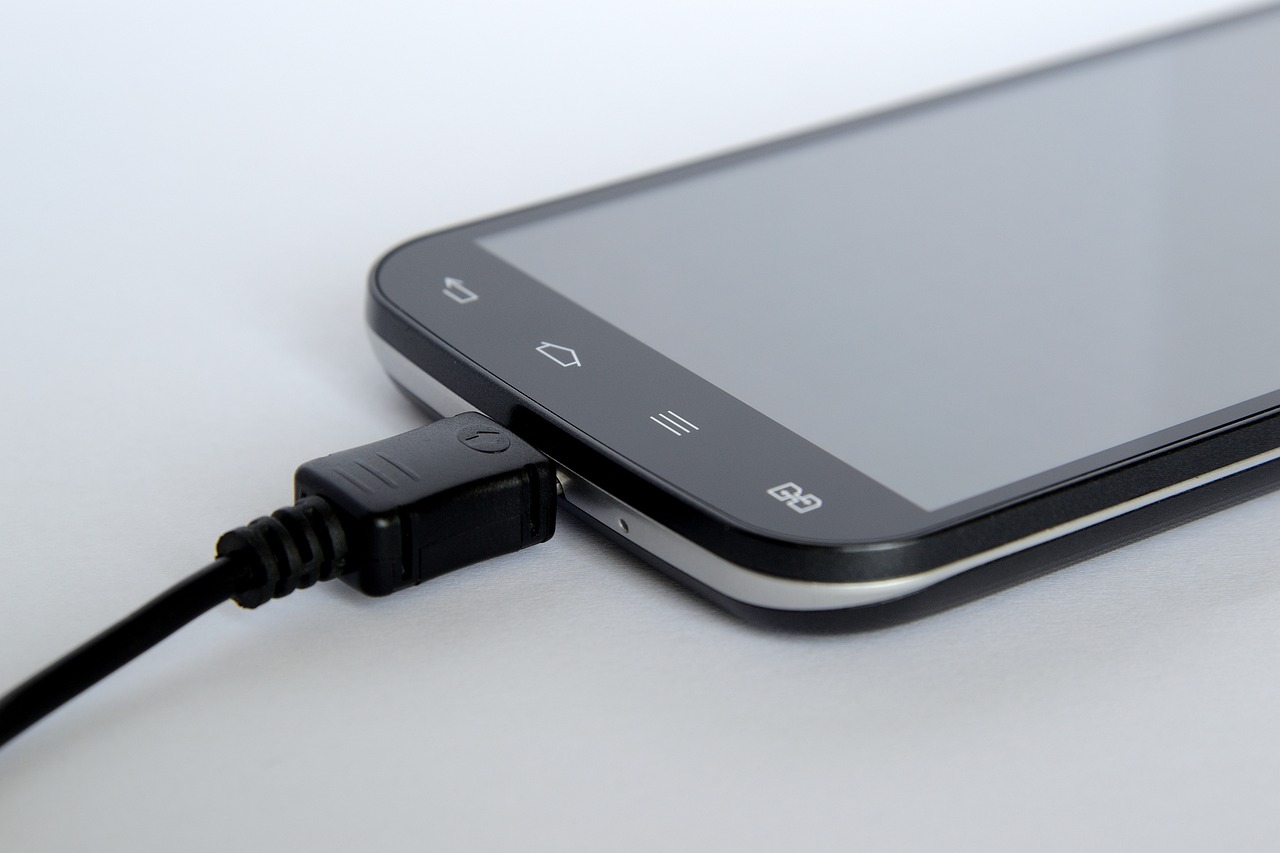
Here’s something that might shock you: those phone chargers you leave plugged into the wall are consuming energy even when nothing’s connected to them. It sure is convenient to just grab a cable and plug it into your phone, but leaving your chargers plugged into an outlet will continuously draw power even when nothing is plugged into them. This is also the case when a cell phone is fully charged but still plugged in.
Keeping cell phone chargers plugged in is one of the most common examples of phantom power consumption, which is completely unnecessary. Get into the habit of using them only when you need them, and your home will be energy efficient. It’s a simple habit change that can have a meaningful impact on your energy consumption.
The math on charger phantom power is interesting. For instance, say you leave your laptop computer charger plugged in all day, every day of the year. That charger pulls an average of 4.42 watts of power even when it’s not actively charging your computer, meaning that the charger will use nearly 40 kilowatt-hours of electricity every year. If your electricity costs 15 cents per kilowatt-hour, you would add $6 to your annual electric bill.
Internet Routers and Modems: The Always-On Network
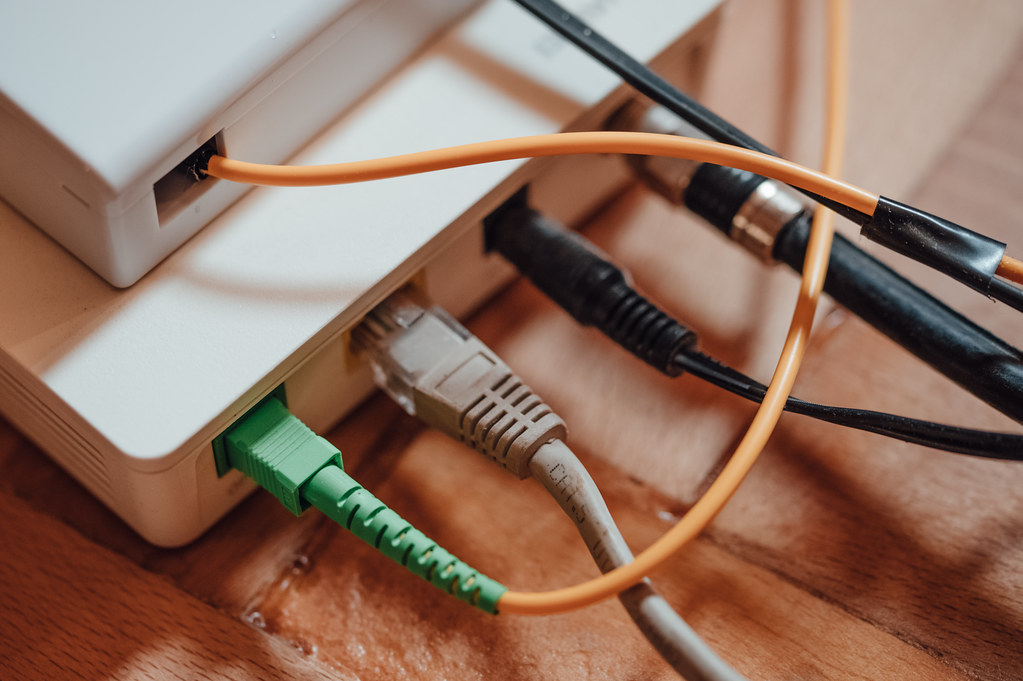
Your internet router and modem represent a unique category of phantom power consumption because they’re designed to never turn off. Unlike other appliances that have a clear on/off state, these devices need to maintain your internet connection 24/7. However, there are some exceptions such as refrigerators or freezers, which need to stay plugged in to maintain their internal temperature, or routers, given that if they are disconnected it could affect automatic software updates and their overall performance.
With more and more smart devices connected to your network, phantom power is likely more of an issue than it was just five years ago. Switch to small network equipment, like routers, that are ENERGY STAR®-certified to use less power. The explosion of smart home devices means your router is working harder than ever, managing connections for everything from smart thermostats to security cameras.
What makes routers particularly interesting from an energy perspective is their role as the central hub for all your other phantom power consumers. Every smart TV, gaming console, and connected appliance relies on your router to maintain its internet connection and receive updates, creating a compounding effect on energy consumption throughout your home.