
Like many environmentally conscious gardeners, I thought my backyard composting bin was doing its job perfectly fine. That familiar earthy smell, the slow transformation of kitchen scraps into dark soil gold, everything seemed normal. Little did I know that my lazy approach was holding me back from unlocking the true potential of composting.
After a conversation with my neighbor, a soil scientist at the local university, I realized my composting routine needed a complete overhaul. The changes I made transformed not just my garden, but my entire understanding of how this ancient practice can tackle modern environmental challenges. What followed was a journey that environmental experts are now calling essential for every home gardener in our fight against climate change.
Discovering Microbial Inoculants Changed Everything
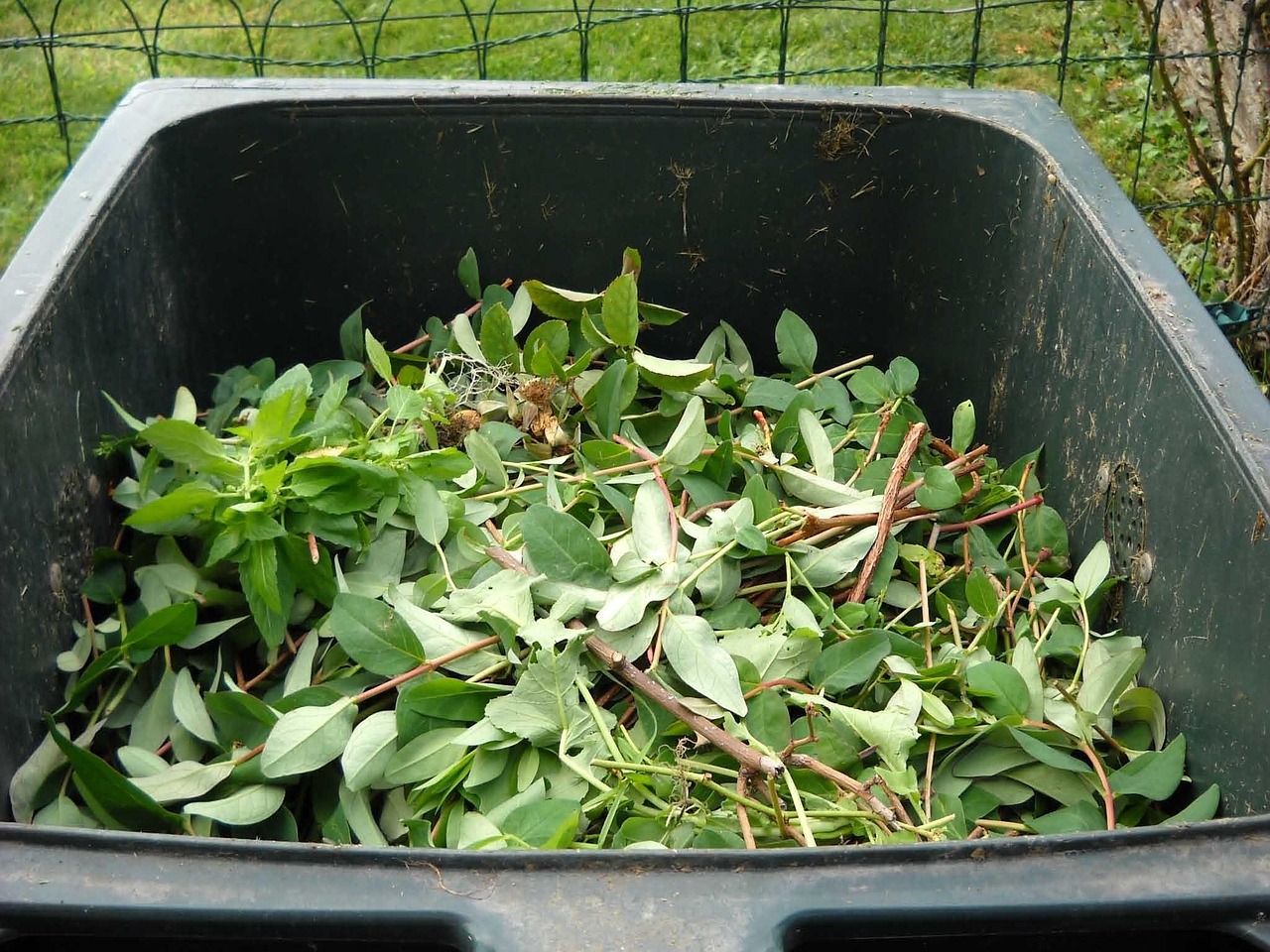
Technological advances in composting, as microbial inoculants or in-vessel composting have greatly improved the efficiency and quality of the resulting compost. This discovery revolutionized my entire approach.
The science behind microbial inoculants fascinated me. Microbial inoculants can promote co-composting and improve final compost quality, and most studies confirmed that the use of microbial amendments in the co-composting process is an efficient way to facilitate biodegradation.
When I started using a commercial blend containing Bacillus subtilis and Pseudomonas species, the results were immediate. The microbe-aided thermophilic composting method required just 3 days to produce a mature and stable compost, compared to my previous months-long process.
The temperature monitoring became addictive. Microbial inoculant and additives all played positive roles in the process of aerobic composting, with my pile consistently reaching the crucial pathogen-killing temperatures above 55°C.
Carbon-to-Nitrogen Ratio Precision Accelerated Decomposition
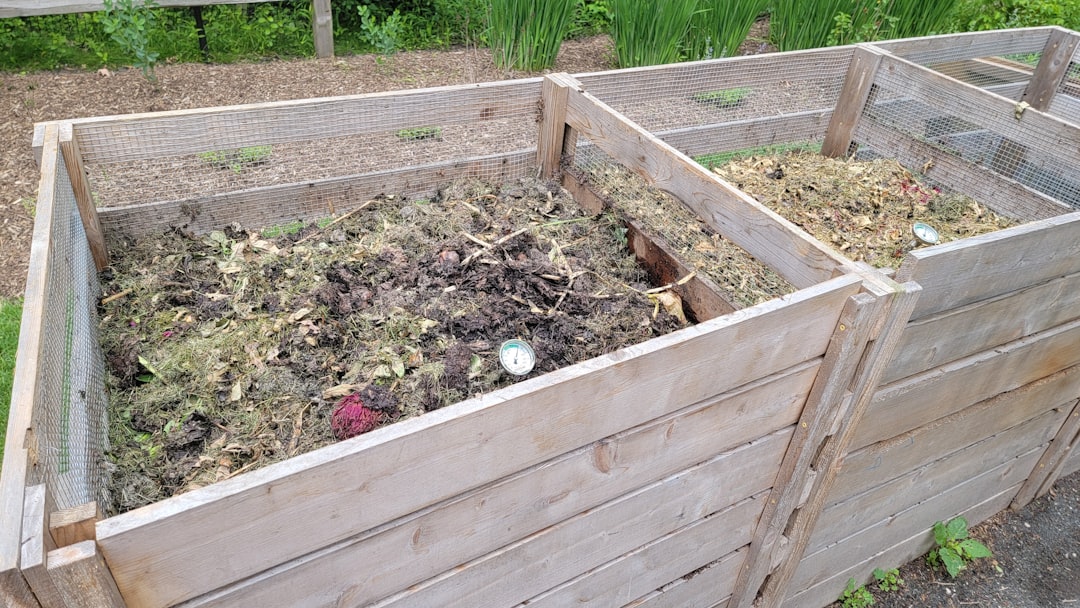
Environmental experts consistently emphasize that getting the C:N ratio right is fundamental to successful composting. The ideal ratio of 25-30:1 became my obsession.
Instead of randomly adding materials, I started weighing brown materials (carbon-rich) against green materials (nitrogen-rich). Researchers found that C:N ratios of compost in the unseeded pile stabilized after 81 days and in the inoculated piles in 67 to 74 days.
This precision approach reduced my composting time by nearly half. The microbes had exactly what they needed to thrive, creating that perfect biological furnace that transforms waste into garden gold.
Layering Strategy Eliminated Odor Problems Forever
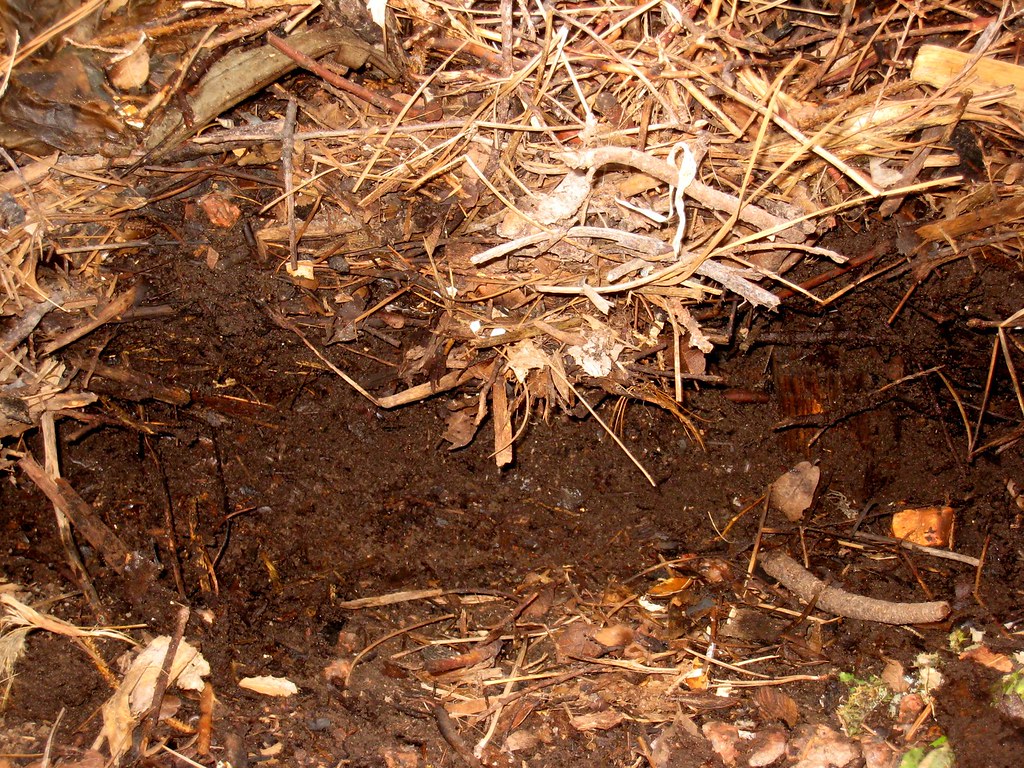
The structured layering method I adopted solved my biggest composting complaint: unpleasant smells. One of the drawbacks of composting is the odor emanating from it, but good compost smells like fresh earth, while bad compost smells like rotting garbage.
I learned to alternate 3-inch layers of green materials with 6-inch layers of brown materials. This created air pockets that maintained aerobic conditions, preventing the anaerobic processes that create foul odors.
The transformation was remarkable. What once attracted flies and concerned neighbors now produces that pleasant, earthy aroma that signals healthy decomposition.
Turning Schedule Based on Temperature Monitoring
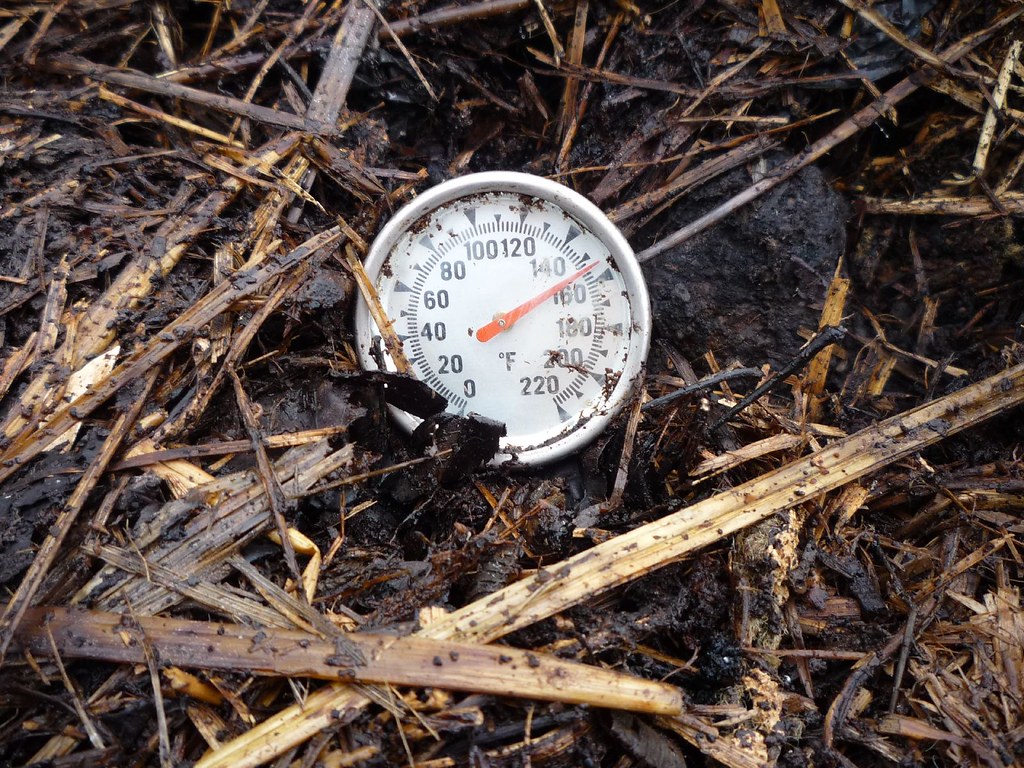
My old random turning schedule gave way to temperature-driven decisions. Composts with both inoculation and turning had 46% increase of total organic carbon degradation compared to traditional composting.
I turn my pile when temperatures drop below 40°C or exceed 70°C. This maintains the optimal conditions for beneficial microbes while preventing the system from becoming too hot or too cool.
The results speak for themselves: faster decomposition, better texture, and higher nutrient content in the finished compost. Environmental experts call this approach “precision composting.”
Seasonal Adjustments Maximize Year-Round Efficiency
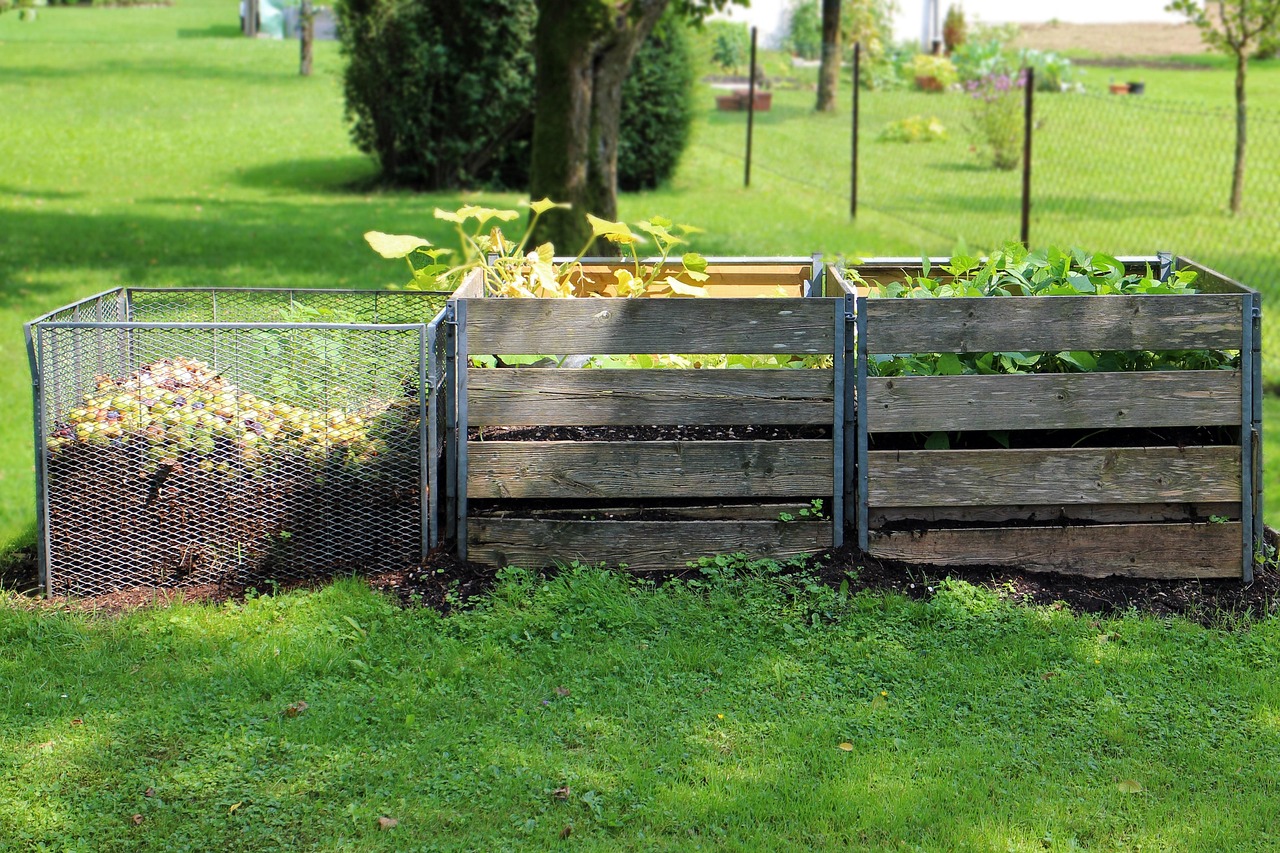
Environmental conditions change throughout the year, and my composting routine now adapts accordingly. Winter requires more brown materials and insulation, while summer demands careful moisture management.
During drought conditions, I learned that study took place during a drought, which may have decreased sequestration. This taught me to adjust water additions based on local weather patterns.
Spring brings fresh green materials, summer tests moisture management skills, fall provides abundant brown materials, and winter slows everything down naturally.
Measuring Actual Carbon Sequestration Benefits
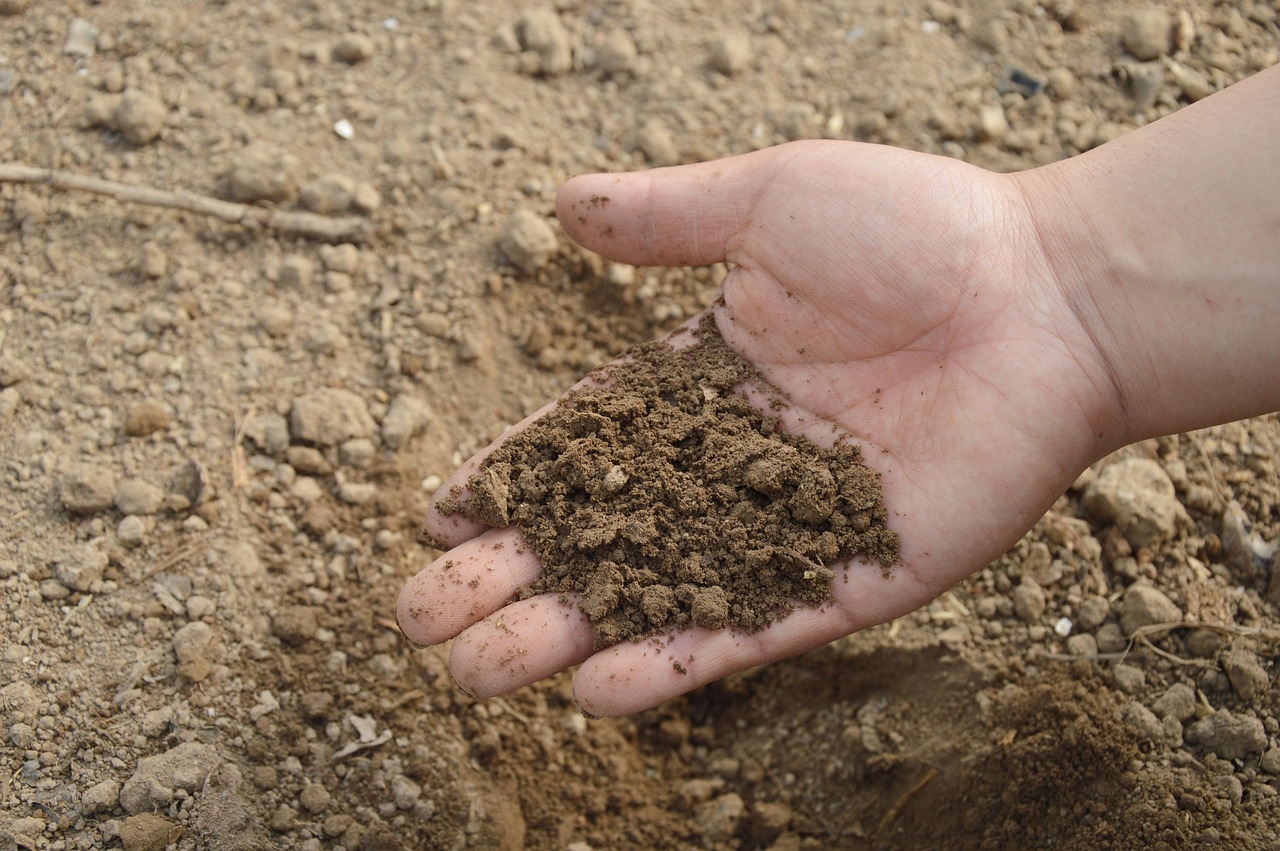
The environmental impact of improved composting became quantifiable. Compost use has three key climate-related benefits, including avoiding greenhouse gas emissions by composting rather than landfilling organic materials.
These microbes sequester carbon in the soil from photosynthesis, and many Central Valley farmers regularly use compost but are neither receiving credit for it or getting recognition for the positive externalities of carbon sequestration.
Research indicates that building soil organic matter on croplands and rangelands sequesters carbon in soils, and soil amendments may increase the amount of carbon held in soil organic matter, leading to greater carbon sequestration.
The scale of potential impact is staggering. If the combination of all three materials were expanded to cover 8% of California’s total rangelands, it could sequester substantial amounts of carbon dioxide equivalent per year.
Contamination Prevention Improved Final Product Quality
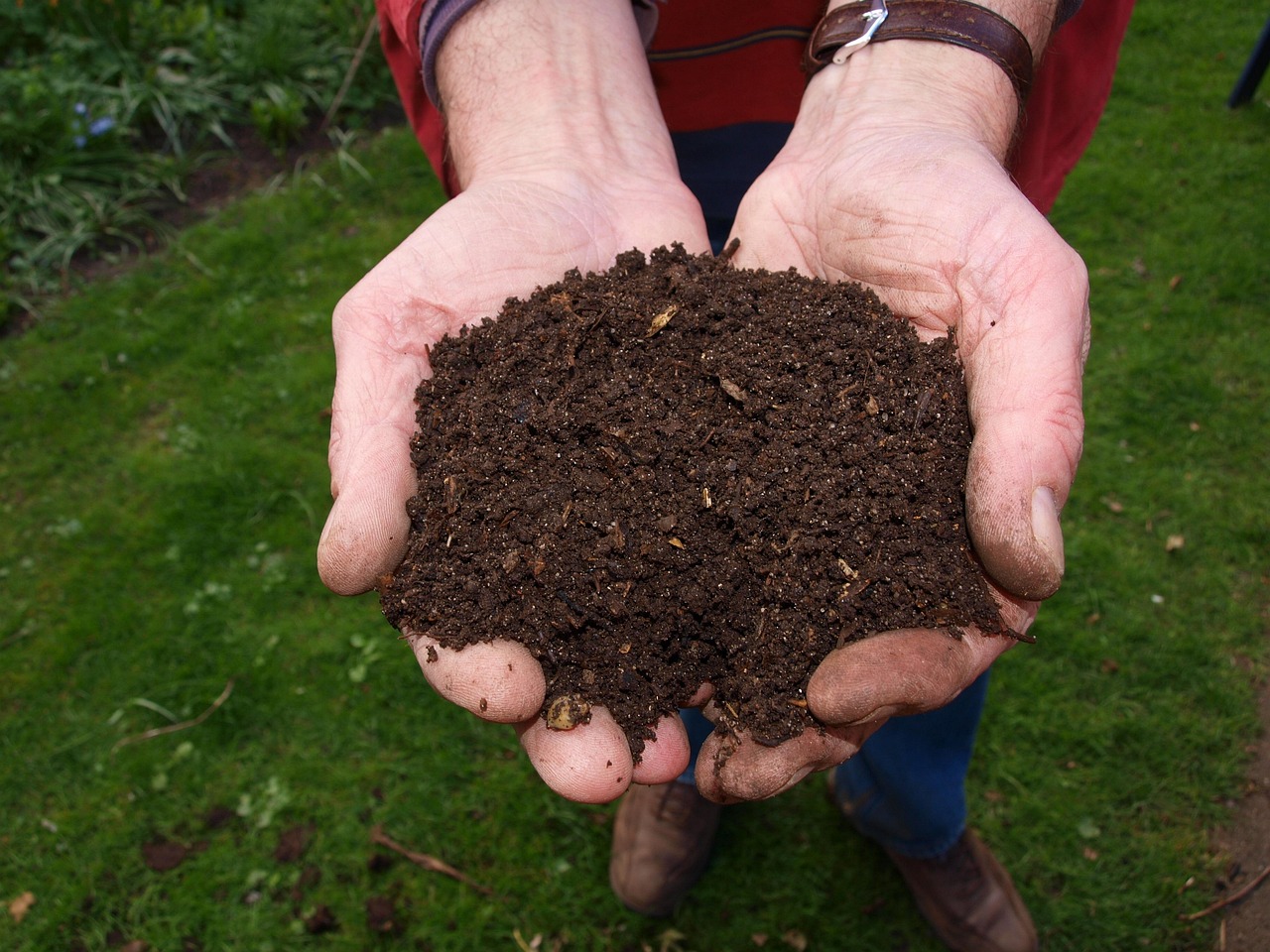
I became obsessive about keeping contaminants out of my compost. Washington’s gardeners have complained for decades about annoying scraps of trash they find in compost, including plastic film, wrappers, and bits of cardboard.
Several challenges remain, including managing contaminants such as heavy metals and microplastics, which can compromise the safety and agronomic value of the final compost product.
My new screening process eliminates these issues. I inspect all inputs, avoid questionable materials, and use a simple wire mesh to filter the finished compost.
Economic Benefits Beyond Environmental Impact
The improved composting routine delivers measurable financial returns. New businesses in the US can sustain 18 full-time jobs by utilizing 10,000 tons of compost every year, highlighting the economic potential.
The compost market is expected to experience massive growth over the next few years, projected to reach $7-9 billion by 2024-2025 with compound annual growth rates typically between 5-7%.
My garden soil improvement reduced fertilizer costs by roughly two-thirds. The enhanced soil structure improved water retention, reducing irrigation needs during dry spells.
The transformation from casual composter to precision practitioner changed everything. Environmental experts confirm what I experienced firsthand: proper composting isn’t just about waste reduction anymore. It’s become a crucial tool in our climate change arsenal, capable of sequestering significant amounts of carbon while creating valuable soil amendments.
The investment in better equipment, microbial inoculants, and monitoring systems pays dividends through faster processing, better results, and genuine environmental impact. Every home gardener has the power to become part of the solution, one properly managed compost pile at a time.
What surprised you most about modern composting science? Share your own composting transformation stories in the comments.