
The world of home design moves faster than ever before. What seemed like the height of sophistication just a few years ago can suddenly feel hopelessly outdated. While some design choices age like fine wine, others leave homes looking stuck in the past, sometimes in ways that aren’t immediately obvious. These subtle missteps can quietly drain a home’s appeal and market value without homeowners even realizing it.
Understanding what makes a home feel dated isn’t just about following the latest trends. It’s about recognizing the underlying design principles that create timeless appeal versus those that scream of a particular moment. The difference often lies in the details that might seem harmless but accumulate to create an overall impression of being behind the times.
All-White Everything Kitchens
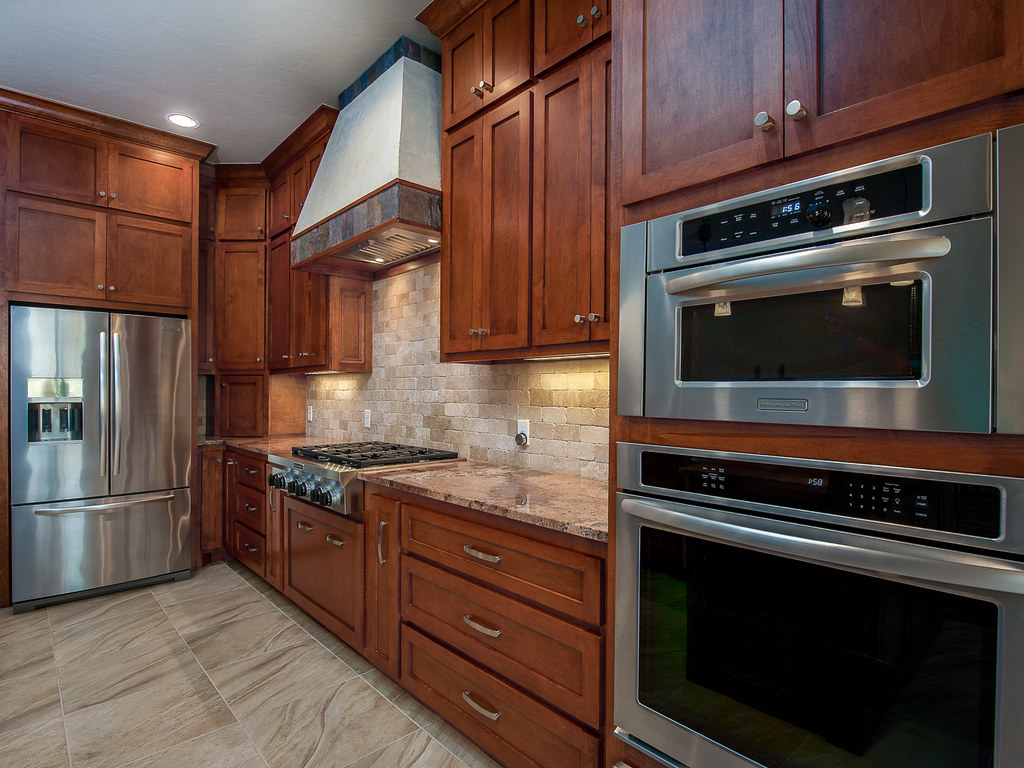
All-white kitchens with white Shaker doors are dated, according to interior design architect Julee Ireland. The pristine, sterile look that dominated the 2010s has lost its appeal as homeowners crave warmth and personality in their cooking spaces.
The problem with all-white kitchens isn’t the color itself, but the lack of visual interest and character. These spaces often feel cold and impersonal, more like a medical facility than the heart of the home. Beige is the new black, and it’s timeless and very chic.
Interior designers widely agree that soft or warm whites in the main living area are among the leading design trends in 2025. This shift toward warmer tones creates spaces that feel more inviting and lived-in.
Open Shelving in Kitchens
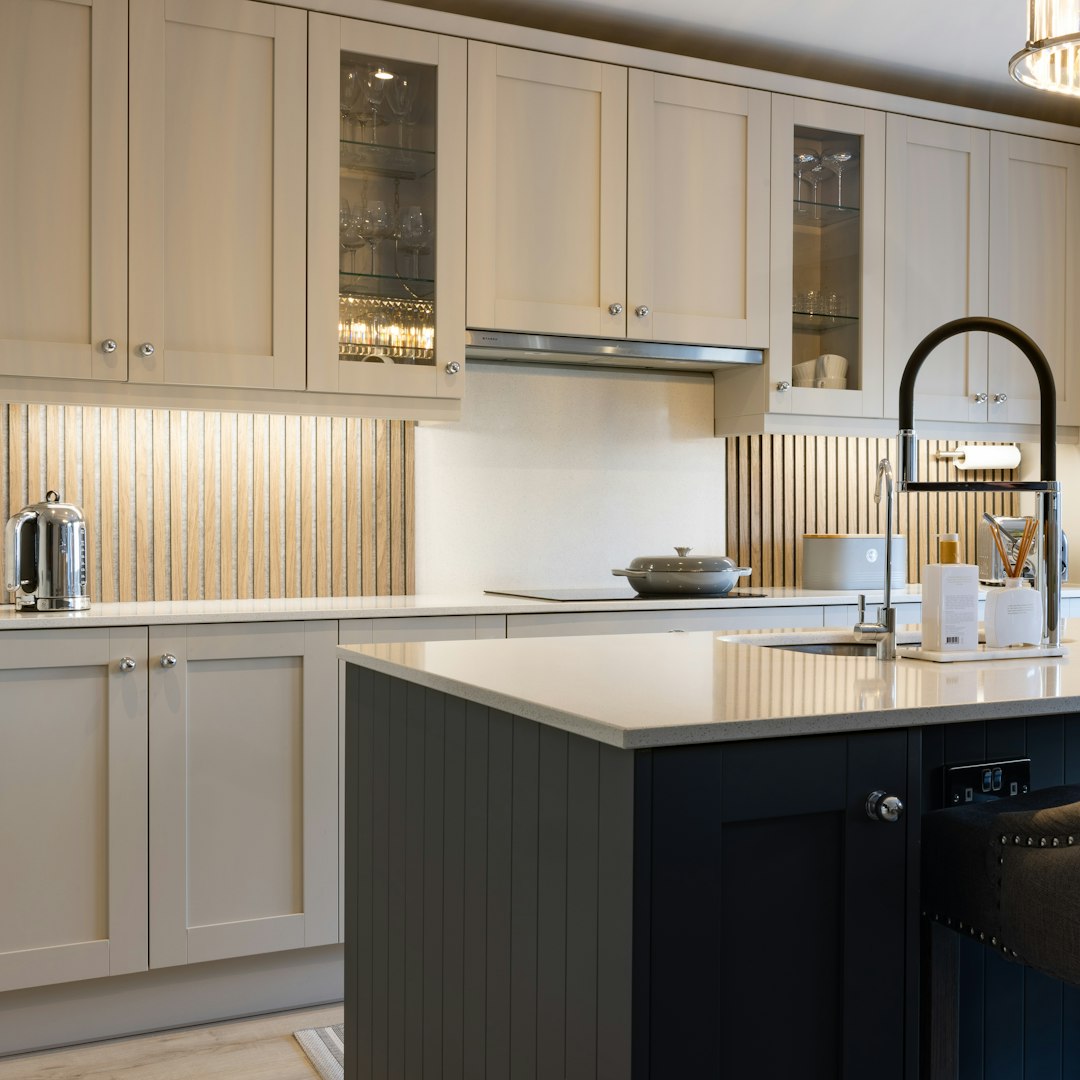
Open shelving isn’t disappearing entirely in 2025, but in newer kitchen remodels, its prevalence is fading. These days, fewer homeowners are ripping out all their upper cabinetry in favor of open shelves, and people have finally realized that open shelves can be difficult to style, a hassle to dust, and prone to making your kitchen look more cluttered.
The practicality issues have become impossible to ignore. Constantly dusty dishes and the pressure to maintain Instagram-worthy styling at all times have worn down even the most dedicated design enthusiasts. Homebuyers in 2025 are prioritizing functional storage over aesthetics, making upper cabinets a must-have again. The better alternative is soft-close custom cabinetry with hidden storage features, as buyers want clean lines, practical storage and minimal upkeep.
Smart storage solutions that hide clutter while maintaining visual appeal have become the gold standard for modern kitchen design.
Gray Everything Interiors
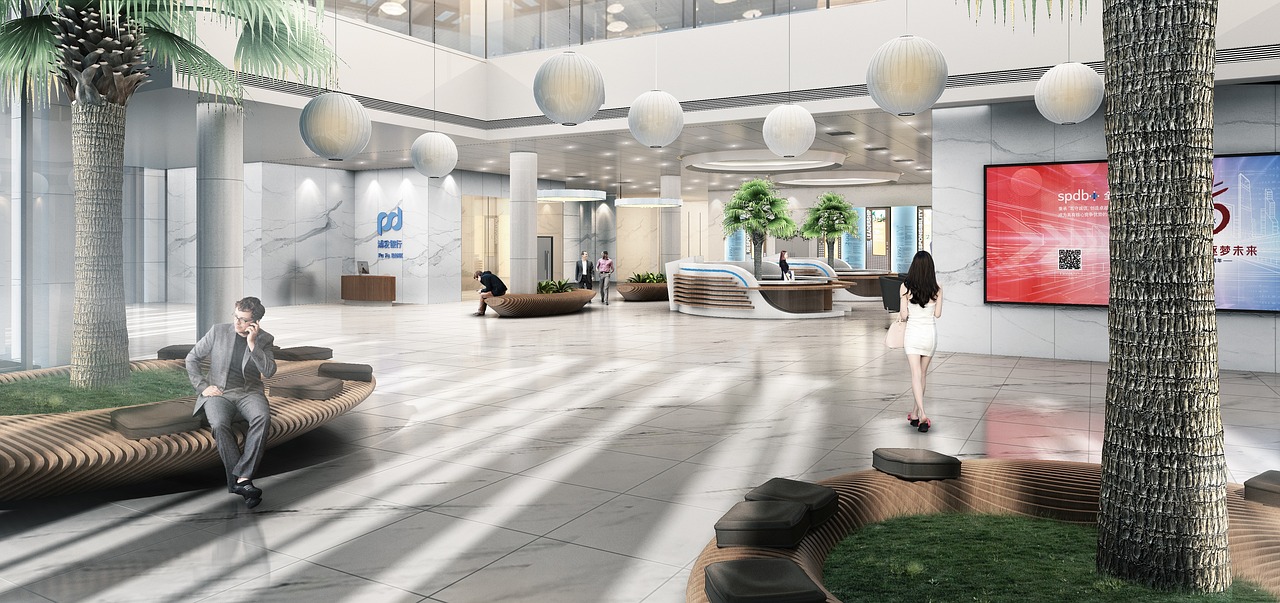
The gray trend that dominated home design for over a decade has officially run its course. Gray interiors have dominated for the past decade-plus, but cool neutrals are officially saying goodbye in 2024. The stark cool tones of whites and grays are out, and excessive use of cool neutrals can make a room look and feel sterile.
For years, real estate investors and home flippers have relied on gray walls, gray flooring, and gray cabinets to create a “modern” look. But in 2025, this trend is dead. Buyers now see all-gray interiors as cold, outdated, and overdone.
Everything is moving more toward warm, earthy tones like terracotta, pink hues, deep greens and dark blues. Rather than using bright colors as a dominant color on kitchen cabinets or an accent wall, homeowners are adding color through tile, wallpaper, paint, furniture and wall hangings, while anchoring the space with neutral beige tones and warm wood colors.
Small Format Bathroom Tiles
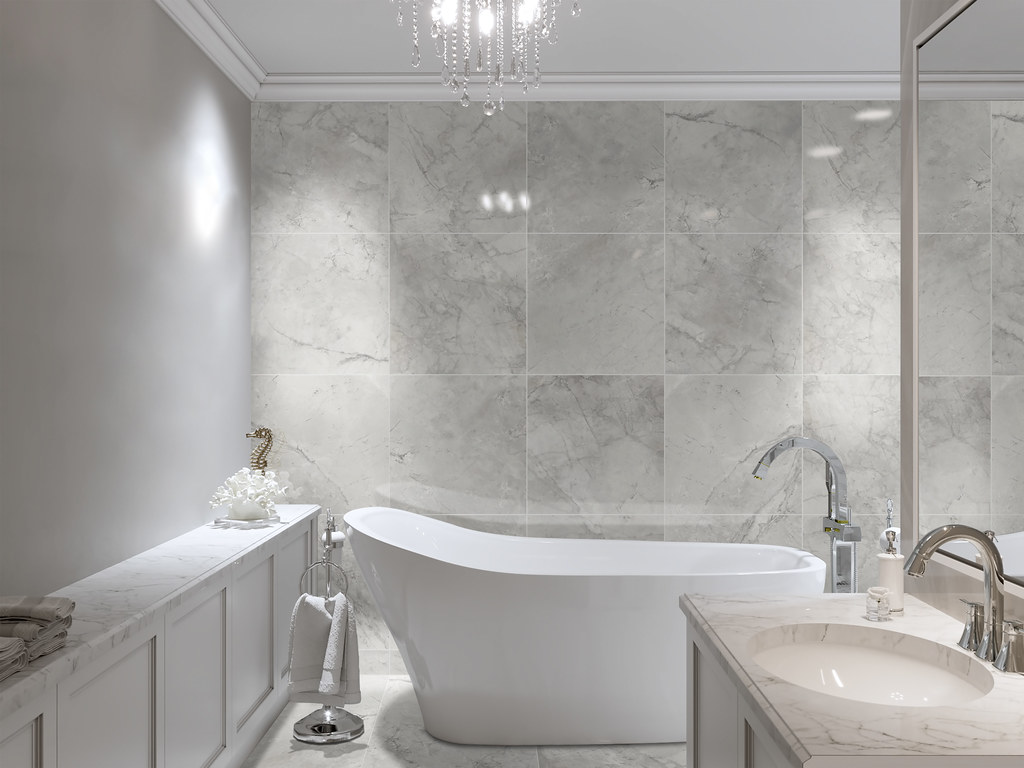
Two trends that will seriously date your home are small 12×12 tiles lining your bathroom floor, walls and shower. These tiny tiles create a busy, fragmented look that feels more appropriate for a public restroom than a luxury home spa.
The abundance of grout lines in small tile installations not only looks dated but also creates maintenance nightmares. We’re seeing a lot more large-format tile in the bathroom with neutral tones and natural stone marbling. This shift toward larger tiles creates cleaner lines and a more sophisticated appearance.
The move away from small tiles reflects a broader desire for streamlined, low-maintenance surfaces that still provide visual interest through texture and pattern rather than size.
Built-in Jacuzzi Tubs
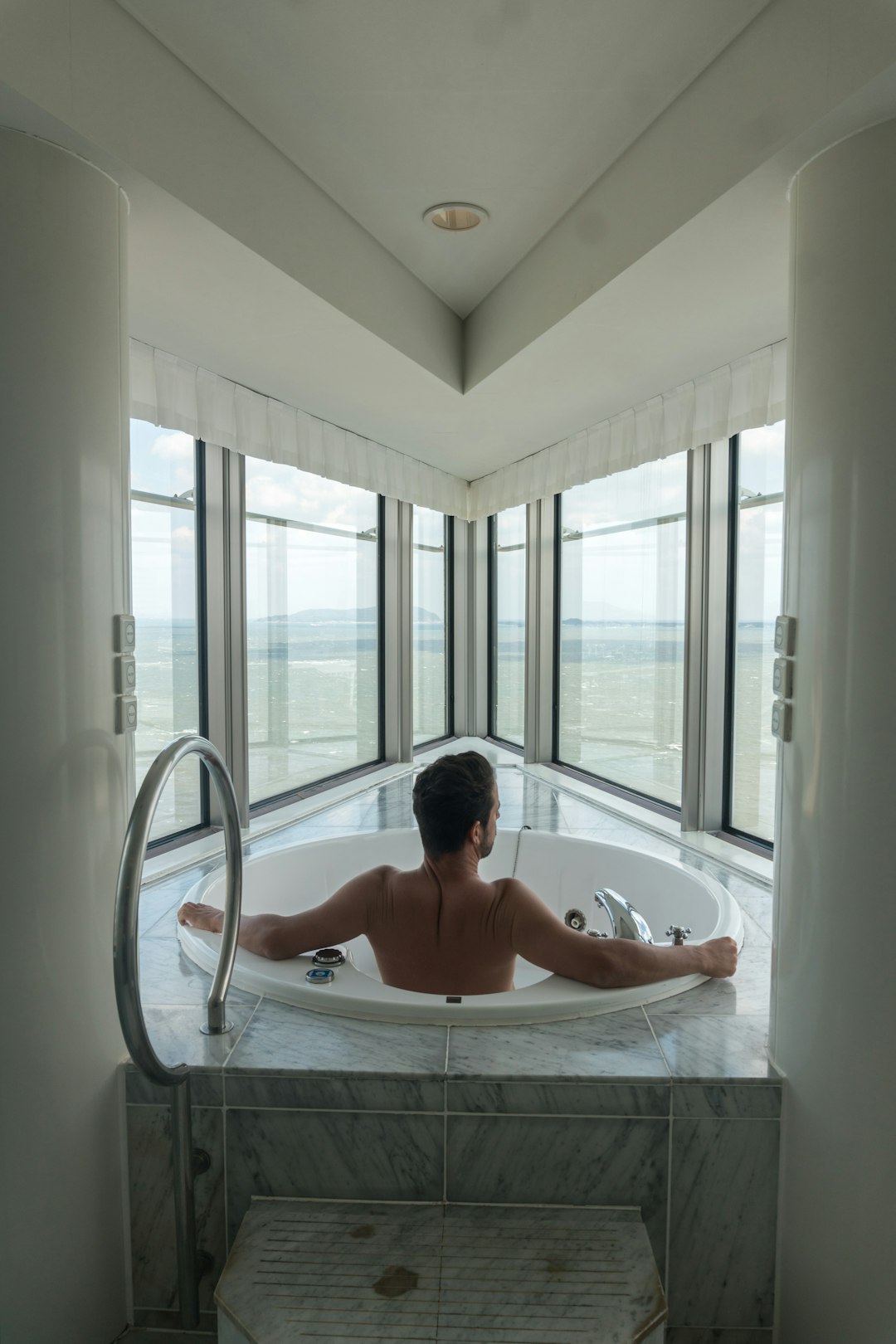
The massive, space-consuming jacuzzi tubs that were once symbols of luxury have become design albatrosses. Two trends that will seriously date your home are space-gobbling jacuzzi tubs. These oversized fixtures eat up valuable bathroom real estate while rarely being used for their intended purpose.
People are now putting in beautiful soaking tubs, which are almost like an architectural design that you can soak in. Modern homeowners prefer sculptural, freestanding tubs that serve as design focal points rather than bulky built-ins.
Built-in tubs with large platforms and small grouted tiles are not only an eyesore, they take up valuable real estate that should be given to the shower. The preference has shifted toward spacious, well-designed showers with luxury features.
Farmhouse Overload
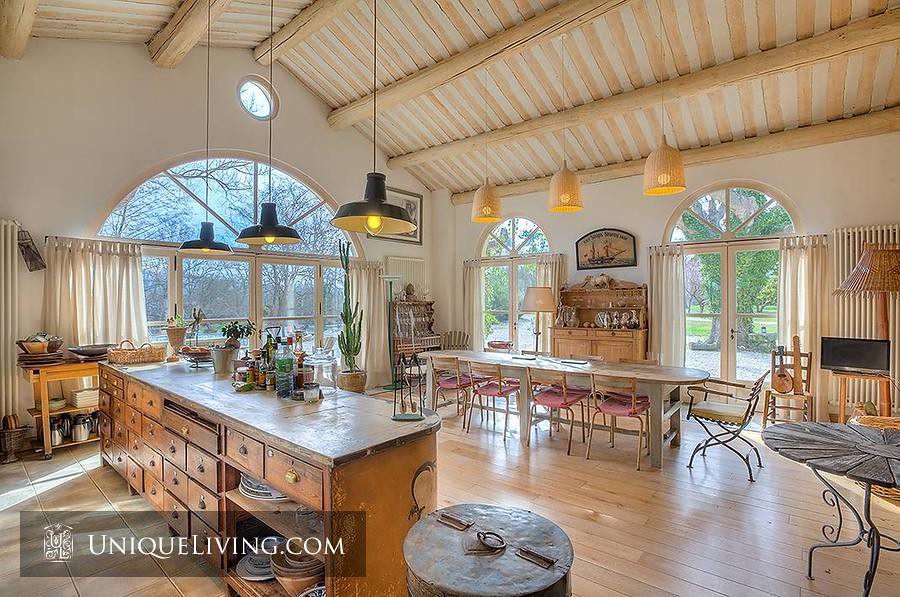
The farmhouse trend was all the rage in the 2010s. However, when the home is too rustic or shabby-chic – with sliding farm doors, shiplap walls, lots of wood elements, matching furniture and apron sinks – it really dates the space.
The problem isn’t rustic elements themselves, but the heavy-handed approach that characterized peak farmhouse fever. The modern farmhouse look is still in, but it’s shifted more to bespoke pieces. It’s warmer, earthier and more organic, and matchy-matchy furniture, which was popular in the farmhouse era, is dated.
For the last decade, farmhouse design has dominated house flips, but in 2025, the overly “rustic chic” look is officially outdated. Buyers are moving towards sleek, modern, and transitional designs that feel less theme heavy. The better alternative is a modern organic style that blends natural wood, minimal accents, and neutral tones without being overly rustic.
Industrial Lighting Fixtures

Black metal cage lights and exposed bulbs were once a staple in modern house flips, but buyers are over the harsh, cold lighting that comes with industrial-style fixtures. Instead, they’re looking for warm, inviting lighting that complements their space.
The problem with industrial fixtures isn’t their design philosophy, but their execution in residential spaces. What works in converted warehouses often feels out of place in suburban homes. Lighting is one of the most important elements of the home. It truly impacts your mood, the aesthetic of a space, and the overall vibe of the home.
The better alternative is sleek, minimal pendant lights and statement chandeliers in warm tones like brushed gold, brass, or soft black. Smart lighting that allows for adjustable brightness and warmth is also a huge selling point in 2025.
Matching Furniture Sets
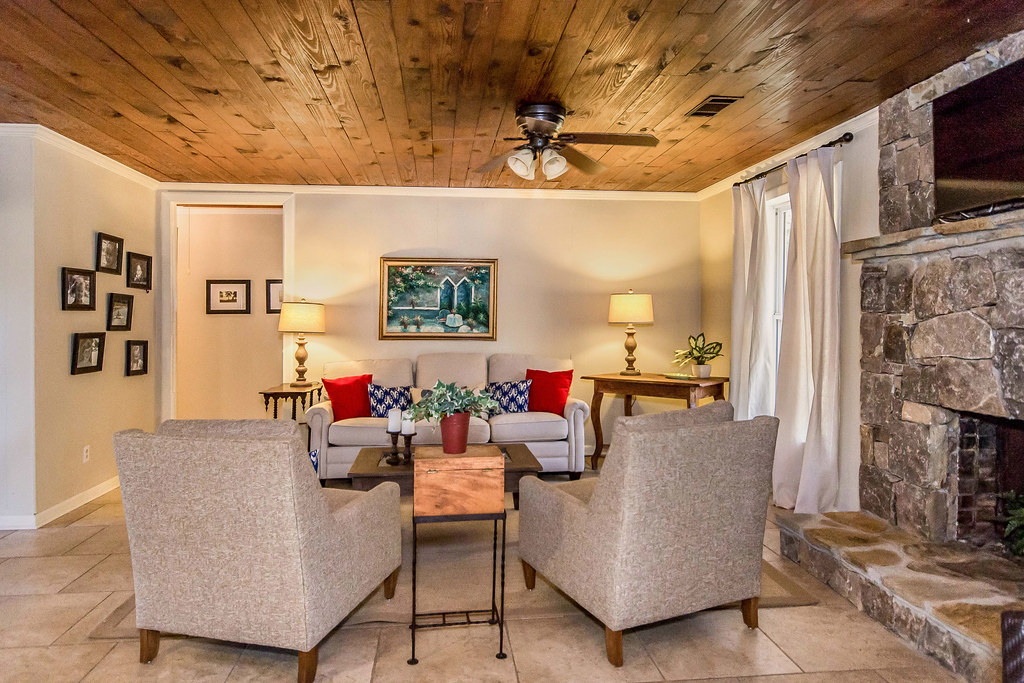
Once seen as a sign of a well-coordinated home, matching furniture sets – especially those sold as complete living room or bedroom packages – have been seen as passed their sell-by date for a few years now. Identical furniture pieces from big-box stores can make a space feel uninspired, and mixing textures, styles, and vintage finds creates a more curated, modern look. Interior designers now encourage mixing materials, styles, and eras by shopping for vintage furniture or custom pieces.
The shift away from matching sets reflects a broader cultural move toward individuality and authenticity in home design. The era of perfectly matched furniture sets is fading. Today, eclectic and curated looks featuring complementary pieces rather than identical ones are preferred. Mixing textures, colors, and styles adds dynamism and interest to a space.
Waterfall Kitchen Countertops
Waterfall countertops had their moment, but they can sometimes feel a little too sleek and cold. In 2025, homeowners are craving kitchens with more warmth and personality, and there’s a shift toward islands with mixed materials or unique details that make the space feel inviting, layered, and full of charm.
These dramatic stone slabs that cascade to the floor were once the ultimate luxury statement. Yet their very perfection has become their downfall, creating spaces that feel more like showrooms than lived-in kitchens. The maintenance challenges and cost of repairs when damage occurs have also contributed to their declining popularity.
Current preferences lean toward kitchen islands that incorporate multiple materials, textures, and functional elements that prioritize both beauty and practicality over pure visual impact.
Oversized Statement Lighting
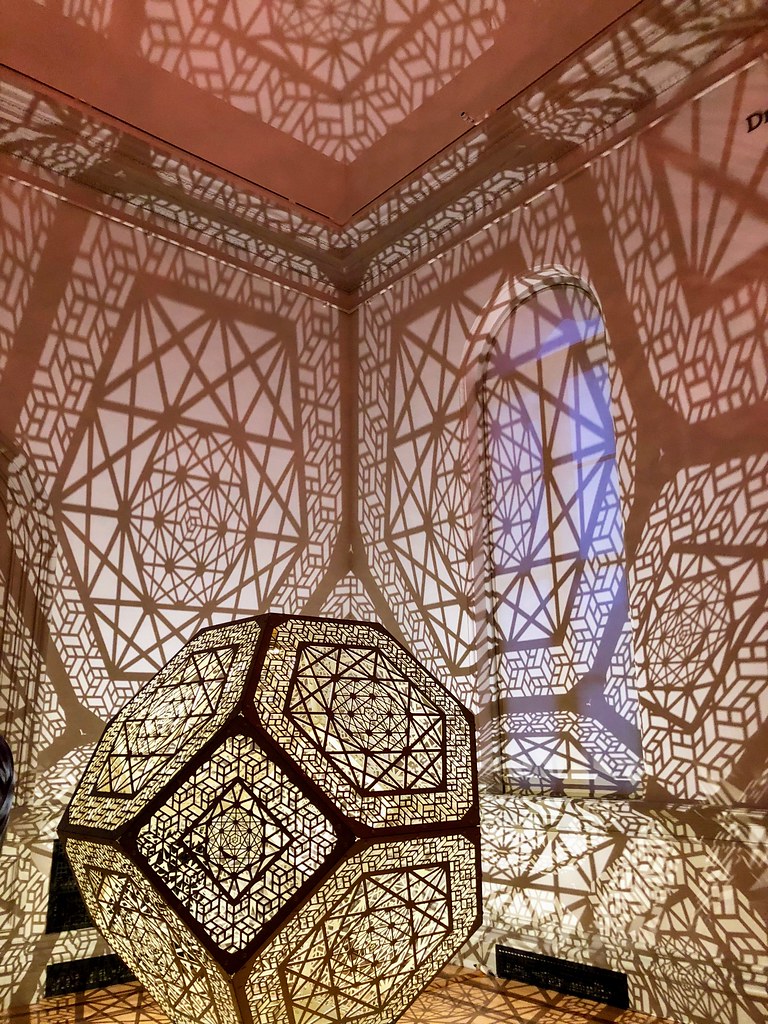
Outdated overhead fixtures, harsh LEDs, or uninspired flush mounts can instantly age a space. In 2025, lighting is taking center stage, with elements like sculptural sconces, layered illumination, and thoughtfully designed fixtures that elevate even the simplest of rooms.
While statement lighting remains important, the trend has evolved away from massive, overwhelming fixtures toward more nuanced approaches. A few years ago statement lighting started becoming a big trend, and at the time, larger, oversized lighting was what everyone was talking about. But the statement lighting trend has changed from big, brash lighting to artful lighting elements that are unique to the space.
The focus has shifted toward pieces that complement rather than dominate their spaces, creating atmosphere through thoughtful placement and design rather than sheer size.