
Selling a home is rarely as simple as planting a sign in the yard and waiting for offers to roll in. Buyers today are more discerning than ever, and they walk through a front door with an invisible checklist already running in the back of their minds. Some red flags are obvious. Others are baked so deeply into a home’s bones that most sellers never even realize they’re there.
The average American household spent over nine thousand dollars on home improvement projects in 2024, according to Angi’s annual State of Home Spending report. Despite all that spending, certain design flaws persist in homes across the country – and they quietly chase buyers away. Whether you’re listing soon or thinking years ahead, these are the seven design flaws that deserve your attention.
1. A Floor Plan That Fights Against Itself
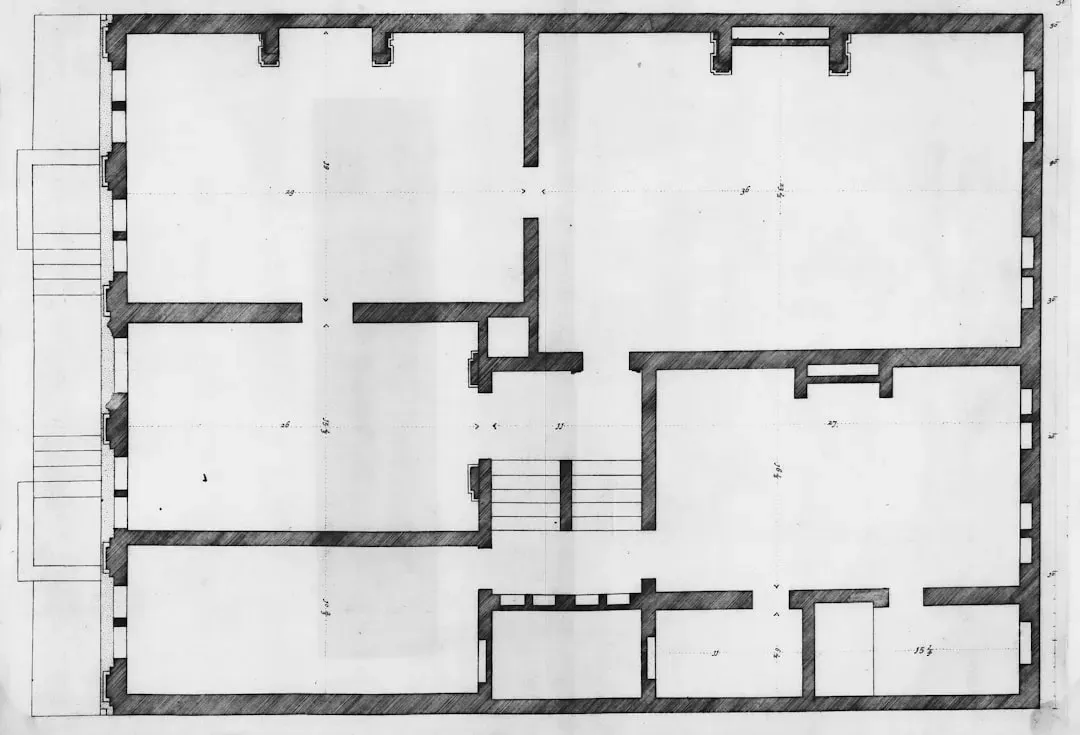
Homes with disjointed layouts, cramped rooms, or excessive hallways frequently sit longer on the market or require price cuts before attracting interest. Even luxury upgrades like custom kitchens, high-end flooring, and premium fixtures can’t fully compensate for a floor plan that feels inefficient or outdated. It’s one of those problems money can’t easily paper over.
Homes with undefined living spaces all jumbled together leave buyers unable to envision how their belongings will fit in each space, which can make an existing home very hard to sell. When the division between public and private zones is poorly planned or co-mingled, a home is less comfortable and less inviting to guests. Bedrooms or home offices placed next to loud rooms like the living room and kitchen make those spaces less comfortable and less enjoyable to spend time in.
2. Severe Lack of Natural Light

Natural light is one of the most in-demand home features in 2025 because it enhances mood, reduces energy costs, and makes homes feel more spacious and connected to the outdoors. Every year, buyer preferences evolve, but few trends have risen as quickly as the demand for natural light. It has moved beyond being a “nice-to-have” and is now one of the top features buyers request in new homes.
Lack of natural light can alienate potential purchasers. Dark interiors are unable to display all the house’s advantages – they hide the nuances of the layout and design, and create a depressive atmosphere, making even a fashionable interior look outdated and gloomy. A poorly lit home is at an automatic disadvantage. Darkness can make a home feel small, uninviting, and dirty, even when it isn’t. A potential buyer may even wonder what flaws are lurking in the shadows.
3. Overly Personalized or Heavily Themed Rooms
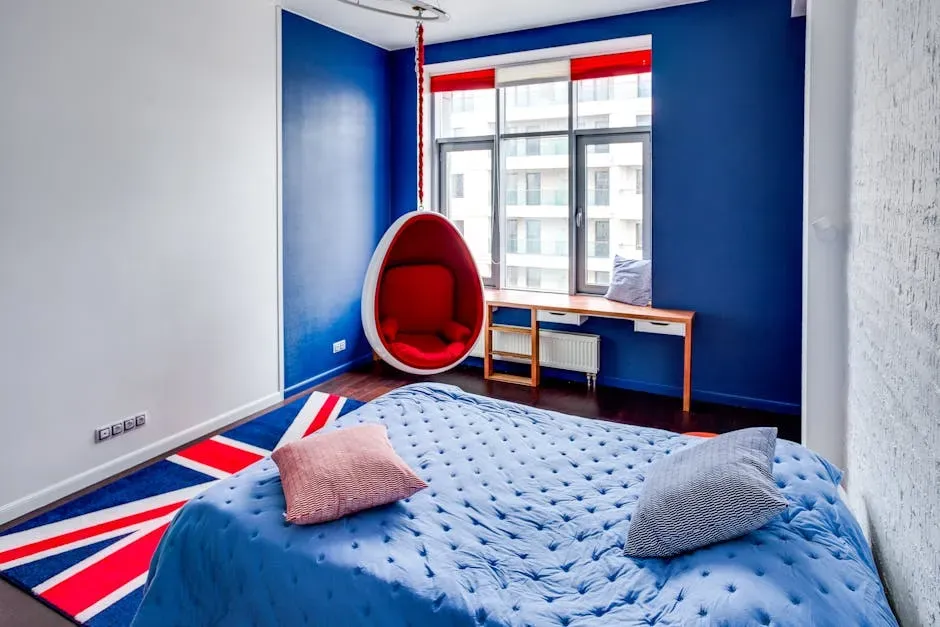
A pirate-themed kid’s bedroom or a full-on Tuscan-inspired kitchen might seem fun, but housing experts warn these highly personalized spaces significantly hurt resale values. Rooms with extreme themes – whether nautical, superhero, sports team, or specific time period – severely limit buyer appeal. Potential buyers struggle to see past heavy theming and often calculate substantial renovation costs to neutralize these spaces.
Whether it’s the intricately patterned tile you fell in love with or the custom mural that graces the kids’ playroom, any design feature that screams “unique” is most likely not going to have the same attraction for other people. All future buyers will see is one more thing they’re going to have to remove before they can move in. Too much personalization can make a home feel less adaptable. If you’re renovating with resale in mind, stick to neutral designs that allow future buyers to picture their own lifestyle in the space.
4. Popcorn Ceilings and Outdated Textured Surfaces
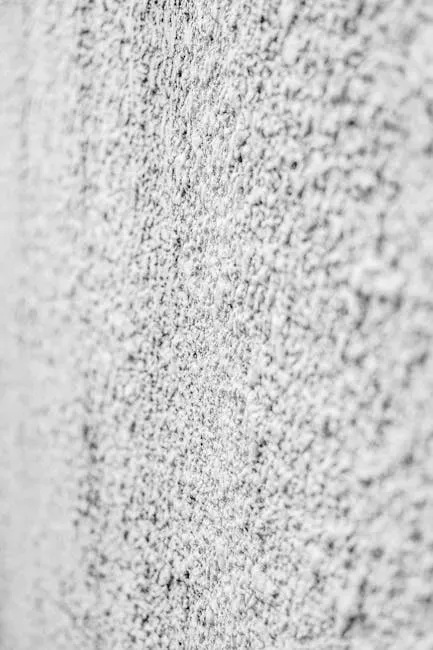
Once a popular texture choice, popcorn ceilings now scream “outdated” to modern buyers. These bumpy surfaces collect dust, are difficult to clean, and often contain asbestos in older homes built before the 1980s. Removing popcorn ceilings has become one of the first projects new homeowners tackle after purchase.
Real estate agents report that homes with these textured ceilings typically sell for three to five percent less than comparable properties with smooth ceilings. Buyers increasingly view popcorn ceilings as an immediate renovation expense. Fancy, textured ceilings and walls may seem like a simple way to make a room stand out, but if buyers don’t like the texture, they may set their sights on another home with a smaller refurbishing list. Most people consider popcorn texture on a ceiling outdated.
5. Converted Garages and Permanently Repurposed Flex Spaces

In our post-pandemic world, one of the new mantras of real estate is: refrain from making flex spaces less flexible. A wave of COVID renovations created new “dedicated” spaces, but future homeowners won’t necessarily need a permanent theatre or gym where the garage used to be. What felt innovative a few years ago can now quietly kill a listing’s appeal.
Some convert their garages into a home gym or game room, but buyers may put higher value on a garage over extra living space. Experts note that certain markets put much higher value on garage space, so a home without a garage becomes much harder to sell. Depending on where you live, there may also be tight restrictions on converting garages to living spaces. That’s a legal complication no buyer wants to inherit.
6. Shoddy or Visibly Poor Workmanship

Mistakes made during construction or renovations can affect your property value, especially when it comes to the final appraisal. These errors are often the result of a contractor or DIY homeowner trying to save money or time, but shoddy workmanship compromises quality and can reduce the value of your home in the long run.
If you have a project that didn’t turn out quite right – the leaning fire pit, the unintentionally abstract woodwork, or the door that doesn’t shut – get it fixed. Even one spot of shoddy work makes people question the quality of your entire home. Poor workmanship can actually decrease your home’s value, as buyers often factor in the cost of redoing substandard improvements. It’s a trust issue, plain and simple.
7. Over-Improving for the Neighborhood

The most expensive mistakes involve over-improving for the neighborhood or creating mismatches where one beautiful room highlights dated surroundings. A kitchen fit for a luxury high-rise sitting inside a modest starter home creates an uncomfortable imbalance that buyers feel immediately, even if they can’t quite articulate why.
Clever’s 2025 survey found that roughly three in five buyers prioritized finding an affordable home, up from not even half in 2024. Cost-conscious buyers are pickier about what they’ll accept, and well-maintained homes stand out when buyers have more choices. The data backs this up: Clever’s 2024 American Home Buyer Report found that the vast majority of recent buyers had regrets about their purchase, with the most common being that the home requires too much maintenance. Buyers don’t want projects; they want to move in and be done.
Design flaws that are cosmetic can often be fixed over a weekend. The ones listed here tend to run deeper – they shape how a home feels the moment a buyer steps inside, and first impressions in real estate are notoriously hard to undo. Knowing where the friction points are is more than half the battle.