
Good taste in a home rarely announces itself loudly. It tends to show up in the quiet details, in a thoughtfully chosen material, a light source placed just so, or a room that somehow feels right before you’ve had time to analyze why. These are the things visitors notice without knowing exactly what they’re noticing.
The shift in interior design over the last few years has reinforced this idea. There’s been a noticeable shift away from fleeting, pop-culture-driven fads toward designs inspired by the past and focused on longevity, with more people prioritizing interiors that reflect personal style and enduring appeal rather than constantly chasing what’s new. What follows are twelve of the most telling features that quietly communicate genuine design sensibility.
1. Layered Lighting Instead of a Single Overhead Source
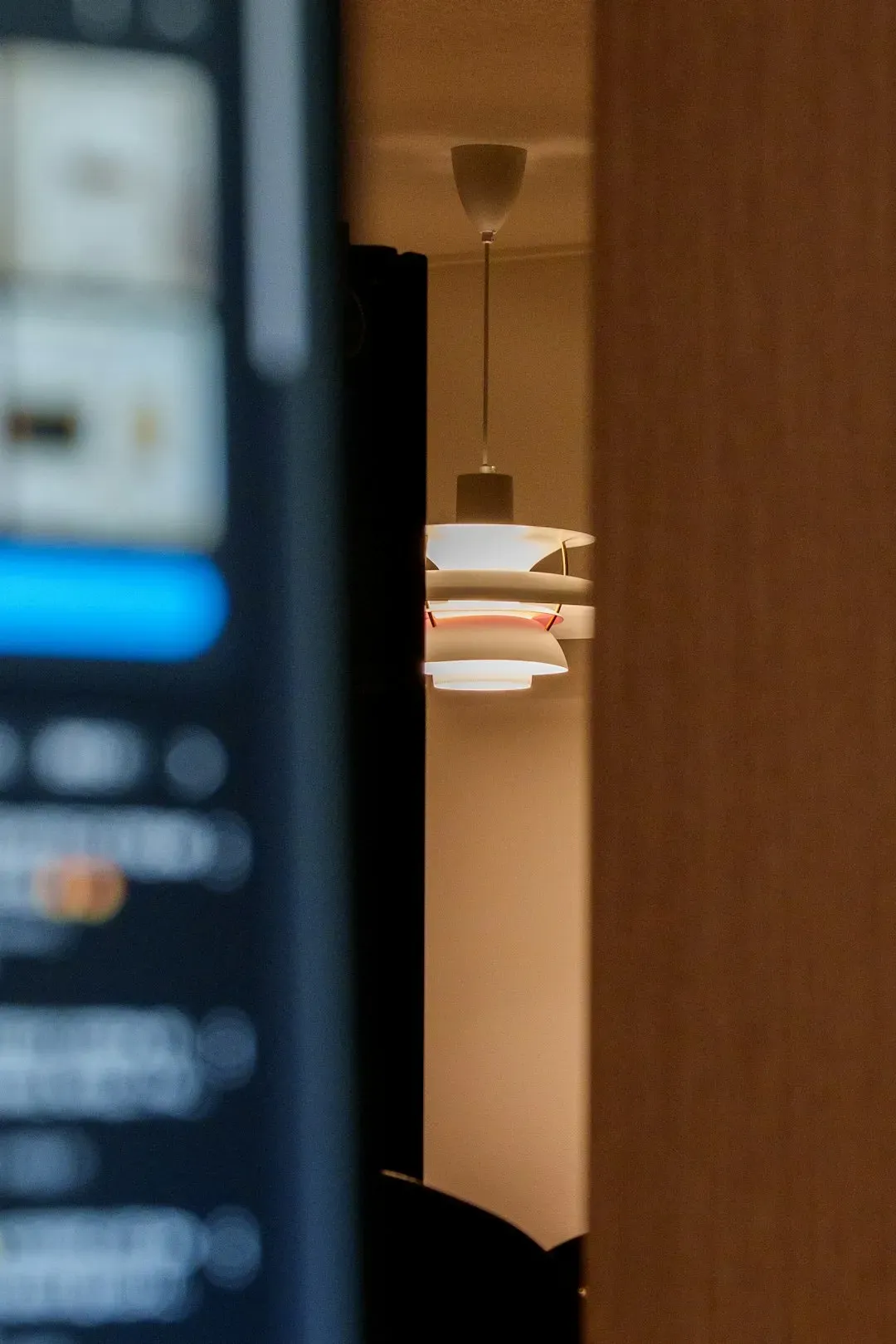
Lighting is more than just functional; it’s a key design element. In 2026, layered lighting setups are transforming spaces, boosting both mood and style. Think of lighting as your home’s jewelry. It should highlight and flatter. Starting with ambient lighting from ceiling fixtures, adding task lighting with stylish lamps, and finishing with accent lighting like wall sconces or statement pendants combines these layers to add depth and makes a room feel instantly more polished.
Lighting transforms from a functional necessity into a focal design feature. A single overhead light no longer defines a space. Instead, oversized statement fixtures like sculptural chandeliers, dramatic floor lamps, and vintage-inspired sconces add personality and intentional drama, acting as both art and illumination. Rooms lit this way feel considered rather than improvised, and that distinction reads immediately to anyone with a trained eye.
2. Natural Stone Used with Genuine Restraint
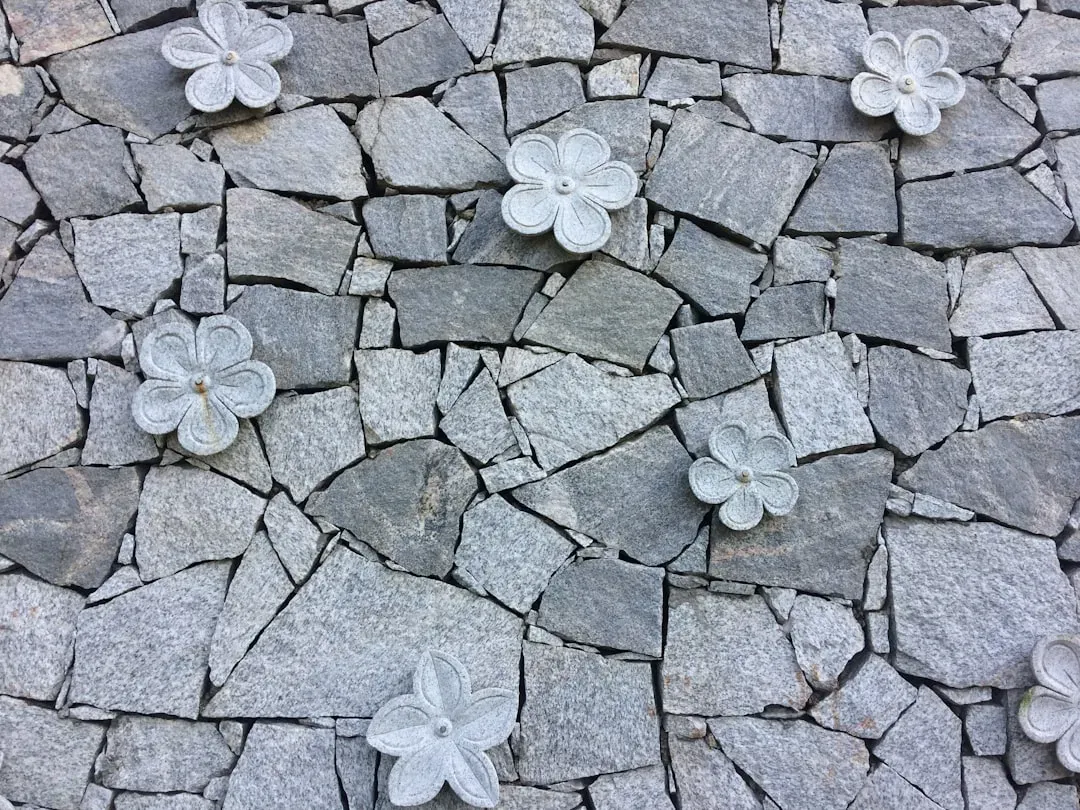
Natural stone brings an earthy, timeless quality to interiors through texture, luxury, and a sense of permanence. Marble, granite, and slate can be used in various ways, from countertops and flooring to accent walls, and each of these materials enhances the visual and tactile experience of a space, making it feel grounded and sophisticated.
Stone is making a major comeback, and not just for countertops. Bold veined marbles, textured travertine, and even colorful stones like green quartzite or black granite are being used to create strong visual statements. Stone cladding on fireplaces, dining tables made entirely of marble, and dramatic kitchen backsplashes that go all the way to the ceiling are increasingly popular choices. The key word, though, is restraint. Knowing where to stop is part of the whole point.
3. Floor-to-Ceiling Drapery in Natural Fabrics
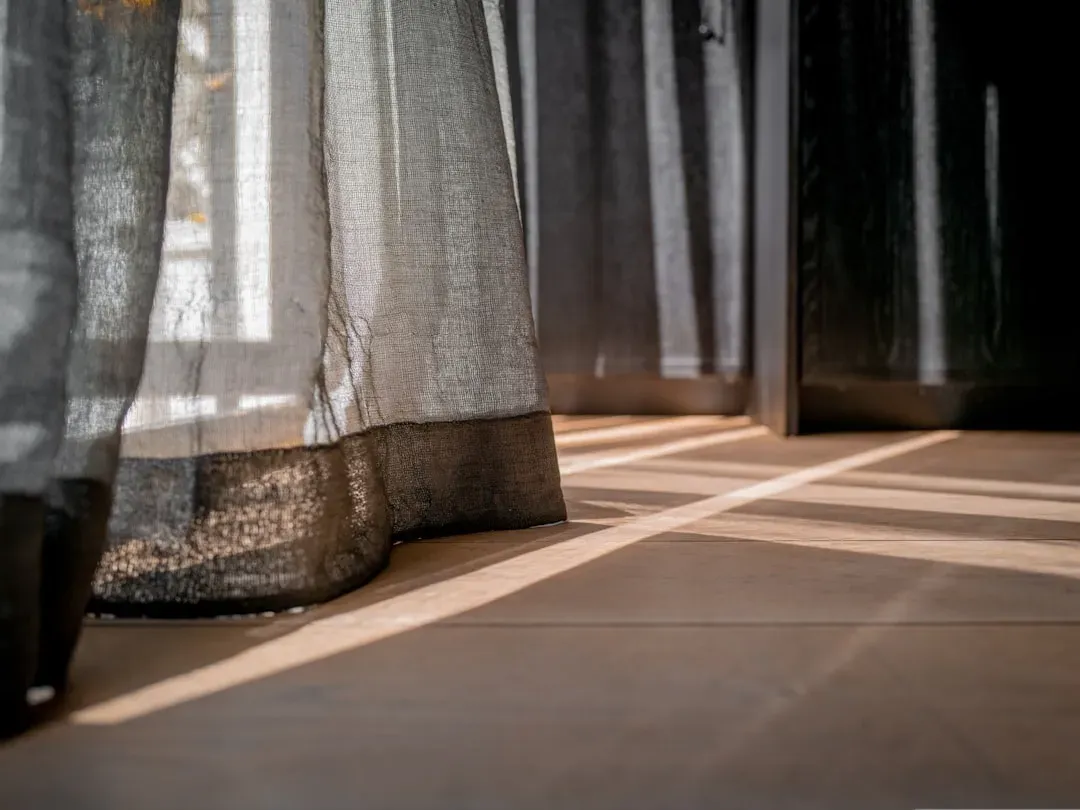
In 2026, statement drapery is making a return, but with a more refined, modern approach. Instead of heavy, overly ornate panels, today’s statement drapery focuses on clean lines, intentional fabric choices, and subtle drama that enhances a space without overwhelming it. Designers are using drapery to visually anchor a room, especially in open-concept living areas and primary bedrooms. Floor-to-ceiling panels create height and softness, while tailored pleats and streamlined hardware keep the look polished and current.
Designers are creating serene, cocooning spaces using layered neutrals, natural materials, and tactile finishes, with linen drapes, plaster walls, and boucle upholstery grounded by warm wood. Linen, in particular, has a quality that reads as both relaxed and refined, which is a genuinely hard combination to pull off with any other material.
4. Warm Mixed Wood Tones Rather Than Matched Sets
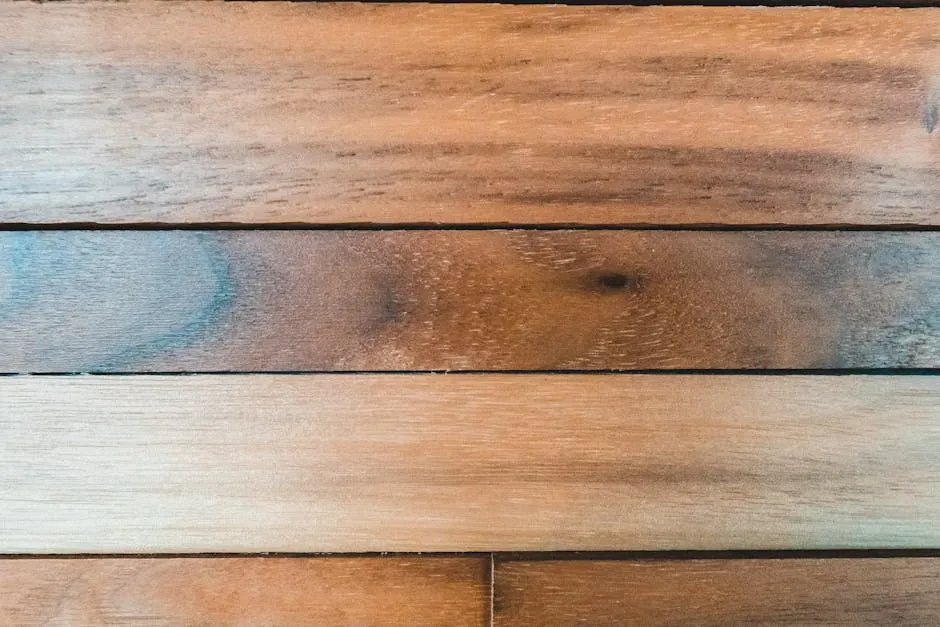
Mixing wood tones is becoming a defining look for 2026 as homeowners move away from the idea that all wood finishes must match perfectly. The design world is shifting toward layered, expressive interiors that feel warm, collected, and full of visual interest. Instead of relying on a single stain or species, designers are blending multiple tones that create depth and harmony throughout the home. This trend is compelling because it brings character into a room without introducing clutter.
After years of cool finishes, warm woods are back in a big way. Rich walnut, honey oak, and caramel-stained ash add instant comfort and timeless elegance. In 2026, it’s about layering different wood tones to create natural dimension, where a light oak coffee table might pair with mid-tone walnut cabinets and a dark cherrywood accent chair. Someone who understands this instinctively avoids the showroom-perfect matching look that dates a room almost immediately.
5. Architectural Molding and Considered Millwork
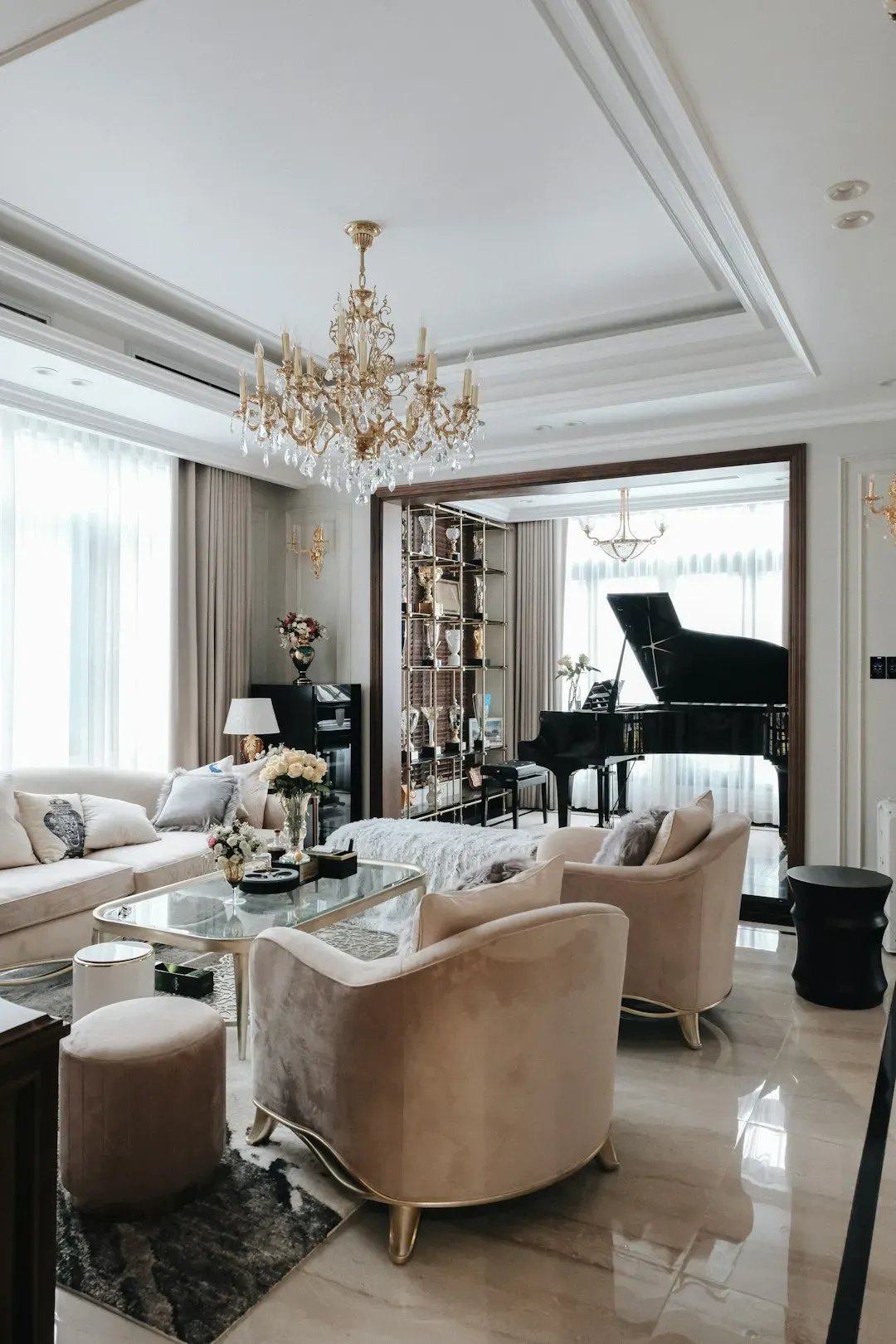
Modern Heritage is emerging as one of 2026’s most defining design movements because it bridges the gap between past and present in a way that feels meaningful and intentional. At its core, this style blends timeless architectural details like classic moldings, traditional millwork, and historical silhouettes with modern materials and furnishings.
Wall moldings, light boiserie, and decorative pilasters are reinterpreted with geometric precision, resulting in orderly, symmetrical interiors. Furniture is selected for material quality, with dark woods, combed velvets, and glossy marbles crafted with clean lines that echo neoclassical aesthetics in a lighter, more current way. Color palettes in contemporary classic interior design tend to favor deep and refined neutrals such as taupe, ivory, and satin bronze, often paired with metallic inlays and brass details. Millwork like this is slow to install and costly to get right, which is exactly why it signals something beyond convenience-driven decorating.
6. Tactile, Layered Textures Across Every Surface
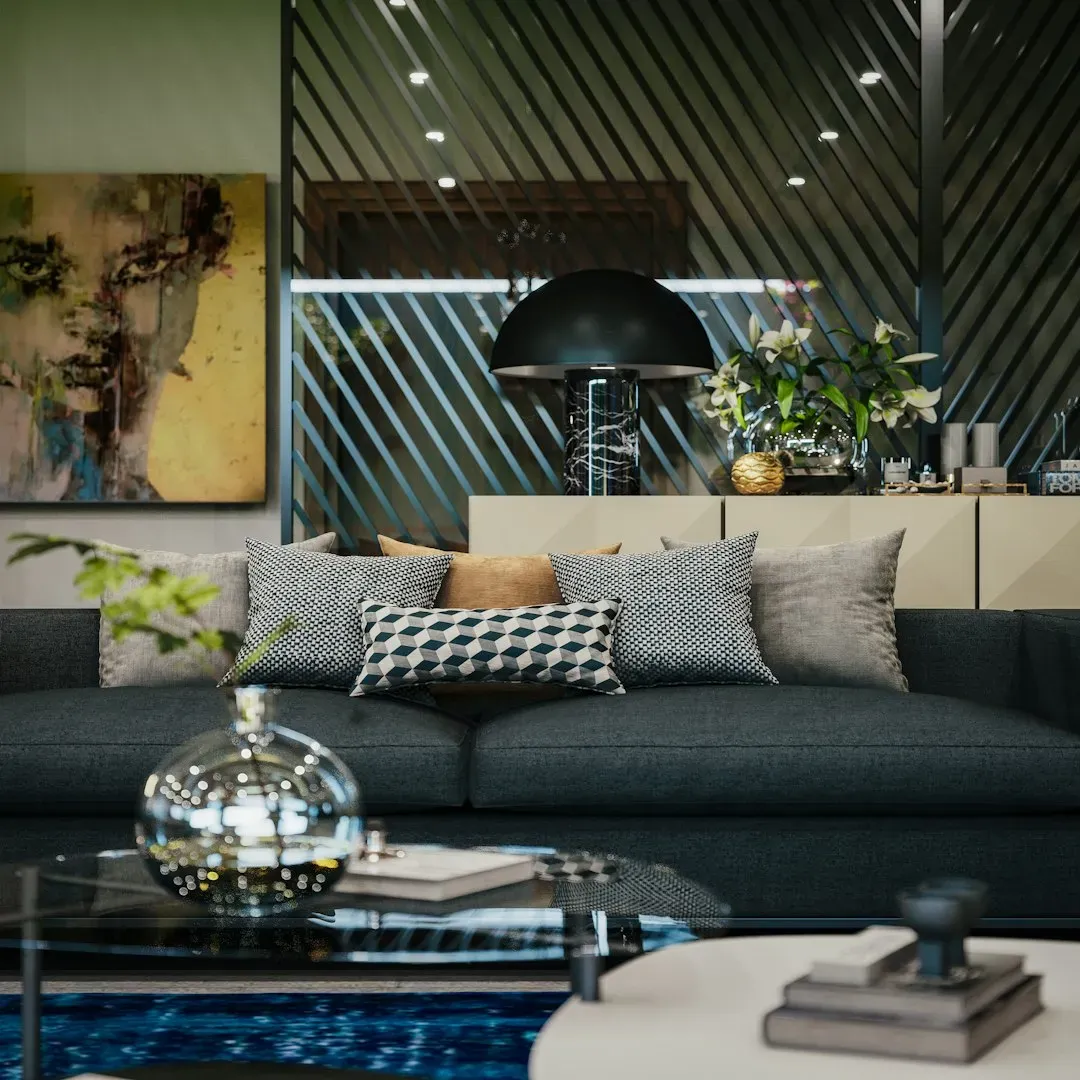
The magic of tactile design is huge in 2026. Texture is being layered everywhere, from walls to furniture. Plaster finishes, lime wash paints, fluted wood panels, bouclé upholstery, and chunky knits are all part of the conversation. This is what separates a room that looks styled from one that feels genuinely livable.
Texture is just as vital as color in defining luxury. In 2026, homes are layering plush velvet seating with boucle accent chairs, linen drapes with steel frames, and rough stone surfaces against smooth wood panels. This interplay of textures creates richness and dimension that flat, one-note designs lack. Homeowners are using tactile finishes to bring warmth and character to their interiors. Touching a space as much as seeing it is the mark of a room that knows what it’s doing.
7. An Intentional Relationship with Quiet Luxury
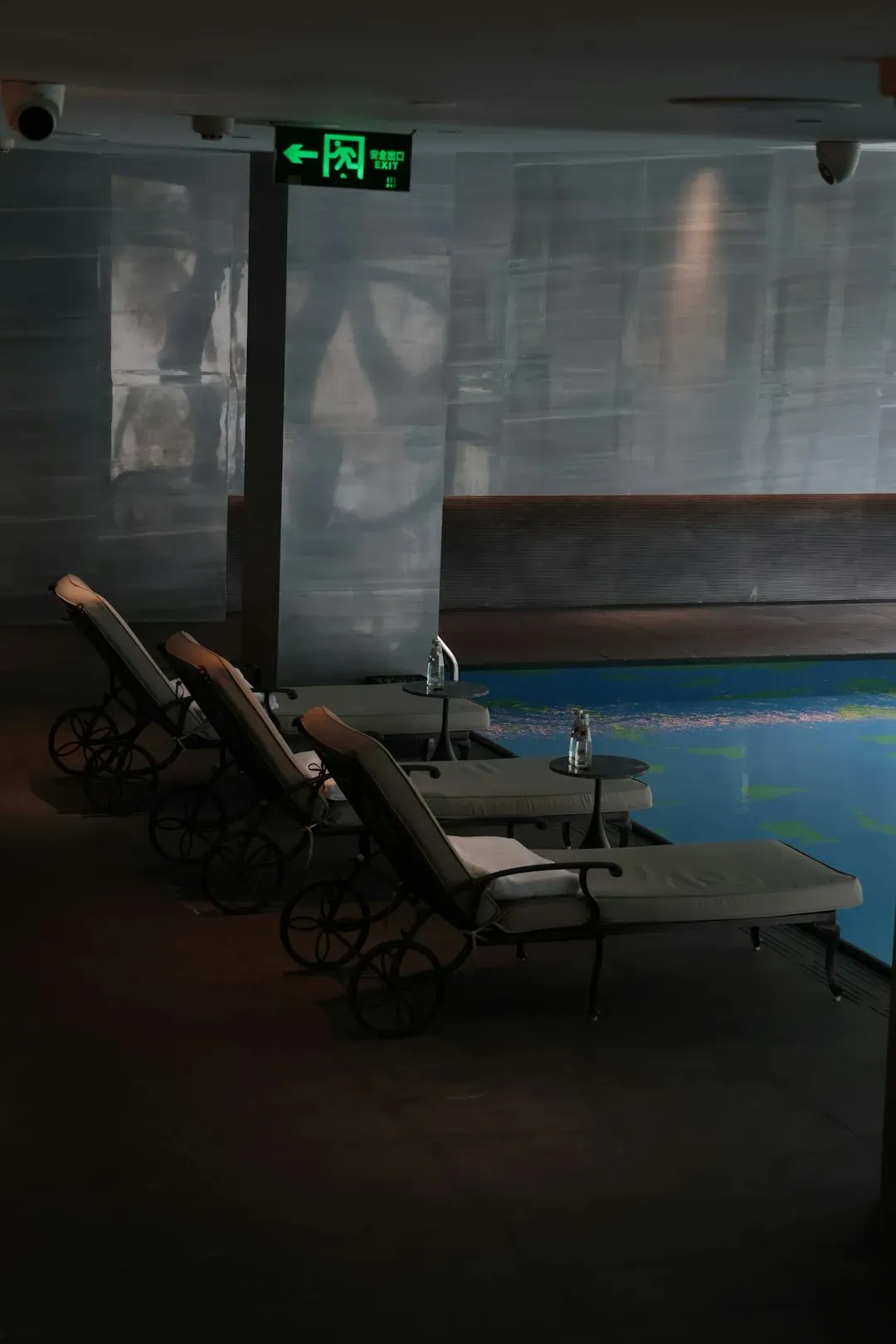
Quiet luxury, a trend that began to gather steam through 2023, has continued to grow. It hinges on the concept of old money, where subtle cues indicate wealth versus new money, where wealth may be showy, obtrusive, and transient. From an interior design standpoint, quiet luxury takes to heart the philosophy of less is more and choosing elegant restraint over opulence. To get the look, the focus is on clean lines, a neutral color palette, uncluttered space, high-end materials, and exquisite details that are indulgent but understated.
Quiet luxury is leading the charge, emphasizing a sophisticated yet understated approach to home design. This trend involves creating spaces that feel sumptuous and refined without being ostentatious. Think neutral hues, soft textures, and an abundance of warm woods. Quiet luxury is about crafting an environment that feels both welcoming and elegantly tailored, perfect for those who value subtlety and sophistication in their living spaces. The distinction between a space that performs wealth and one that simply inhabits it gracefully is exactly this restraint.
8. Curated Objects with Personal History
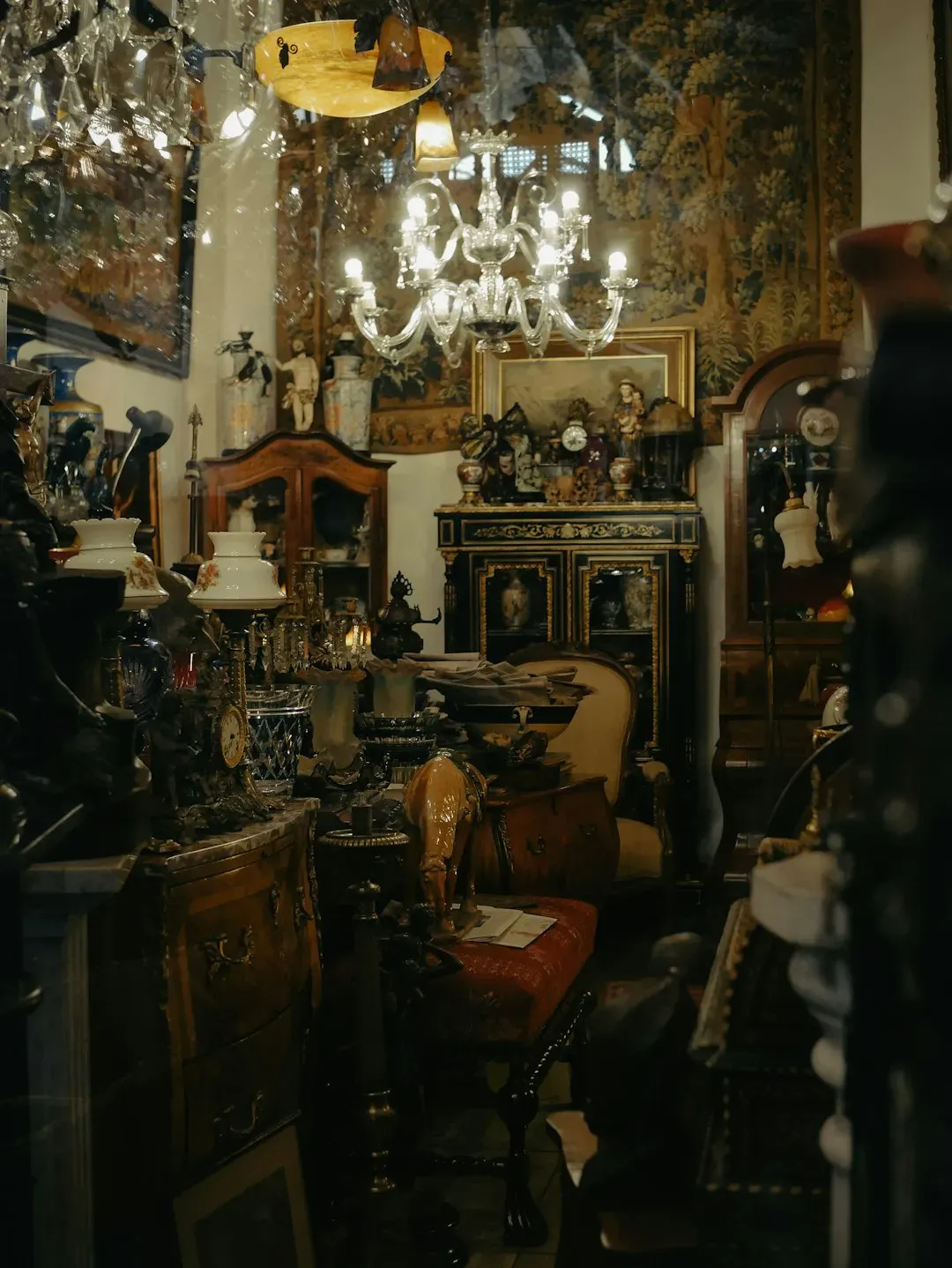
After years of ultra-minimal, show-home sameness, people are craving interiors filled with meaning and rooted in their own history, utilizing a mix of collected and cherished objects. Curated Nostalgia celebrates the return to emotional styling with items with history, shelves alive with personality, mismatched artwork, and rooms layered with warm, sentimental details. It’s not about perfection, but about showcasing the pieces that reflect who we are and where we came from.
Choosing signature investment pieces, such as solid-wood furniture and subtle artwork that is personally meaningful, is a core part of this approach. A home filled with things that actually matter to the person living in it communicates something a catalog-sourced room never can. The difference between a collected space and a cluttered one is curation, and that takes genuine judgment.
9. Thoughtfully Treated Ceilings
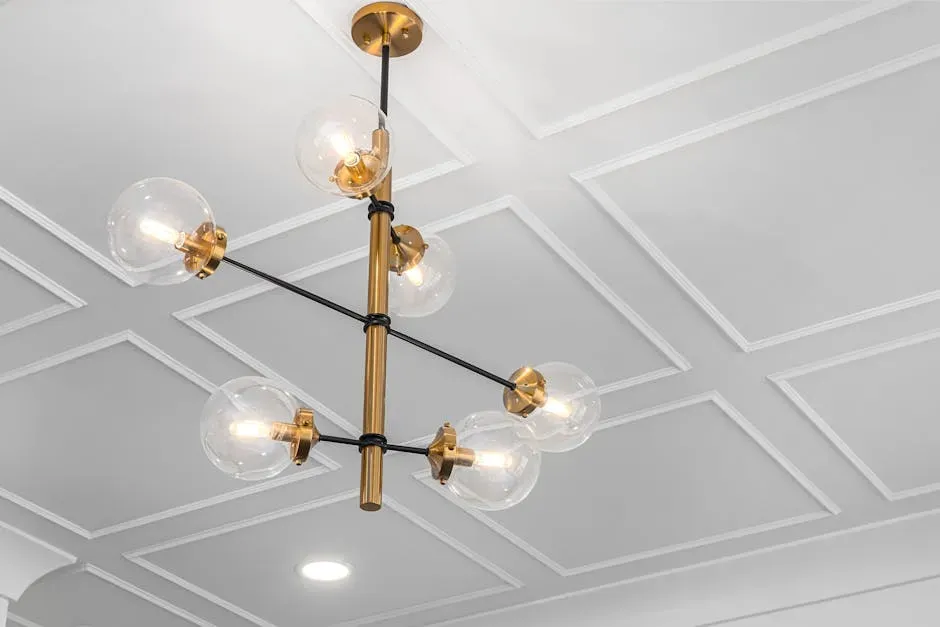
Whether it’s a bold color choice, intricate wallpaper, or decorative molding, accent ceilings have been big news in 2025. As color drenching gained popularity in 2024, extending bold creativity to ceilings has been the next logical step in 2025. Designers are embracing the ceiling as a “fifth wall,” where elements like hand-painted murals, sculptural ceiling roses, and deep cornices can elevate the entire room’s aesthetic.
Most people treat the ceiling as an afterthought. That’s exactly why attending to it signals something different. Full height architectural impact is front and center in contemporary interiors. Walls and ceilings are increasingly being approached as architectural elements in their own right, offering surfaces that add structure, depth, and atmosphere from floor to ceiling. A well decorated ceiling can bring a sense of scale and drama, amplified by the tactile qualities of deep grooves and appealing texture.
10. Warm, Sophisticated Neutral Palettes Rather Than Clinical White
Boring beige is out. In 2026, neutral colors are getting a warm, sophisticated upgrade. Soft clay, mushroom gray, chalky taupe, olive drab, and dusty sandstone are the tones bringing a refined warmth that makes any room feel cozy and inviting. The trick is to layer these tones and mix them with different materials.
Warm minimalism is rising as one of 2026’s most influential design styles. People still appreciate the simplicity and clarity of traditional minimalism, but they want it to feel more comfortable, expressive, and livable. Warm minimalism achieves that balance by introducing natural textures, soft neutrals, tactile materials, and inviting layers while maintaining an uncluttered look. Instead of stark white rooms and sharp lines, this trend embraces light woods, textured walls, sculptural furnishings, soft stone, and breathable color palettes. Homes decorated this way feel inhabited rather than staged.
11. Curved and Organic Shapes in Furniture and Architecture
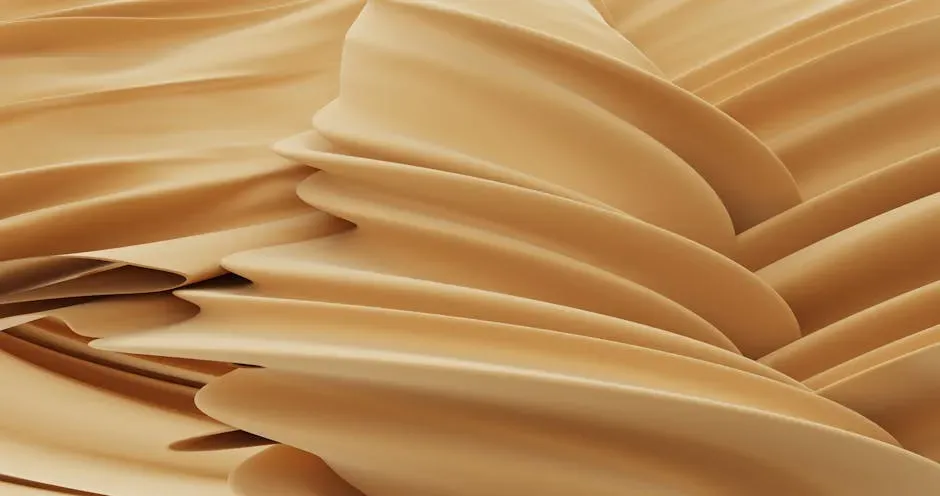
Retro-inspired curves will be one of the most popular design trends reshaping architecture, furniture, and décor with a softer, more inviting aesthetic. From arched doorways to rounded furniture, these features bring a subtle and gentle flow that instantly feels more welcoming. Curvaceous sofas, circular coffee tables, and sweeping architectural elements replace harsh edges to create a warm sense of ease and approachability. There’s something inherently comforting about curves, as they have an organic, soothing quality that calms the eye and enhances the emotional warmth of a space.
In 2026, furniture doubles as sculpture, serving as an artistic expression as much as a functional element. Statement chairs, benches, ottomans, and coffee tables with fluid shapes and interesting proportions are part of this movement. A single handcrafted piece can elevate an entire space and make it feel collected, not decorated. That shift from decorated to collected is, in many ways, the whole story of excellent taste.
12. Discreet, Functional Storage That Disappears Into the Design
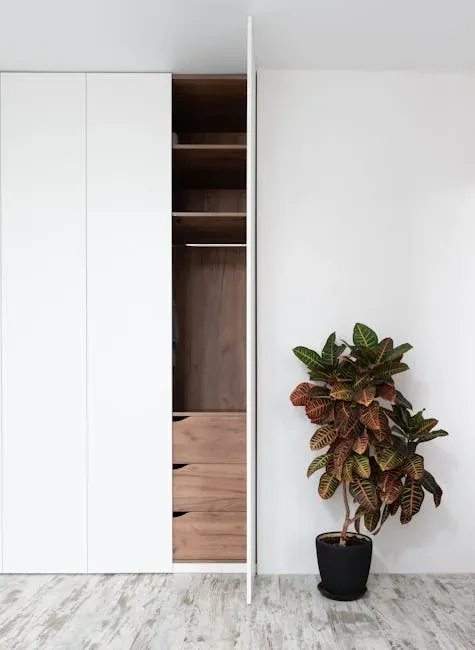
From concealed pantries and linen cupboards to stylish coffee stations and home bars tucked neatly behind cabinetry, design is getting smarter and more discreet. Homeowners are craving clean lines and quiet luxury, with layouts that can flex between open and closed for a sleek, clutter-free look. These innovations keep open-plan homes streamlined and functional while adding a touch of modern sophistication.
Homes are getting smarter and sleeker, with clever storage, slab backsplashes, and integrated design creating a sense of calm and flow throughout the home. Extending countertop materials up the wall for a seamless backsplash is one way to achieve this effect. Storage that vanishes into the architecture of a room is a quiet form of generosity toward the people who live there. It removes friction from daily life, and rooms designed with that kind of consideration tend to feel noticeably calmer for reasons guests can’t always articulate.
Excellent taste in a home is rarely about any single feature. It’s the accumulation of small, intentional decisions made over time, each one showing that someone cared enough to think it through. That care, more than any trend or price point, is what a room ultimately communicates.